How Storms And Heat Together Are Fueling Japanese Beetles In Michigan
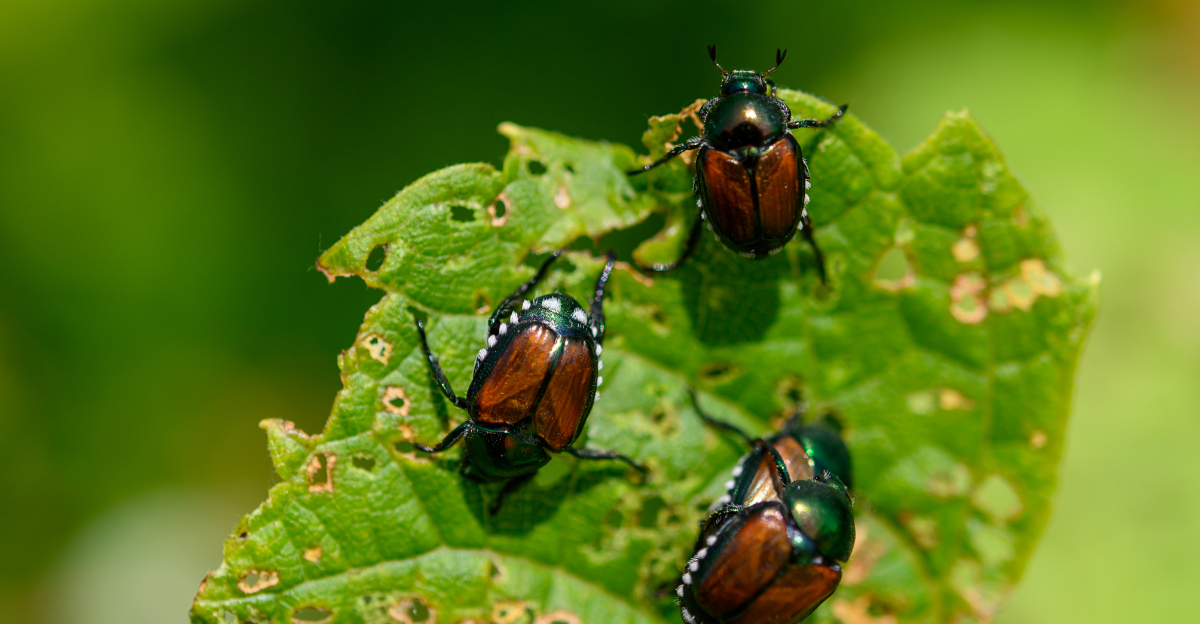
Michigan’s recent combination of heavy storms followed by intense heat has created ideal conditions for Japanese beetle populations to expand rapidly.
Consistent rainfall keeps soil moist, which beetle larvae depend on while developing underground before emerging as adults.
Once heat arrives, warmer temperatures speed up this development process, allowing beetles to emerge earlier and in greater numbers than usual.
This overlap between moisture and heat essentially creates a perfect environment for both survival and rapid reproduction.
Gardeners are noticing heavier feeding damage this season, particularly on roses and other beetle favorite plants.
Treating soil for grubs in early fall becomes even more important following a summer with this kind of weather pattern.
Handpicking adult beetles during their peak activity helps reduce immediate damage while addressing the larger population issue separately.
Understanding this weather connection helps Michigan gardeners better anticipate and prepare for future beetle pressure.
1. Heat Makes Adult Beetles More Active
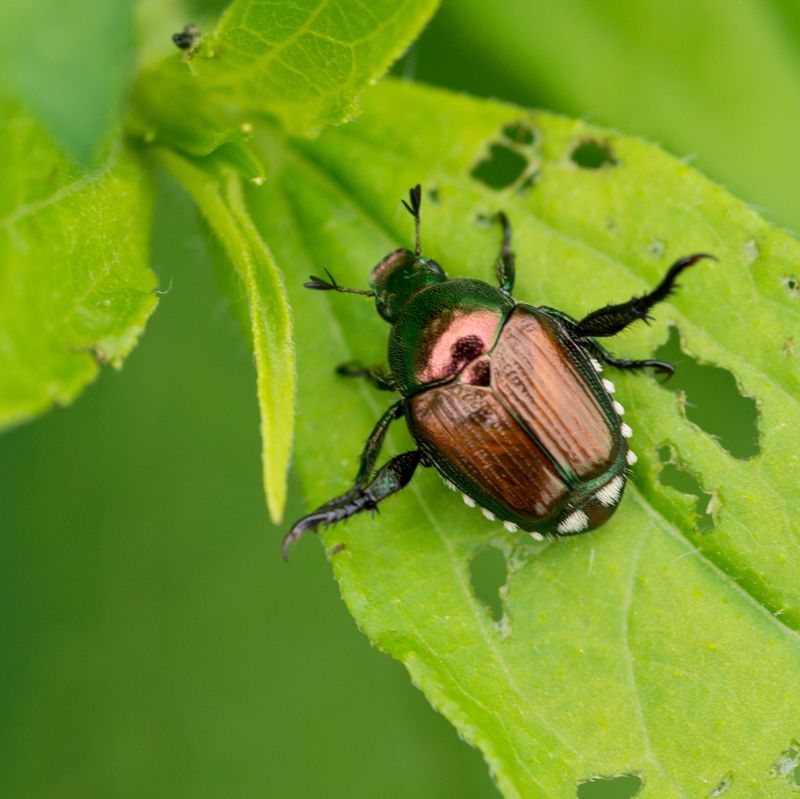
Warm weather and Japanese beetles go together like peanut butter and jelly.
When Michigan temperatures climb into the mid-80s and beyond, adult beetles kick into high gear.
They feed faster, fly farther, and gather in larger groups on favored plants. Heat is basically a signal that tells them the season is on their side.
Adult beetles are most active during the warmest parts of the day, typically between late morning and early afternoon. On cooler or overcast days, they tend to slow down and feed less aggressively.
That means a string of hot, sunny July days can create noticeably heavier feeding pressure on roses, grapes, linden trees, and other preferred plants compared to a cooler stretch of weather.
Beetle feeding also works in a group effect. When one beetle lands on a plant and starts chewing, it releases a scent that attracts more beetles.
Warm temperatures speed up this process because beetles are flying more often and covering more ground.
A single plant can go from lightly nibbled to heavily fed upon in just a day or two during a heat wave. Knowing this pattern gives gardeners a real advantage.
Checking your most vulnerable plants every morning during hot spells lets you catch feeding early.
Knocking beetles into a bucket of soapy water in the cooler morning hours, when they move more slowly, is one of the most effective hands-on strategies available to Michigan home gardeners right now.
2. Rain Makes Dry Soil More Favorable
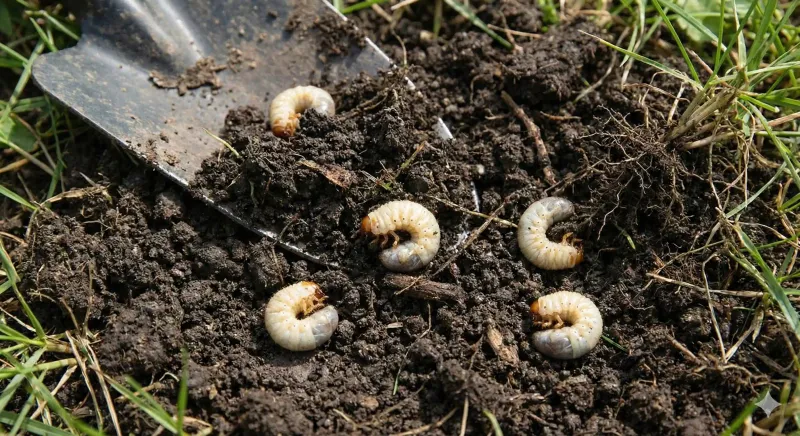
Summer storms do more than cool things down for a few hours. When rain soaks into dry Michigan soil, it creates conditions that Japanese beetles find very welcoming for laying their eggs.
Female beetles are highly selective about where they deposit eggs, and they strongly prefer moist, grassy soil over hard, baked ground.
During dry stretches, female beetles often skip over yards that look parched and move on in search of better options.
But once a good rain comes through and softens the earth, those same beetles return quickly.
Moist soil is easier to burrow into, and it holds the right humidity levels that eggs need to develop properly.
Your Michigan Garden Changes Every Week. Your Plan Should Too.
Gardening in Michigan changes quickly throughout the season. Every Friday you’ll receive a simple weekly plan showing exactly what to plant, prune, fertilize, harvest, and protect so you never miss the right timing.
A single female can lay between 40 and 60 eggs over her lifetime, so even a moderate population can add up fast when conditions are right.
Michigan has seen more intense summer storm patterns in recent years, which means periods of drought can flip to saturated soil within just a day or two. That rapid shift is actually ideal for beetles.
The dry period reduces competition and other soil-dwelling threats, and then the rain rolls in and opens the door wide for egg-laying activity to surge.
Gardeners who pay attention to rainfall patterns have a head start. After a significant summer storm, it is worth inspecting your lawn and garden edges more carefully.
Catching the adult population early, before eggs get deposited, is far more effective than dealing with a large grub population weeks later.
3. Moist Soil Helps Eggs And Grubs Survive
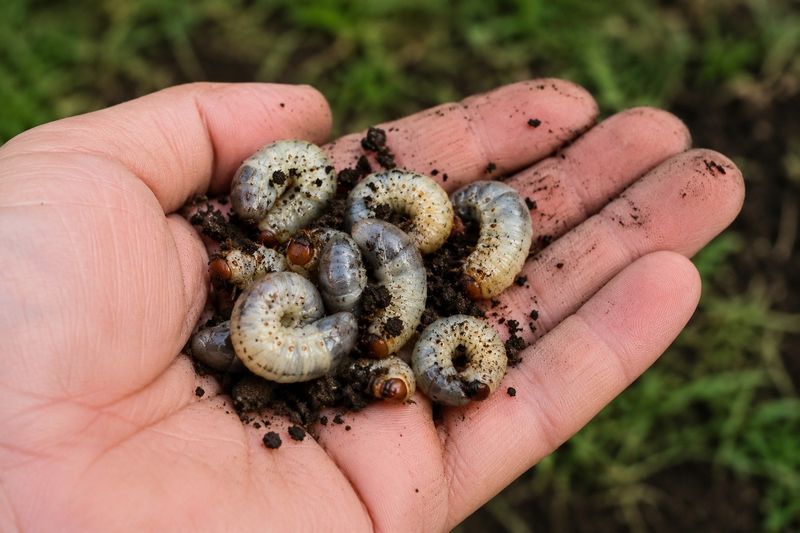
Once eggs are in the ground, moisture becomes the single biggest factor in whether they survive. Japanese beetle eggs are surprisingly fragile.
They need consistent soil humidity to develop properly, and even a short dry spell during the egg stage can cause them to shrivel and fail before hatching.
Moist soil, on the other hand, keeps them protected and on track. After hatching, young grubs face similar challenges.
Tiny first-stage grubs feed on grass roots close to the surface, which makes them especially vulnerable to dry conditions.
When soil dries out in late summer, grubs burrow deeper to find moisture, but very young grubs often cannot move fast enough to escape drought stress.
A wet summer essentially rolls out the welcome mat for the entire next generation. Grubs that survive into their second and third stages grow larger and more resilient, but they still benefit from moist conditions.
Lawns with consistently adequate moisture tend to support higher grub densities than dry or sandy soils.
This is why certain Michigan neighborhoods or garden areas seem to have persistent beetle problems year after year, often tied directly to soil type and irrigation habits.
Understanding the grub stage helps gardeners think beyond just the adult beetles they see on plants. The real population growth happens underground, quietly, through summer and into fall.
Keeping an eye on your lawn’s moisture levels and watching for signs of grub feeding, like spongy turf or birds pecking at the grass, gives you useful early warning signs worth acting on.
4. Rain Can Increase Beetle Activity Quickly
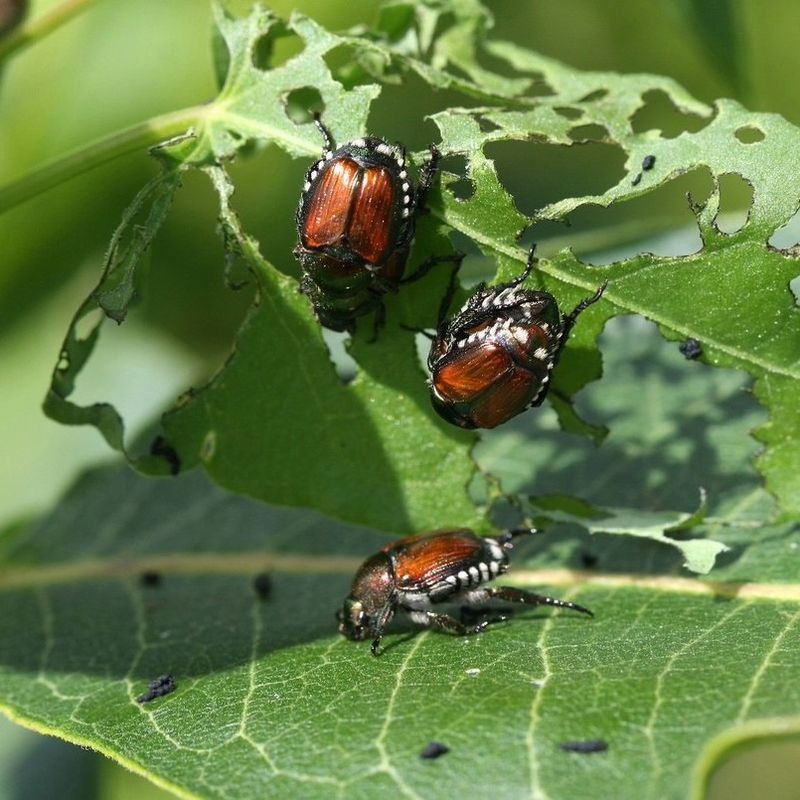
Many Michigan gardeners have noticed something puzzling. One day the garden looks fine, and then after a summer storm rolls through, suddenly the plants are swarming with beetles.
It can feel like the rain somehow summoned them out of nowhere, and in a way, that is not far from the truth. Rain affects adult beetle behavior in a few important ways.
Before a storm, beetles often seek shelter in dense vegetation or lower on plants, making them less visible. After the rain passes and temperatures bounce back up, they become highly active again.
The combination of refreshed plant tissue, warmer post-storm air, and softer soil all seem to energize feeding and movement at the same time. There is also a scent component worth knowing about.
Wet plant leaves can release stronger aromatic compounds, which may make already-preferred host plants even more attractive to beetles searching for a meal.
Plants like roses, raspberries, and grapes can become hotspots within hours of a storm if a beetle population is already established nearby. Timing your garden checks right after summer storms is a smart move.
Waiting a day or two after rain to walk your yard and inspect favorite beetle targets gives you a clear picture of what is actually happening.
If you spot heavy feeding clusters forming quickly, that is your cue to take action before the group feeding effect pulls in even more beetles from surrounding areas. Early response always beats playing catch-up.
5. August Adults Started Developing Last Year
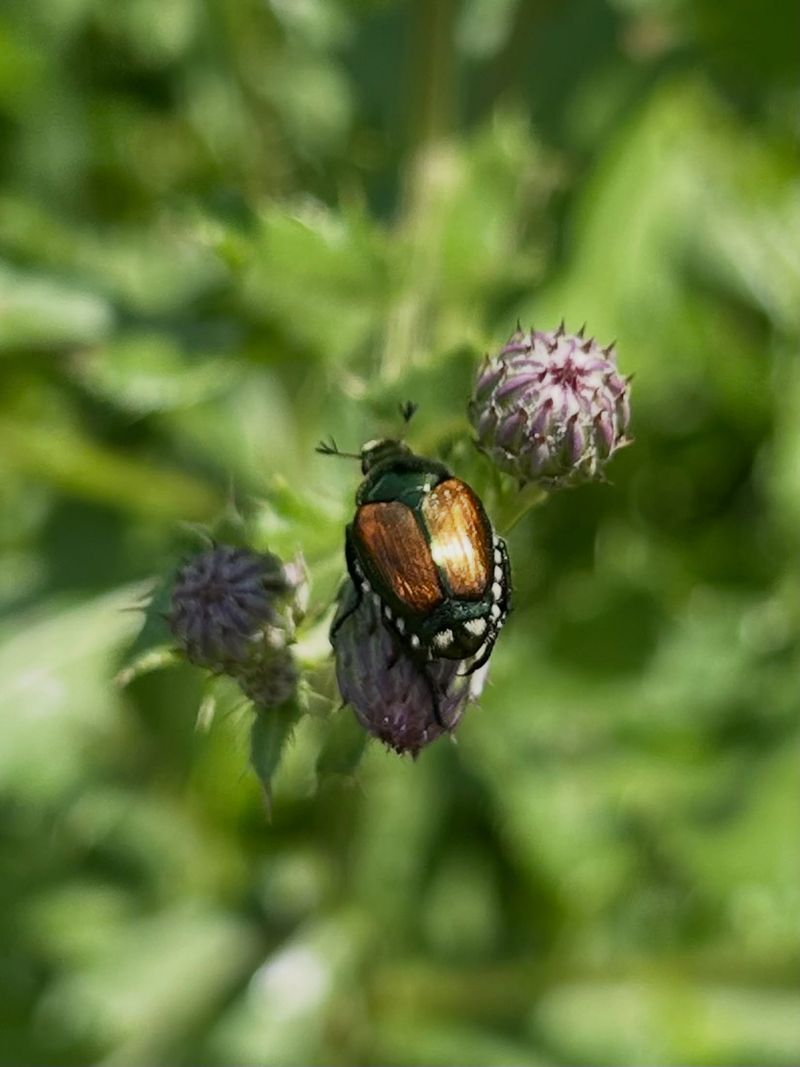
Seeing a big wave of adult Japanese beetles in August might make you wonder if this summer’s storms somehow created them all at once. The reality is more interesting than that.
Every adult beetle crawling on your plants right now started as an egg laid in the soil last summer, went through a full grub stage underground, and overwintered before emerging this year.
Storms and heat did not build this population overnight. The Japanese beetle life cycle spans roughly a full year.
Eggs hatch in late summer, grubs feed through fall, burrow deep for winter, move back up in spring, and then pupate before adults emerge in late June or July.
By the time you see them flying around your garden, the weather from the previous summer is what shaped how many of them made it through.
This is actually encouraging news for gardeners. A single wet, warm summer does not automatically mean a disaster the very same season.
The effects of this year’s weather will show up more clearly in next year’s adult population. That gives you a window of time to monitor conditions and plan ahead rather than panic about immediate results.
Recognizing this timeline also helps you think about beetle management more strategically. Adult control measures this summer protect your plants right now.
Grub management later in the season addresses what is building underground for next year. Both steps matter, but understanding which one targets which life stage makes your efforts much more focused and effective.
6. Lawns Can Produce Garden Beetles
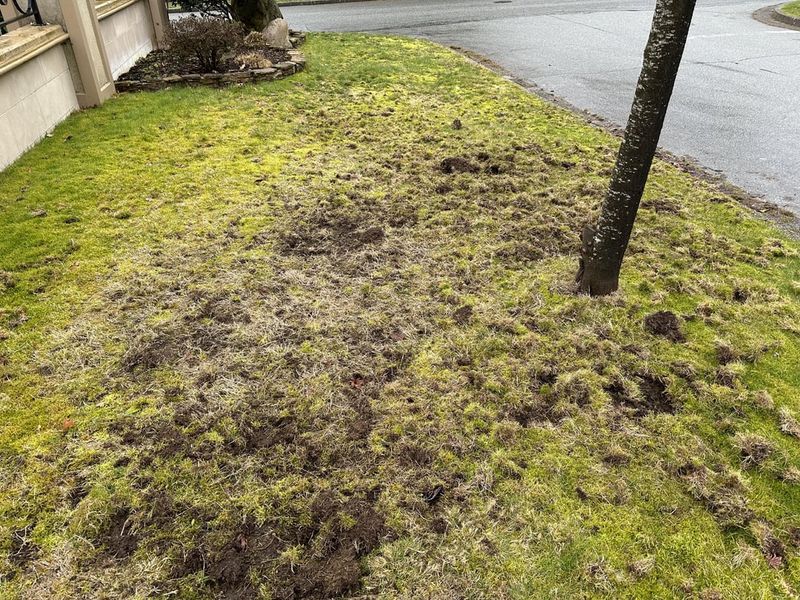
Your lawn might look perfectly healthy on the surface, but underneath it could be raising the next generation of beetles headed straight for your garden.
Grassy turf is the preferred egg-laying site for Japanese beetles, and a well-irrigated lawn right next to a rose bed or vegetable garden is practically a beetle nursery with a short commute.
Female beetles lay eggs in turf because grass roots provide the first food source for newly hatched grubs.
A thick, moist lawn gives young grubs everything they need during their most vulnerable early weeks.
Once they mature through the summer and fall, they overwinter in the soil and then emerge as adults the following year, often flying directly to whatever flowering or fruiting plants are growing nearby.
The distance between a beetle’s birthplace and its feeding destination is often surprisingly small.
Research has shown that many beetles tend to stay within a relatively short range of where they emerged, though they can fly much farther when searching for mates or food.
A lawn bordering a garden creates an almost seamless pipeline from grub habitat to adult feeding ground.
One practical takeaway from this is that managing your lawn and your garden as connected systems makes a real difference.
Reducing unnecessary irrigation in turf areas during peak egg-laying season in July can make your lawn less inviting for females.
Letting the grass dry a bit between waterings during that window may discourage egg-laying without harming your lawn in any lasting way.
7. This Summer Can Affect Next Summer
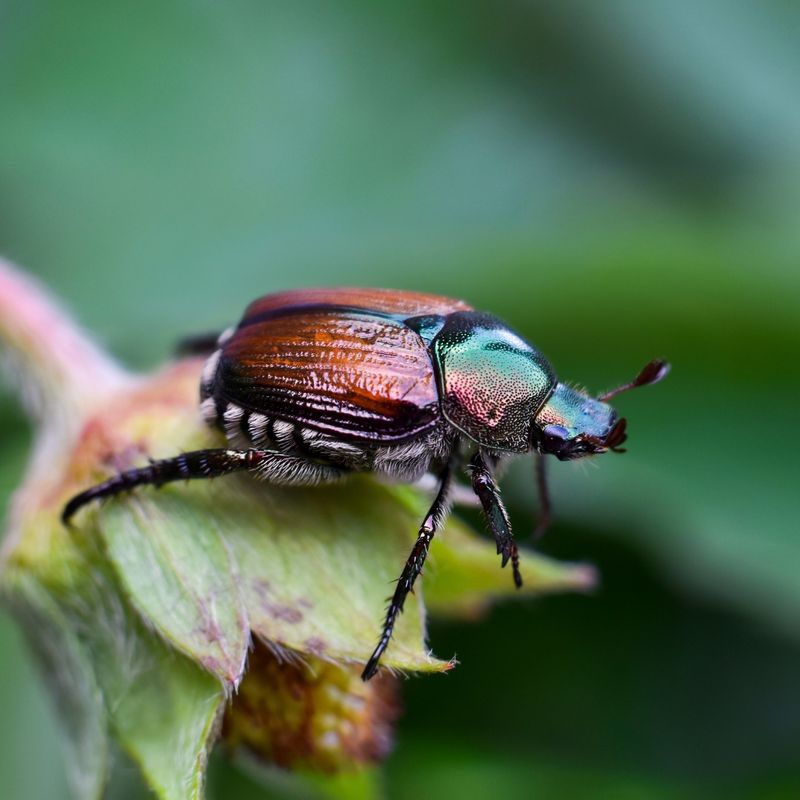
What happens in your yard this July and August quietly sets the stage for what you will be dealing with next year.
Moist, warm soil during peak egg-laying season gives female beetles ideal conditions to successfully deposit eggs that survive, hatch, and develop into healthy grubs.
More surviving grubs this fall means more emerging adults next summer. The connection is direct and worth paying attention to.
Michigan’s recent summers have featured a pattern of intense heat followed by heavy rain events, which creates repeated windows of favorable egg-laying conditions throughout July and into August.
Each rainstorm that follows a dry hot stretch essentially resets the clock and gives beetles another opportunity to deposit eggs in freshly moistened soil.
Multiple favorable windows in a single season can compound the effect significantly.
Gardeners who track beetle pressure from year to year often notice that a particularly bad adult season follows a summer when conditions were unusually wet and warm during the egg-laying period.
Keeping simple notes about rainfall, temperature, and beetle numbers each season helps you build a useful local picture over time.
That kind of observation turns into real knowledge you can act on. Grub management in late summer and early fall is the most direct way to interrupt this cycle.
Targeting grubs while they are still young and feeding near the surface is far more effective than waiting until they mature and burrow deeper.
Timing your response to the season you are in now is one of the most valuable things a Michigan gardener can do for next year’s garden.
8. Scout Plants Instead Of Treating Automatically
Not every yard in Michigan gets hit equally hard by Japanese beetles every season. Beetle pressure varies a lot depending on location, nearby habitat, plant selection, and the specific weather patterns in your neighborhood.
Jumping straight to treatment without checking what is actually happening in your garden can waste time, money, and effort on a problem that may not need aggressive action right now.
Scouting means walking your yard regularly and looking at the plants beetles prefer most. Roses, grapes, linden trees, raspberries, and certain ornamental shrubs tend to be the first targets.
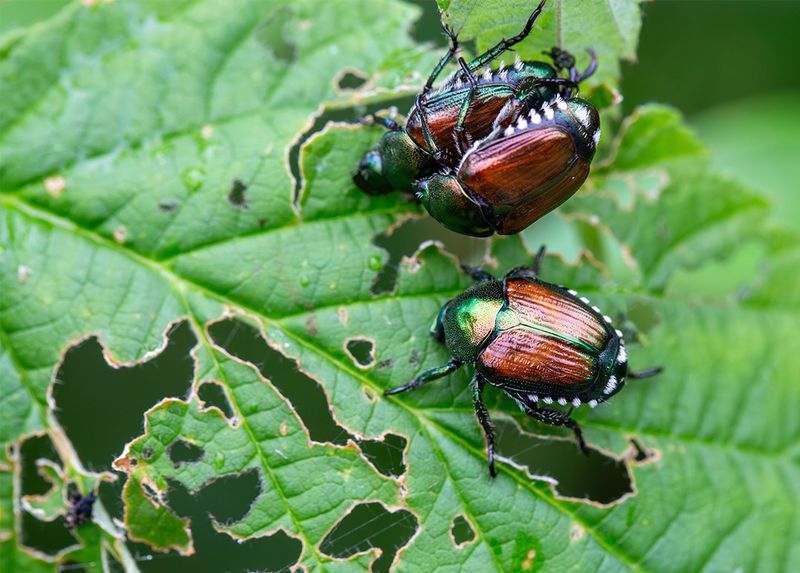
Check both the tops and undersides of leaves for feeding damage, which usually appears as a lacy, skeletonized pattern where beetles have eaten everything except the leaf veins.
Note how many beetles you actually see versus how much damage already exists. A few beetles on a large, healthy plant may not warrant any response at all.
Plants that are well-established and properly watered can tolerate a moderate level of feeding without long-term harm.
The goal of scouting is to make a decision based on real evidence rather than assumption. If feeding is light and confined to a small area, hand-removal may be all you need.
Scouting also helps you spot rising pressure before it gets out of control. If numbers climb sharply over a few days, especially after a rain event, that is a clear sign to take action.
Building a scouting habit through July and August puts you in control of the situation rather than always reacting after damage has already built up across your garden.