A Silent Dance Of Black-And-White Wings Is Building On Minnesota’s Waters
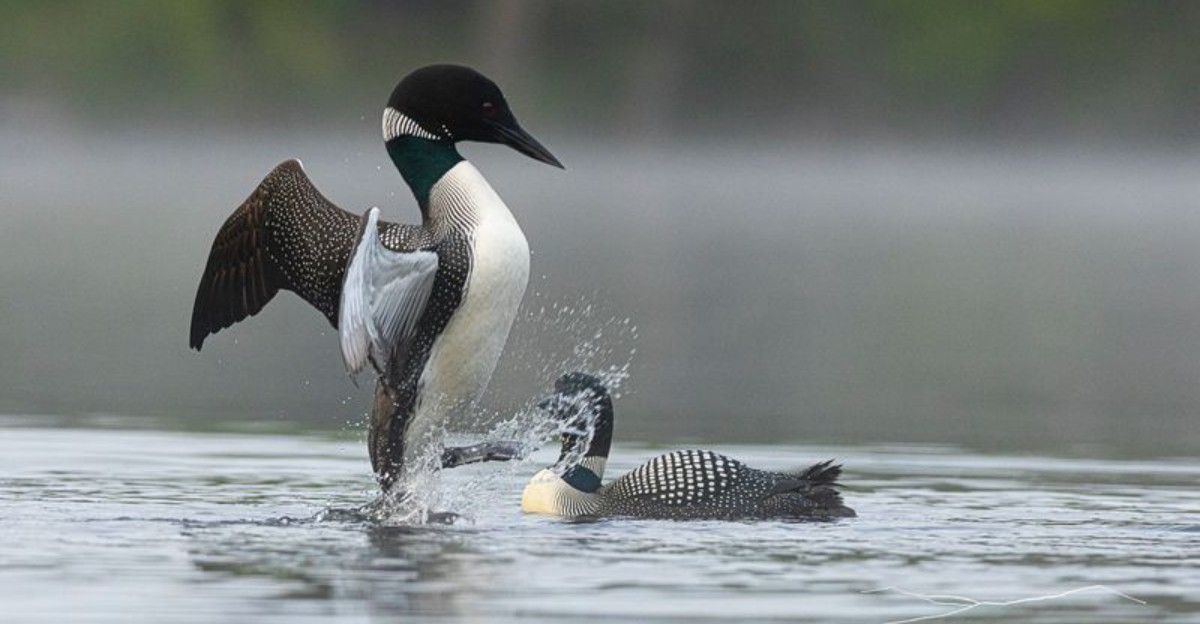
Something out there is staging a secret exit, and you’re missing it. Minnesota’s lakes host a gathering that few visitors ever witness firsthand. Small groups drift together at dawn, then scatter and reform.
Water turns glassy while you watch feathers shift toward duller tones. Young swimmers test cramped wings as parents drift quietly apart. Family bonds loosen fast, and you can sense the change.
No signal announces this shift, yet the lake feels it happening. Binoculars catch details your naked eye would otherwise lose. Checkered backs fade into plain, wintery gray right before your eyes.
Diving grows frantic as they stockpile fuel for a long flight south. Staging grounds like this turn Minnesota into a critical stopover point. You won’t find this spectacle listed on any town calendar.
Silence on the water hides a countdown that’s already ticking loudly. This quiet transformation won’t pause, and you shouldn’t look away.
When Solitary Birds Suddenly Get Social
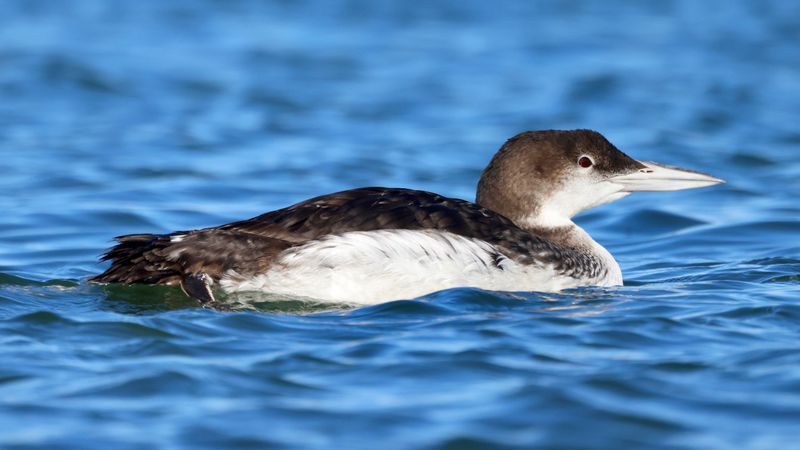
All summer long, a pair of loons will defend their bay with real intensity. Come September, that territorial attitude softens in a way that surprises many lake watchers.
Birds that spent June chasing each other off now float side by side in loose groups called rafts. Some gatherings hold five or six birds, while larger Minnesota lakes can host dozens drifting in the same stretch of open water.
It’s thought that these social get-togethers serve a practical purpose, though the exact mechanism isn’t fully confirmed.
Fishing in a group can help birds locate schools of minnows and perch more efficiently, and extra eyes mean quicker warnings when an eagle passes overhead.
The rafts also seem to work as a kind of staging area. Loons that will eventually head toward the Atlantic coast use these weeks to feed heavily and build the reserves a long flight demands.
If you want to watch, aim for the calmest hours right after sunrise. Wind chop hides low-floating birds, and glassy water makes their checkered backs stand out from a quarter mile away.
Keep your distance, ideally a couple hundred feet, and cut your motor if you are in a boat. Rafting birds spook easily, and pushing them into repeated dives burns the very energy they are working to store.
Bring binoculars rather than a paddle that inches closer. You will see far more, and the birds will keep doing what they came to do.
How Loons Change Their Look
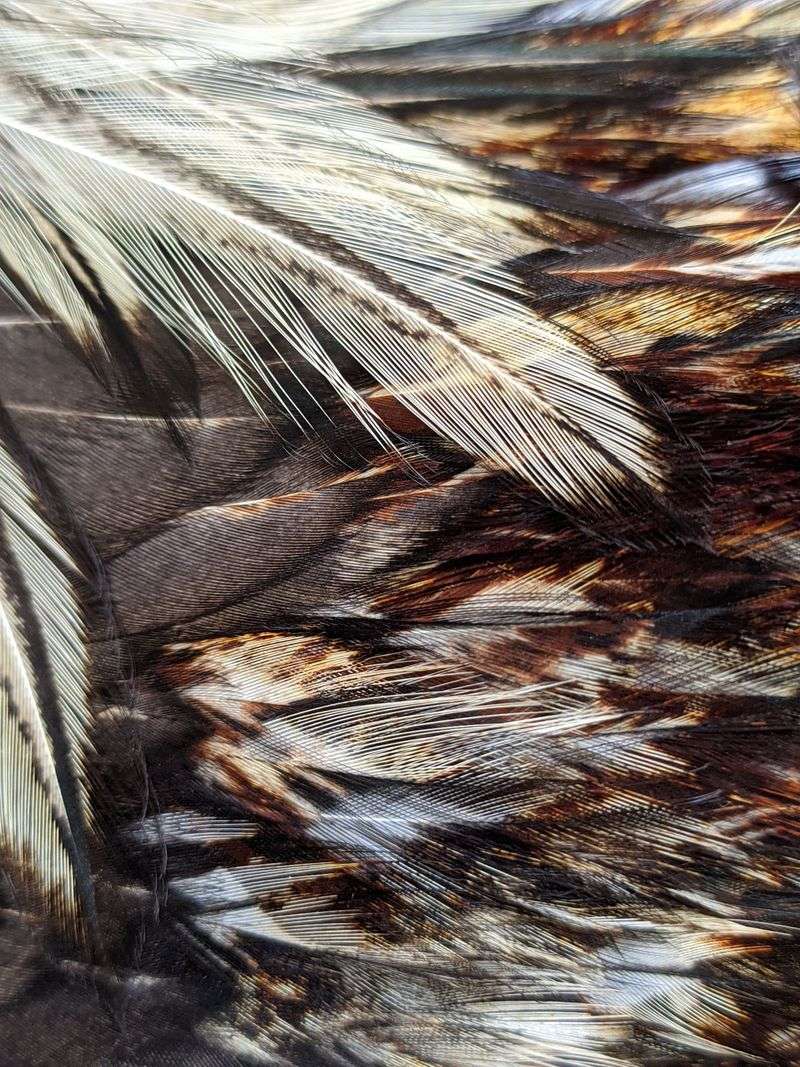
Picture a loon’s crisp breeding colors slowly fading into duller winter tones. That is roughly what happens to a loon’s feathers as September rolls along.
The crisp black head and bright white checkerboard that define summer loons begin fading into muted browns and grays. The throat lightens, the collar blurs, and the sharp pattern on the back softens into something far less flashy.
New watchers often think they are seeing a different species entirely. Plenty of Minnesota cabin owners have reported strange gray waterbirds in October, only to learn they were looking at the same neighbors from July.
Your Minnesota Garden Changes Every Week. Your Plan Should Too.
Gardening in Minnesota changes quickly throughout the season. Every Friday you’ll receive a simple weekly plan showing exactly what to plant, prune, fertilize, harvest, and protect so you never miss the right timing.
The change makes sense once you think about where these birds are headed. Ocean wintering grounds offer little reason for showy breeding colors, and drab feathers draw less attention from predators.
Young loons often remain on saltwater for a few years before returning north, and some may not attempt breeding until they are several years older. Sorting them out becomes a fun puzzle for anyone with a field guide and patience.
One detail worth knowing: the full wing molt happens later, usually on the wintering grounds, not here. That means Minnesota birds keep their flight feathers through migration, which is exactly what they need.
Watch for the transition on cloudy days when glare is low. The subtle color shifts show up better without harsh sunlight bouncing off the water surface.
Young Fliers Practicing Their Runway Takeoffs
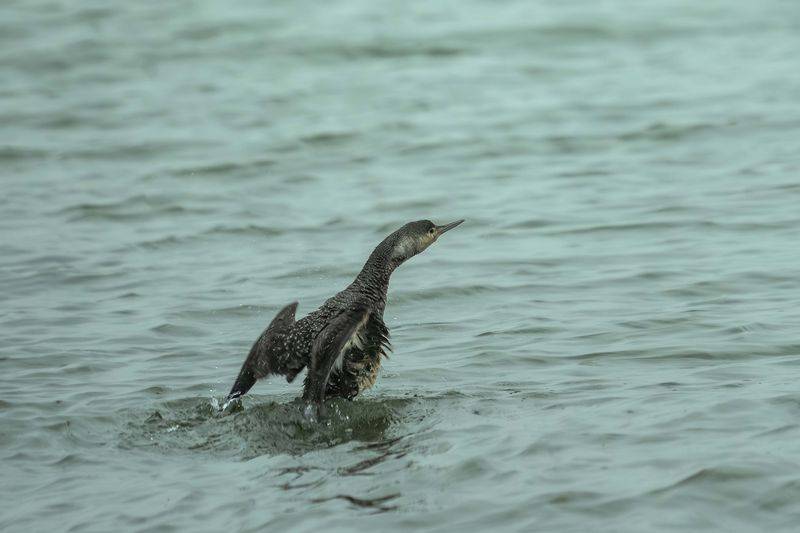
There is nothing graceful about a loon leaving the water. Watching a young one attempt it for the first time is an awkward but fascinating process.
Loons carry solid bones and heavy bodies, which helps them dive but makes flight a genuine challenge. A takeoff requires a running start across the surface, sometimes stretching a quarter mile or more.
Chicks hatched in June spend late August and September building the chest muscles for that effort. You will see them flapping furiously, skidding along, then settling back down with what looks like mild embarrassment.
Each attempt goes a little farther. By late September or October, many juveniles manage short flights around their home lake before attempting anything longer.
The runway requirement explains why loons favor larger lakes. A small pond simply does not give them room to build speed, which is why you rarely find them nesting on tiny waters.
It also explains a sad situation that happens when birds land on wet parking lots or roads, mistaking the shine for water. They cannot take off again from pavement and need human help to get back to a lake.
If you spot a loon stranded on land in Minnesota, contact a wildlife rehabilitator rather than handling it yourself. Loons have sharp bills and surprising strength, so handling should be left to professionals.
Give practicing juveniles space. Repeated disturbance wastes flight energy they genuinely need.
Parents Leave First, And The Kids Figure It Out
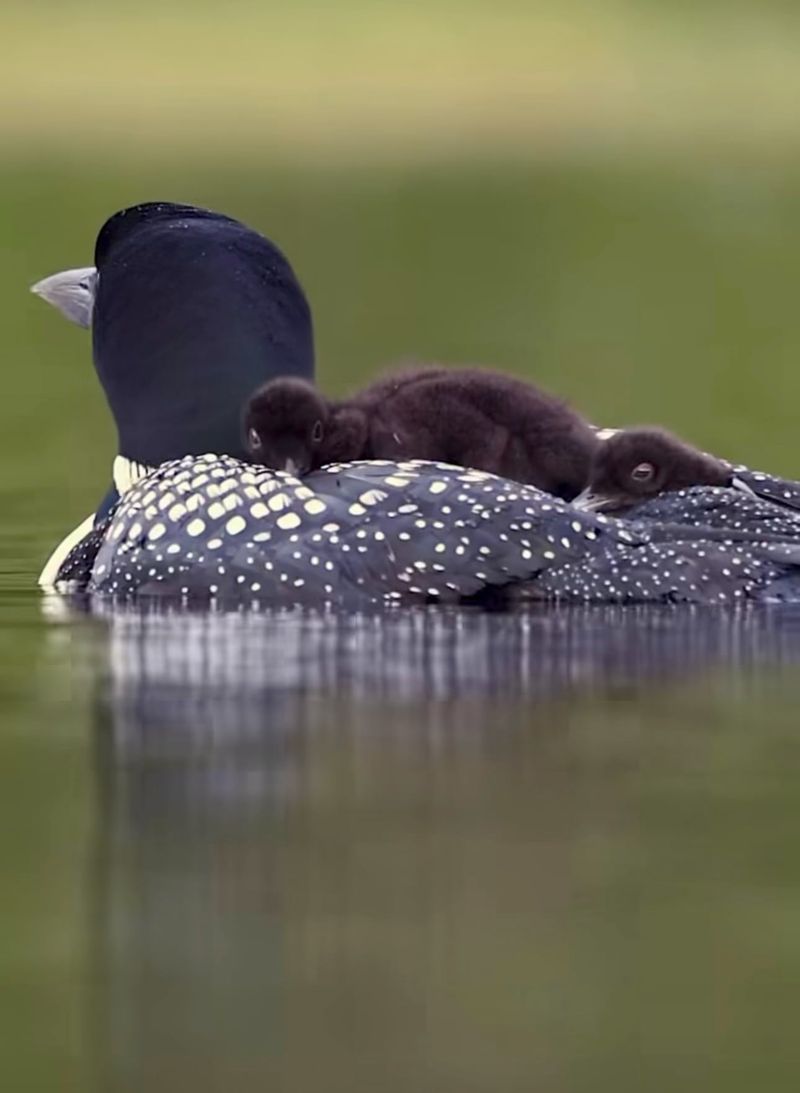
Here is a fact that catches most people off guard: adult loons head south before their young do. This pattern may seem unusual at first, but it serves a clear purpose.
Grown birds typically depart Minnesota lakes through September and early October. The juveniles stay behind, sometimes for weeks, continuing to feed and strengthen their flight muscles.
Those young loons then make the trip to the ocean on their own, without a guide or a map. Some instinct built into them points the way toward the Gulf of Mexico or the Atlantic coast.
Once they arrive, they stay. Young loons often remain on saltwater for a few years before returning north, and the bird you watched hatch this summer won’t be back anytime soon.
Cabin owners closing up for the season often notice a lone gray bird still paddling around in late October. That is usually a juvenile finishing its preparations, not an abandoned chick in trouble.
Ice-in poses the real risk. A young loon that waits too long can find its runway shrinking, so most leave before lakes lock up.
If you notice a loon on a partially frozen lake in November, report it to the Minnesota Department of Natural Resources.
Trained responders can assess whether help is warranted. Otherwise, just enjoy the send-off. That solo departure highlights the species’ resilience.
Why The Calls Grow Quiet
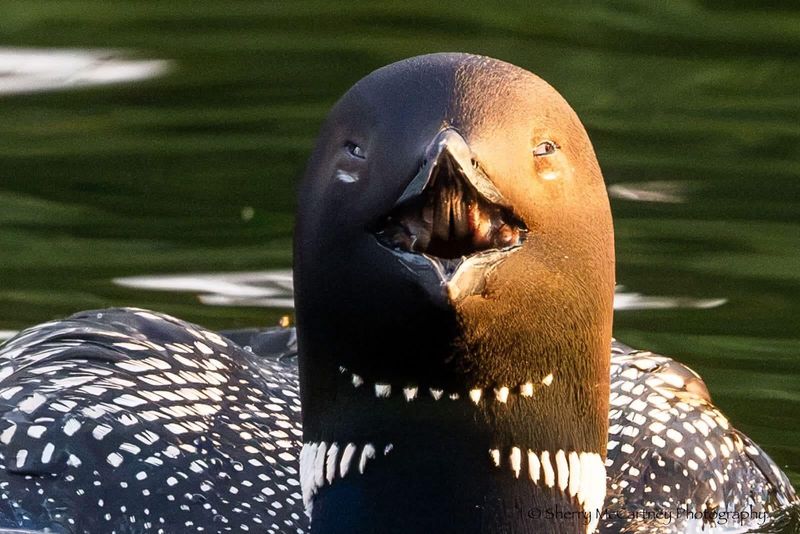
Ask anyone who has spent a summer night in northern Minnesota, and they will mention the sound. That drawn-out wail carrying across dark water is a familiar sound for many Minnesotans.
Fall brings a noticeable hush. The yodels, tremolos, and wails that filled July evenings taper off considerably by mid-September.
The reason ties directly to purpose. Those calls mostly defend territory and keep mates and chicks connected, and once nesting wraps up, the need fades.
Rafting birds do communicate, just more quietly. Short hoots pass between individuals in a group, soft enough that you might miss them from shore.
Listen for those hoots on still mornings. They sound almost conversational, like birds checking in rather than making announcements.
The yodel, by the way, comes only from males, and each one is unique enough that researchers can identify individual birds by sound. When a male takes over a new territory, his yodel actually changes.
Fun detail for trivia lovers: the tremolo, that laughing call, often signals stress or alarm. Hearing one directed at your canoe means you have drifted closer than the bird prefers.
Back off when you hear it. Turning around is the polite response, and the lake usually quiets right down again.
September evenings may be quieter, but they are not silent. Keep a window cracked and you will still catch a wail or two drifting in.
Where To Catch The Gathering Before Ice Arrives
Minnesota holds more common loons than any state outside Alaska, roughly twelve thousand of them. That gives fall watchers plenty of options.
Big waters tend to draw the largest rafts. Large lakes such as Mille Lacs, Leech Lake, Lake Vermilion, and Lake of the Woods are known to attract loons, though concentrations can vary year to year.
The Boundary Waters area offers a quieter experience, with birds scattered across countless smaller lakes. Paddling there in early fall means fewer boats and better odds of an undisturbed view.
Timing matters more than location. Aim for the first two hours after sunrise, when wind is low and birds are actively feeding near the surface.
Dress warmer than you think you need to. September mornings on open water run chilly, and shivering makes binoculars useless.
Public boat landings and fishing piers work perfectly well for shore-based watching. You do not need a boat to enjoy the show, especially on lakes with points that jut toward deeper water.
Bring a thermos and settle in for at least thirty minutes. Loons dive for a minute or longer, so patience pays off more than constant scanning.
Consider reporting what you see to the Minnesota Loon Monitoring Program. Volunteer observations help track population health across the state year after year.
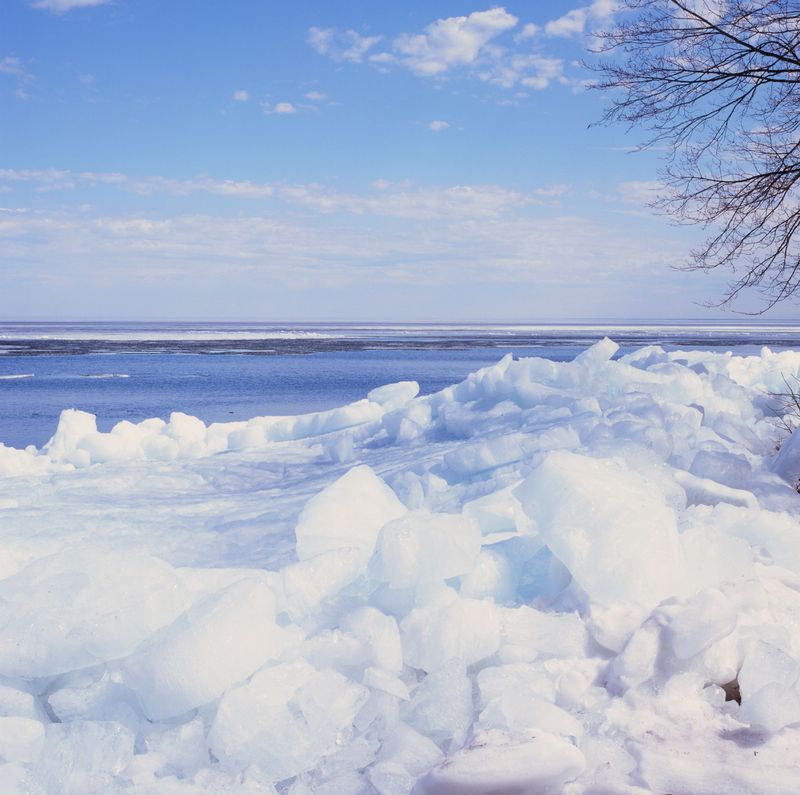
The window closes fast once cold weather settles in. Head out while the water is still open and the rafts are still forming.