The Meaning Behind Hearing Crows Gather In Your Ohio Trees At Dusk
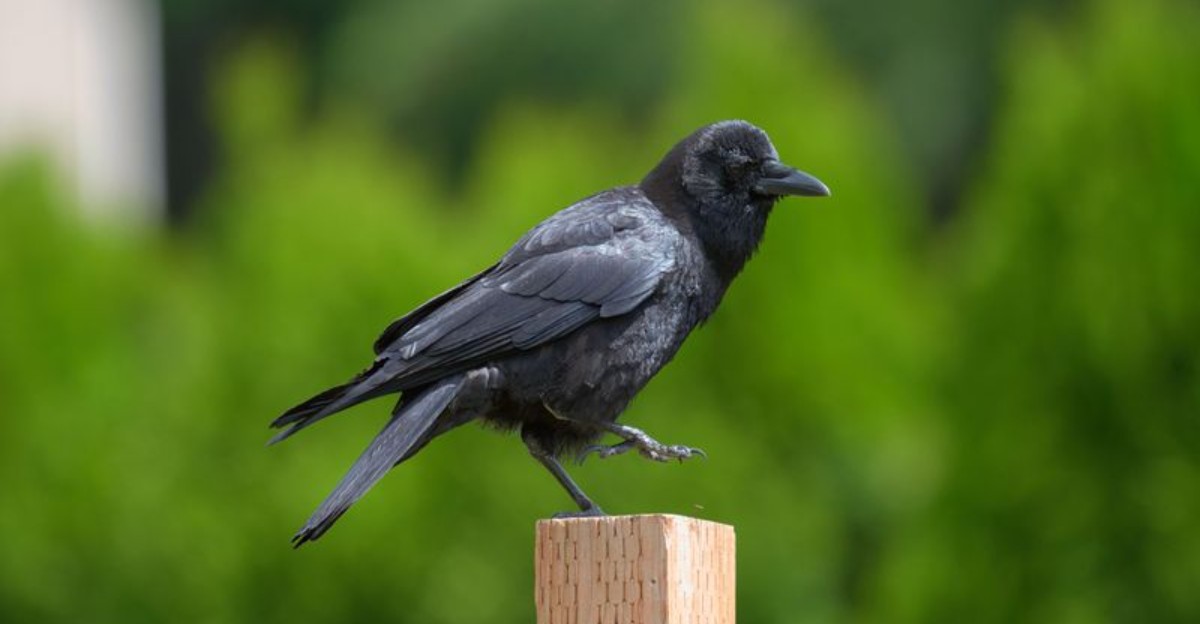
A few crows in a tree can feel normal. Dozens arriving at dusk and filling the branches with noise feels like something entirely different.
The calls echo through the neighborhood, birds shift from branch to branch, and suddenly your quiet evening has a very unusual soundtrack. This gathering is not random, and the timing matters.
Crows are highly social birds, and certain times of year bring changes in how they move, communicate, and choose where to spend the night. Your trees may have become part of a much larger routine happening across the area.
The surprising part is that the gathering says more about the landscape than the birds themselves. Food sources, shelter, safety, and seasonal patterns all influence why one group chooses one location over another.
That noisy evening meeting above your yard is not just a strange bird moment. It is a glimpse into a hidden pattern happening long after most people stop watching.
1. Safety In Big Numbers
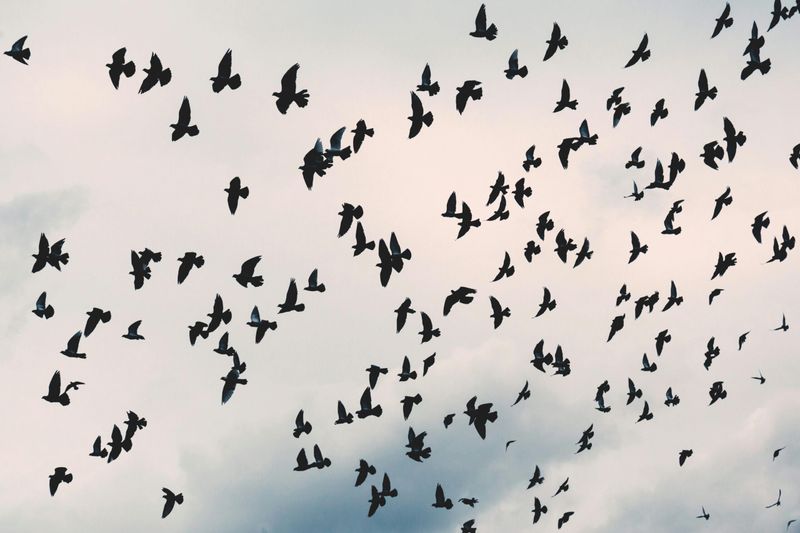
Picture a huge crowd of black birds settling in for the night, all watching out for one another. That is exactly what happens when crows gather in your Ohio trees during fall and winter.
Crows roost together, sometimes in groups of thousands, because there really is safety in numbers. Sleeping in large groups gives crows more eyes and ears watching for danger while they rest.
With so many birds packed close, there are more eyes and ears watching for danger.
If a predator sneaks in, one crow’s warning call can alert the whole flock in seconds. That gives the group a much better chance of scaring off the threat before anyone gets hurt.
American Crows are widespread across Ohio, making these gatherings a familiar sight in many communities. You might notice it most in neighborhoods with tall trees near open fields where the birds feed during the day.
Next time the noise seems overwhelming, remember these birds are simply protecting each other. Try not to disturb them, since the roost is basically their nightly security system.
Understanding this can turn a creepy scene into something pretty amazing to watch as the sun goes down.
2. Warmth And Shelter On Cold Nights
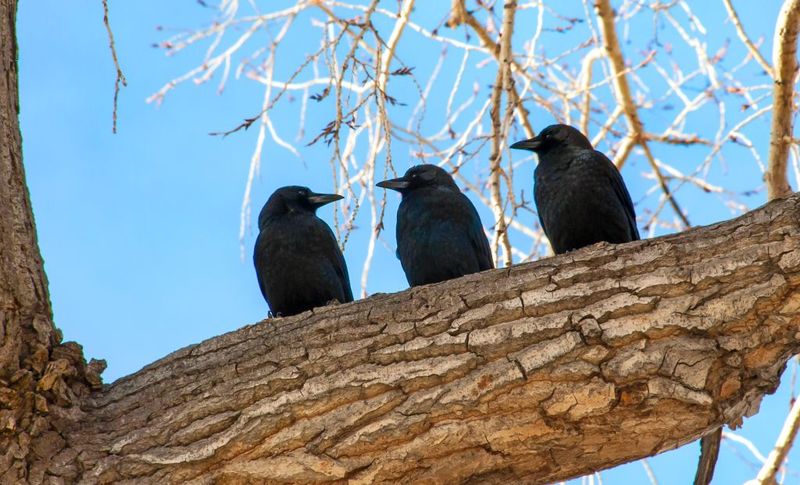
Ohio winters can be brutally cold, and crows feel that chill just like we do. Bunching together in the same trees is one of their smartest survival tricks.
Large roosts may provide some protection from wind and harsh conditions, but their biggest advantages come from safety and social connections. This helps each crow save energy that would otherwise be spent trying to stay warm through freezing nights.
You will notice these gatherings grow larger from fall into early spring, exactly when temperatures drop the most. Once the weather warms up, the giant roosts start to break apart as crows spread out to nest.
Cities and suburbs often attract large roosts because they offer tall trees, fewer predators, nearby food sources, and sometimes warmer microclimates. That is part of why residents in places like downtown Springfield have watched thousands of crows pile into their trees.
Your Ohio Garden Changes Every Week. Your Plan Should Too.
Gardening in Ohio changes quickly throughout the season. Every Friday you’ll receive a simple weekly plan showing exactly what to plant, prune, fertilize, harvest, and protect so you never miss the right timing.
Think of it like people crowding around a campfire on a cold night. The birds are simply making the best of the resources they have.
If crows pick your yard, it usually means your trees offer good shelter from the wind. While the mess can be annoying, the birds are just doing what keeps them alive until spring returns.
3. Sharing News About Food
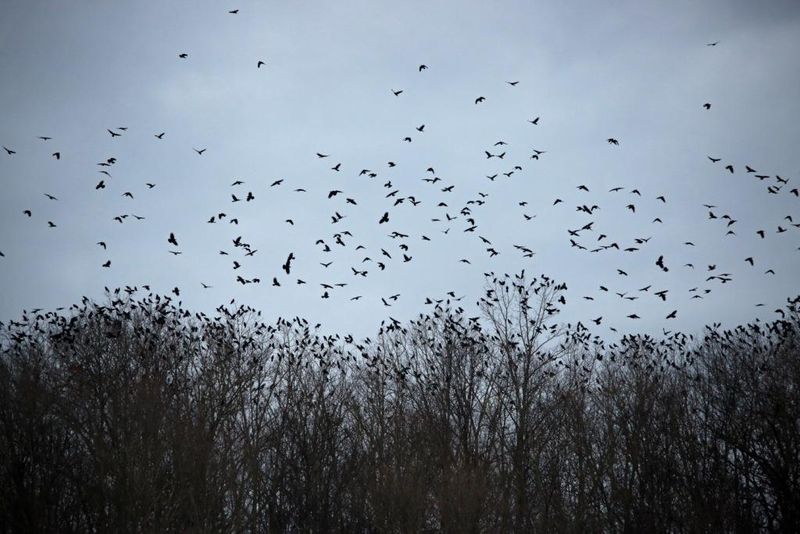
Believe it or not, that loud crow chatter might be a nightly news broadcast. Scientists think roosts act like busy information centers where crows swap tips.
During winter, food gets harder to find, so knowing where to eat is a huge deal. Scientists believe roosts may help crows exchange information, including clues about safe areas and good feeding opportunities.
Social interactions at roosts may help younger or less experienced birds learn from others. In return, that crow benefits from being part of a strong, well-fed group.
This kind of teamwork shows just how brainy these birds truly are. Crows are known for solving puzzles, recognizing human faces, and even remembering who has been kind or mean to them.
When you hear them all cawing back and forth in your Ohio trees, imagine them comparing notes about the best cornfields and dumpsters nearby. It is basically their version of texting each other dinner plans.
Fun fact: crows can remember a good food spot for a long time and pass that knowledge to their young. So the racket outside your window might be helping a whole crow family survive the winter together.
4. Staging Areas Before The Big Roost
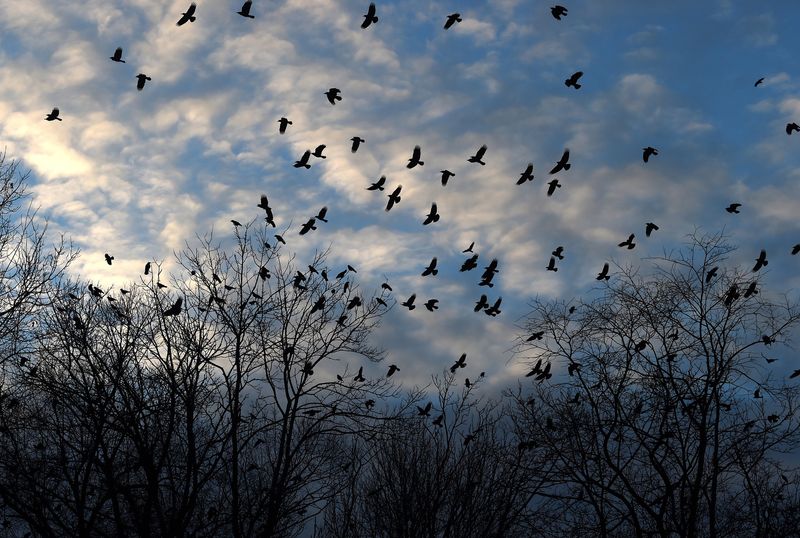
Crows piling onto power lines or a few tall trees before suddenly all flying off together? That spot is called a staging area, and it is an important step in their nightly routine.
As daylight fades, crows meet up in these gathering points like a bus stop before the final trip. Parking lots, rooftops, and your tallest backyard trees make perfect staging spots.
They wait here to build up their numbers, since traveling in a giant group is safer than flying alone. Once enough birds arrive, they lift off together toward the main roost, which can be several miles away.
This clever timing helps them avoid predators during that risky final flight in dim light. More birds means more protection during the journey.
In Ohio towns, staging can look dramatic, with waves of crows swirling across the sky. Some people say it reminds them of a scene from an old scary movie.
If your trees are only a staging area, the crows might not stay all night. They could simply be pausing before heading somewhere else.
Watching this daily pattern is a great way to learn how organized and social these birds really are.
5. Symbols Of Mystery And Change
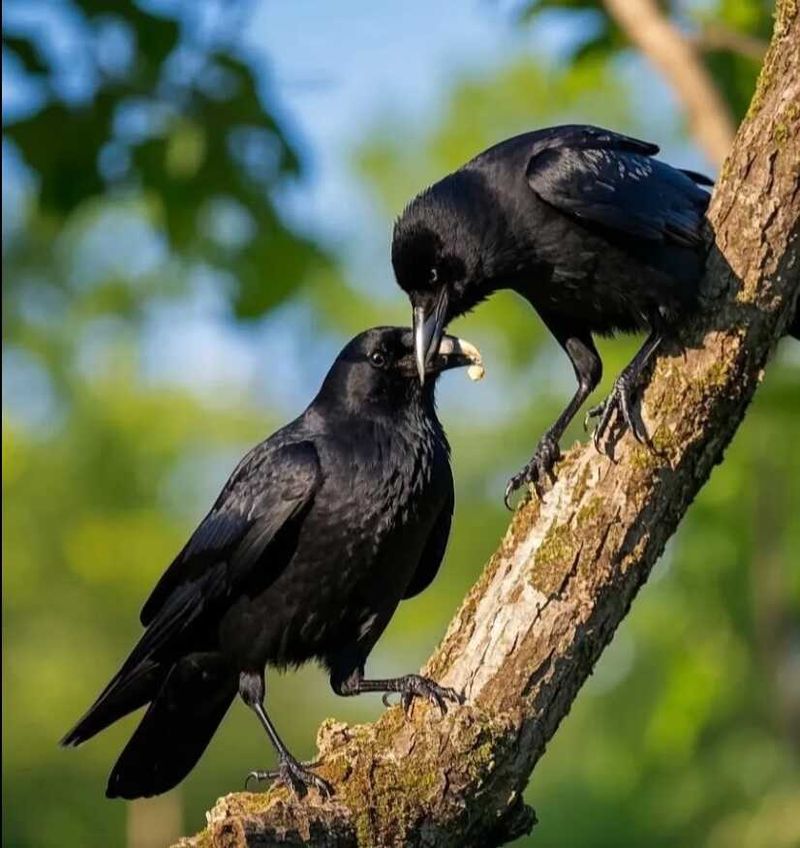
Long before science explained roosting, people looked at crows and felt something magical. Across many cultures, these birds carry deep symbolic meanings that still fascinate us today.
Because crows appear at dusk and wear all black, they are often tied to mystery, transformation, and new beginnings. Some believe seeing them is a nudge to push through hard times and reach brighter days ahead.
In certain traditions, crows act as messengers from the spiritual world, carrying important signs. Their remarkable intelligence has linked them to wisdom and a knack for understanding how one thing leads to another.
Not every meaning is dark, even though crows are sometimes connected to death. Many see that connection as a symbol of change, where an ending simply makes room for a fresh start.
In Celtic mythology, corvids such as ravens and crows are often associated with figures like the Morrígan and themes of fate and transformation.
Across different Indigenous traditions, crows and ravens have held many meanings, from wisdom and transformation to connections with the spiritual world.
A whole flock gathering can also feel like a reminder that you are watched over and not alone. So whether you trust the science or the stories, those crows in your Ohio trees give you plenty to wonder about at dusk.
6. Your Ohio Trees May Have Become A Crow Neighborhood
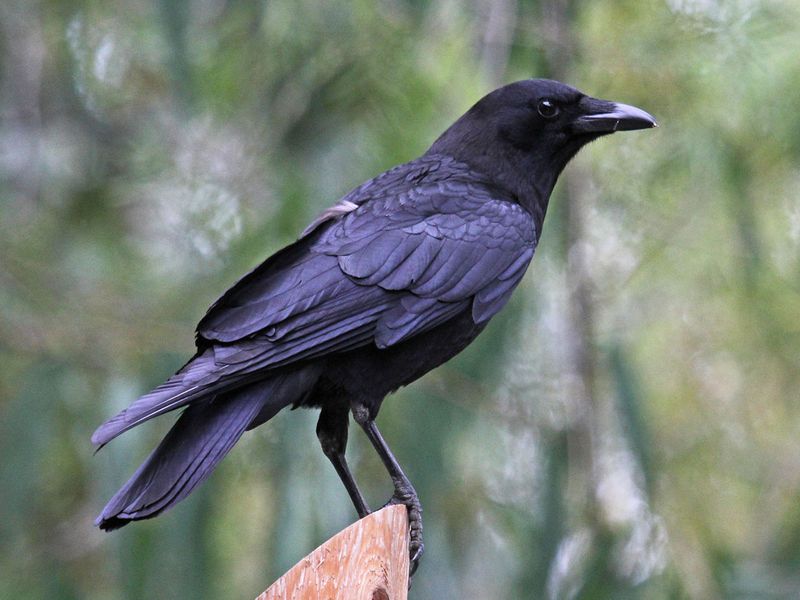
A sudden crowd of crows in your yard can feel like they appeared out of nowhere, but there is usually a reason they chose your trees.
American Crows are not randomly picking branches each evening. They look for roosting spots that offer the right combination of height, safety, and visibility.
Large mature trees with strong branches give them a place where hundreds or even thousands of birds can settle together before night fully arrives.
In Ohio, properties with tall oaks, maples, sycamores, and other established trees can become attractive stops during the colder months.
A backyard near farmland, parks, streams, or open fields is especially likely to become part of a crow’s daily route because those areas often provide both food and shelter.
This is one reason older neighborhoods sometimes see dramatic crow gatherings. The trees that homeowners value for shade and beauty may also be providing important wildlife habitat that has taken decades to develop.
If crows keep returning to your yard every evening, it does not necessarily mean there is a problem. It may simply mean your landscape checks all the boxes they look for in a safe nighttime home.
Those tall branches above your garden are not just decoration. They are part of a much larger ecosystem moving around your property every day.
7. Your Garden And Yard May Be Offering A Crow’s Favorite Foods
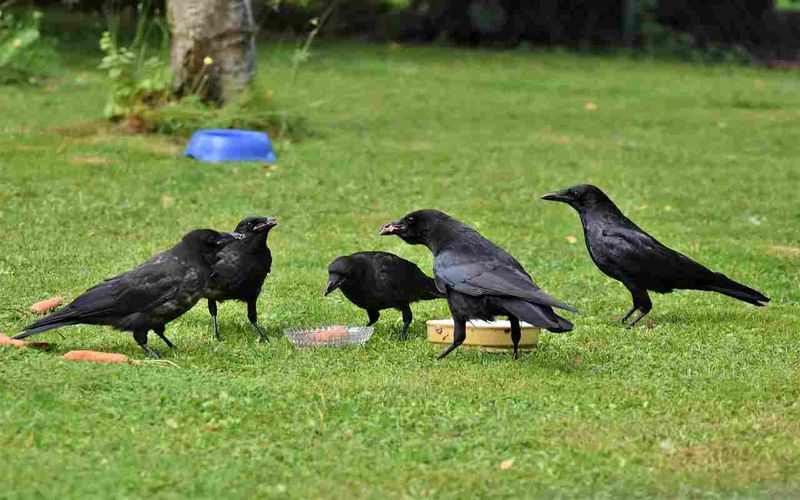
The trees may be where crows sleep, but your yard could be part of the reason they keep coming back.
American Crows are some of the most adaptable birds in North America because they are willing to eat a wide variety of foods.
In an Ohio yard, that might include insects hiding in garden beds, fallen fruit from trees, leftover seeds, nuts, compost scraps, or other natural food sources.
A property with fruit trees, open lawn areas, vegetable gardens, or nearby fields can create a convenient feeding route for these intelligent birds. They quickly learn which places offer reliable meals, and they can remember those locations for a long time.
This does not mean you have created a crow invasion. In many cases, it means your yard is simply connected to the surrounding environment.
The same landscape features that attract crows can also support songbirds, pollinators, and other wildlife.
Native plants, mature trees, and natural areas all play a role in creating a healthier backyard ecosystem. Even something as simple as leaving a few fallen leaves or allowing some plants to produce seeds can provide resources for animals throughout the year.
The next time crows gather above your garden, look around. The answer may not be in the trees themselves, but in everything your yard provides below them.
8. A Crow Roost Can Be A Sign Your Ohio Yard Supports Wildlife
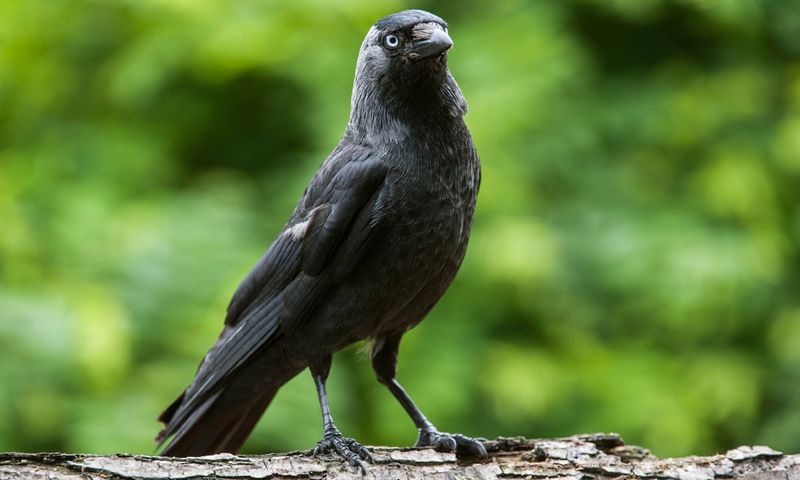
Many homeowners see a large gathering of crows and immediately think something unusual is happening. But in many cases, those birds are responding to something positive about the surrounding landscape.
A yard with mature trees, nearby food sources, and safe spaces to rest can become part of a wildlife network that stretches far beyond one property line. Crows are just one visible piece of that bigger picture.
The same features that make a yard appealing to crows can benefit many other creatures too. Native trees provide shelter for birds, insects support the food chain, and diverse plantings create more opportunities for wildlife to thrive.
This is especially noticeable in Ohio during the changing seasons. As temperatures drop and natural food becomes harder to find, animals become more dependent on the resources available in neighborhoods, parks, and gardens.
So while a flock of crows filling your trees at dusk may seem dramatic, it can also be a reminder that your yard is doing something valuable. It is not just a space you maintain.
It is a small part of the landscape that countless animals use every day.
The evening chorus of caws may be loud, but it is also proof that nature is still active right outside your window.