Georgia Yard Changes That Bring Fireflies Back After Years Of Absence
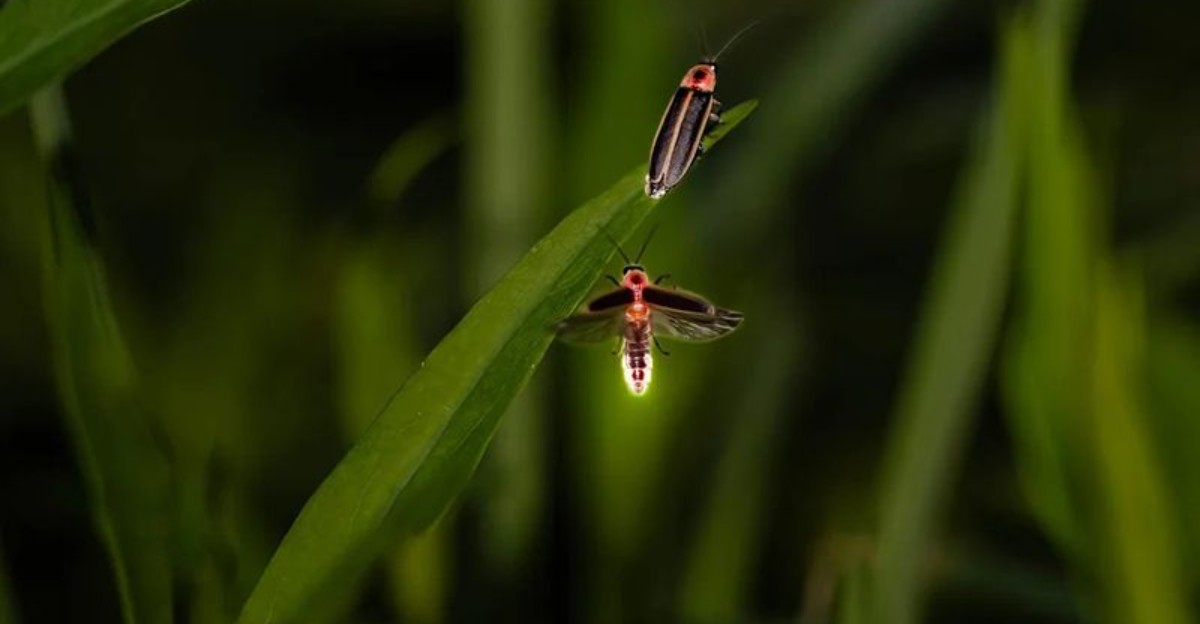
Fireflies can disappear so gradually that you barely notice until summer evenings suddenly feel different. When those familiar flashes vanish, the yard itself may hold part of the explanation.
That makes bringing them back less about chasing insects and more about changing their surroundings.
Fireflies spend much of their lives out of sight, so the conditions near the ground matter greatly. Georgia yards managed too neatly can lose some of the sheltered spaces they depend on.
Fortunately, a yard does not need to become completely overgrown to feel welcoming again.
Small changes can create better habitat while still keeping your outdoor space comfortable and cared for. Start with the places fireflies actually use throughout their life cycle.
Give them the right conditions, and those summer flashes may eventually have a reason to return.
1. Leave Fallen Leaves In A Quiet Corner Of The Yard
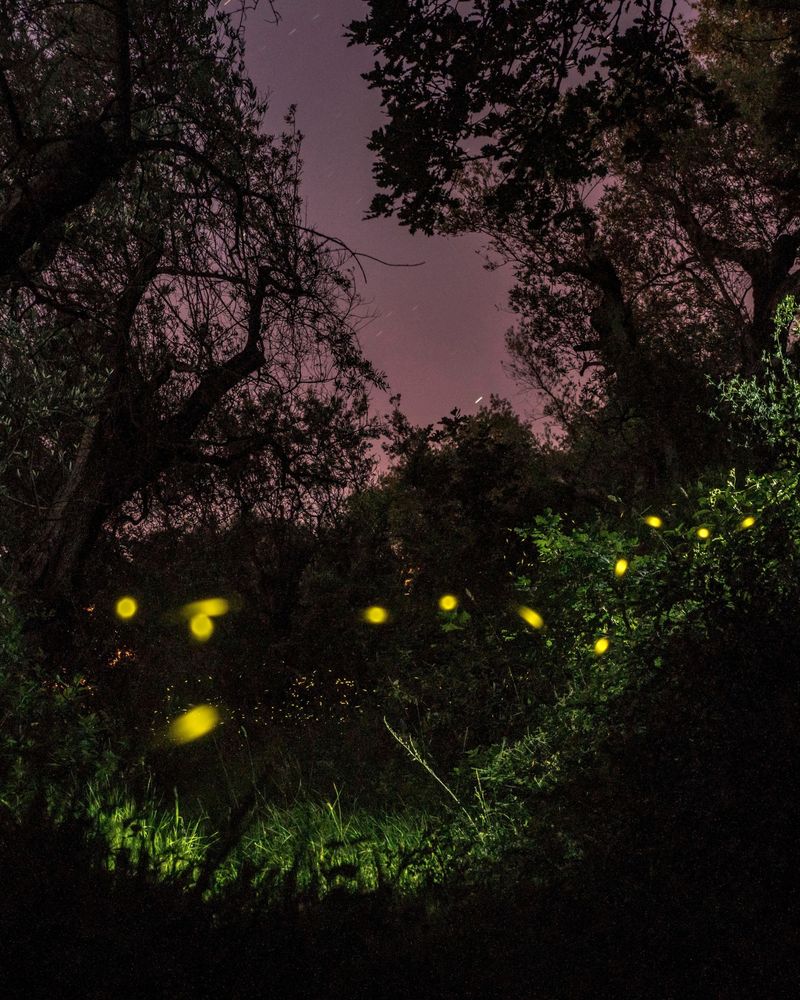
Fallen leaves can do more for fireflies than their simple appearance suggests. They create a sheltered layer where conditions stay cooler and less exposed.
Firefly larvae spend most of their lives close to the ground. Leaf litter gives them cover while also supporting small creatures they may feed on.
You do not need to leave every autumn leaf exactly where it falls.
Choose a quiet corner beneath shrubs or mature trees instead. Georgia yards with shaded edges can offer good places for this simple habitat change.
Move some leaves from open lawn into those protected areas. Let them form a loose layer rather than packing them into a thick mound.
Natural leaf cover also helps the soil hold moisture during dry stretches.
That matters because firefly larvae generally favor humid environments. Bare soil exposed to sun can become much warmer and drier during the day.
Avoid constantly raking or disturbing the chosen area once you have created it.
A slightly untidy corner can remain separate from patios, paths, and heavily used lawn. You still get a cared-for yard while leaving one small section less disturbed.
Over time, that quiet layer can provide valuable habitat that a perfectly cleared bed cannot offer.
2. Turn Off Outdoor Lights During Warm Summer Nights
Firefly flashes are not simply a pretty part of a summer evening. Adults use their light signals to communicate and locate potential mates.
Bright outdoor lighting can interfere with those signals.
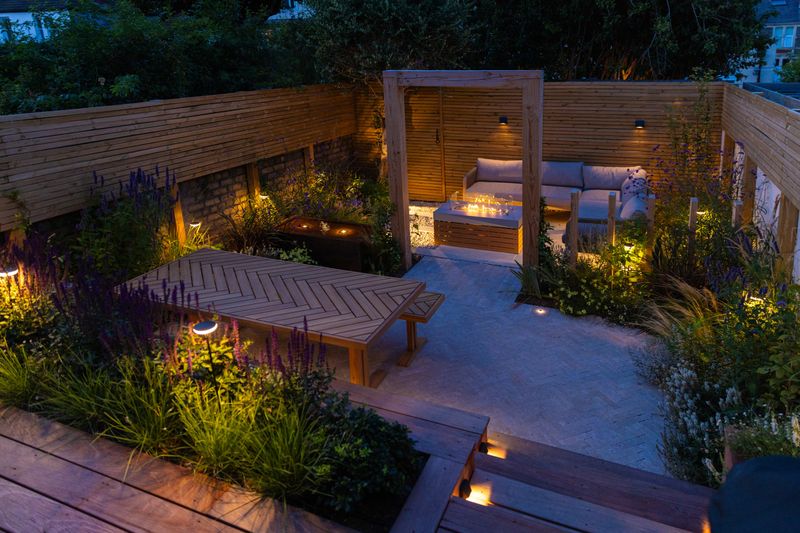
Porch bulbs, floodlights, and decorative landscape fixtures can brighten areas that would naturally become dark after sunset. Reducing unnecessary light gives fireflies a better setting for their evening displays.
Start with fixtures you do not actually need throughout the night.
Turn them off during peak firefly activity instead of lighting the entire yard until morning. Warm Georgia evenings can provide plenty of opportunities to make this change during firefly season.
You do not have to sacrifice safety around steps or entrances.
Motion-activated fixtures can provide light when someone actually enters the area. Shielded lights aimed toward the ground also limit how much brightness spills into nearby grass and garden beds.
Close curtains or blinds when strong indoor light shines directly outside.
Your Georgia Garden Changes Every Week. Your Plan Should Too.
Gardening in Georgia changes quickly throughout the season. Every Friday you’ll receive a simple weekly plan showing exactly what to plant, prune, fertilize, harvest, and protect so you never miss the right timing.
Even small adjustments can make darker pockets around the landscape. Pay particular attention to grassy edges and sheltered planting areas where fireflies are already appearing.
A darker yard will not guarantee an immediate return after years without them. It does remove one obstacle that can make nighttime communication harder for adult fireflies.
3. Let Some Grass Grow Taller Around Garden Edges
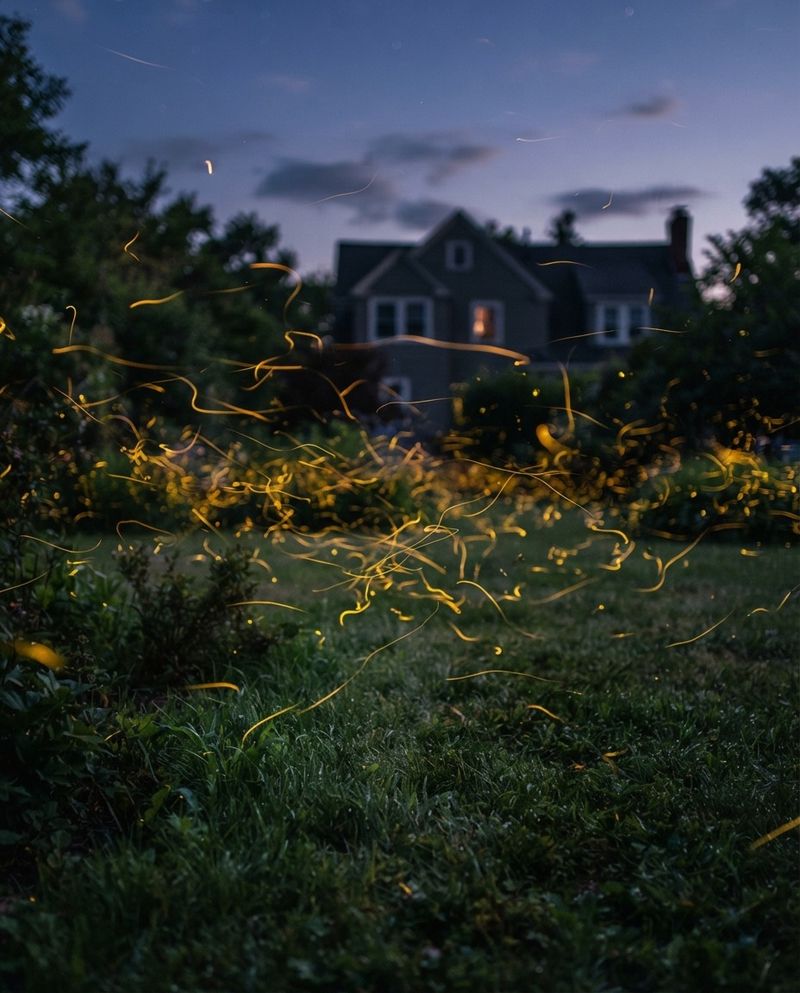
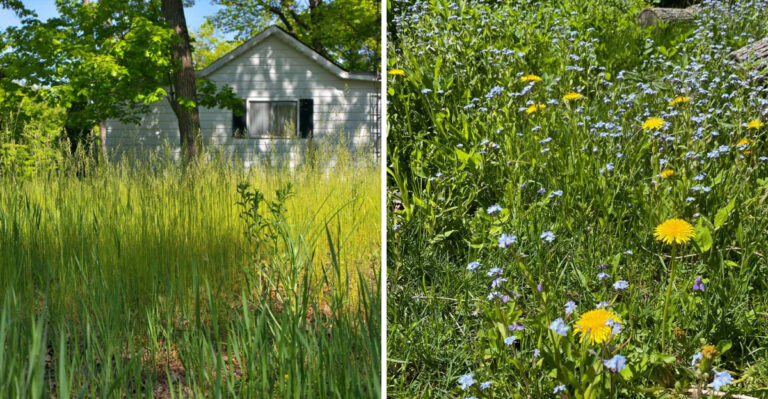
A closely clipped lawn leaves very little shelter above the soil. Allowing selected edges to grow taller can create a different environment without giving up the entire yard.
Fireflies often use grasses and other low vegetation during their adult stage.
Taller growth provides places to rest during daylight hours. It can also keep the area near the soil cooler and more humid than an exposed patch of short turf.
Choose sections that do not interfere with everyday use.
A strip beside a fence or along the back of a garden bed is easier to manage than letting every lawn area grow freely. In Georgia heat, those protected edges can retain valuable shade close to the ground.
Keep frequently used paths and gathering areas trimmed as usual.
This creates a clear boundary between maintained lawn and habitat space. You can also shape taller sections into intentional borders so they look like part of the landscape.
Avoid repeatedly cutting those areas down during the active season.
Give vegetation enough time to provide consistent cover instead. If unwanted plants appear, remove them selectively rather than clearing the whole strip.
A few taller edges can add useful shelter while the rest of your lawn stays neat and accessible.
4. Add Flowers At Different Heights Throughout The Yard
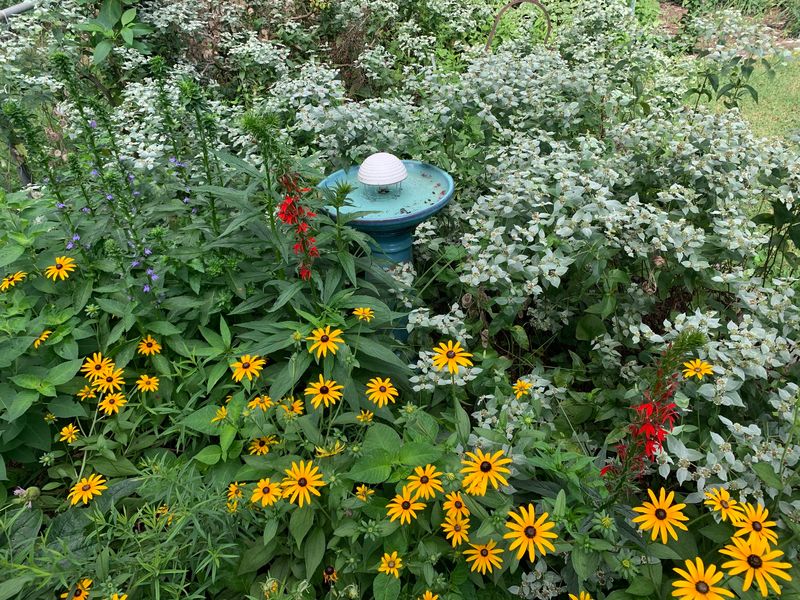
A garden made entirely of short plants offers less variety than one with several layers. Mixing heights creates sheltered spaces from the soil surface upward.
Fireflies can rest on grasses, stems, and foliage during the day.
Adult fireflies may also perch on vegetation before becoming active around dusk. Beds with several plant heights give them more places to settle than large stretches of open lawn.
Start with plants suited to the light and soil you already have.
Short ground-level growth can fill the front of a bed. Medium perennials and taller flowering plants can add another layer behind it.
Native choices can make those plantings useful to many other insects as well.
Coreopsis and bee balm are familiar options for Georgia gardens, while other native flowers can fill different site conditions. Choose plants for the actual amount of sun and available space.
Group several plants together instead of scattering isolated specimens across a bed.
Fuller patches create more continuous cover around stems and soil. They can also make the landscape look intentional rather than simply overgrown.
Flowers themselves are only one part of firefly habitat.
Combine layered planting with darker nights and sheltered ground. Those changes create a yard with more of the varied structure fireflies can use throughout their lives.
5. Plant More Native Shrubs And Trees For Extra Shelter
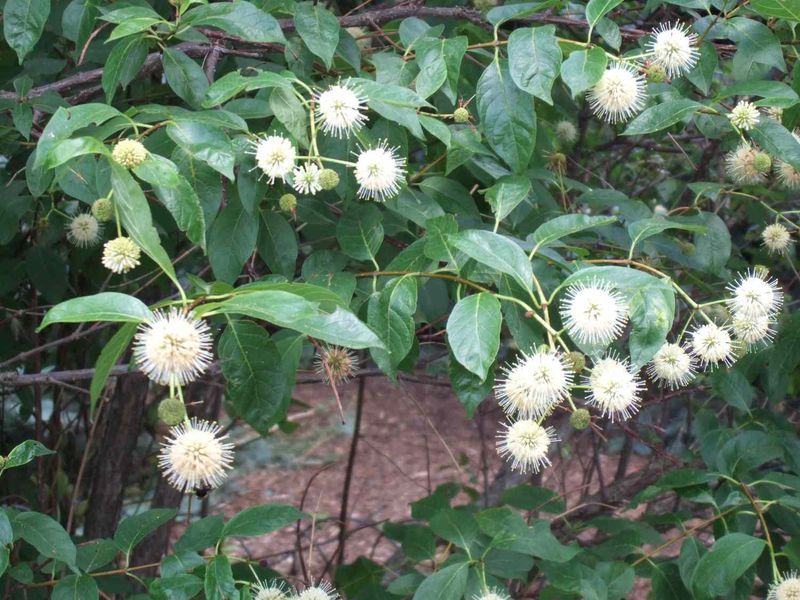
Open lawn can become hot and exposed during long summer afternoons. Shrubs and trees change those conditions by creating shade and protected spaces underneath their branches.
That extra structure can benefit fireflies in several ways.
Shaded ground tends to hold moisture longer than soil exposed to full sun. Fallen leaves can also collect beneath woody plants and create additional cover near the surface.
You do not need to fill every open section with trees.
Look for places where another shrub could extend an existing bed or soften a bare lawn edge. Native plants suited to Georgia conditions are especially useful when you want habitat that fits naturally into the landscape.
Beautyberry can work in many partly shaded locations.
Oakleaf hydrangea is another native shrub worth considering where its mature size and growing needs fit. Redbuds can add a higher layer where there is enough room for a small tree.
Give every new plant enough space to reach its expected mature width.
Crowded shrubs can become harder to maintain and may develop poor airflow. Thoughtful spacing creates shelter without turning the bed into a tangled mass.
As the planting matures, the yard gains more shade and cover. Those protected pockets can become valuable additions to a broader firefly-friendly landscape.
6. Provide A Shallow Water Source With Safe Landing Spots
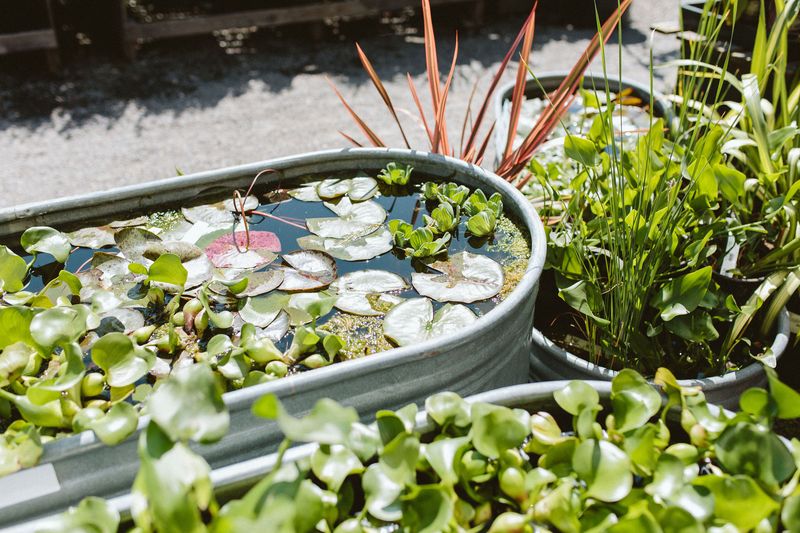
Fireflies are closely associated with places that provide plenty of moisture. You can support a more humid corner without adding a large pond to the landscape.
A shallow water feature is one simple option.
Use a low dish or basin and keep the water level modest. Add pebbles or flat stones that rise above the surface and provide easy places for small insects to land.
Place the container near vegetation rather than in an exposed patch of afternoon sun.
Water can disappear quickly during hot Georgia weather, so check the level regularly. A partly shaded location also slows evaporation and keeps the feature from heating as quickly.
Refresh the water often instead of allowing it to sit unchanged.
Standing water can become a breeding place for mosquitoes when it remains long enough for larvae to develop. Regular emptying and refilling helps prevent the container from becoming another yard problem.
Keep the setup simple enough that maintaining it does not become a chore.
Fireflies need suitable habitat around the water as well. Pair nearby moisture with leaf cover, taller vegetation, and darker evening conditions.
A shallow dish alone cannot restore a missing population. It can become one useful piece of a yard that offers more of the damp, sheltered conditions fireflies favor.
7. Leave Some Logs And Plant Debris Around Garden Beds
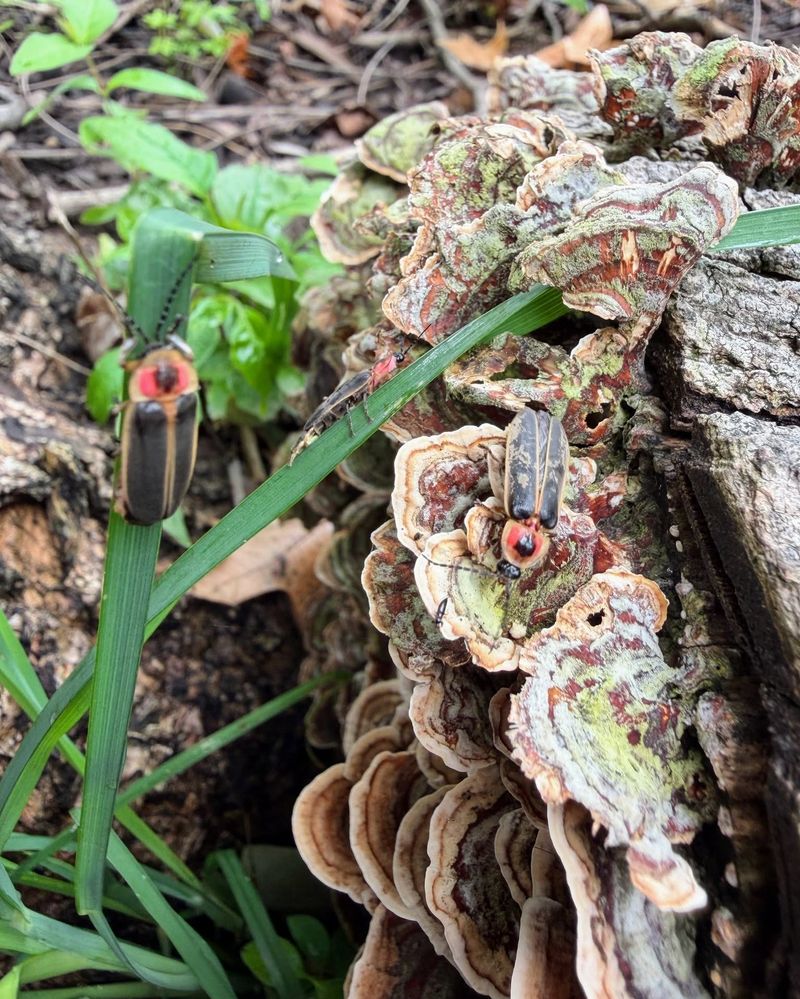
Not every fallen branch needs to disappear from a garden immediately. A few natural pieces can create small sheltered pockets near the soil.
Logs slowly hold moisture as they weather outdoors.
Their undersides stay darker and cooler than exposed ground during sunny weather. Small creatures also gather around decaying plant material, adding activity to the same areas used by firefly larvae.
Choose locations where natural debris will not interfere with daily yard use.
The back of a shaded bed is usually more practical than a spot beside a doorway. Partly shaded corners in Georgia can keep these materials from drying as quickly during hot weather.
Use untreated natural wood rather than painted or chemically treated scraps.
A few branches, pieces of bark, and old stems are enough. There is no need to build a large pile that becomes difficult to inspect or maintain.
Let some material rest directly against the soil so it can weather naturally.
You can still remove anything that looks diseased or creates a problem for nearby plants. The idea is selective cleanup rather than abandoning garden maintenance completely.
Combine these small shelters with leaf litter and vegetation nearby.
Together, they create more protected spaces at ground level. That gives fireflies additional habitat while allowing the main areas of your yard to remain organized.
8. Cut Back On Broad Pesticide Use Across The Yard
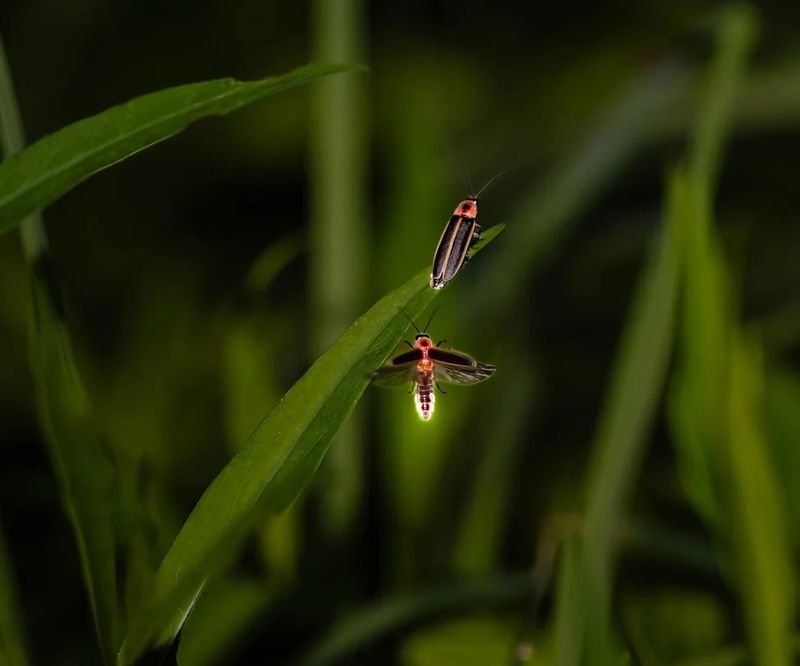
Broad pesticide treatments can affect far more than the pest you are trying to control. Fireflies are beetles, and their larvae spend long periods close to the soil.
That makes careful product use especially important in potential firefly habitat.
Larvae also feed on small creatures such as snails, slugs, and worms. Treating large areas can reduce prey while exposing fireflies themselves to products intended for other insects.
Start by identifying the actual problem before reaching for a spray.
A few damaged leaves rarely justify treating an entire yard. Georgia gardeners can often focus on one affected plant or small section instead of applying a product everywhere.
Try physical removal when the pest and situation make that practical.
You can also prune a heavily affected section or choose another targeted approach. When a pesticide is necessary, follow the label carefully and use only the amount and location directed.
Avoid spraying flowers when pollinators are actively visiting them.
Keep treatments away from the sheltered corners you are creating for fireflies whenever possible. A yard does not need to be completely untreated to become more wildlife-friendly.
Reducing unnecessary broad applications protects more of the small life already present. That can make the entire habitat more suitable for fireflies over time.