These Heat-Tolerant Georgia Plants Bloom Longer Than Geraniums In Summer
Bright flowers in early summer are easy to find. The real challenge comes later, when many plants begin slowing down while the hottest part of the season is still ahead.
Garden beds that looked colorful just weeks earlier can start losing the steady display that made them stand out in the first place. That is often when gardeners begin wishing they had chosen plants with a little more staying power.
Some flowers seem to handle heat without missing a beat, continuing to put out fresh blooms while others become far less impressive.
The difference can be surprising, especially during long stretches of warm weather when reliable color becomes harder to maintain.
Many gardeners in Georgia run into this problem every year and end up searching for better options after summer is already underway.
Fortunately, there are plants that thrive in these conditions and keep gardens looking lively long after many familiar favorites begin slowing down.
1. Lantana Rarely Slows Down During Hot Weather
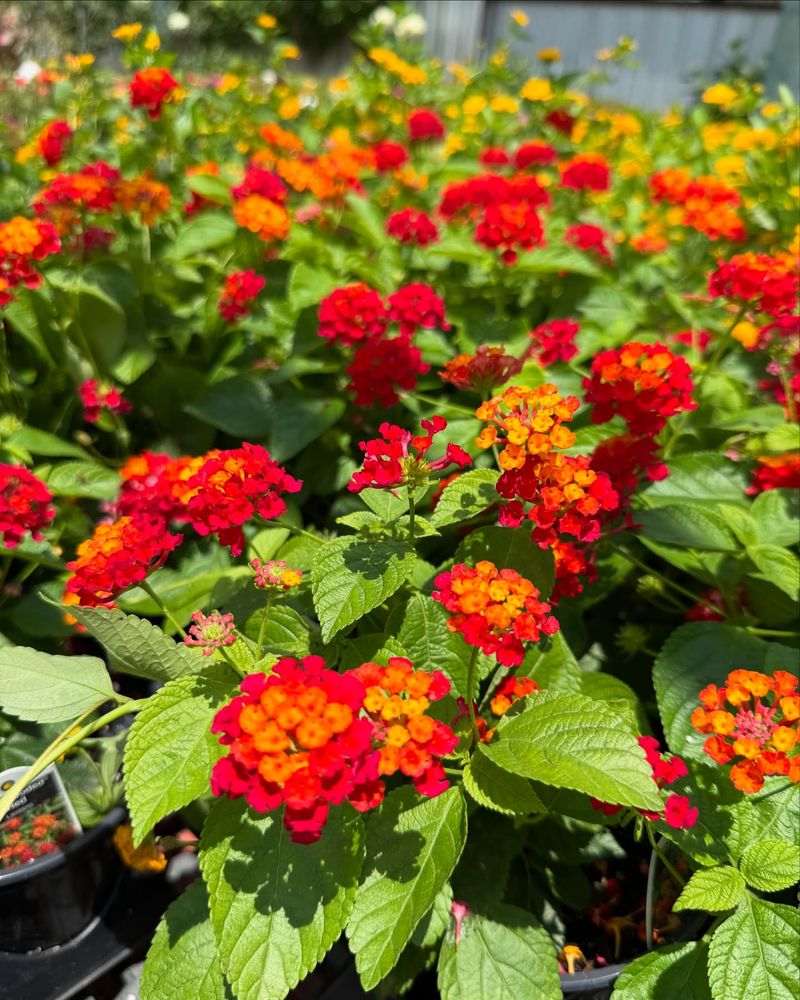
Lantana almost seems to enjoy punishment. Crank the heat up past 90 degrees, skip a few waterings, and this plant just keeps producing clusters of tiny flowers in orange, yellow, pink, and red.
Few summer bloomers can match that kind of reliability.
Planted in a sunny spot with decent drainage, lantana settles in fast. It spreads wide and low, making it useful along walkways, in raised beds, or spilling over the edges of containers on a hot patio.
Butterflies flock to it constantly.
One thing worth knowing: lantana does best with at least six hours of direct sun each day. Less light means fewer blooms, though the plant will still survive.
Full sun is where it really performs.
Deadheading is optional. Lantana tends to keep blooming without much help from you.
Cutting it back mid-season can encourage a fresh flush of growth if things start looking scraggly.
It handles drought better than most annuals. Once established, weekly watering is usually enough, even during dry stretches.
Overwatering is actually more of a problem than underwatering with this plant.
Lantana is widely available at garden centers across the region. Both trailing and upright varieties exist, so there are options depending on how much space you have.
Either way, expect color from late spring straight through to the first frost.
2. Angelonia Handles Long Stretches Of Heat
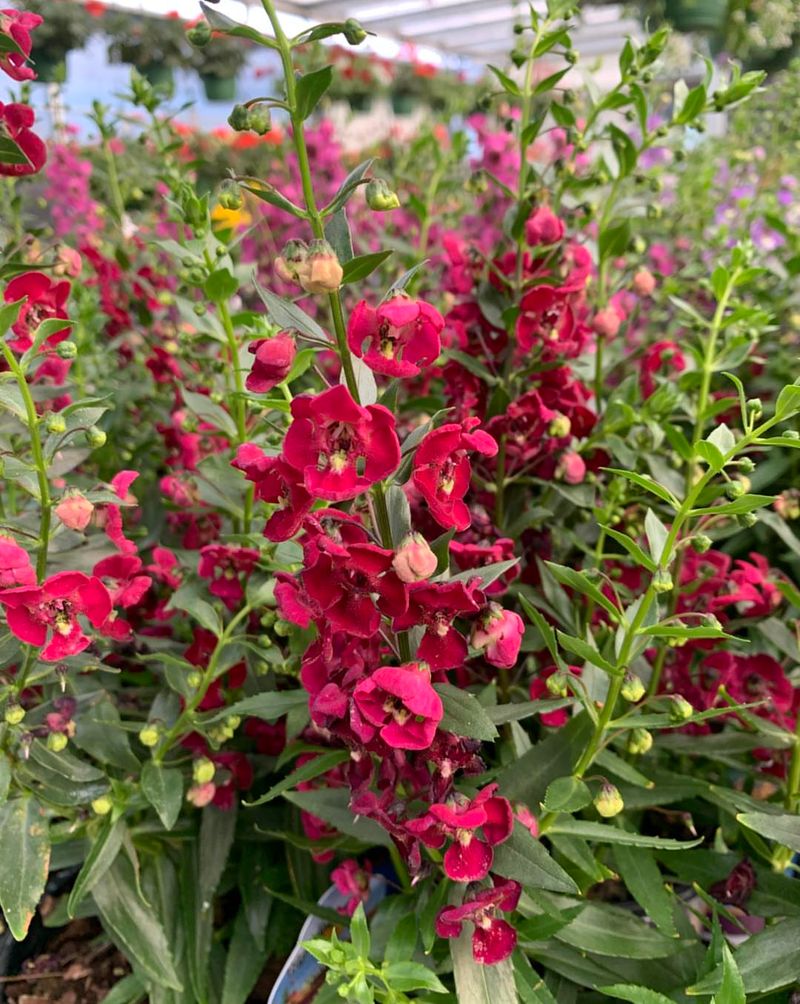
Nicknamed the summer snapdragon, angelonia earns that title honestly. It produces tall spikes covered in small, orchid-like blooms that keep coming week after week, even when the air feels like a furnace.
Unlike actual snapdragons, which fade out when summer heat arrives, angelonia leans into warm weather. Humidity does not slow it down.
That makes it genuinely useful in Southern gardens where heat and moisture combine from June through September.
Colors range from deep purple and lavender to pink, white, and bicolor combinations. Plants typically grow between one and two feet tall, making them solid choices for the middle of a border or the center of a container arrangement.
Angelonia needs full sun to perform well. Six or more hours of direct light keeps the bloom spikes full and upright.
Your Georgia Garden Changes Every Week. Your Plan Should Too.
Gardening in Georgia changes quickly throughout the season. Every Friday you’ll receive a simple weekly plan showing exactly what to plant, prune, fertilize, harvest, and protect so you never miss the right timing.
Partial shade leads to leggy growth and fewer flowers, so placement matters.
Watering needs are moderate. It tolerates short dry spells but blooms better with consistent moisture.
Well-drained soil prevents root problems during rainy periods, which is something to plan for during typical summer weather patterns.
Deadheading is not required. Spent blooms fall away cleanly on their own, keeping the plant looking tidy without extra effort.
A light trim mid-season can refresh the shape if needed, but it is not necessary for continued blooming.
3. Pentas Continues Putting On A Show In Summer
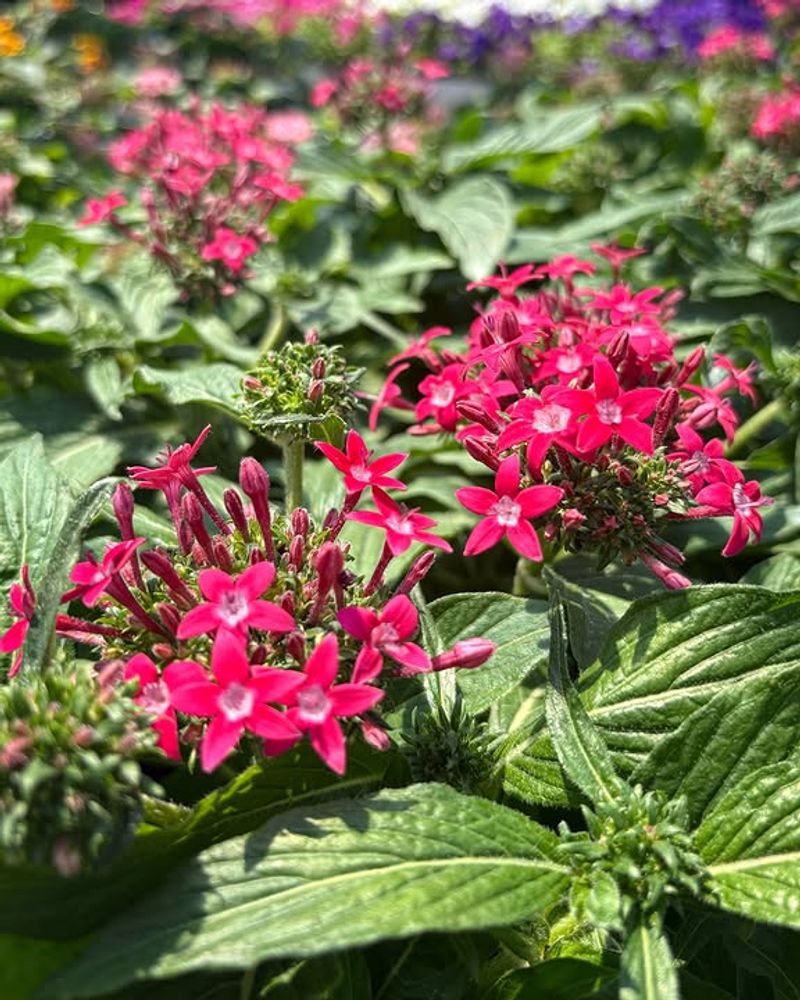
Pentas is one of those plants that looks almost too cheerful for how little it asks in return. Star-shaped flower clusters in red, pink, coral, and white just keep appearing all summer without much encouragement.
Butterflies and hummingbirds are drawn to pentas consistently. If attracting pollinators matters to you, few plants deliver as reliably during the hottest months.
It blooms right through the peak of summer when other flowers are struggling.
Plants grow anywhere from one to three feet tall depending on the variety. Compact types work well in containers and window boxes.
Taller selections fill in garden beds nicely and hold their shape without staking.
Full sun is the sweet spot for pentas. It tolerates some afternoon shade, but bloom production drops off noticeably in low-light spots.
Morning sun with light afternoon shade can work in particularly intense heat zones.
Soil drainage is important. Pentas does not like sitting in wet soil for extended periods.
Raised beds and containers with good drainage tend to produce the healthiest, most productive plants over a long season.
Fertilizing every few weeks with a balanced fertilizer keeps the blooms coming steadily. Without occasional feeding, plants can slow down by late July.
A little attention to nutrition goes a long way toward keeping pentas looking full and colorful right into fall.
4. Gaura Fits Right Into The Hottest Garden Beds
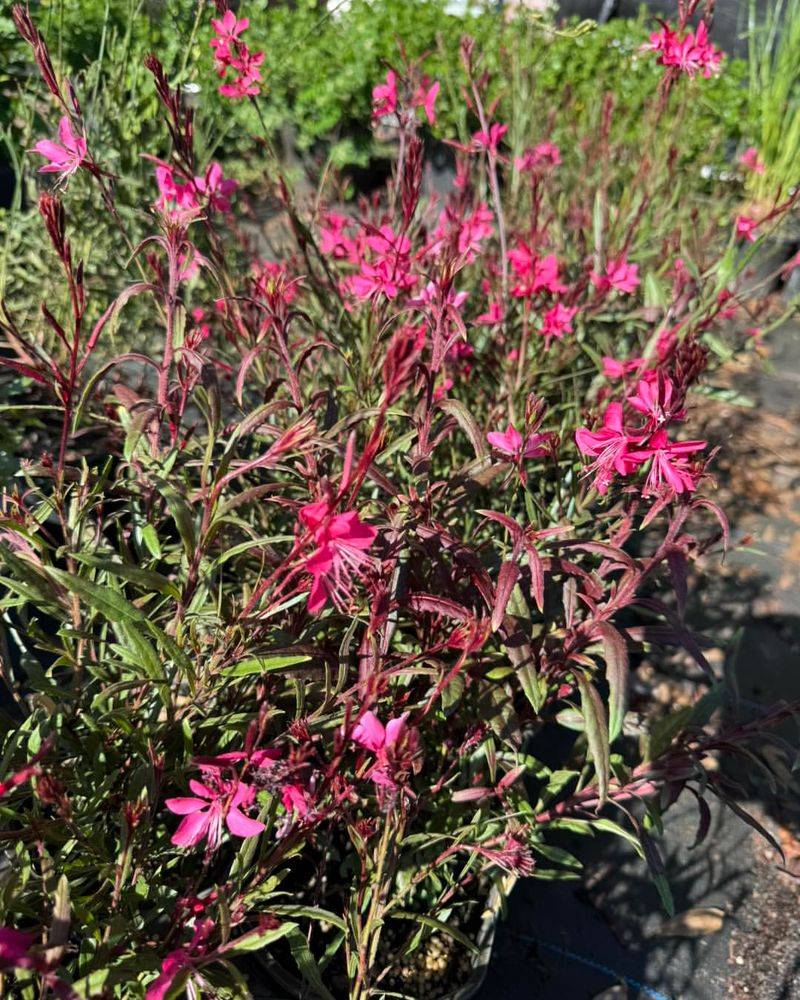
Gaura has an airy, wild look that sets it apart from most summer bloomers. Tiny white or pink flowers float on long, wiry stems that sway in the breeze, giving the whole plant a light, almost meadow-like feel even in a formal garden bed.
Heat does not bother gaura at all. It actually performs better as temperatures rise, which makes it one of the more dependable options for full-sun beds that bake all afternoon.
Established plants handle drought impressively well.
Once roots get settled in, gaura becomes largely self-sufficient. Deep roots allow it to pull moisture from lower in the soil, so it can go longer between waterings than many annuals.
That resilience is especially useful during dry summer stretches.
Gaura blooms from late spring and keeps going well into fall. The flower show is not dramatic in the way that a mass of petunias looks, but the constant, delicate bloom production gives the garden a relaxed, natural energy that many gardeners appreciate.
Cutting stems back by about one-third in midsummer refreshes the plant and encourages a stronger second flush of blooms. Without pruning, plants can get rangy by August.
A quick trim takes only minutes and makes a noticeable difference.
It pairs well with bold, solid-colored plants like salvia or pentas. The contrast between gaura’s fine texture and heavier-flowering neighbors creates visual interest that holds up across the whole season.
5. Vinca Looks Good Even During Dry Periods
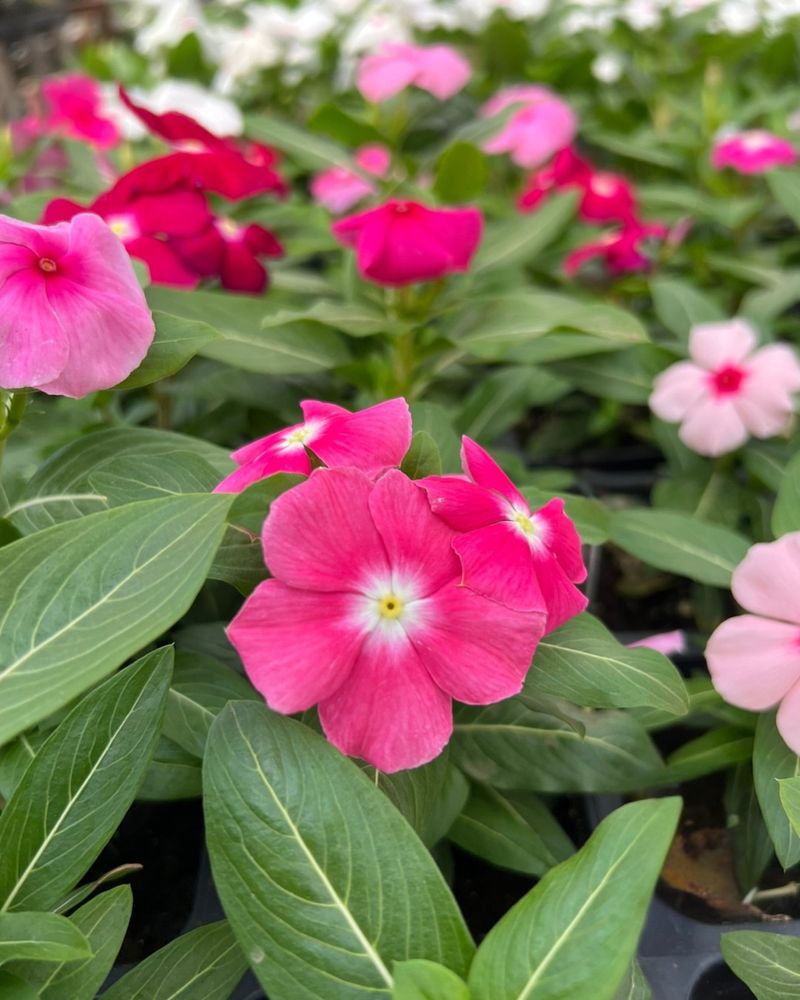
Vinca, also called periwinkle or catharanthus, is built for heat. Glossy leaves, clean colors, and a tidy growth habit make it one of the most dependable summer annuals available in the South.
It simply does not quit when conditions get rough.
Dry spells that stress other plants barely register with vinca. Once established, it tolerates drought well and keeps producing flowers without wilting dramatically.
That toughness makes it a smart choice for spots that get irregular watering.
Colors include white, red, pink, coral, lavender, and bicolor options. Plants typically stay compact, between one and two feet tall, which makes them easy to work into borders, containers, and mixed beds without crowding neighbors.
Full sun is where vinca thrives. It can manage in partial shade, but bloom production decreases noticeably.
Placing it where it gets at least six hours of direct sun each day keeps flowers coming steadily all season.
Good drainage is essential. Vinca is susceptible to a soilborne fungal issue called aerial phytophthora in wet, poorly drained conditions.
Raised beds or well-amended soil with good structure helps reduce that risk significantly.
Spacing plants properly also helps with air circulation, which supports overall plant health. Follow label recommendations for spacing and avoid overhead watering when possible.
Water at the base to keep foliage dry. With those basics in place, vinca performs beautifully from planting through the first frost.
6. Salvia Returns With New Color After Each Flush
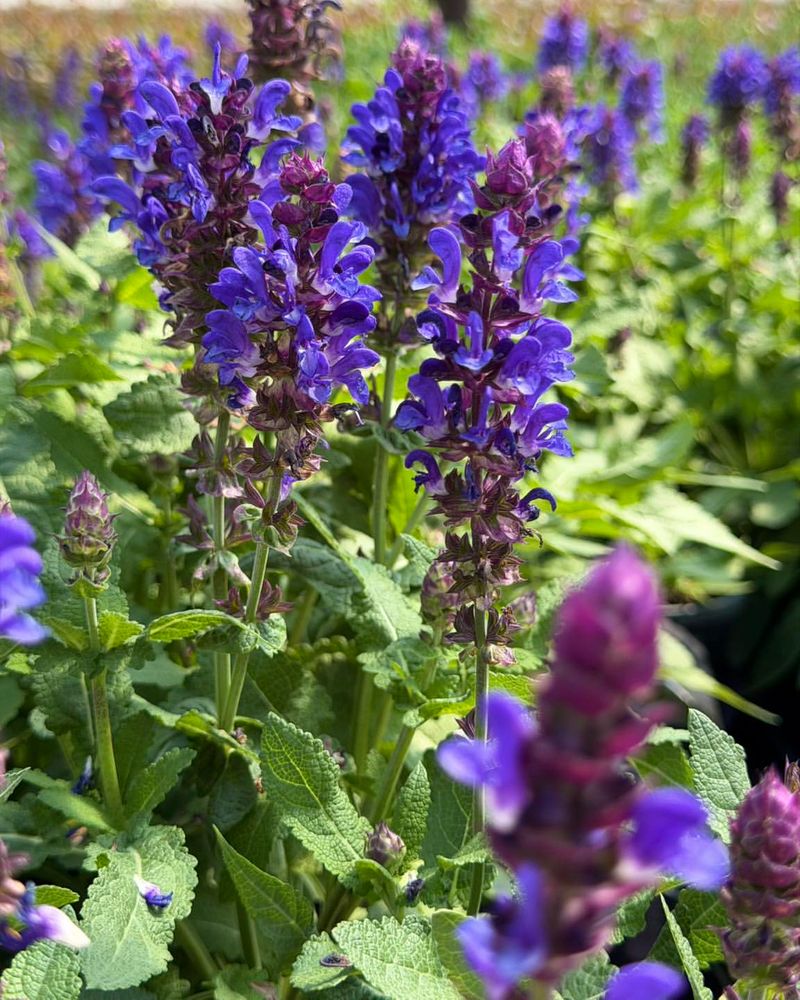
Salvia is one of the hardest-working plants in a summer garden. Flower spikes in red, purple, coral, and white shoot up consistently, attract pollinators nonstop, and bounce back quickly after each bloom cycle ends.
What makes salvia especially useful is that cutting it back actually rewards you. Once a flush of blooms fades, trim the spent spikes down by about half.
Within a few weeks, fresh growth pushes out and new flowers follow. That cycle can repeat several times across a single season.
Both annual and perennial salvia varieties perform well in hot, sunny conditions. Annual types like Salvia splendens tend to stay compact and colorful all summer.
Perennial species like Salvia guaranitica grow larger and return year after year in warmer planting zones.
Full sun is the standard requirement. At least six hours of direct light keeps plants producing at a strong rate.
Salvia planted in shadier spots tends to stretch toward light and bloom less freely.
Watering needs are moderate. Established plants handle short dry periods without much visible stress.
Consistent moisture during the hottest weeks encourages faster regrowth between bloom flushes, which keeps the color show going longer.
Hummingbirds are particularly fond of red and coral salvia varieties. Planting near a window or seating area gives you a front-row seat to the activity.
Few plants offer that kind of wildlife appeal alongside such reliable summer color.
7. Blanket Flower Handles Heat Without Extra Attention
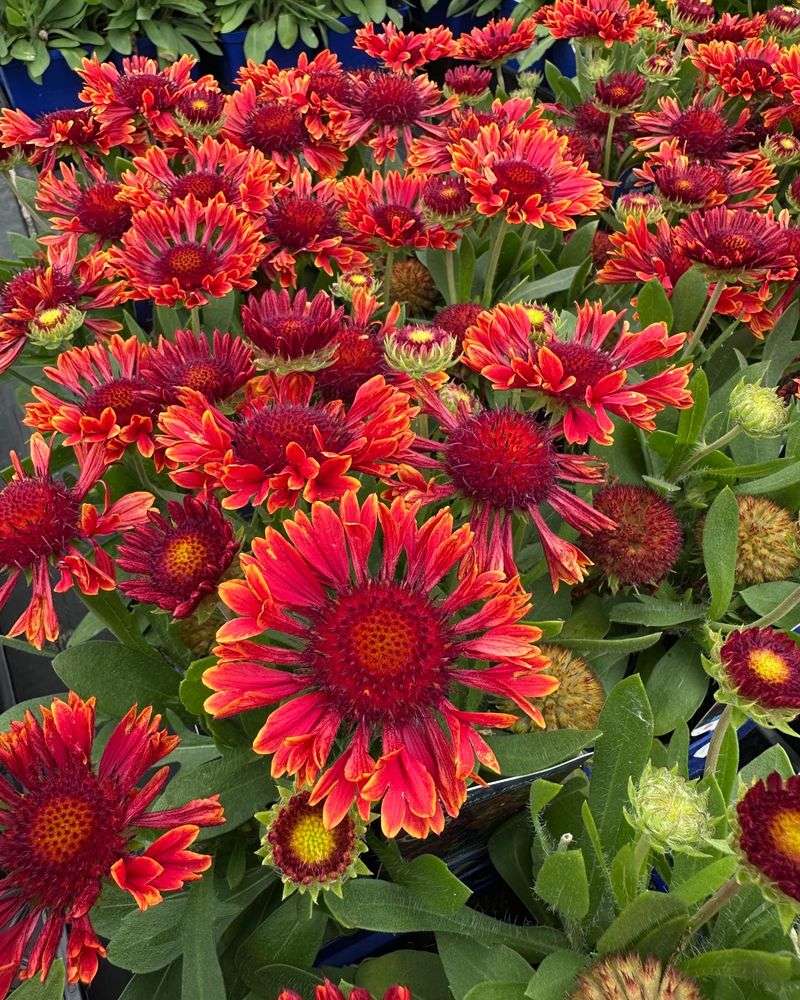
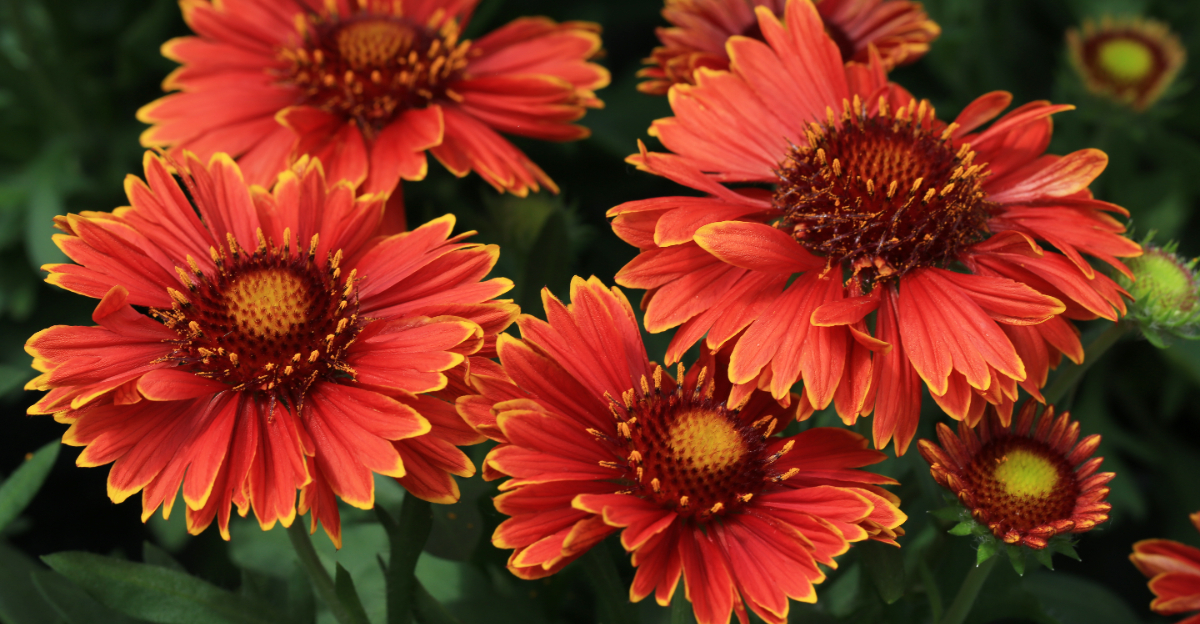
Bold, warm-toned, and completely unbothered by heat, blanket flower earns its spot in any Southern summer garden. The daisy-like blooms in red, orange, and yellow look almost painted, with petals that radiate from a deep central dome.
Native to North America, gaillardia evolved in open, sunny, often dry conditions. That background shows up in how it performs.
Sandy or lean soil suits it better than rich, heavily amended ground. Too much fertility actually encourages leafy growth at the expense of blooms.
Watering should be moderate and infrequent once the plant is established. Overwatering causes more problems than drought does.
Blanket flower planted in well-drained soil and given space to breathe tends to outlast and outbloom many more pampered annuals.
Deadheading spent flowers extends the bloom season noticeably. Removing old blooms before seeds set encourages the plant to keep producing new flowers.
A few minutes of deadheading every week or two makes a real difference in how long color lasts.
Plants grow between one and two feet tall with a loose, spreading habit. They fit naturally into cottage-style borders, rock gardens, and informal beds.
Pairing blanket flower with ornamental grasses or other drought-tolerant plants creates a low-maintenance combination that looks intentional.
Blanket flower attracts butterflies and bees reliably. If supporting pollinators is part of your gardening goals, this plant earns its place in the lineup without requiring much in return.
8. Mexican Heather Carries Color Deep Into The Season
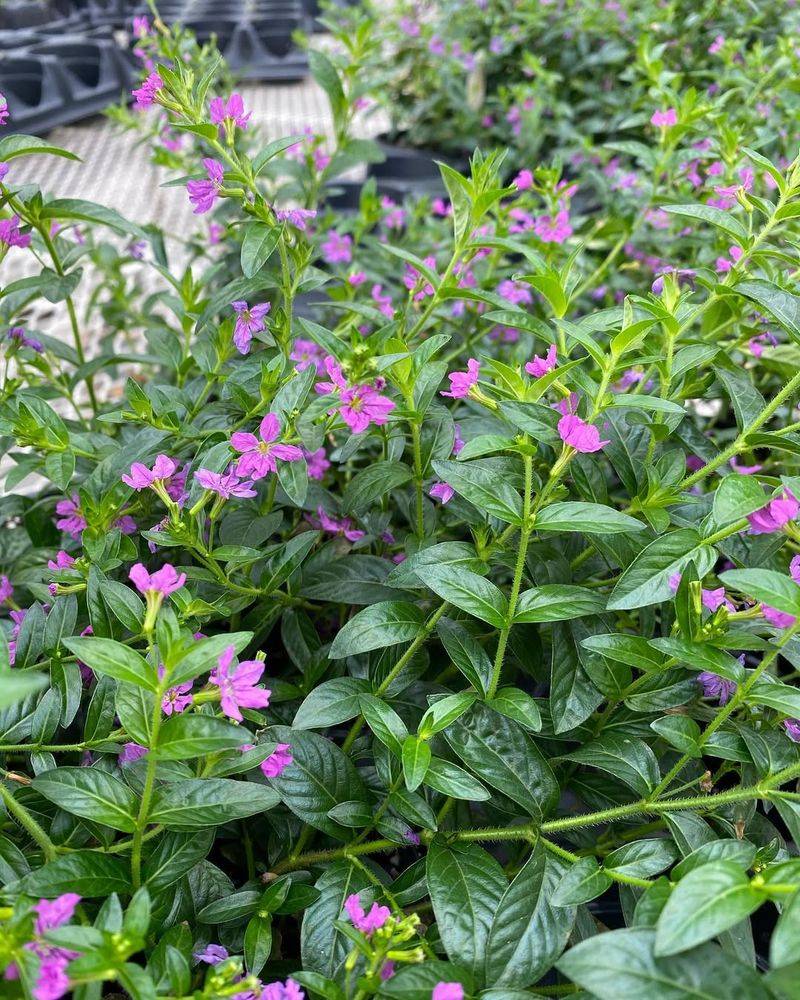
Mexican heather is easy to overlook at the garden center, but it quietly becomes one of the most reliable plants in the summer lineup.
Tiny purple, lavender, or white flowers cover the plant in a fine, lacy display that holds up through heat and humidity without fading.
Unlike showier annuals that peak early and struggle by August, Mexican heather tends to look better as the season goes on.
It fills in steadily and maintains its color and shape well into fall, often outlasting plants that seemed more impressive in spring.
Plants stay relatively compact, usually between one and two feet tall, with a mounded form that works well along borders or as edging. It also performs reliably in containers, where the fine texture contrasts nicely with bold-leaved companions.
Full sun to partial shade suits Mexican heather across most of the Southeast. It handles afternoon shade better than many summer bloomers, which makes it useful in spots that get only four to five hours of direct light.
Watering needs are moderate. It does not like to stay soggy, but consistent moisture helps it bloom more freely.
Well-drained soil is the most important factor for long-term performance and overall plant health through a long season.
Butterflies and small bees visit the flowers regularly. For gardeners wanting continuous color with minimal fuss from late spring through fall, Mexican heather consistently delivers without demanding much in return.