The Native Georgia Groundcover That Can Choke Out Invasive Japanese Stiltgrass
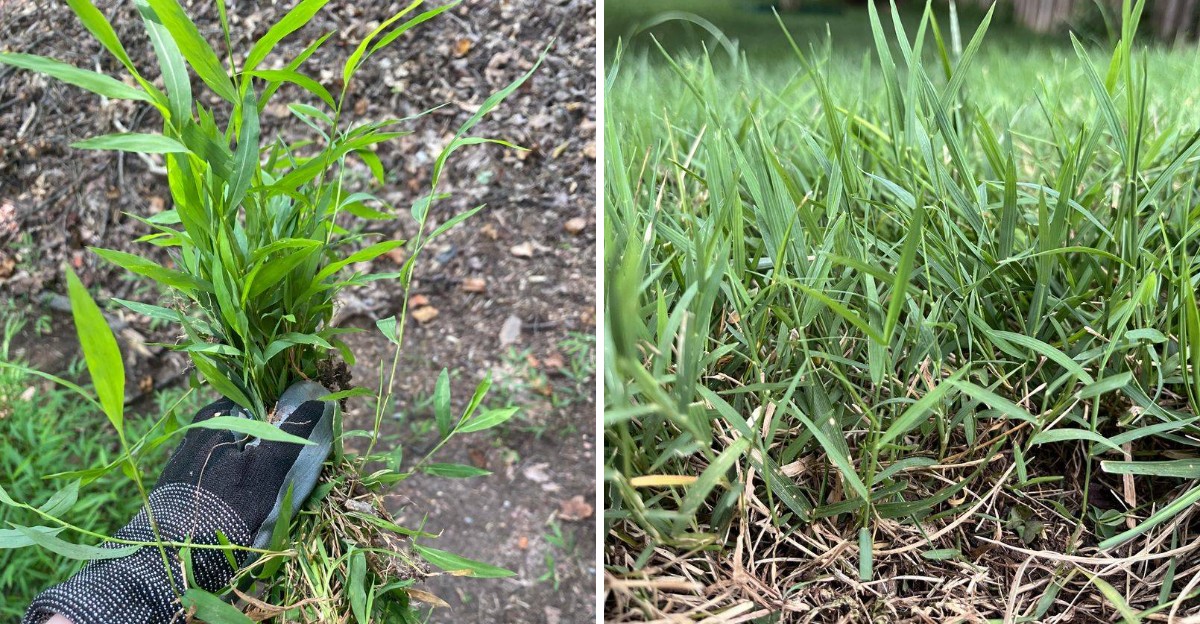
Japanese stiltgrass can turn a thin patch along the yard into a thick carpet before you realize how far it has spread. Bare soil only gives it more room to move.
Filling that space with the right native groundcover can change the competition completely.
Instead of leaving an opening for stiltgrass seedlings, a dense native planting can claim valuable ground first. That approach can be especially useful in Georgia yards where this invasive grass keeps returning.
The goal is not simply to cover the soil and hope for the best.
You need a native that suits the site and grows thick enough to compete for space. Once established, it can make conditions much harder for stiltgrass to dominate.
For stubborn patches, the right groundcover could become one of your strongest allies.
1. This Native Groundcover Can Give Stiltgrass Some Competition
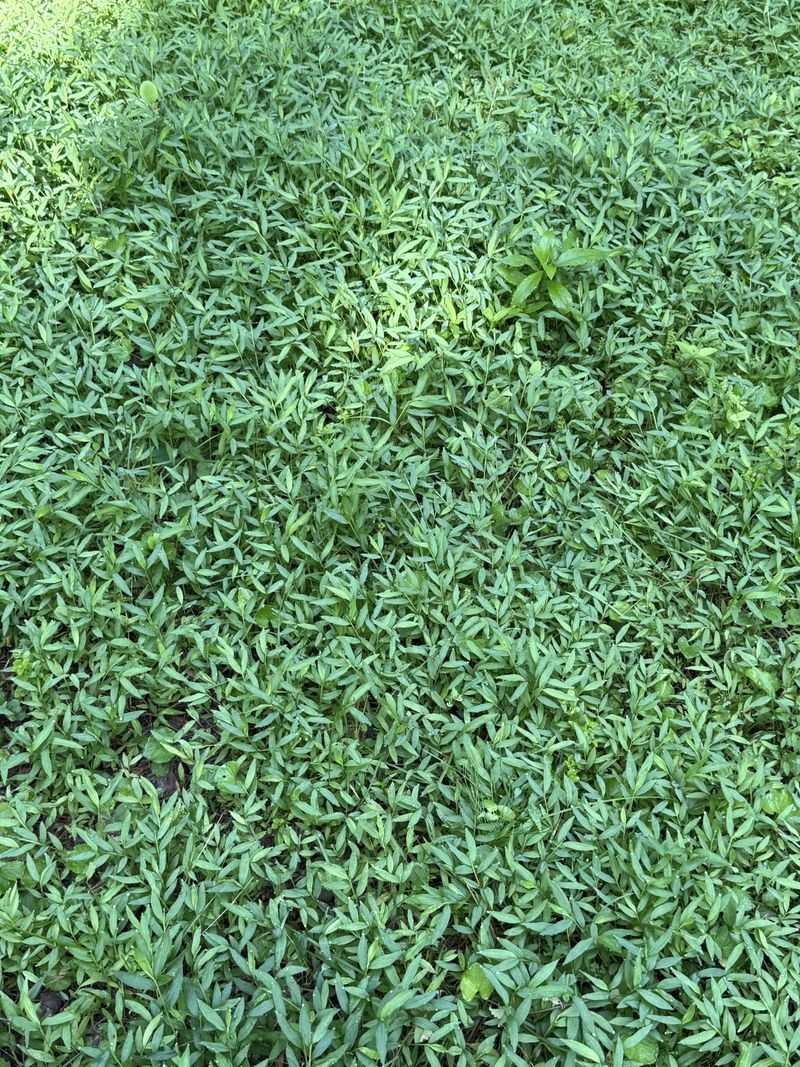
Nimblewill may look delicate, but its spreading habit gives it an advantage in places where bare soil would otherwise be easy for Japanese stiltgrass to occupy.
This native warm-season grass grows outward through creeping stems, gradually filling gaps between established plants.
That makes it useful where the goal is to replace open ground with desirable vegetation.
In Georgia, nimblewill naturally occurs in partly shaded settings where Japanese stiltgrass can also become troublesome.
The two may compete for light, moisture, and growing space when they occupy the same patch.
Nimblewill should not be treated as a quick fix that will erase a thick stand on its own.
Start by reducing established stiltgrass, then give the native grass room to spread into the openings left behind. As its stems connect across the soil surface, fewer bare spots remain available for new invasive seedlings to claim.
Keep checking the patch through the growing season, especially after disturbance exposes soil.
A healthy cover of nimblewill works best as part of continued control, helping desirable growth occupy space instead of leaving every opening available to stiltgrass.
That makes gradual progress easier to maintain over time.
2. Nimblewill Grows Well In The Same Shady Areas
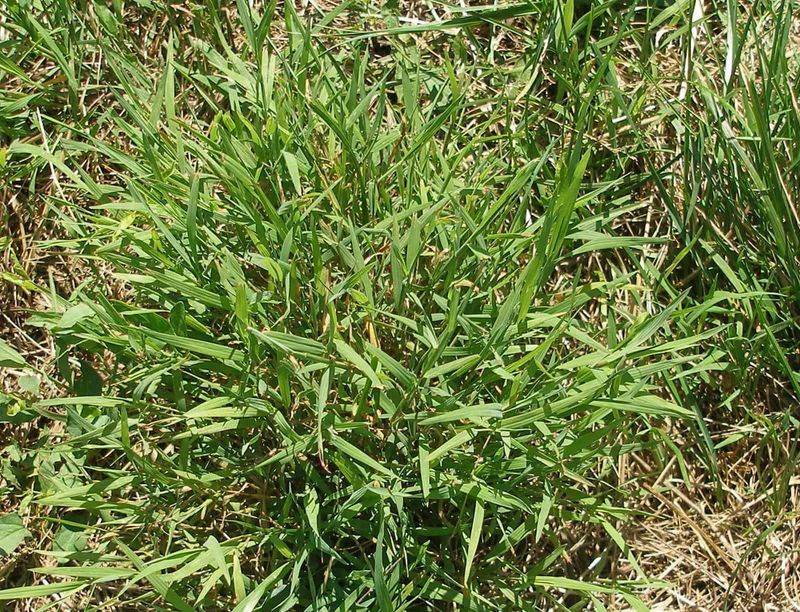
Japanese stiltgrass often settles beneath trees, along woodland edges, and in other places where ordinary turf becomes thin. Nimblewill can handle partial shade too, giving it a useful role in many of those difficult spaces.
Its fine blades may look modest, but the plant can gradually spread where enough light reaches the ground.
In Georgia, this overlap can be helpful when a shaded patch needs desirable vegetation after stiltgrass has been removed. Choosing a native that already tolerates similar conditions gives the cleared ground something suitable to fill it.
Still, shade alone does not guarantee that nimblewill will establish quickly.
Filtered light and consistent soil moisture generally support stronger growth than very dry, deeply shaded corners. Watch how sunlight moves across the area during the day before deciding where you want the grass to spread.
Once it begins connecting across suitable ground, avoid repeatedly disturbing the surface around it.
Giving those creeping stems time to settle can help the patch become fuller, while regular checks let you catch returning stiltgrass before it grows above the native cover and starts competing heavily again.
Your Georgia Garden Changes Every Week. Your Plan Should Too.
Gardening in Georgia changes quickly throughout the season. Every Friday you’ll receive a simple weekly plan showing exactly what to plant, prune, fertilize, harvest, and protect so you never miss the right timing.
Steady coverage can strengthen the entire restoration effort.
3. Creeping Stems Help It Form A Low Ground Cover
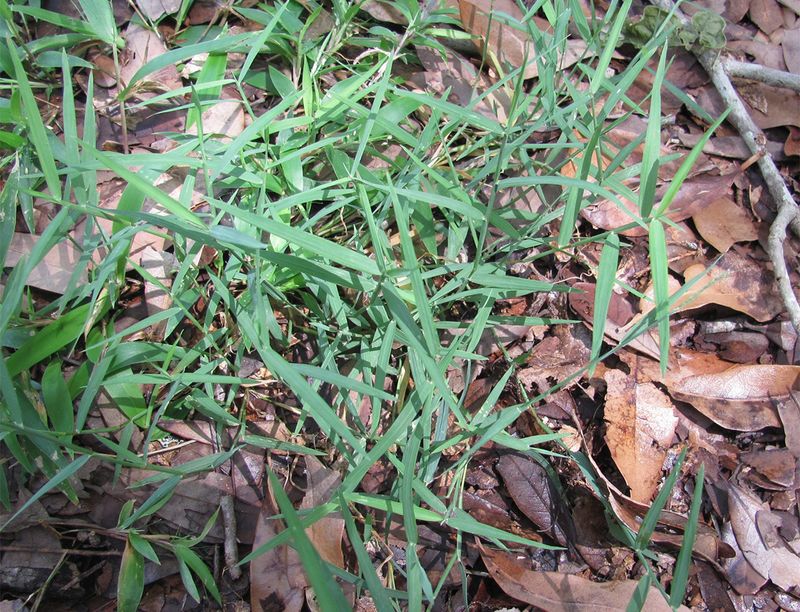
Nimblewill does not grow as a tight bunch that stays in one small spot. Its slender stems creep along the surface and can root at nodes, allowing the plant to spread outward into nearby openings.
That growth habit is what makes it useful as a low native cover.
In Georgia, established nimblewill can create a soft, connected patch in partly shaded yards and woodland margins. The coverage develops gradually, so newly planted areas may look sparse before the stems begin knitting together.
Give those runners room rather than constantly cutting into or disturbing the patch.
Keeping foot traffic light can help new stems remain in contact with the soil, especially while the cover is still developing. Consistent moisture during dry stretches can also support growth without keeping the area saturated.
Do not expect the creeping stems to overpower a dense stand of mature stiltgrass by themselves. Remove or suppress the invasive growth first, then let nimblewill expand into the available space.
As coverage improves, continue watching for small openings where stiltgrass seedlings appear.
Closing those gaps with desirable growth is a gradual process, but it can make the area harder for another thick mat to form.
4. Japanese Stiltgrass Spreads Quickly Across Disturbed Ground
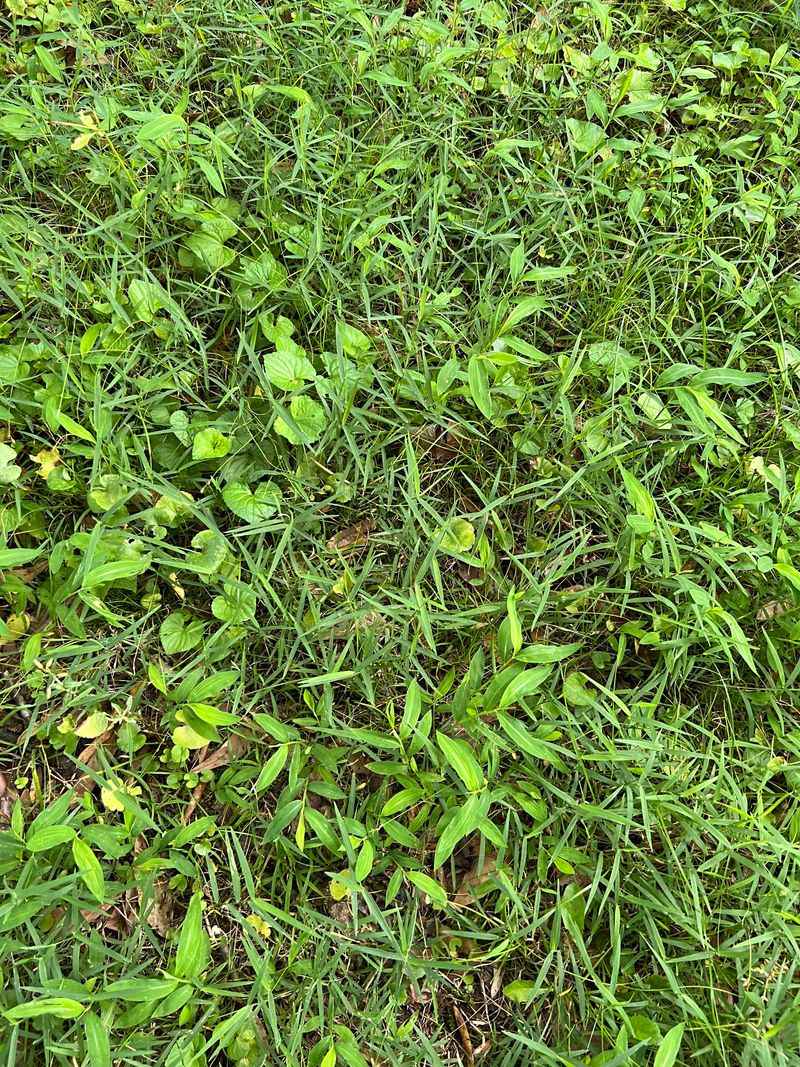
Japanese stiltgrass takes advantage of ground that has been opened by digging, erosion, foot traffic, or other disturbance. Once sunlight reaches exposed soil, seedlings can establish quickly and begin filling the available space.
The grass is an annual, but its ability to produce plenty of seed allows patches to return.
In Georgia, woodland edges, trails, drainage areas, and disturbed shady yards can provide favorable conditions for repeated growth.
Moving soil around without covering it afterward can create another opening just when you thought the patch was improving.
That is why removal should be paired with a plan for what fills the ground next.
Seeds can also move into new areas with soil, water, equipment, shoes, and other material carried from an infested patch. Cleaning tools after working there can help avoid moving seeds into a cleaner part of the yard.
Pay close attention to thin spots after storms, digging, or landscape work. Small seedlings are easier to address before they branch and spread across a larger area.
Restoring native cover quickly gives exposed ground less time to remain open. Nimblewill can be one option where site conditions suit it, especially when existing native growth is already nearby.
5. Removing Stiltgrass Gives Native Growth More Room To Spread
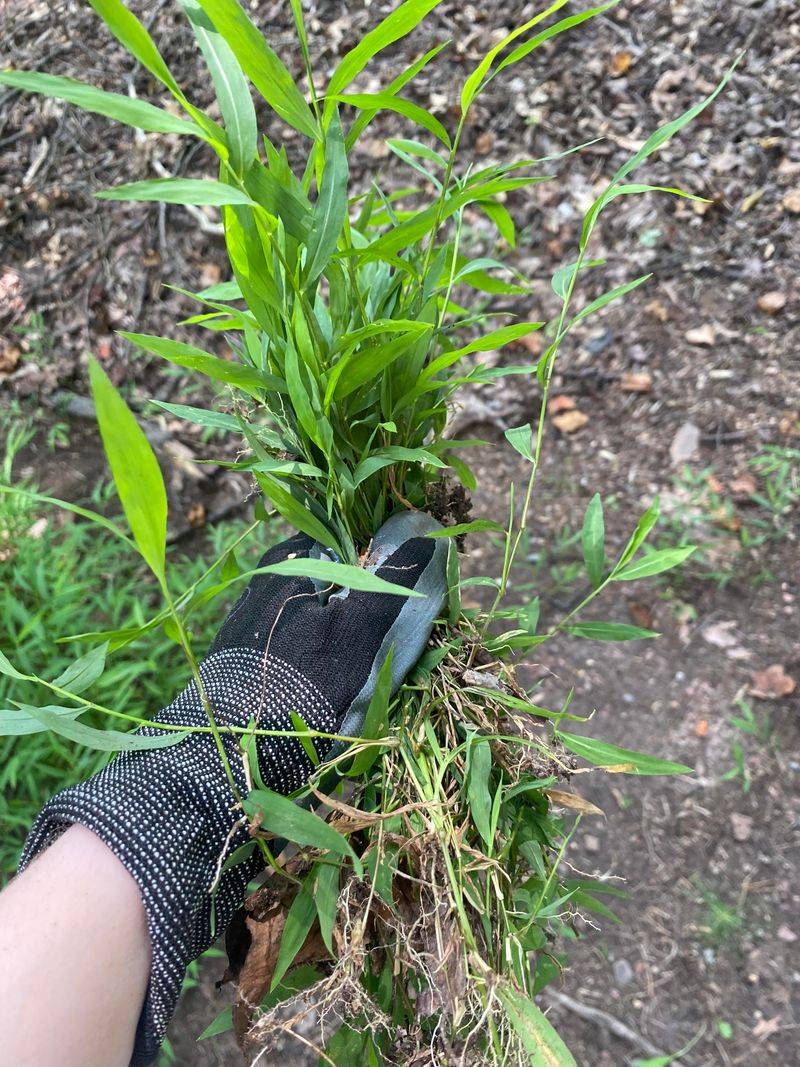
Removing Japanese stiltgrass is only part of the job because the cleared space still needs something desirable to occupy it. Leaving a wide patch bare can create another opportunity for invasive seedlings to appear.
Start with smaller infestations where hand pulling is practical, especially before plants have produced mature seed.
In Georgia, timing removal before seed production can reduce how much new material is added to the soil for future seasons. Pulling is often easier when the ground is soft enough for shallow roots to release without heavy disturbance.
Once the unwanted growth is gone, protect any nimblewill already spreading through the area.
Avoid tearing up healthy native stems while clearing nearby stiltgrass, since those runners can help cover the newly opened ground. Where coverage is thin, additional suitable native plants can help fill larger gaps rather than relying on one species alone.
Return to the patch regularly and remove new stiltgrass while it is still easy to distinguish and handle. Repeated attention is important because one cleanup rarely addresses every seed already present.
The goal is to shift the balance over time. Each opening claimed by desirable growth leaves less easy space for another dense stiltgrass patch to develop.
6. New Seedlings Can Keep Appearing After Older Plants Are Gone
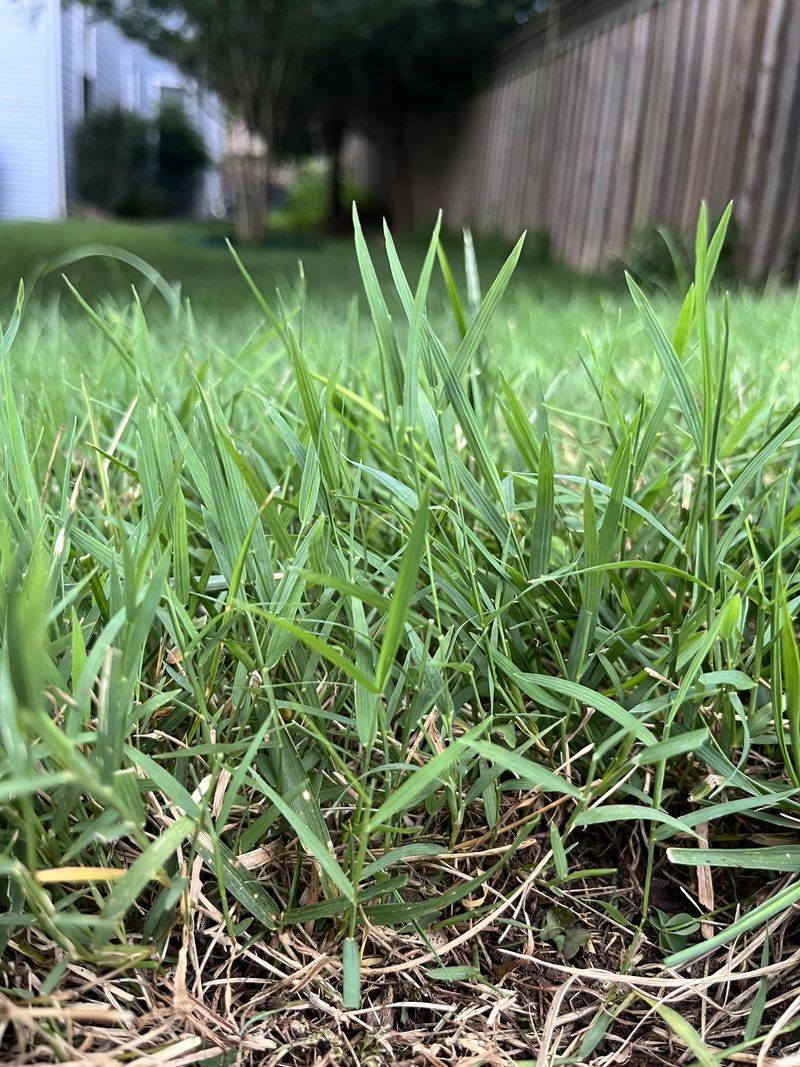
Removing every visible Japanese stiltgrass plant can make a patch look finished, but the next growing season may tell a different story. Seeds already present in the soil can continue producing new seedlings after the older plants are gone.
That persistence is why one year of pulling rarely settles a long-established infestation.
In Georgia, begin checking previously affected areas as new warm-season growth develops and continue watching through summer. Young stiltgrass is much easier to manage before stems branch widely and the patch becomes dense.
Pay special attention after rain or any work that exposes fresh soil.
New seedlings may appear in small gaps between nimblewill stems, along path edges, or beside other plants where coverage remains thin.
Pulling those newcomers early prevents them from gaining as much space and helps protect the native cover you are trying to establish.
Do not assume a quiet patch in spring will stay clear all season. Regular checks make it easier to notice scattered plants before they blend into surrounding greenery.
Persistence matters more than one aggressive cleanup. Supporting native cover while removing each new flush can gradually reduce stiltgrass pressure and keep the site moving toward a more stable planting.
7. Keeping The Ground Covered Helps Limit Open Space For Stiltgrass
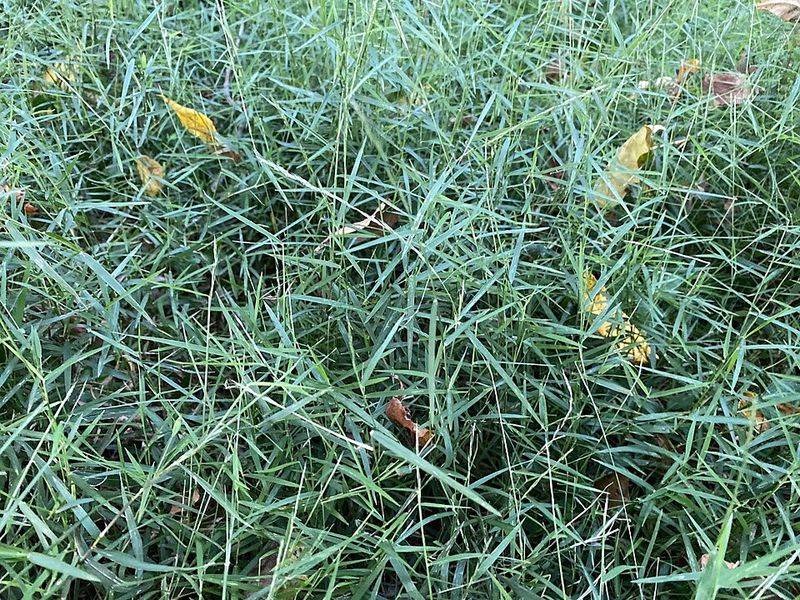
Bare ground gives Japanese stiltgrass exactly what it needs most: an open place where seedlings can establish with little immediate competition. Keeping desirable vegetation over the soil changes that advantage.
Nimblewill can help by spreading across suitable shaded or partly shaded areas and occupying small gaps.
In Georgia, this approach works best when groundcover is combined with continued removal rather than expected to solve the invasion alone. Stiltgrass seeds may still appear wherever light reaches an opening in the existing cover.
Watch for those openings after storms, digging, edging, or other work that disturbs the surface.
Let established nimblewill spread where it is wanted, and consider other appropriate native plants where conditions differ across the site. A mixed planting can cover more types of ground than relying on a single species everywhere.
Mulch can help in selected bare areas, but avoid burying nimblewill runners that you want to keep growing. The main goal is to prevent large stretches of exposed soil from lingering between plants.
Keep checking the area as the seasons change. Dense, desirable growth combined with timely removal gives stiltgrass fewer easy opportunities to reclaim the same patch year after year.