Can Oregon Gardeners Still Plant Trees Once The Fall Rains Start?
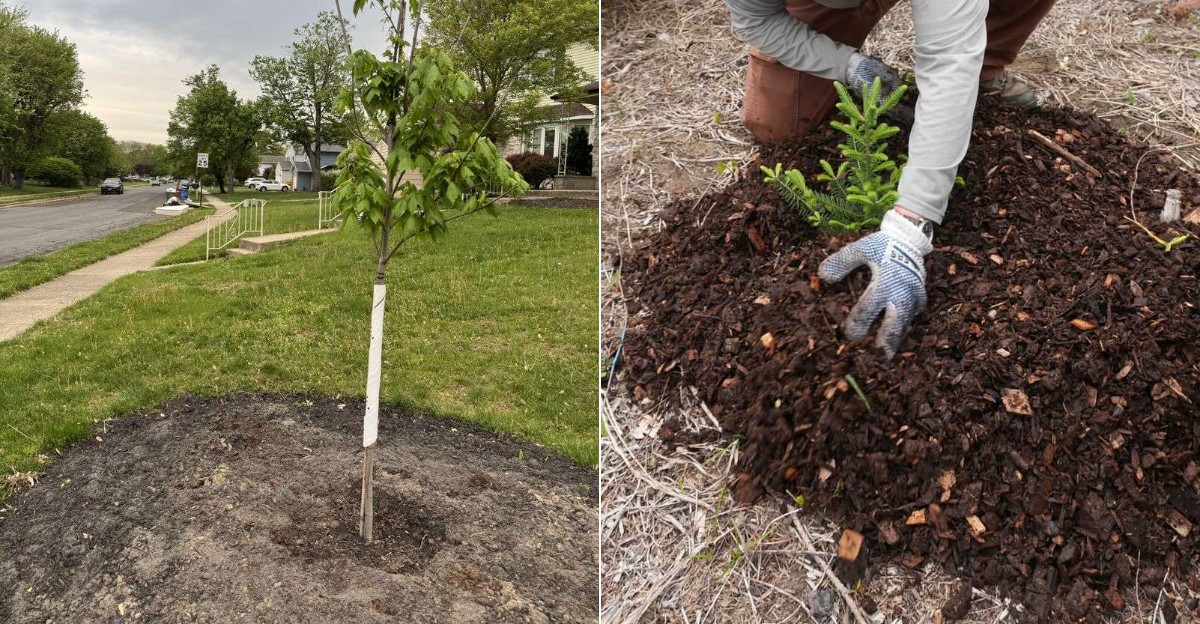
You finally find the perfect tree, bring it home, and then the weather forecast starts filling with rain. It is easy to assume the planting window has closed and the shovel should wait until next year.
In Oregon, the arrival of wetter weather does not automatically mean tree planting season is over. In fact, the shift into cooler conditions can create a very different set of opportunities compared with the heat and dryness of summer.
The timing still matters, though. Soil conditions, tree type, planting location, and the amount of moisture already in the ground can all influence how well a new tree settles in.
A rainy forecast alone does not tell the whole story.
The biggest mistake is treating every fall day the same. A light soaking and a waterlogged planting site are two very different situations, and your tree will notice the difference.
If you have been waiting to add a tree to your landscape, the first fall rains may not be a reason to stop. They could be part of what makes the timing work, as long as the conditions are right.
1. Fall Is Actually Prime Planting Time
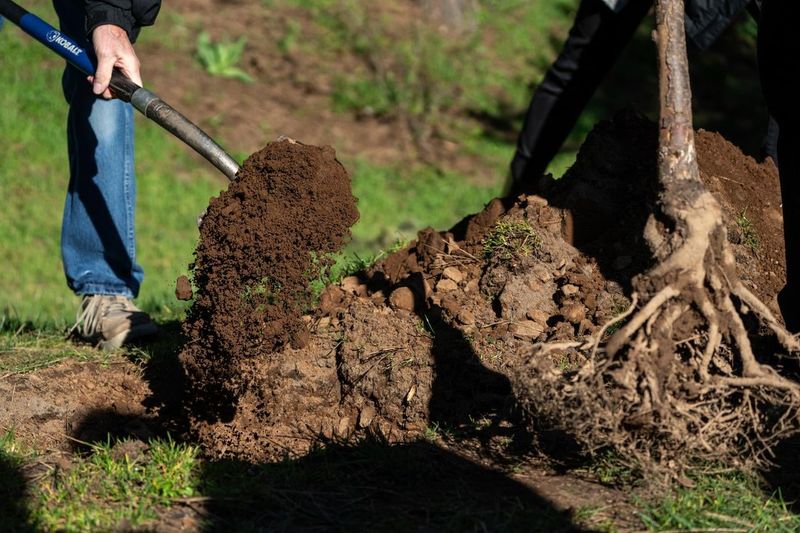
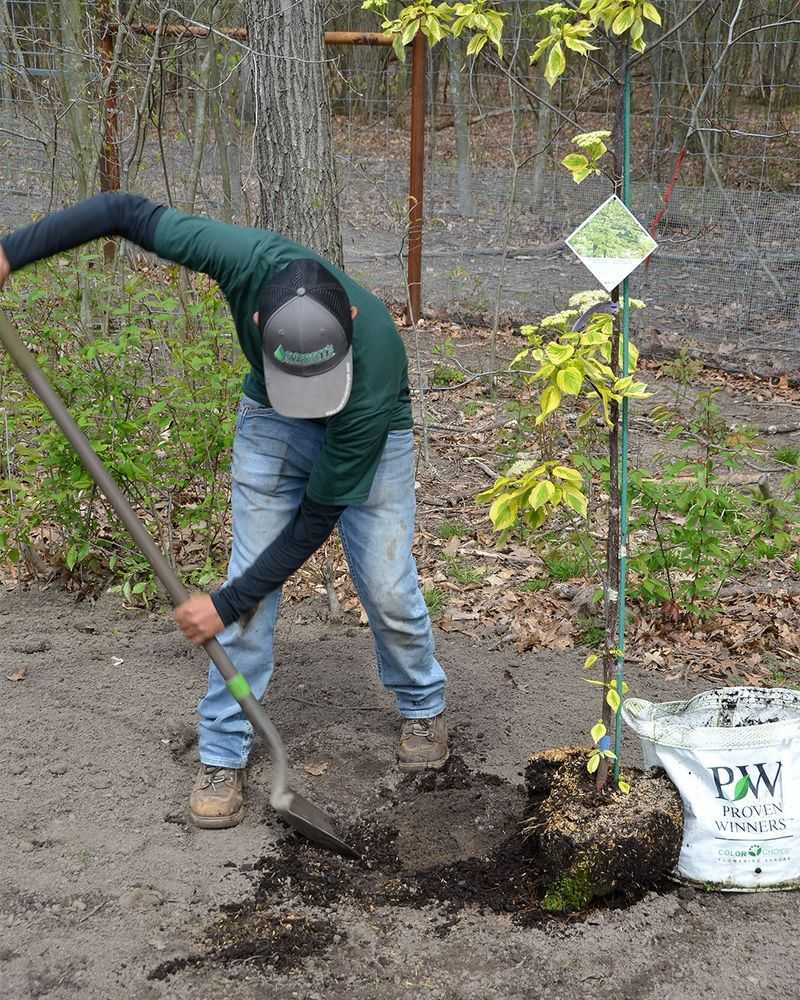
Plenty of gardeners are surprised to learn that fall is one of the best seasons for putting trees in the ground. The soil is still warm from summer, but the air has cooled down.
That combination is exactly what young roots love.
When you plant in fall, the tree spends its energy growing roots instead of leaves. There is no scorching sun to stress the plant, and the regular rain keeps the soil moist without much work from you.
By the time spring arrives, your tree already has a strong root system ready to support new growth.
Nurseries often mark down trees in autumn too, so you can save money while giving your new plant a great start. Just aim to plant before the ground gets too soggy or freezes hard, which usually means finishing up by late November in most parts of the state.
Think of fall planting as giving your tree a head start. While everything above ground looks like it is going to sleep, the busy work is happening underground.
That quiet growth pays off big when warmer days return and your tree bursts into life faster than one planted in spring.
2. Rain Helps Roots Settle Without Extra Watering
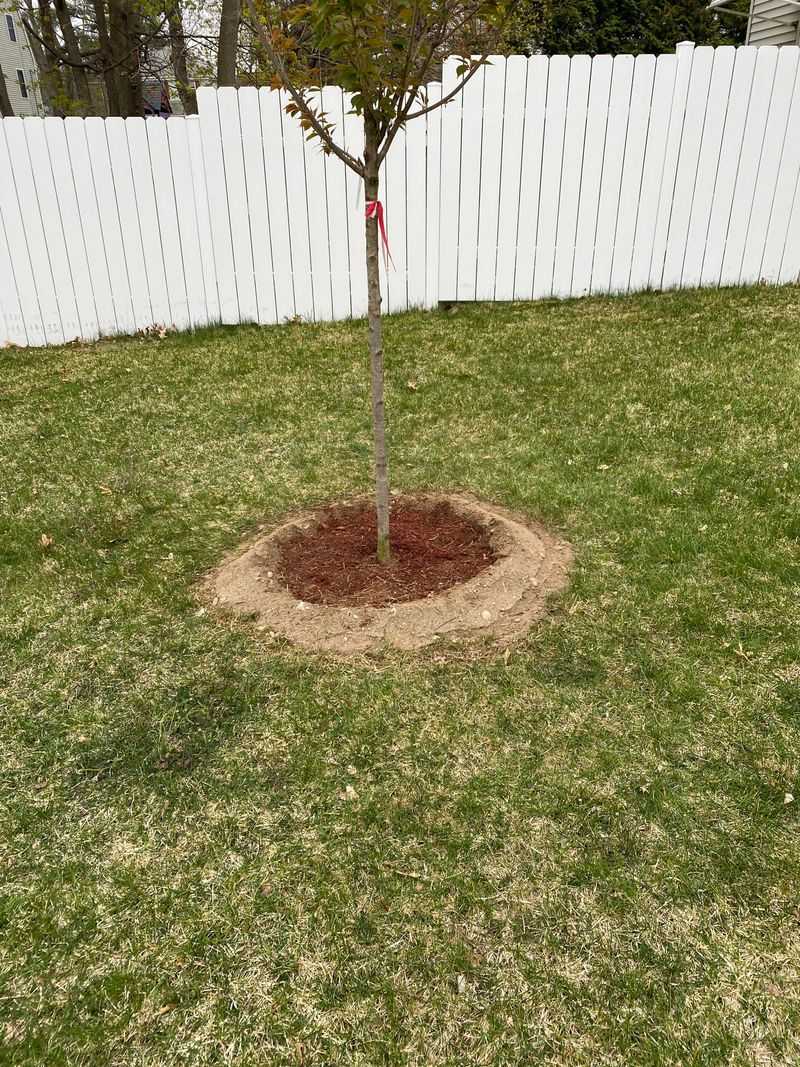
One of the biggest chores of summer planting is dragging the hose out every day. Fall rains take that job off your hands almost completely.
Oregon’s steady autumn showers keep the soil evenly moist, which is exactly what a newly planted tree needs.
Roots grow best when the ground is damp but not drowning. The gentle, frequent rain that rolls through the Willamette Valley and coast is perfect for this.
Instead of soaking the soil once and letting it dry out, nature delivers small amounts of water over and over.
This steady moisture encourages roots to spread out in search of nutrients. A wider, deeper root system means your tree will be tougher and more able to handle dry spells next summer.
Your Oregon Garden Changes Every Week. Your Plan Should Too.
Gardening in Oregon changes quickly throughout the season. Every Friday you’ll receive a simple weekly plan showing exactly what to plant, prune, fertilize, harvest, and protect so you never miss the right timing.
You are basically letting the weather do the hard work for you.
Still, keep an eye on things during any surprise dry stretch in early fall. If a week passes without rain, give your tree a good drink so the roots do not dry out while they are getting established.
By working with the rain instead of against it, you save time, water, and effort. That is a win for both you and your new tree.
3. Watch Out For Soggy, Waterlogged Soil
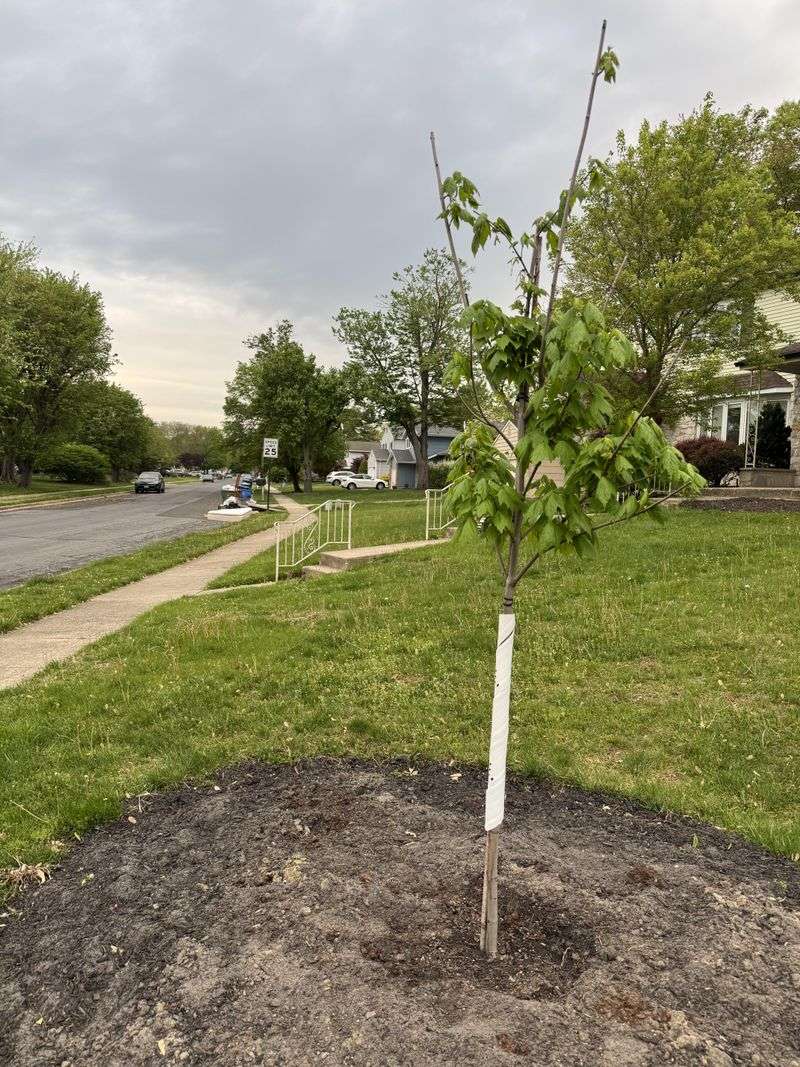
Rain is helpful, but too much of a good thing can hurt your tree. In some parts of Oregon, especially areas with heavy clay soil, the ground can turn into a soggy mess during the wettest months.
Roots need air just as much as water, and standing water can suffocate them.
Before you dig, check how well your soil drains. Fill a hole with water and see how long it takes to empty.
If water sits there for more than a day, you may have a drainage problem that could rot your tree’s roots.
To fix this, you can plant your tree a little higher than the surrounding ground or build a small mound. This keeps the base of the roots out of the wettest zone.
Adding compost can also help clay soil drain better over time.
Avoid stepping on the soil around the planting hole when it is very wet. Doing so packs it down and squeezes out the air pockets roots need.
Choosing trees that tolerate damp conditions, like red maple or willow, is another smart move for wet spots. A little planning here saves you from watching a young tree slowly drown when the rains really pick up.
4. Pick Trees That Thrive In Oregon’s Climate
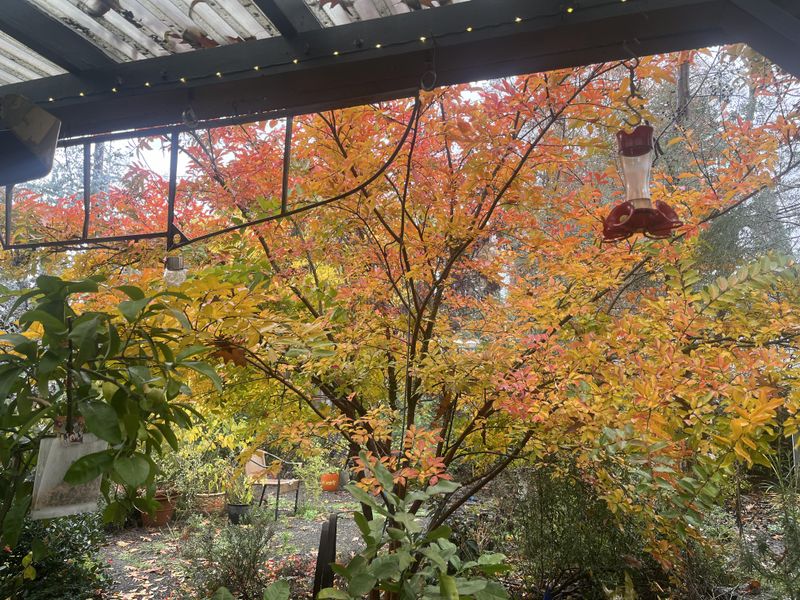
Not every tree loves Oregon’s rainy fall and cool winters, so choosing the right kind matters. Native trees are usually your safest bet because they already know how to handle the local weather.
They have spent thousands of years adapting to exactly these conditions.
Great choices include Douglas fir, western red cedar, and vine maple. These plants shrug off the rain and settle into their new homes with ease.
Fruit trees like apples and pears also do well when planted in fall, giving you tasty rewards down the road.
When shopping, look for trees sold in containers or with their roots wrapped in burlap. Both types transplant nicely in autumn.
Ask your local nursery which varieties they recommend for your specific area, since conditions can change from the coast to the high desert.
Fun fact: the Douglas fir is Oregon’s official state tree, and it grows all across the region without much fuss. Picking something that naturally belongs here means less struggle for you.
Matching the tree to your yard’s sunlight, space, and soil will set you up for years of easy care. A well chosen tree practically raises itself once its roots take hold in that friendly fall ground.
5. Mulch Now To Protect Young Roots
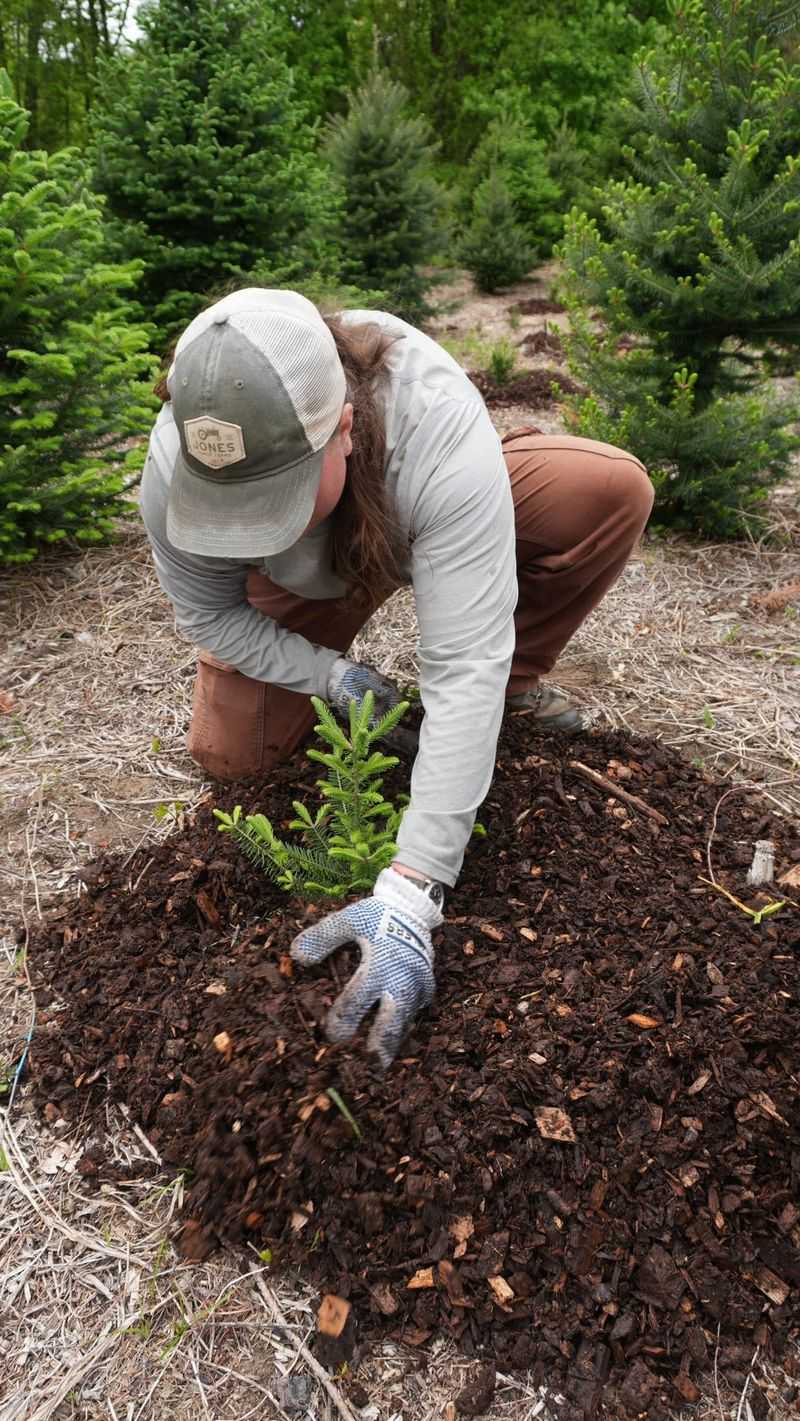
After your tree is in the ground, a layer of mulch is like a cozy blanket for its roots. Spreading wood chips or bark around the base helps in more ways than you might expect, and fall is the perfect time to add it.
Mulch keeps the soil temperature steady, protecting roots from sudden cold snaps that sometimes sneak into Oregon winters. It also holds in moisture and blocks weeds from stealing nutrients from your young tree.
Spread the mulch in a ring about two to three inches thick, but keep it a few inches away from the trunk itself. Piling mulch right against the bark can trap moisture and invite rot or pests.
Gardeners sometimes call the wrong way a mulch volcano, and it is best avoided.
As the mulch slowly breaks down, it feeds the soil with nutrients and improves its texture. This is especially helpful in heavy clay areas where drainage can be tricky.
A good mulch layer means less work for you later. You will spend less time weeding and watering, and your tree will be better protected through its first vulnerable winter.
It is a small step that makes a surprisingly big difference in how well your new tree survives.
6. Skip The Fertilizer Until Spring
It might feel natural to give your new tree a boost of fertilizer, but fall is actually the wrong time to do it. Feeding a tree now can trick it into growing tender new shoots that cannot survive the coming cold.
When you plant in autumn, your tree should be focusing on roots, not leaves or branches. Fertilizer high in nitrogen pushes leafy growth, which is the opposite of what you want heading into winter.
Those fresh shoots get zapped by frost and waste the tree’s energy.
Instead, let your tree settle in naturally. The compost you mixed into the soil at planting time gives it all the gentle nutrition it needs for now.
Roots will keep growing quietly through the mild, wet months without any extra push.
Wait until spring, when the tree wakes up and starts actively growing, to add fertilizer. That timing matches the tree’s natural rhythm and gives the food somewhere useful to go.
Patience really pays off here. By holding back now, you protect your tree from cold damage and set it up for strong, healthy growth once warmer weather returns.
Sometimes the best thing you can do for a young plant is simply leave it alone and trust nature’s schedule.
7. Know When It Is Finally Too Late
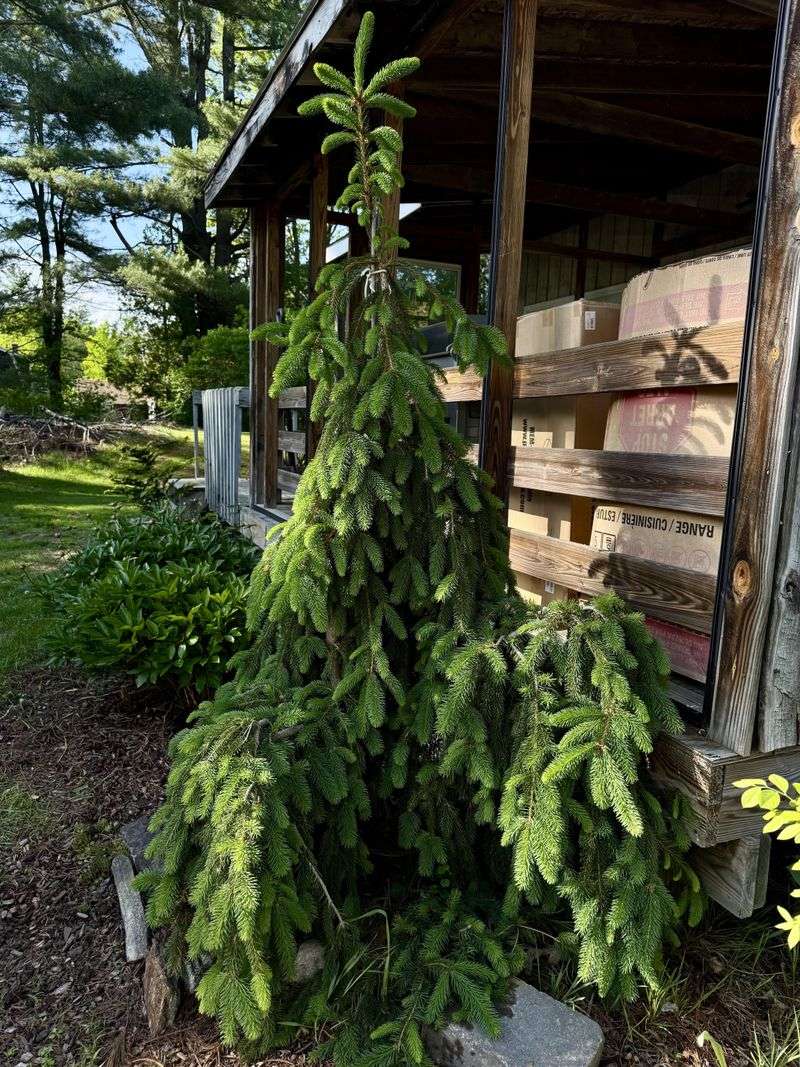
Even though fall is a wonderful window for planting, that window does eventually close. Once the ground freezes solid or stays waterlogged for weeks, it is time to pause and wait for better conditions.
In much of western Oregon, you can usually keep planting through late November or even early December during a mild year. Higher elevations and eastern parts of the state cool down faster, so your season ends sooner there.
The key sign to watch for is the soil itself. If you cannot dig a proper hole because the ground is frozen or turned to soup, planting will do more harm than good.
Roots need loose, workable earth to spread into.
If you buy a tree too late in the season, do not panic. You can keep it in its container in a sheltered spot and water it occasionally until conditions improve or spring arrives.
This keeps the plant healthy until you can give it a proper home.
Reading the weather and the soil helps you make the right call. When in doubt, waiting a few weeks rarely hurts.
A tree planted at the right moment will always do better than one rushed into frozen or flooded ground, so trust your timing and stay flexible.