The One Plant Fire Officials Say Should Never Grow Against A California Wall
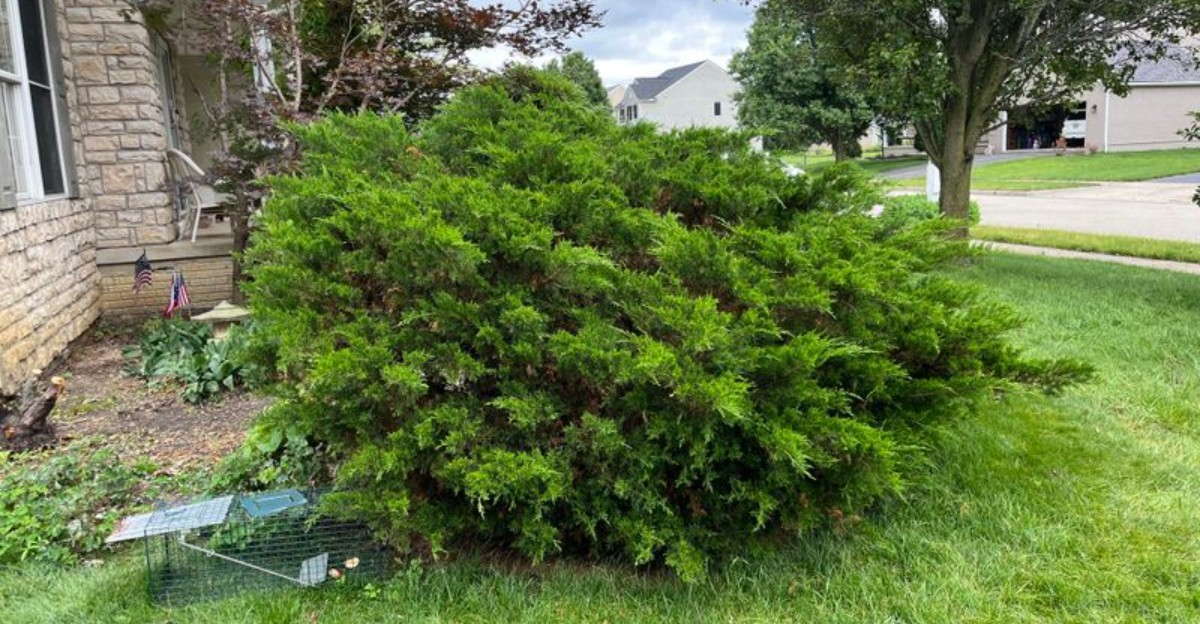
That climbing plant along your California wall may look like the perfect way to soften a plain surface. Greenery can make a home feel cooler, more private, and beautifully connected to the garden.
But the spot right against your house deserves extra thought. A plant that looks harmless while it is thriving can behave very differently when dry conditions, intense heat, and wildfire concerns become part of the picture.
You may not notice a problem just by looking at it. Healthy leaves and fast growth can hide what is happening deeper inside the plant, especially when it sits directly against a structure.
Choosing what grows near your walls is about more than appearance. The right placement can help your landscape stay attractive while reducing potential concerns around your home.
That means taking a closer look at certain plants before they become a permanent part of your exterior. Some choices are much easier to rethink while they are still small.
1. Juniper Can Burn Hot And Fast
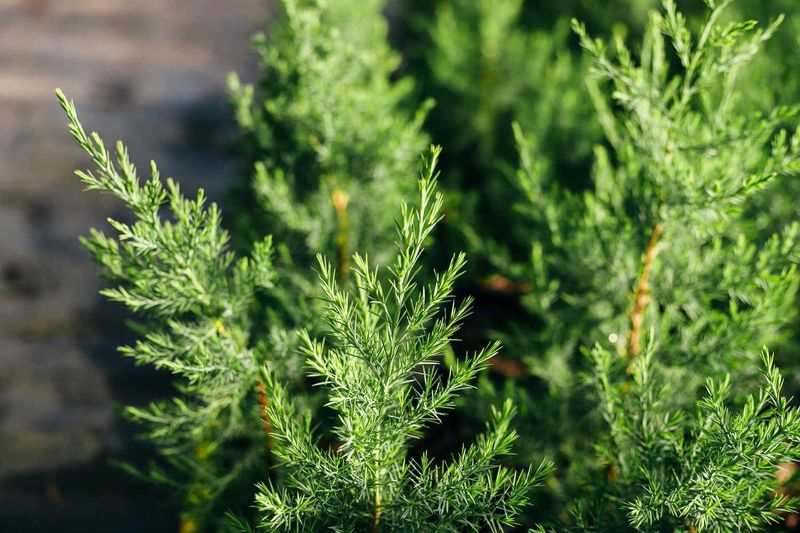
Ever wonder why California firefighters flinch when they spot a juniper near a home? The reason comes down to how quickly this plant catches and spreads flame.
Junipers hold natural oils inside their needles and stems. Those oils act almost like fuel.
Once a spark lands, the shrub can flare up with surprising speed and heat.
A single burning juniper can throw off enough heat to crack a window or scorch nearby siding. That heat also helps flames jump to other plants and objects around it.
Because the fire moves so fast, people often have very little time to react. What starts as a small ember can grow into a large blaze in just moments.
Experts sometimes call these shrubs little torches for this exact reason. They do not smolder slowly.
They ignite and burn with real force.
If you live in a dry area with hot summers, this matters even more. Long stretches without rain leave the plant primed to burn.
The smart move is to think about how any plant near your home might behave in a fire. Junipers rank near the bottom of the safe list.
Choosing lower-risk plants, or keeping this one far from walls, gives your house a much better chance of staying safe.
2. Dense Foliage Can Trap Windblown Embers
Picture a stiff wind carrying tiny glowing embers across a California neighborhood during a wildfire. Those embers need a place to land, and thick shrubs make a perfect trap.
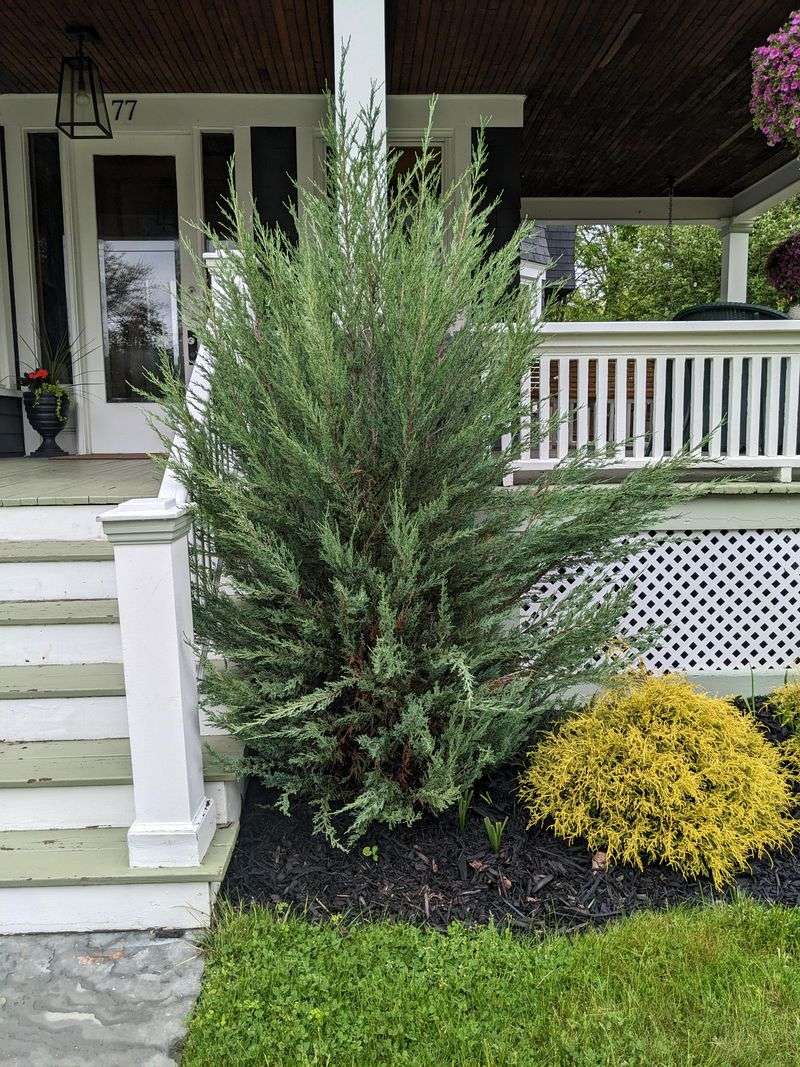
The foliage on a mature juniper grows tightly packed. Branches and needles weave together and leave almost no open space.
When embers blow in, they slip into that dense mat and get stuck. Instead of drifting past harmlessly, they settle into a spot full of dry fuel.
All it takes is one glowing ember touching the right dry twig, and the whole plant can light up. This is how fires often reach homes that were far from the main flames.
Wind-driven embers can travel a long way, sometimes more than a mile. A juniper near your wall becomes a landing pad for these floating sparks.
Your California Garden Changes Every Week. Your Plan Should Too.
Gardening in California changes quickly throughout the season. Every Friday you’ll receive a simple weekly plan showing exactly what to plant, prune, fertilize, harvest, and protect so you never miss the right timing.
That is why clearing space and choosing open, airy plants helps so much. Loose, thin foliage lets embers pass through without catching.
Take a close look at any shrub hugging your walls. If you can barely see through it, that thickness is a warning sign.
Trimming, thinning, or replacing dense shrubs near the house reduces the chance an ember finds a cozy home. Small steps like these keep floating sparks from turning into a real threat right beside your walls.
3. Dry Material Builds Up Inside The Shrub
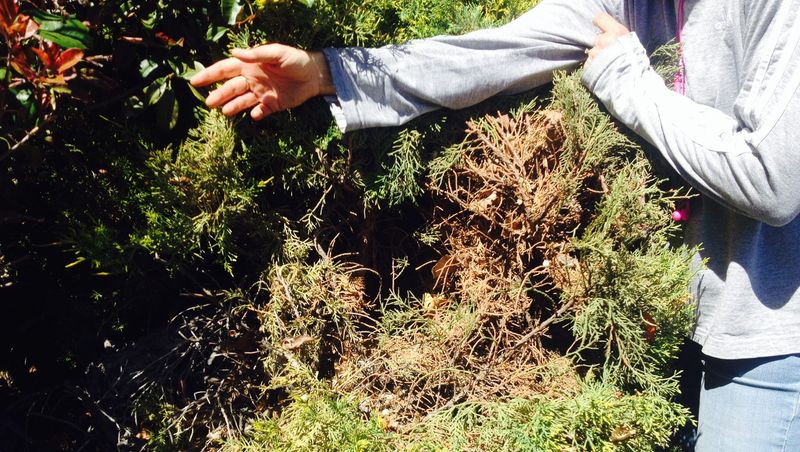
Here is something many California homeowners never notice. Beneath that green surface, a juniper often hides a stash of dry, withered material.
As the plant grows, older needles and twigs deep inside stop getting sunlight. They dry out, turn brown, and stay tucked under the healthy green layer.
You might glance at the shrub and see only fresh growth. But push aside the outer branches, and you often find a tangle of brittle debris.
That dry material is highly flammable. It acts like kindling waiting for a match, hidden right where you cannot easily see it.
Because the outside looks lush, people assume the whole plant is healthy and safe. This false sense of security can be risky near a home.
Regular cleaning helps a lot. Reaching in to pull out withered needles and twigs removes that hidden fuel load.
Raking up fallen debris around the base matters too, since dry litter can spread flames along the ground.
If a shrub is packed with withered growth and sits against your wall, that combination raises real concern. The buildup gives fire a fast start in a bad spot.
Keeping plants clean and clear, or moving them away from the house, cuts down the fuel that could feed a fire close to your walls.
4. Resinous Growth Makes Fire Risk Worse
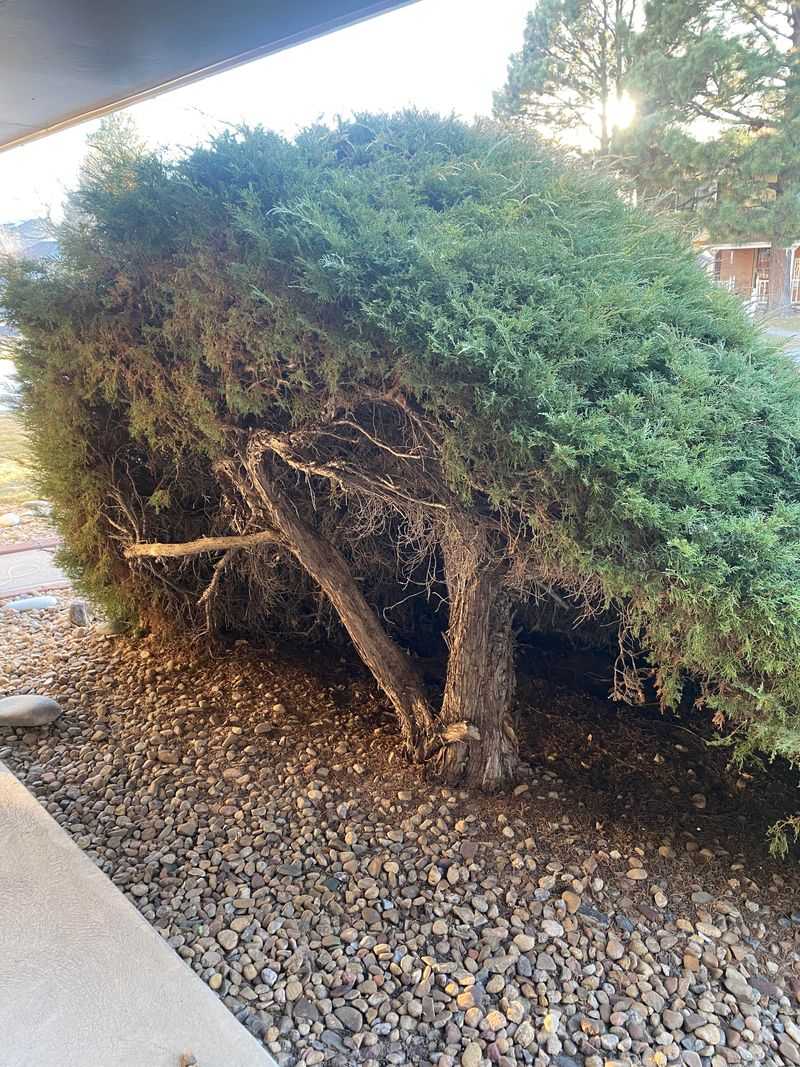
What separates a juniper from a plain leafy bush comes down to chemistry. This shrub is packed with resins and oils that flames love.
Those substances live inside the needles, stems, and berries. They give the plant its scent, but they also make it burn far more easily.
Resin catches fire quickly and burns with extra heat. When a plant is full of it, even damp weather may not stop the flames.
Think of resin like the sticky sap on a pine tree. It is a natural fuel, and junipers carry plenty of it.
This is a big reason fire experts group these shrubs with the most hazardous plants for home landscapes. The oils turn an ordinary bush into a strong fire feeder.
Wet junipers can still ignite because the resin resists moisture. That surprises many people who assume a green plant is safe.
When you plan a yard near your house, it helps to pick plants low in oils and resins. Many leafy, high-moisture plants resist flames much better.
Succulents and certain groundcovers are good examples of safer choices. They hold water and lack the fuel that junipers carry.
Swapping out resin-heavy shrubs near your walls is one of the simplest ways to lower the fuel sitting close to your home.
5. A Wall Can Put Flames Too Close To The House
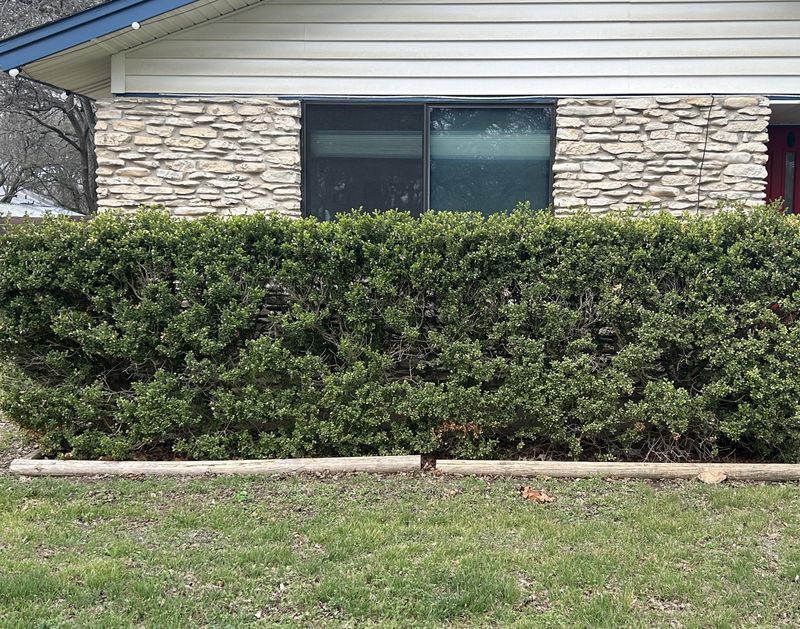
Placement changes everything when it comes to fire safety. A juniper growing out in the open is one thing, but pressed against a wall it becomes a direct threat.
When a shrub touches or nearly touches your siding, burning flames have almost no gap to cross. The fire can move straight onto your house.
Walls also trap and reflect heat. That extra warmth can help nearby materials ignite faster than they would in open air.
Homes have vulnerable spots along their base, like vents, trim, and wood siding. A flaming shrub right there finds those weak points quickly.
California fire officials often talk about a defensible zone, meaning open space between plants and the home. A juniper against the wall erases that zone completely.
The closer the fuel, the less time your house has to survive an approaching fire. Distance buys precious minutes.
Moving plants back even a few feet makes a real difference. That gap slows or stops flames from reaching the structure.
Many safety experts suggest keeping the first few feet around a home free of shrubs like this. Gravel, pavers, or bare soil work well in that zone.
Rethinking where flammable plants sit is one of the strongest steps you can take to protect the walls that shelter your family.
6. Windows And Eaves Are Especially Vulnerable
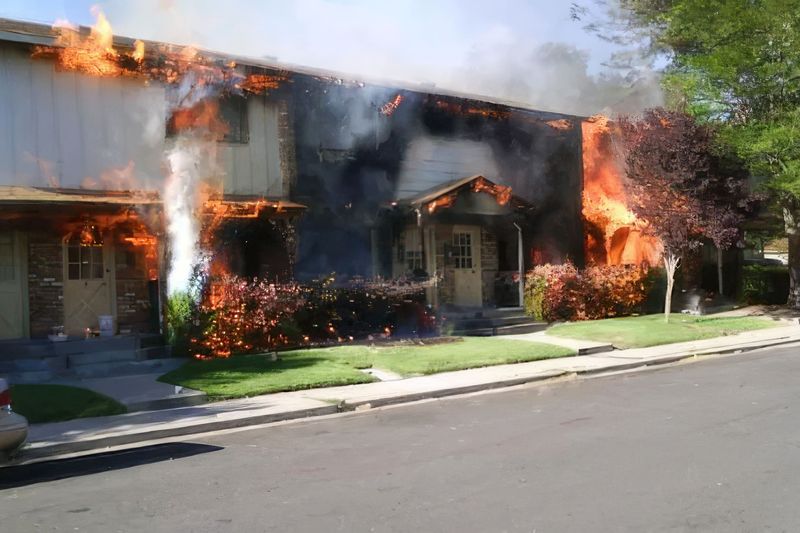
Some parts of a house are weaker against fire than others, and shrubs near those spots make the danger sharper. Windows and eaves top that list.
Glass can crack when heat builds up, and once a window breaks, flames and embers can slip inside. A burning juniper below a window creates that exact risk.
Eaves are the overhanging edges of a roof. Hot air and flames rise and gather under them, which makes those spots prone to catching fire.
When a tall shrub grows up toward the eaves, it forms a ladder for fire. Flames climb from the plant to the roofline with ease.
Vents tucked under eaves add another weak point. Embers can enter through them and ignite the attic from within.
This is why California experts pay close attention to what grows beneath windows and along rooflines. Placement near these features raises the stakes.
Keeping shrubs short and set back helps protect these tender areas. Low, spaced-out plants do not reach up toward the roof.
Checking your home for shrubs that brush against glass or climb toward the eaves is a smart habit. Trim or move anything that gets too close.
Guarding these vulnerable spots gives your whole house a stronger shield when fire moves through the area.
7. Older Junipers Can Hide Plenty Of Dry Growth
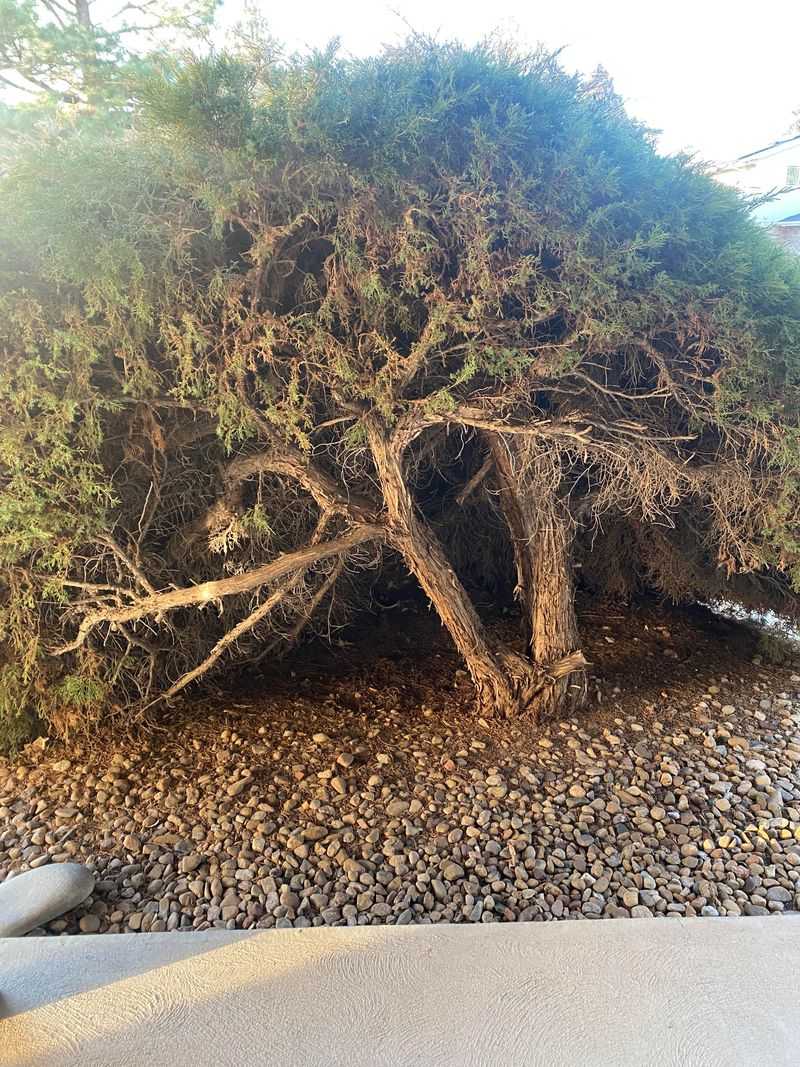
Age turns an already risky plant into an even bigger worry. The longer a juniper grows, the more hidden fuel it tends to collect.
Years of growth build layers of old wood and withered needles deep inside. That buildup can be far larger than what you see on the surface.
A big, established shrub may look grand and green, but its core is often packed with brittle, dry material.
Mature plants also grow taller and wider, bringing them closer to walls, windows, and roofs. Their size alone raises the risk.
Trimming an old juniper can be tricky. Cut too deep, and you hit bare wood that will not grow back green.
Because of this, many overgrown shrubs never get properly cleaned out. The dry center just keeps growing year after year.
That neglected fuel load is exactly what fire officials worry about. An old, dense plant near a home is a stored-up hazard.
If you have large junipers that have been in place for a long time, take a careful look inside them. You may be surprised by the debris hiding within.
Sometimes the safest choice is removing an aging shrub entirely and replacing it with something lower-risk. Fresh, safer plants give you a cleaner start and far less hidden fuel near your walls.
8. Keeping It Away From Structures Matters Most
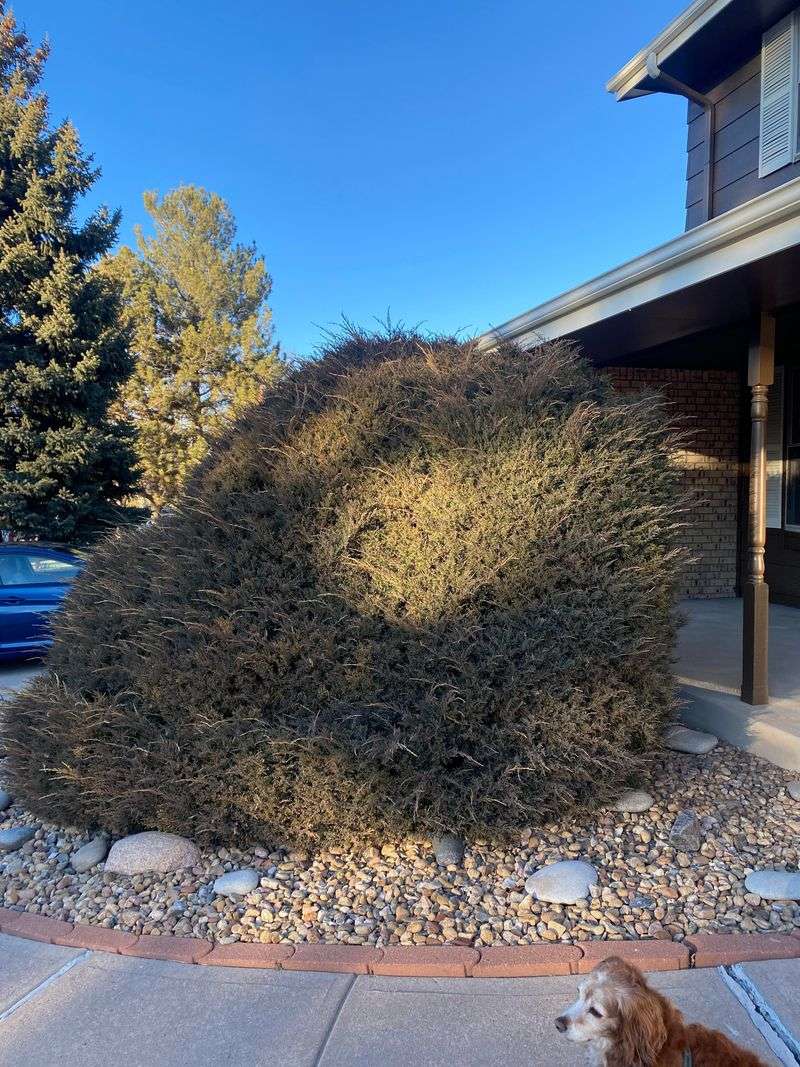
If you love the look of junipers, there is still good news. You do not have to give them up completely, you just need to place them wisely.
Distance is your best friend here. Planting these shrubs well away from your home keeps their fuel far from your walls.
Fire safety experts often talk about zones around a house. The area closest to the structure should hold the least flammable material.
Push junipers out to the edges of your property, away from buildings, and their risk to your home drops sharply.
Space between plants matters too. Spreading shrubs apart stops fire from hopping easily from one to the next.
Groups of plants packed tightly together act like a continuous fuel path. Breaking them up slows any advancing flames.
When these shrubs stand alone, far from siding and eaves, they become much less of a threat. The same plant, placed differently, tells a very different story.
Think of your yard in layers, with safe, open ground near the house and tougher plants farther out.
A simple map of where things grow can guide smarter planting choices. Moving hazardous shrubs back is one of the most effective habits for keeping your home protected during California fire season.