What California Homeowners Should Water In July And What Can Safely Go Dormant
July in California can feel like a battle between your garden and your water bill. Temperatures soar, soil dries out fast, and it is easy to panic-water everything in sight.
Many homeowners do exactly that, spending far more time and money than necessary while still managing to stress out the wrong plants.
The part nobody tells you is that some of the plants you are most worried about are actually fine.
California summers are naturally dry, and a significant portion of the plant world has spent thousands of years figuring out how to handle that.
Watering those plants on the same schedule as your vegetable garden is not helping them. In some cases, it is quietly causing damage you will not notice until fall.
The plants that genuinely need water in July are specific, and the ones that can safely rest are equally specific.
Getting that distinction right saves water, protects your plants, and removes a significant amount of stress from the summer gardening routine.
Eight categories of plants explain exactly where your water should and should not go this July.
Water New Trees Before Anything Else
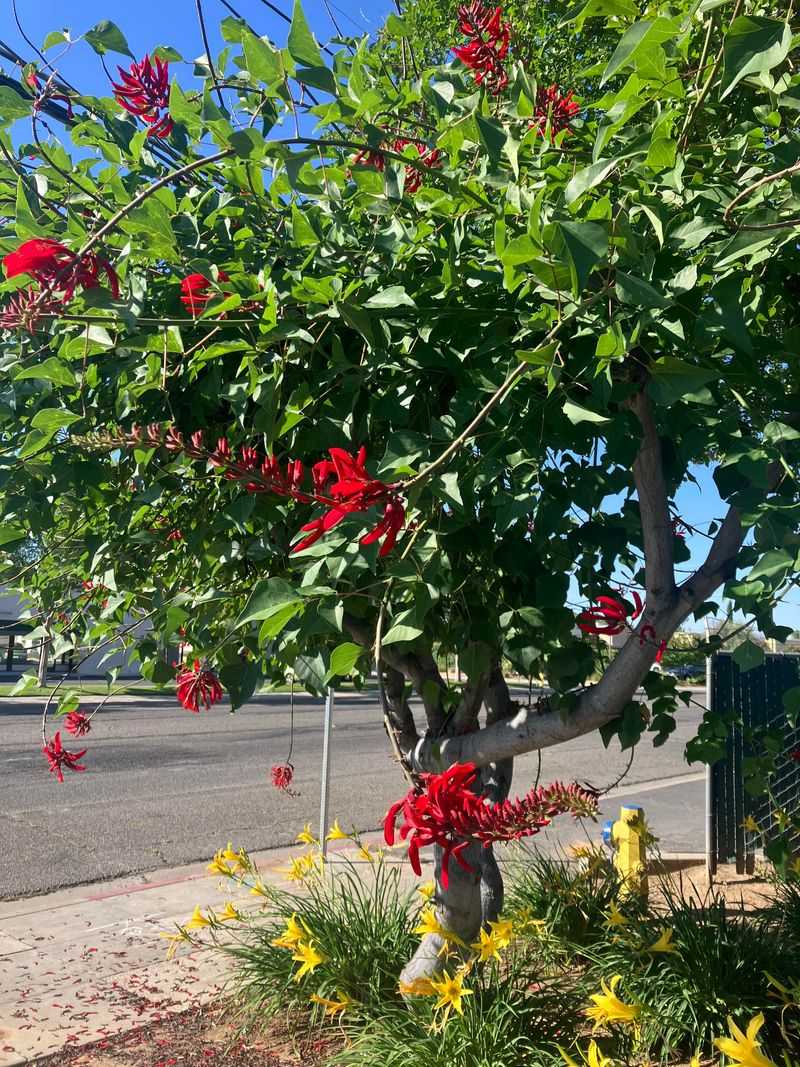
A young tree planted in the last one to three years is one of the most valuable investments in your yard, and July is when it needs you most.
Unlike mature trees with deep, established root systems, young trees are still building the underground network that will eventually let them handle California summers on their own.
Without enough water this month, that process stalls in ways that set the tree back for years.
Deep watering is the key. Instead of a quick sprinkle every day, give your young trees a long, slow soak two to three times per week.
You want the water to reach down 18 to 24 inches into the soil, which is where the roots are actively growing. A slow drip at the base for 30 to 45 minutes works better than a fast blast from a hose.
Mulch is your best friend here.
Spreading a three to four inch layer of wood chip mulch around the base of the tree, keeping it a few inches away from the trunk, holds moisture in the soil much longer. This means you water less often while still keeping roots comfortable.
Newly planted trees in California can need irrigation for the first two to five years depending on the species and your local climate.
Do not skip these waterings in July. The tree cannot tell you it is struggling until the damage is already done, and by then recovery is slow and difficult.
Keep Young Native Plants Establishing
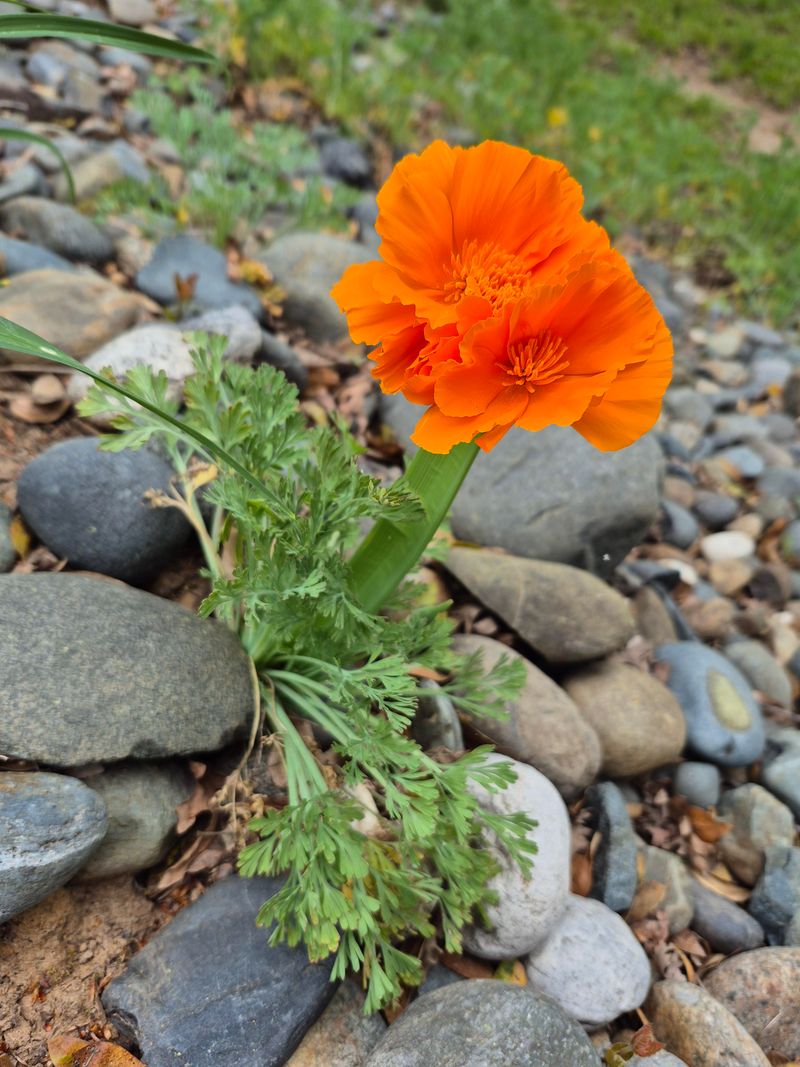
There is a common misconception that California native plants need zero water from the moment you put them in the ground.
That is not quite right, and believing it can cost you a perfectly good plant. Natives are drought-tolerant once they are fully established, but getting to that point takes time, usually one to three growing seasons depending on the species and your soil.
During their first summer, young natives are still building root systems.
Your California Garden Changes Every Week. Your Plan Should Too.
Gardening in California changes quickly throughout the season. Every Friday you’ll receive a simple weekly plan showing exactly what to plant, prune, fertilize, harvest, and protect so you never miss the right timing.
The roots have not yet spread far enough to find moisture on their own. July heat puts real stress on these plants, and without some supplemental watering, they can struggle significantly.
California Master Gardeners recommend watering newly planted natives every one to two weeks during summer, giving them a deep soak rather than a light sprinkle each time.
The goal is to encourage roots to grow downward toward cooler, moister soil. Frequent shallow watering does the opposite, keeping roots near the surface where they are most vulnerable to heat.
Once you see strong new growth and the plant looks settled and vigorous going into its second or third summer, you can gradually reduce watering.
At that point, many natives will need little to no summer irrigation at all. Patience during these first seasons pays off in a tough, resilient plant that practically takes care of itself for decades.
Support Fruit Trees With Deep Soaks
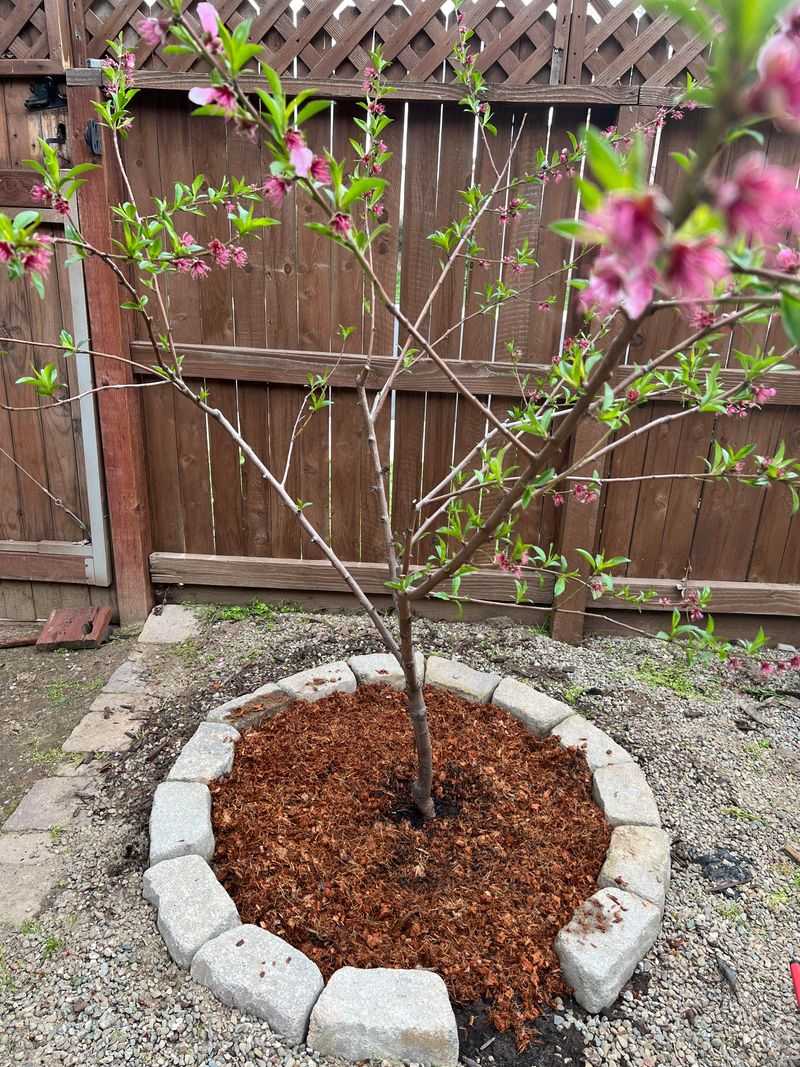
Fruit trees in July are working hard.
Whether your tree is loaded with peaches, figs, apples, citrus, or plums, it is putting enormous energy into developing and ripening that fruit.
Water is a huge part of that process, and cutting back now can lead to fruit drop, cracking, or undersized harvests that disappoint after months of anticipation.
Established fruit trees still need consistent, deep irrigation during the summer months.
The exact frequency depends on your soil type, tree size, and local temperatures. Sandy soils dry out faster than clay and may need watering twice a week. Heavier soils hold moisture longer and may only need a soak once a week.
The best method is slow, deep irrigation that reaches the entire root zone.
Drip lines or soaker hoses placed in a ring around the drip line of the tree, which is the outer edge of the canopy, deliver water right where the feeder roots are actively absorbing it. Avoid watering directly at the trunk.
Watch for signs of water stress like wilting leaves in the morning, which is different from midday wilting that happens to almost every plant in extreme heat.
Morning wilt means the tree genuinely needs water. Keep up steady irrigation through harvest, then gradually scale back as fruit is picked and the tree heads toward fall.
Keep Vegetable Beds Producing
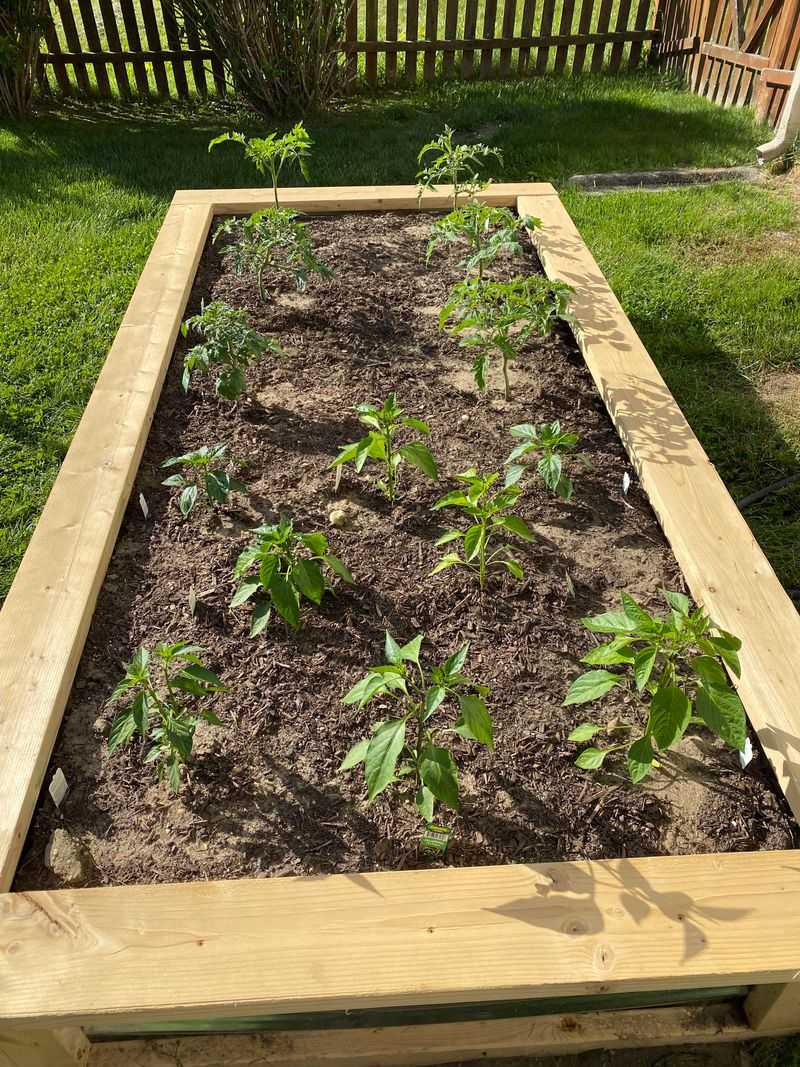
Summer vegetables are not subtle about their water needs.
Tomatoes, peppers, squash, cucumbers, and beans are actively flowering, setting fruit, and pushing growth through July, and they need steady, consistent moisture to do all of that well.
Inconsistent watering is one of the top reasons home gardeners end up with blossom end rot on tomatoes or bitter cucumbers that make you question the whole effort.
Most vegetable gardens in California July heat need water every one to three days, depending on the crop, soil type, and whether plants are in raised beds or in-ground.
Raised beds dry out significantly faster than in-ground beds because they have more exposed surface area and often contain lighter, well-draining mixes.
In hot inland areas, daily watering of raised beds is completely normal during a heat wave.
Drip irrigation is the most efficient choice for vegetable gardens because it delivers water directly to the root zone and keeps foliage dry, which reduces the chance of fungal issues.
Mulching vegetable beds with straw or shredded leaves also makes a noticeable difference, cutting down how often you need to water and keeping soil temperatures lower so roots stay comfortable.
Morning watering is ideal because it gives plants a full tank before the hottest part of the day.
Your vegetable garden is one of the highest-priority zones in your entire yard right now, so keep it well-hydrated and it will keep producing.
Save Containers From Fast Drying
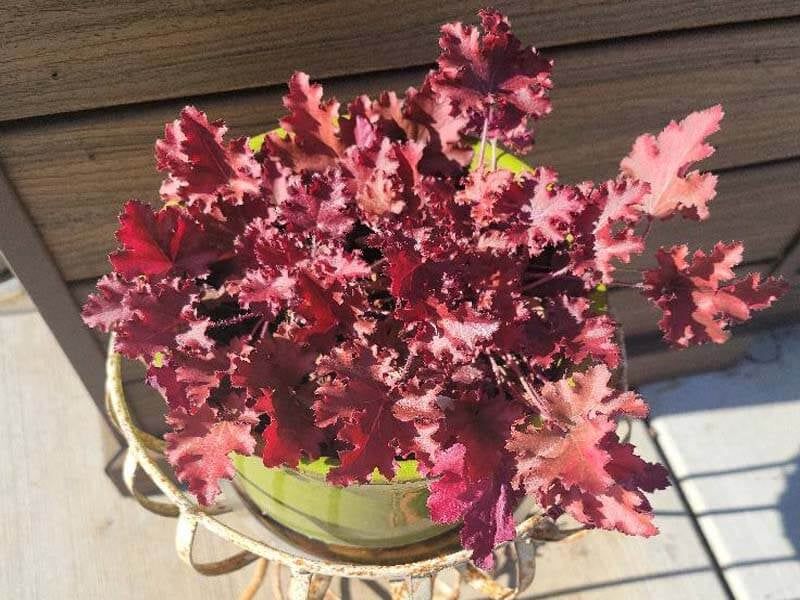
Container plants live in a completely different world from garden beds.
They have a limited amount of soil, no access to groundwater, and are often sitting on hot concrete or wood decks that radiate extra heat.
In California July conditions, a pot can go from nicely moist to bone dry in less than 24 hours, sometimes faster if it is terracotta or a small size.
Most containers will need watering once a day during July, and some smaller pots in full sun may need checking twice a day during heat waves.
The best way to tell if a pot needs water is to stick your finger about an inch into the soil. If it feels dry at that depth, water thoroughly until you see water draining from the bottom.
Grouping pots together helps them retain moisture longer because they shade each other and create a slightly more humid microclimate.
Moving containers to a shadier spot during the hottest weeks of summer can also dramatically reduce how often you need to water without sacrificing the plants inside.
Self-watering containers with built-in reservoirs are a worthwhile upgrade if you find yourself struggling to keep up.
The main thing to remember is that containers depend entirely on you for every drop of water they get, so check them consistently and do not assume they are fine just because it was not a particularly hot day.
Let Established Lawns Rest
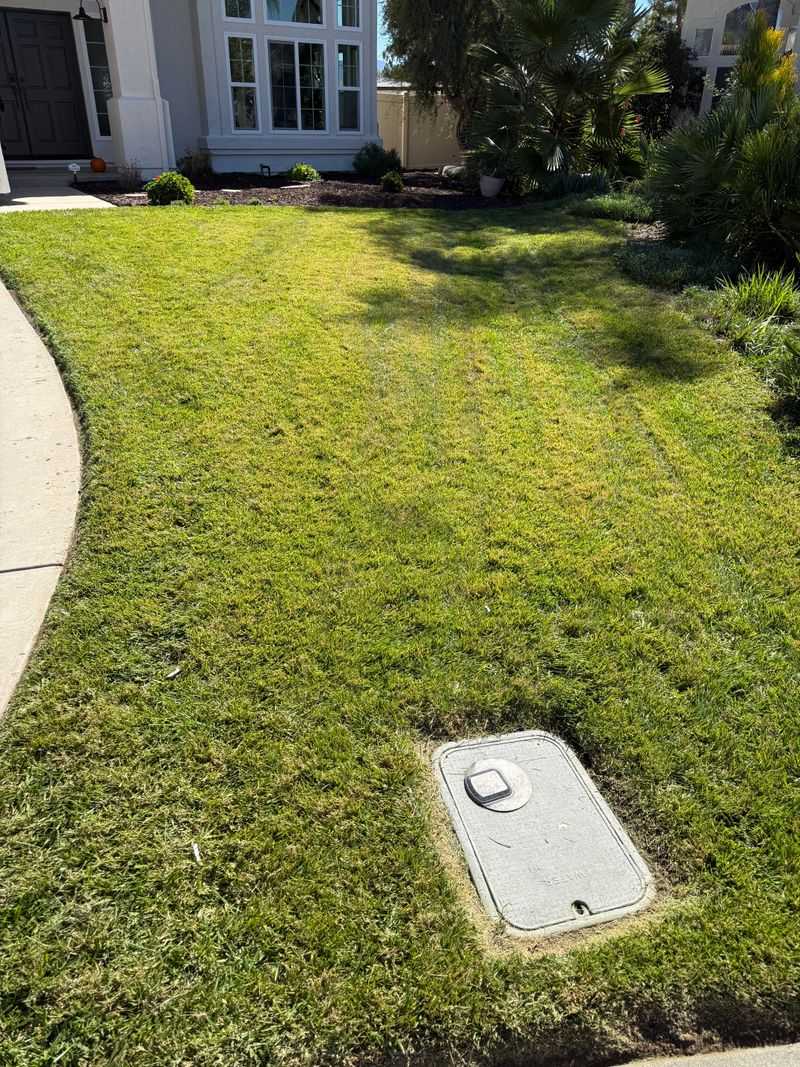
Cool-season grasses like tall fescue and Kentucky bluegrass were never really designed for California summers.
They evolved in climates with summer rainfall, and when July heat arrives and water is withheld, they respond by going dormant. The grass turns tan or golden, growth slows dramatically, and the lawn looks like it might be in trouble. In most cases, it is not.
Summer dormancy is a completely natural survival strategy for cool-season lawns.
The grass is not gone, it is resting. As long as the lawn receives occasional deep watering about once every three to four weeks during dormancy, the root crowns stay alive and the lawn will green up again when cooler temperatures and rain return in fall.
This approach can save thousands of gallons of water over a California summer.
The important thing is to make a clear decision. Either water enough to keep the lawn fully green, which requires one to two inches of water per week, or let it go fully dormant with minimal irrigation.
Trying to do both by watering inconsistently causes more stress than either option alone.
For purely aesthetic lawns or areas that see little foot traffic, letting the grass rest is a responsible and water-wise choice.
Check with your local water agency as some California districts offer rebates for removing or reducing lawn area during summer, which turns a dormant patch into an opportunity worth exploring.
Ease Off Summer Dormant Natives
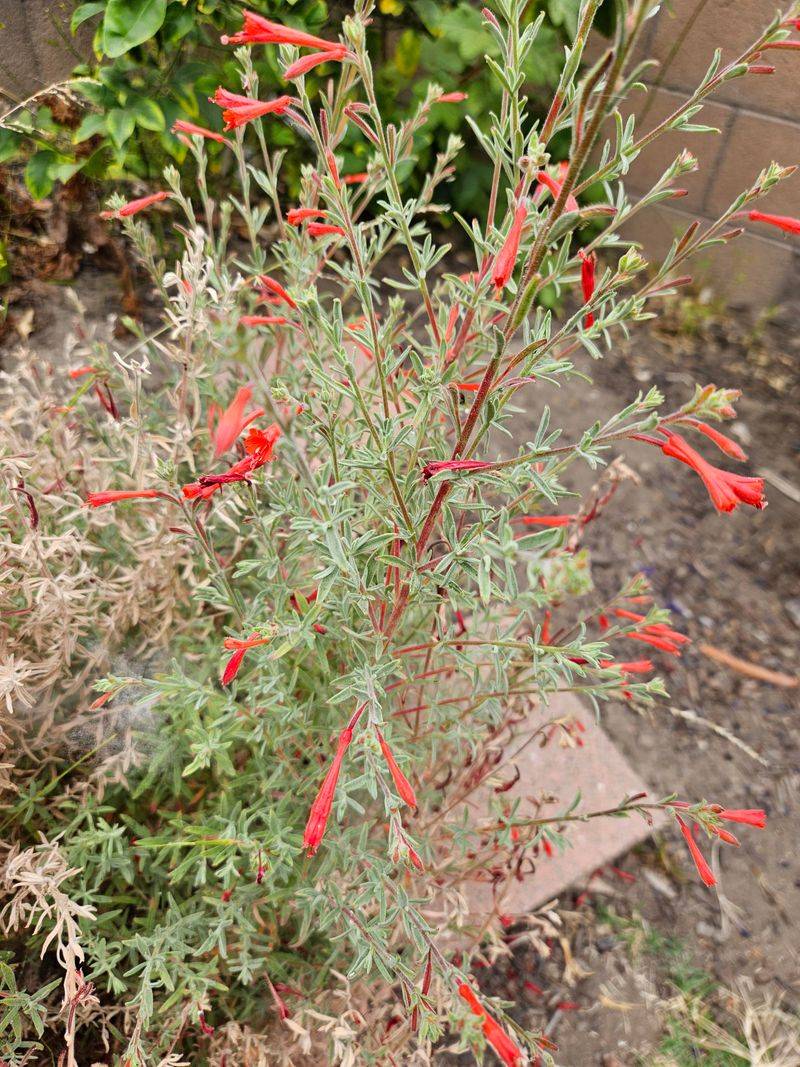
California’s native plants evolved alongside the state’s natural dry summers, and many of them expect a period of summer rest.
Plants like California buckwheat, toyon, coffeeberry, and native sages slow their growth significantly in July and enter a semi-dormant state.
Their leaves may look a little dull, some may drop foliage, and new growth stops almost entirely. This is completely normal and healthy.
Watering these established natives too much in summer can actually cause more harm than skipping irrigation altogether.
Excess moisture in warm soil encourages root rot, especially in plants that are adapted to dry conditions.
UC ANR and California native plant experts consistently advise reducing or completely stopping summer irrigation for established natives, generally defined as plants that have been in the ground for at least two to three years.
A good rule of thumb is that a plant that has survived two full summers in your garden with minimal help is likely ready to handle July on its own.
Look at the overall condition of the plant rather than just the calendar. If it looks stressed in a way that seems beyond normal summer slowdown, a deep soak every few weeks is fine.
Resist the urge to water on a regular schedule just because it looks quiet.
Quiet is exactly what these plants are supposed to be doing right now, and trusting that process is part of caring for a genuinely water-wise California garden.
Leave Dormant Bulbs Alone Until Rain
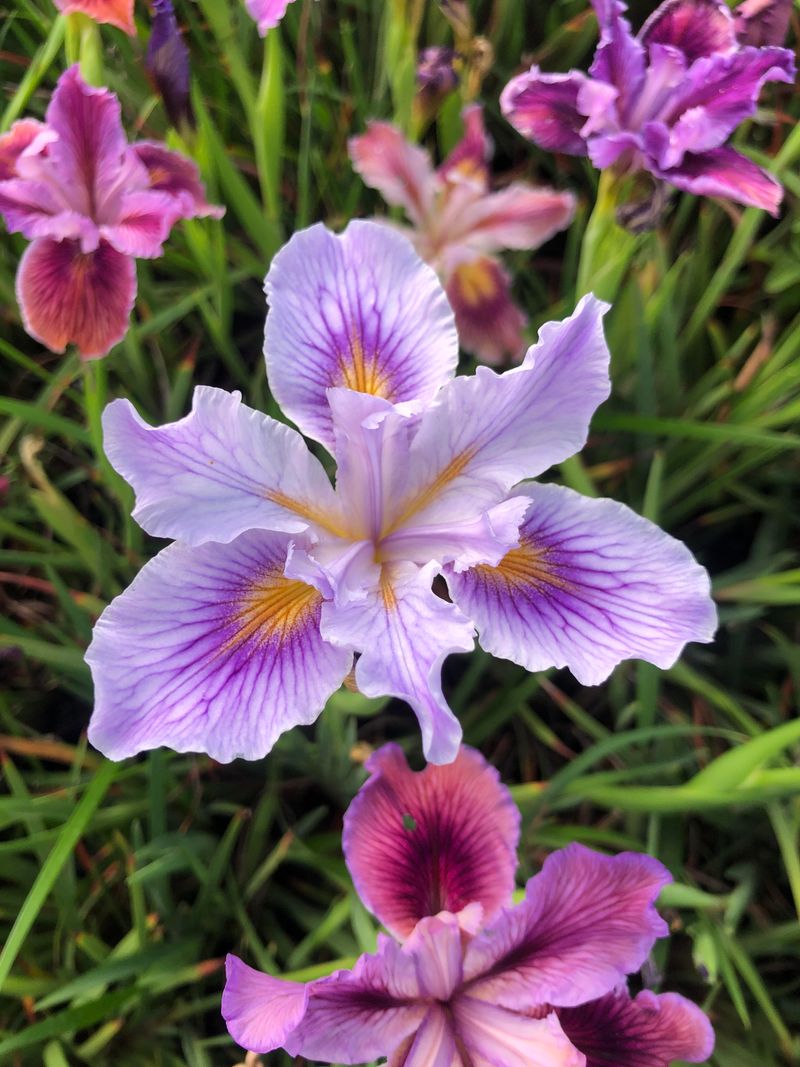
Once spring-blooming bulbs like daffodils, tulips, alliums, and Dutch iris have finished flowering and their foliage has yellowed and collapsed, they enter summer dormancy.
Underground, the bulb is resting and storing energy for next spring. Above ground, there is nothing to see, and that is exactly the point.
These bulbs do not need water right now, and giving them regular summer irrigation can actually cause them to rot before you ever see them bloom again.
Bulb rot is one of the most common mistakes gardeners make in California summers.
The combination of heat and moisture in the soil creates the perfect conditions for fungal problems that can hollow out a bulb entirely before fall arrives.
If your bulbs are in a bed that gets irrigated for other plants, consider moving them to a drier spot or placing them in containers that you can stop watering once dormancy begins.
Mark where your bulbs are planted so you do not accidentally dig them up while working in the garden.
A simple stick or garden label does the job. Leave the area alone, keep it on the drier side, and wait for fall rains or cooler temperatures before you resume any irrigation in that zone.
Some gardeners lift their bulbs after dormancy and store them in a cool, dry place until planting time in fall.
Either approach works well. The main takeaway is straightforward: dormant bulbs are self-sufficient right now, and the best thing you can do is leave them alone and let them rest undisturbed until the season turns.