Georgia Homeowners May Find Woolly Bear Caterpillars Crossing Yards This Fall
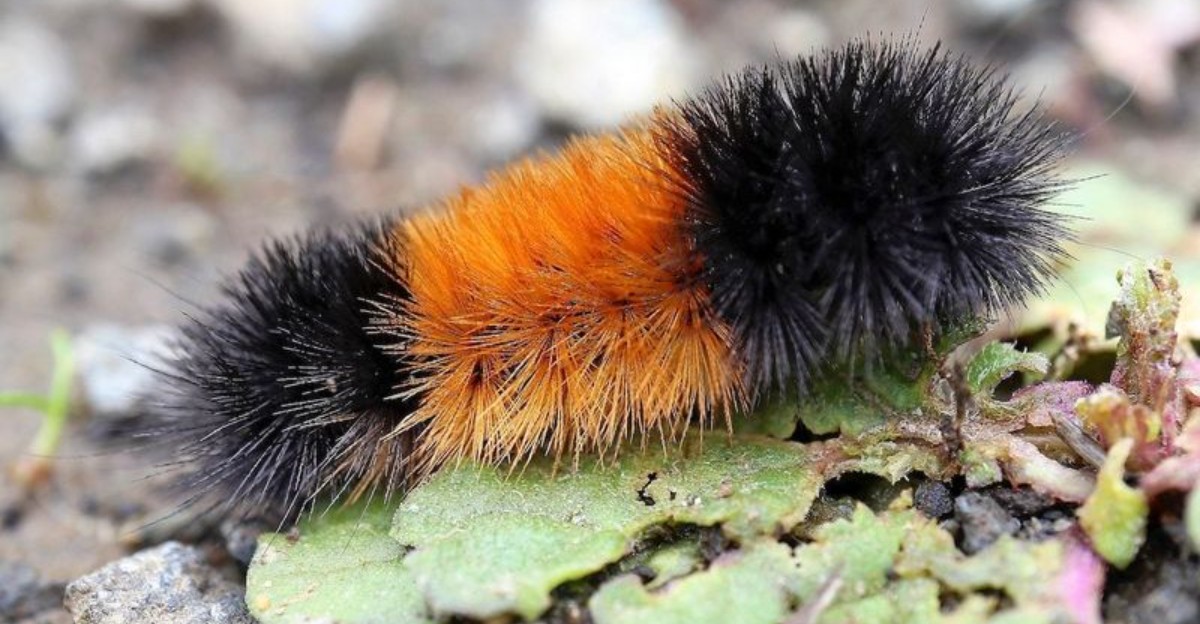
Fuzzy black and brown caterpillars crossing driveways and patios can become hard to miss once cooler weather arrives. Their appearance often feels mysterious than it really is.
These woolly bears spend fall moving around for a practical reason tied to the season ahead.
That movement can bring them across Georgia yards, especially where gardens, leaves, and sheltered corners meet. You may notice several over time without having anything unusual happening around your home.
Before moving one, it helps to know what this caterpillar is actually trying to do.
Its bristly coat has also inspired folklore that can distract from the real story. Understanding its fall behavior makes those unexpected sightings much less puzzling.
Notice where it is headed, and you will see why these caterpillars seem especially busy outside now.
1. Fall Is When These Fuzzy Caterpillars Become Easier To Notice
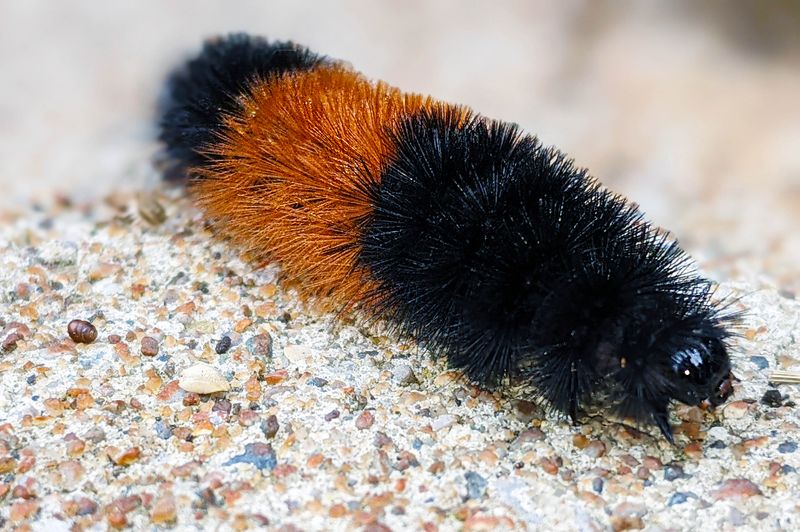
Suddenly they seem everywhere. One weekend the driveway is clear, and the next you are stepping around fuzzy caterpillars on the walkway.
Nothing about their numbers has really changed. What changes is their behavior, because cooler weather pushes them to leave feeding areas and search for a place to settle.
Woolly bears spend late summer eating low-growing plants like plantain, clover, grasses, and various weeds. Once temperatures drop, feeding slows and travel begins.
Open surfaces are where we spot them. A caterpillar crossing pine straw blends in, but the same insect on concrete stands out immediately.
Warm pavement may also play a role on cool mornings, since dark surfaces hold heat and insects move better when they are not chilled.
Across Georgia, sightings tend to pick up from late September through November, though exact timing shifts with local weather each year.
Sunny afternoons following a cold snap seem especially busy. That pattern is worth watching if you are curious about them.
Kids notice them first, usually. Handing a child a leaf and letting the caterpillar walk onto it makes for an easy backyard lesson.
Traffic is the main risk they face during these crossings, not predators. Slowing down in your own driveway costs nothing.
Seeing more of them does not signal a pest problem or an unusual insect year ahead.
2. Woolly Bears Spend The Winter In Their Caterpillar Stage
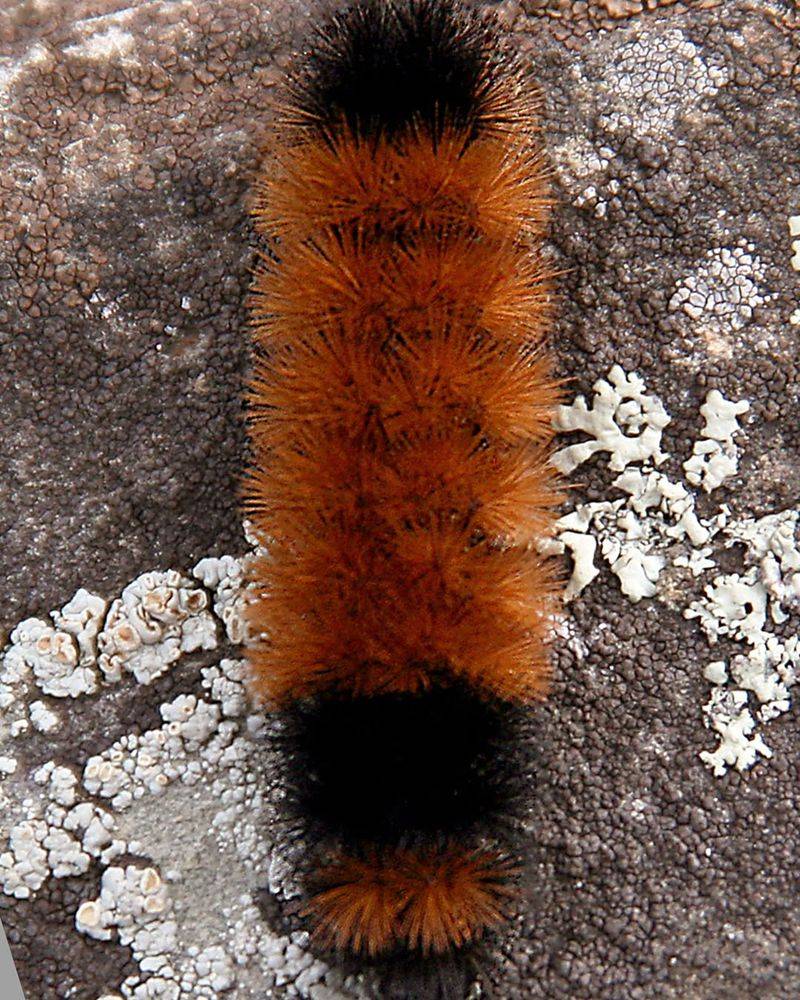
Most butterflies and moths pass the cold months as eggs, pupae, or adults. Woolly bears take a different route entirely.
They overwinter as larvae, staying in caterpillar form until spring arrives. That single detail explains almost everything about their fall behavior.
Rather than spinning a cocoon in October, the caterpillar finds shelter and goes dormant. Its body slows down dramatically, and it simply waits out the season.
Cold tolerance in these larvae is genuinely impressive, and they can survive freezing conditions that would finish off many other insects.
Spring brings a short second act. The caterpillar wakes, feeds briefly, then spins a fuzzy cocoon using its own bristles mixed with silk.
Out of that cocoon comes the Isabella tiger moth, a modest tan-orange moth with small dark spots that few people connect to the caterpillar.
Your Georgia Garden Changes Every Week. Your Plan Should Too.
Gardening in Georgia changes quickly throughout the season. Every Friday you’ll receive a simple weekly plan showing exactly what to plant, prune, fertilize, harvest, and protect so you never miss the right timing.
Because the larva must survive months of weather, autumn travel makes sense. It is house hunting, not wandering aimlessly.
Mild winters in much of Georgia mean some individuals may stir on unusually warm days, then settle back down when temperatures fall again.
Homeowners sometimes uncover one while moving mulch in January. Tucking it back under cover is the kindest response.
No feeding is needed during dormancy, so there is nothing to provide beyond leaving the hiding spot undisturbed.
3. Fallen Leaves Give Them A Protected Place To Settle
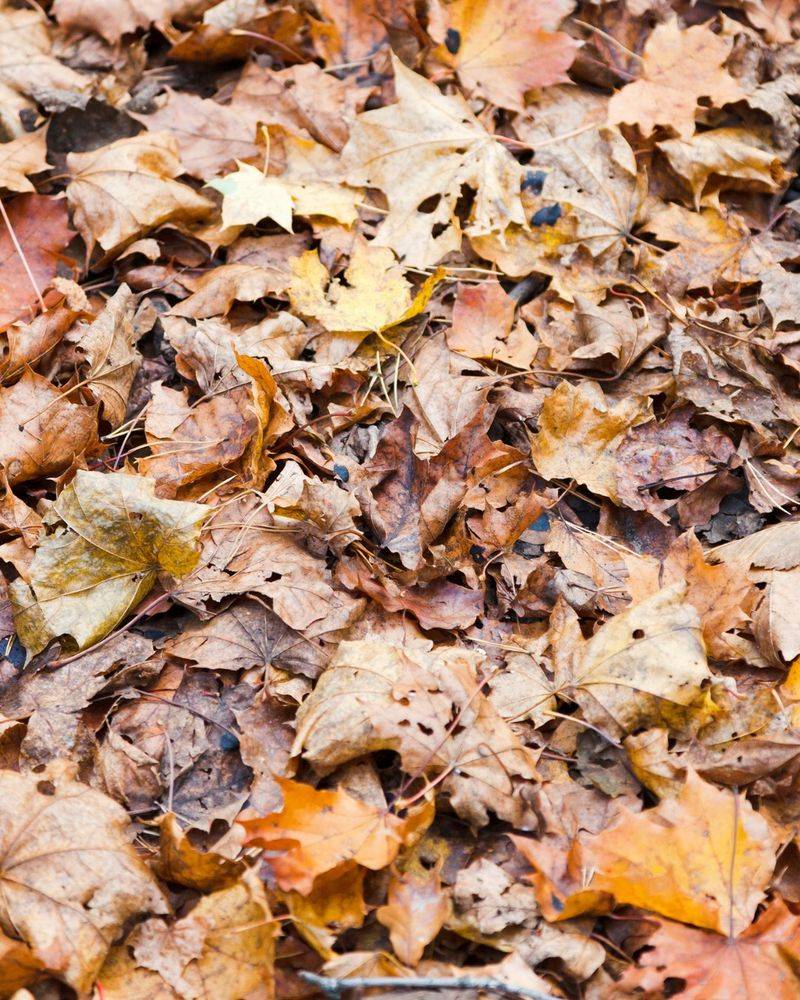
Leaf litter works like insulation. Under a few inches of loose leaves, temperature swings soften and moisture stays steadier than in open air.
Woolly bears take advantage of that. A caterpillar tucked beneath damp leaves sits in a small pocket of stable conditions all winter.
Bark, log edges, board piles, and the gaps under stone steps also get used. Shelter matters more than the specific material.
Yard cleanup habits therefore affect them directly, especially when every leaf gets bagged and hauled away in November.
Stripping beds bare removes the very cover these larvae rely on. Bare soil freezes faster and dries out more easily.
In Georgia yards, pine straw and hardwood leaves both provide decent cover, and shady bed edges tend to hold moisture longer.
Fence lines are another favorite. Leaves naturally pile there, and foot traffic stays light.
You can help without letting the yard look neglected. Raking leaves into shrub beds keeps lawns tidy while giving insects somewhere to go.
Shredded leaves still offer some shelter, though whole leaves create better air pockets. Either beats hauling everything to the curb.
Compost piles serve a similar purpose, and turning them less often in winter reduces disturbance.
Woolly bears are not the only ones using that cover, since beetles, spiders, and many native bees depend on it too.
4. Their Black And Rusty Bands Make Them Easy To Recognize
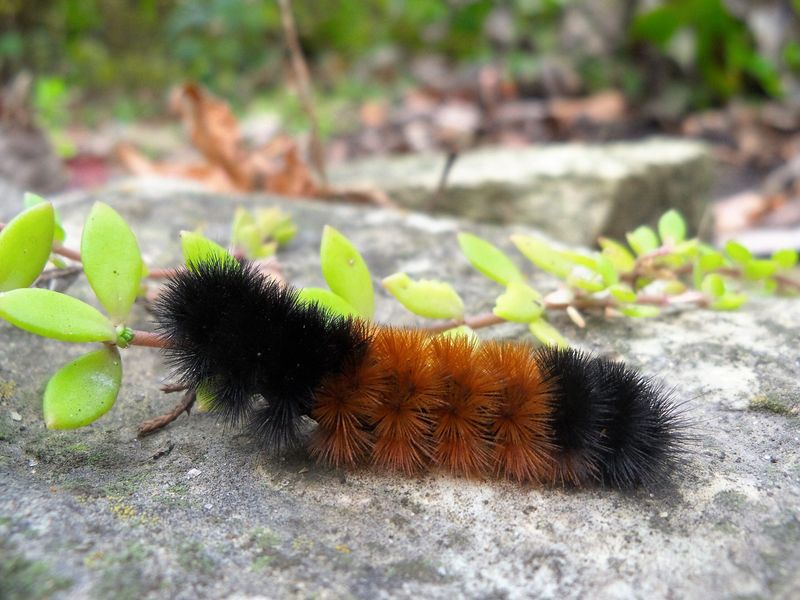
Few caterpillars are this recognizable. Black at both ends, rusty reddish brown through the middle, and covered in short stiff bristles from head to tail.
Length usually runs around an inch to two inches when the larva is full grown. The body looks almost cylindrical, like a tiny bottle brush.
Touch one gently and it curls into a tight ring. Playing possum is its main defense, and it may stay curled for a minute or two.
Look-alikes exist, which trips people up. The yellow woolly bear, for instance, is uniformly pale yellow or cream with no bands at all.
Giant leopard moth larvae are also fuzzy but black with red rings between the segments, so the pattern reads differently up close.
Band width varies from one individual to the next, and that variation is completely normal within the same population.
Age plays a part too. Each time a woolly bear molts, the rusty middle section tends to widen a bit.
Diet and moisture during development can influence coloring as well, which is why yards in Georgia turn up such a range of looks.
Photographing one from the side gives the clearest identification shot. Bristles and band edges show up better than in a top-down photo.
Once you know the pattern, spotting them takes seconds.
5. Those Fuzzy Bristles Are Not Stingers
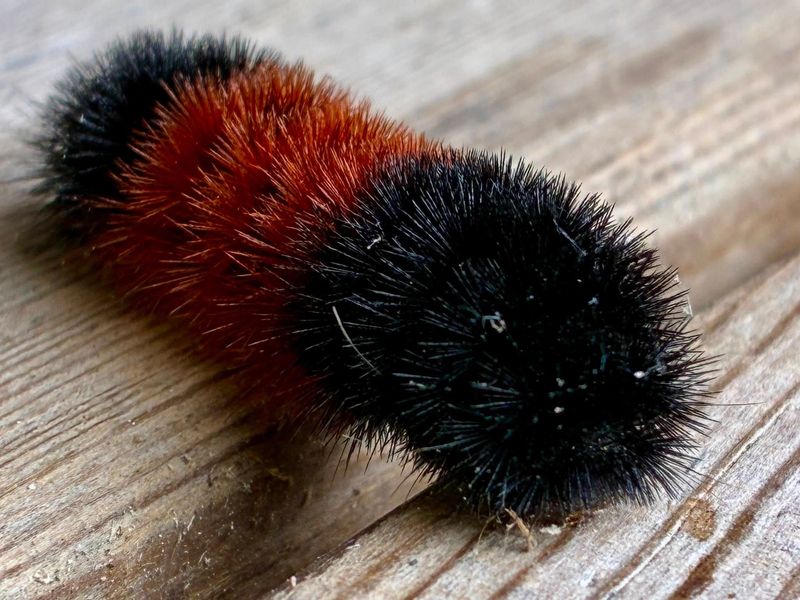
Fuzzy does not mean dangerous here. Woolly bear bristles, called setae, are stiff hairs rather than venom-delivering spines.
Handling one is generally harmless. Most people feel nothing more than a slight prickle as the caterpillar walks across their palm.
Sensitive skin can react, though, and brief itching or a mild rash is possible for some folks after contact with the hairs.
Washing hands afterward is a sensible habit. Encourage kids to do the same, mostly out of general good practice.
Other fuzzy caterpillars deserve real caution. Puss caterpillars and saddlebacks, both found in Georgia, carry stinging spines that cause genuine pain.
Learning the difference is worth ten minutes. Woolly bears have even, brush-like hair, while stinging species show clumped tufts or spiny knobs.
When in doubt, use a leaf or stick to move any caterpillar you cannot identify.
Pets occasionally sniff or mouth one, and the bristles may cause drooling or mild irritation without lasting trouble.
Guessing based on fuzziness alone is the mistake people make, since plenty of harmless and harmful larvae look similar from a distance.
Scooping a woolly bear off hot pavement and setting it near a shrub is a small, low-risk kindness.
Spraying is unnecessary. These caterpillars do not damage lawns, gardens, or homes in any meaningful way.
6. Their Color Cannot Tell You What Winter Will Bring
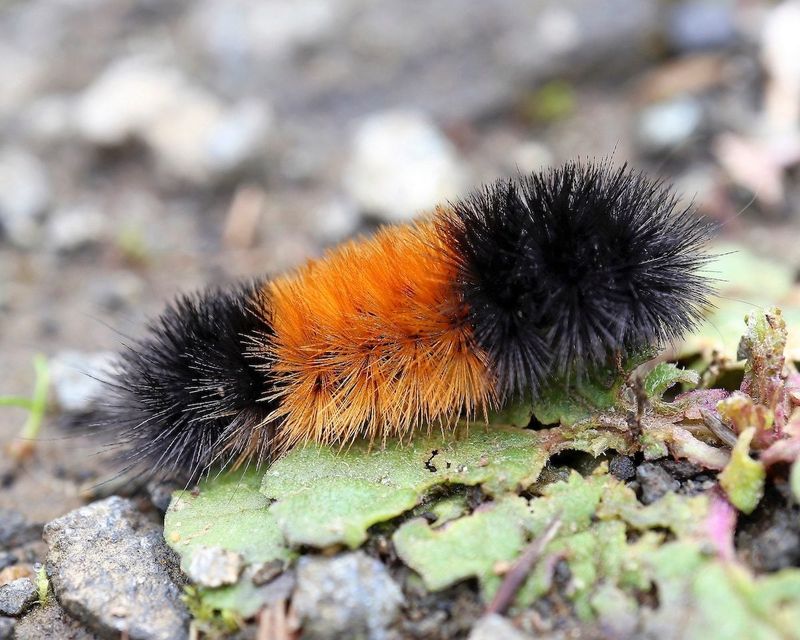
The old folklore is charming but unreliable. A wide rusty band supposedly means a mild winter, while a narrow one warns of a harsh one.
Weather forecasting simply does not work that way. Band width reflects the caterpillar’s own development rather than conditions months down the road.
Molting is a major factor, because older larvae that have shed their skin more times usually show more rust and less black.
Food supply and moisture during the growing season can also affect development, which may influence how the coloring appears.
Individual genetics add even more variation. Two caterpillars found in the same area can end up looking noticeably different.
Try comparing five or six woolly bears around your yard this fall. You may notice that their bands vary considerably even though they experienced similar weather.
That variation is part of what makes the winter prediction unreliable. One caterpillar might look completely different from another found only a few feet away.
The winter weather legend has been passed along for generations and remains especially popular when woolly bears begin appearing in fall.
For many families, spotting one has simply become part of the season and a reason to bring up the familiar winter prediction.
Across north Georgia especially, the story can come up every fall as these fuzzy caterpillars become easier to notice.
Enjoy the folklore, but check an actual forecast before deciding whether to cover tender plants.
7. Leaving Some Leaf Cover Gives Them Useful Winter Shelter
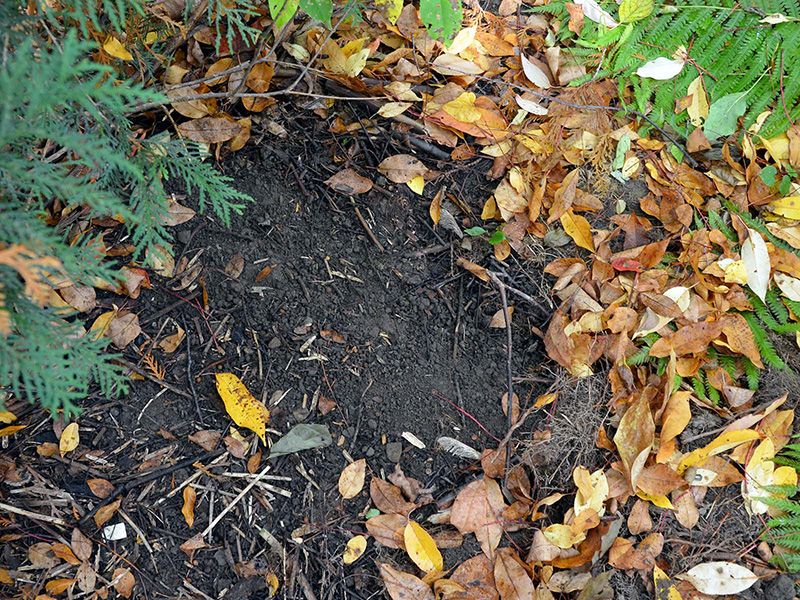
Skip the total cleanup. Leaving leaves in a few spots supports woolly bears and dozens of other overwintering insects with almost no effort.
Start with beds under shrubs and trees, where a two to three inch layer of leaves protects soil and hides insects.
Lawns still need clearing, since thick wet mats can smother turf. Move those leaves into planting areas instead of bagging them.
Timing matters more than people expect. Waiting until consistent warmth arrives in spring gives dormant larvae a chance to finish the season.
Late March into April works reasonably well in most Georgia yards, though local conditions and elevation shift that window.
Mow-and-blow habits do the most harm. Leaf blowers scatter shelter fast and can injure insects tucked inside.
Consider setting aside one low-traffic corner as a permanent brush and leaf pile.
Log ends, bark chunks, and stacked twigs add structure that holds up through winter rain.
Insecticide use in fall is rarely justified for caterpillars, and broad sprays affect beneficial insects along with the intended targets.
Come spring, expect more Isabella tiger moths, plus the birds and other wildlife that feed on soft-bodied larvae.
A yard with some untouched cover looks lived-in rather than messy, and neighbors seldom notice the difference.
Small habits, repeated each year, add up across an entire neighborhood.