9 Virginia Leaves That Make The Best Leaf Mould Over Winter
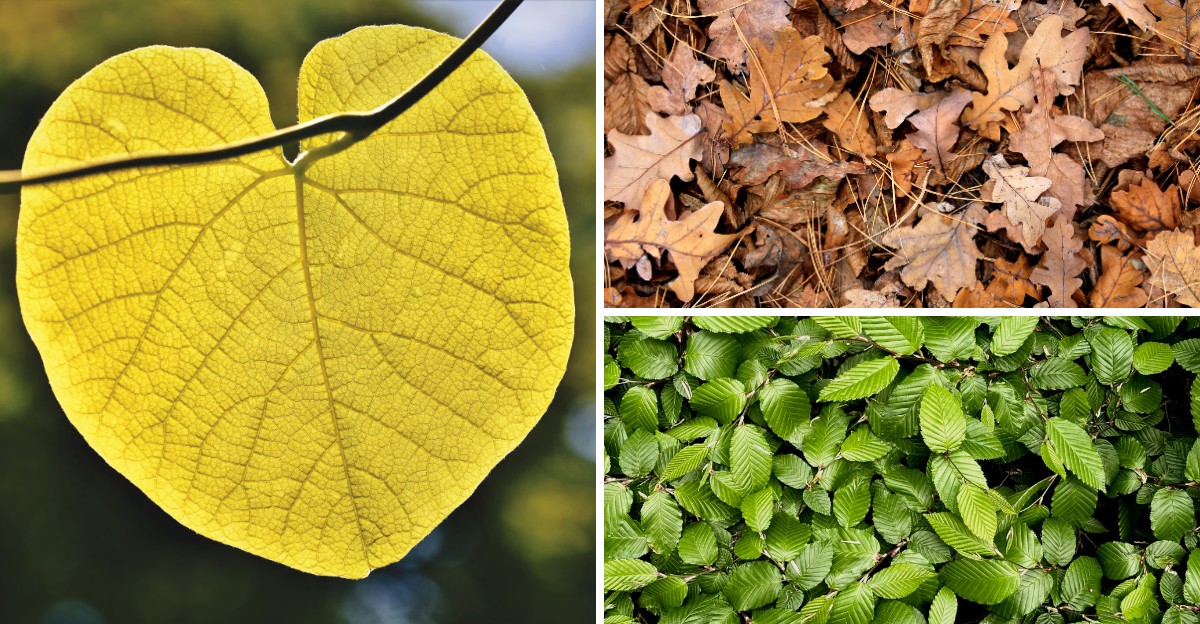
You may be paying to discard a valuable soil builder on your property. Those leaves you bag hold calcium, magnesium, and potassium your trees pulled from the soil.
When you haul them away, those minerals ride straight to a landfill or grinder. Instead, you can pile them, soak them, and let fungi take over. Unlike hot compost, this method runs cool, and you skip turning the pile.
What you get is leaf mold, a dark, crumbly amendment garden centers sell in bags. It holds several times its own weight in water, so you water less.
Your Virginia clay, which cracks in August and drowns roots in April, finally loosens. Sandy coastal beds gain the moisture-holding power you have been chasing.
Oaks, maples, and tulip poplars across Virginia hand you this raw material free. Here is exactly how you claim yours.
1. Red Maple Gets Your Pile Started Fast
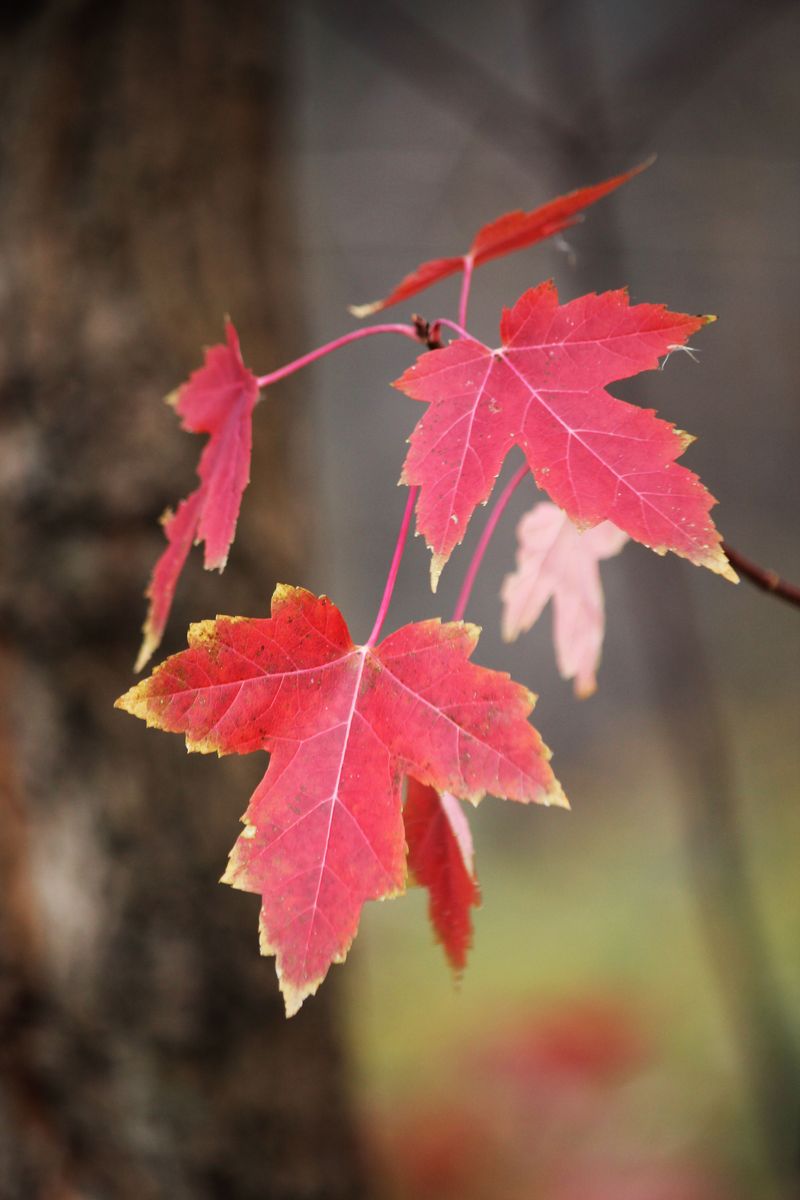
Few trees in Virginia put on a brighter fall show than the red maple. Once the party ends, those scarlet leaves become some of the fastest rotting material in your yard.
Maple leaves are thin and low in tough fibers, so fungi can chew through them quickly. Many gardeners see crumbly results in about a year, compared with two or more for oak or beech.
Red maples grow almost everywhere in the state, from swampy Tidewater lots to Blue Ridge hillsides. Chances are good that you or a neighbor has one dropping leaves this October.
To speed things up even more, run the pile over with your lawn mower first. Smaller pieces give the hungry fungi more edges to grab, which cuts the waiting time a lot.
Next, pack the shredded leaves into a wire bin or a black bag with holes. Add enough water so the leaves feel damp, like a sponge you just squeezed out.
Keep the pile somewhere shady so it does not dry out during a warm Virginia spring. Check it once in a while and splash on more water if it feels crunchy.
By next fall, you should have a dark, fluffy mulch that smells like the woods. Spread it around your tomatoes or mix it into potting soil for happy, thirsty roots.
2. Tulip Poplar Drops Big Yellow Leaves Early
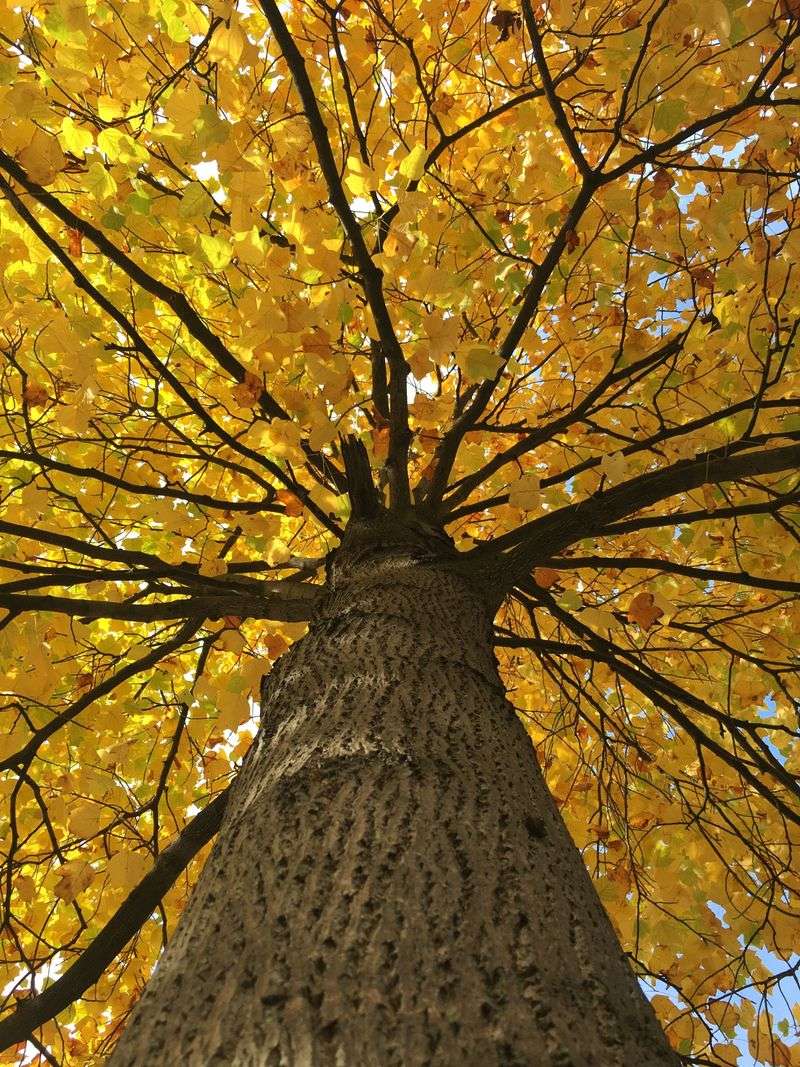
Ever raked up a single leaf wider than your whole hand? Tulip poplars, one of the tallest trees in eastern forests, drop those giant yellow leaves every autumn.
Big leaves might sound like a slow project, but these break down surprisingly fast in a pile. They are soft and papery, with none of the leathery coating that tougher leaves carry.
Here in Virginia, tulip poplars often start dropping leaves in September, well before the maples and oaks. That early drop lets you begin your winter pile weeks ahead of the neighbors.
Keep an eye out for yellow leaves with brown spots during a dry late summer. Drought stress makes the trees shed a bit early, and those leaves work just as well.
Your Virginia Garden Changes Every Week. Your Plan Should Too.
Gardening in Virginia changes quickly throughout the season. Every Friday you’ll receive a simple weekly plan showing exactly what to plant, prune, fertilize, harvest, and protect so you never miss the right timing.
Since the leaves are so large, they can mat together into flat sheets that block air. Shredding them fixes that problem and turns each big leaf into dozens of tiny chips.
A leaf blower with a vacuum setting works great, or just drive the mower over the pile. Toss the pieces into a simple ring of chicken wire and water them well.
Fun fact: Native Americans carved dugout canoes from single tulip poplar trunks, since the wood is light. Your leaf pile will not float, but it will make seedlings very happy.
3. Flowering Dogwood Brings Calcium From Virginia’s State Tree
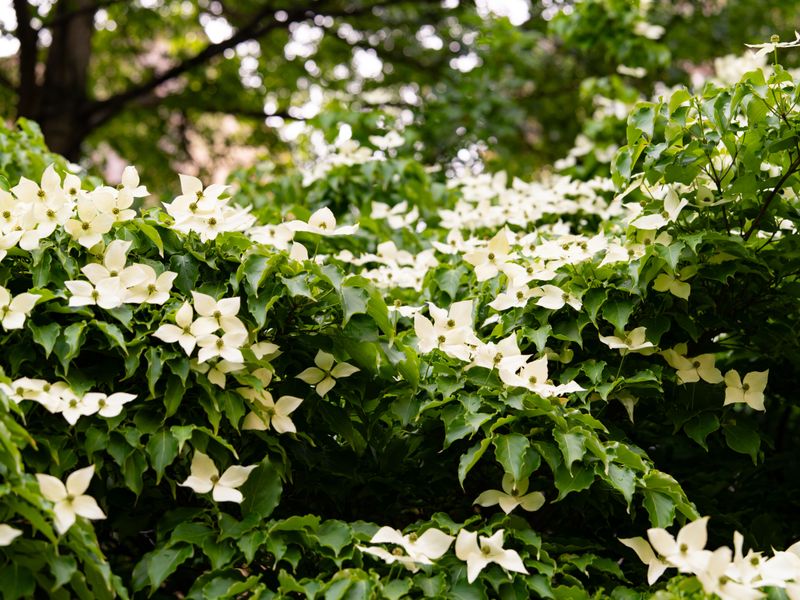
Grandma’s front yard probably had one, glowing white every April and deep red every fall. The flowering dogwood is Virginia’s state tree, and its leaves are a gardener’s secret gift.
Dogwood leaves are rich in calcium, which helps them rot faster than many other leaves. Ecologists sometimes call dogwood a “calcium pump” because its fallen leaves return so much calcium to the soil.
In the woods, a dogwood leaf can break down in under a year. Earthworms gobble them up, pulling the soft bits underground almost as fast as they land.
Most home dogwoods are small, so you may only get a bag or two each year. That is fine, because a little dogwood mixed into other leaves speeds up the whole batch.
Think of it like adding yeast to bread dough. Toss dogwood leaves in with slower types, like oak, and the pile wakes up and gets to work.
One word of caution applies here, especially if you live in the cool western mountains. A fungal disease called anthracnose affects dogwoods in parts of Virginia, so skip leaves with purple-rimmed blotches.
Healthy leaves, on the other hand, are pure gold for shade gardens full of ferns and hostas. Spread the finished crumbs under azaleas too, since they love that soft, woodsy texture.
4. River Birch Offers Small Leaves That Skip The Shredder
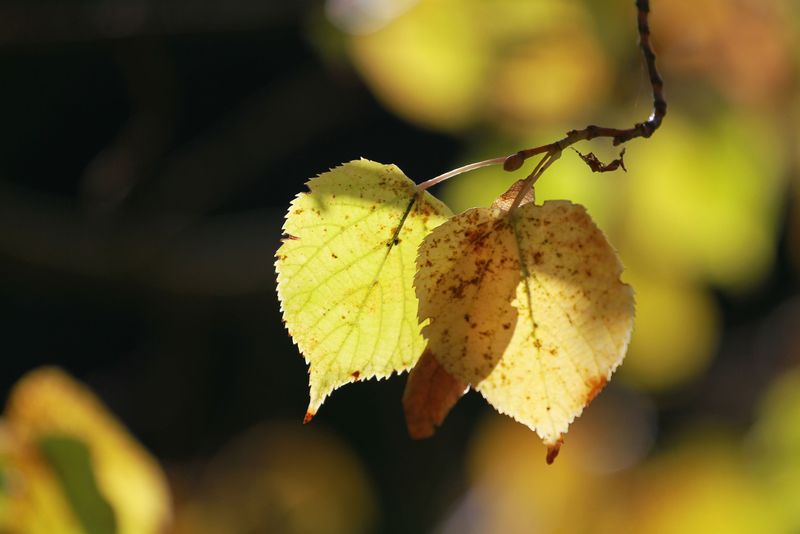
Small but mighty, river birch leaves are the snack-sized option of the leaf world. Each one is barely longer than your thumb, which makes it a dream for busy composters.
There is no need to shred them, because they are already tiny and thin. They tumble into a bin loosely, leaving plenty of air pockets for fungi to breathe and spread.
River birch is native to Virginia and loves wet spots along creeks and the James River. Homeowners plant it for its peeling, cinnamon-colored bark that looks like curly paper ribbons.
Birches also tend to drop leaves slowly, a few at a time, from late summer into November. Grab a bucket and collect them over several weeks instead of in one big raking day.
Birch leaves tend to break down more easily than oak or beech, so they rot with less fuss. In a damp, shaded bin, you can expect usable mould within about twelve months.
Here is a quirky trick worth trying if you own a rain barrel. Pile birch leaves near its base so stray drips keep them moist all winter.
The finished product is fine and powdery, perfect for starting seeds indoors next spring. Mix one part birch mould with one part compost, and your baby plants will thank you.
5. American Beech Rewards Your Patience
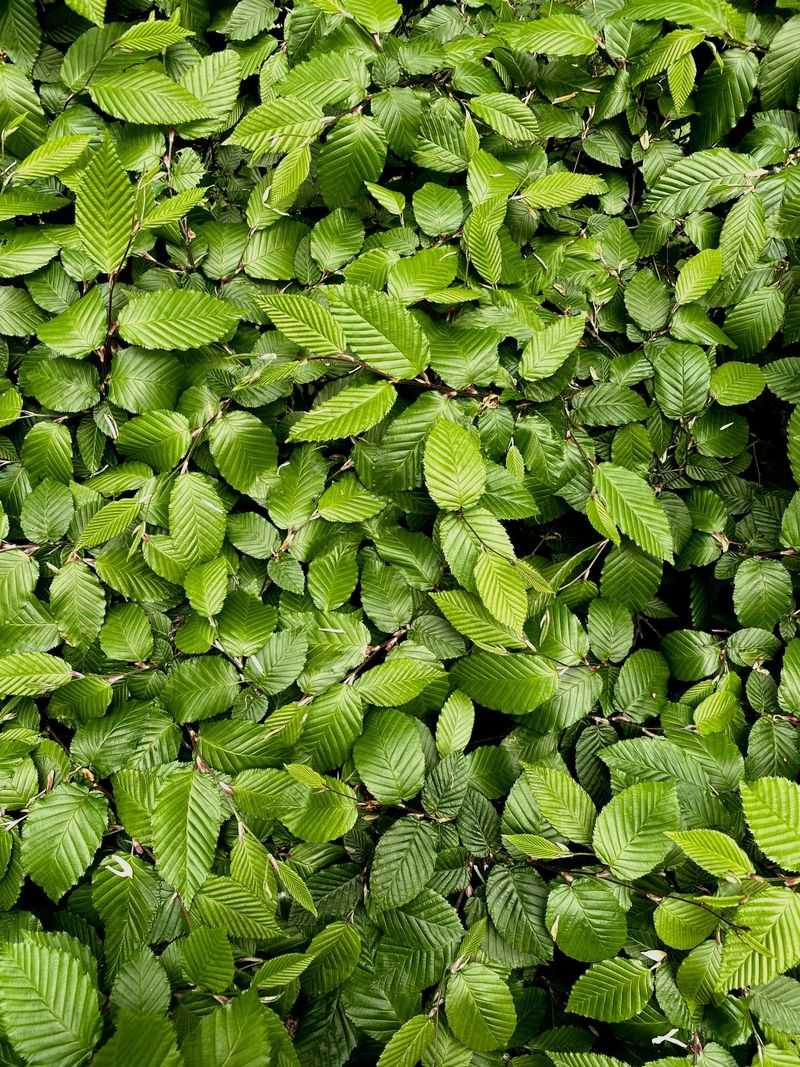
Walk through a Virginia forest in January, and you might hear pale leaves rattling on bare branches. Young beech trees often hold their leaves all winter, a habit called marcescence.
That stubborn streak shows up in the compost bin too, in a big way. Beech leaves are tough and waxy, so they can take two years to turn into rich, crumbly mould.
The wait pays off, though, because beech makes some of the finest leaf mould around. British gardeners have long recommended beech and oak leaf mold for potting mixes.
To collect them, you can wait for spring, when new buds finally push the old leaves off. Or you can gather the ones that fall naturally in late autumn and early winter.
Shredding is a must with beech, since whole leaves resist water like tiny raincoats. Chop them fine, then soak the pile with a hose until every piece looks dark.
Some gardeners run two bins side by side, one new and one aging. Each fall, the older bin is ready to use just as fresh leaves fill the empty one.
Beech trees grow best in rich, moist soil across much of Virginia, especially in older hardwood forests. If you have one, treat its leaves like a slow-cooked meal worth waiting for.
6. White Oak Makes Chunky, Long-Lasting Mulch
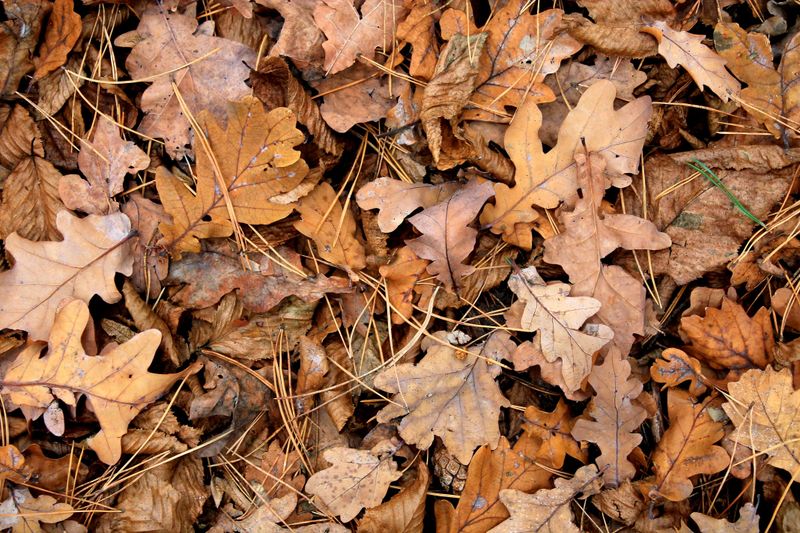
Ask any old-timer about oak leaves, and you might hear a warning that they rot too slowly. The truth is that white oak leaves are worth every bit of patience.
Oaks dominate many Virginia forests, so their leaves are easy to find. White oaks stand out with their rounded, finger-like lobes and soft brown fall color.
Oak leaves contain tannins, the same bitter stuff that makes strong tea taste so sharp. Tannins slow down the fungi, which is why an oak pile often needs two full years.
Luckily, white oak leaves tend to break down a bit faster than red oak leaves. Shredding them and keeping them wet can trim several months off the wait.
Many people worry that a pile of oak leaves will make their soil too sour. In reality, the finished mould lands close to neutral, so your vegetables will be just fine.
Oak mould also holds together well, giving it a chunky texture that makes a fantastic mulch. Spread it two inches deep around shrubs to lock in moisture during hot Virginia summers.
White oaks can live for more than 400 years, feeding wildlife with acorns the whole time. Using their leaves wisely is a small, simple way to join that long, generous cycle.
7. Black Cherry Gives Slower Leaves A Boost
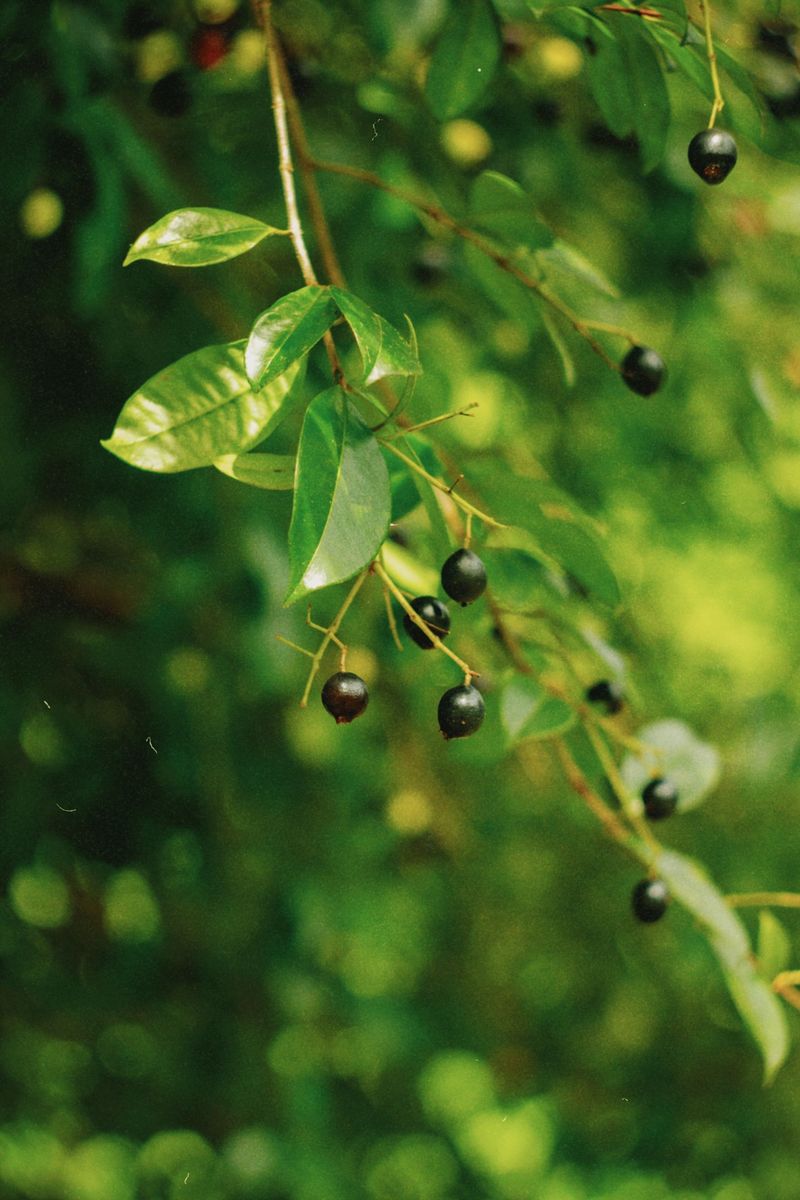
Scratch a black cherry twig, and it smells a little like almonds. Its glossy, narrow leaves turn yellow in fall and slip off the branches without much fuss.
Black cherry pops up all over Virginia, often along fence lines where birds drop the seeds. You may have one growing in your yard without even knowing it.
Cherry leaves are thin, smooth, and fairly rich in nitrogen, so they rot at a nice pace. Most batches turn soft and dark in twelve to eighteen months.
One safety note matters if you keep goats, horses, or cows nearby. Wilted cherry leaves can be poisonous to livestock, so store your pile well away from pastures.
Breakdown reduces that risk, but keep livestock and pets away from the finished mold too. Still, fencing your bin is a smart move for curious farm animals and pets.
For the best results, mix cherry leaves with slower types like oak or beech. The cherry adds a boost of food for the fungi, helping the tougher leaves catch up.
A simple pile in a shady corner works fine, as long as you keep it damp. Toss a tarp over it during dry spells to hold in moisture.
Come next fall, spread the dark crumbs over your flower beds like a cozy blanket. Your perennials will wake up in soil that feels soft and springy.
8. Eastern Redbud Adds Soft, Heart-Shaped Leaves
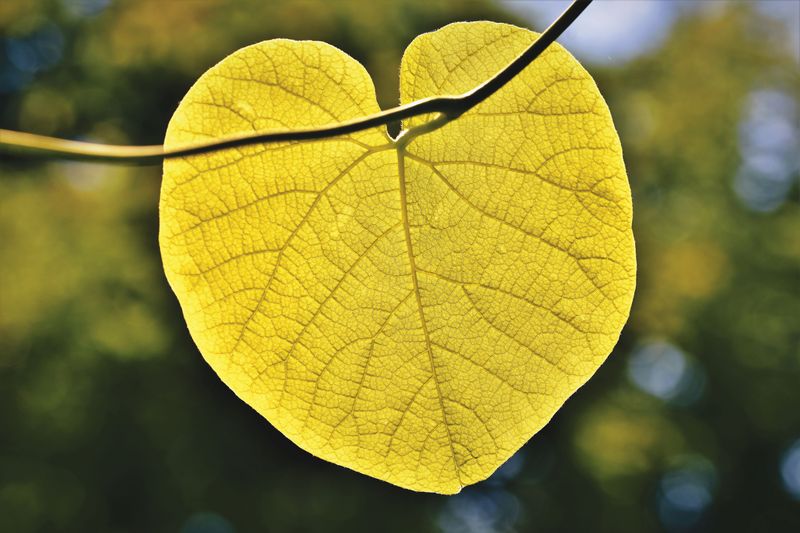
Leaves shaped like little green valentines make the redbud tree easy to love. In spring, pink blossoms cover its bare branches, and in fall those hearts turn soft yellow.
Redbud belongs to the pea family, though unlike many cousins, it does not pull nitrogen from air. Its leaves still rot quickly, thanks to their thin and tender texture.
Small native redbuds grow in nearly every Virginia county, often tucked along woodland edges. They are also a favorite in suburban yards because they stay small and bloom early.
Redbud leaves drop fairly early, often by mid-October, and they fall in a gentle, steady shower. The heart shape lies flat, so give the pile a quick shred to keep air moving.
A fun way to use them is in a leaf mould bag right beside your garden bed. Fill a burlap sack, wet it down, and tie the top with twine.
By next autumn, the sack will be half its original size and full of dark, soft crumbs. Empty it straight onto the bed, and the burlap can rot right along with it.
Bonus tip: redbud seedlings pop up everywhere, so check your finished mould for tiny sprouts. Pot them up and share them with friends as a sweet little present from your yard.
9. American Basswood Brings Fast-Rotting Leaves From The Mountains
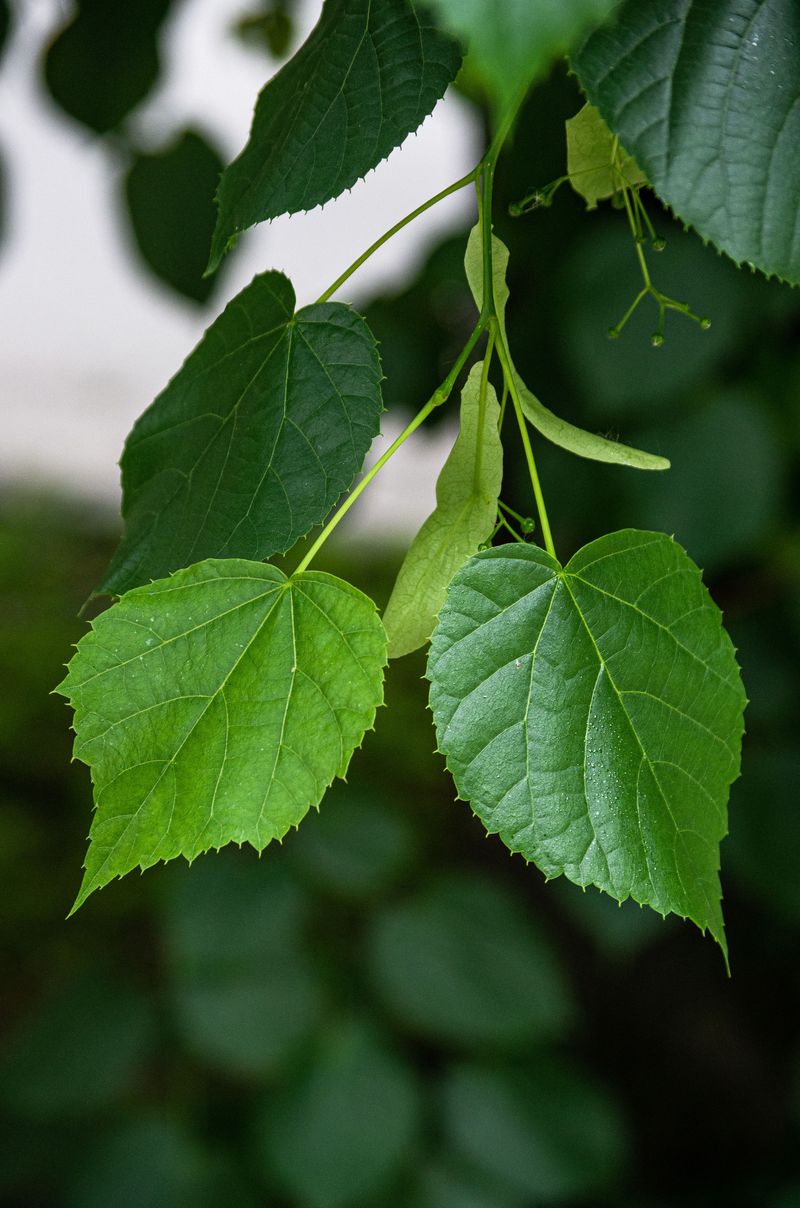
Bees go wild for basswood flowers each June, so some folks call it the bee tree. Come fall, its huge, lopsided leaves become a mould maker’s dream.
Basswood leaves are soft and low in lignin, the woody material that slows rotting. That makes them one of the quickest large leaves to turn into dark, crumbly goodness.
In Virginia, basswood grows mostly in the mountains and along rich river valleys. If you live out west near the Shenandoah, you may have a few towering nearby.
European cousins of this tree, called lindens, line city streets all over the world. Their leaves work the same way, so a linden in town counts too.
Because the leaves are broad, shredding them first helps a lot. A few mower passes turn a slippery pile into light flakes that soak up water.
Aim for a pile at least three feet wide and three feet tall. That size holds moisture well through a Virginia winter, even when January brings surprise dry, windy weeks.
Basswood mould comes out especially soft, almost like dark flour when it is ready. Gardeners love sprinkling it over thin lawns as a top dressing each spring.
Plan ahead this September by setting up a bin before the big trees start letting go. Your future garden will be grateful, one soft handful at a time.