The Cover Crop Oregon Gardeners Should Sow Before The Ground Turns Cold
October in Oregon smells like wet fir needles and woodsmoke, and the garden suddenly looks a little abandoned. The tomatoes are finished, the beans are stringy, and the beds sit empty.
Here is what many of us learn the hard way. Soil left bare through a Pacific Northwest winter does not simply rest, it slowly washes downhill with the rain.
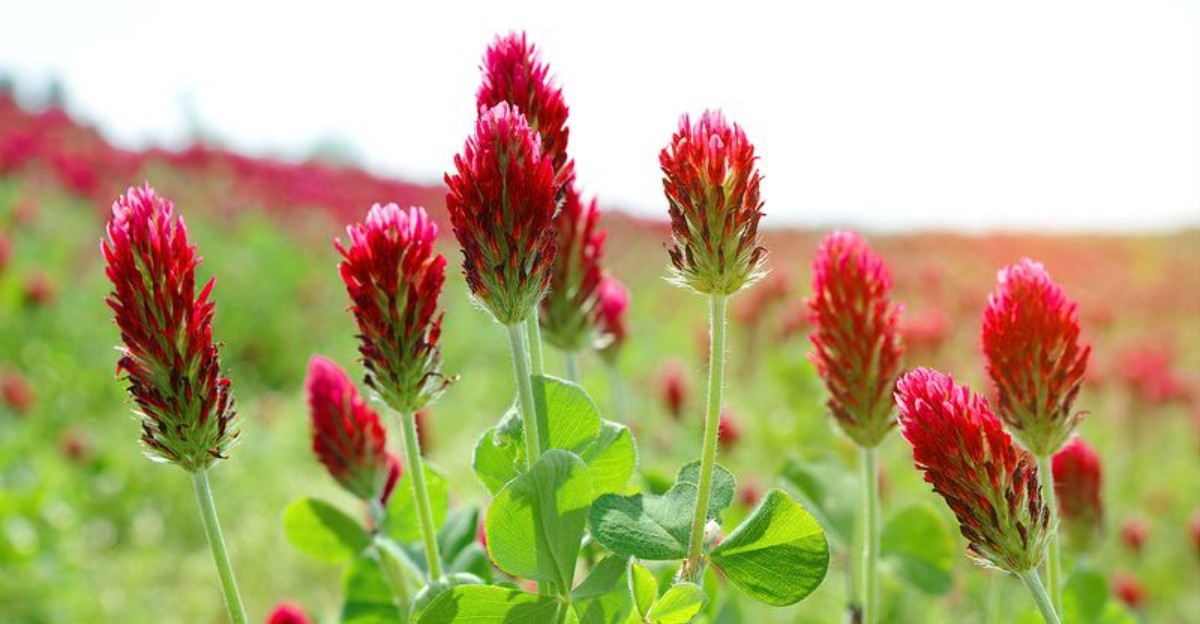
There is one low, cold-tolerant plant that fixes this for the price of a few dollars in seed. It grows quietly through the gray months, feeds bees in April, and hands your beds a serving of free nitrogen.
Better still, it happens to be a Willamette Valley specialty, grown here by the ton. Sow it in the next few weeks and next spring’s garden will feel like a different place.
The Willamette Valley’s Signature Cover Crop
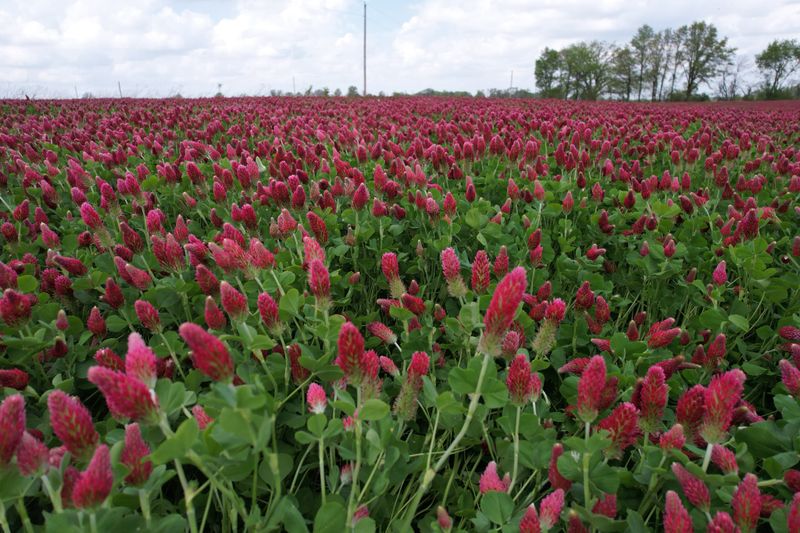
Crimson clover, known to botanists as Trifolium incarnatum, is the quiet star of Oregon agriculture. The Willamette Valley grows most of the crimson clover seed sold across the United States.
Growers here have leaned on it for generations because it shrugs off mild, soggy winters. Seed sprouts fast in warm September soil, then keeps adding leaves whenever temperatures climb above the mid-forties.
Most of the real work happens underground. Bacteria called rhizobia move into small nodules on the roots and pull nitrogen straight out of the air.
A thick stand can bank roughly 70 to 130 pounds of nitrogen per acre by spring. Scaled down to a backyard bed, that is a generous head start for corn, squash, or hungry greens.
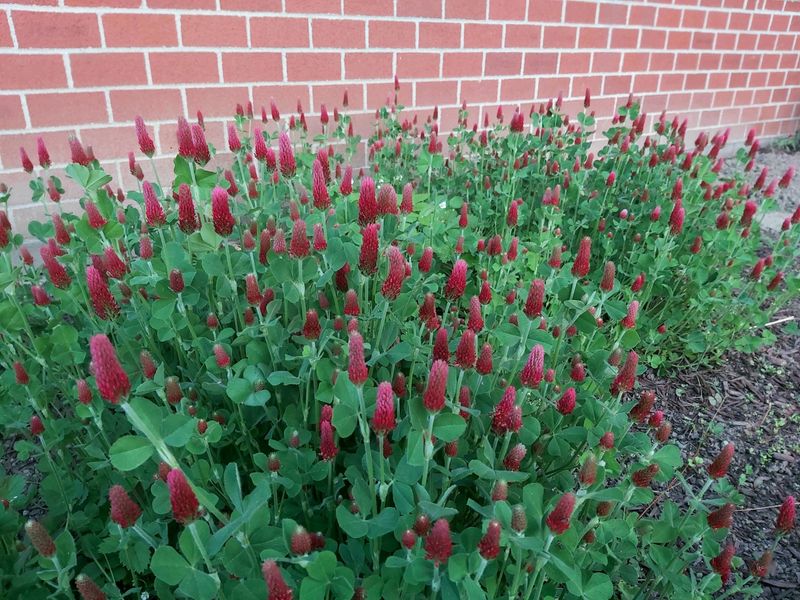
Aboveground it puts on a show as well. April brings deep scarlet flower spikes that draw bumblebees, honeybees, and native mason bees by the dozen.
Gardeners who try it once usually keep a jar of seed on the shelf. It costs little, forgives beginners, and is far easier to chop down in spring than stiff grasses such as cereal rye.
Look for varieties like Dixie or Kentucky Pride, both stocked by Oregon garden centers and seed suppliers. Any crimson clover labeled for fall cover use will handle the job nicely.
Think of it as a winter tenant that pays rent in nitrogen and flowers. All it asks for is a timely sowing and a patch of open ground.
Bare Winter Beds Pay A Price In Oregon Rain
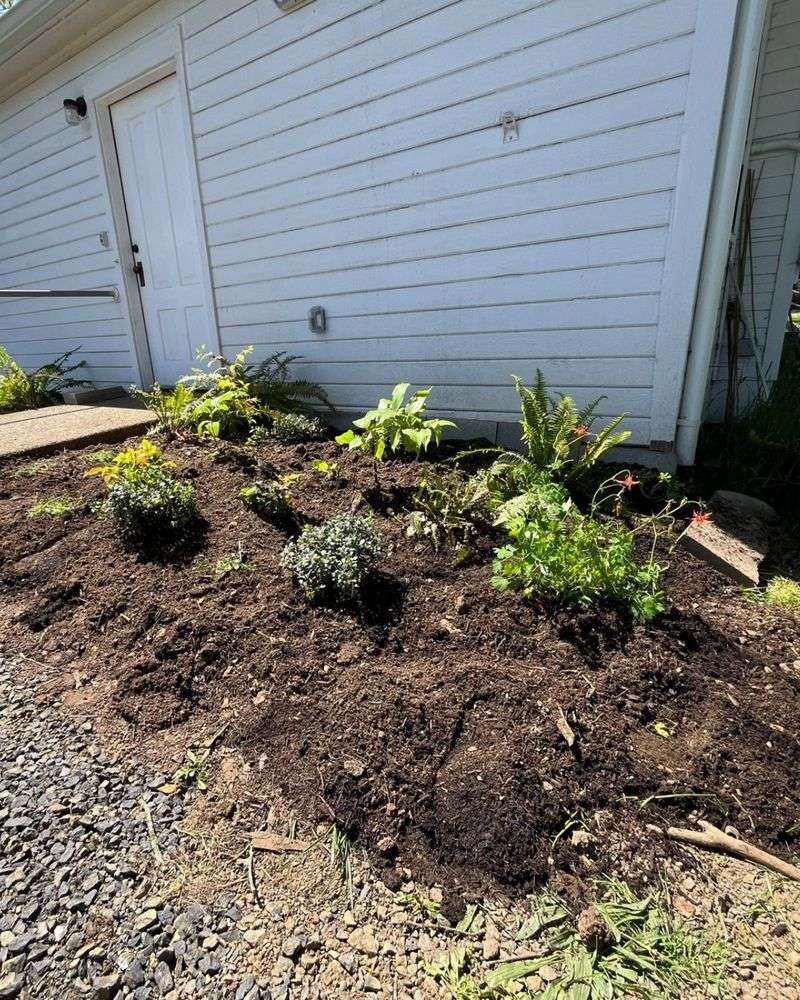
Autumn rain in Oregon arrives on a schedule, and it does not knock first. Once clouds settle over the valley, open garden beds take the full force of every drop.
Each raindrop hits bare soil like a tiny hammer, breaking apart the crumbs that hold everything together. What felt loose and fluffy in September can turn into a sealed crust by January.
That crust sheds water instead of soaking it up, so runoff carries fine particles and nutrients toward the nearest ditch. Nitrogen slips away easily because it travels with water rather than clinging to soil particles.
Soil life feels the change too. Earthworms and helpful fungi want steady food and shelter, and an empty bed offers neither through five months of drizzle.
Your Oregon Garden Changes Every Week. Your Plan Should Too.
Gardening in Oregon changes quickly throughout the season. Every Friday you’ll receive a simple weekly plan showing exactly what to plant, prune, fertilize, harvest, and protect so you never miss the right timing.
Weeds notice the vacancy right away. Chickweed, annual bluegrass, and shotweed sprout happily in cool, damp conditions and claim that ground until spring.
A living cover changes the whole equation. Roots grip the soil, leaves soften the rain, and the system keeps working while you stay indoors with seed catalogs.
Oregon gardeners have a real advantage here, since mild winters let cool-season plants keep creeping along instead of pausing. That slow winter growth is exactly what makes an autumn sowing worth the trouble.
Growing something through winter is less about harvest and more about protection. The reward shows up in April, when the beds crumble in your hand instead of cracking like an old plate.
Timing Your Sowing Before The Ground Turns Cold
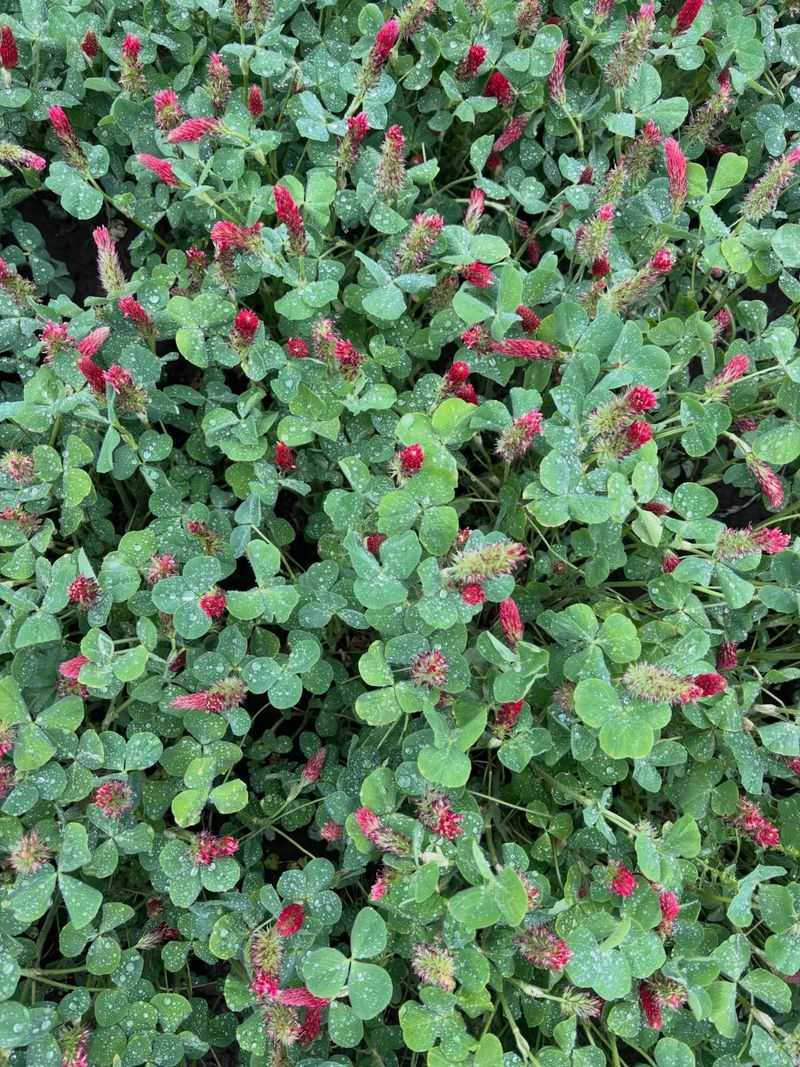
Timing matters more than almost anything else with this crop. Clover seedlings need about four to six weeks of decent growth before soil temperatures slide below 50 degrees.
West of the Cascades, the sweet spot runs from late August through the first week of October. Mid-September is the gardener’s bullseye, right when the first real rains soften the ground.
Portland, Eugene, and Corvallis gardeners can often push into mid-October and still get a workable stand. Coastal gardens have similar leeway thanks to steady moisture and mild nights.
Higher elevations and the eastern side of the state run on a tighter clock. Bend, Prineville, and the Grande Ronde Valley do better with sowings from mid-August to early September.
Seed germinates best when soil sits between about 45 and 65 degrees. Warm days plus damp ground equals fast sprouting, which is why September beats November by a mile.
Late sowings can still sprout, but the plants stay tiny and roots barely reach down. Small plants give less soil protection and produce far less nitrogen come spring.
If you are waiting on the last peppers or a final planting of kale, plan a staggered approach. Sow the finished beds now and tuck seed under the remaining crops as they come out.
Mark the calendar the same way you mark garlic planting. Once you connect clover sowing with the first cool, wet week of fall, the habit sticks.
Preparing A Seedbed That Gives Every Seed A Chance
Good stands start with boring prep work, and clover rewards it. Pull spent plants, rake off large debris, and scratch up the top inch of soil so seed has somewhere to settle.
Rates are simple. Roughly half a pound of seed covers 1,000 square feet, which works out to about a rounded tablespoon per 20 square feet of bed.
Broadcast by hand in two passes, walking one direction and then crossing at a right angle. That crisscross trick evens out the thin spots your first pass leaves behind.
Seed wants to sit about a quarter inch deep, no more. Rake lightly, then walk on the bed or press it with the back of the rake to firm everything down.
Firm contact between seed and soil is the secret nobody mentions. Loose, fluffy ground dries out fast and leaves seed sitting high and dry.
If September stays sunny, water gently every day or two until sprouts appear. A thin scatter of straw holds moisture and hides seed from busy juncos and towhees.
Check whether your seed came pre-coated with rhizobia inoculant, since most bagged clover does. If not, a cheap packet of inoculant mixed with damp seed boosts nitrogen production noticeably.
Within ten days you should see clusters of small heart-shaped leaves. That soft green fuzz spreading across the bed is your cue to relax and let the rain take over.
The Mistake That Leaves A Thin, Patchy Stand
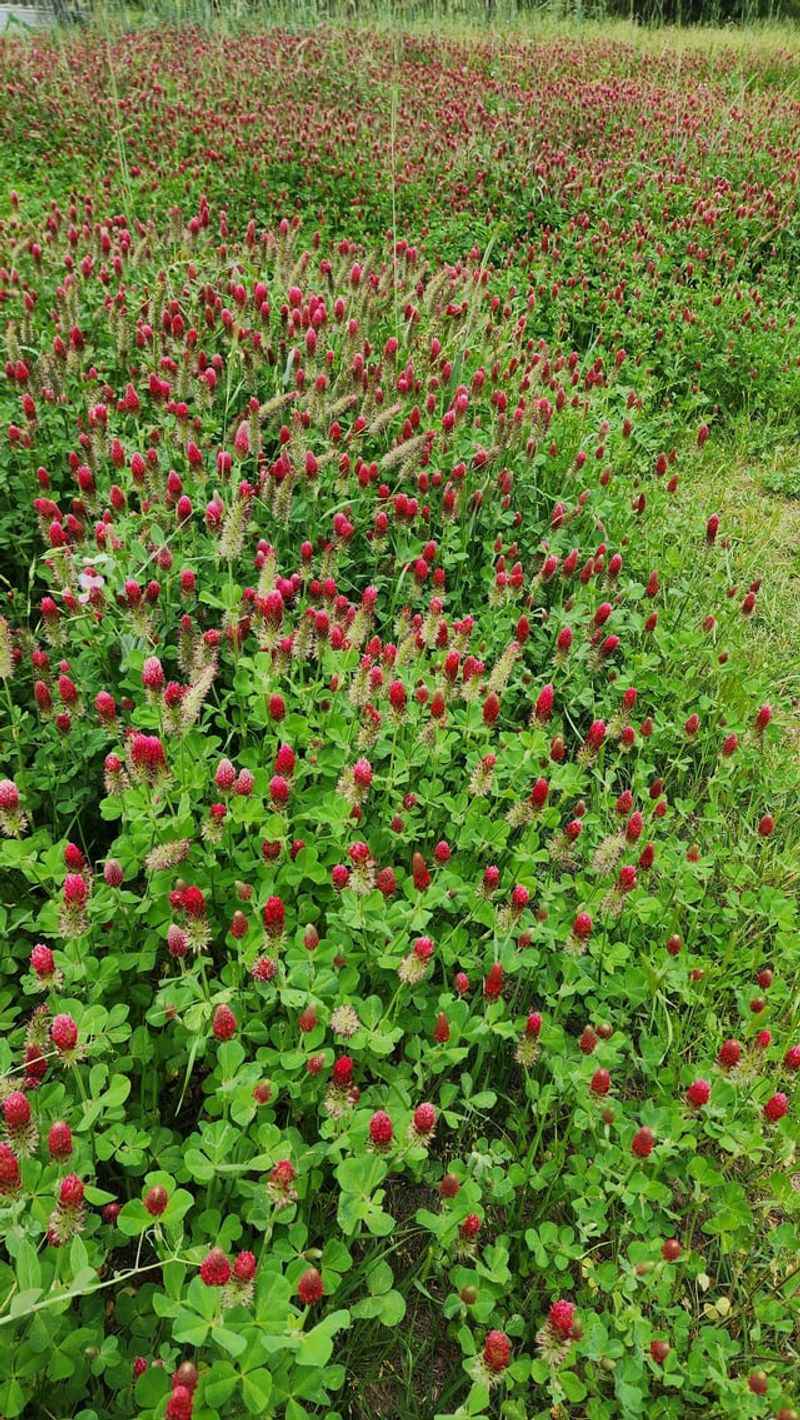
Almost every disappointing clover patch traces back to the same handful of slip-ups. Sowing in November tops the list, since short days and cold soil leave seedlings stuck in slow motion.
Scattering seed on top of hard, unraked ground comes in a close second. Seed needs contact with moist soil, not a bounce across a crusty surface.
Burying seed too deep causes trouble as well. Clover seed is barely bigger than a pinhead and has little energy to push through an inch of soil.
Oregon slugs deserve a mention here. Tender seedlings are a favorite snack, so sowing a slightly heavier rate gives the stand room to absorb some losses.
Dry spells fool people too. Early September can stay warm and rainless for weeks, and unwatered seed simply waits without sprouting.
Then there is the spring mistake, which is letting the clover flower and set seed. Once seed pods mature, volunteers pop up in your carrot rows for a couple of seasons.
Sowing it in beds you want for early peas or spring spinach creates a scheduling headache. Save those beds for a quick-growing mix and give clover the ones destined for summer crops.
Fixing any of these is easy once you spot the pattern. Sow early, press seed in firmly, water when it is dry, and cut the stand while flowers are still fresh.
Mixing Partners And Adjusting East Of The Cascades
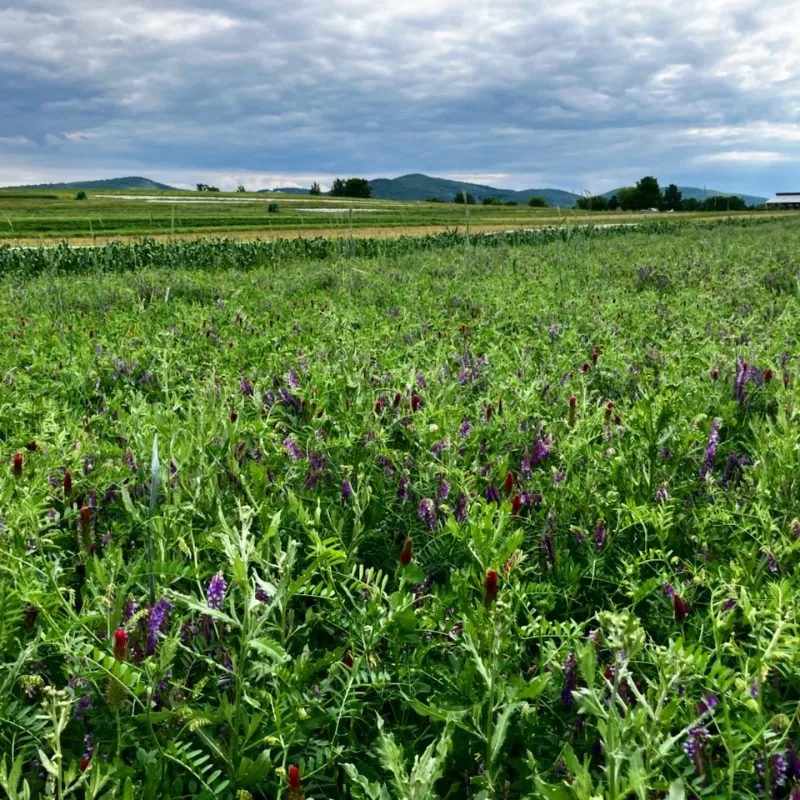
Clover plays well with roommates, and mixing often beats going solo. Pairing it with cereal rye or oats gives you fibrous grass roots plus nitrogen-fixing clover in the same bed.
A practical home blend is about two parts grain to one part clover by weight. Grasses catch leftover nitrogen from summer feeding while the clover manufactures more for next season.
Common vetch and Austrian winter peas make fine partners too. Both are legumes, both handle Oregon damp, and both climb happily through a stand of rye.
East of the Cascades the calculation shifts. Winters in Bend, Burns, and Baker City bring hard freezes with unreliable snow cover, which crimson clover may not tolerate through spring.
Gardeners in those areas often lean on cereal rye, hairy vetch, or triticale for reliability. Adding a thick mulch of straw over a young clover stand also improves its odds.
Irrigation is the other high-desert wrinkle. Late summer there is bone dry, so a sprinkler or drip line is usually needed to get seed sprouting on schedule.
Southern Oregon gardeners near Medford and Grants Pass sit somewhere in between. Sowing in mid-September with a light watering routine usually produces a solid stand by Thanksgiving.
Try a small mixed strip alongside a pure clover strip and compare them in April. Your own beds will tell you more than any regional chart ever could.