Don’t let the pretty leaves fool you — this is the plant Oregon gardeners wish they’d never planted
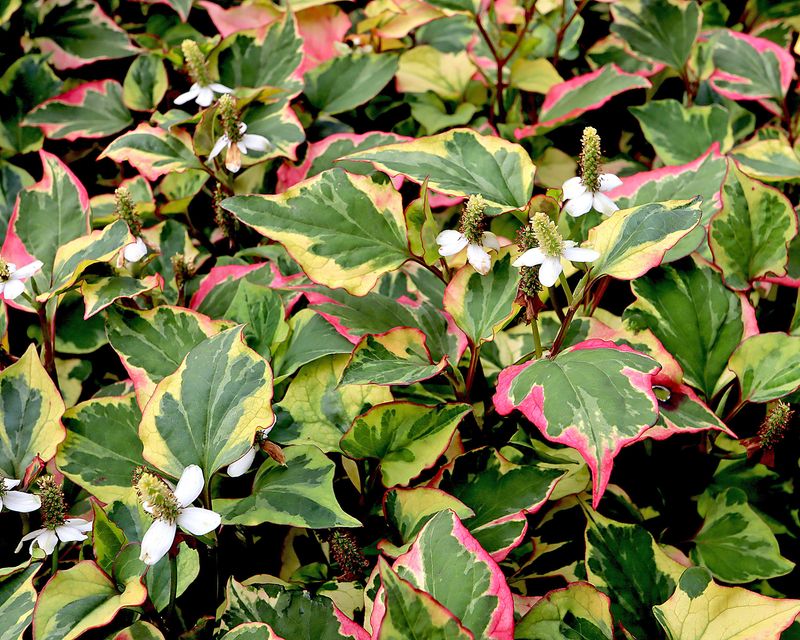
Some plants earn their place in the garden, and some just take it. Chameleon plant is the kind of colorful groundcover that catches your eye at the nursery and ends up testing your patience for years.
Its swirling leaves of green, cream, and pink look like a living tie-dye, but underneath the soil, something sneakier is going on. A growing number of Oregon gardeners who brought it home have since wished they had read the fine print first.
The pretty plant is more specific than its common names suggest
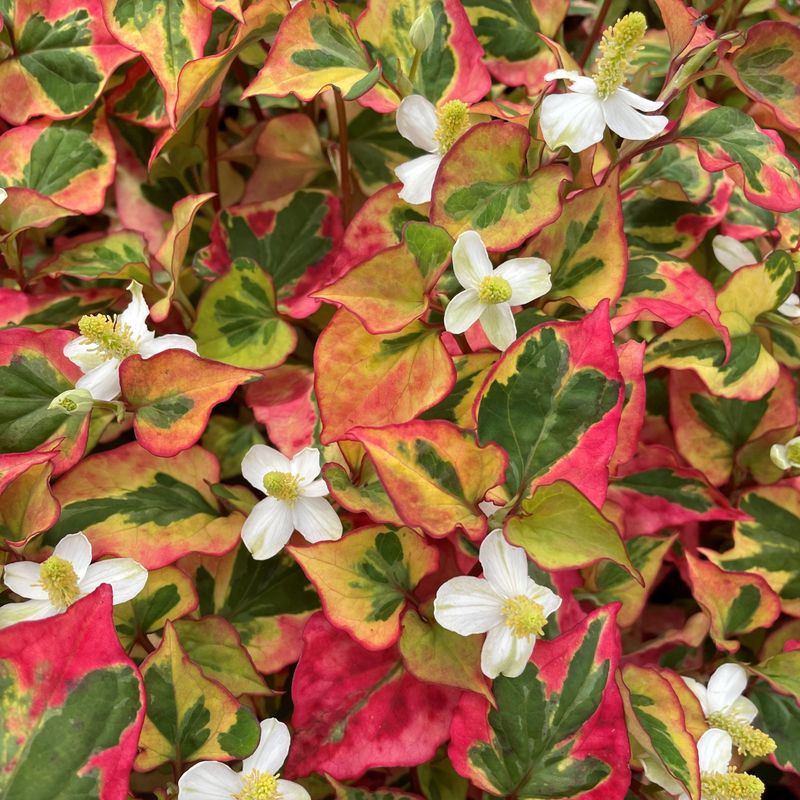
Common names can be slippery, and chameleon plant is a good example. The species is Houttuynia cordata, and it goes by several names depending on who is selling it or where it grows: fish mint, chameleon plant, and sometimes rainbow plant.
The colorful cultivar at the center of this article is Houttuynia cordata ‘Chameleon,’ a variegated form that gets marketed as rainbow plant because of its multicolored foliage. When this article says “chameleon plant,” it means that specific cultivar, not every colorful groundcover on the shelf.
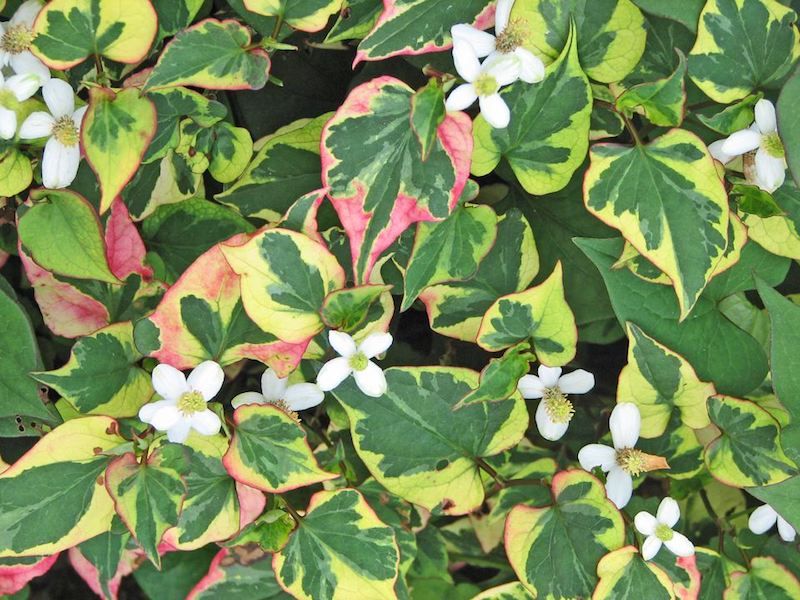
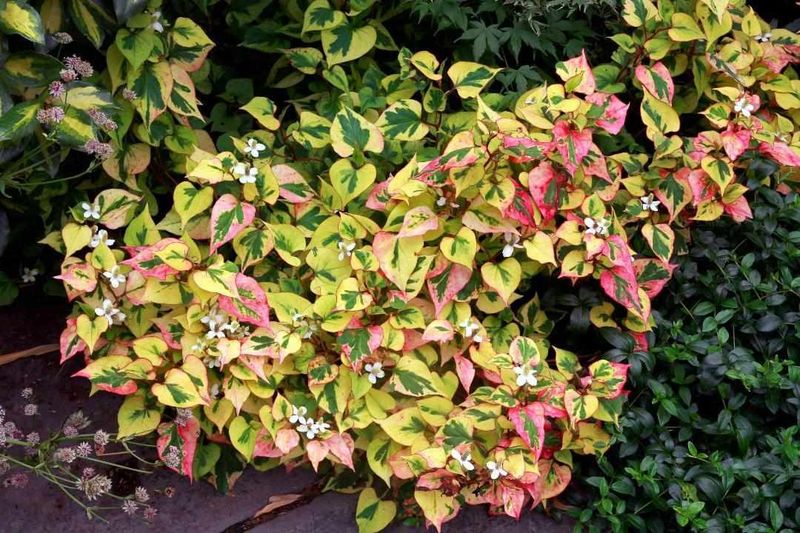
The leaves are the plant’s main selling point. Each one is heart-shaped and splashed with combinations of green, cream, red, orange, and pink, often all on the same leaf.
Stems tend to run reddish, which adds to the layered color show. In late spring, small flowers appear surrounded by white, petal-like bracts that look almost too tidy to be real.
Brush or bruise the foliage, though, and you get an immediate reality check. Penn State Extension describes the odor as strong and distinctive, often compared to fish or something equally off-putting.
That smell is one of the more reliable identification clues if you are not sure what you are looking at in a garden bed.
The point of naming the cultivar precisely is to avoid lumping this plant in with every other variegated or colorful groundcover. Vinca, creeping Jenny, and bishop’s weed are separate plants with their own behaviors and legal designations.
The concern here is specific to ‘Chameleon’ and its parent species, not a blanket warning against anything with pretty leaves.
The real problem travels below the soil
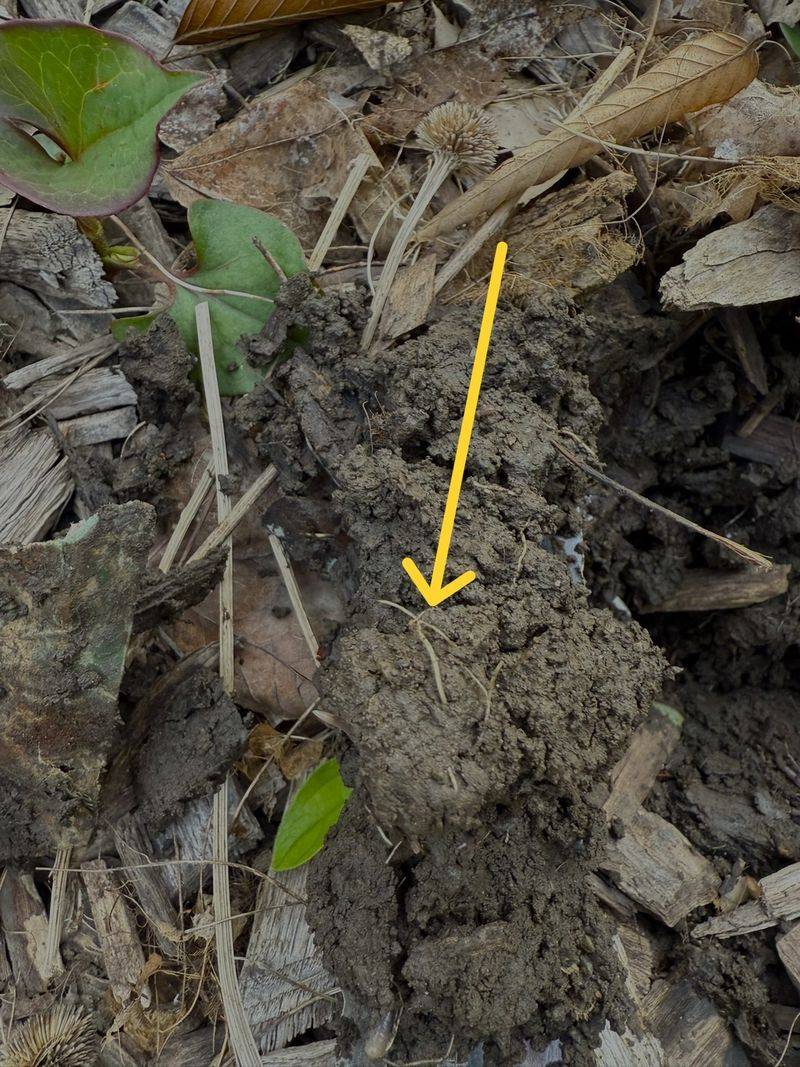
Above ground, chameleon plant looks manageable. The leaves stay relatively low, the color is cheerful, and the plant fills in gaps in a bed with what feels like helpful efficiency.
Below the surface, a very different story unfolds.
Penn State Extension notes that chameleon plant spreads by shallow underground rhizomes, not just by surface runners you can spot and trim. Those rhizomes travel horizontally through the soil, sending up new shoots wherever conditions allow.
Because they stay close to the surface, they can cover a surprising amount of ground without announcing themselves until green tips start popping up well outside the original planting area.
The plant prefers moist to wet soil, which makes western Oregon’s rainy winters and damp spring conditions essentially a welcome mat. It will grow in sun or shade, so a shaded bed under a Douglas fir or a sunny border along the driveway can both become home.
Your Oregon Garden Changes Every Week. Your Plan Should Too.
Gardening in Oregon changes quickly throughout the season. Every Friday you’ll receive a simple weekly plan showing exactly what to plant, prune, fertilize, harvest, and protect so you never miss the right timing.
That adaptability is part of what makes containment tricky: there are not many spots in a typical Willamette Valley yard where the plant simply refuses to go.
An open garden bed gives rhizomes room to advance in any direction, and the eventual spread is genuinely difficult to predict. Some gardeners report that a small planting stays reasonably contained for a season or two before expanding aggressively.
Others find the problem starts sooner. Moisture levels, soil type, shade, and whether any physical barrier exists all influence how quickly and how far the rhizomes travel.
That last point matters: not every planting becomes equally difficult. Site conditions shape outcomes, and a well-isolated container or a bed with a deep root barrier may limit spread significantly.
The risk is real, but the severity depends on the specific garden rather than being identical in every yard across Oregon.
Portland’s nuisance listing does not create a statewide ban
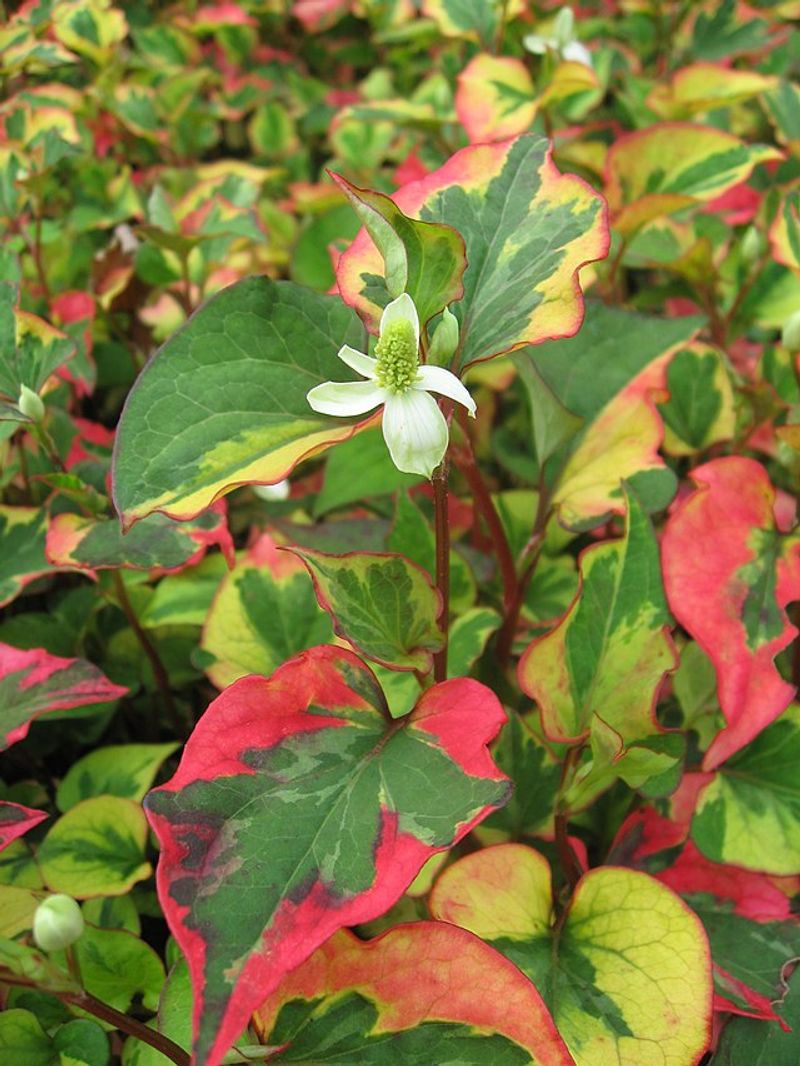
Portland has done something useful for gardeners who want clear guidance: the city has named chameleon plant explicitly. The Portland Plant List classifies Houttuynia cordata as a nuisance plant, which carries real weight within city limits.
Portland’s nuisance plant program can require property owners to manage or remove listed species under certain circumstances, so this is not a casual designation.
What that listing does not do is make chameleon plant illegal, banned, or officially noxious throughout Oregon. The Oregon Department of Agriculture maintains a separate statewide noxious-weed list covering plants that trigger legal obligations across the state.
Houttuynia cordata does not appear on that list as a state-designated noxious weed, which means the statewide legal framework is different from Portland’s local rules. Calling it “Oregon’s most invasive groundcover” or implying it is banned statewide would go further than the evidence supports.
The word “invasive” itself adds another layer of nuance. Horticulturalists and land managers use it to describe plants that spread aggressively and outcompete others, and it fits chameleon plant in that sense.
But “invasive” in casual conversation can sound like “illegal,” and those are not the same thing.
For gardeners outside Portland, the practical takeaway is still worth heeding: western Oregon’s climate suits this plant well, and the horticultural case for avoiding it in an open bed is solid. Readers should check with their own city or county to find out whether local rules apply.
The absence of a statewide ban does not mean the plant is a safe choice; it means local regulations vary and the management burden falls on the gardener.
Once rhizomes settle in, removal becomes a campaign
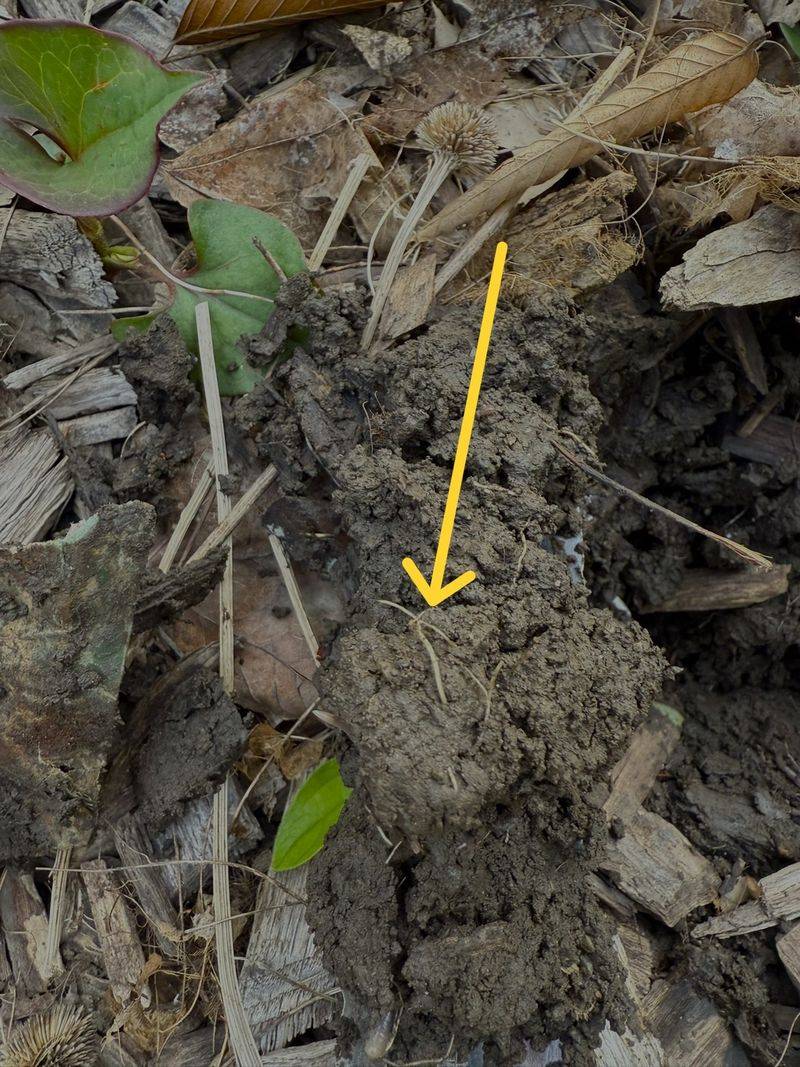
Pulling the visible stems of an established chameleon plant patch feels productive right up until the moment new shoots appear in the same spot two weeks later. The stems are not the plant’s engine; the rhizomes underground are, and simply removing what you can see above the soil rarely touches them.
University of Maine Cooperative Extension explains that even small rhizome fragments left in the soil can generate new shoots, which is why thorough digging matters far more than a quick pull session. A broken piece the size of a finger joint has enough stored energy to push new growth through the soil surface.
Digging carefully and removing as much rhizome material as possible is the starting point, not a guaranteed finish line.
Regrowth can continue across multiple growing seasons. Gardeners who clear a patch in spring may find it looking respectable by midsummer, then notice fresh green tips emerging the following April.
That pattern can repeat. The task is difficult but not hopeless; persistence and repeated monitoring are what separate gardeners who eventually get the upper hand from those who give up and let the plant reclaim the bed.
One tool that makes the problem significantly worse is the rototiller. Chopping through an established rhizome network with a tiller distributes viable fragments throughout the soil, effectively multiplying the problem rather than solving it.
The same logic applies to any method that shreds or chops the underground material without removing it. Careful hand-digging, tedious as it is, gives far better results than mechanical churning.
Framing removal as a campaign rather than a single task is the most honest way to set expectations. Some patches respond to a thorough initial dig followed by a season of monitoring.
Others require two or three seasons of follow-up before regrowth slows to a manageable level. Either way, the work is worth approaching methodically.
Start with careful digging and disciplined cleanup
Before the first shovel goes in, take stock of what else is growing in the affected area. Chameleon plant rhizomes are shallow and wide-spreading, which means they often weave through the root zones of neighboring perennials, shrubs, or groundcovers.
Moving desirable plants out of the bed before you dig gives you more freedom to be thorough. Leaving them in place means accepting that some rhizome material will stay behind, tangled in roots you cannot disturb.
University of Maine Cooperative Extension recommends removing as much soil and rhizome material as practical during the initial dig, working carefully to avoid breaking the rhizomes into pieces that stay behind in the ground. A hand trowel or narrow garden fork gives more control than a full-sized spade.
Go slowly, trace the rhizomes as far as they lead, and collect everything in a bucket or tray rather than leaving it on the soil surface where it can re-root.
After the main dig, the cleared area needs ongoing attention. Check it every week or two during the growing season, pulling any new shoots the moment they appear.
Letting regrowth establish even a few inches of stem gives the remaining rhizomes time to rebuild their energy reserves.
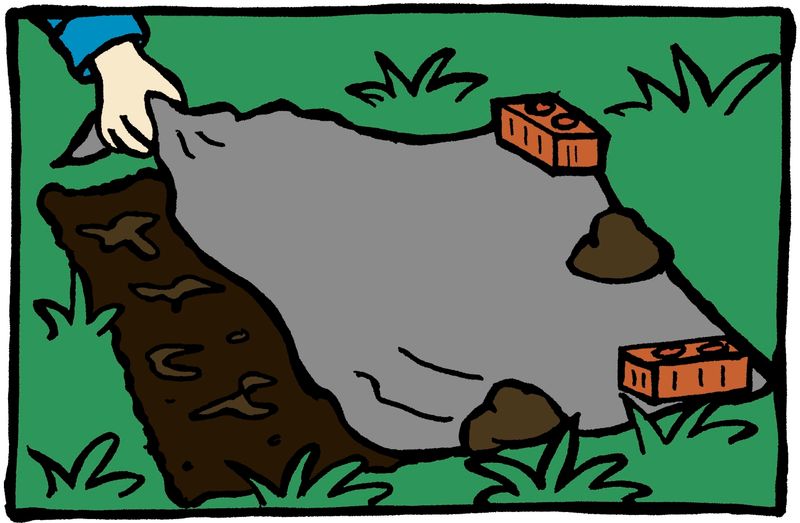
Covering the cleared bed with a thick layer of mulch after the initial removal serves two purposes. First, it blocks light and slows photosynthesis for any shoots that do emerge, weakening them before they can gain strength.
Second, it makes new growth easier to spot against a uniform background so you can catch and remove it quickly.
Disposal requires care. Bag all removed plant material, including soil clinging to rhizome pieces, and follow your local waste provider’s rules.
Do not add chameleon plant to a home compost pile, since rhizome fragments may survive and resprout. Do not place it in a standard yard-waste bin unless your local provider explicitly accepts invasive plant material.
When in doubt, bag it and send it to the landfill.
Herbicides do not erase the rhizomes with one application
Chemical control is worth discussing honestly rather than either dismissing it or overselling it. Systemic herbicides such as glyphosate can injure and suppress chameleon plant, but they do not deliver a clean one-application finish.
The rhizomes are the sticking point.
Purdue University research on chameleon plant and herbicide response found that the plant can regrow from rhizomes after herbicide treatments, including at concentrations higher than the recommended label rate. That finding is a useful reality check for anyone expecting a single spray to solve an established patch.
Suppression is achievable; permanent eradication from a single application is not a reasonable expectation.
Glyphosate is nonselective, meaning it damages or kills most green plant tissue it contacts, not just the target species. Any application near desirable perennials, shrubs, or lawn grass carries real risk of collateral damage.
Careful shielding of neighboring plants, precise application, and calm, dry weather to minimize drift are all necessary precautions, not optional extras.
Oregon and local regulations govern pesticide use, and the product label is a legal document. Read it fully before purchasing, follow all directions regarding protective equipment, application timing, and disposal of unused material, and check whether any local restrictions apply to the specific product or site.
A garden center or OSU Extension office can help clarify requirements for your area.
Herbicides work best as a follow-up tool after physical removal has reduced the rhizome mass, not as a substitute for digging. Treating regrowth that emerges from remaining fragments may help exhaust the plant’s underground reserves over time.
Treating a full, undisturbed patch as the first step is less efficient and does not remove the rhizome material from the soil.
Choose an alternative that matches the site
Replacing chameleon plant, or skipping it entirely, works best when the alternative actually suits the spot. A plant that struggles in your conditions will not fill the bed the way you hoped, and a frustrated gardener is more likely to reach back for whatever is available at the nursery, including the colorful cultivar they swore off.
OSU Extension’s guide to native plants west of the Cascades lists a range of low-growing options worth investigating. Native violets handle shade and moderate moisture well and spread gently without the rhizome aggression of chameleon plant.
Wild strawberry and coastal strawberry work in sunnier spots with decent drainage and offer the bonus of small fruit. Pacific bleeding heart is a lovely choice for damp, shaded areas under conifers.
Bearberry suits drier, sunnier exposures and stays tidy once established.
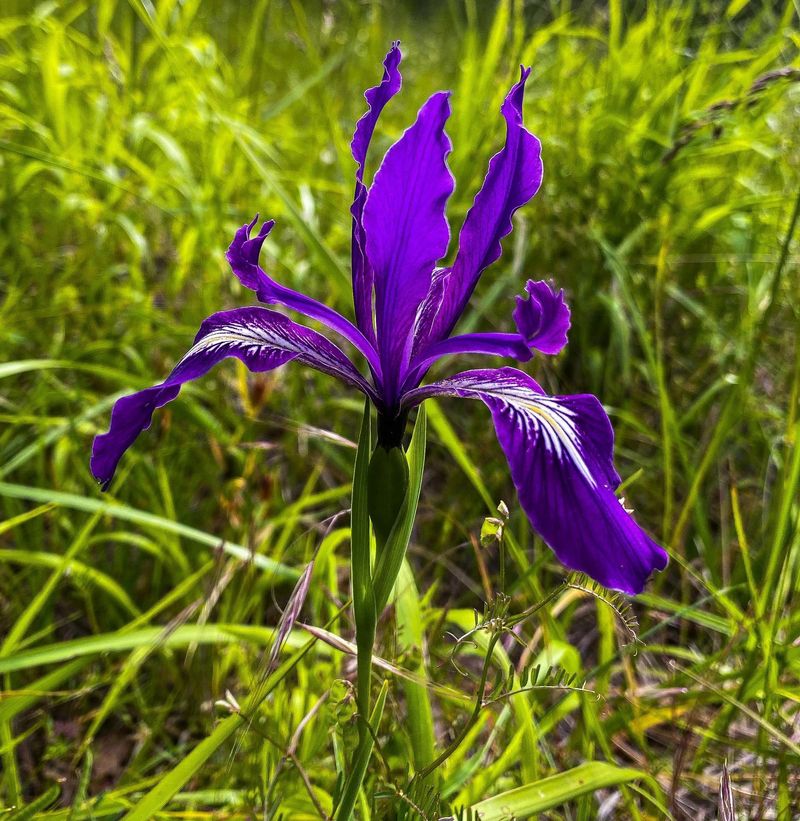
Sword fern is nearly indestructible in western Oregon and fills a shaded, moist bed with deep green texture. Native iris species bring vertical interest and tolerate a range of moisture conditions depending on the species.
These are not interchangeable choices; each one has preferences for light, drainage, and how much summer drought it can handle.
The selection process matters. A plant that wants consistent moisture will sulk in a dry south-facing slope.
A sun-lover planted under a big-leaf maple will stretch and thin out. Take stock of your site conditions before choosing: how much direct sun does the bed get in July, how quickly does it drain after a winter rain, and how much supplemental water are you realistically going to provide in August?
Matching plant to place is the best insurance against the cycle of buying something appealing, watching it fail, and starting over. Native plants matched to their natural conditions tend to establish with less intervention and hold their ground without becoming a management project of their own.
A beautiful leaf is not worth an avoidable management project
For gardeners who have not yet brought chameleon plant home, the decision is straightforward: leave it at the nursery. The colorful leaves are genuinely attractive, and the plant’s appeal is easy to understand.
But an open bed in western Oregon’s moist climate is exactly the kind of environment where its rhizomes have room to run, and the management work that follows is real.
Gardeners already dealing with an established patch have a harder road, but not an impossible one. Careful digging, thorough disposal, repeated monitoring, and patience across multiple seasons give the best chance of getting the upper hand.
Persistence is the operative word, not perfection on the first attempt.
The regret that some Oregon gardeners feel about this plant is understandable, but it is not a universal outcome. Site conditions, containment, and early intervention all influence how the story ends.
A gardener who catches the spread early and responds methodically is in a very different position than one who discovers a five-year-old rhizome network under a mixed perennial border.
Pretty leaves are worth appreciating. They are just not worth an open-ended commitment to managing a plant that would rather run the whole bed.
Oregon’s native flora offers plenty of low-growing color without that trade-off, and the best time to make that swap is before the rhizomes have already made the decision for you.