What Oregon Homeowners Should Know Before Planting Trees Near Sidewalks
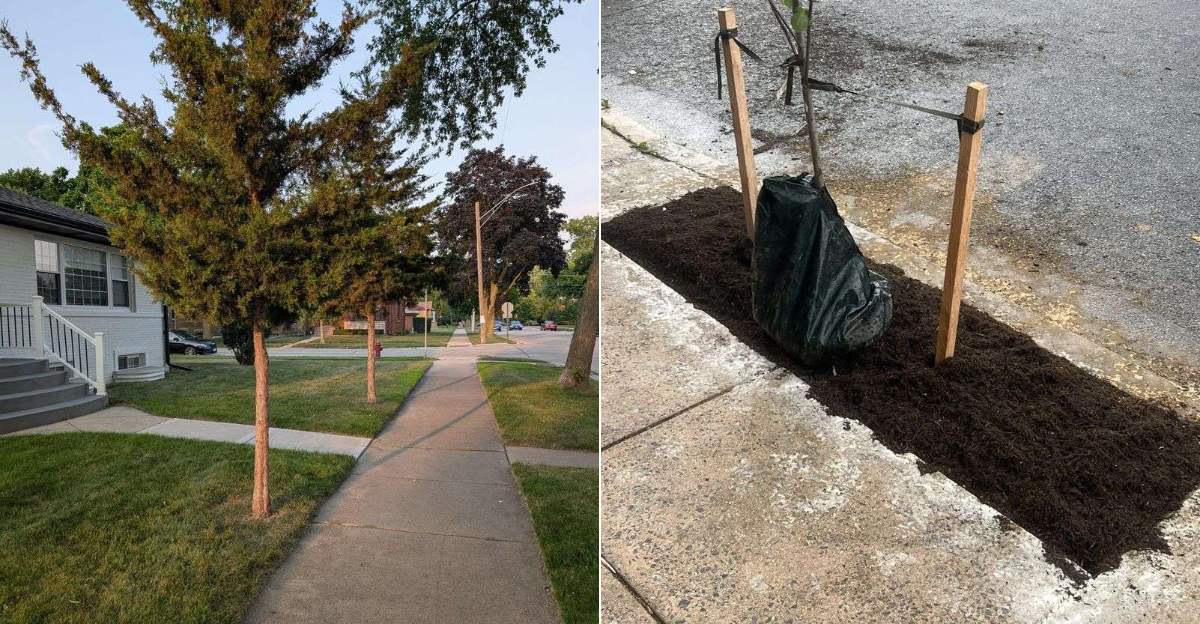
A young tree near a sidewalk can look harmless, but the wrong choice can cause problems as it grows.
Oregon homeowners need to think beyond shade and curb appeal before planting close to concrete. Roots need room. Branches need space.
The sidewalk also needs to stay safe and easy to use. A tree that gets too large for the strip can lift pavement or crowd walkers later on.
Local rules may also affect what you can plant near the street. That makes planning more important than picking the prettiest tree at the nursery.
The best sidewalk trees fit the space from the start. Choose carefully now, and you can enjoy shade, beauty, and fewer repair headaches down the road.
1. Check Whether The Tree Is In The Public Right-Of-Way
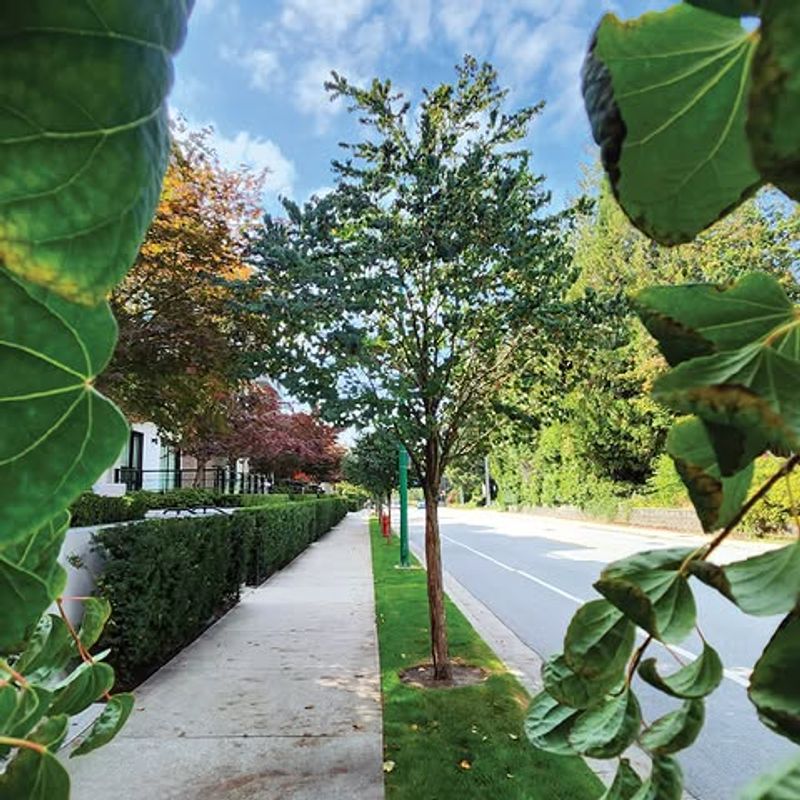
Most people assume that the strip of land between the sidewalk and the curb belongs to them. Surprise, it usually does not.
That narrow stretch is almost always part of the public right-of-way, which means the city or county has legal control over it.
Even though you mow it and maintain it, planting a tree there without checking first can get you into trouble. Some cities will remove an unapproved tree without warning.
Others will send you a bill for any damage the tree causes to city infrastructure.
Before you buy a single sapling, contact your local city or county planning office. Ask them to confirm exactly where your property line ends and where the public right-of-way begins.
Many cities in Oregon have online maps that show these boundaries clearly.
Knowing this information protects you. It also helps you plan smarter.
If the strip is public land, you will likely need a permit and must follow specific planting rules. If the tree will sit on your private property, you still need to check setback requirements.
Taking five minutes to make a phone call or check an online map can prevent years of headaches.
Property boundaries matter more than most homeowners realize, especially when it comes to trees near public walkways.
2. Your City May Require A Street Tree Permit
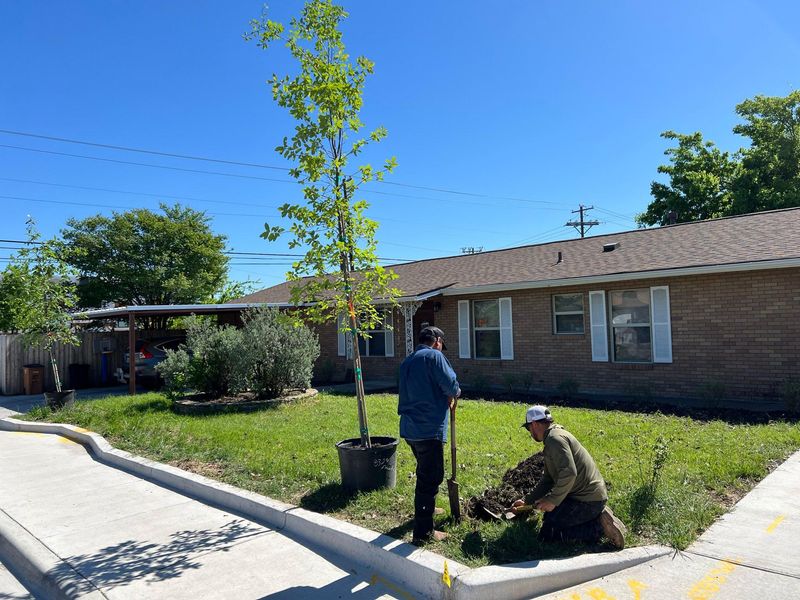
Many cities across Oregon require homeowners to get a permit before planting any tree in or near the public right-of-way. This is not just bureaucratic red tape.
Permits help cities track what is being planted and where, so streets stay safe and consistent.
Cities like Portland, Eugene, and Salem all have street tree programs with their own specific rules. Some require a simple online application.
Others may ask for a site visit or a planting plan showing the tree location, species, and nearby utilities.
Skipping this step can lead to real consequences. If an unpermitted tree causes sidewalk damage or blocks a sightline at an intersection, you could be held financially responsible.
Some municipalities will charge fees or require you to remove the tree entirely.
The good news is that many cities offer free or low-cost street trees through their urban forestry programs. Applying for a permit sometimes connects you with these resources.
Your Oregon Garden Changes Every Week. Your Plan Should Too.
Gardening in Oregon changes quickly throughout the season. Every Friday you’ll receive a simple weekly plan showing exactly what to plant, prune, fertilize, harvest, and protect so you never miss the right timing.
You might even get expert advice on the best species for your specific location.
Check your city’s website under terms like urban forestry, street tree permit, or right-of-way planting. The process is usually straightforward.
A little paperwork upfront keeps you on the right side of local law and helps your tree thrive in the right spot.
3. Choose From The Approved Street Tree List
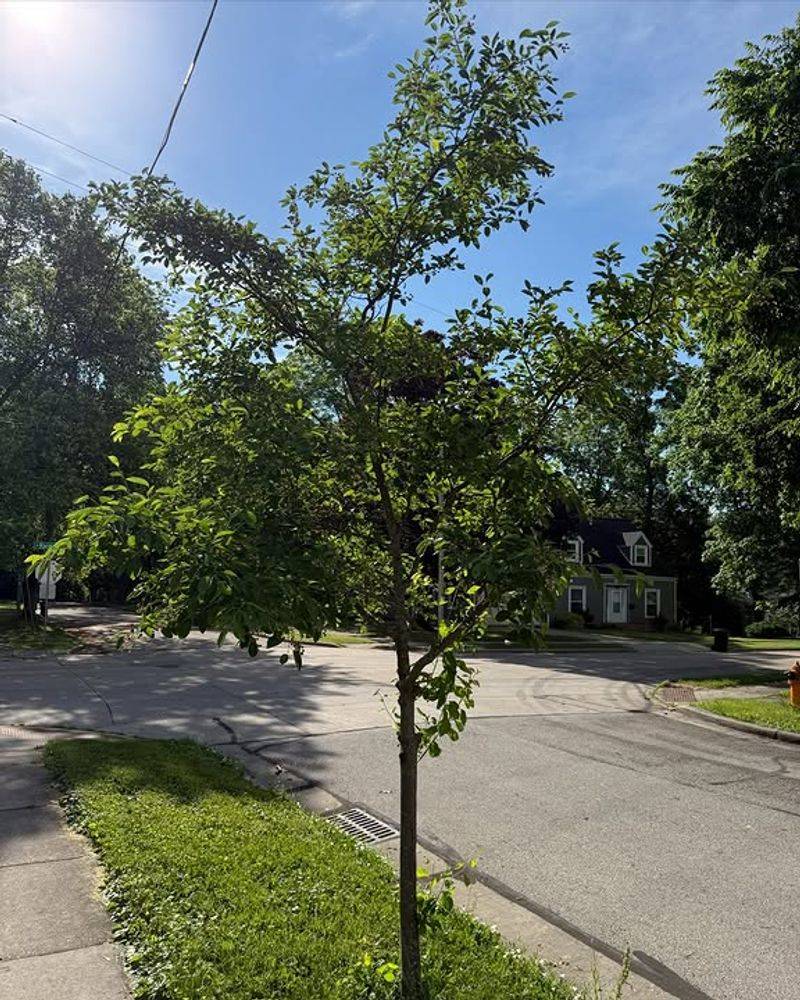
Not every tree belongs on a city street. Roots, canopy size, and growth habits all affect whether a tree will work well near a sidewalk or cause problems over time.
That is exactly why most Oregon cities publish an approved street tree list.
These lists are put together by urban foresters who study which species perform well in urban settings. They consider things like root behavior, drought tolerance, canopy spread, and resistance to pests.
Choosing from this list gives your tree the best chance of thriving without causing damage.
Some popular approved species in Oregon include the Japanese Zelkova, Sweetgum, and various ornamental cherries. Smaller varieties work better on narrow planting strips.
Larger canopy trees may be approved only for wider boulevards with more room to grow.
Planting an unapproved species can result in removal orders from the city. Even if the tree looks healthy and harmless, it may conflict with local ordinances.
Following the approved list keeps you compliant and protects your investment.
You can usually find your city’s approved tree list on the urban forestry or public works section of the city website. Some cities also offer printed guides at local nurseries.
Picking the right species from the start is one of the smartest moves a homeowner can make before planting near a public sidewalk.
4. Measure The Planting Strip Before Buying A Tree
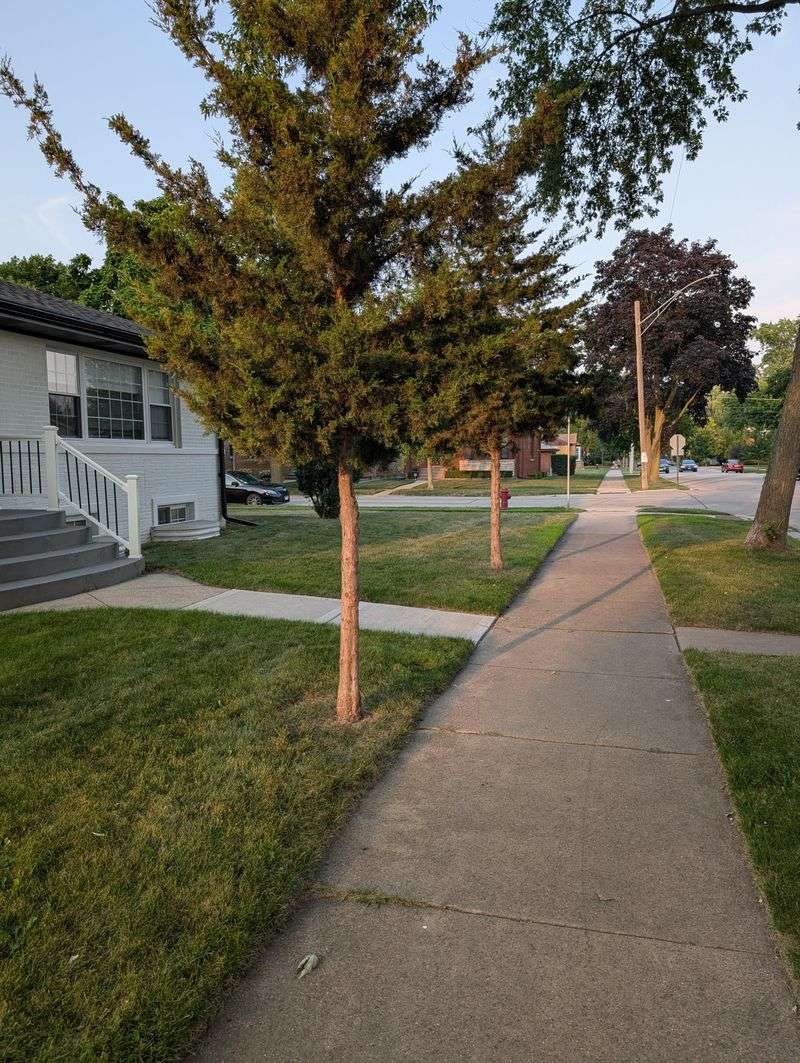
Before heading to the nursery, grab a tape measure. The width of your planting strip, the grassy area between the curb and sidewalk, tells you a lot about what kind of tree will actually fit there.
Buying the wrong size tree wastes money and causes long-term problems.
Most city guidelines tie tree size recommendations directly to planting strip width. A strip that is less than four feet wide typically calls for a small ornamental tree.
A strip between four and six feet wide can support medium-sized trees. Wider strips open the door to larger canopy trees.
Measuring also helps you spot potential obstacles. Check for utility boxes, fire hydrants, driveways, or intersections nearby.
These features all affect how much usable space you actually have for planting. A strip might look wide but still have several restrictions that shrink your options.
Write down the measurements before you shop. Share them with the nursery staff when asking for recommendations.
Most experienced nursery workers can point you toward species that fit your exact dimensions and match local growing conditions.
Getting the size right from the start prevents the tree from outgrowing its space. Overcrowded roots push up against sidewalk panels and curbs.
A well-matched tree grows comfortably and causes far fewer problems for both you and the city over the years ahead.
5. Match Mature Tree Size To Sidewalk Space
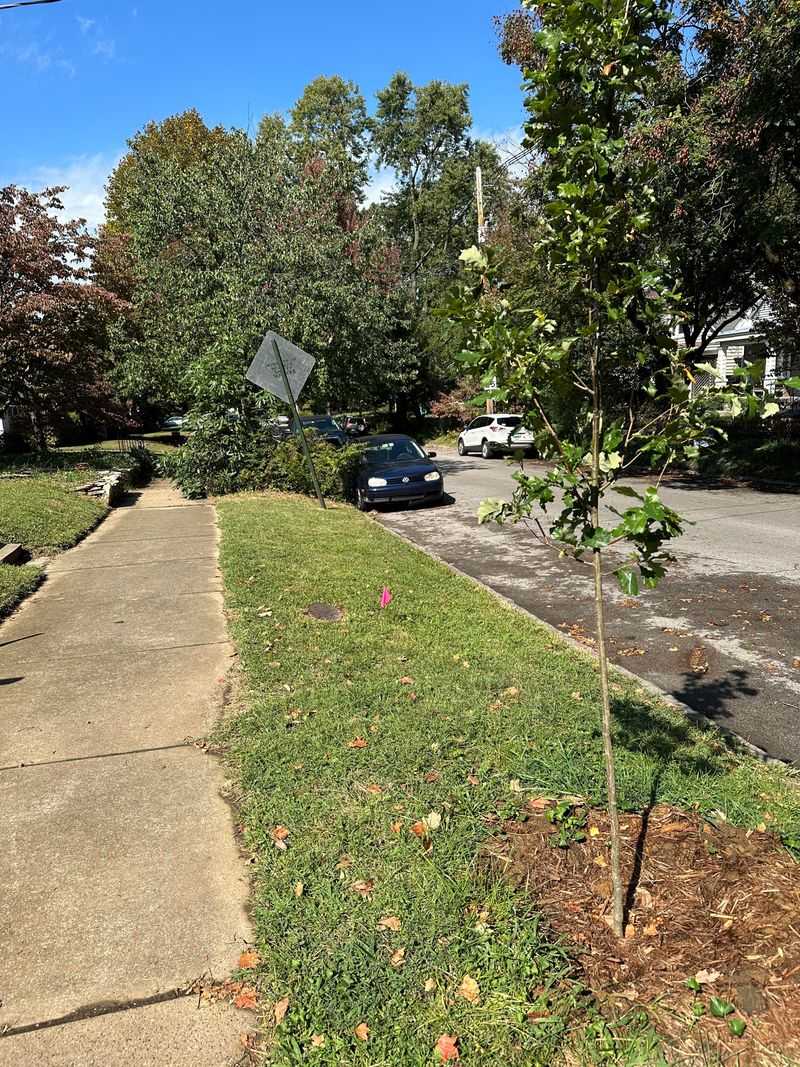
A tiny sapling at the nursery can look perfectly harmless. But some of those small trees grow into giants.
Matching the mature size of a tree to your available sidewalk space is one of the most important decisions you will make as a homeowner.
Every tree species has a predictable mature height and canopy spread. These numbers are not just suggestions.
They reflect what the tree will actually look like in 20 or 30 years. A tree that reaches 60 feet tall with a 40-foot canopy has no business growing in a four-foot planting strip.
Root spread matters just as much as height. Most tree roots grow outward, not just downward.
A large tree planted too close to a sidewalk will eventually push roots under the concrete. That leads to cracked, uneven panels that create tripping hazards for pedestrians.
Look at the mature size tag on every tree you consider. If the nursery does not have that information posted, ask a staff member.
Reputable nurseries will always know the expected mature dimensions of the trees they sell.
Smaller ornamental trees like Serviceberry or Vine Maple work beautifully in tight spaces. They offer seasonal color and natural beauty without overwhelming the sidewalk.
Choosing a tree that fits the space at full maturity means fewer repairs, fewer complaints, and a healthier, longer-lived tree for your neighborhood.
6. Look Up For Power Lines Before Planting
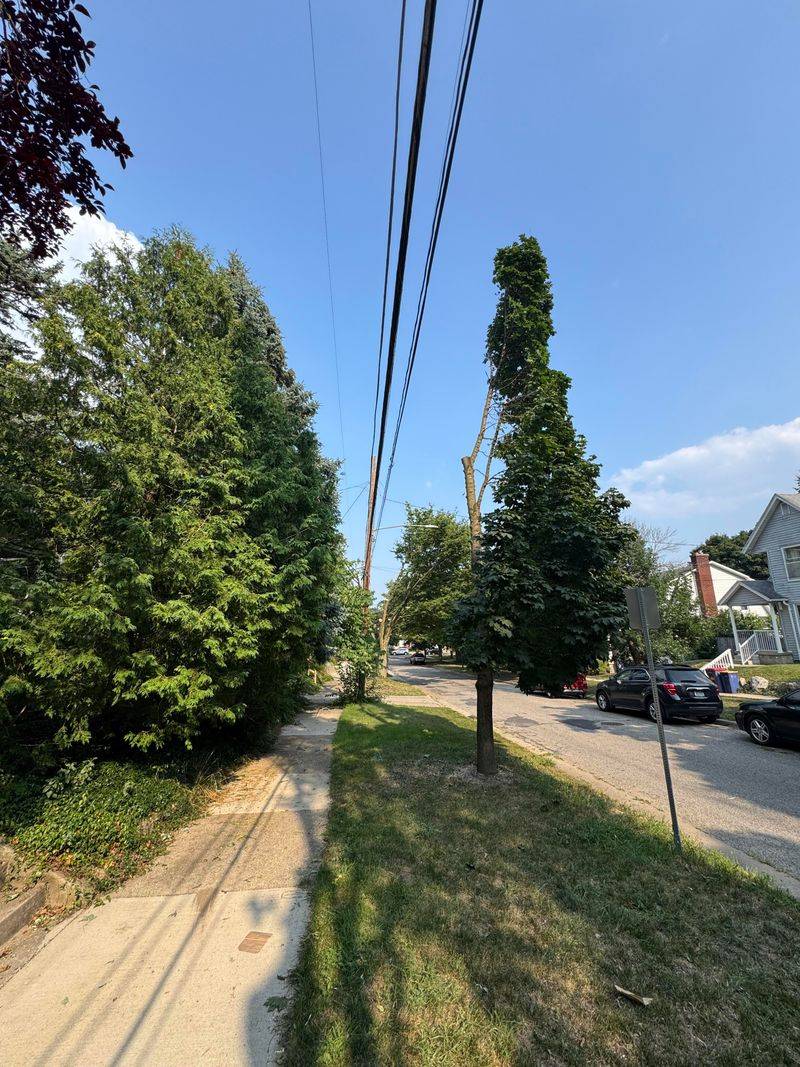
Power lines run along countless residential streets. Before you plant any tree near a sidewalk, look straight up.
If overhead lines cross above your planting area, your tree choices become much more limited right away.
Trees that grow into power lines create serious safety risks. Branches can contact live wires during windstorms, causing outages and sparking fires.
Utility crews regularly prune trees that interfere with lines, and the results are rarely pretty. Heavy-handed trimming can leave a tree looking lopsided and stressed for years.
Oregon utilities like Pacific Power and Portland General Electric have clearance requirements for trees near their lines.
In general, trees planted under or near power lines should stay under 25 feet tall at maturity.
Always confirm the specific clearance rules with your local utility before planting.
Some great low-growing options approved for use near power lines include Japanese Maples, Flowering Pears, and certain varieties of Crabapple. These trees offer beauty and seasonal interest without growing tall enough to become a hazard.
Calling your utility company before planting is free and takes only a few minutes. They can tell you exactly what lines are overhead and what height restrictions apply.
A tree planted with power lines in mind will never need drastic pruning and will grow into a healthy, natural shape that adds real value to your home and street.
7. Call Before You Dig Near Underground Utilities
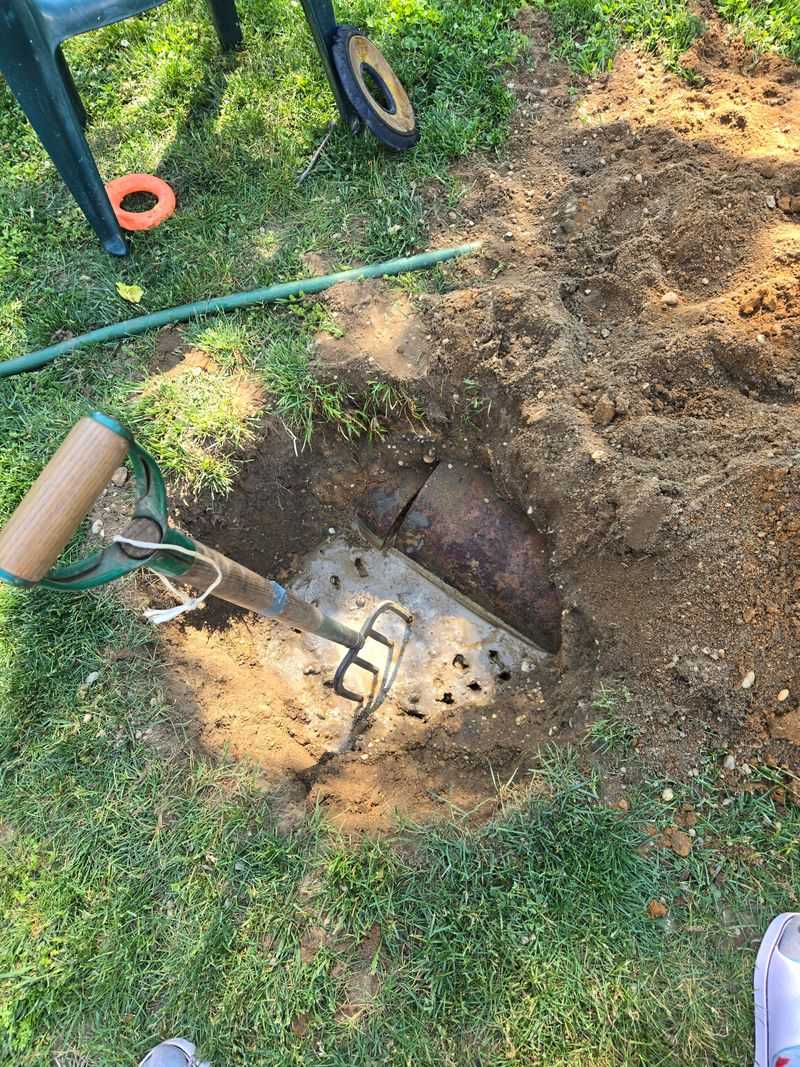
Oregon law requires homeowners to call 811 before digging anywhere on their property or in the right-of-way.
This free service sends utility locators to your address and marks the ground where gas, water, electric, and communication lines run underground. Skipping this step is both illegal and dangerous.
Underground utilities are more common than most people expect. Gas lines, fiber optic cables, sewer pipes, and irrigation systems can all run beneath a planting strip.
Hitting one of these lines while digging a tree hole can cause serious harm and expensive repairs.
After you call 811, locators typically arrive within two to three business days. They use flags and spray paint to mark the ground above buried lines.
You must wait until all lines are marked before starting any digging. The markings stay visible for a few weeks.
Even after lines are marked, dig carefully near them. Hand-digging is recommended within 18 inches of any marked utility line.
Using a power auger or backhoe too close to a line significantly increases the risk of damage.
Calling 811 is quick, free, and protects everyone involved. It protects you from liability.
It protects your neighbors from service outages. And it protects the workers who might have to repair damage caused by an accidental strike.
Make it the very first call you make before any tree planting project near a sidewalk.
8. Avoid Roots That Can Lift Sidewalk Panels
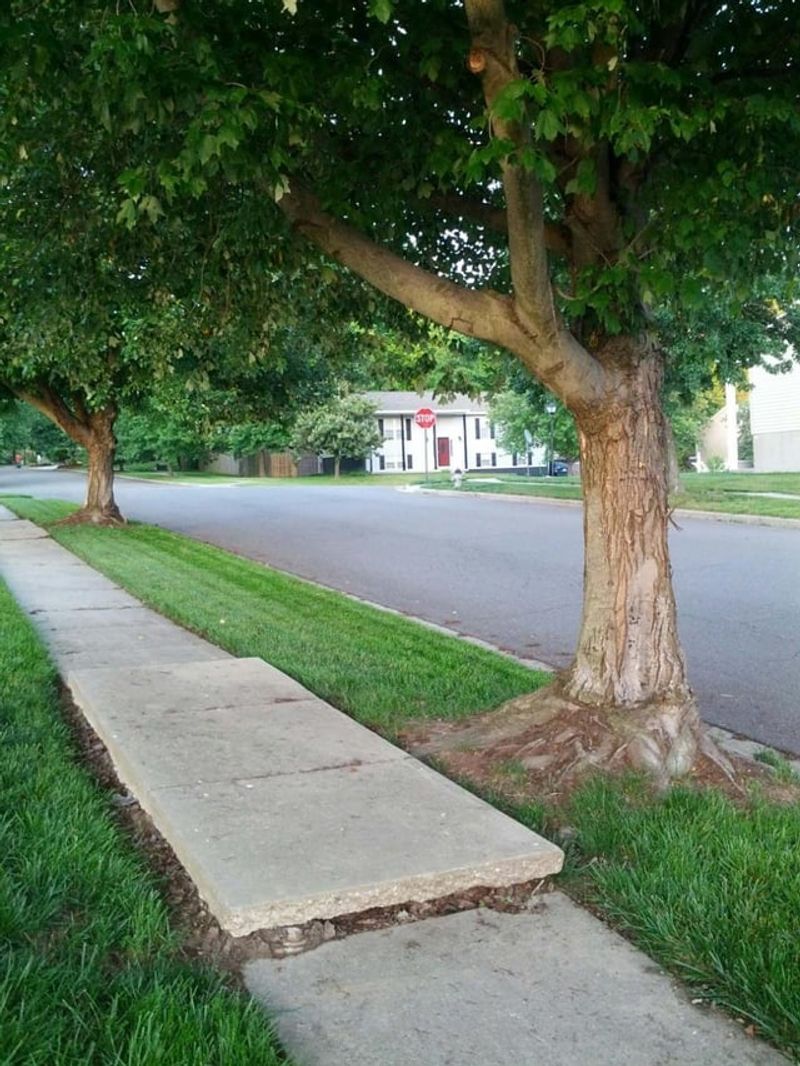
Cracked sidewalks are one of the most common and costly problems caused by street trees. When roots grow under concrete panels, they push upward over time.
The result is uneven, broken sidewalk sections that create tripping hazards and can lead to personal injury lawsuits against the property owner.
Some tree species are much more aggressive with their roots than others. Silver Maples, Willows, and certain Poplars are known for sending surface roots far and wide.
These species may look attractive but are generally a poor choice near any paved surface.
Choosing trees with deeper, less invasive root systems reduces this risk significantly. Species like Ginkgo, Hornbeam, and Trident Maple tend to behave better near sidewalks.
Your city’s approved street tree list usually flags which species have low root impact ratings.
Root barriers are another tool worth knowing about. These are physical barriers installed in the ground that redirect roots downward instead of sideways.
Some cities require them when planting certain species near sidewalks. Ask your local urban forestry office if barriers are recommended for the tree you have in mind.
Proper tree placement also helps. Planting the tree toward the center of the planting strip, rather than right against the sidewalk edge, gives roots more room to spread without immediately hitting concrete.
Small adjustments in placement can make a big difference in how a tree behaves over decades of growth.
9. Leave Clearance Around Hydrants, Lights, And Corners
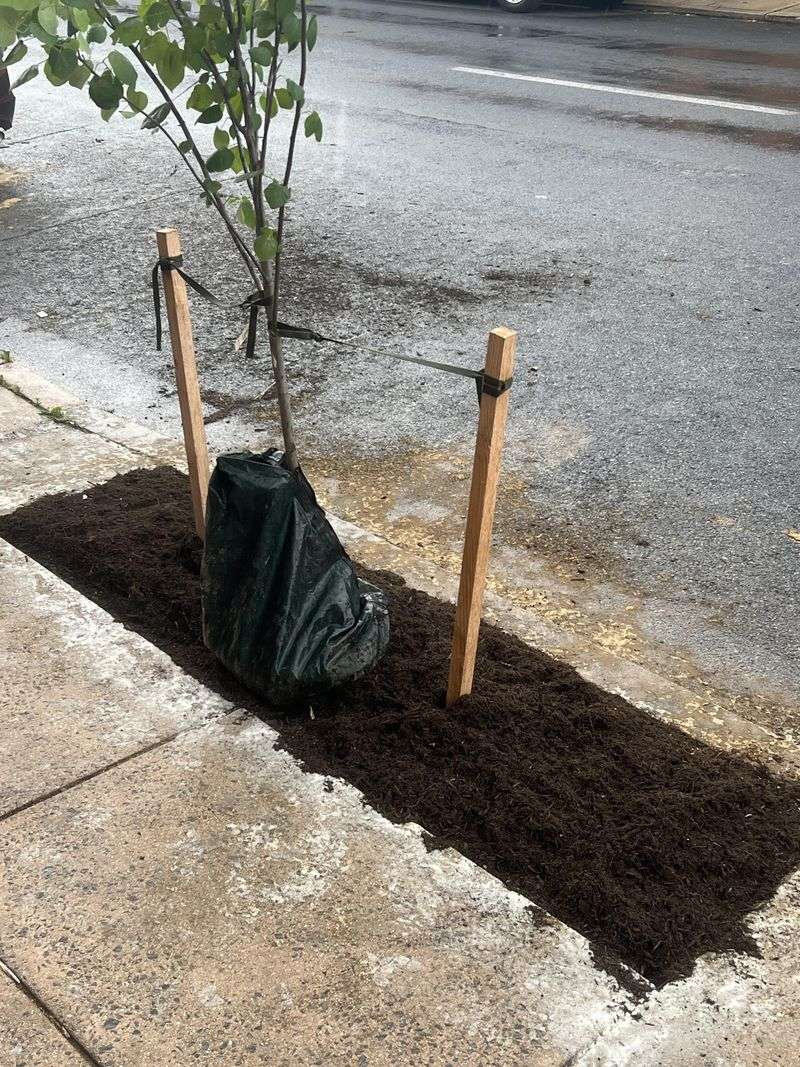
Fire hydrants, streetlights, stop signs, and intersections all need clear space around them. Planting a tree too close to any of these features can block sightlines, interfere with emergency access, and create safety hazards for drivers and pedestrians alike.
Most cities in Oregon require a minimum of five feet of clearance between a new street tree and any fire hydrant.
Trees planted too close can block firefighters from quickly accessing the hydrant during an emergency. That delay can have serious consequences in a crisis.
Corner lots require extra attention. Trees planted near intersections must not block the view of drivers trying to see oncoming traffic.
Many cities establish a clear vision triangle at intersections, an area where nothing taller than a certain height may be planted. Check your local code for the exact dimensions of this zone.
Streetlights also need room to do their job. A tree with a spreading canopy planted directly under a streetlight will eventually block the light from reaching the sidewalk below.
This reduces nighttime visibility and can make pedestrians feel unsafe after dark.
When in doubt, step back and look at the full picture before choosing your planting spot. Clearance rules exist to keep streets safe and functional for everyone.
Following them makes your neighborhood work better, keeps your tree from being removed, and shows that you are a thoughtful and responsible homeowner who cares about the community around them.