Grow An Apple Tree From Seed In A Cup Of Water On Your Arizona Windowsill
Dropping an apple seed into a cup of water and watching for a sprout sounds like a satisfying kitchen experiment, and it can be a fun starting point. The catch is that a cup of water alone is not enough to reliably germinate an apple seed, let alone grow a tree.
Apple seeds need a cold, moist resting period before they wake up, and a windowsill can only shelter a young seedling for so long. What follows is an honest, step-by-step look at what the water cup can and cannot do, and what it actually takes to move from one seed to a living apple tree in Arizona.
Use the cup for a brief start, not for growing the tree
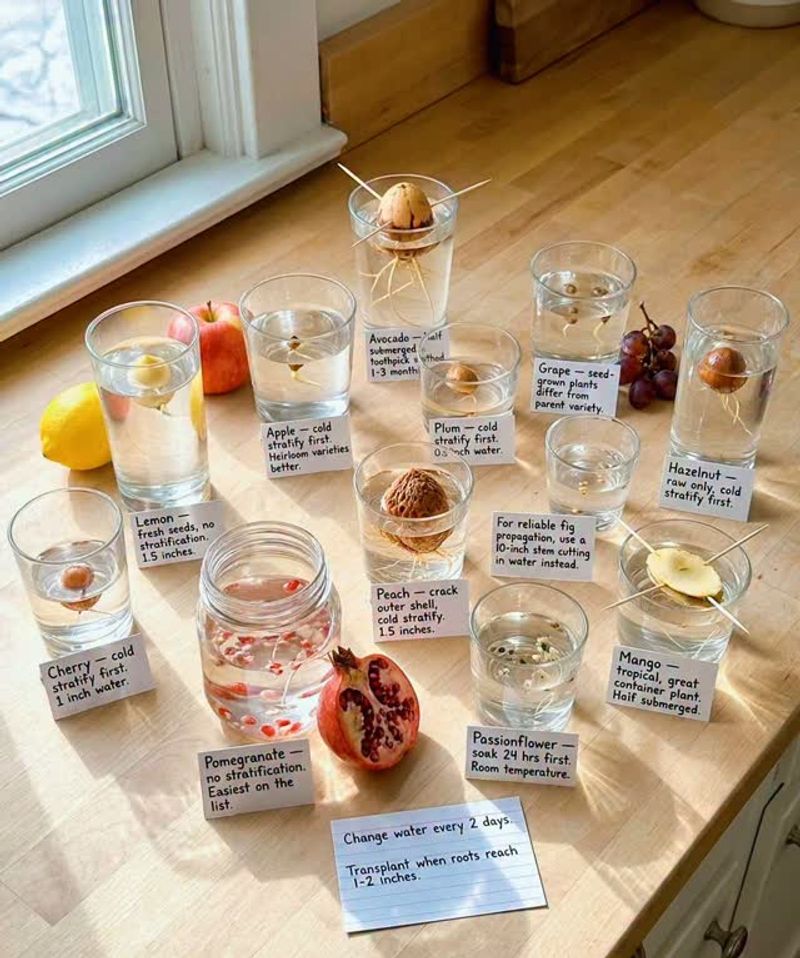
A cup of water makes a satisfying prop for this experiment, but the role it can play is limited. Water helps a seed absorb moisture through its coat, a step called imbibition, and a brief soak of roughly 24 hours can soften the seed coat and give the project a visible starting point.
That part works. What a still cup of room-temperature water cannot do is replicate the cold, moist, and oxygen-rich conditions that apple seeds need before they will actually germinate.
Apple seeds carry a built-in dormancy. They are programmed to wait for conditions that signal winter has passed, which means cold and moisture together, not warmth and water alone.
A still cup of tap water does not reliably deliver all three.
Think of the cup as the first ten minutes of a much longer process. Use it to soak the seed, take a close look at it, and get your supplies ready.
After that brief soak, the seed needs to move into a cold, moist environment to have any real chance of sprouting. The goal of this project is to raise a seedling, not to grow a finished apple tree in a glass of water on your windowsill.
Prepare the seed before you begin
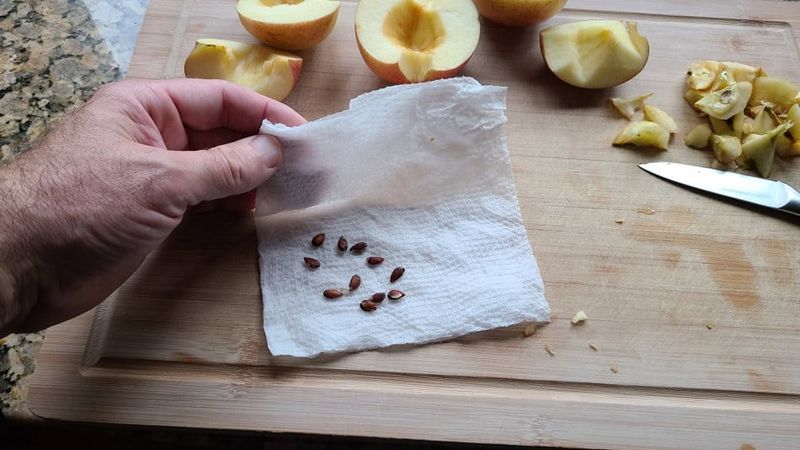
Pull the seed from a fresh apple and rinse away every trace of fruit pulp. Residue left on the seed coat can invite mold during the cold-treatment stage, which is one of the most common reasons home attempts fail before they even get started.
A quick rinse under cool water and a gentle rub with a clean paper towel is usually enough.
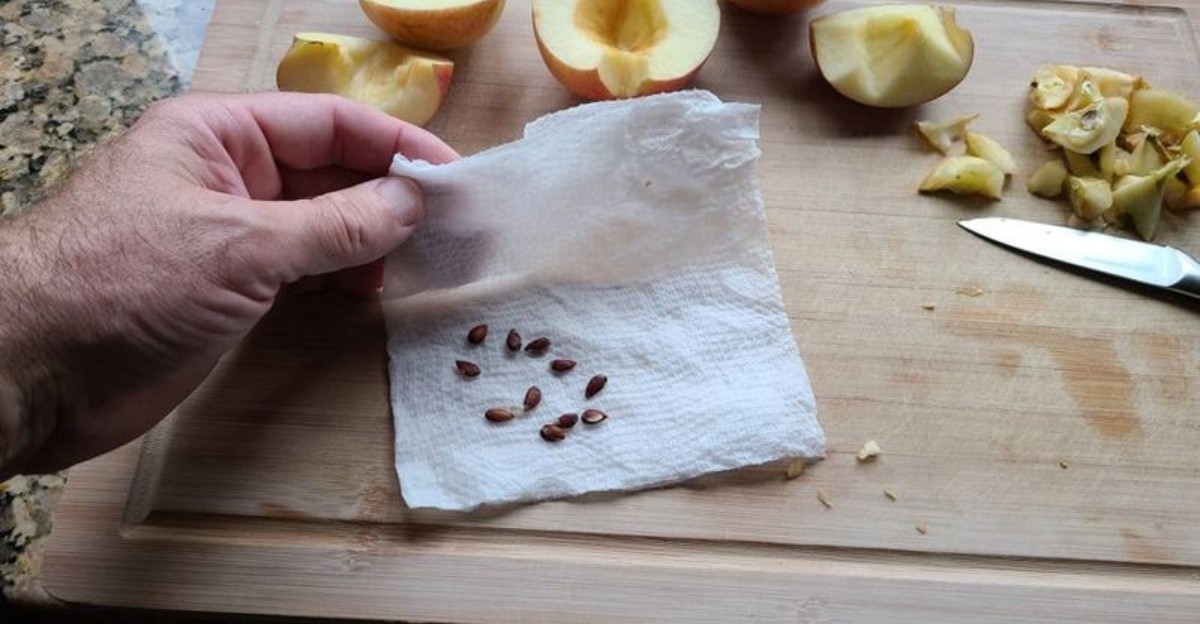
After cleaning, place the seed in a small cup of cool water for about 24 hours. This optional soak softens the coat and lets you check for obvious duds: seeds that float and stay on the surface after several hours are often hollow or nonviable.
Seed viability also depends on history you may not know. A seed from a supermarket apple that was stored for months in a cold warehouse may behave differently from one taken straight from a freshly picked fruit.
Storage time, temperature, and whether the apple was treated after harvest can all affect whether the seed inside is still capable of germinating. Go in with realistic expectations: not every seed will sprout, and that is normal.
Your Arizona Garden Changes Every Week. Your Plan Should Too.
Gardening in Arizona changes quickly throughout the season. Every Friday you’ll receive a simple weekly plan showing exactly what to plant, prune, fertilize, harvest, and protect so you never miss the right timing.
Preparing carefully gives each seed the best possible starting conditions.
Cold, moist stratification gives the seed a better chance
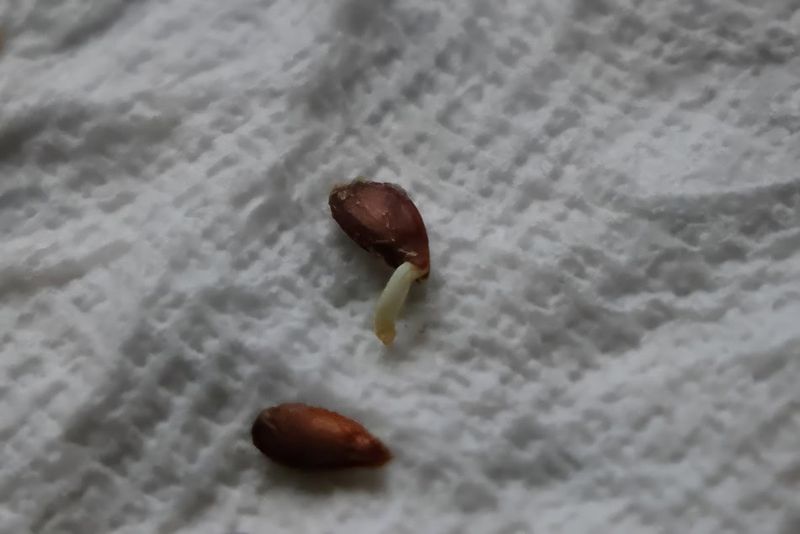
Once the seed has soaked and been cleaned, the next step is cold stratification. Fold the seed into a paper towel that is damp but not dripping, place it inside a zip-lock bag or small container, and put it in the refrigerator at approximately 34 to 39 degrees Fahrenheit.
That temperature range mimics a natural winter and signals the seed that it is safe to begin waking up.
Check on the seed about once a week. The paper towel should stay moist throughout the process, but it should never be soaking wet.
Waterlogged conditions cut off oxygen to the seed and encourage rot, which is the opposite of what you want. A practical working range of 60 to 90 days covers most home situations, though seed lot and variety can shift that window.
The signal that stratification has worked is a small white root tip, called a radicle, beginning to push out from the seed. That emergence tells you the seed is alive and ready for soil.
A room-temperature cup of water cannot substitute for this stage. Without cold treatment, most apple seeds simply sit, then decay, rather than germinate.
Plant the emerging root in supportive potting mix
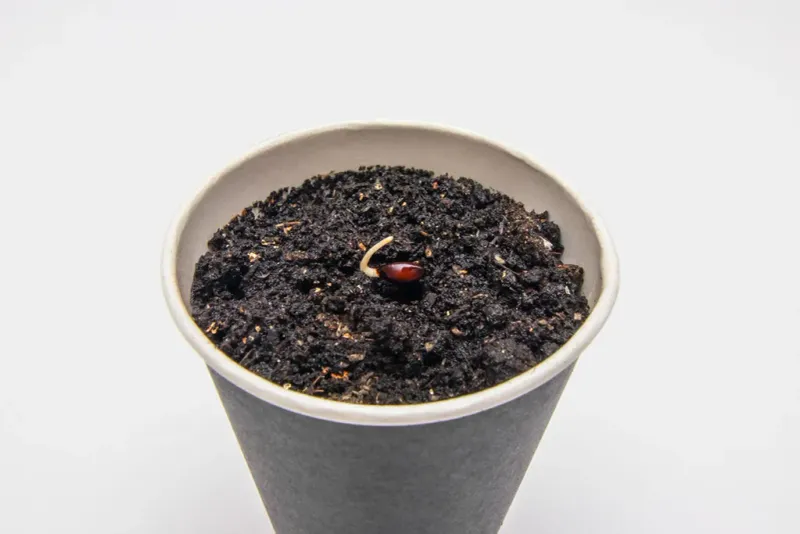
When the radicle appears, handle the seed as gently as possible. The root tip is fragile at this stage and a single rough touch can snap it off or bruise it enough to stall growth.
Use clean fingers or soft tweezers, pick up the seed from the sides rather than gripping the root, and move it to its new container quickly so it does not dry out.
Fill a small pot with well-drained potting mix and make a shallow hole about 3 to 4 centimeters deep. USDA guidance places the seed at that depth with the root tip pointing downward, then covers it gently with soil.
Firm the mix lightly around the seed without compacting it, and water the pot until moisture just begins to drain from the bottom. The goal is consistent moisture, not standing water.
Plain water cannot support this stage. Sustained root growth requires physical support to anchor the developing plant, nutrient availability that water alone does not carry, and adequate oxygen at the root zone.
Stagnant or warm water sitting around newly emerged roots can cause oxygen stress and promote root disease, as both University of Missouri Extension and University of New Hampshire Extension note in their hydroponic guidance. Unless you are running a properly designed hydroponic system with nutrient solution, active oxygenation, and temperature management, soil is the reliable choice.
Keep the potting mix moist but never waterlogged, and place the pot somewhere it will receive good light as the first leaves push through.
Treat the Arizona windowsill as a temporary nursery
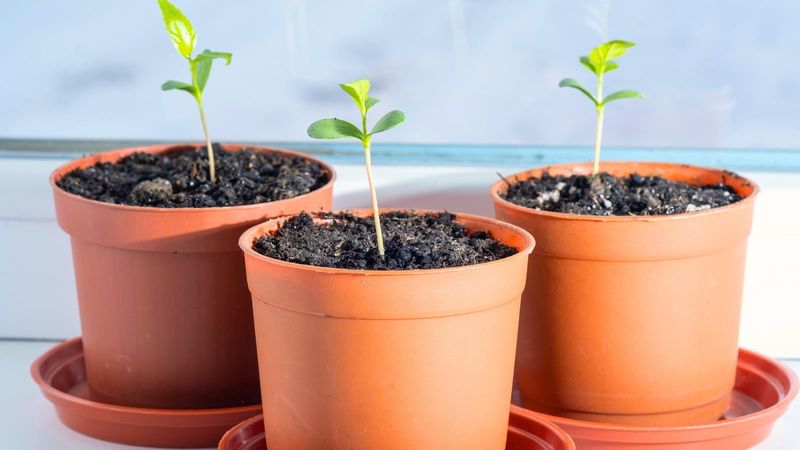
A south- or west-facing windowsill in Arizona gets strong light for part of the day, which makes it a reasonable place to start a seedling through its first few weeks. Position the pot where it receives the most direct sun the window offers, and rotate it every few days so the stem grows straight rather than leaning toward the glass.
Indoor light has limits even in Arizona. On overcast days or in rooms where the window is partially shaded by an overhang or screen, a seedling may not get enough intensity to build sturdy growth.
A pale green color, a thin stretched stem, or leaves that seem to reach hard toward the light are signs the plant needs more. A basic grow light placed close to the seedling for 12 to 14 hours a day can correct this without much expense.
University of Illinois Extension germination resources confirm that adequate light is a separate requirement from water and temperature, and seedlings that are light-starved early tend to stay weak.
Even under ideal windowsill conditions, the plant will outgrow its cup or small pot within a matter of weeks. Apple trees are not permanent houseplants.
As the University of Arizona notes, mature apple trees can reach sizes far beyond what any indoor container allows, and they need root volume, airflow, and outdoor seasonal conditions to develop properly. The windowsill phase is a nursery stage, not a permanent home.
Plan to move the seedling outdoors or into a larger container as soon as it shows steady growth and the outdoor temperatures in your area are suitable.
Winter chill is one of several Arizona fruiting hurdles
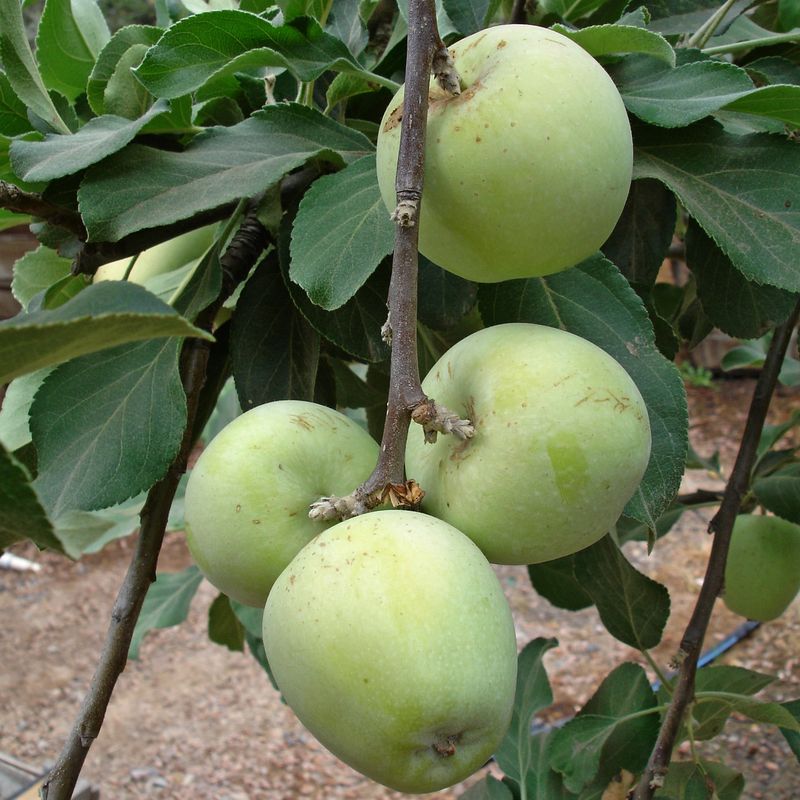
Getting a seed to sprout is the easy part compared to getting a tree to produce fruit in Arizona. The state covers a wide range of climates, and that range matters enormously for apple production.
Low-desert cities like Phoenix and Tucson typically accumulate around 300 to 400 chill hours per winter, measured as hours below 45 degrees Fahrenheit. Many standard apple varieties need 700 to 1,200 or more chill hours to break dormancy and set fruit reliably.
Higher-elevation areas such as Prescott, Flagstaff, and the central Arizona highlands receive significantly more winter cold, which is why apple orchards have historically been concentrated there.
The University of Arizona Cooperative Extension guide to deciduous fruit for the low desert recommends selecting low-chill cultivars for southern Arizona production, because standard varieties often fail to break dormancy completely in warm winters, resulting in weak bloom, poor fruit set, or no crop at all. Low-chill selections bred or evaluated for warm-winter climates give growers a more predictable starting point.
Chill hours are only one piece. Even a tree that breaks dormancy successfully still needs cross-pollination from a compatible nearby apple variety, consistent irrigation during the dry Arizona spring and summer, shade or wind protection from intense heat during fruit development, and enough outdoor space for roots to establish.
A seedling grown from a random supermarket apple has an unknown chilling requirement, so even if you manage every other factor well, the tree may or may not cooperate with your local winter.
A successful sprout does not promise a familiar apple
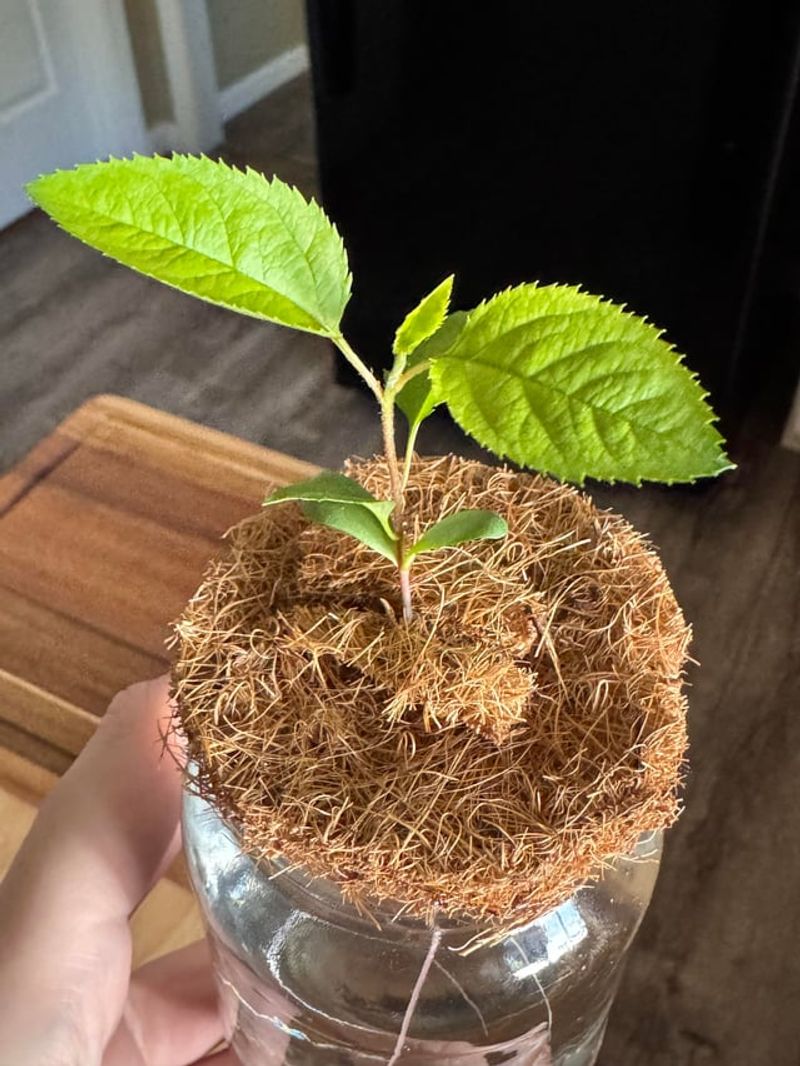
Apple seeds do not produce copies of the tree they came from. Every apple seed is the result of cross-pollination between two parent trees, which means the seedling carries a new and unpredictable combination of genetics.
A seed from a Honeycrisp apple will not grow into a Honeycrisp tree. The fruit it eventually produces, if it produces any, may be smaller, tarter, blander, or just plain different from what you ate.
Fruit quality, ripening time, disease resistance, tree size, and chilling requirement are all up for grabs.
This is why commercial orchards and backyard growers who want a specific variety use grafting rather than seed propagation. A grafted tree is a cutting from a known cultivar joined to a rootstock selected for size control, soil tolerance, or disease resistance.
For the Arizona windowsill experiment, the honest payoff is the process itself. You learn how apple seeds work, practice cold stratification, watch a root emerge, and raise a seedling from something you would otherwise have thrown away.
Whether that seedling ever becomes a fruiting tree depends on years of growth, a suitable outdoor site, pollination, and genetics that may or may not suit your location. University of Arizona guidance places apple bearing age at roughly 3 to 8 years under good conditions, which is a useful reminder that this project is a long-term relationship, not a quick harvest.
The seed-to-seedling journey is genuinely rewarding on its own terms.