These Arizona Outdoor Lighting Mistakes Are Attracting More Insects And Scorpions
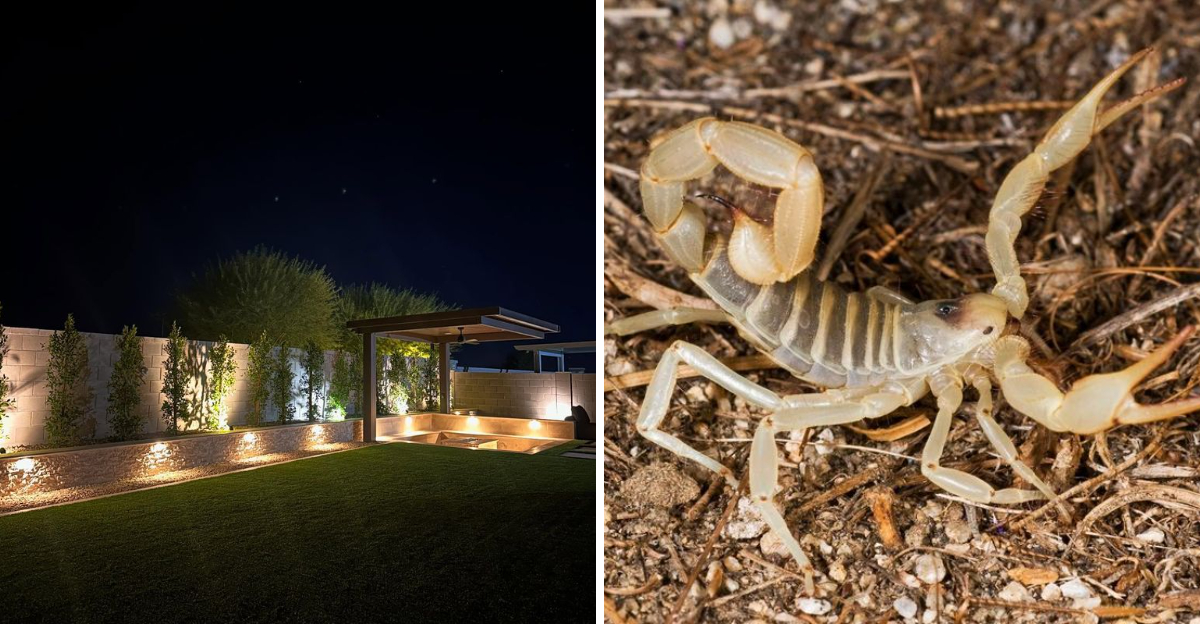
Most people think outdoor lighting is all about making a home look inviting after sunset. A well lit walkway, a bright patio, or a glowing front entrance can make the whole property feel more comfortable.
What many homeowners do not realize is that the same lights can also change what shows up around the yard once the sun goes down.
It is easy to blame summer for seeing more bugs outside, but lighting can play a much bigger role than expected. The type of fixture, where it is placed, and even how long it stays on can influence nighttime activity around your home.
Small choices often have bigger effects than people imagine.
In Arizona, a few common lighting habits may be inviting more insects than necessary. That can also create conditions that make scorpions more likely to stick around.
Knowing what to avoid can make your outdoor spaces much more enjoyable after dark.
1. Bright White Bulbs Draw More Flying Insects
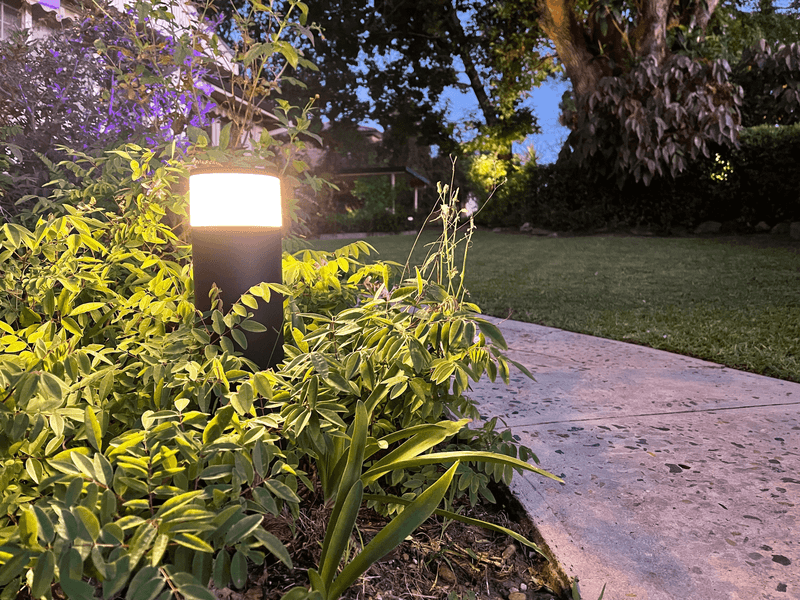
Outdoor lighting can influence how many insects gather around your home after sunset. The color of the light matters more than many people realize, especially during the warmer months when insect activity naturally increases.
Cool white and daylight bulbs emit more blue wavelengths than warm-colored bulbs. Many flying insects, including moths and some beetles, are naturally more attracted to these shorter wavelengths.
As a result, bright white lights often draw larger numbers of insects than warmer lighting options.
An increase in insects can also attract predators looking for an easy food source. Scorpions do not come to the light itself, but they do hunt insects that collect around illuminated areas.
When outdoor lights attract large numbers of insects night after night, they can create a more reliable feeding spot.
Replacing bright white bulbs with warm white or amber LEDs is a simple way to reduce insect activity around entryways, patios, and walkways.
Bulbs with a color temperature between 2200K and 2700K generally produce less blue light, making them less attractive to many flying insects.
This change will not eliminate insects completely, but it can noticeably reduce how many gather around outdoor fixtures.
Combining warmer bulbs with shielded fixtures or motion sensors can further limit unnecessary nighttime insect activity while still providing plenty of light where it is needed.
2. Landscape Lighting Can Create Feeding Areas
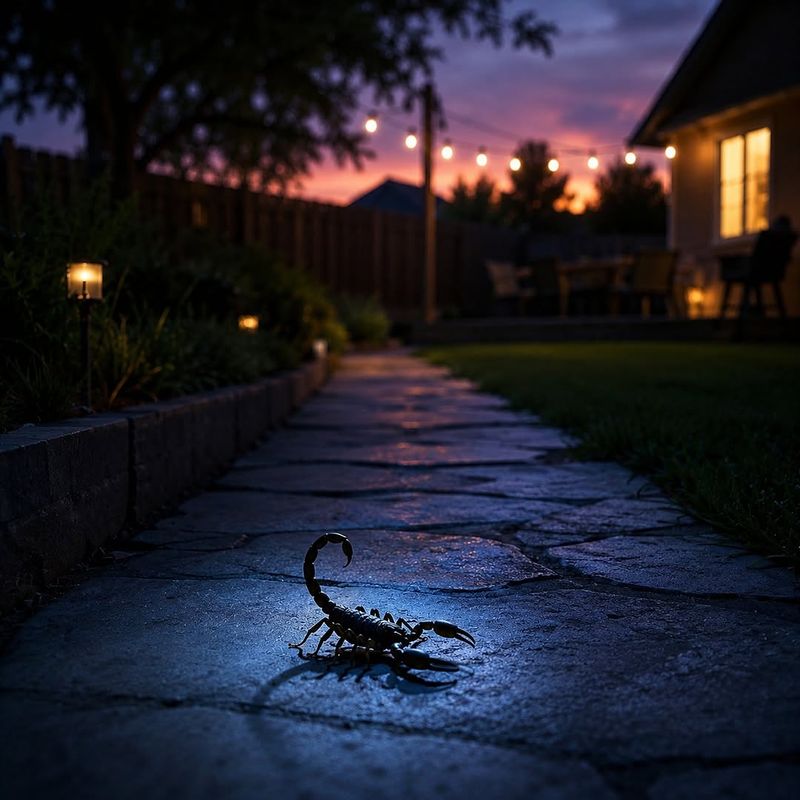
A well-lit yard may look inviting after dark, but it can also change how wildlife uses the space overnight. Lighting placed close to the ground often creates the perfect conditions for insects to stay active in one area instead of moving through.
Path lights and spotlights frequently attract crickets, beetles, cockroaches, and other insects searching for shelter or navigating at night.
Rather than gathering around a single bulb, they spread into nearby gravel, mulch, and planting beds where food and cover are available.
That activity can benefit scorpions. They hunt insects instead of being attracted to light, so locations with a consistent food source are more likely to become regular hunting areas.
Patios, walkways, and landscape edges can see more nighttime movement when insects repeatedly gather nearby.
Your Arizona Garden Changes Every Week. Your Plan Should Too.
Gardening in Arizona changes quickly throughout the season. Every Friday you’ll receive a simple weekly plan showing exactly what to plant, prune, fertilize, harvest, and protect so you never miss the right timing.
Small adjustments to your lighting layout can help reduce the problem. Shielded fixtures direct light onto the path instead of across the surrounding landscape, while timers prevent lights from running long after they are needed.
Using fewer ground lights in low-traffic areas can also limit the amount of space where insects remain active after sunset.
3. Lights Near Doors Bring More Insects Close To Your Home
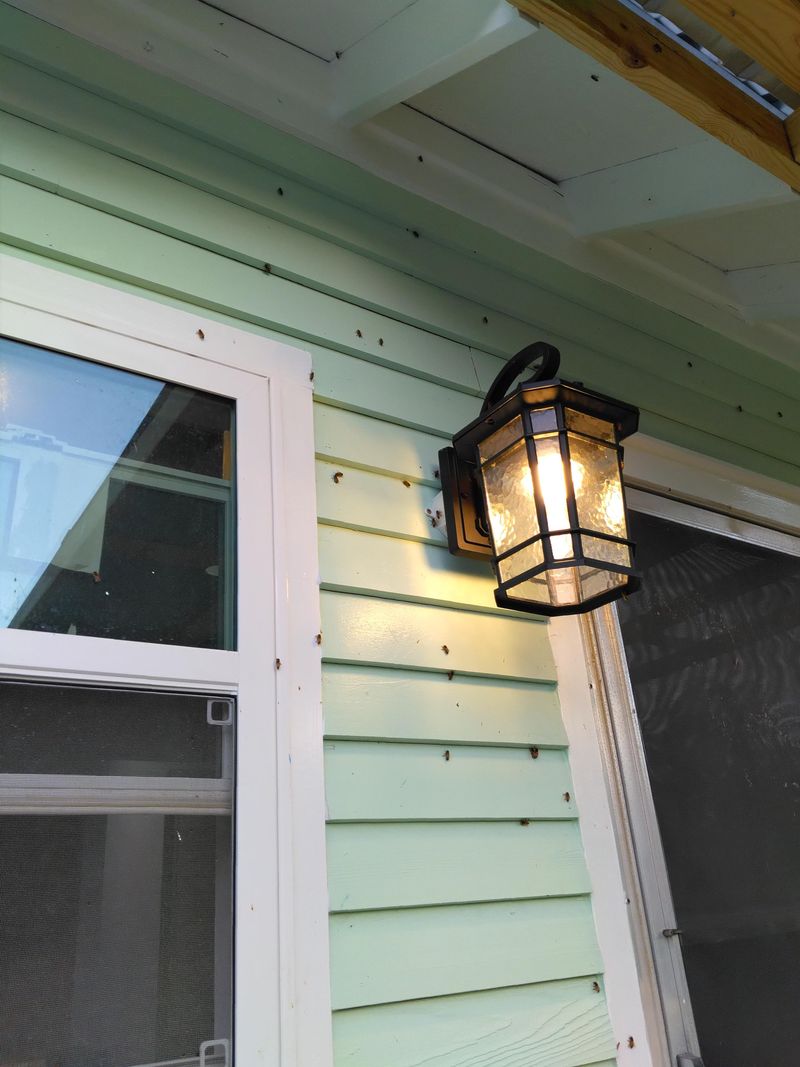
The location of an outdoor light is just as important as the bulb you choose. Fixtures mounted directly beside entry doors tend to concentrate insect activity where people come and go most often.
Many flying insects head toward the brightest light they can detect after sunset. When that light sits only a few inches from a doorway, insects often gather around the entrance instead of elsewhere in the yard.
Opening the door can make it easier for moths, flies, and other insects to end up indoors.
A steady supply of insects may also attract predators that feed on them. Scorpions are commonly found near places where prey is abundant, especially during the evening when they become active.
While the light itself does not attract scorpions, the insects around it can make the surrounding area more appealing.
Moving a fixture farther from the doorway can help reduce insect activity right at the entrance.
Mounting a light several feet away or using fixtures that direct light downward instead of outward can still provide good visibility without concentrating insects beside the door.
If relocating a fixture is not practical, consider using a motion sensor so the light operates only when needed. Shorter lighting periods give insects less time to gather, helping keep entryways more comfortable throughout the night.
4. Unshielded Fixtures Spread Light Farther Than Needed
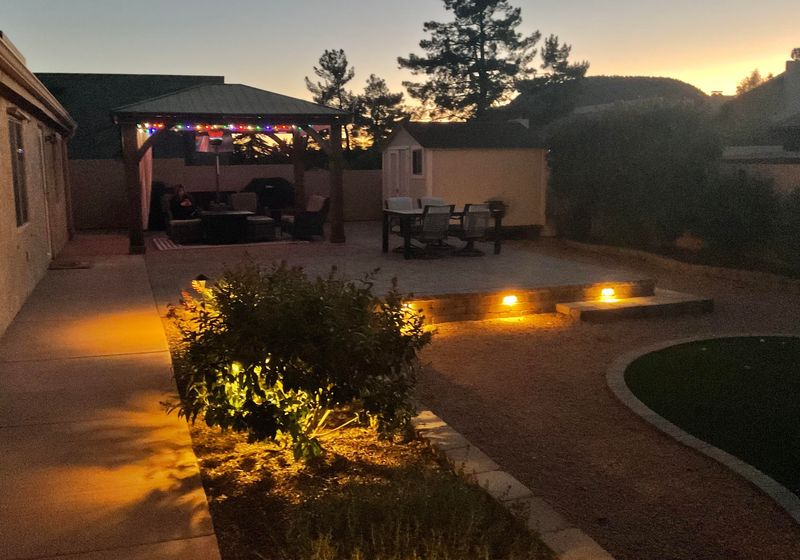
Not all outdoor fixtures direct light in the same way.
Open designs allow light to spread in every direction, illuminating areas that do not need to be lit and increasing the amount of visible light around the property.
This wider light spread makes fixtures easier for flying insects to detect from a distance. Instead of attracting insects only to the immediate area, unshielded lights can draw them from a broader section of the yard.
The result is often more insect activity around patios, walkways, and garden beds.
An increase in insects can also support more nighttime predators. Scorpions search for places where prey is readily available, and areas with frequent insect activity provide better hunting opportunities.
Although they are not attracted to the light itself, they may spend more time where insects regularly gather.
Replacing open fixtures with shielded models helps keep light focused on the ground instead of scattering outward or upward. This reduces unnecessary light pollution while limiting the area that attracts insects after dark.
It is also worth checking older fixtures that use exposed bulbs or globe-style covers.
Modern shielded designs provide plenty of visibility for pathways and entrances while directing light exactly where it is needed instead of broadcasting it across the landscape.
5. Motion Sensors Reduce Hours Of Insect Activity
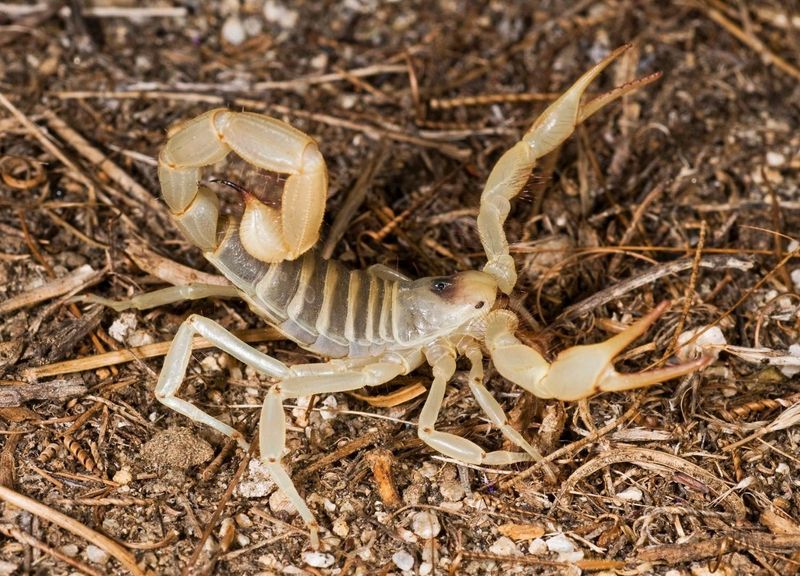
Leaving outdoor lights on from dusk until dawn gives insects hours to gather around the same fixtures. The longer a light stays on, the more time flying insects have to locate and remain near it.
Motion sensors solve that problem by limiting how long lights operate. Instead of shining continuously throughout the night, the lights switch on only when movement is detected and turn off automatically after a short period.
That reduces the amount of time insects spend congregating around entryways, patios, garages, and walkways.
Shorter lighting periods can also make these areas less attractive to predators searching for insects. Scorpions hunt after dark and are more likely to patrol places where prey is consistently available.
Reducing long periods of nighttime lighting may help limit those feeding opportunities.
Most motion sensor fixtures allow you to adjust both the detection range and how long the light remains on. A setting of 30 to 60 seconds is often enough to provide visibility without keeping the area illuminated longer than necessary.
Motion sensors also reduce electricity use because lights operate only when they are needed.
They offer a practical way to improve security while avoiding the constant nighttime lighting that encourages insects to remain around outdoor fixtures.
6. Turn Off Decorative Lights When They Are Not Needed
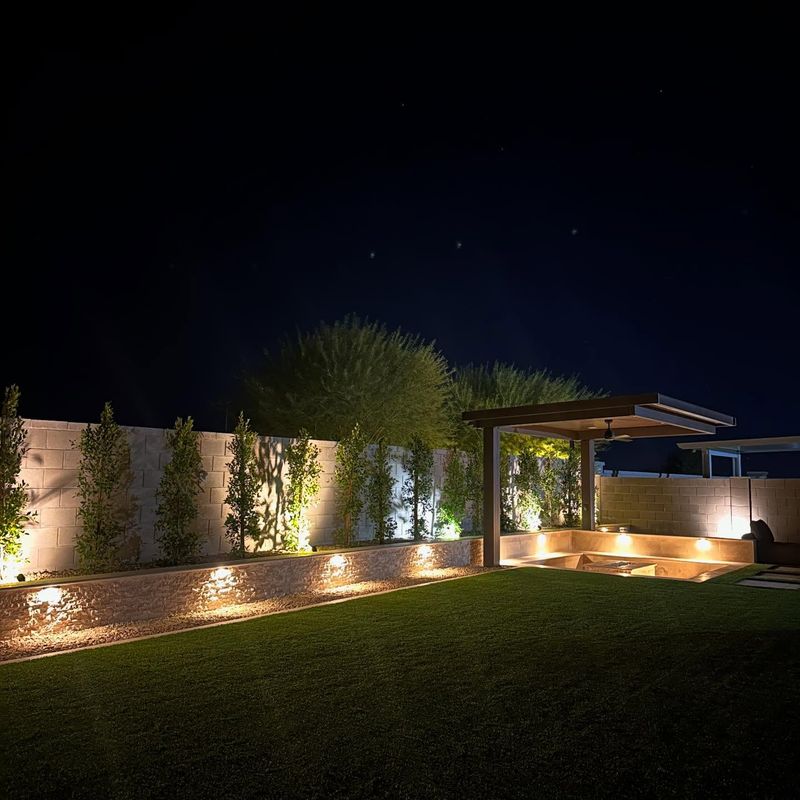
Decorative lighting can make a patio or backyard feel more inviting during the evening, but those fixtures often continue shining long after everyone has gone indoors.
Keeping them on overnight serves little purpose while creating ideal conditions for nighttime insect activity.
String lights, garden accents, and uplights all contribute to the amount of artificial light around a property. The longer these fixtures remain illuminated, the more opportunities insects have to gather nearby.
Over several hours, that activity can extend well beyond the light itself into surrounding planting beds, patios, and walkways.
Putting decorative lights on a timer is an easy way to avoid unnecessary nighttime lighting. Smart plugs can automatically switch lights off at a set time without affecting lights used for safety or security.
This keeps decorative fixtures from operating for hours when no one is outside to enjoy them.
Reducing overnight lighting also lowers electricity use and extends the lifespan of outdoor bulbs.
Turning decorative lights off before bed is a simple habit that helps limit unnecessary insect activity while keeping outdoor spaces comfortable for the times they are actually being used.
7. Keep Outdoor Lighting Focused Only Where You Need It
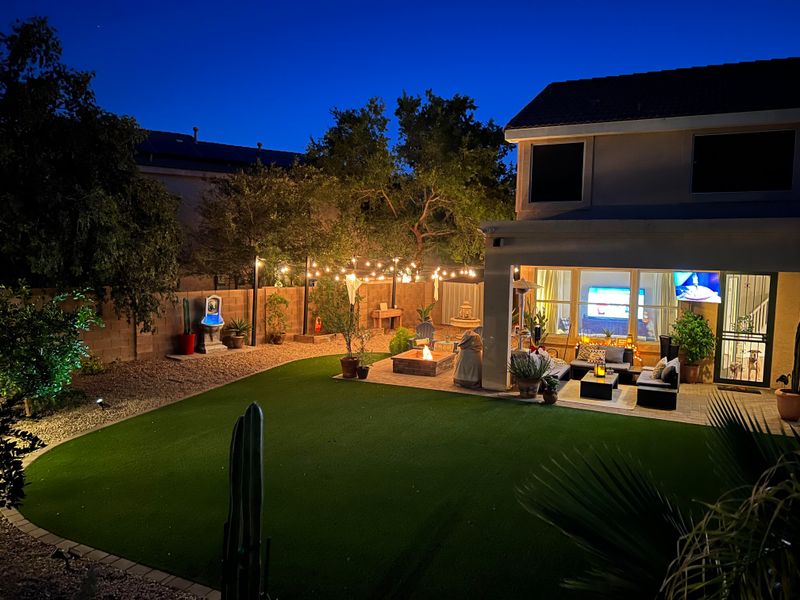
More lighting does not always create a better outdoor space. Illuminating every corner of a yard can increase the amount of artificial light without providing much additional benefit for visibility or safety.
Instead of lighting entire landscapes, focus on areas where light serves a clear purpose.
Entryways, steps, driveways, and frequently used walkways usually need illumination, while shrubs, open gravel areas, and unused sections of the yard often do not.
Reducing unnecessary lighting limits the amount of space where insects gather after dark. Fewer illuminated areas mean fewer places for insects to concentrate, which can also make those locations less attractive to predators searching for food.
Reviewing your outdoor lighting layout every so often can help identify fixtures that no longer serve a useful purpose.
Removing or relocating unnecessary lights creates a cleaner lighting design while reducing excess nighttime illumination around the property.