Arizona Is Losing 30% Of Its Colorado River Water And Here’s What It Means For Your Yard
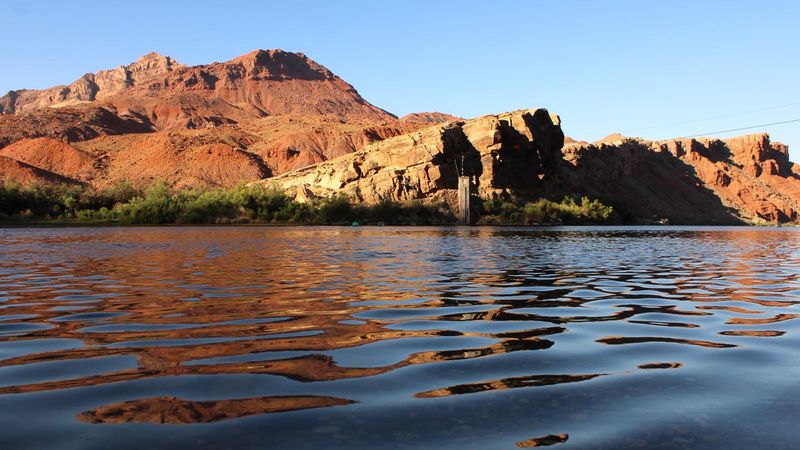
Headlines about Arizona losing 30% of its Colorado River water can sound like your sprinklers are about to be switched off. The real story is more specific, and it starts with how the number is figured.
Arizona’s proposed share of the cut is large, but it is a state allocation figure, not a rule for your yard. Here is what the numbers mean and how to water your plants wisely while you wait for local guidance.
What the proposed reduction measures
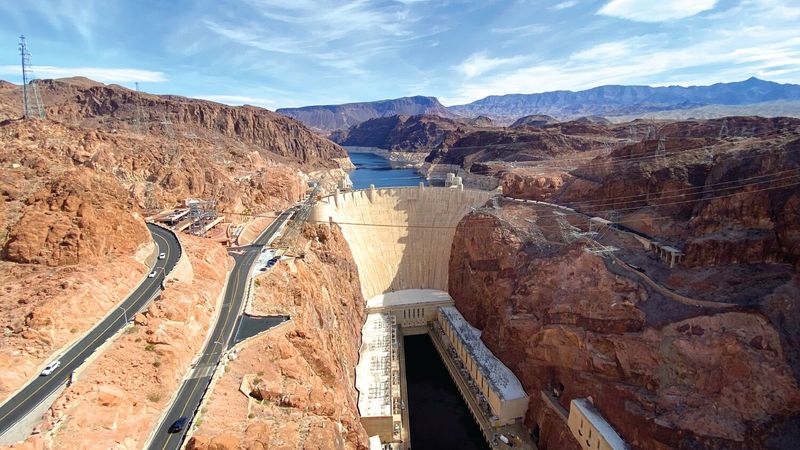
Federal operating guidelines call for 1.25 million acre-feet less water for the Lower Basin states in each of 2027 and 2028. Reclamation’s announcement puts Arizona’s share at 760,000 acre-feet per year, but only if the states implement their proposed sharing agreement.
To read that number correctly, you need the denominator. Arizona’s annual Colorado River apportionment is 2.8 million acre-feet, so 760,000 acre-feet is about 27%.
Rounding to “about 30%” only works when you say what it is a share of.
You may also remember the 2024 shortage described as about 30%. That figure used the Central Arizona Project’s normal supply as its base, and the state and CAP FAQs show it was about 18% of Arizona’s river supply.
Neither number describes a uniform cut to any household.
The guidelines cover 2027 and 2028
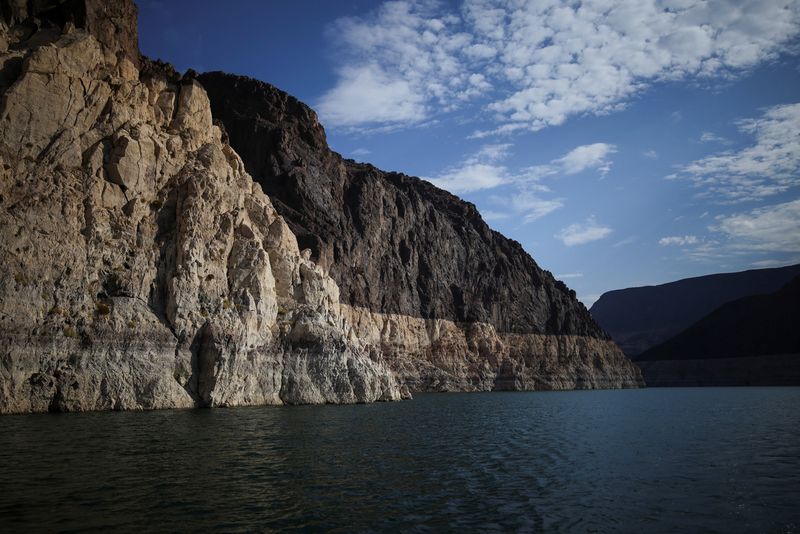
The current guidelines apply to two years, 2027 and 2028. They sit inside a longer decision process, so they do not tell us that the same Arizona reduction will carry on in later years.
The Lower Basin reduction is 1.25 million acre-feet per year. Arizona’s 760,000 acre-feet is its proposed portion, and it depends on the states putting their sharing agreement into practice.
There is also a second piece. Federal guidelines call for at least 700,000 acre-feet of additional voluntary conservation and storage across the Lower Basin over the two years, as laid out in the Bureau of Reclamation release.
That is a separate effort from the annual reductions.
Planning for a two-year window is a calmer way to think about your yard than guessing at a permanent change.
Your water provider shapes the household impact
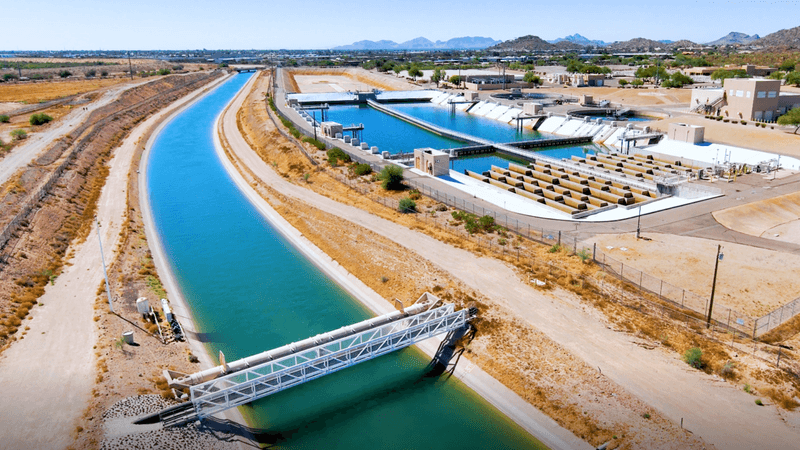
Cities do not all get water the same way. Phoenix reports that about 40% of its drinking water comes from the Colorado River, with most of the rest from the Salt and Verde rivers.
A cut to the state’s river allocation therefore lands differently on each utility. Phoenix says the federal decision does not immediately interrupt service or require mandatory customer restrictions, as described in its response to the decision.
Mesa tells a similar story. Its decision does not automatically impose new restrictions, and its current stage asks for voluntary conservation, according to Mesa’s water reliability page.
Those are current statements. Local drought measures could change later, so your own provider is the source that counts for your tap.
Outdoor water use is a practical place to focus
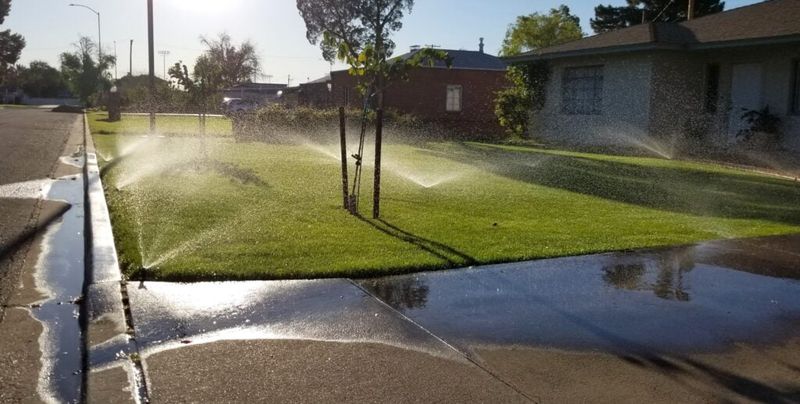
Arizona estimates that outdoor uses can account for up to 70% of residential water use, according to state conservation resources. That is an upper figure, and your own share could be much lower if you have a small yard or mostly desert plantings.
Your Arizona Garden Changes Every Week. Your Plan Should Too.
Gardening in Arizona changes quickly throughout the season. Every Friday you’ll receive a simple weekly plan showing exactly what to plant, prune, fertilize, harvest, and protect so you never miss the right timing.
Still, the yard is where many homes have room to improve. A leaking emitter, a sprinkler hitting the sidewalk, or a timer left on a summer schedule in October can waste water without anyone noticing.
Think of efficiency as a habit, not a quota. Nobody has been handed a 30% target for their landscape, so the goal is to make each gallon reach the plants that need it.
Water established desert plants deeply and deliberately
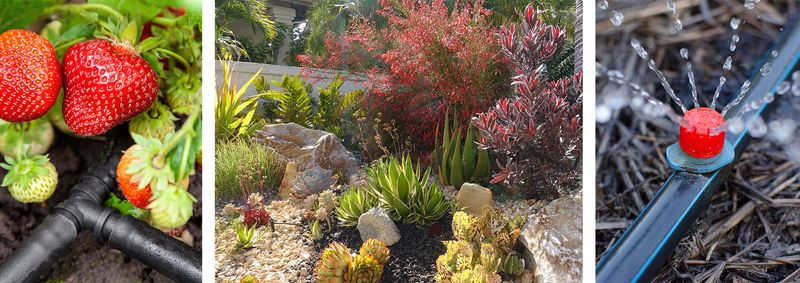
For established desert-adapted plants, the aim is a slow, deep soak that reaches the root zone. Then let the soil dry somewhat before the next watering.
Frequent light sprinkling keeps moisture shallow and tends to encourage shallow roots.
University of Arizona Cooperative Extension covers how plants respond to heat and drought in its guidance on landscape maintenance.
No single schedule fits every yard. Clay and caliche hold water differently than sandy soil, a south-facing wall adds heat, and a monsoon storm can reset your timer for a week.
A simple check helps: push a screwdriver or probe into the soil near the drip line. If it slides in easily and comes out damp, wait.
If it stops short and feels dry, it is time to water slowly.
New plantings and established trees need different care
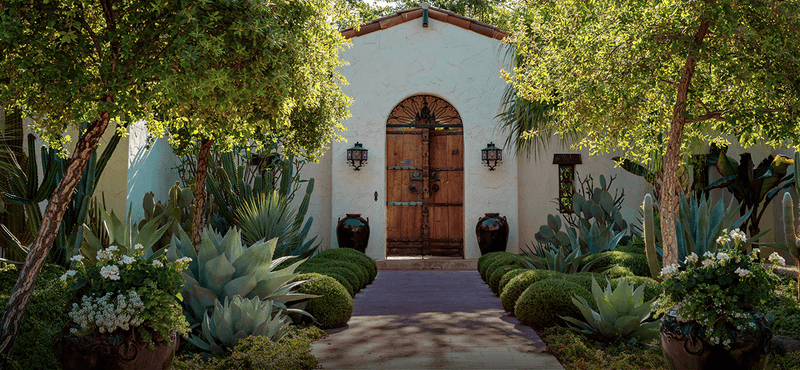
A newly planted penstemon, agave, or desert willow has a small root system and needs water more often while it settles in. “Native” does not mean “never needs water,” and some plants need extra help later, especially in tough urban spots, as noted in Extension’s landscape practices.
Established trees and shrubs have the opposite risk. If their root zones are neglected during heat and shortage, they can be harmed, so they come first when you are deciding where water should go.
That is why shutting off irrigation all at once is poor advice. Trim back gradually, watch leaf color and new growth, and adjust one zone at a time.
Newer plants and older trees rarely belong on the same timer setting.
Check local guidance before changing your routine
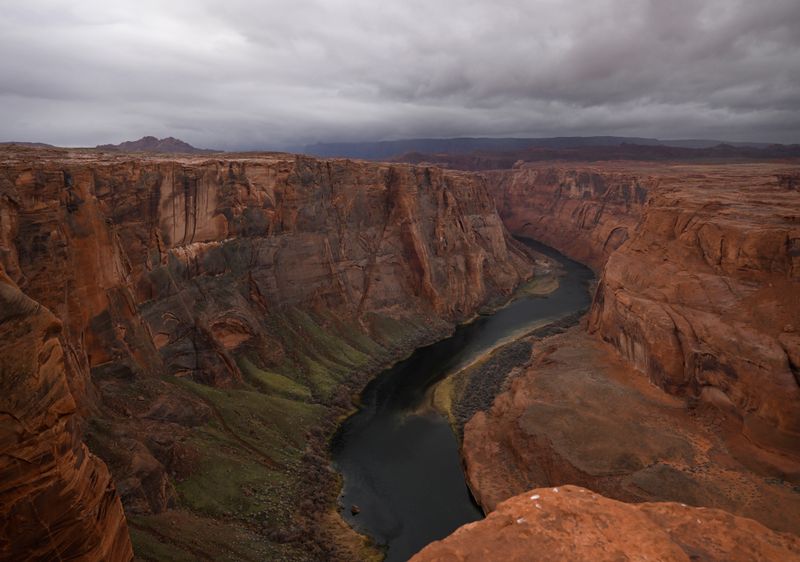
Start with your own water provider’s current stage and any posted tips. Phoenix and Mesa both explain their situations on their sites, such as Phoenix’s water news page, and other utilities do the same.
Then make small changes based on what your plants and soil show you: fix leaks, water deeply, and give new plants extra attention.
A statewide number is not a watering quota for your property. Your yard will tell you more than a headline will.