September Is Too Early To Cover Citrus In Florida But Not Too Early To Prepare For Cold
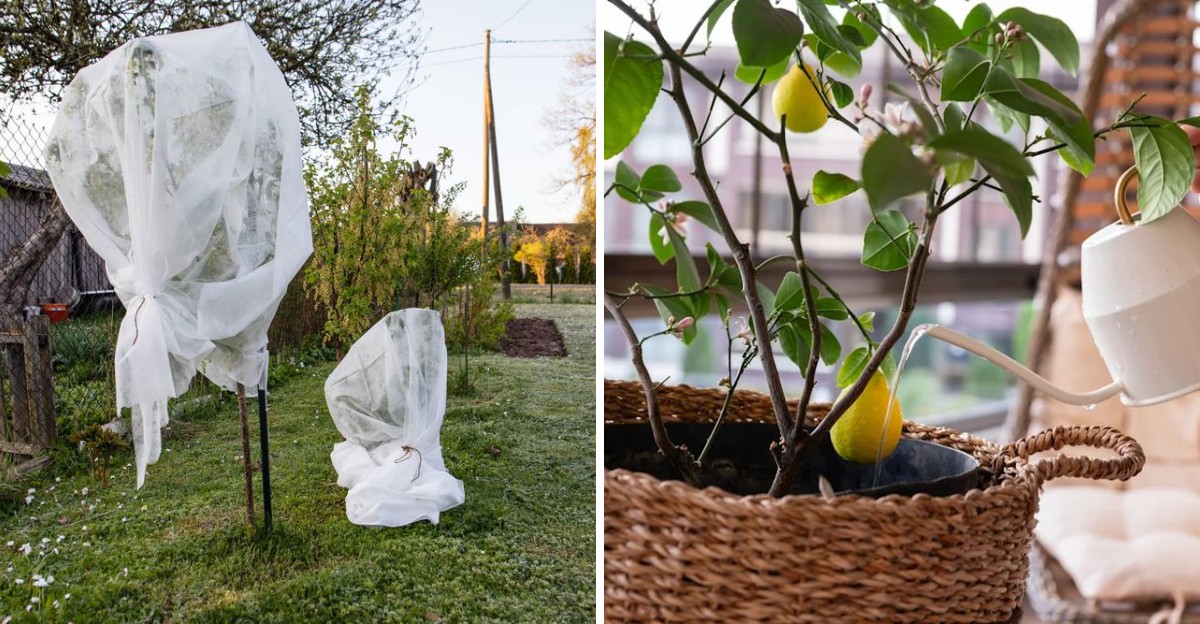
September in Florida feels about as far from winter as you can get. The heat is thick, the humidity is relentless, and the citrus trees are sitting there loaded with green fruit like frost is somebody else’s problem.
But winters have a talent for arriving faster than anyone expects, and the growers who are quietly preparing right now are the ones who end up smiling in January while everyone else is scrambling.
Think of fall citrus prep the way you think about packing an umbrella before the clouds show up.
You are not covering trees yet or doing anything dramatic, you are simply setting the stage so your trees have the best possible shot when the cold actually arrives.
A few practical moves made in September can make a genuinely noticeable difference between a tree that handles winter well and one that spends spring trying to catch up.
1. Why September In Florida Is Too Early To Cover Citrus Trees
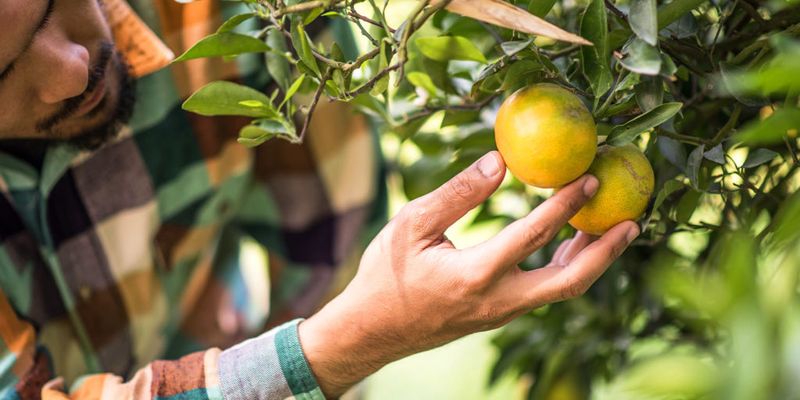
September in Florida rarely feels like the season to think about frost protection, which is exactly why covering citrus trees too early can be an unnecessary step.
Covering citrus in September is generally not needed, and it may create more problems than benefits if covers are left in place during warm weather.
Leaving covers on during warm weather can create unfavorable conditions by reducing airflow and overheating plant tissue. The tree needs airflow and sunlight to continue normal growth and fruit development before winter arrives.
Temporary coverings are most useful when cold weather is actually expected, not as a routine fall practice weeks or months ahead of a freeze.
Using covers only when needed also allows homeowners to respond to actual weather forecasts rather than relying on early-season protection that may not provide any benefit.
Florida’s cold risk is mostly concentrated from December through February. September temperatures in the state rarely threaten citrus, even on the coolest nights.
Citrus trees can experience some natural adjustment as temperatures gradually cool, but this process does not mean the tree should be covered early.
Waiting until there is a real cold-weather concern allows homeowners to use protection when it provides the most benefit.
2. Understanding Cold Acclimation For Citrus In Fall
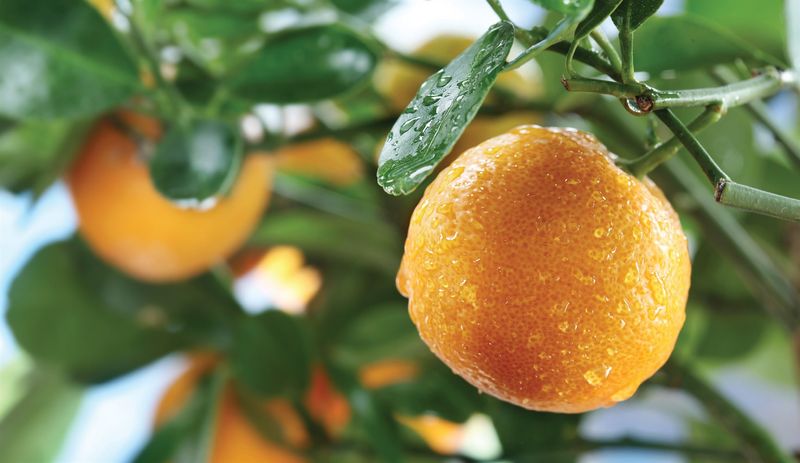
Cold acclimation is the natural process where citrus trees can become somewhat more tolerant of cooler temperatures as the season changes.
As Florida moves from late summer into fall, gradually cooler conditions may help citrus adjust to seasonal temperature shifts, although this response is limited and does not make trees resistant to freezing temperatures.
Citrus trees are still considered cold-sensitive plants, and protection may be needed when temperatures approach damaging levels.
Covering a tree too early in the season is generally unnecessary because frost protection is most useful during actual cold events rather than as a routine fall practice.
Temporary coverings used during freeze warnings can help reduce cold injury, but leaving trees covered for extended periods during warm weather may interfere with normal growth conditions by limiting light and airflow.
Your Florida Garden Changes Every Week. Your Plan Should Too.
Gardening in Florida changes quickly throughout the season. Every Friday you’ll receive a simple weekly plan showing exactly what to plant, prune, fertilize, harvest, and protect so you never miss the right timing.
You can support overall cold readiness by maintaining balanced nutrition and avoiding excessive nitrogen applications late in the season.
High-nitrogen fertilizer can encourage tender new growth, which is often more vulnerable to cold injury than mature leaves and stems.
Keeping the tree healthy through proper watering, nutrition, and pest management gives it a stronger foundation before winter arrives.
In Florida, preparation is less about forcing citrus trees to become cold hardy and more about helping them enter the cooler months in good condition.
When a freeze is forecast, timely protection methods are usually more important than trying to prepare months in advance.
3. Fertilizing Citrus The Right Way Before Winter Cold
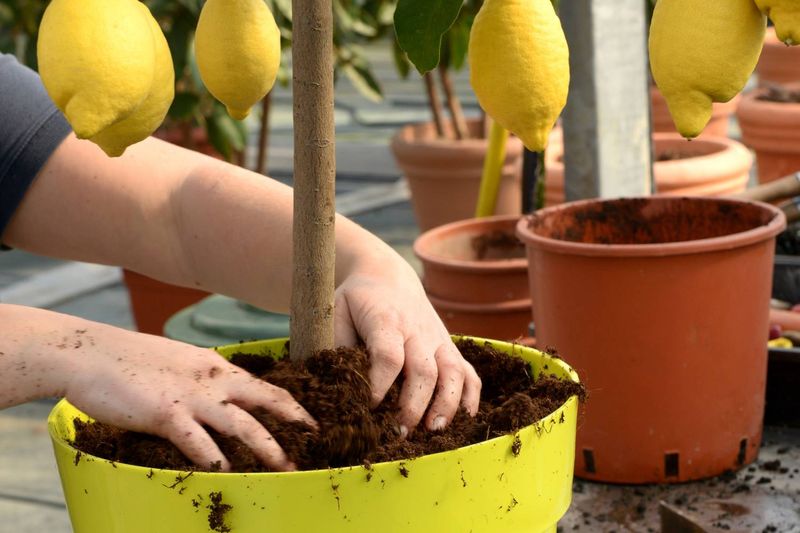
Timing fertilizer applications is an important part of preparing citrus trees for changing seasons.
Applying too much nitrogen late in the growing season can encourage a flush of tender new growth, and this fresh growth is often more vulnerable to cold injury than mature leaves and stems.
There is no single fertilizer cutoff date that applies to every citrus tree in Florida. The right timing depends on factors such as the tree’s age, location, soil conditions, and overall health.
Potassium plays an important role in plant functions and overall stress tolerance, but adding extra potassium does not automatically make a citrus tree more cold hardy unless the nutrient is actually needed.
If your citrus tree needs fertilization, choose a product that matches the tree’s requirements rather than focusing on a specific nutrient without testing or guidance.
Slow-release fertilizers can be useful because they provide nutrients gradually, but they should still be applied according to label directions and the needs of the tree.
A soil test can help determine whether additional nutrients are necessary before applying fertilizer.
Avoiding excessive late-season nitrogen, maintaining proper watering, and keeping the tree healthy through fall can help prepare it for winter conditions.
Checking the fertilizer label and following recommended rates for the size and age of your citrus tree can prevent unnecessary applications and support better long-term growth.
Two additional factors, such as recent rainfall and the tree’s current growth rate, can also influence whether fertilization is needed before colder weather arrives.
4. Watering Citrus Trees Wisely As Fall Approaches Cold
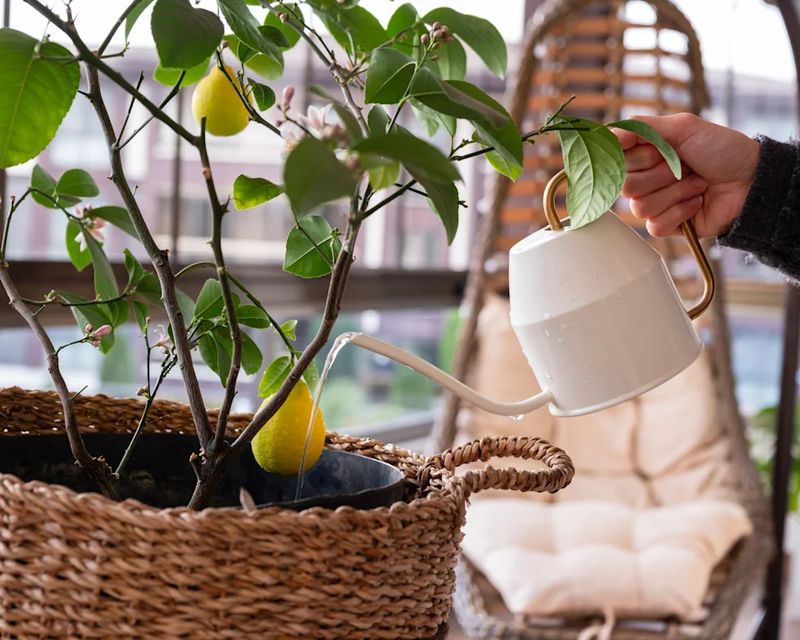
Water management in fall is a balancing act that many homeowners overlook until it is too late. Too much water can create poorly drained conditions that stress citrus roots, while too little water can leave the tree less prepared to handle cold weather.
Maintaining consistent moisture is important because drought-stressed citrus trees may be more vulnerable to environmental stress during winter.
A good approach for Florida fall watering is to adjust irrigation based on rainfall, soil conditions, and the tree’s actual needs rather than following a strict schedule.
Avoid intentionally letting the soil dry out to stress the tree, since water stress does not reliably improve cold tolerance and may make the plant more vulnerable.
Instead, aim to keep the root zone adequately hydrated while preventing prolonged periods of saturated soil.
However, one useful cold-weather preparation step is making sure the soil is moist before a freeze is expected. Well-hydrated soil can absorb and release heat more effectively than dry soil, which may provide some protection to the root zone during a cold night.
Watering before a freeze should be done when needed and when soil conditions allow, not as a replacement for other cold protection measures.
Checking rainfall amounts and inspecting the soil before irrigating can help citrus trees enter winter with a healthier balance.
Proper moisture management also supports root function throughout the year, not just during cold events.
5. Mulching Citrus Roots Before Cold Weather Arrives
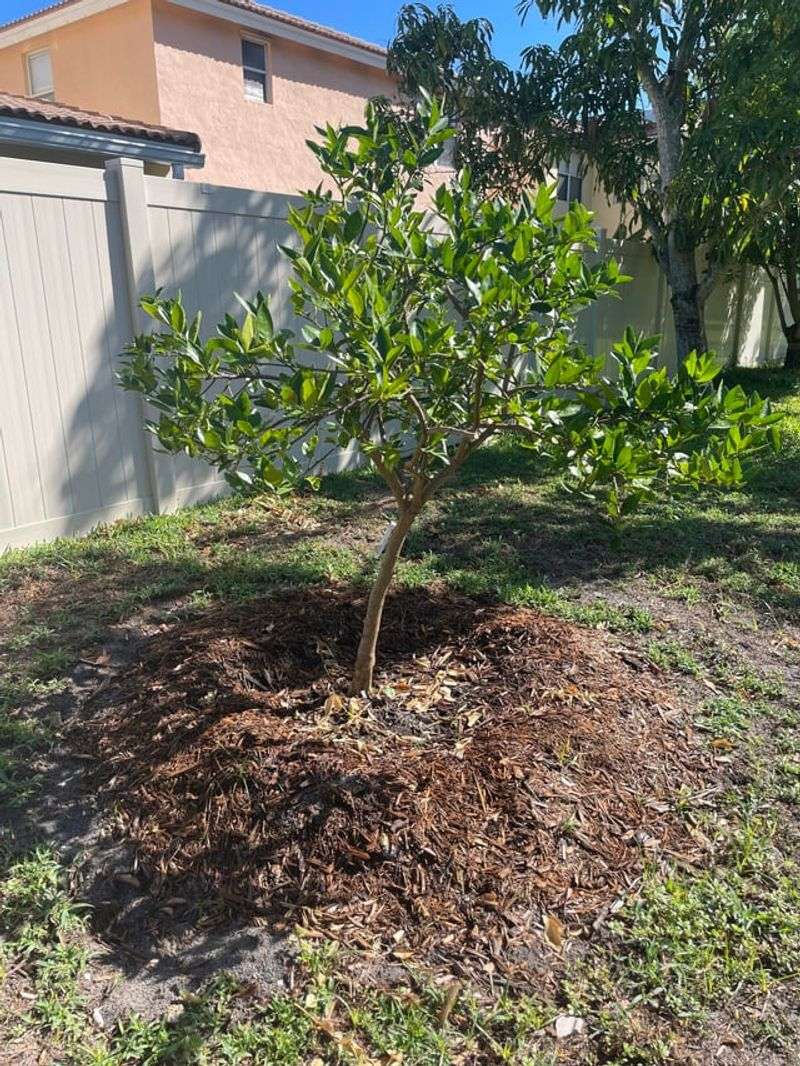
Mulch is one of those unassuming garden tools that quietly does a big job. Around citrus trees, a good layer acts like a cozy blanket for the root system, helping regulate soil temperature when cold fronts push through in winter.
September is the perfect time to refresh or add mulch around your citrus trees before the cold season begins. Aim for a layer about three to four inches thick, spread out to the drip line of the tree.
Keep the mulch a few inches away from the trunk itself to prevent moisture buildup against the bark, which can invite rot and disease.
A mulch layer also helps protect shallow citrus roots from temperature swings, which can be especially helpful in Florida landscapes where sandy soils may warm and cool quickly.
Wood chips, pine bark, and straw are all popular choices among citrus growers. Beyond temperature regulation, mulch also helps retain soil moisture, suppresses weeds, and slowly breaks down to improve soil structure over time.
It is one of the simplest and most cost-effective steps you can take in fall to give your citrus trees a stronger foundation heading into the cold season.
6. Inspecting Florida Citrus Trees For Pests Before Cold Season
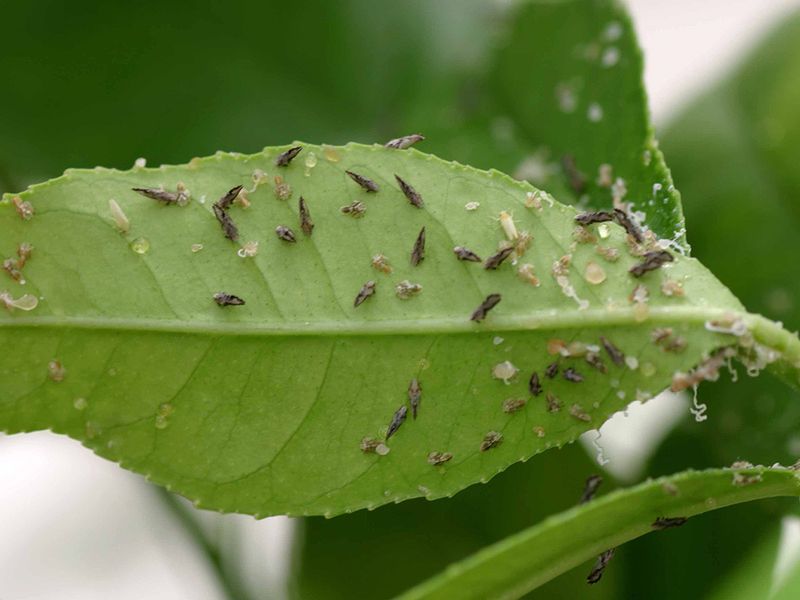
Fall is a sneaky time for pests. The heat of summer starts to ease just enough that certain insects and mites get a second wind, moving into citrus trees right as you are trying to get them ready for winter.
Catching these unwanted visitors in September gives you time to address them before cold weather complicates things.
Regular inspections are especially useful for citrus trees because early signs of pest activity can be easier to manage before populations increase or visible damage becomes more widespread.
Asian citrus psyllid is one pest worth watching carefully across Florida. This tiny insect spreads a serious citrus disease, so spotting it early matters.
Check the new growth tips for small, waxy, tubular deposits that look like little white curls. Those are a telltale sign of psyllid activity on your tree.
Spider mites, scale insects, and citrus leafminers are also common fall visitors in the state. A thorough inspection of both the tops and undersides of leaves can reveal a lot.
If you spot a problem, address it with an appropriate horticultural oil or targeted treatment before temperatures drop, since cold weather can limit the effectiveness of some pest control options.
7. Gathering Florida Cold Protection Supplies Before Winter Cold Hits
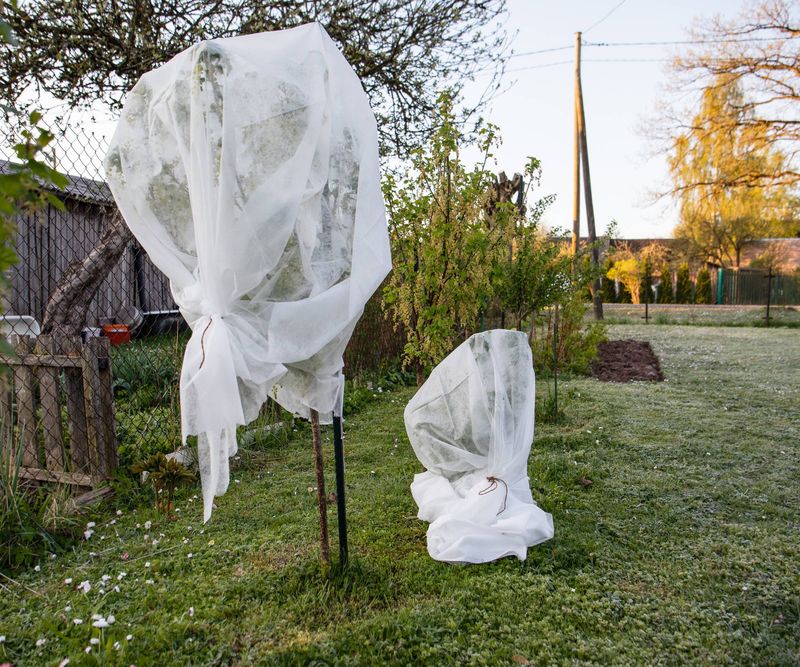
There is something deeply satisfying about having your cold protection gear ready and waiting before the first freeze warning ever pops up on your phone.
Florida winters can be unpredictable, and when a hard cold front rolls in, it sometimes gives only a day or two of notice.
September is a useful time to take stock of what you have and replace anything that is worn out or missing. Frost cloth or other breathable coverings are commonly used by homeowners to protect smaller citrus trees during freeze events.
Choose a covering large enough to reach close to the ground and provide good coverage without leaving exposed areas.
A frame or support system can be helpful for larger trees or situations where homeowners want to make installation easier, but frost protection does not require keeping the fabric completely separated from every leaf.
In many cases, properly placed covers can rest on foliage while helping trap heat from the soil around the plant.
The most important factors are using an appropriate covering, securing it from wind, and removing it when freezing conditions have passed so the tree can return to normal light and airflow conditions.
Some growers use outdoor incandescent lights under coverings as an added heat source during freezes, but this method requires careful attention to electrical safety and equipment ratings.
Modern LED lights generally do not provide the same amount of heat.
For many homeowners, having the right covering materials ready before a freeze is the simplest and most practical preparation step.
8. Choosing Cold Hardy Citrus Varieties For Florida Home Gardens
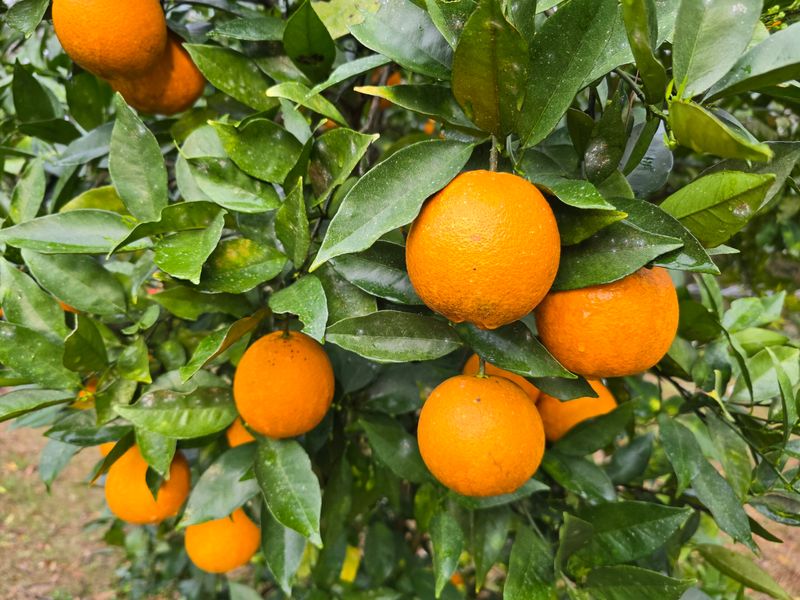
Not all citrus trees shiver equally in the cold. If you are in a spot prone to hard freezes, the variety you grow matters enormously.
September is a great time to think about adding a cold-hardier variety to your yard while nurseries still have good selection before the holiday rush.
Satsuma mandarins are a favorite across north and central parts of the state because they ripen early and handle cold better than most sweet oranges.
Kumquats are genuinely impressive in cold tolerance, often shrugging off temperatures that would damage other citrus.
Trifoliate orange rootstock also boosts cold hardiness in grafted trees, so ask your local nursery about rootstock options when you shop.
Choosing a citrus variety suited to your specific region can reduce the risk of cold injury, since winter temperatures and freeze frequency can vary significantly across Florida.
Meyer lemons are another popular choice for home gardens, offering decent cold tolerance and fruit that is wonderfully versatile in the kitchen.
If you plant a new tree in September, it will have several months to settle in before cold weather tests it. Give new trees a sheltered spot near a south-facing wall or fence for an extra layer of protection during the coldest nights.