Your New York Tomatoes Should Be Ripening By Now, Here’s Why They Aren’t
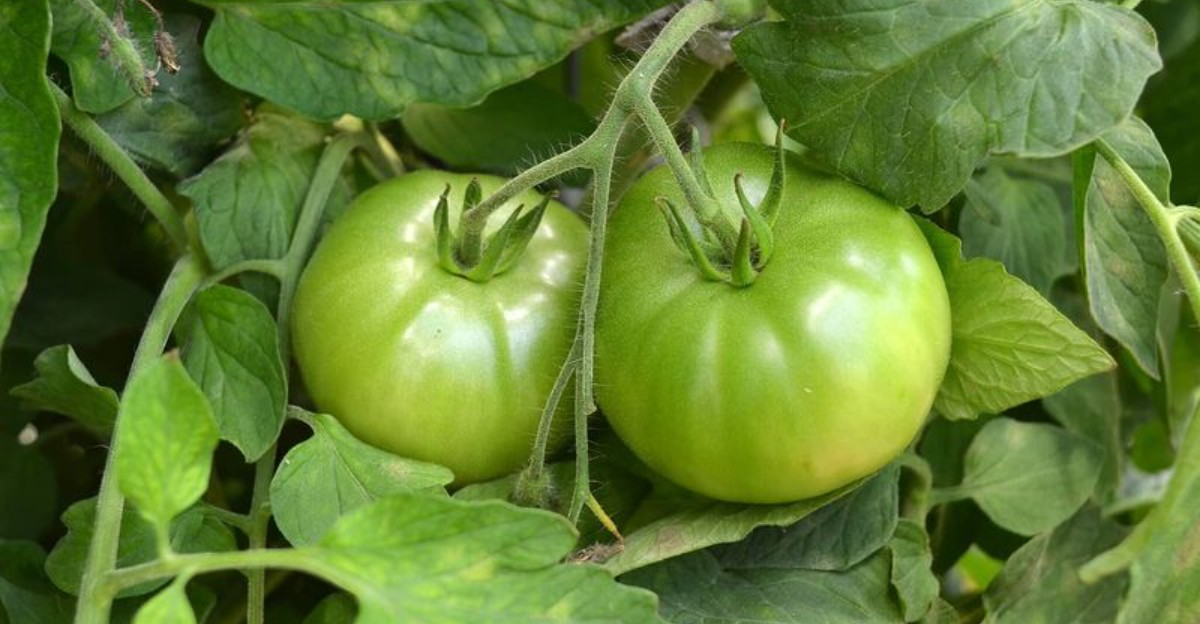
You check your tomato plants every day, waiting for that first perfect red fruit, but the vines are still covered in green tomatoes. It can feel like the season is slipping away, but there is usually a reason those tomatoes are taking their time.
In New York, late summer conditions can create the perfect recipe for slow ripening. Hot spells, cooler nights, plant stress, and the way you care for your garden can all affect how quickly tomatoes change color.
Green tomatoes in September are not always a lost cause. Knowing what is slowing them down can help you make small changes and give your remaining fruit a better chance to ripen before the season ends.
The Heat Is Holding Your Tomatoes Back
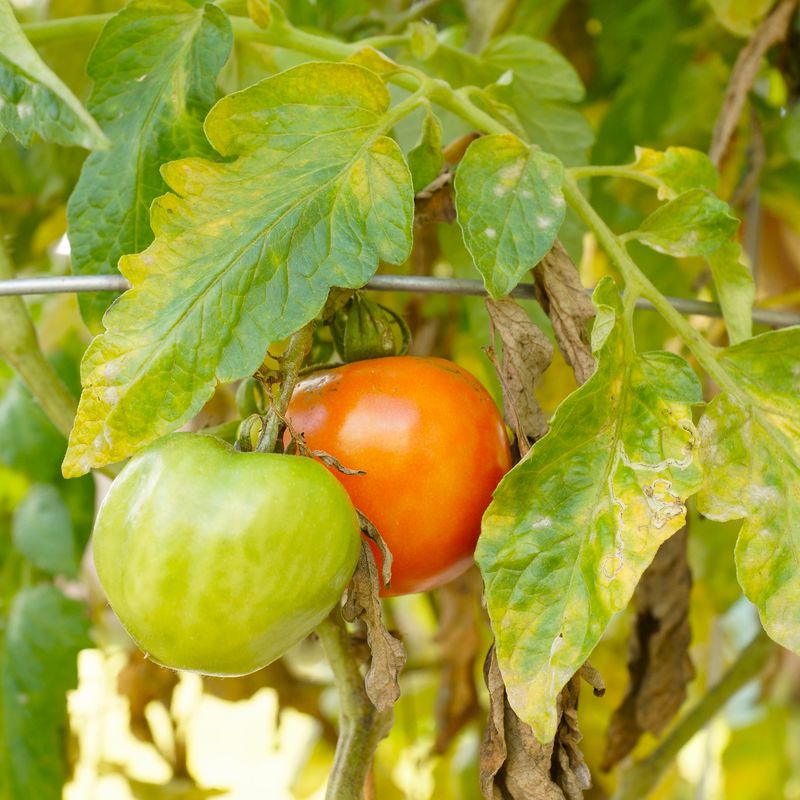
Blame the sun. When New York gets stuck in a stretch of 90-degree afternoons, your tomatoes basically hit the pause button on turning red.
Tomatoes ripen best in moderate warmth. When temperatures stay above the mid-80s, especially for long periods, lycopene production can slow and delay the red color change.
That means your fruit can hang there looking green or even a strange yellowish-orange for days on end.
Extreme heat does more than just slow color. It can shrink your fruit, cause blossom end rot, and leave a tough white core inside.
Extended periods of extreme heat can interfere with flowering and fruit set, making it harder for plants to produce new tomatoes during the hottest stretches of summer.
Here is a smart move when a heat wave rolls through the region. If your tomatoes are already showing a little color, go ahead and pick them, then let them finish ripening indoors at room temperature, around 70 to 75 degrees.
They will color up nicely on your kitchen counter without the stress of the outdoor oven.
You can also give plants a hand outside by using shade cloth during the hottest part of the day and keeping the soil evenly moist. A little relief from the blazing sun goes a long way toward getting those tomatoes moving again.
Too Much Fertilizer Is Keeping Tomatoes Green
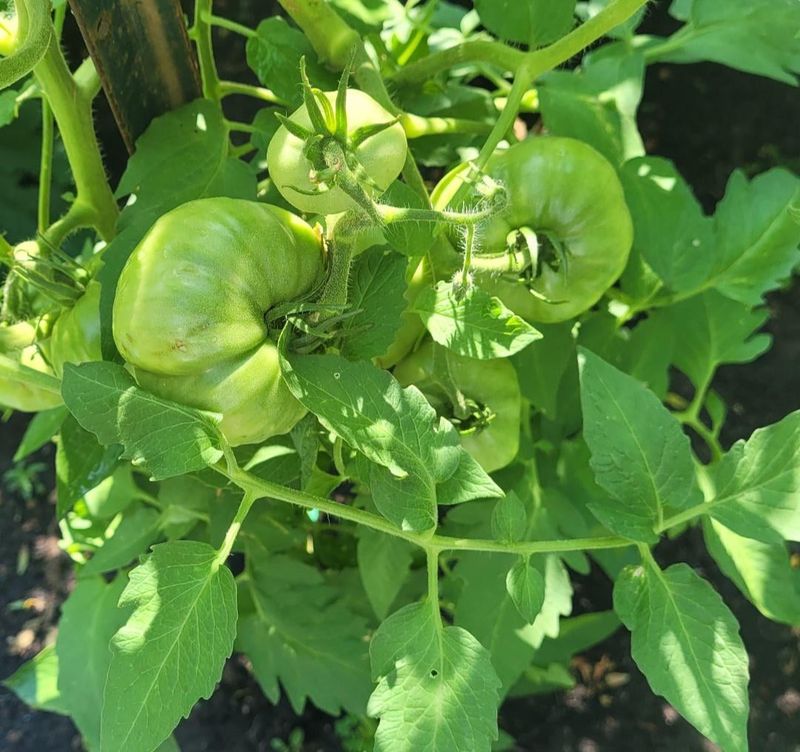
Sometimes we love our plants a little too much. If you have been feeding your tomatoes generously and now have a giant bushy plant with barely any red fruit, your fertilizer might be the culprit.
Nitrogen is the nutrient that pushes leafy green growth. Too much of it tells the plant to keep pumping out foliage instead of flowers and fruit.
So while your tomato plant looks like a healthy green monster, all that energy is going into leaves rather than ripening tomatoes.
Watch for the warning signs. Dark green, twisted, or curled leaves along with lots of vines but very few tomatoes usually point to a nitrogen overload.
Early in the season, a balanced fertilizer helps young plants get established. Once plants begin producing fruit, avoid excess nitrogen that encourages leafy growth.
Maintaining balanced nutrition helps plants support healthy fruit development. A balanced tomato fertilizer can support fruit production, but the best choice depends on your soil and existing nutrient levels.
Your New York Garden Changes Every Week. Your Plan Should Too.
Gardening in New York changes quickly throughout the season. Every Friday you’ll receive a simple weekly plan showing exactly what to plant, prune, fertilize, harvest, and protect so you never miss the right timing.
Over-fertilizing can also invite pests, cause blossom end rot, and build up salts that harm the roots. To fix it, cut back on the nitrogen, water deeply to flush the soil, and switch to a bloom-boosting formula.
Think of it like redirecting traffic. Once you stop feeding the leaves and start feeding the fruit, your tomatoes can finally focus on turning red instead of just growing bigger and greener.
Your Tomato Variety Might Just Be A Late Bloomer
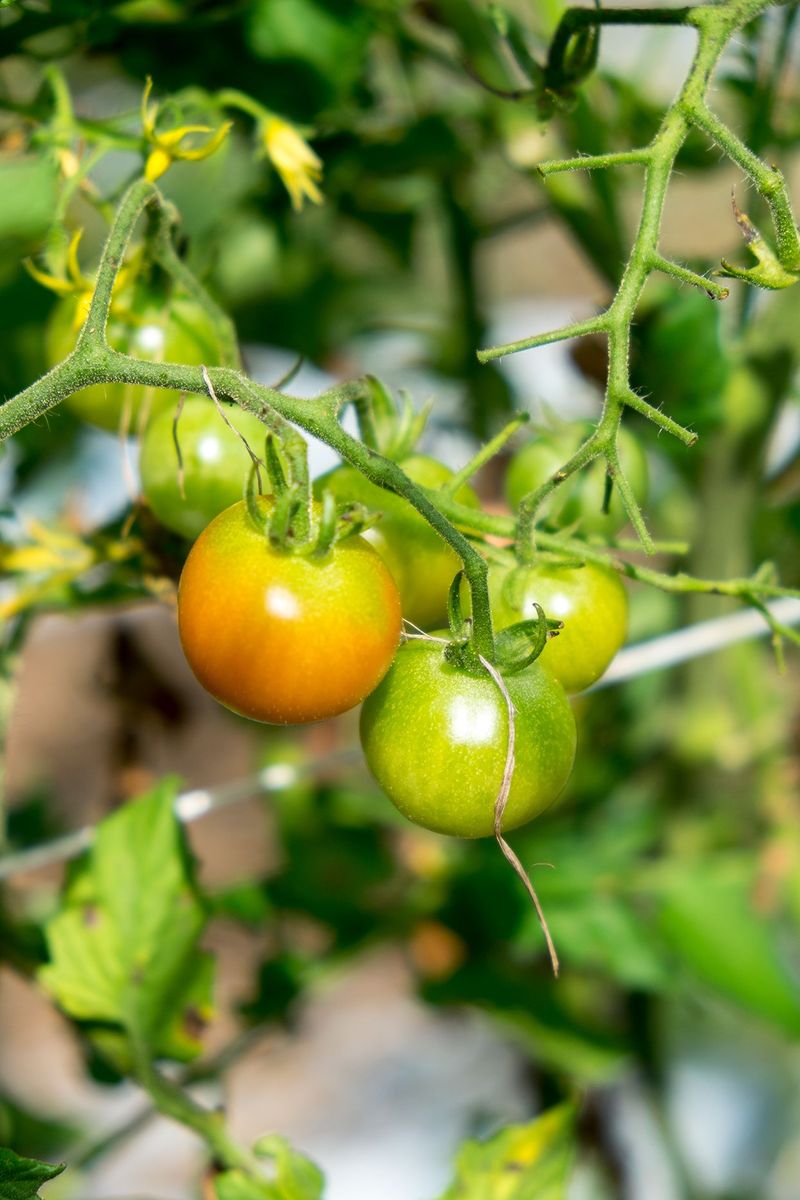
Patience, gardener. Sometimes your tomatoes are not late at all, they are simply the type that takes its sweet time.
Every tomato variety comes with a number called days to maturity, which estimates how long it takes from planting a seedling to the first ripe fruit. Cherry tomatoes are speedy, sometimes ready in just 45 to 65 days.
But big slicers, beefsteaks, and many heirlooms are naturally slow, needing 70 to 90 days or even longer.
Consider a few popular kinds. Brandywine Pink can take up to 110 to 130 days from sowing.
Cherokee Purple ripens in about 80 days, Black Krim in 75, and Big Beef around 73. The giant Big Zac, which grows fruit weighing four to six pounds, needs roughly 80 days.
In a single season, it is completely normal for tiny Sungold cherry tomatoes to ripen weeks before your hefty beefsteaks even think about changing color. So if the little ones are long gone while the big ones stay green, that is just genetics doing its thing.
Before you worry, check the seed packet or plant tag for the days to maturity of your specific variety. That number tells you exactly when to expect a harvest.
Knowing your plant’s timeline saves a lot of unnecessary stress. Once you match your expectations to the variety, those slow ripeners feel a lot less frustrating.
A Jungle Of Leaves Can Slow Ripening Down
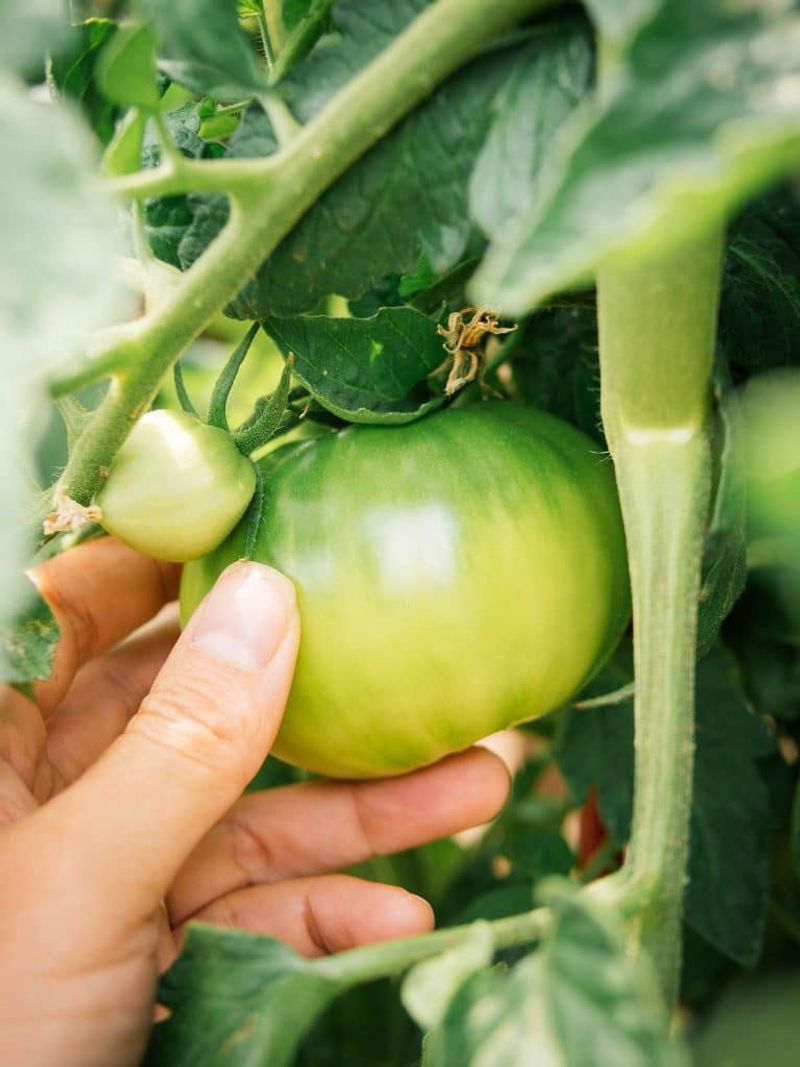
Ever peek inside your tomato plant and feel like you need a machete? A thick jungle of leaves might look impressive, but it can actually keep your fruit from ripening.
Tomatoes do not need intense direct sunlight on the fruit itself to ripen. The plant needs healthy leaves and good light exposure, while too much direct sun on exposed fruit can cause sunscald.
What they do need is warmth and good light reaching the whole plant so photosynthesis can power fruit development.
When foliage gets super dense, it shades the developing tomatoes and keeps them cooler than they should be. That extra shade slows ripening.
Crowded leaves also trap humidity and cut down air circulation, which invites fungal diseases that stress the plant even more.
The fix is careful pruning. Snip off the lower leaves touching the soil to prevent disease, and thin out some crowded inner foliage so warmth and dappled light can reach the fruit.
Be gentle, though. Leaves are the plant’s food factory, and stripping too many reduces your yield and leaves tomatoes exposed to sunscald.
The goal is balance, not a bare plant.
Later in the season, trimming excess leafy growth and pinching off suckers helps push the plant’s energy toward ripening the tomatoes already hanging there.
A little thoughtful grooming opens things up and lets warmth flow through. Your plant stays healthy, your fruit gets what it needs, and those green tomatoes finally start showing some color.
Uneven Watering Can Leave Tomatoes Stuck
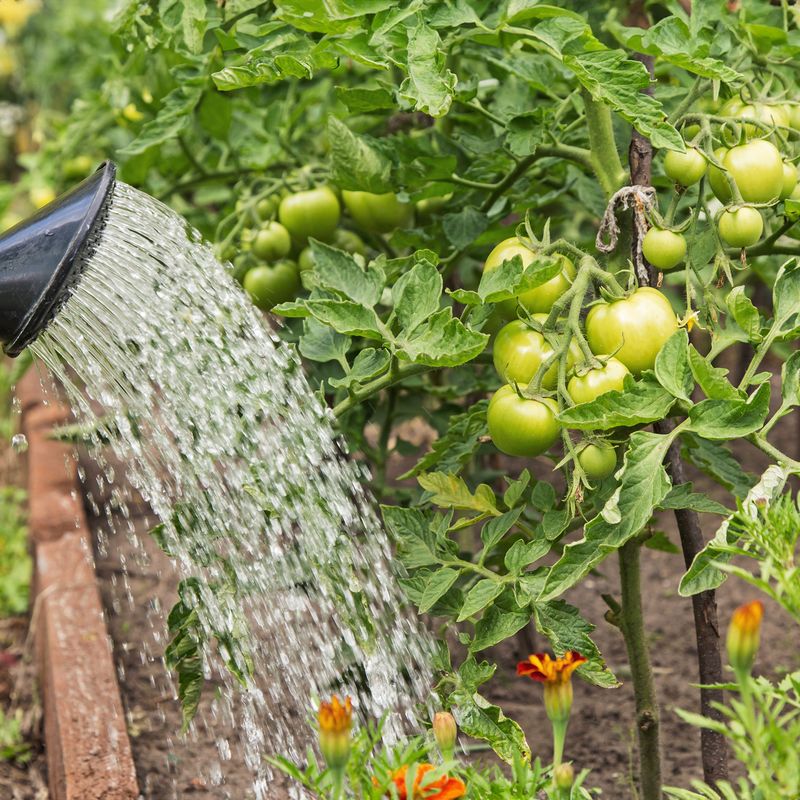
Water woes are sneaky. If your watering habits swing from bone-dry to soaking wet, your tomatoes feel every bit of that stress, and it shows in slow ripening.
Tomato plants crave steady, consistent moisture, especially once fruit starts forming. When soil dries out and then gets flooded, the plant panics and shifts into survival mode, pulling energy away from ripening fruit.
Uneven watering is one of the biggest factors behind blossom end rot, because inconsistent water uptake can interfere with calcium movement inside the plant. Some people blame a calcium shortage, but the real problem is usually the plant’s inability to move calcium to the fruit because water uptake keeps changing.
Both extremes cause trouble. Long dry spells followed by heavy watering make fruit swell fast and crack, which hurts ripening and quality.
To keep things steady in New York’s unpredictable weather, aim for one to two inches of water per week. Water deeply and slowly so it soaks down to the roots instead of just wetting the surface.
Mulch is your best friend here. A layer of straw or wood chips around the base holds moisture in, cuts down evaporation, and keeps soil temperature more even.
Consistency really is the secret. Once your plants get a reliable drink instead of a feast-or-famine schedule, they can stop stressing and start focusing on turning those stubborn green tomatoes into ripe, juicy reds.
Cool September Nights Can Put Ripening On Pause
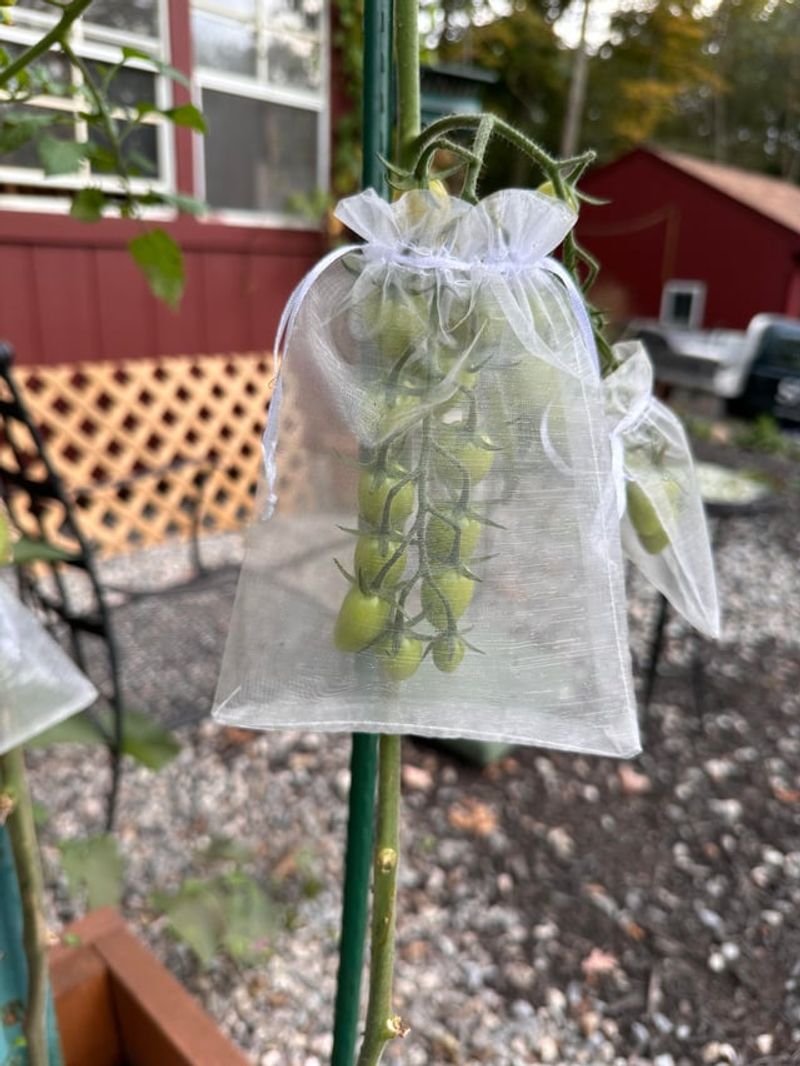
Fall sneaks up fast in New York, and once those crisp nights arrive, your tomatoes may hit the brakes on ripening.
Tomatoes love warm days, but the chemistry that creates their red and orange pigments is very picky about temperature. Lycopene forms best between 68 and 77 degrees Fahrenheit.
When nighttime temperatures dip below 55 degrees, ripening slows way down.
When temperatures stay below 50 degrees for extended periods, ripening slows significantly and fruit may develop uneven color or reduced flavor.
By the end of September, average low temperatures across the state often slide into the mid-50s. That drop explains why your tomatoes suddenly seem frozen in time even though the plant still looks fine.
Remember, sunlight is not what ripens tomatoes. They ripen from ethylene gas inside the fruit, but they need steady warmth for that process to keep going.
You can help by covering your plants on chilly nights with a sheet or row cover to trap a little heat. That small effort buys extra ripening days.
When a hard frost threatens, harvest your mature green tomatoes and bring them indoors where you control the temperature. A warm, consistent spot lets them finish ripening beautifully instead of getting caught in the cold.
New Flowers Are Stealing Energy From Existing Tomatoes
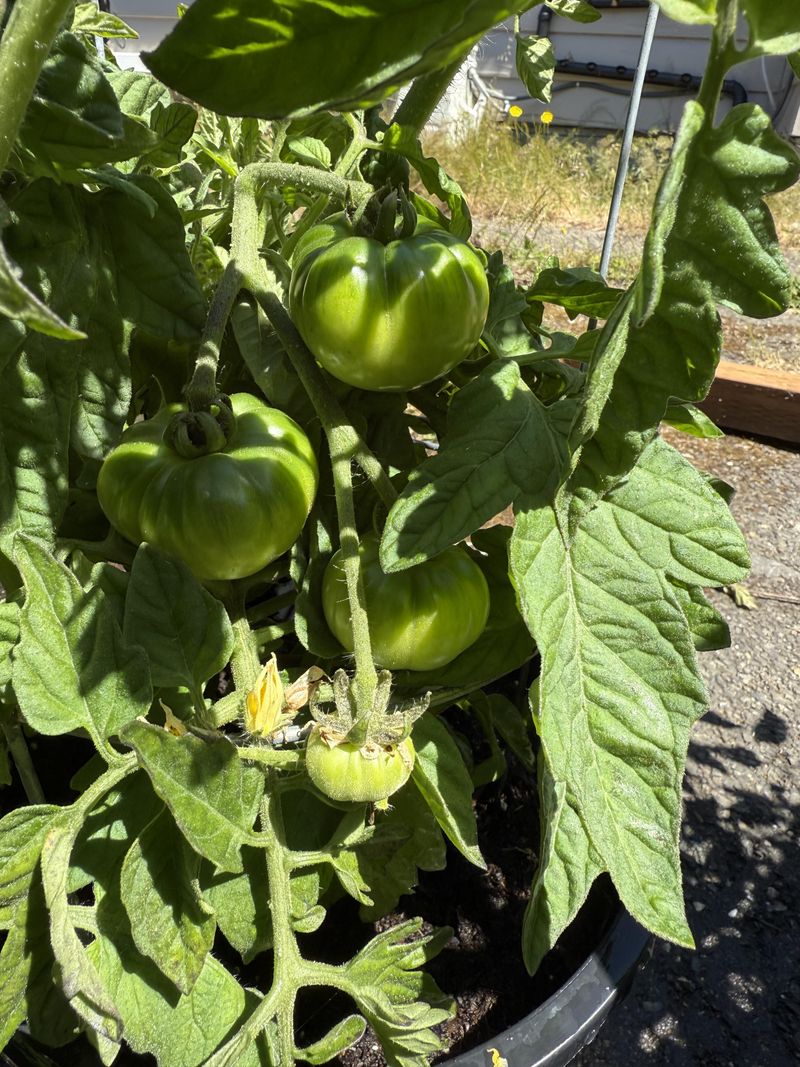
Late-season blossoms feel like a gift, but they can actually work against you. Every new flower and tiny fruit your plant makes in fall pulls energy away from the tomatoes that are already close to ripening.
A tomato plant only has so much energy to spread around. When it keeps producing fresh flowers and pea-sized fruit late in the season, those newcomers rarely have enough time to grow big before the cold arrives.
They just drain resources.
Consider the math. It usually takes six to eight weeks from flower to ripe fruit, and cool fall nights stretch that timeline even further.
Those late bloomers simply will not make it.
For indeterminate, or vining, varieties, gardeners use a trick called topping. You remove the growing tip of the main stem, which signals the plant to quit making new growth and flowers.
It also helps to pinch off any new blossoms and small hard-green fruits, usually about four to six weeks before your area’s average first frost date. This redirects sugars and energy straight to the more developed tomatoes.
The result is a plant that stops spreading itself thin. Instead of feeding fruit that will never finish, it pours everything into ripening what is already there.
Just leave enough leaves to shield your ripening tomatoes from sunscald. With that focused energy, your existing crop gets a much better shot at turning red before the season ends.
Picking At The Wrong Time Can Keep Tomatoes Green Longer
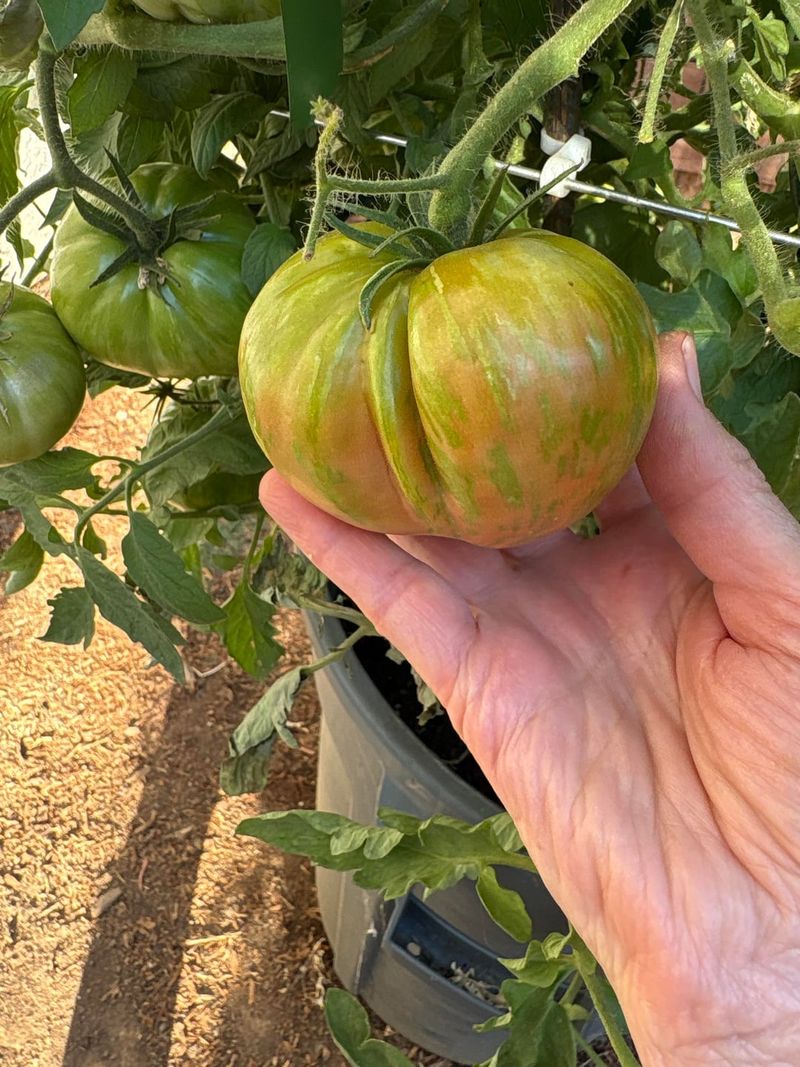
It sounds backward, but sometimes picking a tomato before it is fully red is exactly what helps it ripen. Leaving fruit on a stressed plant too long can keep it green far longer than necessary.
Tomatoes are climacteric fruits, which means they keep ripening after harvest thanks to natural ethylene gas. The trick is knowing the right stage to pick.
Look for the mature green stage or the even better breaker stage. A mature green tomato is full-sized, firm, slightly shiny, and shows a light green or white star at the blossom end.
Cut one open and you will find gel inside with fully formed seeds.
The breaker stage is when the first hint of pink, yellow, or orange appears on less than ten percent of the fruit. At that point it has everything it needs and will ripen indoors with flavor nearly as good as vine-ripened.
Picking at breaker stage also protects your tomatoes from cracking and pests during New York’s unpredictable late-season weather.
To finish them indoors, store your tomatoes in a cool, dark, well-ventilated spot between 55 and 70 degrees. Store them in a paper bag or covered container if you want to concentrate ethylene and encourage more even ripening.
Skip the refrigerator, though. Temperatures below 50 degrees ruin color and flavor, leaving you with bland, mealy fruit instead of the juicy tomato you worked so hard to grow.