This Snake-Faced Visitor Crawling Through Alabama Citrus Trees Is Not What It Looks Like
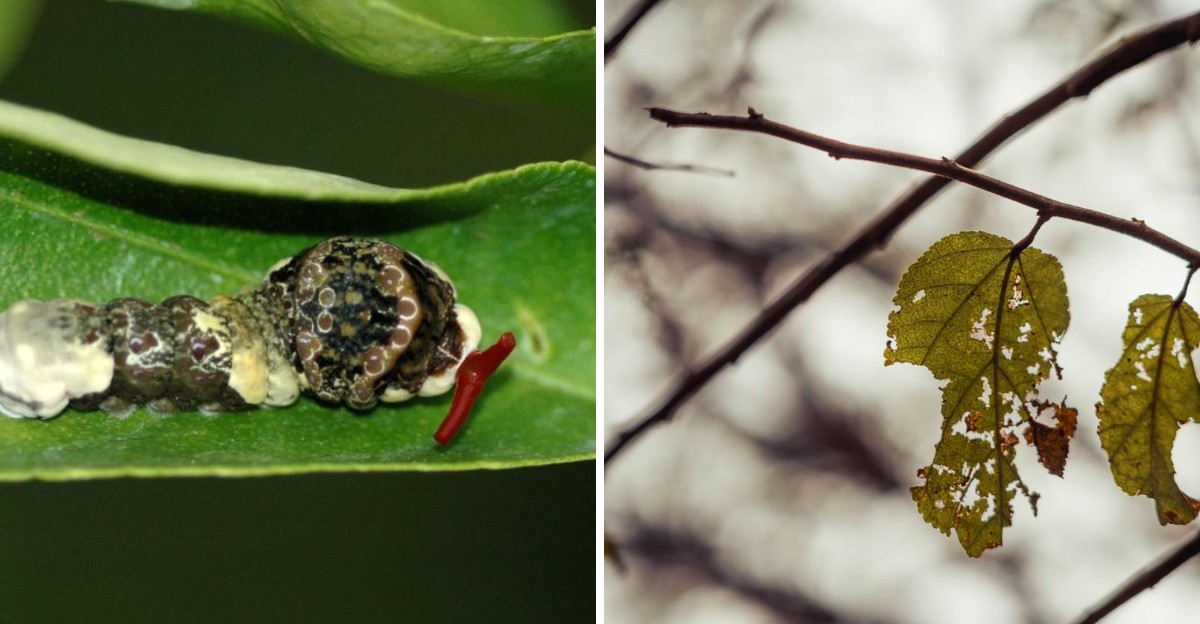
A leaf twitches on your citrus tree, and you freeze mid-step. That lump looks exactly like bird droppings until it suddenly moves. Lean closer, and a tiny snake-like face puffs out at you.
Alarm rises quickly, especially in humid backyard corners across Alabama. Spraying feels tempting, yet that quick instinct could cost your garden. Chewed leaves and ragged edges tell a strange story worth pausing over.
Citrus growers across Alabama recognize this odd, lumpy visitor instantly. Birds avoid it, predators skip it, and hungry lizards leave it alone. Camouflage this clever rarely happens without a truly serious evolutionary reason.
Underneath that disguise waits a future giant swallowtail butterfly. Gardens across the whole country pay real money for wings like these.
Your instinct signals danger, but simple biology insists otherwise. Curiosity beats reaction when strange creatures show up this close. You will not believe what that lumpy little creature becomes next.
The Bird-Dropping Impostor Hiding On Your Leaves
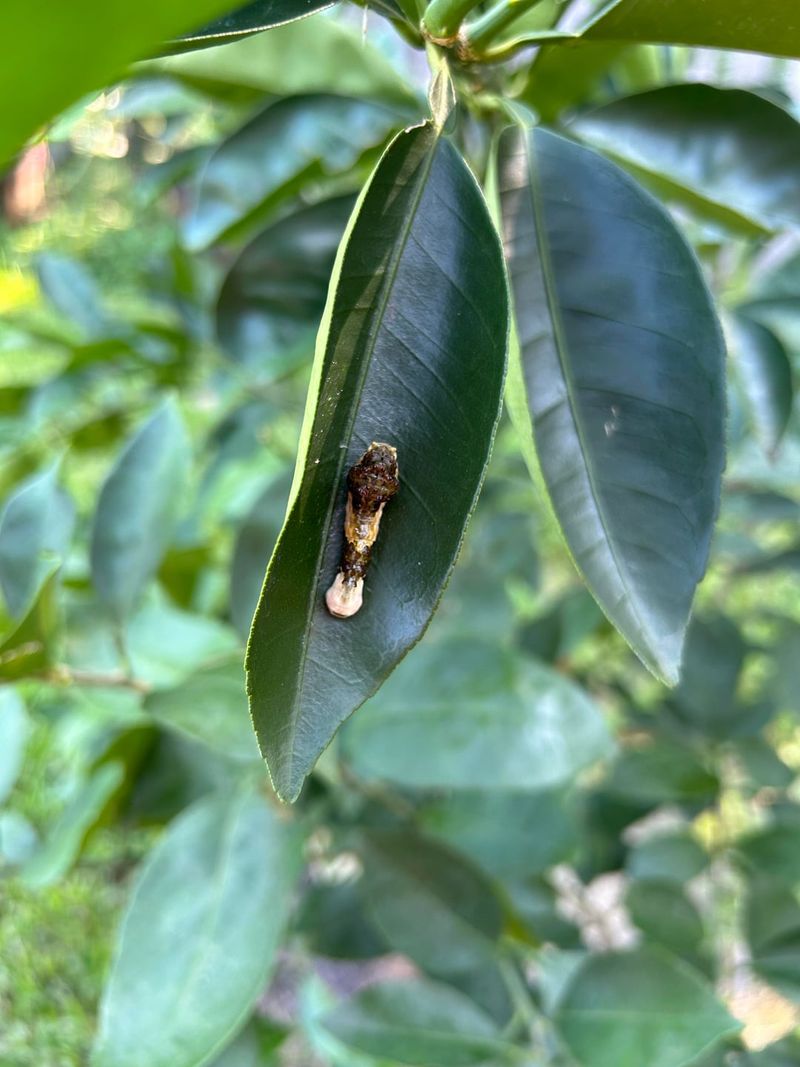
Gardeners in south Alabama often spot a lumpy brown blob on a satsuma leaf and assume a bird flew over at the wrong moment. Then the blob shifts position, and the whole illusion falls apart.
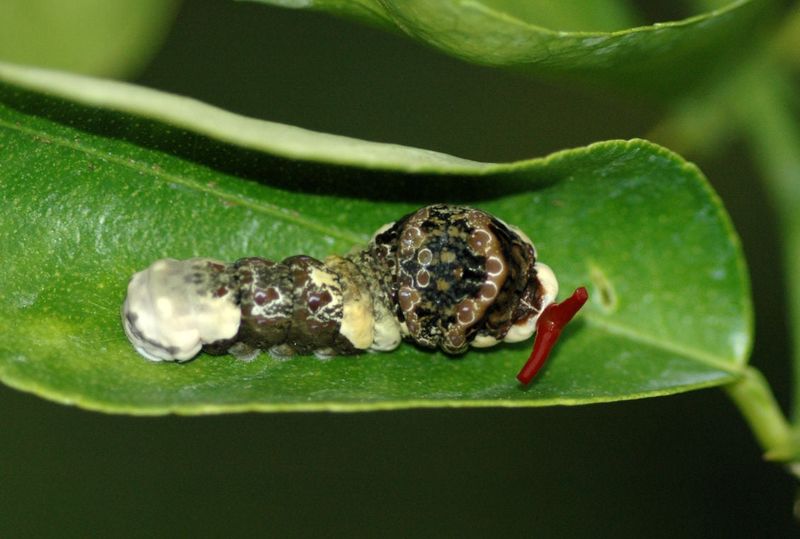
That crawling smudge is the orangedog caterpillar, the young stage of the giant swallowtail butterfly. Its mottled brown and cream pattern copies bird droppings so convincingly that hungry birds, lizards, and wasps often glide right past it.
Camouflage like this is called masquerade, and scientists consider it one of the cleverer tricks in the insect world. Instead of blending into the background, the caterpillar imitates an object no predator wants to eat.
Younger orangedogs are small, shiny, and darker, often under half an inch long. As they grow, they grow into three-inch caterpillars with saddle-shaped white bands across the middle of the body.
The head end carries two fake eyespots that give it a reptilian stare, which is where the snake nickname comes from. Many gardeners find the resemblance startling at first glance.
September is prime spotting season across Alabama, since late-summer broods are feeding hard before cooler weather arrives. Check the tender new growth at branch tips, where the softest leaves grow.
Once you learn the look, you will notice them everywhere on citrus. What seemed like an unwelcome mess turns into a small backyard wonder worth showing the kids before breakfast ends.
That Forked Orange Horn Is Its Secret Weapon
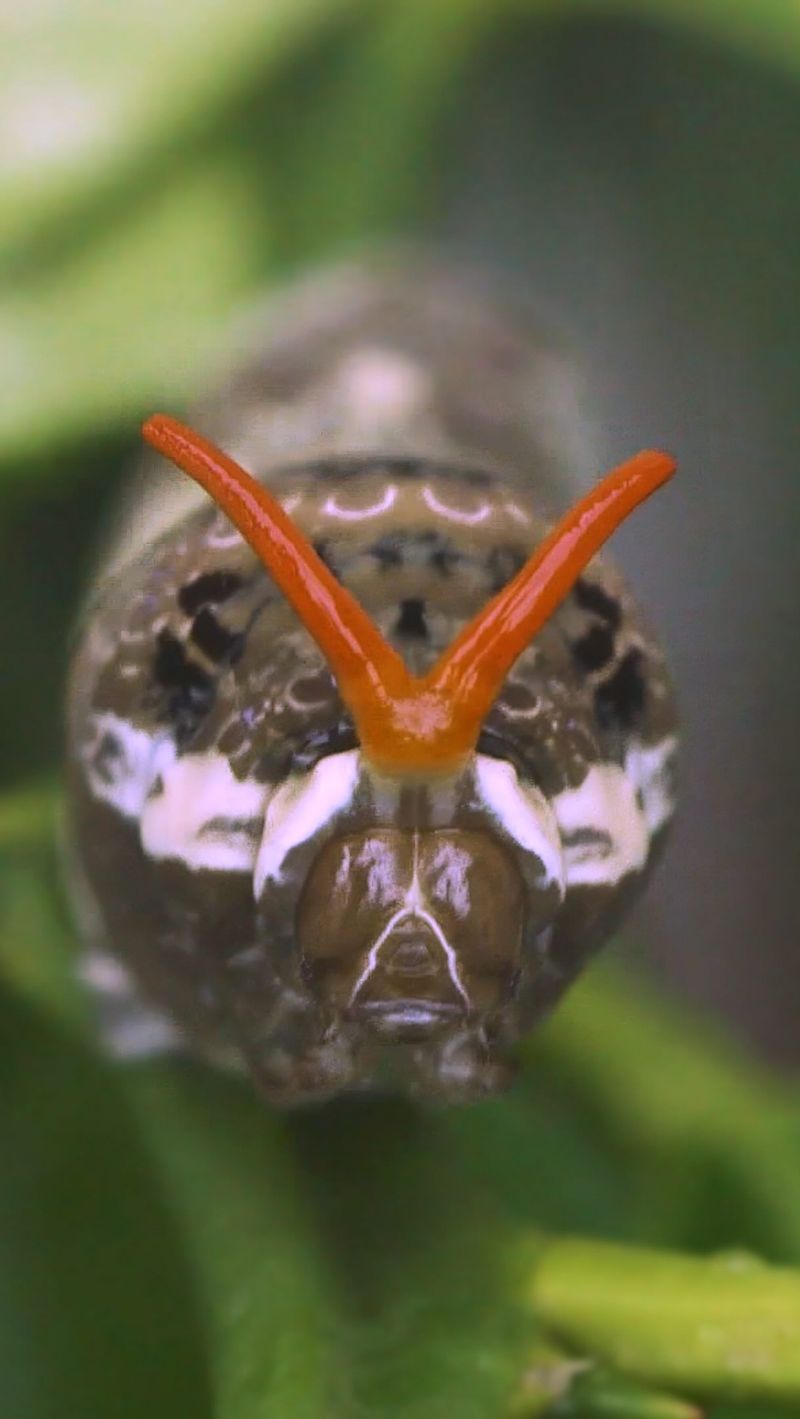
Poke one gently and you get a surprise show. Two bright orange prongs shoot out from behind the head like a tiny forked tongue, and the smell that follows is sharp and sour.
That structure has a name: the osmeterium. It stays tucked inside a pocket until the caterpillar feels threatened, then flips out in less than a second.
The odor comes from acids stored in the gland, and it works wonders against ants, spiders, and small parasitic wasps. Larger predators usually back away too, simply because the whole display looks unpleasant.
Kids find this fascinating, and honestly, so do plenty of adults. If you want to see it without stressing the insect, breathe warm air near the caterpillar rather than touching it repeatedly.
Your Alabama Garden Changes Every Week. Your Plan Should Too.
Gardening in Alabama changes quickly throughout the season. Every Friday you’ll receive a simple weekly plan showing exactly what to plant, prune, fertilize, harvest, and protect so you never miss the right timing.
One quick demonstration is plenty. Repeated jabbing wastes the caterpillar’s energy reserves, and it needs those calories to reach butterfly stage before autumn cools down.
Handling is safe for people, since the orangedog carries no stinging spines or venom. The scent may linger on your fingers for a while, so a rinse with soap helps.
Fun bit of trivia: all swallowtail caterpillars share this organ, though colors differ by species. Black swallowtails flash yellow-green versions on parsley and dill in the same Alabama gardens.
Watching that orange fork appear turns a routine yard chore into a small science lesson. Few backyard creatures put on a defense display quite this vivid.
Chewed Leaves And Bare Twigs
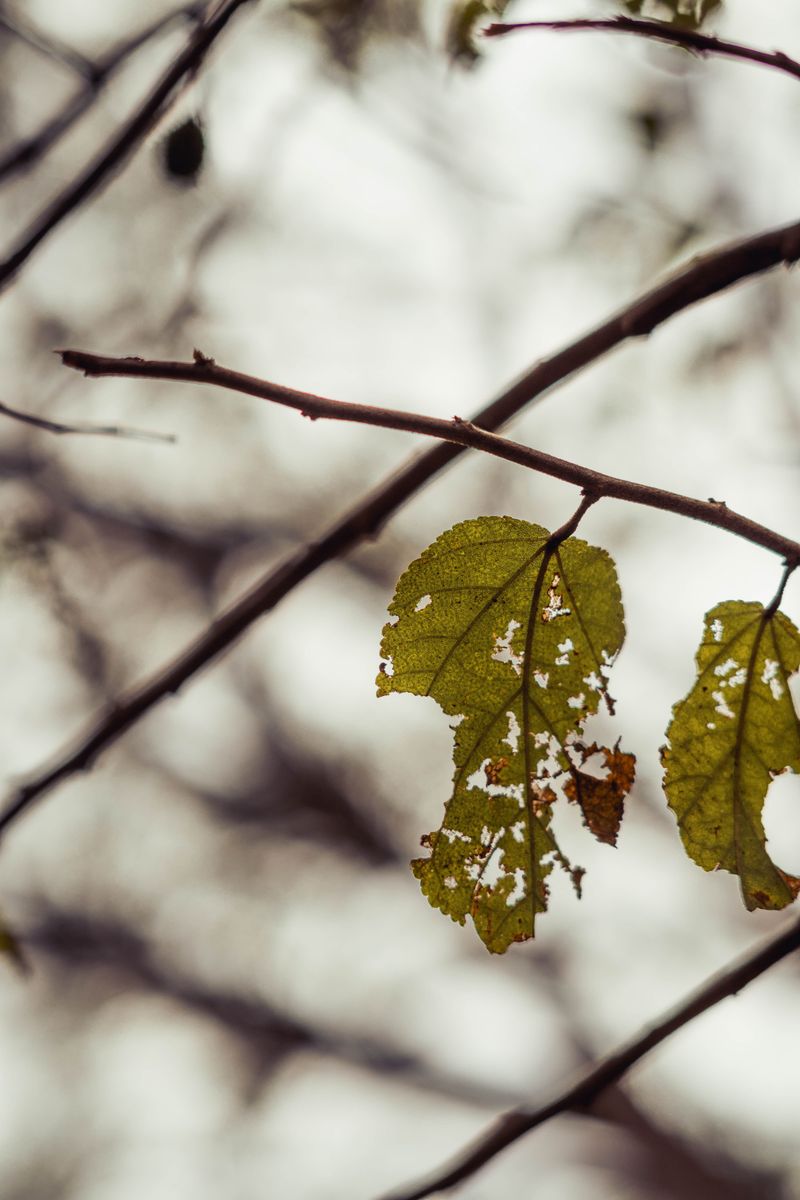
Damage from these caterpillars is easy to identify once you know the signature. Leaves get eaten from the edges inward, often leaving nothing but a bare midrib sticking out like a green toothpick.
A single large orangedog can strip several leaves in a day. Two or three working the same young satsuma or Meyer lemon can leave a branch looking noticeably thinner by week’s end.
Mature trees shrug this off without much trouble. A grown citrus carries hundreds of leaves, so losing a handful barely affects fruit production or overall vigor.
Small trees are the real concern. A newly planted seedling with twenty leaves total cannot afford to lose half of them, especially heading into fall when it needs energy for root growth.
Look for dark green pellets of frass scattered on lower leaves or on the mulch below. Those droppings are a reliable clue that something is feeding above.
Feeding usually concentrates on tender new flushes rather than tough older foliage. September growth spurts in Alabama gardens give the caterpillars exactly what they prefer.
Check trees twice a week during late summer, ideally in the morning. Turn leaves over, since orangedogs frequently rest on undersides where shade keeps them cooler.
Fruit itself stays untouched, and healthy, established trees typically ripen satsumas on schedule despite some leaf loss.
From Ugly Duckling To Alabama’s Largest Butterfly
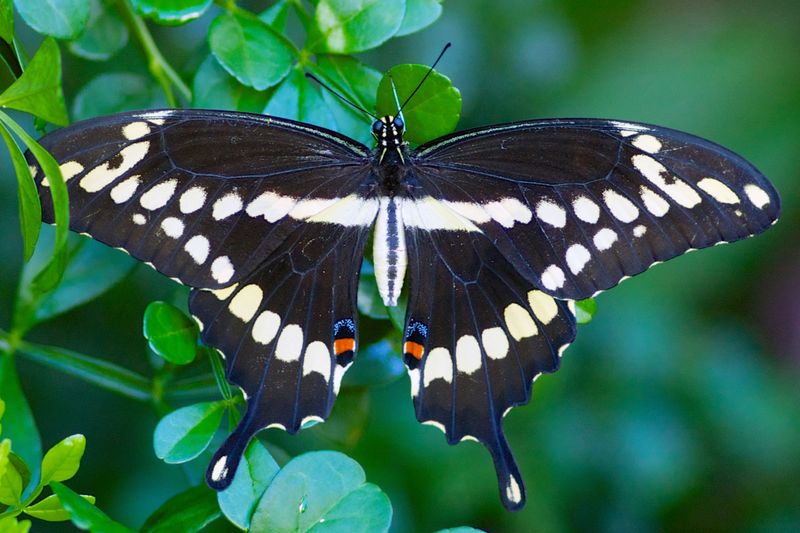
The caterpillar’s next stage changes how many gardeners view it. That homely blob transforms into the giant swallowtail, the biggest butterfly found anywhere in North America.
Wingspans reach four to six inches, with dark brown wings crossed by bold yellow bands that form a V shape. Seeing one drift across a yard feels like spotting a small kite.
The change happens in stages. After roughly three to four weeks of feeding, the caterpillar wanders off, attaches to a twig with silk, and forms a chrysalis that looks remarkably like a broken stick.
Chrysalises formed early in the season may produce butterflies within weeks. Later ones often overwinter, waiting through Alabama’s mild cold months before emerging in spring.
Adults sip nectar from lantana, azalea, milkweed, and pentas, and they pollinate as they travel. Gardeners who plant those flowers get repeat visits all season.
Female butterflies lay single orange-brown eggs on tender citrus foliage, roughly the size of a pinhead. One female can distribute dozens across a neighborhood, which spreads the feeding pressure thin.
Worth knowing: giant swallowtails have been documented moving into new territory in recent years, likely tied to warming winters and backyard citrus plantings.
Once you connect the caterpillar to the butterfly, tolerance comes easily. A few chewed leaves start feeling like rent paid for a spectacular tenant.
Gentle Ways To Protect Young Trees Without Chemicals
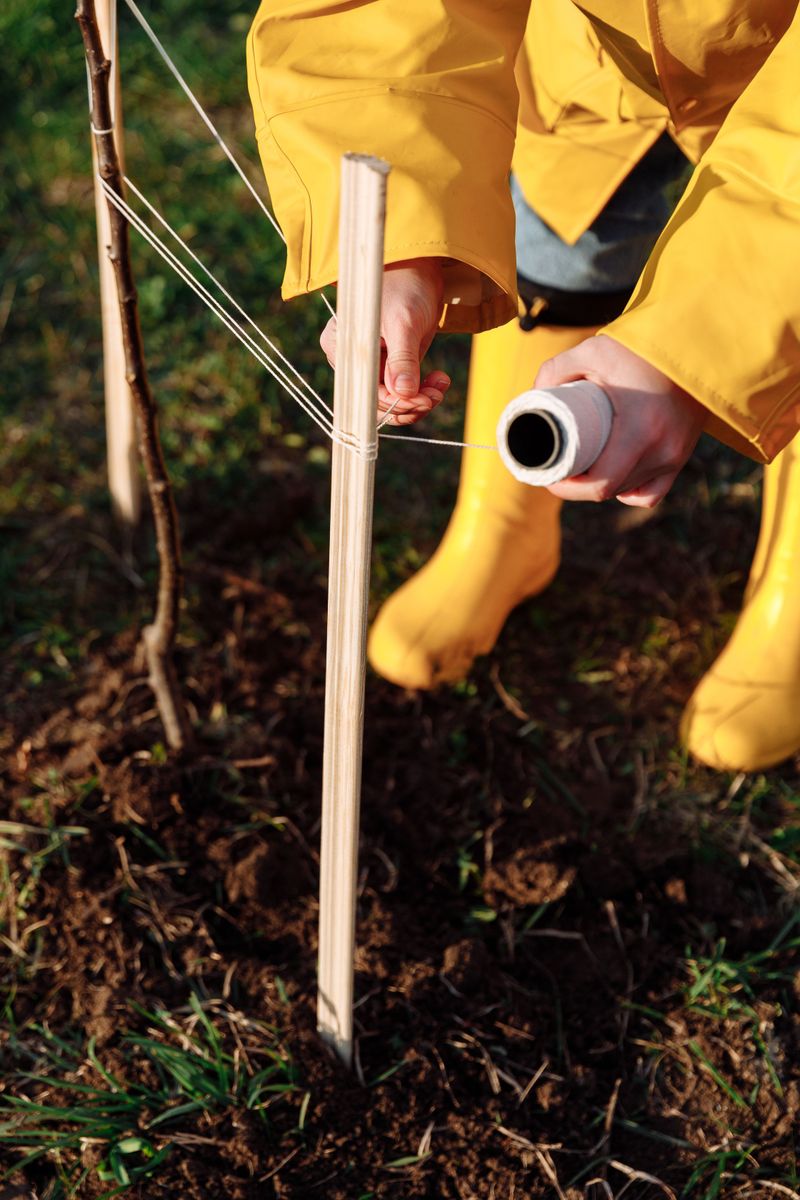
Handpicking beats spraying nearly every time in a home garden. Slip on a glove, lift the caterpillar gently, and move it to a larger citrus tree that can spare the foliage.
Neighbors with mature satsumas often welcome the transfer once they hear about the butterfly connection. A quick conversation over the fence solves the problem for both yards.
Wild hoptree and prickly ash grow in parts of the Southeast and serve as natural host plants. Relocating caterpillars to those shrubs keeps them fed and keeps your seedling intact.
Row cover fabric draped loosely over a small tree blocks egg-laying females during peak flight periods. Remove it during bloom so pollinators can reach the flowers.
Natural predators help limit population spikes, alongside factors like weather and host plant availability.
Skip broad-spectrum insecticides if you can. Those products knock out beneficial predators that keep aphids, scale, and leafminers in check on the same tree.
Bacillus thuringiensis works on caterpillars and breaks down quickly, but it does not distinguish between pests and butterflies you want around. Save it for genuine emergencies on tiny trees.
A simple habit helps most: scout weekly, pick what you find, and let the rest be. Regular scouting can reduce the need for chemical applications while keeping your garden diverse.
Why September Timing Matters In Alabama
Timing shapes how much this caterpillar matters to you. Alabama typically sees multiple generations a year, and the late-summer brood peaks right about now.
Warm September temperatures speed up growth, so caterpillars go from pinhead eggs to three-inch giants in under a month. That fast pace means damage can appear seemingly overnight.
Citrus trees push a fresh flush of tender growth in late summer, which is exactly what egg-laying females target. Soft new leaves are easier for young larvae to chew.
Trees planted this past spring deserve the closest watch. Their limited leaf count leaves little margin, and they need photosynthesis running strong to harden off before the first cool nights.
Established satsumas across south Alabama handle the same pressure without fuss. Their canopy volume absorbs the feeding without any noticeable effect on fruit size.
Skip heavy nitrogen fertilizer this time of year. Extra feeding pushes tender growth that both attracts caterpillars and stays vulnerable to early frost.
Water consistently instead. Steady moisture keeps trees resilient and helps them replace nibbled foliage on their own schedule.
By late October, activity winds down as temperatures drop and remaining chrysalises settle in for winter. Your scouting duties fade until spring warmth brings the first flight of adults back.
Marking a reminder on the calendar for August through September makes the whole routine effortless year after year.