This Underrated Pennsylvania Native Fills Shady Beds And Supports More Pollinators Than Hostas
Hostas are the default answer to shady Pennsylvania garden beds, and they earn that reputation. Reliable, lush, and willing to fill in spaces that defeat most other plants, they have been a go to for low light gardening for decades.
But hostas offer almost nothing to pollinators. They look good, they do their ground covering job, and they stop there.
There’s a native Pennsylvania plant that fills shady beds just as effectively and does considerably more while it’s at it.
This underrated native thrives in the cool, low light conditions that define the most challenging spots in a Pennsylvania garden.
It spreads with the reliability of a good ground cover, brings genuine seasonal interest with its own distinct character, and actively supports native pollinators at a level that hostas simply cannot match.
Most Pennsylvania gardeners growing hostas in shaded spots have never considered this plant as an alternative. That’s the gap this article is here to close.
Plant This Native For A Shade Garden Upgrade
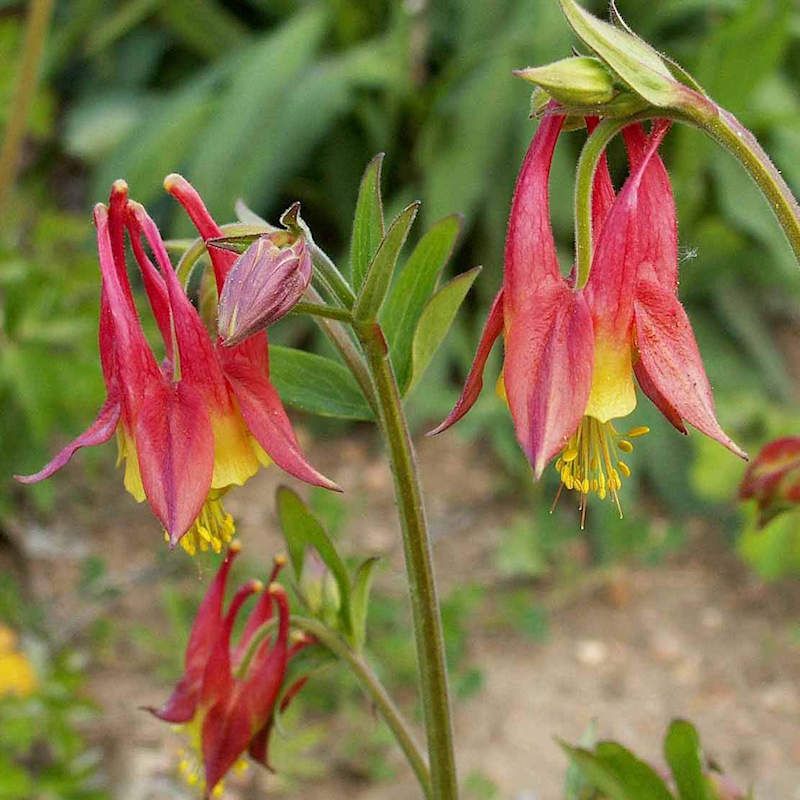
Picture a shady corner that has always looked dull. Now imagine it dotted with nodding red and yellow blooms that seem to float in the air.
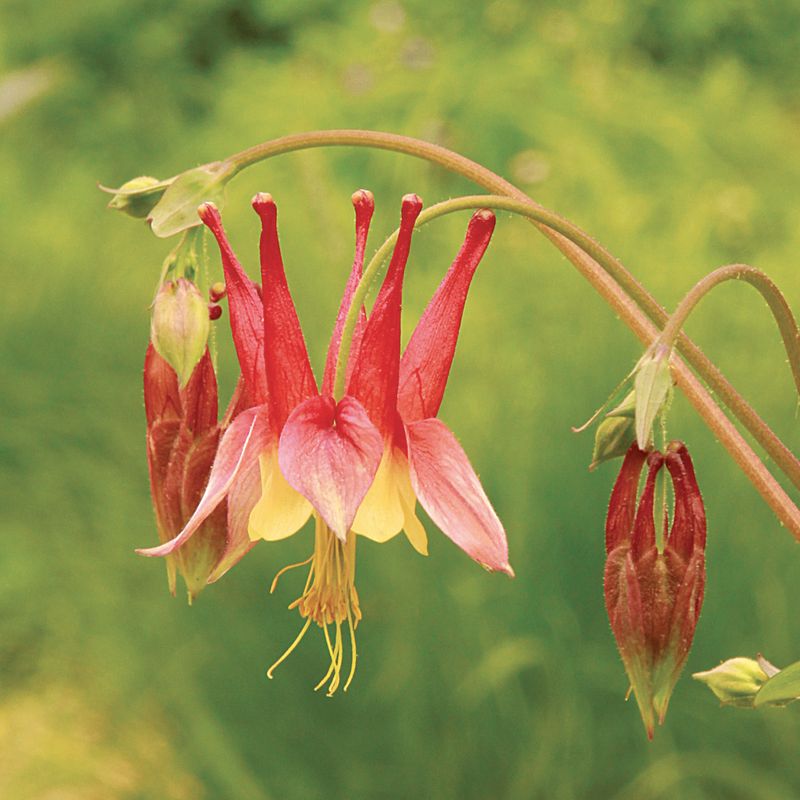
That is what wild columbine, known by its science name Aquilegia canadensis, can do for your yard.
Native to Pennsylvania and much of the eastern United States, this perennial grew here long before gardens were a thing. It belongs in our woodlands, so it fits right into home landscapes without much fuss.
The flowers have a fun shape, with spurs that point upward and petals that dangle down like little bells.
Many gardeners lean on hostas to fill shade, and there is nothing wrong with green leaves. But hostas offer little for wildlife.
Wild columbine brings both beauty and purpose. It feeds visitors while adding graceful color that hostas cannot match.
The plant stays fairly small, usually one to two feet tall. That makes it easy to tuck into tight spaces or mix with other native plants.
Its lacy, blue-green leaves look good even after the flowers fade.
You do not need to be an expert to grow it. Wild columbine is tough and forgiving, and it comes back year after year.
It also handles the cold winters that Pennsylvania is famous for.
Choosing this native is a smart upgrade for anyone tired of the same old shade fillers. It rewards you with charm in spring and steady greenery through summer.
If you want your garden to feel alive and full of movement, columbine is a wonderful place to start.
Why Wild Columbine Attracts More Pollinators
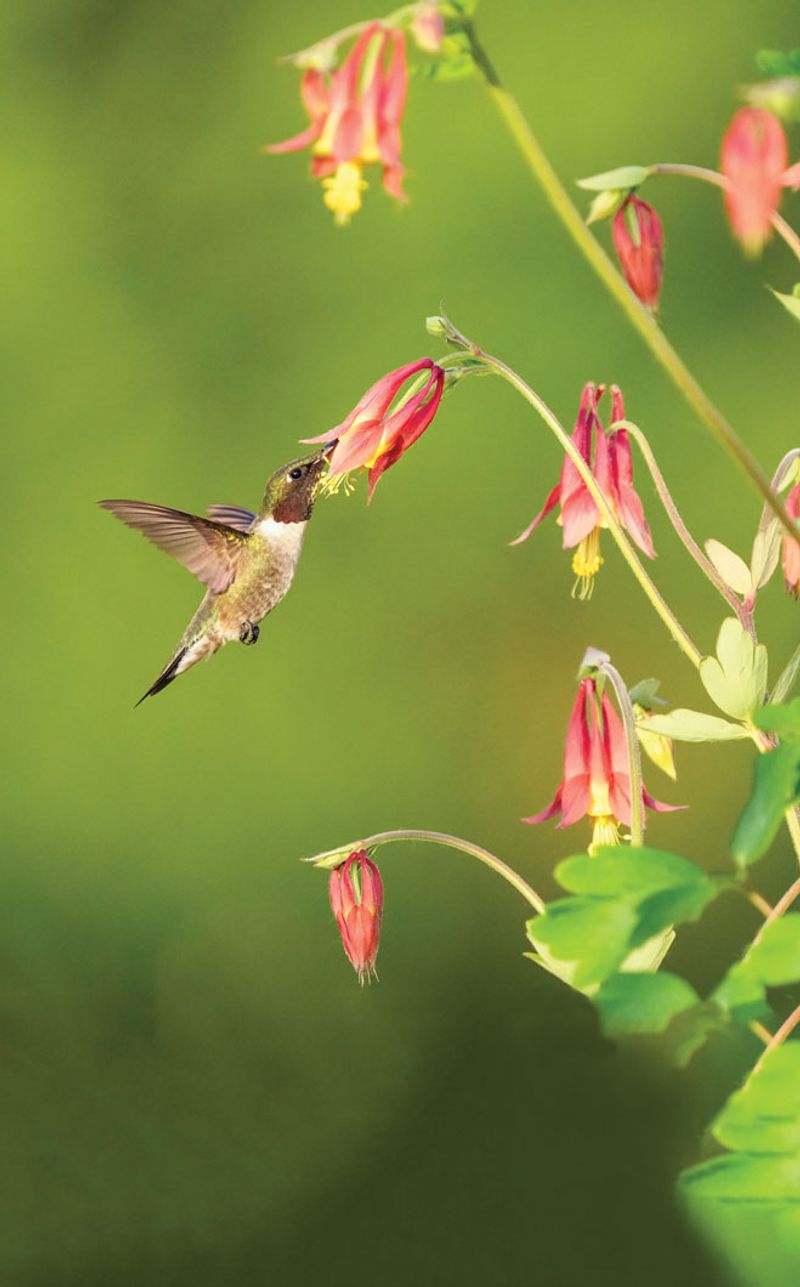
The buzzing and fluttering around wild columbine tells the whole story. When spring arrives and food is scarce, these blooms become a busy diner for hungry visitors.
That timing is a big deal for wildlife.
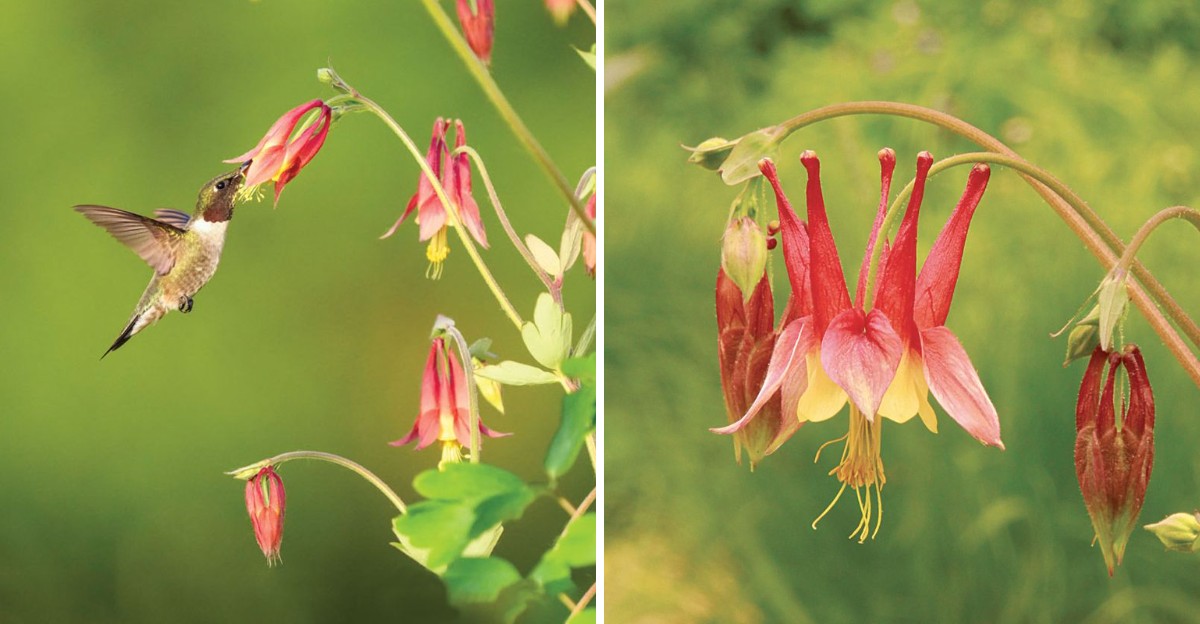
Ruby-throated hummingbirds adore columbine. The long red spurs are shaped just right for their slender beaks and tongues.
In fact, the flower blooms around the same time hummingbirds return from their long journey north, so it acts like a welcome-home meal.
Your Pennsylvania Garden Changes Every Week. Your Plan Should Too.
Gardening in Pennsylvania changes quickly throughout the season. Every Friday you’ll receive a simple weekly plan showing exactly what to plant, prune, fertilize, harvest, and protect so you never miss the right timing.
Bees and butterflies stop by too. Native bees crawl into the flowers for nectar and carry pollen from bloom to bloom.
This helps plants make seeds and keeps the whole garden ecosystem healthy and strong.
Hostas may look tidy, but their flowers offer far less. Columbine packs its blossoms with sweet nectar, giving pollinators the energy they need during a tricky season.
More food means more visitors, and more visitors means a livelier yard.
You will notice the difference quickly. On a warm spring morning, a patch of columbine can hum with activity.
Kids love watching hummingbirds zip in and out, and it becomes a natural science lesson right in the backyard.
Supporting pollinators does more than entertain. These creatures help fruits, vegetables, and wildflowers grow across the whole region.
By planting columbine, you become part of a bigger effort to protect them.
So if you want a garden that gives back to nature, this plant delivers. It turns a quiet shady bed into a lively hub of wings and color.
Few plants work so hard while asking so little in return.
Give Wild Columbine The Right Growing Conditions
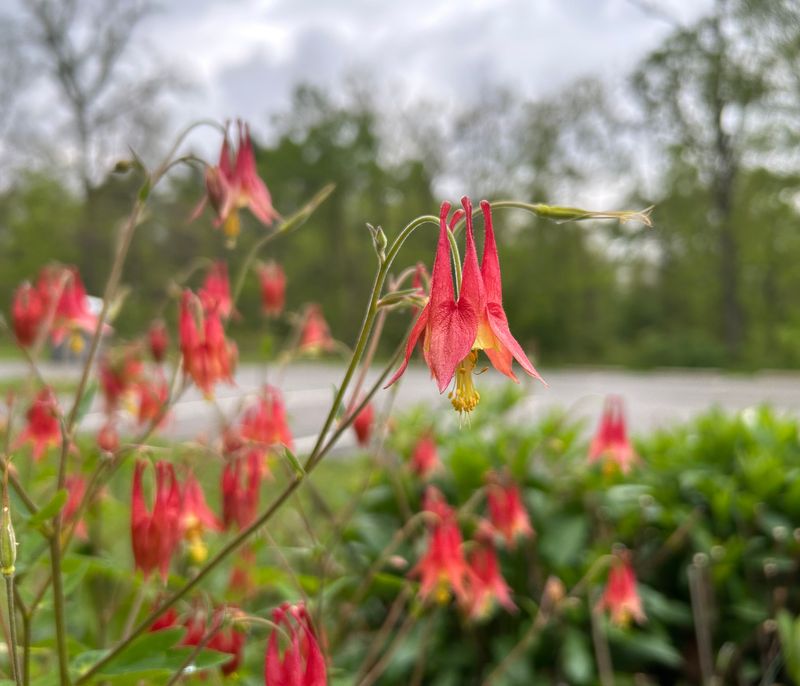
Getting columbine to thrive is easier than you might think. The trick is matching your garden to the places it loves in the wild.
Once you know its favorites, the plant almost grows itself.
Partial shade is its happy zone. Think of the dappled light you find under trees or along the edge of a wooded area.
A little morning sun with afternoon shade works great, though it can handle more sun in cooler, moist spots.
Soil matters, but not in a fussy way. Columbine likes ground that drains well and does not stay soggy.
Heavy, wet clay can cause trouble, so mixing in some compost or leaf mulch helps loosen things up.
In nature, this plant often pops up in rocky areas and along slopes. That tells you it does not need rich, pampered dirt.
Average garden soil with good drainage usually keeps it content.
Water your new plants while they settle in during the first season. After that, columbine handles dry spells fairly well.
It is not a plant that needs constant babysitting or daily sprinkling.
Mulch is your friend here. A thin layer of shredded leaves keeps roots cool and copies the natural forest floor.
It also helps the soil hold just the right amount of moisture.
Skip the heavy fertilizers. Too much feeding can make the plant floppy and weak.
Columbine prefers a natural, low-key setting where it can grow at its own pace.
Give it these simple conditions, and you will be rewarded with steady growth. A woodland-style spot is truly where this native shines brightest.
Use Wild Columbine To Fill Difficult Shady Areas
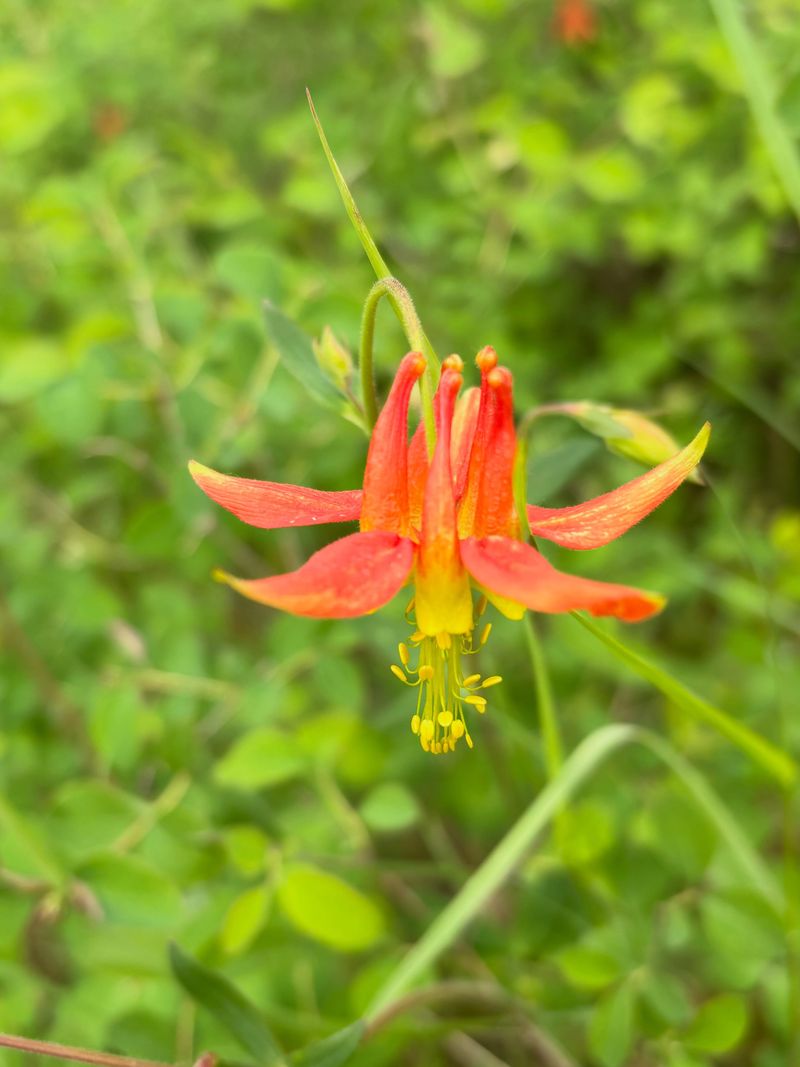
Every yard has that one stubborn spot. Maybe it sits under a big tree where grass refuses to grow, or along a fence that stays dim all day.
Wild columbine loves to move into these tough places.
Under trees can be a real headache for gardeners. The roots hog water and the canopy blocks light.
Columbine handles this challenge because it evolved in exactly these shady, root-filled woodlands.
Along borders and pathways, it adds a soft, natural touch. The airy flowers and lacy leaves break up plain green backgrounds.
They give edges a gentle, wild look without seeming messy or overgrown.
In woodland-style beds, columbine truly belongs. Pair it with ferns, wild ginger, or foamflower for a layered, forest feel.
These native buddies enjoy the same shady, moist conditions and look wonderful together.
Slopes and rocky corners are also fair game. Because columbine tolerates lean, well-drained ground, it can settle where other flowers give up.
That makes it handy for tricky hills that are hard to plant.
Filling these hard spots does more than solve a problem. It turns wasted space into a small habitat buzzing with life.
A once-empty corner suddenly feeds bees and hummingbirds each spring.
The plant spreads gently over time, so a few starters can slowly cover a bigger area. That saves money and effort as your garden grows on its own.
If you have been staring at a bare, shady patch wondering what to do, this native is your answer. It brings color, movement, and purpose to the places most plants avoid entirely.
How Wild Columbine Changes Through The Seasons
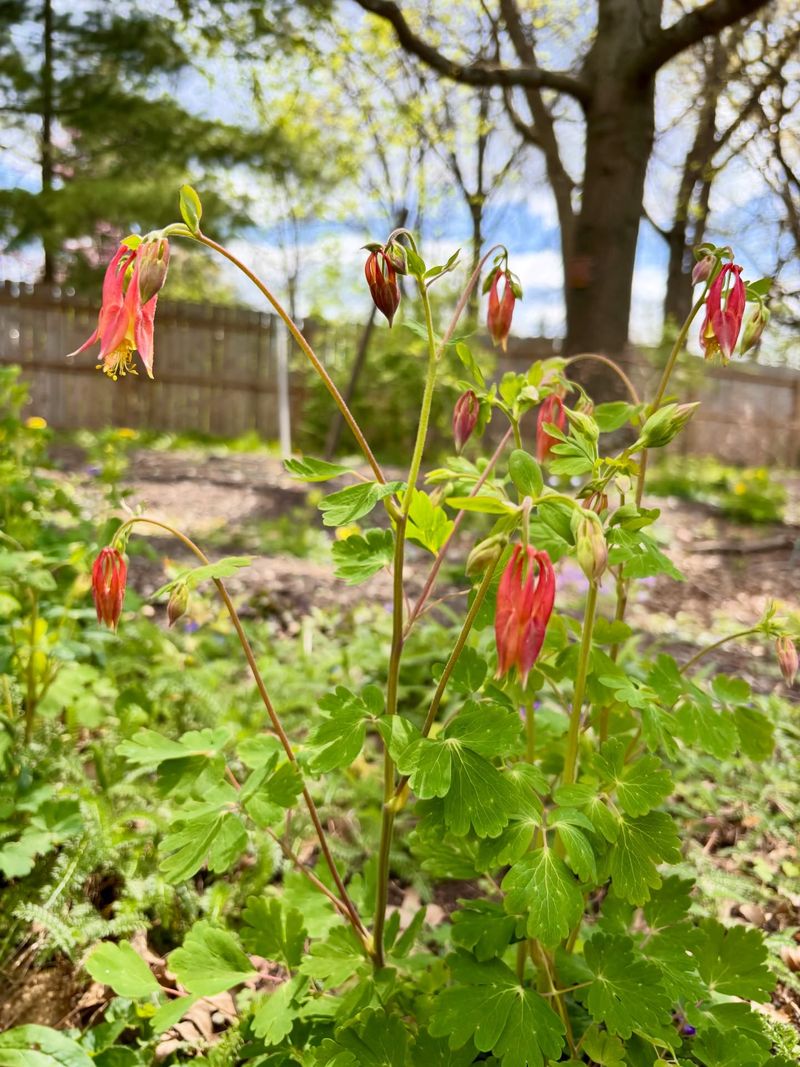
One of the joys of columbine is watching it shift with the calendar. It never stays the same for long, and each season brings something new to enjoy.
That steady change keeps the garden interesting.
Spring is the big show. Bright red and yellow flowers open just as the weather warms and pollinators return.
For a few weeks, the plant dances with blooms that sway in the breeze.
As summer settles in, the flowers fade and the foliage takes over. The blue-green leaves stay attractive and fill space nicely.
They give your shady bed a fresh, leafy look even after the color is gone.
Later in the season, seed pods form where the flowers once hung. These little capsules dry out and rattle when you shake them.
Inside are tiny black seeds ready to start new plants.
Here is a neat trick. If you leave the pods alone, the seeds scatter and sprout on their own.
This is called self-seeding, and it lets columbine spread naturally through your garden.
You can also collect the seeds and plant them where you want. That gives you control over how the patch grows and where new flowers appear next year.
By fall, the plant slows down and rests. It stores energy in its roots to survive Pennsylvania winters.
Come spring, it wakes up and starts the whole cycle again.
Because it keeps changing, columbine feels alive in a way that stiff, unchanging plants do not. Watching its seasonal journey is part of the fun.
Each year brings surprises as it quietly fills in new corners.
Why Native Plants Belong In Pennsylvania Gardens
Choosing native plants is one of the kindest things you can do for your local environment. Species like wild columbine have deep roots in Pennsylvania, both in the ground and in the region’s natural history.
They fit here in ways imported plants never quite manage.
Native plants and local wildlife grew up together over thousands of years. That partnership means columbine feeds the exact bees, birds, and butterflies that live nearby.
Foreign plants often leave these creatures hungry and searching.
There is a practical side too. Because natives are built for local weather and soil, they need less water, less fuss, and no chemical help.
That saves you time, money, and effort year after year.
Healthier habitats ripple outward. When you plant columbine, you create a stepping stone that connects to parks, forests, and other yards.
Together, these patches form a network that helps wildlife travel and thrive.
Beauty comes along for the ride. Native gardens have a relaxed, natural charm that store-bought plants rarely capture.
They feel like a small piece of the wild woods brought home.
You also protect the region’s plant heritage. Every native you grow keeps local species strong and available for future gardeners.
It is a small act with a lasting effect.
Swapping even one boring bed for natives makes a real difference. Imagine whole neighborhoods buzzing with bees and flashing with hummingbird wings each spring.
Wild columbine is a perfect place to begin that journey. It rewards you with color, supports the creatures we depend on, and asks for very little.
Your garden and your local wildlife will both be better for it.