What It Means When You Spot A Woolly Bear Caterpillar In Your Pennsylvania Yard
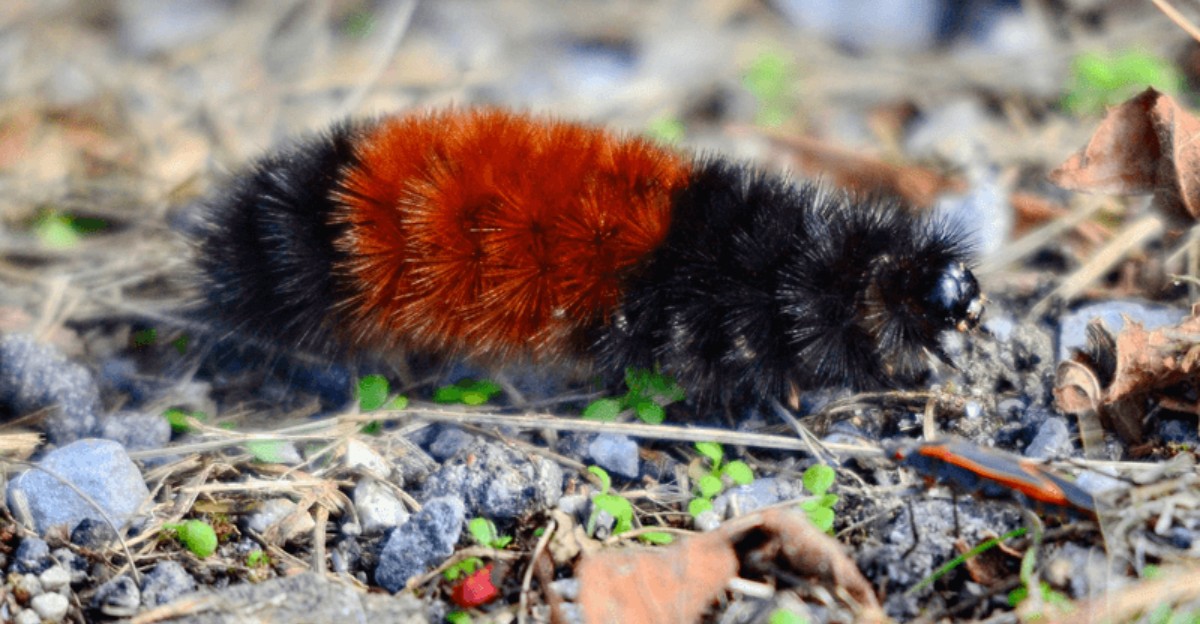
Finding a woolly bear caterpillar crossing your Pennsylvania yard in fall is one of those seasonal encounters that stops most people in their tracks.
That distinctive banded black and rust brown fuzzy caterpillar moving with surprising purpose across the lawn or pavement has a familiarity that feels deeply connected to the season in a way few other creatures manage.
But beyond the charm of the encounter, a woolly bear in your yard is actually telling you something worth knowing.
These caterpillars don’t appear randomly. Their presence, their timing, and even the specific spot where you find them reflect real conditions in your local environment and in the broader seasonal shift happening around your property right now.
Understanding what they’re doing and why they’re doing it in your yard specifically makes the encounter considerably more interesting than a simple fall sighting.
Here’s what it actually means when a woolly bear caterpillar shows up in your Pennsylvania yard this fall.
1. Fall Has Arrived For One Of Pennsylvania’s Most Familiar Caterpillars
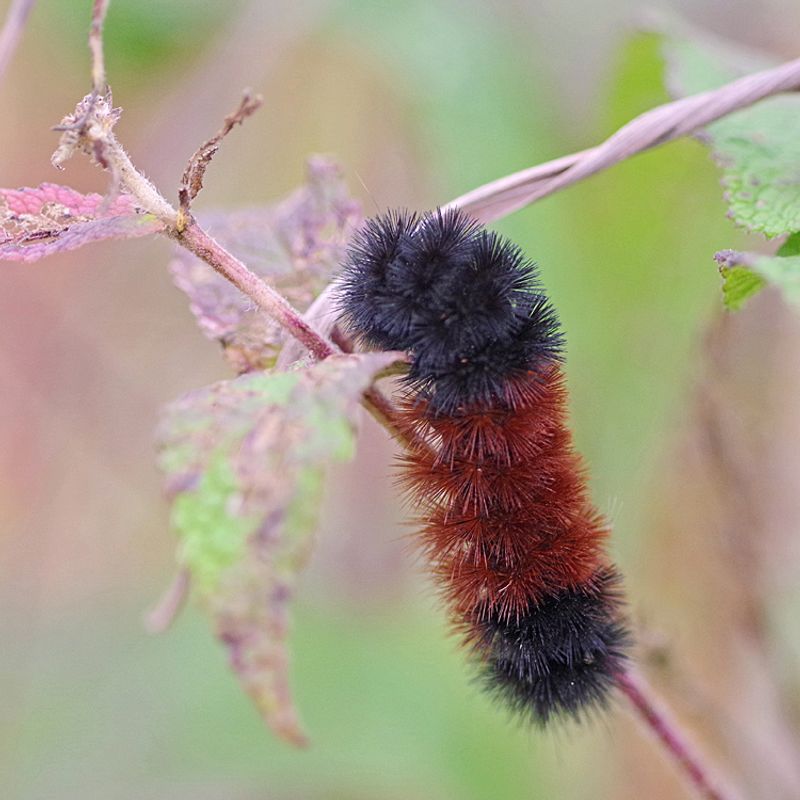
Cooler mornings and crunchy leaves usually show up right around the time these fuzzy caterpillars do. When you spot a woolly bear scurrying across your yard, it is a friendly little sign that autumn has settled in across Pennsylvania.
During the warmer months, woolly bears stay busy eating and growing without drawing much attention. Once temperatures drop, they start moving around a lot more.
That is why you suddenly notice them crossing sidewalks, driveways, and paths in the fall.
The reason behind all this movement is simple. These caterpillars are getting ready for the colder season ahead.
They travel to find the right spot to settle down before winter arrives.
People all over the state look forward to seeing them each year. For many families, a woolly bear sighting feels like a small tradition, marking the change from warm days to sweater weather.
Fun fact: the woolly bear grows up to become the Isabella tiger moth, a soft yellowish moth many folks never connect with the fuzzy caterpillar version.
If you keep your eyes open in September and October, you are very likely to run into one. They tend to be most active during the middle of the day when the air warms up a bit.
Seeing one can be a fun way to teach kids about the seasons. It shows how nature quietly signals big changes without saying a word.
So the next time a woolly bear crosses your path, take it as a gentle reminder that fall has officially arrived in your corner of Pennsylvania.
2. Your Yard Has Plants That Support Native Wildlife
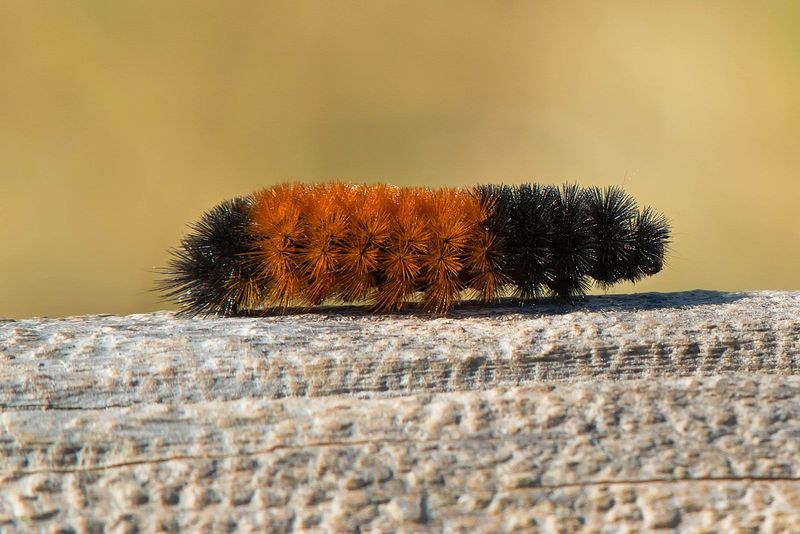
Spotting a woolly bear can actually be a compliment to your gardening. Their presence often means your yard offers the kind of plants these caterpillars love to munch on.
Woolly bears are not picky eaters. They feed on a wide range of plants, including dandelions, clover, plantain, grasses, and even the leaves of some garden flowers.
When one shows up, it usually found plenty to eat nearby.
Your Pennsylvania Garden Changes Every Week. Your Plan Should Too.
Gardening in Pennsylvania changes quickly throughout the season. Every Friday you’ll receive a simple weekly plan showing exactly what to plant, prune, fertilize, harvest, and protect so you never miss the right timing.
A yard filled with different plants creates a welcoming space for many kinds of insects. Woolly bears are just one example of the wildlife that benefits from a varied and healthy landscape.
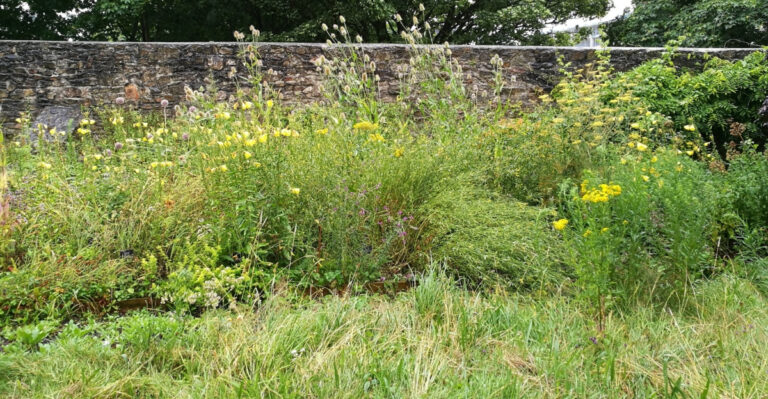
You do not need a fancy garden to attract them either. Even a simple patch of weeds or wildflowers can provide the food and shelter these caterpillars need to thrive.
Native plants are especially helpful. They have grown alongside local insects for a very long time, so they give creatures like woolly bears exactly what they are looking for.
If you want to see more of them, try letting a small corner of your yard grow a little wild. Leaving some clover or leafy greens untouched can make a big difference.
Supporting native wildlife also helps other animals. Birds, frogs, and helpful bugs all rely on a healthy insect population to survive.
Seeing a woolly bear is a sign that your yard is doing something right. It shows your space is part of a living, working habitat.
So take pride in that fuzzy visitor. It means your little patch of Pennsylvania is offering food and shelter to the creatures that call it home.
3. It Is Looking For A Place To Spend Winter
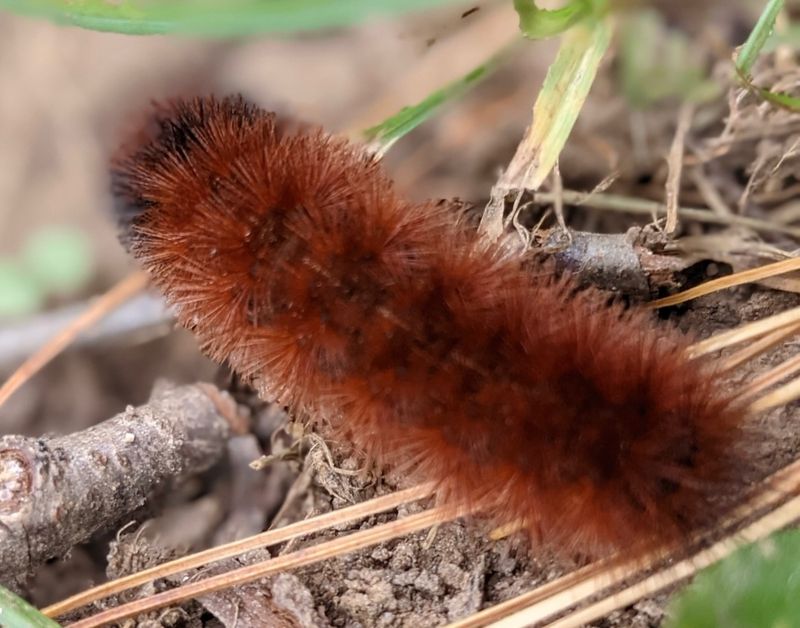
That busy little caterpillar crossing your yard is on an important mission. In autumn, woolly bears are searching for a safe place to spend the cold winter months.
Unlike some insects, woolly bears do not build cozy nests or fly south. Instead, they tuck themselves away in quiet, protected spots close to the ground.
They often hide under fallen leaves, loose tree bark, logs, or rocks. These natural covers help shield them from harsh winter weather.
What makes them truly amazing is how they handle the cold. Woolly bears can survive freezing temperatures by producing a natural substance in their bodies that acts like antifreeze.
Their bodies actually freeze during the coldest part of winter. When spring warmth returns, they thaw out and continue their journey toward becoming a moth.
This is why you often see them moving around in the fall. They are trying to find the perfect hiding place before the freeze sets in.
You can help them out with a simple choice. Leaving a few leaf piles or a corner of your yard undisturbed gives them a comfy place to settle.
Raking up every single leaf can accidentally remove the shelter these caterpillars depend on. A little messiness goes a long way for backyard wildlife.
If you find one hiding in the fall, it is best to leave it be. Moving it could take away the safe spot it worked hard to find.
Knowing this makes each woolly bear sighting feel special. That tiny traveler is simply doing its best to make it through a Pennsylvania winter.
4. The Caterpillar Is Not Predicting The Winter Weather
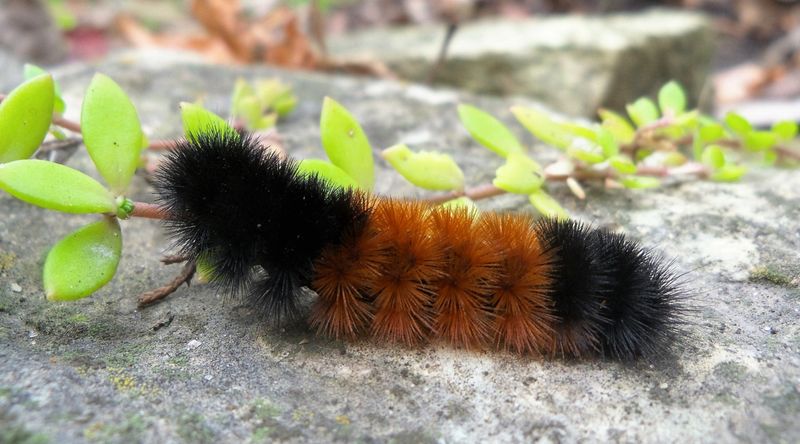
Here is a myth worth clearing up. Many people believe the woolly bear’s stripes can predict how rough the coming winter will be, but that is more folklore than fact.
The old saying goes like this. A wider reddish-brown band means a mild winter, while more black means a harsh one is on the way.
It is a fun idea, and it has been passed down for generations. Still, scientists have studied these caterpillars and found no real link between their stripes and the weather.
The truth is much simpler. A woolly bear’s colors are connected to its age, growth, and how well it has been eating.
As the caterpillar grows and sheds its skin, its reddish-brown band usually gets wider. So an older, well-fed woolly bear may look different than a younger one.
The weather during the caterpillar’s early life can also affect its coloring. This means the stripes tell you about its past, not the future.
Even the same batch of woolly bears can have different band sizes. If they truly predicted winter, they would all look alike, but they do not.
That said, there is no harm in enjoying the legend. It is a charming piece of history that connects people to nature and the changing seasons.
Just remember to take the forecast with a grain of salt. A weather app will serve you far better than a fuzzy caterpillar.
Understanding the science makes the woolly bear even more interesting. Its stripes tell a real story, just not the one many folks expect.
5. Your Garden Is Part Of A Larger Ecosystem
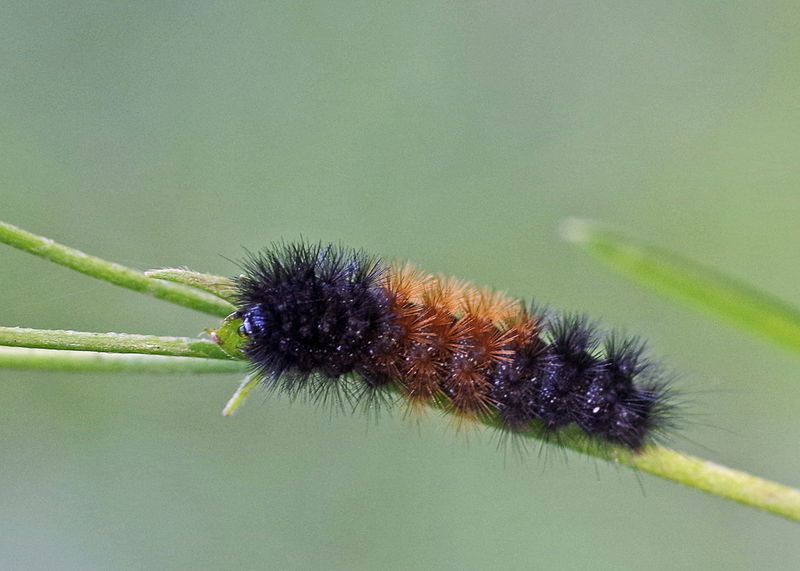
One tiny caterpillar can reveal a whole web of life. When a woolly bear shows up, it is a clue that your yard is buzzing with connected wildlife.
Every creature in your yard plays a part. Woolly bears eat plants, and in turn, they become food for birds, frogs, and other hungry animals.
This back-and-forth is what makes an ecosystem work. Plants feed insects, insects feed larger animals, and the cycle keeps everything in balance.
Seeing a woolly bear means these connections are alive and active in your space. It shows your yard is more than just grass and flowers.
Birds especially benefit from a healthy insect population. Many rely on caterpillars and bugs to feed themselves and their young.
When you support one part of this system, you help all of it. Healthy plants lead to more insects, which support more birds and wildlife.
You can encourage this balance with a few easy steps. Planting native flowers and cutting back on pesticides makes your yard friendlier to nature.
Even small changes add up over time. A single garden can become a stepping stone that links to other green spaces in your neighborhood.
Woolly bears remind us that everything in nature is connected. That little caterpillar is one thread in a much bigger picture.
Thinking about your yard this way can be really rewarding. You are not just growing plants, you are supporting a living community.
So when you spot a woolly bear, picture all the life it represents. Your backyard is a tiny world working together in harmony.
6. Leave Woolly Bears Alone When Possible
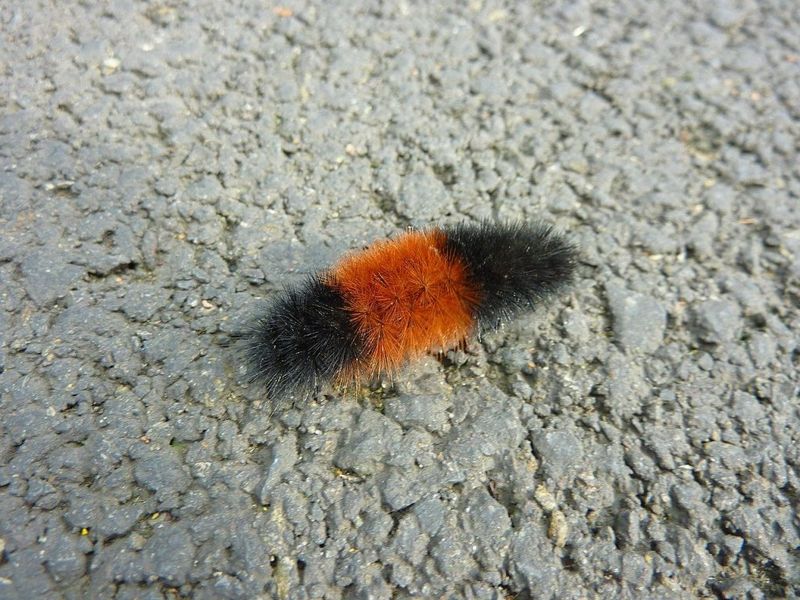
It can be tempting to pick up a fuzzy woolly bear, and the good news is they are completely harmless. Still, the kindest thing you can do is let them go about their business.
Woolly bears do not bite or sting. Their bristly hairs might feel a little prickly, but they will not hurt you at all.
If you do gently hold one, you will notice it often curls into a tight ball. This is its way of feeling safe when it senses something new.
While handling them is safe, moving them around can cause problems. A caterpillar searching for winter shelter may lose its perfect hiding spot if carried far away.
The best approach is simply to watch and enjoy. Observing a woolly bear up close can be a fun way to learn without disturbing it.
Kids especially love spotting these gentle critters. Teaching them to look but not grab helps build respect for wildlife.
These caterpillars have an important job in nature. They help recycle plant material and serve as food for other animals in the yard.
Letting them continue their life cycle means more Isabella tiger moths in the future. Those moths go on to lay eggs and start the whole process again.
If you find one in a risky spot, like a busy sidewalk, you can gently guide it to nearby grass. Just keep the move short and close by.
Treating woolly bears with care is easy and rewarding. By letting them roam free, you help keep your Pennsylvania yard healthy and full of life.