Why The Leaves On Your Pennsylvania Christmas Cactus Are Turning Limp (How To Fix It)
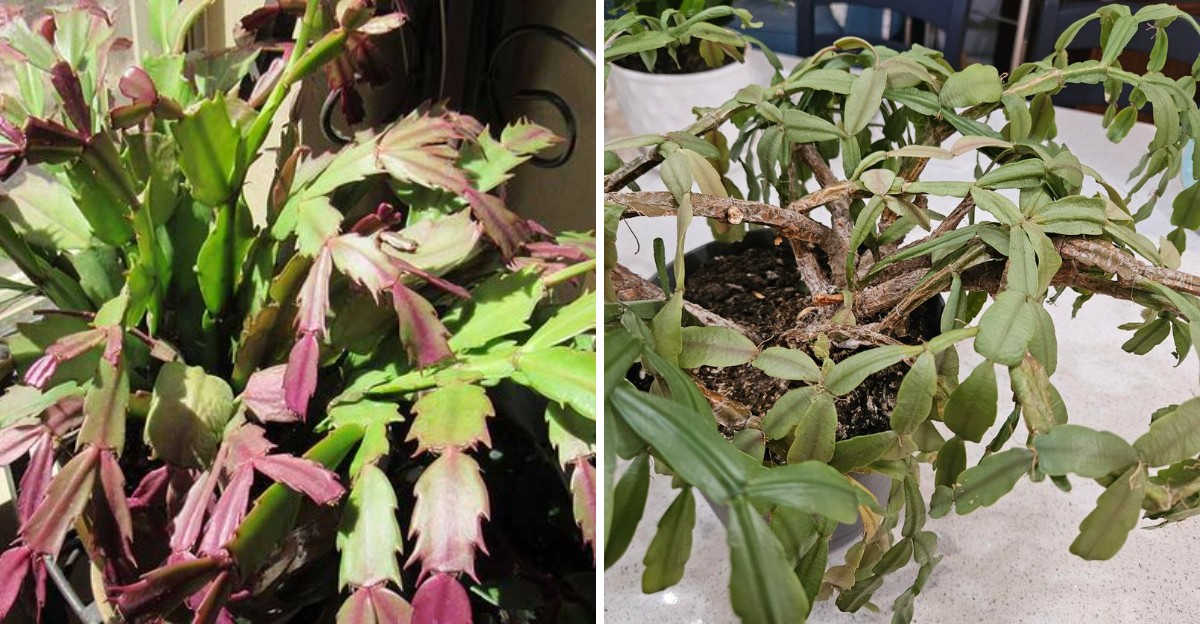
One week, your Christmas cactus looks full and perky. The next, its leaves are drooping over the edge of the pot like wet noodles. It’s a common sight in Pennsylvania homes this time of year.
Those thick, flat leaves are built to store water, so when they turn soft, thin, or floppy, the plant’s water balance is usually out of whack.
The confusing part is that the same symptom can come from opposite problems. Soil that stays soggy for too long can rot the roots, so the plant can’t drink even when water is right there.
Soil that dries out completely leaves it with nothing to draw from. Cold drafts, a spot near the furnace, or a sudden move can make things worse.
Limp leaves often firm back up once you fix the cause. A few quick checks can point you in the right direction.
1. It Needs More Water
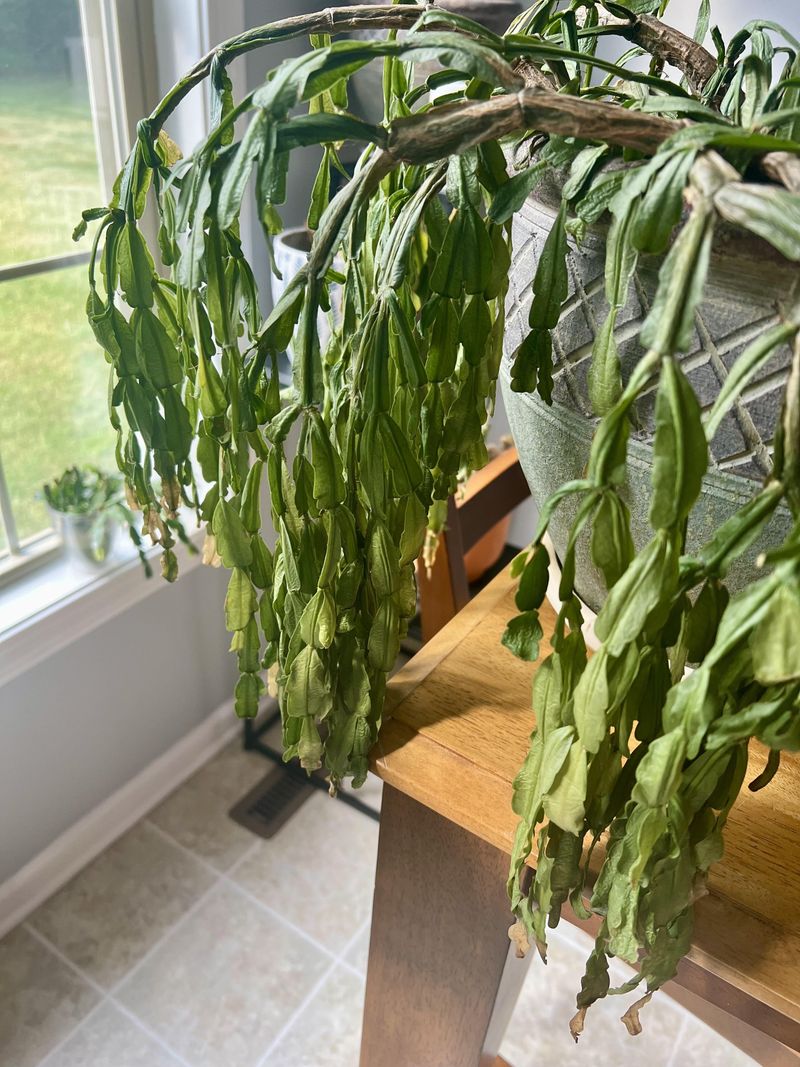
Surprise! Your Christmas cactus is not really a desert plant at all. In the wild, it grows on tree branches in the misty rainforests of Brazil. That means it enjoys more regular drinks than the spiky cacti you might see in Arizona.
Thirsty plants send clear signals. The flat segments start to feel soft when you gently squeeze them.
They may also look thin, wrinkled, or slightly puckered, almost like a raisin. The soil often pulls away from the sides of the pot, too.
Fixing thirst is simple. Take the plant to the sink and water it slowly until water runs out of the drainage holes.
Let it drain completely so it is not sitting in a puddle. If the soil is bone dry and water rushes straight through, try bottom watering instead.
Set the pot in a bowl of water for about 20 minutes so the soil can soak it up.
After that, check the soil with your finger every few days. When the top inch feels dry, it is time to water again. In most Pennsylvania homes, that works out to about once a week, but it can change with the seasons.
Give it a day or two after a good soak. Firm, plump segments usually return pretty quickly. If they stay limp even after watering, the problem may be hiding below the soil, which leads us to the next cause.
Fun fact: in Brazil, these plants are called epiphytes, which means they grow on other plants without harming them.
2. Its Roots Are Rotting From Too Much Water
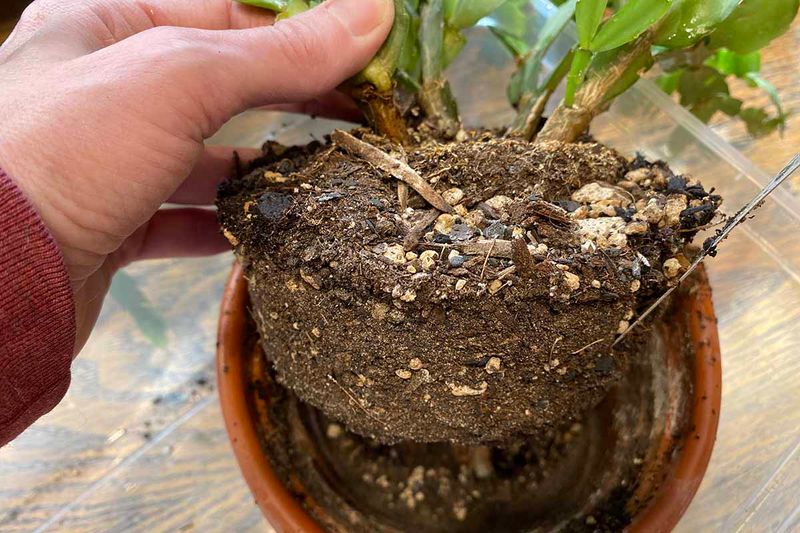
Love can sometimes drown a plant. Many caring owners water their Christmas cactus a little too often, and the roots pay the price. Soggy soil squeezes out the air that roots need to breathe.
Without air, roots begin to rot. They turn brown, soft, and mushy instead of staying white and firm.
Rotten roots cannot pull water up into the plant. So the segments go limp, even though the soil feels wet. It seems strange, but the plant is actually thirsty while sitting in water.
Your Pennsylvania Garden Changes Every Week. Your Plan Should Too.
Gardening in Pennsylvania changes quickly throughout the season. Every Friday you’ll receive a simple weekly plan showing exactly what to plant, prune, fertilize, harvest, and protect so you never miss the right timing.
Other warning signs include a sour smell from the soil, dark spots near the base of the stems, or segments falling off with a light touch. If you notice these, act quickly.
Start by sliding the plant out of its pot. Gently shake off the old, wet soil. Look closely at the roots. Use clean scissors to snip away anything brown, slimy, or smelly. Keep the healthy white roots.
Next, repot the plant in fresh, well-draining mix. A blend made for cacti or succulents, mixed with a bit of orchid bark or perlite, works great.
Pick a pot with drainage holes, and do not go much bigger than the root ball. A huge pot holds extra water that can cause the same trouble again.
Wait about a week before watering so the trimmed roots can heal. After that, only water when the top inch of soil is dry. Also, always empty saucers so the pot never sits in water.
3. Dry Furnace Heat Is Pulling Out Moisture
Anyone who has felt static shocks all winter knows Pennsylvania homes get dry. Once the furnace kicks on in October or November, indoor humidity can drop to 20 percent or lower. That is drier than some deserts!
Your Christmas cactus feels that dryness, too. Warm, dry air pulls moisture from the segments faster than the roots can replace it. The result is floppy, tired-looking stems, often right when the plant should be setting buds.
Location matters a lot here. Plants sitting near heating vents, radiators, wood stoves, or baseboard heaters get blasted with hot, dry air all day. Even a few feet can make a big difference.
First, move your plant away from any heat source. A spot at least three to four feet from vents or radiators is a good start. Next, add some moisture back into the air around it.
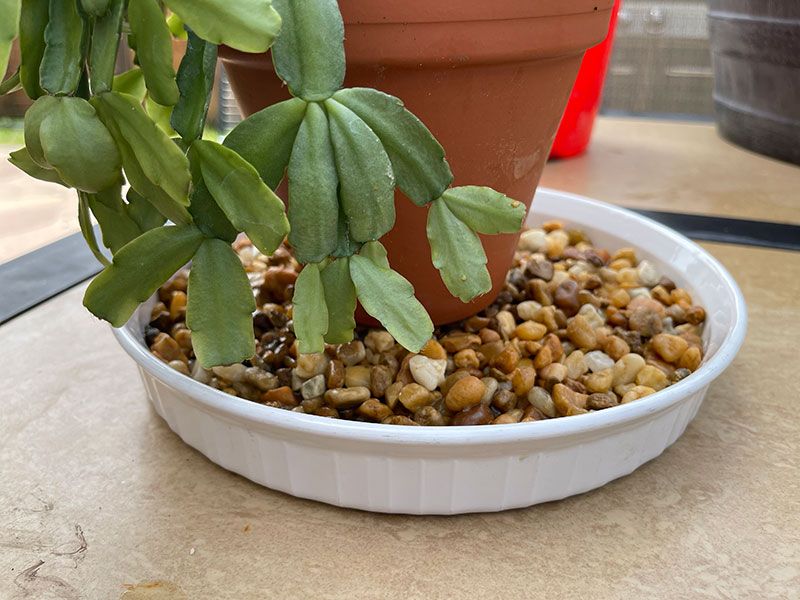
A pebble tray is an easy, cheap fix. Fill a shallow tray with small stones, add water just below the top of the pebbles, and set the pot on top.
As the water evaporates, it creates a little cloud of humidity. Just make sure the pot does not sit directly in water.
A small humidifier nearby works even better, especially during January and February. Grouping houseplants together also helps, since plants release moisture and share it like friends.
Bonus tip: a hygrometer, which costs only a few dollars, shows you the exact humidity in your room. Aim for around 40 to 50 percent.
4. It’s Sitting Near A Cold Window Or Draft
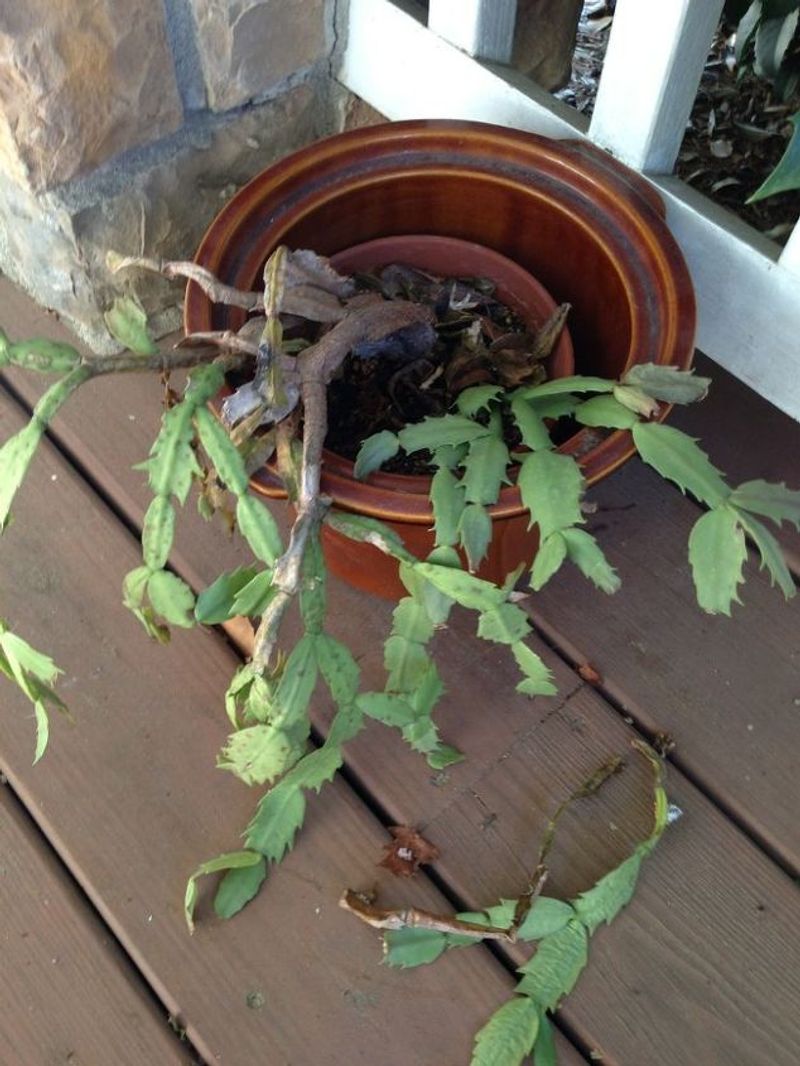
Frosty windowpanes look pretty on a January morning in Scranton or Erie. For a Christmas cactus pressed against that glass, though, they are bad news.
Window glass gets much colder than the room around it. When segments touch an icy pane, the cells inside can get damaged.
A day or two later, those spots may turn soft, limp, or even a little see-through. Cold air can also sneak in around old window frames and chill the whole plant.
Drafty doorways cause similar problems. Every time someone opens the front door, a blast of freezing air rushes in. Over a winter, those little shocks add up and leave the plant weak and droopy.
Christmas cacti are happiest between about 60 and 70 degrees during the day. They can handle cooler nights in the 50s, which actually helps them bloom. Temperatures below 45 degrees, however, start to cause harm.
So what should you do? Keep the plant at least a few inches back from the window during winter.
Make sure no segments or flowers touch the glass. If you have thin or older windows, pull it back a foot or more on very cold nights.
Also, keep it away from entryways, garage doors, and patio doors. A bright table near an inside wall often works well.
Damaged segments will not recover, but you can gently pinch them off. Healthy new growth should appear once the plant is safe and cozy again.
5. Pests Are Draining Its Sap
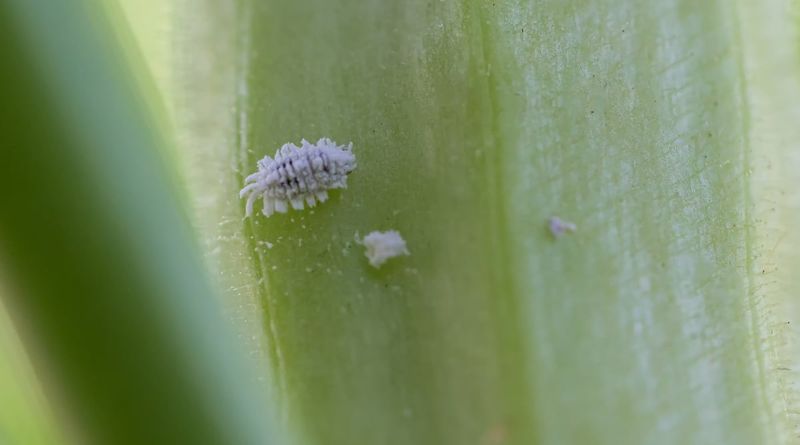
Tiny thieves might be hiding on your plant. Mealybugs and scale insects are small, slow pests that love Christmas cacti. They poke into the stems and suck out the sap, which is the plant’s lifeblood.
As they drink, the segments lose strength. Over time, the plant looks weak, droopy, and pale. A heavy problem can even stop it from blooming.
Spotting them takes a careful eye. Mealybugs look like little tufts of white cotton. They often gather where segments join together or along the base of the stems.
Scale insects look like small brown or tan bumps that seem stuck to the plant. You might also notice a sticky, shiny coating on the leaves, called honeydew.
Grab a cotton swab and some rubbing alcohol. Dip the swab and dab each bug directly. The alcohol breaks down their waxy coating, and they let go. For scale, you may need to gently scrape them off with your fingernail or the swab.
Check again every few days. Eggs can hatch later, so keep going for two or three weeks until no new bugs show up. Insecticidal soap spray can help with bigger outbreaks.
Keep the infested plant away from your other houseplants while you treat it. Pests spread easily from pot to pot.
Here is a sneaky tip: pests often ride home on new plants from the store. Look over any new purchase carefully before placing it near your Christmas cactus.
6. It’s Stressed From Being Moved
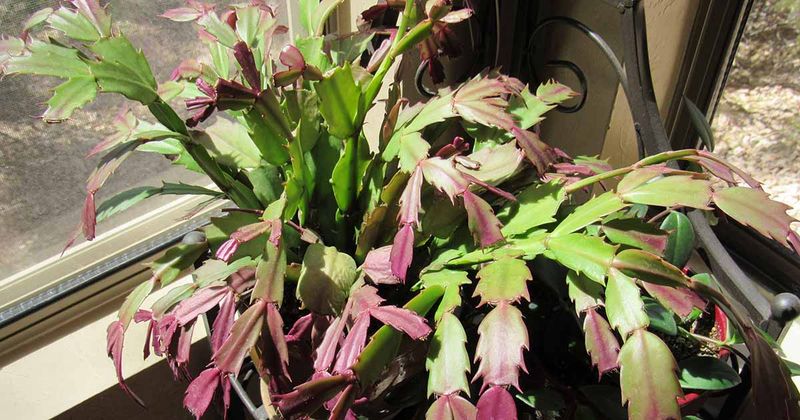
Moving day is hard on everybody, plants included. Many Pennsylvania gardeners set their Christmas cactus outside on a shady porch for summer. Then, when September nights turn chilly, they bring it back inside.
That trip may seem short to us. To the plant, however, everything changes at once. The light, temperature, air moisture, and even airflow are all different indoors. Even shifting it from one room to another can cause a bit of shock.
Stressed plants often respond by going limp for a while. Some may also drop buds or a few segments. It looks scary, but it is usually temporary.
The best fix is calm, steady care. Pick a spot with bright, indirect light. An east-facing window or a spot a few feet from a sunny south window works nicely. Harsh direct sun can scorch the segments, while a dark corner leaves the plant weak.
Once you choose a spot, leave it there. Moving the plant around again and again only adds more stress. Keep watering on a regular schedule and avoid fertilizing while it adjusts.
Give it a few weeks to settle in. Most plants perk up on their own once they get used to their new home.
Here is an old gardener’s tip: if you bring it indoors in fall, do it gradually. Start with a few hours inside each day for a week. That slow change helps the plant adjust with much less fuss.
7. Its Soil Is Old Or Compacted
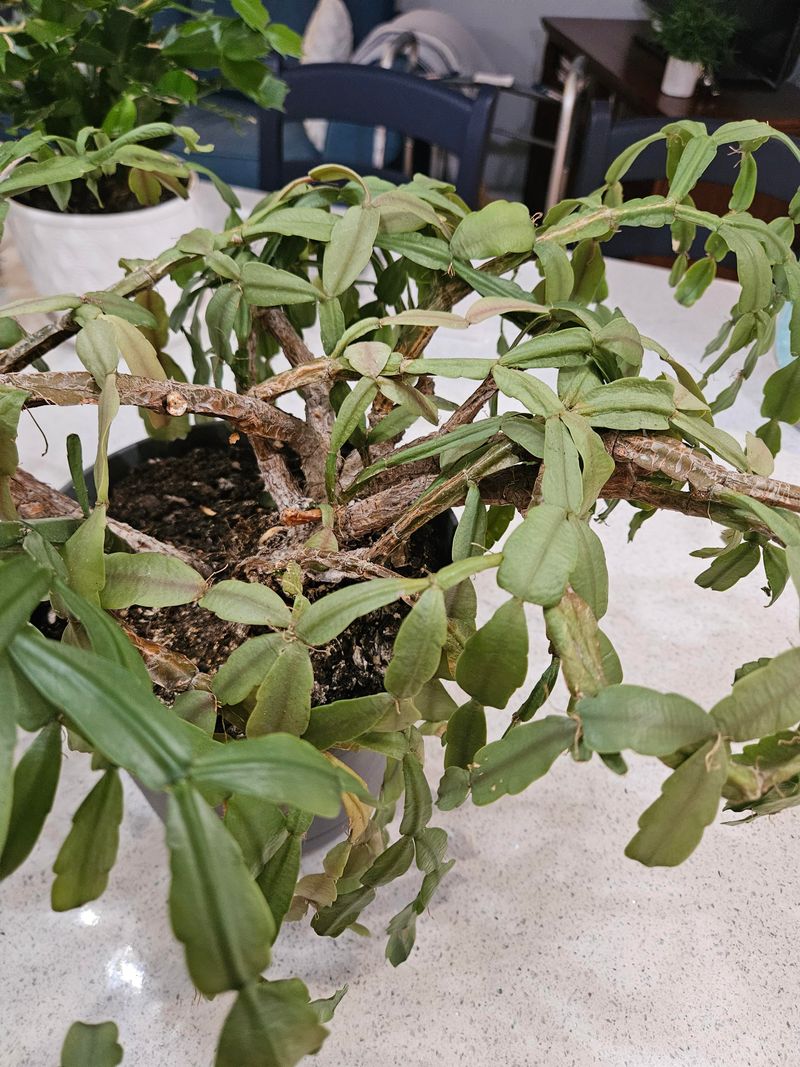
Grandma’s Christmas cactus might be 30 years old, but its soil should not be. Potting mix does not last forever. Over time, it breaks down into fine, dense dirt that packs tightly around the roots.
Compacted soil causes several problems. Water may run straight down the sides of the pot without soaking in.
Or it may stay soggy in the middle for days. Either way, the roots struggle to get the water and air they need, and the segments start to sag.
How can you tell? Old soil often looks crusty or hard on top. It may shrink away from the pot edges. You might even see roots poking out of the drainage holes or circling the top of the soil.
A simple rule helps here. If your plant has not been repotted in three or more years, it is probably time.
The best season for repotting is spring, after the plant finishes blooming. Never repot while it is budding or flowering, since that can make the buds fall off.
Gently remove the plant and loosen the old soil from the roots. Choose a light, airy mix, such as cactus soil blended with perlite and a handful of orchid bark. Use a pot only one size larger, with good drainage holes.
Fun fact: Christmas cacti actually like being a little snug in their pots. A slightly crowded root system often leads to more blooms, so there is no need to upsize much.