Why Oregon Ferns Sometimes Decline After Summer Heat And How To Bring Them Back
Your Oregon ferns may look like they should handle anything. They fill shady corners, create a lush woodland feel, and often seem perfectly comfortable beneath trees and along damp garden edges.
Then a hot, dry stretch arrives, and suddenly those once-full fronds start looking tired.
The change can be confusing because the damage is not always dramatic at first. A few brown edges, thinner growth, or a less vibrant appearance may be the only clues that your fern is struggling.
Summer heat can affect ferns differently than many other garden plants. Their favorite growing conditions can shift quickly when temperatures rise, moisture disappears, or the surrounding environment changes.
The good news is that a struggling fern is not always a lost cause. What you do after the stress appears can influence how well it recovers and how it looks in the seasons ahead.
Take a closer look at what your fern is showing you before cutting everything back or replacing it. Those tired fronds may be telling you exactly what the plant needs next.
1. Hot Dry Weather Can Stress Fern Fronds
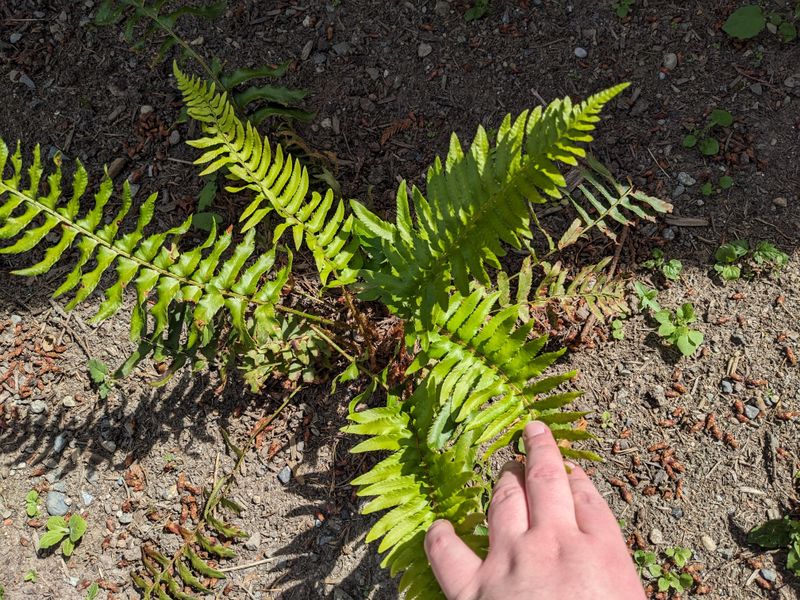
Ferns love moisture. When the air gets hot and dry for days or weeks at a time, the fronds begin to feel it almost immediately.
The green color fades, the tips curl, and the whole plant can look limp and tired.
Fern fronds are made mostly of water. When temperatures rise above 85 degrees Fahrenheit and humidity drops, the plant loses water faster than its roots can replace it.
This imbalance causes visible stress on the leaves.
Oregon summers have been getting hotter in recent years. Heat waves that last several days can push ferns past their comfort zone quickly.
Even plants that are well-established in a shady spot can suffer when the heat is intense enough.
The fronds that turn yellow or brown during a heat wave are not always lost forever. In many cases, the plant is simply shedding damaged growth to save energy.
The roots and crown are often still healthy below the surface.
Keeping an eye on your ferns during hot spells is really helpful. Check the fronds every couple of days.
If you notice wilting or browning early, you can act fast and reduce the damage. Moving potted ferns to a shadier spot during extreme heat can also make a big difference in how well they hold up.
2. Sword Ferns May Go Brown After Long Heat
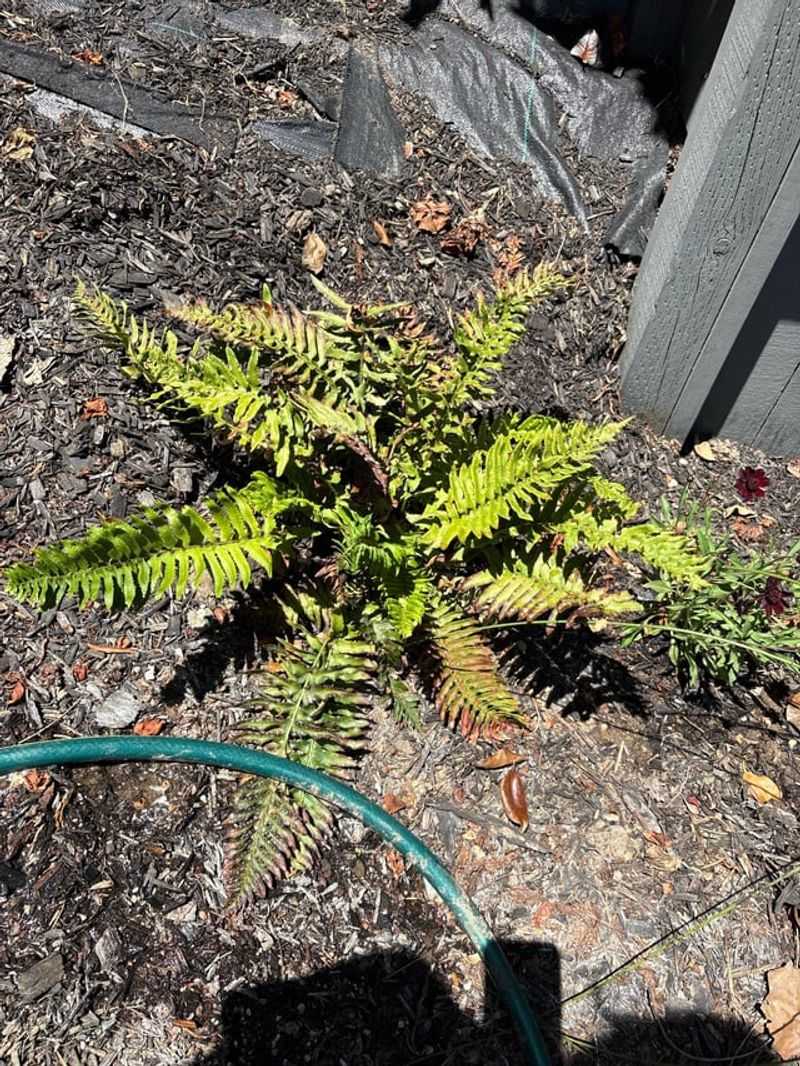
Sword ferns are one of the most common ferns in Oregon, and they are known for being tough. But even they have their limits.
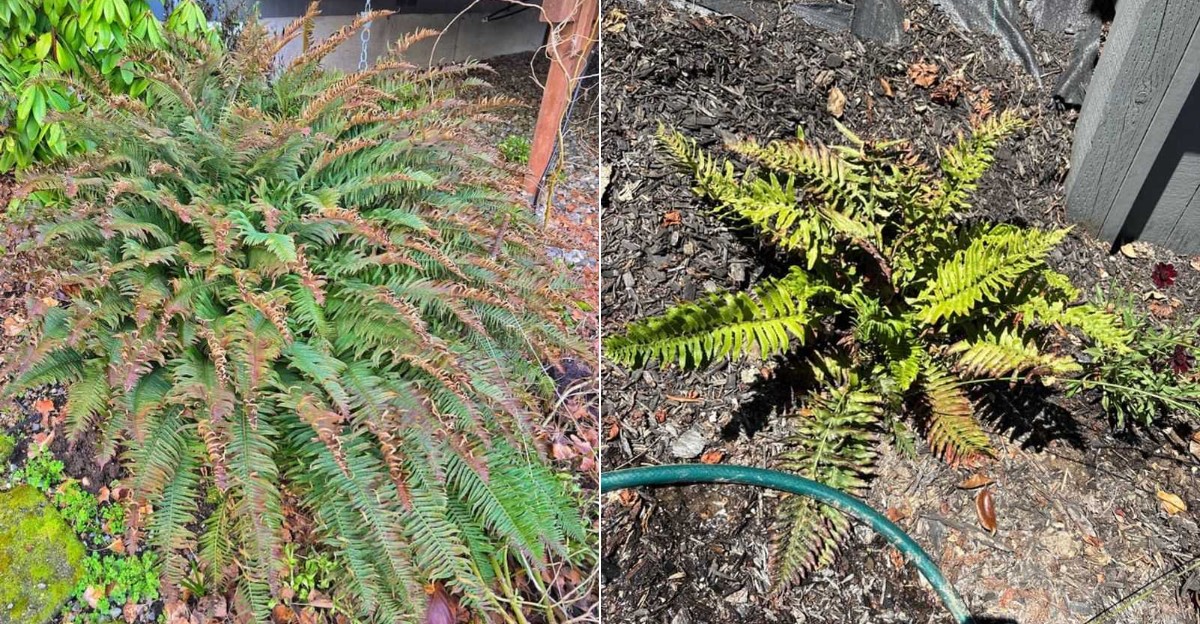
After a long stretch of hot weather, sword fern fronds can turn fully brown and dry out from tip to base.
Many gardeners see this browning and assume the plant is finished. That is a very understandable reaction.
Brown fronds look pretty bad, especially when the whole plant seems affected. But sword ferns have a secret weapon: their root system.
The roots of a sword fern go deep and spread wide. Even when every frond above ground looks brown and crispy, the roots are often still alive and holding onto moisture.
Your Oregon Garden Changes Every Week. Your Plan Should Too.
Gardening in Oregon changes quickly throughout the season. Every Friday you’ll receive a simple weekly plan showing exactly what to plant, prune, fertilize, harvest, and protect so you never miss the right timing.
The plant is not gone. It is resting and waiting for better conditions.
Did you know that sword ferns have survived in Oregon for thousands of years? They evolved to handle tough seasons.
Browning after summer heat is a natural response, not a sign of permanent damage in most cases.
Once cooler weather and regular rain return in fall, sword ferns often send up fresh new fronds on their own. You can help speed things along by trimming back the brown growth and giving the plant a good drink of water.
Patience is your best tool with sword ferns. They tend to come back strong when given the chance.
3. The Root Zone Matters More Than The Leaves
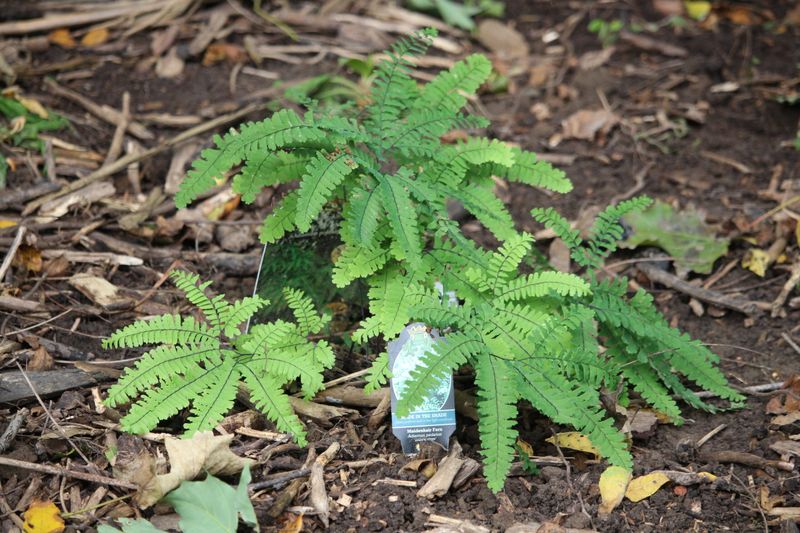
When a fern looks bad on the outside, the real story is happening underground. The root zone is the heart of the plant.
If the roots are still healthy, the fern has a very good chance of recovering, no matter how rough the fronds look.
Roots need two things to stay healthy: moisture and air. During hot dry summers, the soil can bake hard and crack.
That makes it tough for water to reach the roots. It also compresses the soil, which reduces the air pockets that roots need to breathe.
Checking the root zone is easier than it sounds. Push your finger about two inches into the soil near the base of the fern.
If the soil feels bone dry, the roots are likely stressed. If it feels slightly cool and damp, the roots are probably doing okay.
Compacted or dry soil is one of the biggest hidden problems for ferns in summer. Adding organic matter like compost around the base of the plant can help loosen the soil and hold moisture longer.
This simple step makes a noticeable difference.
Roots that look white or light tan when you gently dig near them are healthy. Roots that look dark brown or mushy may have other problems.
Most of the time, though, fern roots survive summer stress better than the visible fronds do. Focus on the roots, and the rest will follow.
4. Deep Watering Helps After Summer Stress
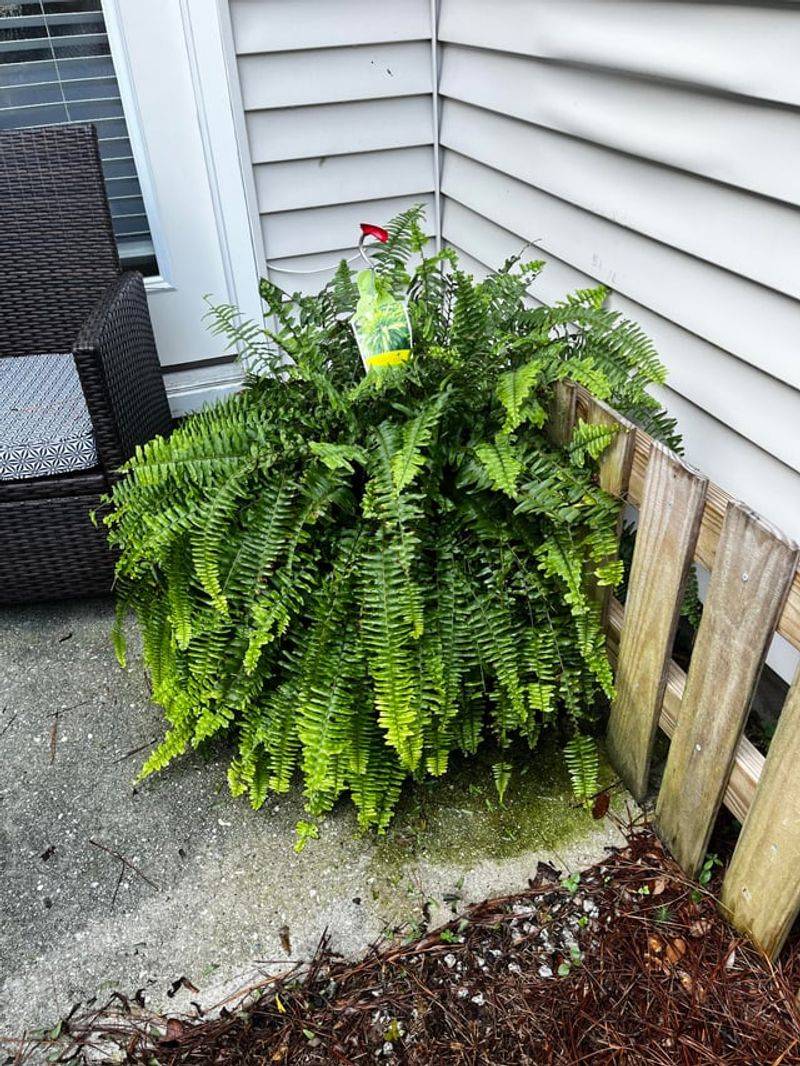
Sprinkling a little water on top of a stressed fern is not enough. After a hot, dry summer, the soil can be so dry that a light watering barely reaches the roots at all.
Deep watering is the way to go.
Deep watering means applying water slowly and steadily so it soaks down several inches into the soil. A slow trickle from a hose left near the base of the plant for 20 to 30 minutes works really well.
This encourages roots to grow deeper, where moisture stays more stable.
Watering in the early morning is the best time. The water soaks in before the heat of the day causes it to evaporate.
Evening watering works too, though it can sometimes lead to fungal issues if the fronds stay wet overnight.
Avoid watering the fronds directly during hot weather. Wet leaves in full sun can actually burn, which adds more stress to an already struggling plant.
Always aim for the base of the plant, right at the soil level.
After summer stress, ferns often need consistent watering two or three times a week until the cooler fall weather arrives. Once rain returns naturally, you can ease off.
The goal is to keep the root zone consistently moist but never waterlogged. Getting this balance right is one of the fastest ways to help a heat-stressed fern start recovering and pushing out new healthy growth again.
5. Remove Fronds That Will Not Recover
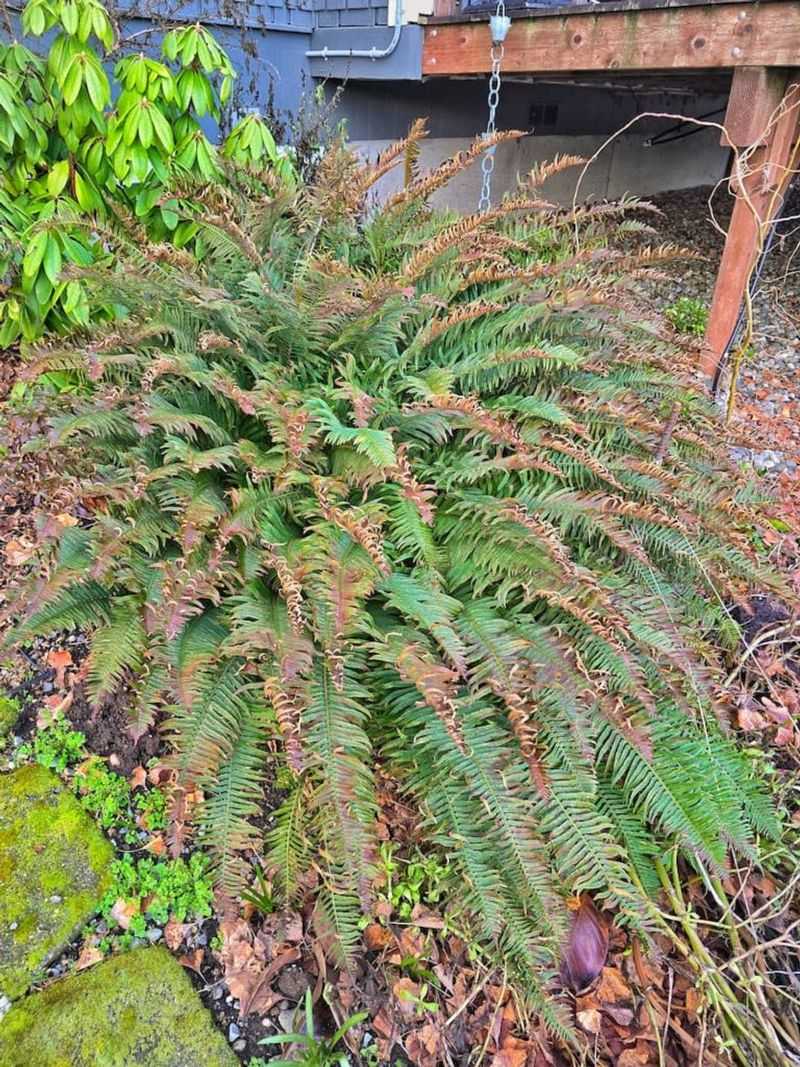
Brown, crispy fronds are not coming back. Once a frond has fully dried out and turned brown from tip to base, it has done its job and is ready to be removed.
Cutting them away is actually a helpful step, not a harmful one.
Removing damaged fronds lets the plant focus its energy on new growth. When a fern is holding onto a lot of withered material, it spends resources trying to maintain tissue that cannot be saved.
Cleaning things up gives the plant a fresh start.
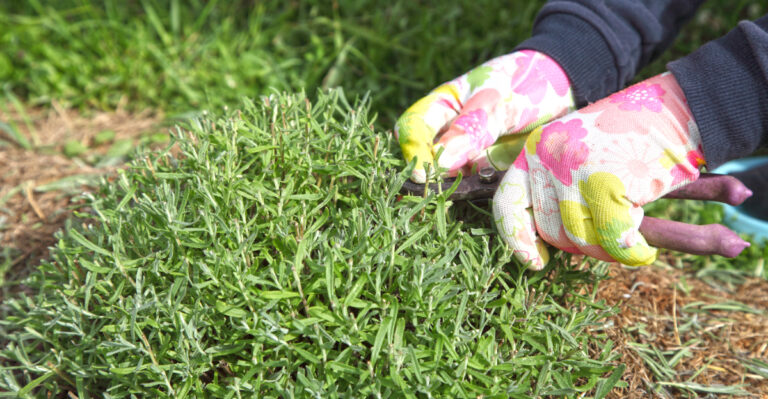
Use clean, sharp pruning shears or scissors to cut brown fronds as close to the base as possible. Clean tools matter because dirty blades can spread disease from one plant to another.
Wipe the blades with rubbing alcohol before and after trimming.
Some fronds may only be partially brown, with green still showing near the base. Those are worth leaving alone for now.
The green portion is still doing useful work for the plant by absorbing light and supporting recovery.
After trimming, the fern may look a little bare and sad for a while. That is completely normal.
Give it time, water it consistently, and watch for small new fronds called fiddleheads to start curling up from the center of the plant. Those tiny green spirals are a sure sign the fern is on its way back.
New growth after a tough summer is one of the most rewarding things to see in a garden.
6. Protect Ferns From More Drying Conditions
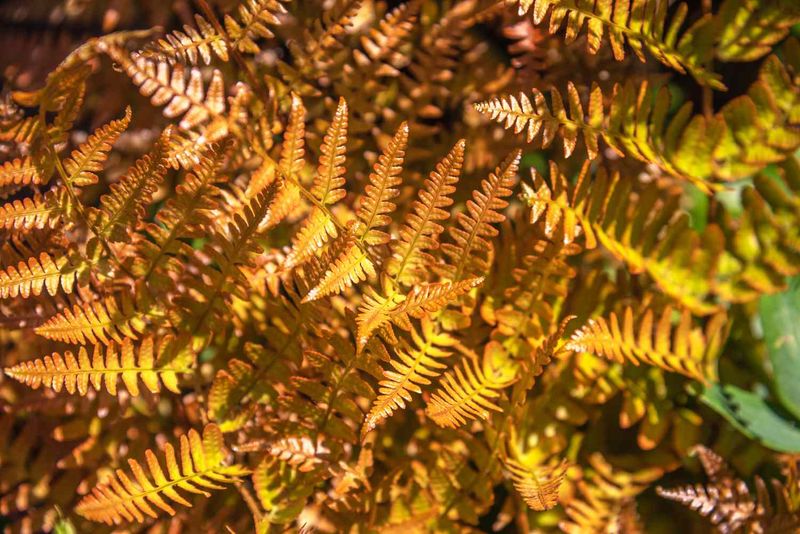
Once a fern has been stressed by heat, it becomes more vulnerable to further damage. Protecting it from additional drying conditions gives it the breathing room it needs to start recovering without being hit again.
Shade is one of the best protections you can offer. If your fern is in a spot that gets direct afternoon sun, consider adding a shade cloth or moving nearby pots and furniture to block some of that harsh light.
Even a few hours of reduced sun exposure can help a lot.
Wind is another sneaky problem. A hot dry wind can pull moisture from fronds faster than the roots can replace it.
Placing a temporary windbreak, like a garden screen or a row of potted plants, on the windward side of your ferns can reduce this drying effect.
Grouping plants together also helps. When plants grow close to each other, they create a little microclimate that holds humidity better than open, exposed ground.
Ferns placed near other leafy plants tend to handle heat stress a bit better than isolated ones.
Avoid fertilizing a heat-stressed fern right away. Fertilizer pushes new growth, and new growth needs water and energy the plant may not have right now.
Wait until the fern shows signs of recovery before adding any nutrients. Keeping things simple and focused on shade, moisture, and gentle care is the smartest approach during the recovery period.
7. Mulch Helps Hold Moisture Around Roots
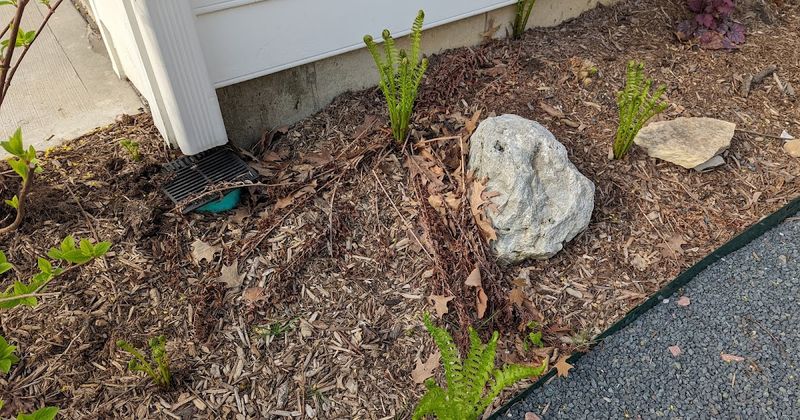
Mulch is one of the simplest and most effective tools a gardener has. Spreading a layer of organic mulch around the base of a fern can make a huge difference in how well the plant handles heat and recovers afterward.
Mulch works by slowing down evaporation from the soil surface. Without mulch, the sun can dry out the top layer of soil very quickly, leaving roots thirsty even after watering.
A two to three inch layer of wood chips, shredded bark, or leaf litter acts like a blanket that keeps moisture in.
Mulch also keeps the soil temperature lower. On a hot day, bare soil can heat up to temperatures that stress roots directly.
Covered soil stays significantly cooler, which helps roots stay active and healthy even during warm spells.
Applying mulch is easy. Spread it in a wide circle around the base of the fern, but keep it a few inches away from the crown of the plant.
Piling mulch directly against the crown can trap too much moisture there and cause rot.
Over time, organic mulch breaks down and adds nutrients back into the soil. This slow release of nutrients is gentle and natural, which is exactly what recovering ferns need.
Refresh the mulch layer each spring or after a tough summer to keep the benefits going. It is one of the easiest habits you can build to keep Oregon ferns looking lush and healthy year after year.