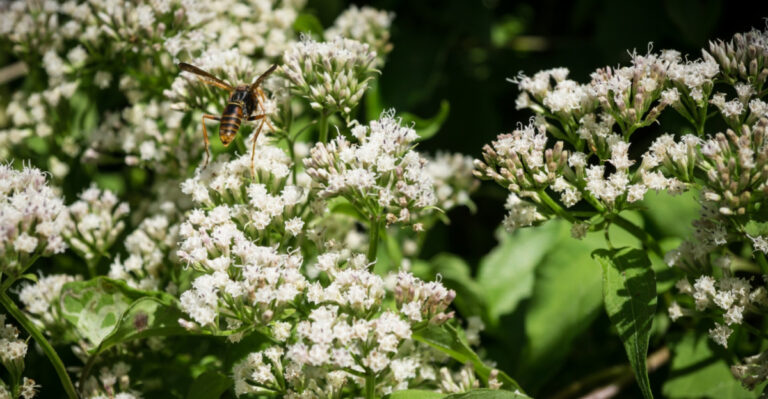
8 Reasons Late Summer Is Peak Season For Paper Wasp Nests In New Jersey
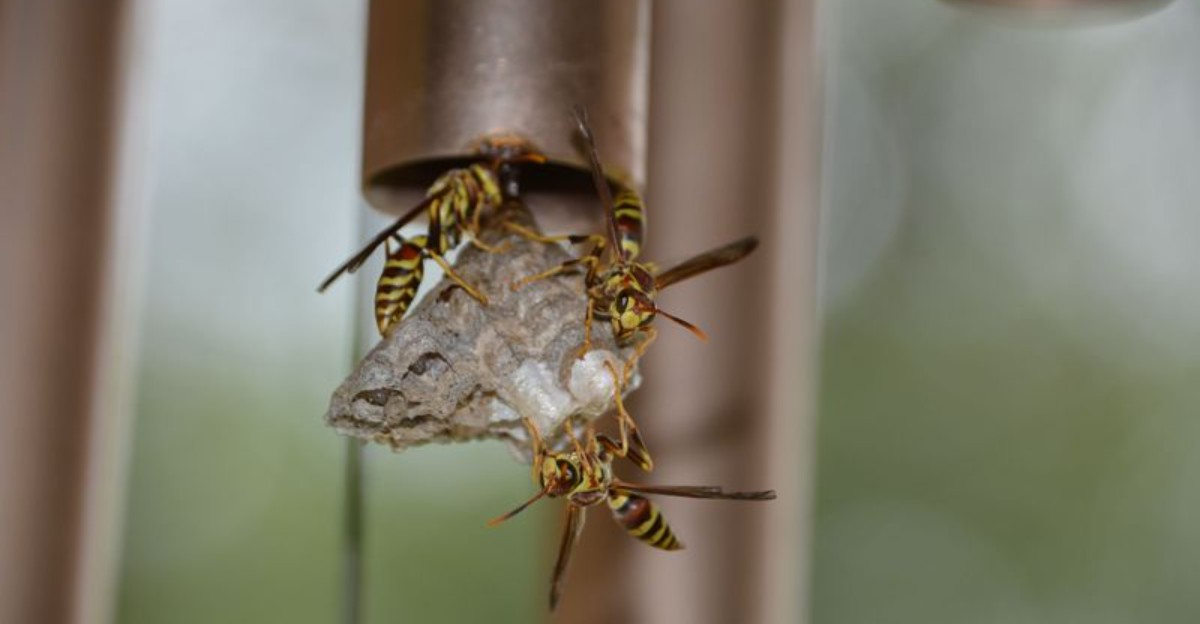
Porch lights pull in more visitors than usual across New Jersey right now. Something quick and pointed keeps circling your deck railing tonight. Wasps sense a subtle shift in daylight before you even notice it.
Cooler nights trigger a shift inside crowded paper wasp nests nearby. Queens stop laying eggs, and colonies redirect their energy toward raising next year’s queens. Workers abandon their old duties and hunt for sugar instead.
Sodas, fruit rinds, and grill drippings become irresistible targets. Paper wasps crowd your grill with unusual boldness. Their foraging range widens fast, drawn in by the same signals.
Colonies grow more protective as the season winds down. New Jersey’s late-summer heat speeds up this shift.
Your family becomes an unintended bystander in that quiet pursuit. Understanding the trigger truly changes how you respond to it. What comes next on your property depends on what you learn now.
1. Colonies Hit Their Largest Size Right Now
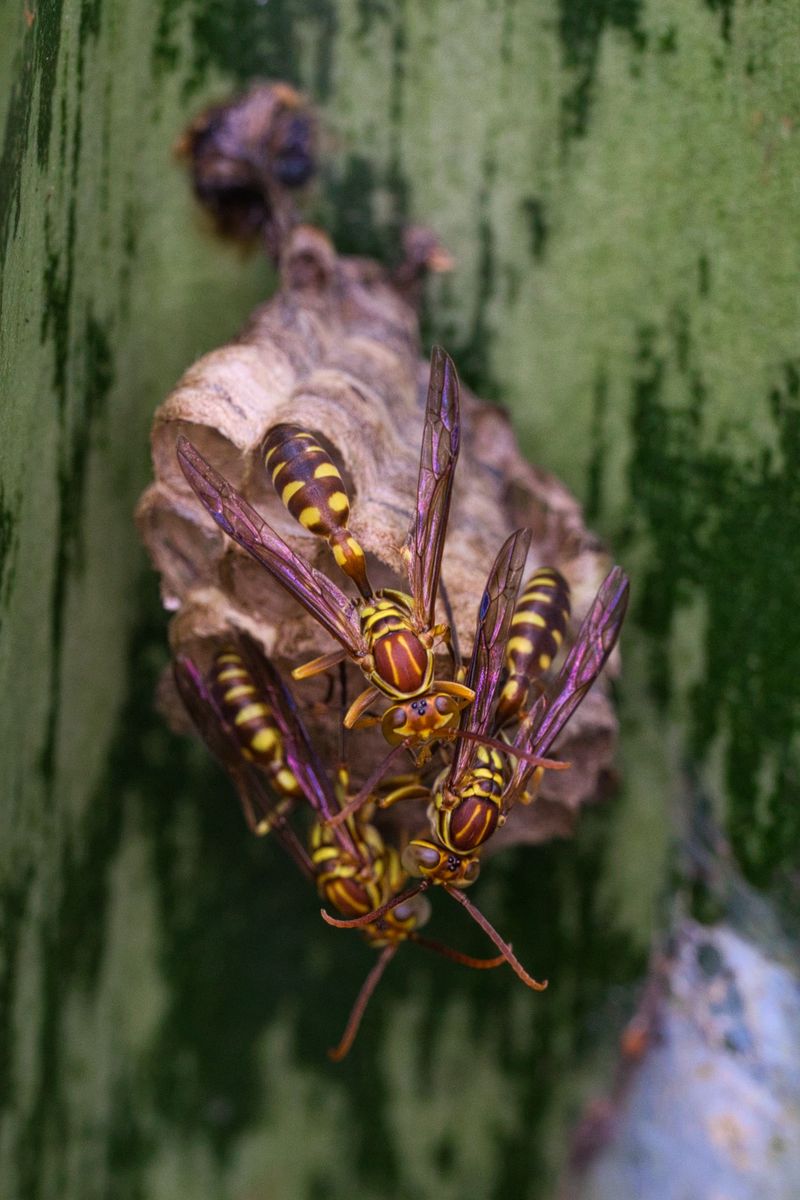
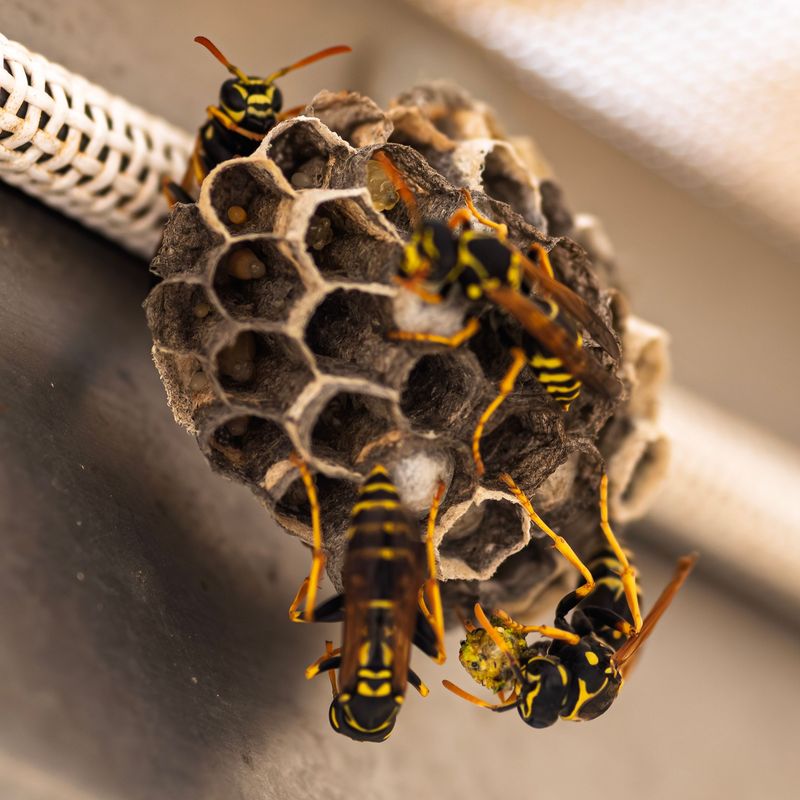
Back in April, a single queen started that umbrella-shaped nest by herself. She chewed wood fibers, mixed them with saliva, and built a handful of cells about the size of a quarter. Fast forward five months and the math has caught up.
Each generation of workers she raised went on to expand the comb and feed more larvae, so a nest that held a handful of cells in spring may grow significantly larger by early September, sometimes reaching well over a hundred.
More cells mean more adults flying in and out. A nest tucked under your porch eave in May might have gone unnoticed, but with twenty or thirty workers circling, it becomes hard to miss.
Population size also changes behavior. A small spring colony has little to protect and often retreats, while a crowded late-season nest has months of investment inside it and reacts faster to vibration or movement.
Homeowners often report nests appearing to show up overnight, when in fact they simply went unnoticed until they grew large.
Practical tip: walk your property line once a week with a flashlight in hand and look under railings, grill covers, mailbox hoods, and playset canopies. Spotting a growing comb early gives you options that a fully staffed colony does not.
Fun bit of trivia: paper wasps were making paper long before humans figured it out, using the same basic recipe of shredded fiber and moisture.
2. Warm Nights Keep Building Crews On The Clock
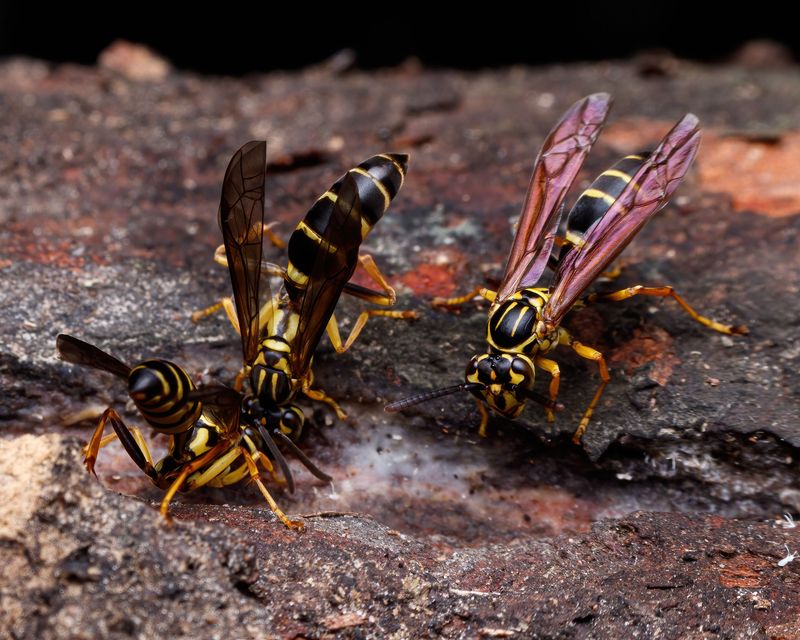
Heat is fuel for wasps. Their bodies run on outside temperature, so a stretch of warm, humid late-summer afternoons speeds up their nest-building activity.
New Jersey summers hold onto that warmth well into September, especially along the shore and in the southern counties. Mild overnight temperatures typical of late summer mean the colony barely slows down after sunset.
Compare that to a chilly May morning, when wasps sit still on the comb waiting for sunshine. Longer active hours translate directly into faster nest growth and more foraging trips per day.
Humidity plays a role too. Damp air keeps the wood pulp workable, and there is plenty of soft weathered lumber on older fences and decks throughout the state.
Your New Jersey Garden Changes Every Week. Your Plan Should Too.
Gardening in New Jersey changes quickly throughout the season. Every Friday you’ll receive a simple weekly plan showing exactly what to plant, prune, fertilize, harvest, and protect so you never miss the right timing.
Urban heat adds another layer. Urban areas with more pavement and brick tend to retain warmth longer, which can extend the growing season for nests compared to cooler rural areas.
What this means for you: the window between noticing a nest and dealing with a large one is shorter in late summer than at any other point. A comb can visibly widen in a week.
Handy advice for early September, keep an eye on south-facing and west-facing walls. Those sunbaked surfaces are prime real estate, and nests there tend to be the biggest ones on the property.
Shade matters as well, since sheltered spots protect the paper from rain while still catching afternoon heat.
3. Backyard Food Sources Are Increasing

Here is something that surprises people: paper wasps play a useful role as pest controllers in your New Jersey garden. Their larvae eat meat, and the adults go hunting to supply it.
Late summer is a buffet. Caterpillars are fat on tomato plants, aphids coat the roses, and flies swarm around compost bins across the state.
Abundant prey means the queen can keep laying and workers can keep feeding. A colony that runs short on protein stalls out, while one with easy hunting expands quickly.
Vegetable gardens are magnets. Cabbage loopers and hornworms in a vegetable garden can draw steady wasp traffic throughout the day.
Adults themselves sip nectar and sugars, which is why they hover around fallen peaches, grape arbors, and the rim of a soda can at a Labor Day cookout.
You can use this knowledge. Keeping fruit picked up, sealing trash lids, and rinsing recycling cuts down on the sugar sources that pull wasps toward your patio.
At the same time, remember the upside. A nest safely tucked in a far corner of the yard removes thousands of plant-chewing caterpillars over a season.
Balance is the goal here. Relocate your concern to nests near doorways and play areas, and consider leaving the distant ones alone until cold weather naturally ends the colony cycle.
Gardeners sometimes notice fewer hornworms in years when a nest sits quietly nearby, since wasps prey on garden pests.
4. New Queens Are Being Raised, And Guards Know It
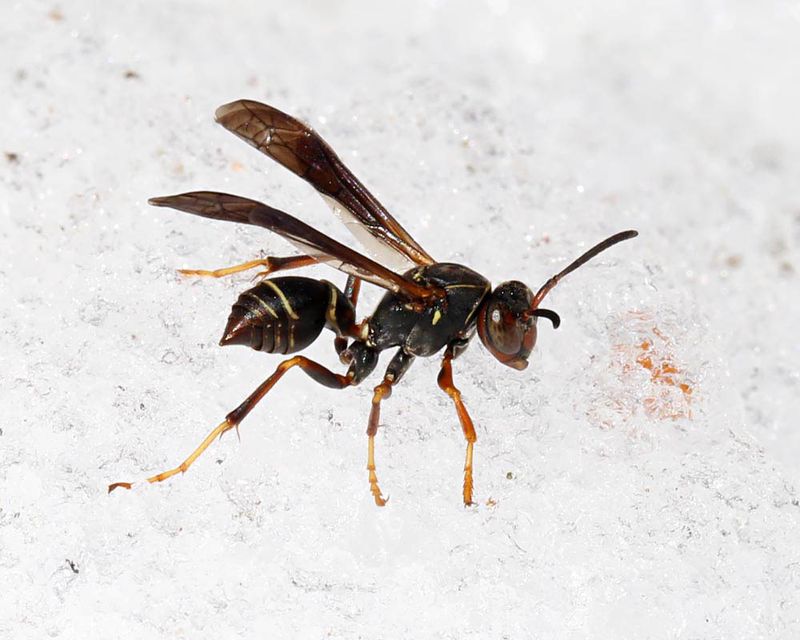
Something shifts inside the nest around August. Instead of raising more workers, the colony starts producing next year’s queens along with males.
Those future queens are the whole point of the year. Every worker that hatched since spring existed to make this moment possible.
Colonies respond by getting more protective. Vibration from a lawn mower, a slammed screen door, or a ladder bumping the gutter registers as a threat much faster than it did in June.
The guarding wasps you see facing outward on the comb edge are doing exactly what their name suggests. They are watching for anything that gets too close.
Distance is your friend. Keeping a reasonable distance, generally several feet or more, lowers your chances of triggering a reaction, though this varies by nest size and species.
If you must work near a nest, do it during cool early morning hours when activity slows, and wear long sleeves and closed shoes. Skip strong perfumes and bright floral prints, which can attract curious foragers.
People with sting allergies should treat this stretch of the calendar seriously. Keep prescribed medication accessible and let family members know where it is stored.
Worth knowing: only females can sting, and males produced this time of year have no stinger at all. Telling them apart in flight is nearly impossible, so caution still applies.
Calling a licensed New Jersey pest professional for high or hard-to-reach nests is the smart play in September.
5. Sheltered Spots On Homes Become Prime Real Estate
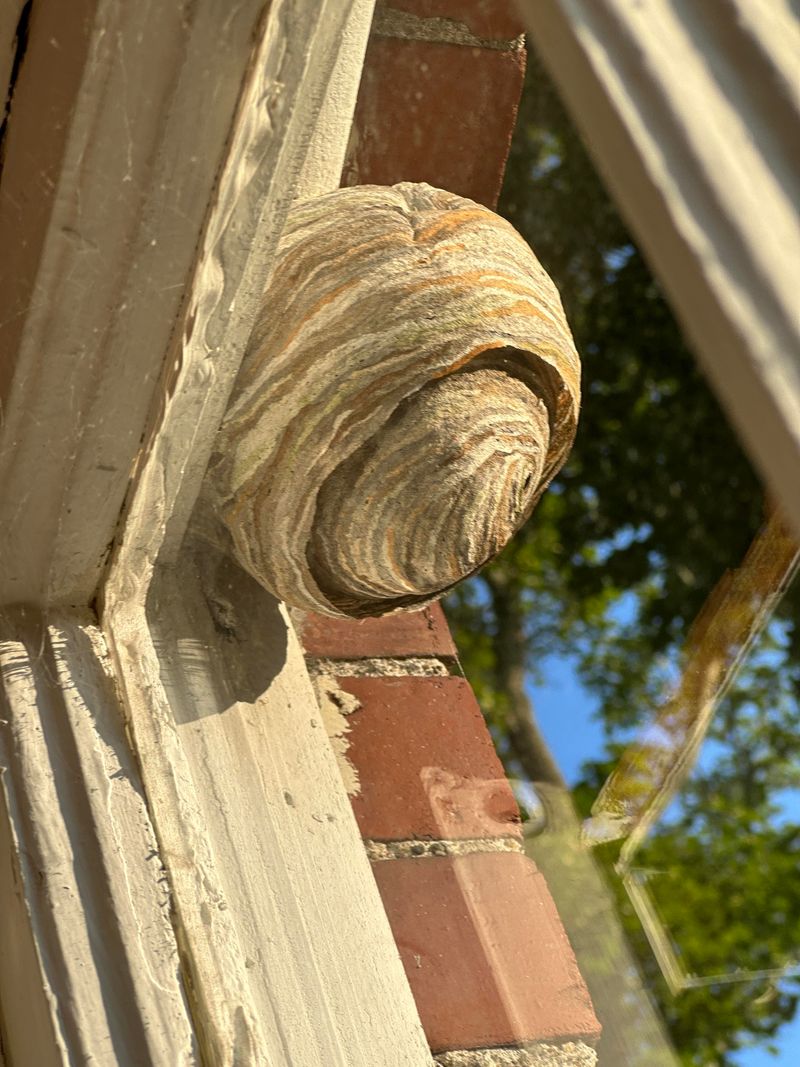
Ask any exterminator where nests show up and the answer sounds like a home inspection checklist. Soffits, eaves, shutters, door frames, and gutter corners top the list.
Paper wasps want overhead cover and a flat surface to anchor to. Your house offers both in dozens of places.
By late summer, those hidden spots have had months to fill up. A nest inside a hollow porch column or behind a loose shutter can reach impressive size before anyone spots a single wasp.
Grill covers deserve special mention. Rolling one back in September has surprised many homeowners who assumed the space was empty.
Playsets, trampolines, patio umbrellas, and stacked outdoor furniture are equally attractive. Anything left undisturbed for weeks becomes fair game.
Prevention works best before spring, but September checks still pay off. Note where nests appeared this year and mark those spots for sealing over the winter.
Caulking small gaps, tightening loose siding, and installing screens over vents removes the sheltered pockets that queens shop for in April.
Another simple move, shake out umbrellas and chair covers before use rather than after settling in. Two seconds of caution avoids an unpleasant surprise.
Storage sheds throughout the state see repeat activity year after year, since the same protected corner appeals to different queens each spring. Hanging a light-colored tarp loosely can make those corners less inviting.
6. Foraging Ranges Widen As Flowers Fade
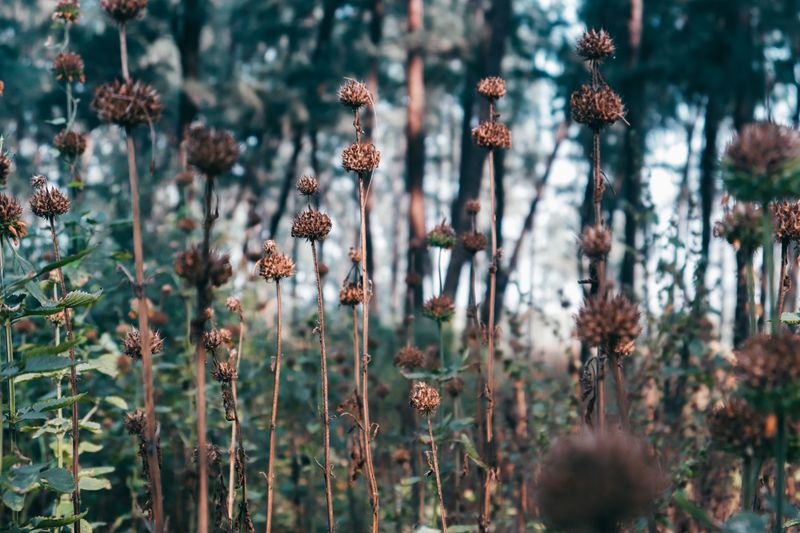
Flowers that fed the neighborhood all summer start winding down in September. Nectar gets harder to find, and wasps widen their search.
Suddenly they show up where they never bothered before. Picnic tables, ice cream stands along the boardwalk, farmers market stalls, and open juice cups all become destinations.
That expanded range explains why sightings spike even when the number of nests stays the same. The same colony simply covers more ground. Sweet smells travel far. A trash can with soda residue can pull foragers from several yards away.
Late-season sugar hunting also brings wasps close to people at exactly the wrong moment. Reaching for a drink without looking is how many September stings happen.
Small habits help enormously. Use lidded cups outdoors, keep food covered until it is served, and rinse recyclables before they sit in the bin.
Position trash and compost containers well away from doors and seating areas. A modest distance makes a noticeable difference at a backyard gathering.
If a wasp lands on your plate, stay still and let it leave. Waving triggers defensive reactions, while patience usually ends the encounter quietly.
Orchards often see the same pattern with dropped fruit, regardless of location. Raking up windfall apples and pears each evening cuts the local buffet down considerably and keeps traffic around the trees lighter.
7. Yard Work Season Overlaps With Nest Season
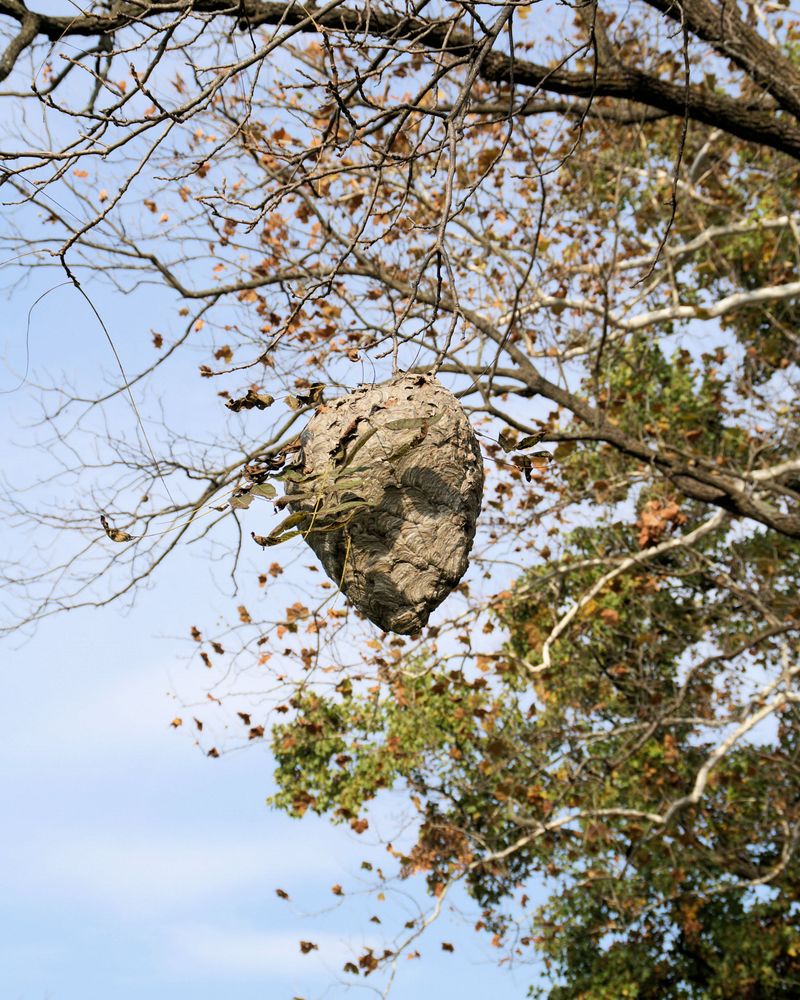
September is when the to-do list comes out. Gutters need clearing, hedges need shaping, and the deck needs a coat of stain before autumn arrives.
Wasps happen to be at maximum numbers during that exact stretch. The overlap explains a lot of unpleasant encounters.
Ladders against gutters, pressure washers on siding, and trimmers along fence lines all send vibration straight into nesting spots. Colonies interpret that shaking as an intruder.
Take five minutes before starting any project. Watch the work area from a distance and look for repeated flight paths, which usually point right to the comb.
Pay attention to the underside of surfaces, since paper wasp nests hang downward and stay invisible from above. A mirror on a stick works nicely for checking gutter corners.
Reschedule if you find something active. Early morning or after dark, when temperatures drop, brings far calmer conditions than a hot afternoon.
Protective clothing matters for close work. Long sleeves, gloves, and eye protection reduce risk considerably even if the odds of trouble seem low.
Height changes the equation entirely. Anything above the first floor belongs in professional hands, since a startled reaction on a ladder creates two problems at once.
One last suggestion for New Jersey homeowners, let neighbors know when you find a nest. Colonies range across several properties, and shared awareness keeps the whole block safer through fall.
8. Cooler Nights Push Wasps Toward Doors And Windows
Those first crisp evenings feel wonderful to us. To a wasp, they feel like a reason to move closer to warmth.
As September nights turn cooler, foragers linger near sunny walls, window frames, and porch lights well into the evening. Some drift indoors through torn screens or gaps under doors.
Attics and wall voids get attention too, particularly from young queens looking ahead to winter shelter. Finding one crawling on a bedroom windowsill in October isn’t unusual.
Sealing is the answer. Repair screens, add door sweeps, check where cable and utility lines enter the siding, and cap open vents with fine mesh.
Indoor sightings usually involve a single confused wasp rather than a nest inside the house. Opening a window and guiding it out with a piece of cardboard handles the situation without drama.
Interestingly, only the new queens carry the colony forward. They tuck into leaf litter, log piles, and sheltered cracks, then emerge in spring to start fresh.
The old nest gets abandoned once cold weather settles in and is not reused the following year. Removing an empty comb in late fall or winter is straightforward and safe.
Marking the location now saves guesswork later. Snap a phone photo of each nest spot in September so you know exactly where to seal and clean once the season turns.