7 Places You Should Never Hang A Hummingbird Feeder In Pennsylvania
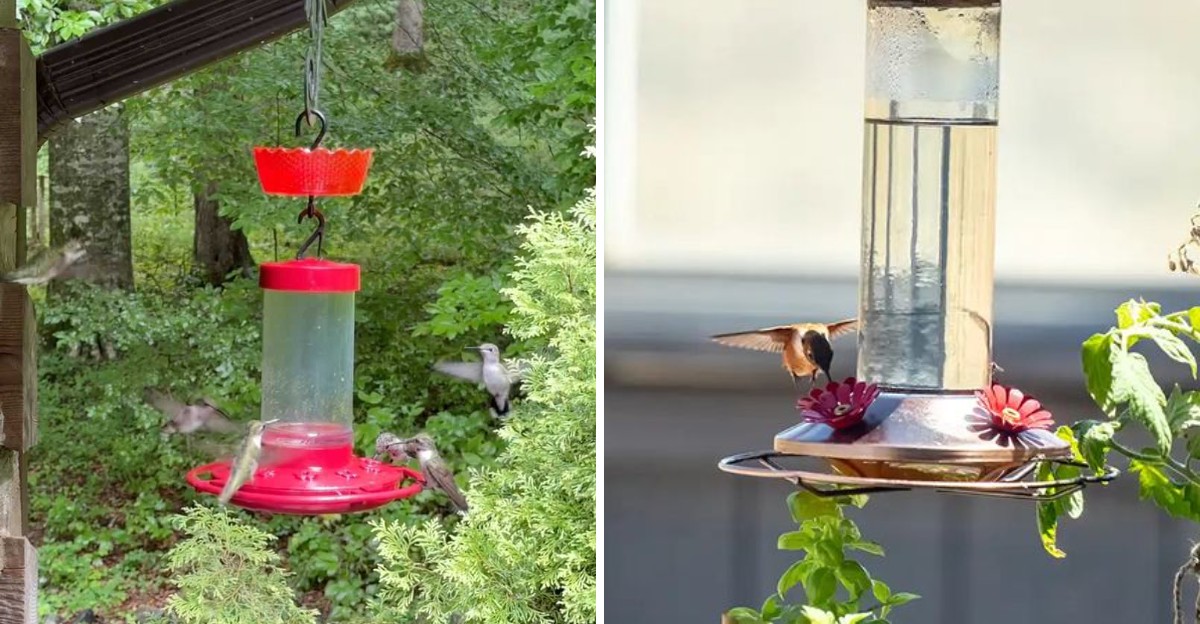
Most Pennsylvania hummingbird enthusiasts put real thought into which feeder to buy and what nectar to use. Far fewer think carefully about where the feeder actually goes. That oversight costs more hummingbird activity than almost any other factor in the setup.
Placement matters enormously. And the wrong location can turn a well stocked, perfectly maintained feeder into one that gets very little attention. Some spots in a Pennsylvania yard actively work against you.
They expose nectar to conditions that cause it to spoil faster, create sight lines that make hummingbirds feel unsafe, or position the feeder near windows and predators in ways that reduce visits dramatically.
Most of these mistakes are easy to avoid once you know what to look for. Here are the places you should never hang a hummingbird feeder in Pennsylvania and exactly why each location is working against the birds you want to attract.
1. Right Next To A Window
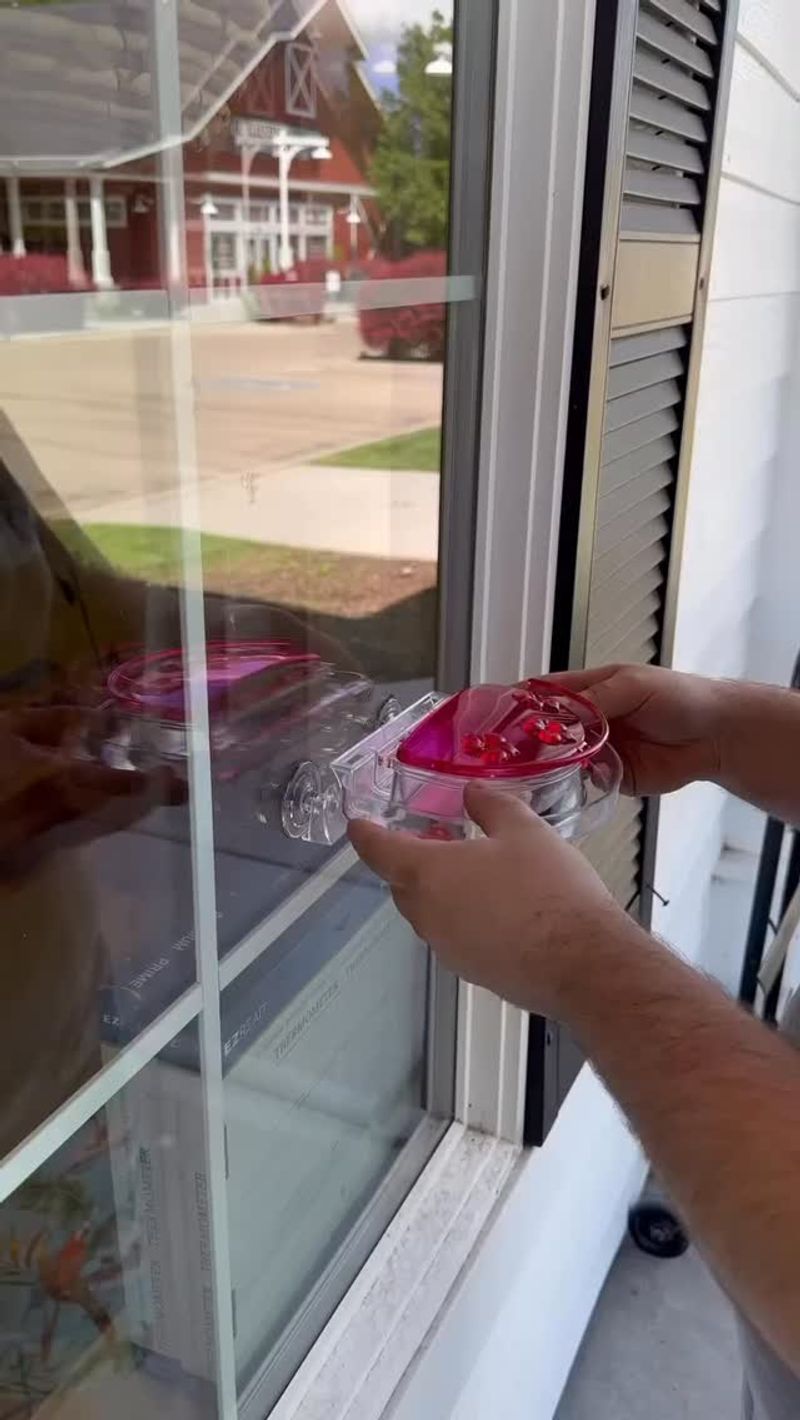
Windows look like a smart choice because you can watch the birds from your comfy chair. The problem is that glass reflects trees and sky, and hummingbirds cannot always tell the difference between a real bush and a mirror image.
When a bird flies fast toward what looks like open space, it can bump hard into the glass. Even a small crash can hurt these tiny fliers, since they zoom around at high speeds.
In Pennsylvania, where sunny mornings create bright reflections, this danger goes up.
Placing a feeder just inches from a window makes collisions more likely because the birds barely have room to slow down. It might seem like a fun view, but it puts your visitors at real risk.
If you love watching from indoors, there is a better trick. Hang the feeder either very close to the glass, within about three feet, or far away, more than fifteen feet.
When it is close, birds cannot build up enough speed to get hurt if they bump the window.
You can also add decals, stickers, or tape strips to the glass. These break up the reflection so birds see a solid surface instead of open sky.
Another idea is to move the feeder to a spot where a tree or fence blocks the reflection. That way, the birds still visit, and you still enjoy the show without worry.
A little planning keeps your window safe and your feathered guests happy. With the right distance, everyone wins, and you get front-row seats to nature.
2. In Full, Blazing Sunlight
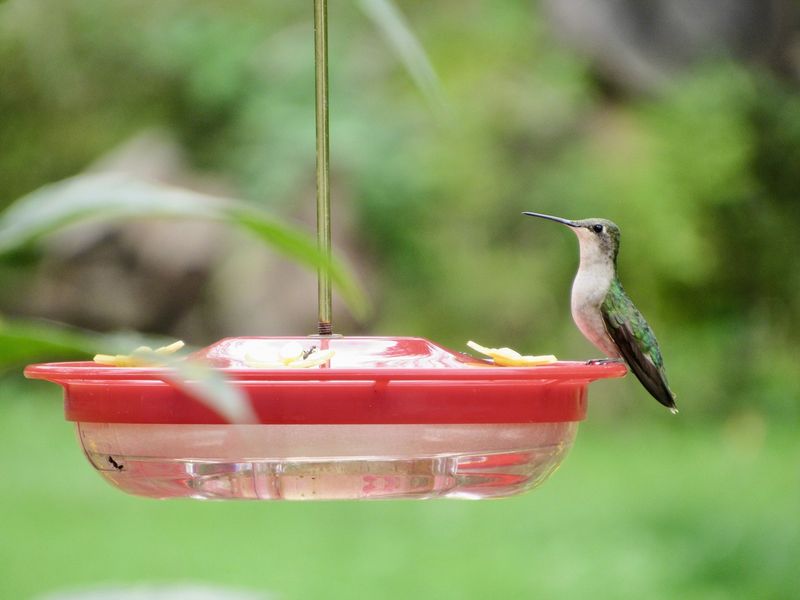
Sunshine feels cheerful, but too much of it turns your feeder into a problem. Nectar is basically sugar water, and heat spoils it fast.
During a warm Pennsylvania summer, a feeder baking in full sun can go bad in a single day. The sugar water ferments, gets cloudy, and grows mold that can make hummingbirds sick.
Hot spots also cause the liquid to expand and leak out of the feeding ports. Sticky drips then attract ants, bees, and wasps, which chase away the very birds you want to see.
Your Pennsylvania Garden Changes Every Week. Your Plan Should Too.
Gardening in Pennsylvania changes quickly throughout the season. Every Friday you’ll receive a simple weekly plan showing exactly what to plant, prune, fertilize, harvest, and protect so you never miss the right timing.
Shade is your best friend here. Try hanging the feeder where it gets morning light but stays cool during the hottest afternoon hours.
A spot under a leafy tree or beneath a porch roof works great. The dappled shade keeps the nectar fresh longer, so you refill less often and waste less sugar.
Keep an eye on how the sun moves across your yard through the day. A place that is shady at breakfast might turn into a hot zone by lunch.
If you cannot find natural shade, you can rig up a small awning or move the feeder as the seasons change. Fresh nectar means healthy, happy visitors.
Remember to swap out the sugar water every few days in warm weather, even in shade. Clean feeders and cool spots go hand in hand.
By choosing a shaded location, you protect the birds and save yourself the hassle of constant cleaning. Cool nectar keeps them coming back for more sweet sips.
3. Close To Bird Feeders For Other Birds
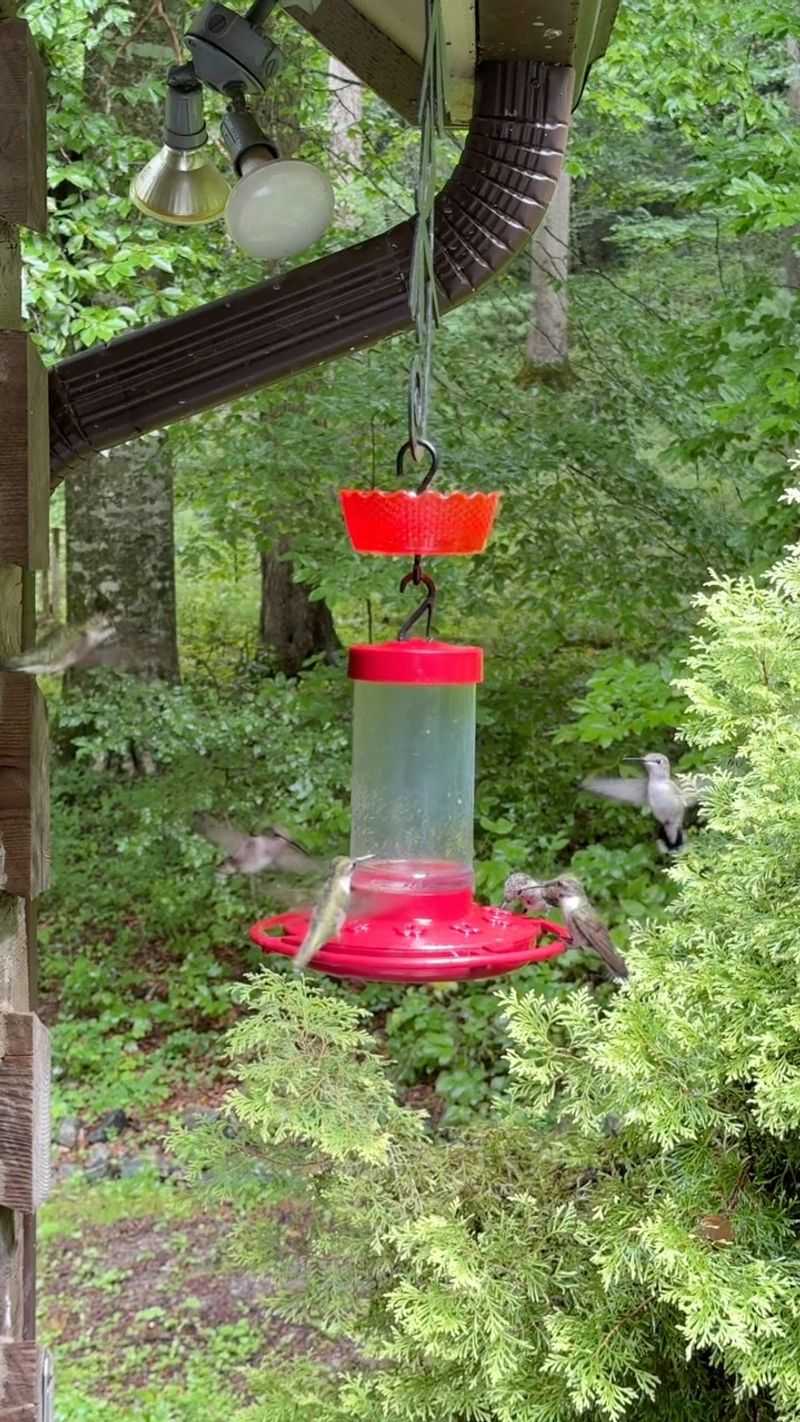
It seems handy to group all your feeders in one busy corner. Hummingbirds, though, do not enjoy sharing space with loud, pushy crowds.
Seed feeders draw big flocks of sparrows, finches, and jays. All that flapping and squabbling makes shy hummingbirds nervous.
These tiny birds prefer calm, quiet spots where they can sip in peace. When bigger birds dominate the area, hummingbirds often skip the feeder entirely.
Seed feeders also create messy piles of shells and droppings below them. That mess can drift onto your nectar feeder and dirty the sweet water.
Spilled seed on the ground attracts squirrels and chipmunks too. These critters climb around and knock feeders loose, spilling nectar everywhere.
Give your hummingbird feeder its own private zone, away from the seed station. A separate corner of the yard lets these fliers relax and feed without stress.
Placing it near flowers instead of seed feeders is a smart move. Blooming plants like bee balm or trumpet vine attract hummingbirds naturally and make them feel at home.
Try to keep at least ten to fifteen feet between your different feeder types. That gap gives everyone their own space and cuts down on chaos.
You will notice more hummingbird visits once you separate the two. They love territory they can call their own.
A little distance turns your yard into a peaceful buffet where every bird finds its favorite spot. Both crowds stay happy, and you get to enjoy watching them all thrive.
4. Within Reach Of Cats And Predators
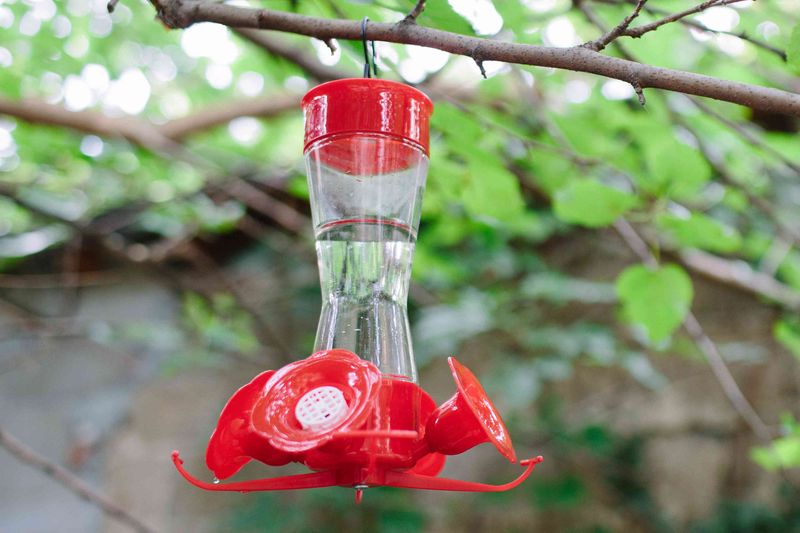
Picture a hungry cat crouched in the bushes, eyes locked on a fluttering bird. That is exactly what can happen if you hang your feeder too low or too close to hiding spots.
Outdoor cats are natural hunters, and a busy feeder is like an open invitation. Pennsylvania yards often have plenty of roaming cats, both pets and strays.
Hawks and other predators also watch feeders for an easy meal. A poorly placed feeder makes the birds sitting targets.
Height is your first line of defense. Hang the feeder at least five feet off the ground so cats cannot pounce from below.
Keep it away from dense shrubs, fences, or low branches where a cat could crouch and wait. Open space around the feeder gives birds a clear view of danger.
Hummingbirds are quick, but they need room to escape. A feeder tucked against a bush leaves them no safe exit.
Try placing it near a tall, thin pole with nothing for a cat to climb. You can even add a baffle to block climbers.
If you have a cat of your own, keeping it indoors during feeding hours helps everyone. Indoor cats live longer and safer lives anyway.
Position the feeder so birds can spot approaching hawks from a distance. A little open sky around it gives them time to dart away.
Smart placement keeps your visitors safe while they enjoy their sweet treat. When birds feel secure, they linger longer and return often, filling your yard with color and motion all season.
5. Near Noisy, High-Traffic Doorways
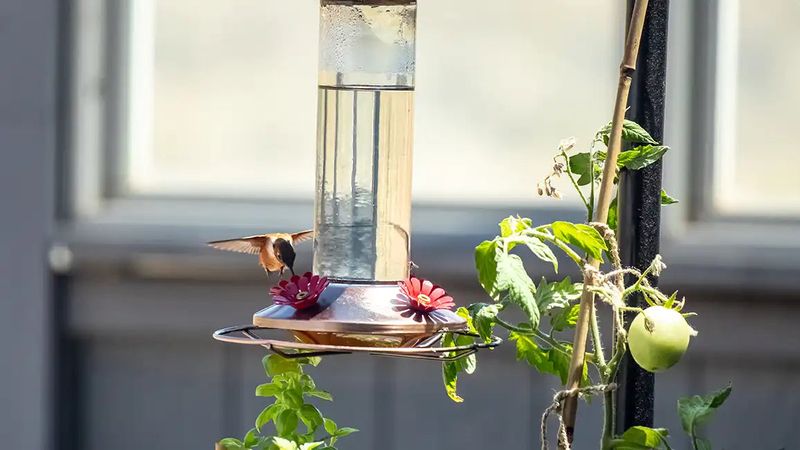
A spot by the back door might feel convenient for quick refills. Sadly, all that coming and going scares off timid hummingbirds.
Every time the door swings open, the noise and movement send these jittery birds flying. They startle easily and prefer calm surroundings.
Busy entryways also mean pets rushing out and kids running past. The constant activity keeps hummingbirds on edge and away from the feeder.
These birds may be bold when feeding, but sudden surprises make them nervous. A quiet location invites them to stay and sip longer.
Think about the parts of your yard where things stay peaceful most of the day. A side garden or a far corner usually works better than a doorway.
Slamming doors and loud voices break the calm these tiny visitors crave. Even a screen door banging can send them zooming off.
You still want the feeder close enough to enjoy and easy to reach for cleaning. Aim for a balance between quiet and convenient.
A window on a less-used side of the house can offer great views without the hustle. That way you watch them without scaring them.
Hummingbirds slowly learn to trust a safe, steady spot. Once they feel comfortable, they return day after day like clockwork.
Give them a break from the busy parts of your home. A calm corner rewards you with more frequent, relaxed visits.
When the setting feels safe and quiet, these little fliers turn your yard into their favorite hangout, and you get to watch the magic unfold.
6. Under Wasp And Bee Hotspots
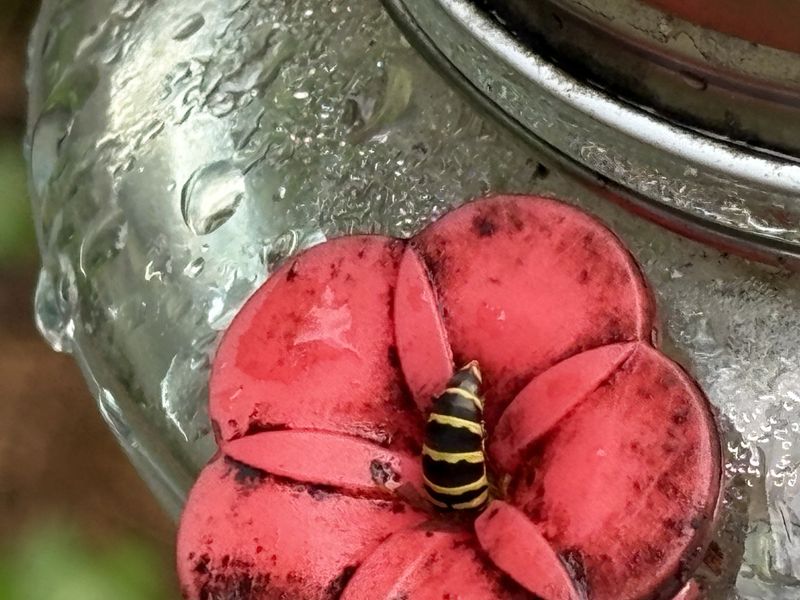
Bees and wasps love sugar just as much as hummingbirds do. Hang your feeder near their nests, and you invite a buzzing battle.
These insects swarm the feeding ports and guard the nectar fiercely. A crowd of stinging bugs quickly drives the birds away.
Pennsylvania summers bring plenty of yellow jackets and paper wasps looking for sweet meals. A feeder near their home becomes a war zone.
Look up before you hang anything. Check porch eaves, tree hollows, and shed corners for signs of nests.
Avoid spots right below overhangs where wasps like to build. Moving just a few feet can make a big difference.
Choose feeders with bee guards, which are little screens over the ports. These let birds sip while blocking hungry insects.
Red feeders without yellow parts also help, since bees are drawn to yellow. Skipping bright yellow accents lowers the bug crowd.
Keeping the feeder clean stops sticky drips that lure insects. Wipe the outside regularly so no sugar trails form.
You can also try planting insect-friendly flowers elsewhere in the yard. That gives bees their own snack spot away from the feeder.
If wasps still gather, gently relocate the feeder to a new area. Sometimes a change of scenery solves the whole problem.
Fresh, spill-free nectar in a bug-safe spot keeps the peace. Hummingbirds get their fill without fighting off angry swarms.
With a smart location and a few clever tricks, your feeder stays a happy place for birds and a quiet zone free of buzzing troublemakers.
7. In Windy, Exposed Areas
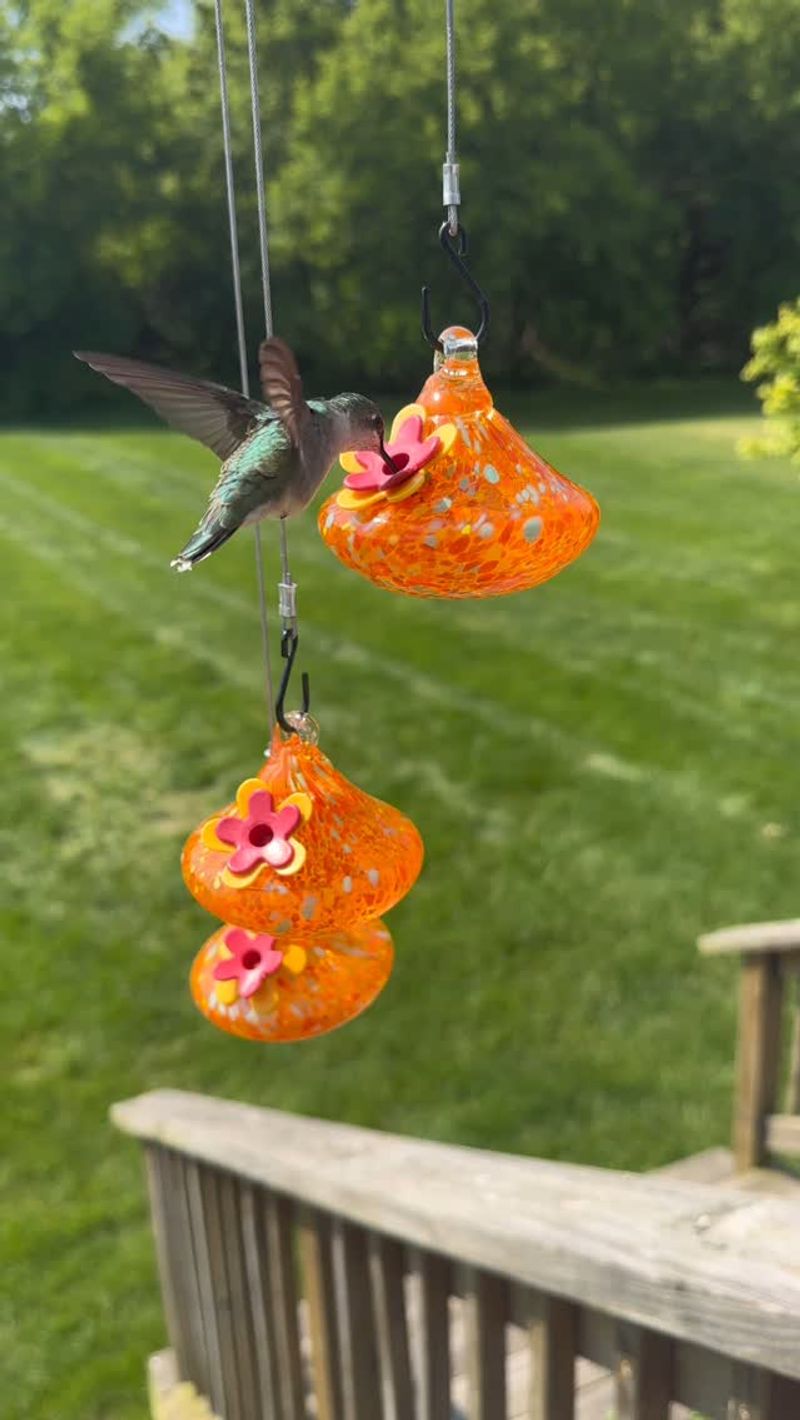
An open, breezy spot might seem like it offers great visibility. Strong winds, though, turn your feeder into a swinging mess.
When gusts rock the feeder back and forth, nectar sloshes out and drips everywhere. Hummingbirds struggle to land on something that will not hold still.
Pennsylvania weather can shift fast, bringing sudden storms and stiff breezes. A feeder in a wide-open field takes the full force of every gust.
Wind also cools and dries the birds faster while they feed. Tiny hummingbirds burn lots of energy just staying steady in a breeze.
Sheltered spots make feeding much easier for them. Try hanging the feeder near a wall, fence, or thick hedge that blocks the wind.
A corner of the porch or a nook between shrubs offers nice protection. The birds can perch and sip without fighting the gusts.
Spilled nectar from a swinging feeder wastes your sugar water and attracts ants. A stable spot keeps everything cleaner and calmer.
You can also pick feeders with wider bases that resist tipping. Some have hooks designed to swing less in the breeze.
Watch how the wind moves through your yard on a blustery day. That tells you which corners stay calm and which get hit hard.
Placing the feeder in a protected pocket helps the birds relax and refuel. They will visit more often when they do not have to battle the weather.
A little shelter goes a long way toward keeping your feeder steady, your nectar fresh, and your tiny guests coming back for calm, easy meals.