8 Places You Should Never Plant Hostas In Michigan
Hostas are a shade garden staple in Michigan, but where they’re placed can make the difference between a plant that thrives for years and one that struggles or gets destroyed.
Certain spots around a yard create conditions hostas simply can’t handle, whether that’s too much direct sun, poor drainage, or heavy foot traffic that damages their broad leaves.
Some locations also put hostas right in the path of hungry deer and slugs, two of their most persistent threats in Michigan landscapes.
Choosing the wrong spot often means replanting or replacing hostas year after year instead of enjoying a plant that’s supposed to be nearly maintenance-free.
1. Full Afternoon Sun Without Protection
Hostas love shade, so baking them in the strong afternoon sun is asking for trouble. Michigan summers can turn surprisingly hot, and by mid-afternoon the sun beats down hard on exposed garden beds.
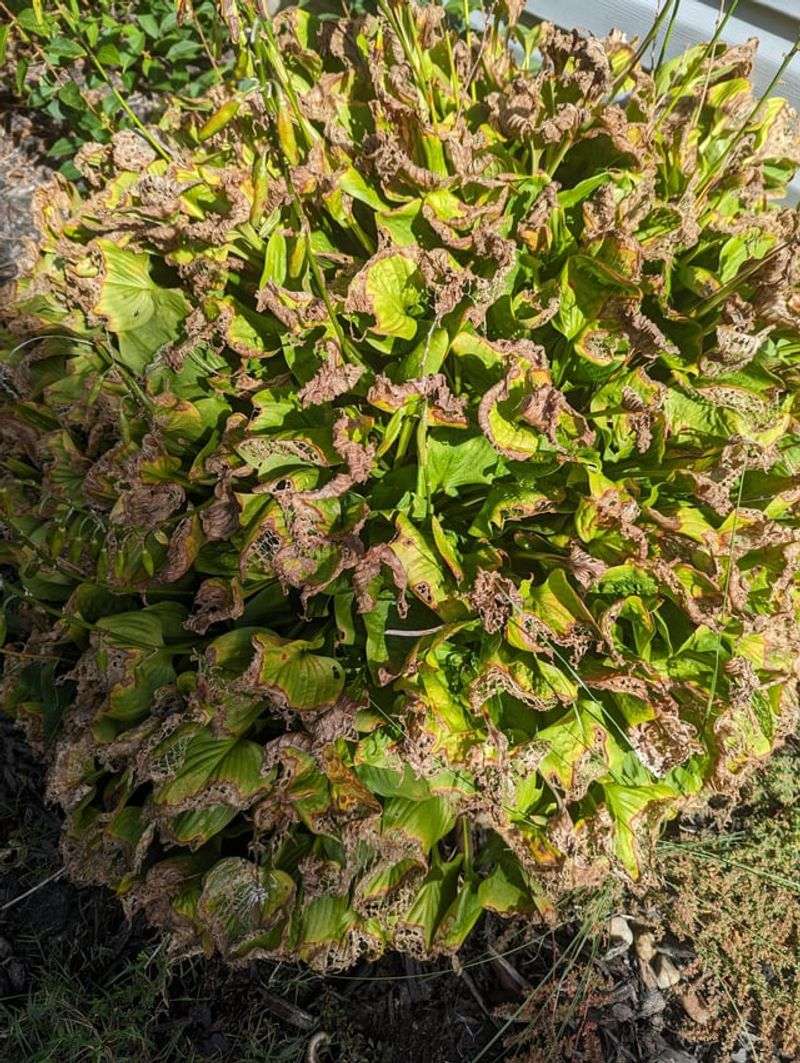
Thin-leaved and lighter-colored varieties get hit the hardest. Their delicate leaves start to brown along the edges, a problem gardeners call leaf scorch.
Once those crispy patches show up, they will not turn green again for the rest of the season.
Morning sun tells a different story. The gentle light of early hours gives hostas the energy they need without the harsh heat. When the day warms up, afternoon shade keeps their leaves cool and moist.
If you already planted hostas in a bright spot, watch how they react during July and August. Fading color, wilting, or dry edges are clear signals they want more shade.
You can fix a sunny problem by adding taller plants nearby that cast a shadow later in the day. A shrub or small tree works wonders, giving your hostas a break when the sun is strongest.
Blue-leaved hostas especially prefer cooler light because their waxy coating fades under intense rays. Once that coating wears off, the blue color turns dull green.
Choosing the right spot from the start saves you the trouble of moving plants later. Aim for a place that catches soft morning light and slips into shade by noon.
Your hostas will reward you with rich color, sturdy leaves, and a full, healthy look all summer long.
2. Dry Areas Under Large Trees
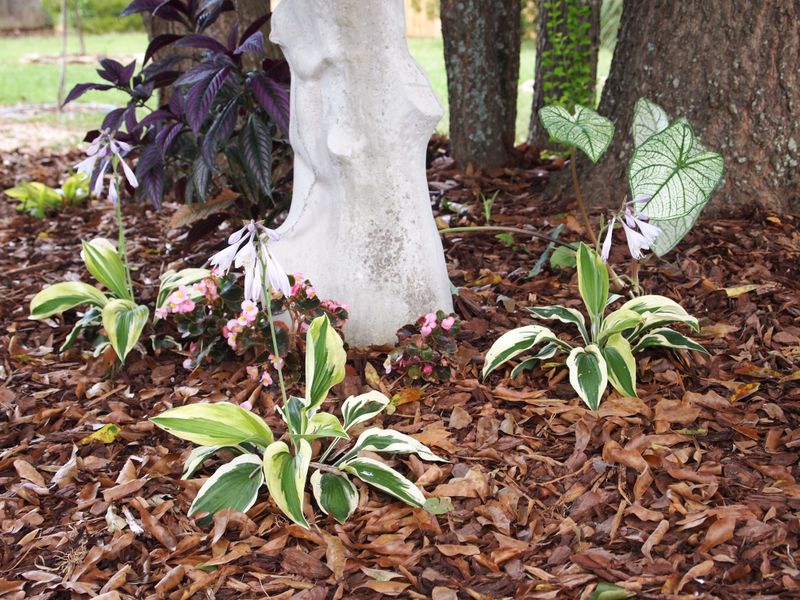
Tucking hostas beneath a big shade tree sounds like a smart idea, and sometimes it is. The trouble starts when that tree soaks up all the water and food from the soil first.
Mature trees like maples and oaks have thick, hungry roots that spread wide and shallow. These roots grab moisture from the very same layer of soil where your hostas try to drink.
Your hostas end up thirsty even after you water them. The tree wins the competition, leaving little behind for the smaller plants below.
You will notice the signs pretty quickly. Slow growth, small leaves, and constant wilting all point to a plant that cannot find enough water underground.
Not every tree causes the same problem, though. Deep-rooted trees such as oaks are friendlier neighbors than shallow-rooted maples, which crowd the surface with dense roots.
Your Michigan Garden Changes Every Week. Your Plan Should Too.
Gardening in Michigan changes quickly throughout the season. Every Friday you’ll receive a simple weekly plan showing exactly what to plant, prune, fertilize, harvest, and protect so you never miss the right timing.
If you really want hostas near a tree, give them extra help. Water more often, add rich compost, and spread mulch to hold moisture longer around their roots.
You can also plant a few feet away from the trunk where root competition is a little gentler. That small distance often makes a big difference in how well your hostas grow.
Raised beds are another clever trick. Building up fresh soil above the greedy roots gives your hostas their own space to spread and settle.
With the right planning, you can enjoy that lovely shady look without watching your hostas fight a losing battle for every drop of water.
3. Poorly Drained Wet Spots
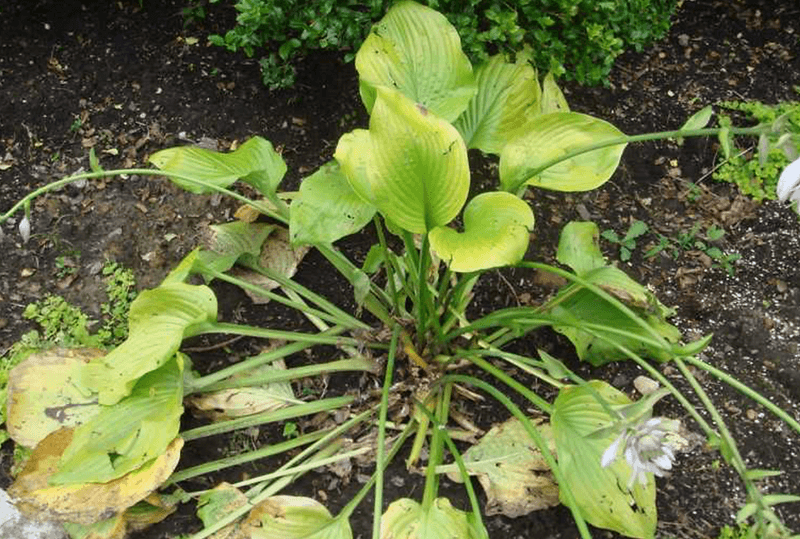
Hostas enjoy steady moisture, but there is a big difference between damp and drowning. A spot where water pools and never drains spells trouble for their roots.
When soil stays soaked for days, air cannot reach the roots. Plant roots need oxygen just like they need water, and constant wetness cuts off that supply.
The most common result is crown rot. This soft, mushy problem attacks the base of the plant where the leaves meet the soil, and it spreads fast in soggy ground.
You might spot yellowing leaves, a slimy base, or stalks that flop over easily. These clues warn you that the roots are sitting in too much water.
Low areas in your yard often collect rainwater and stay muddy long after storms pass. Avoid planting hostas in these puddling zones if you want them to thrive.
Good drainage makes all the difference. Mixing compost or coarse material into heavy clay soil helps water move through instead of standing still.
Raised beds and gentle slopes also solve wet-spot problems. By lifting your hostas above the soggy ground, you give excess water somewhere to go.
Check your garden after a heavy rain to find trouble areas. If water lingers for hours, that spot needs fixing before any hosta goes in.
The goal is moist soil that feels like a wrung-out sponge, never a swamp. When you get the balance right, your hostas stay firm, green, and full of life.
4. Areas With Heavy Deer Activity
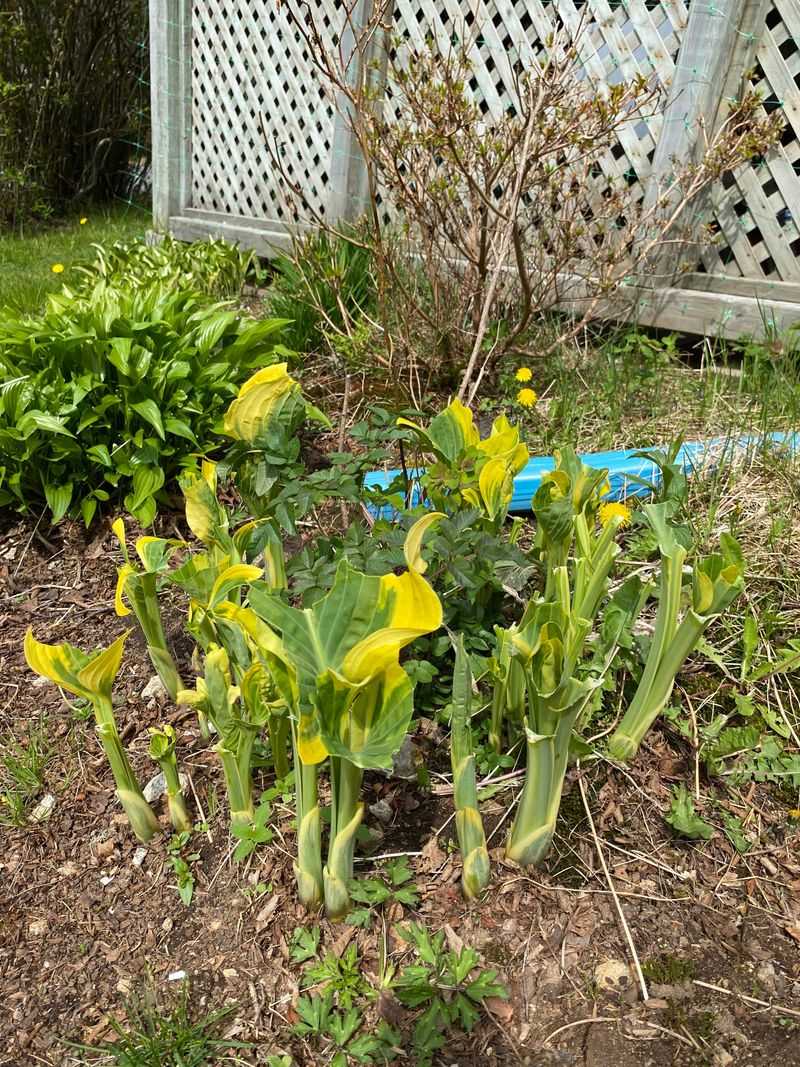
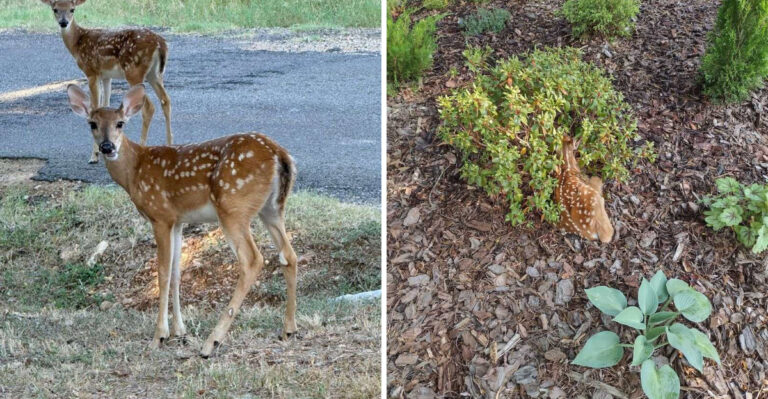
Ask any Michigan gardener about deer and hostas, and you will hear the same story. Deer treat these plants like a favorite snack bar and return again and again.
Hostas rank near the top of a deer’s menu. Their tender, juicy leaves are exactly what hungry deer look for, especially in spring when fresh growth appears.
One evening visit can leave a whole bed chewed down to short stems. You water, weed, and wait for months, only to find your hostas gone overnight.
Neighborhoods near woods, fields, or open land see the most deer traffic. If you spot hoof prints or nibbled plants, deer are already scouting your yard.
Fencing is the surest protection. A tall barrier keeps deer out, though it needs to be high because these animals can jump surprisingly well.
Sprays that smell or taste unpleasant also help. You reapply them after rain, and rotating different types keeps deer from getting used to one scent.
Some gardeners plant hostas close to the house where foot traffic and noise make deer nervous. The busier the area, the less likely deer wander in.
Companion plants with strong scents, like herbs or daffodils, can hide your hostas too. Deer often skip past beds that smell sharp or bitter.
If deer roam your area freely, plan your defenses before planting, not after the damage begins. A little preparation keeps your hostas full and beautiful while the local deer look elsewhere for dinner.
5. Along Slug-Prone Damp Edges
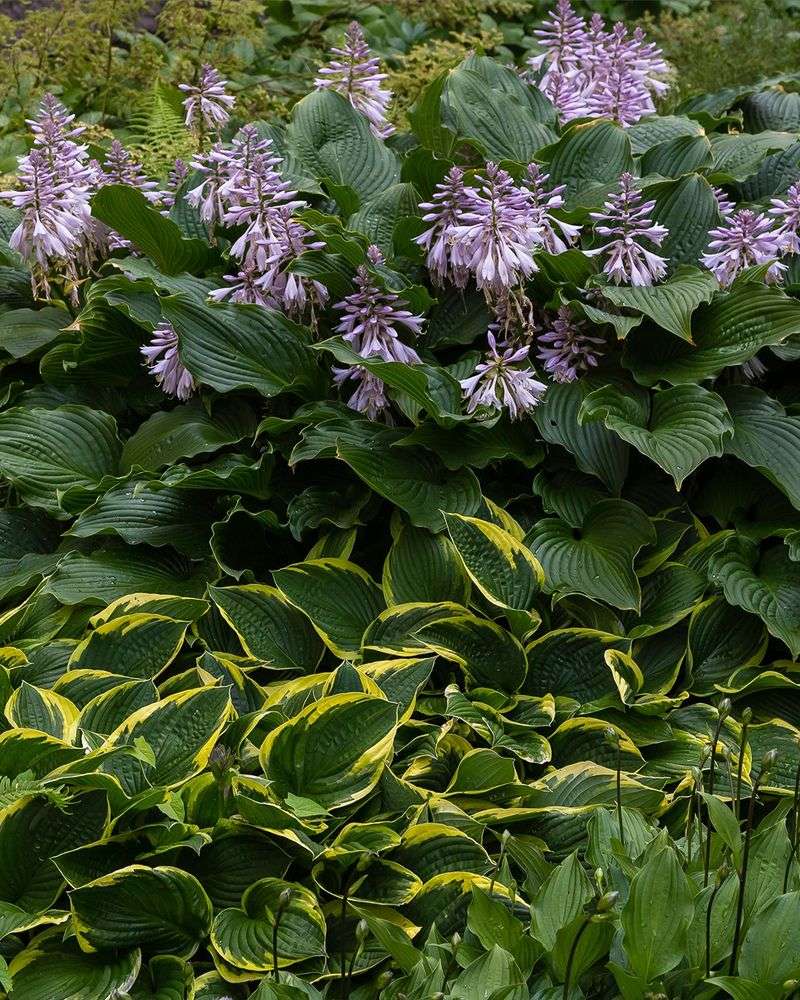
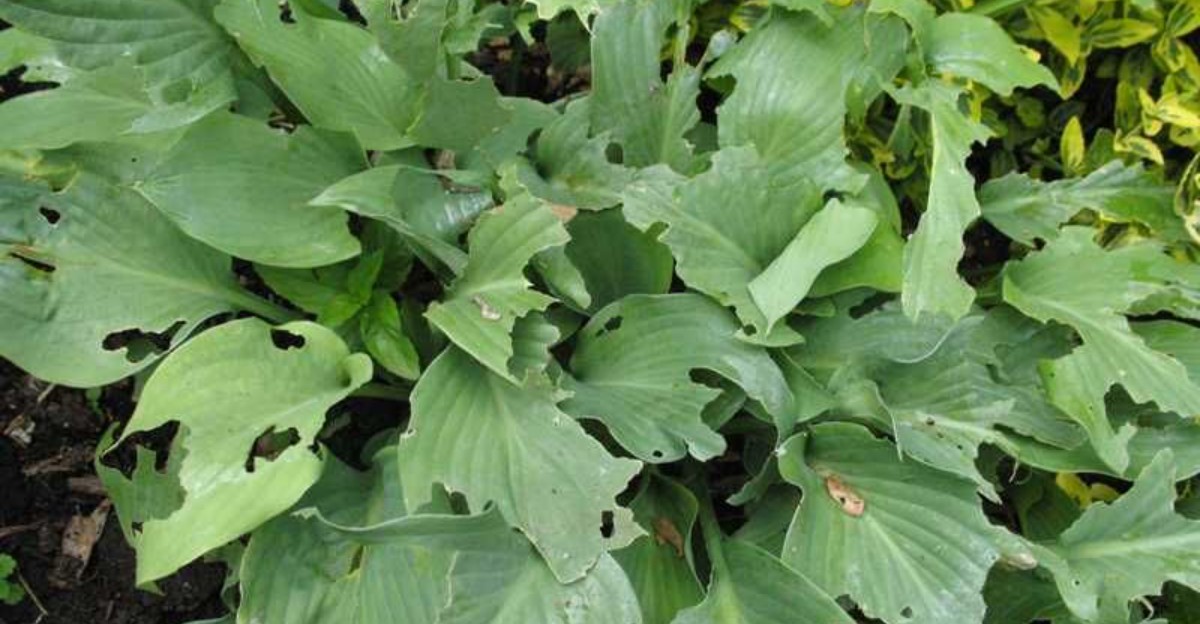
Few things frustrate gardeners more than waking up to hosta leaves full of holes. The culprit is usually the slug, a slow but hungry pest that loves cool, damp corners.
Slugs thrive where moisture lingers and airflow is poor. Thick mulch, shady edges, and crowded plants create the perfect hideout for these leaf-chewing visitors.
They feed at night and hide during the day, so you might not see them at all. Instead, you notice ragged holes and shiny slime trails across the foliage.
Damp low spots along fences or dense beds tend to attract the most slugs. Planting hostas right in these soggy edges practically rolls out a welcome mat.
Better airflow keeps slug numbers down. Spacing your hostas farther apart lets breezes dry the leaves and soil, making the area less inviting.
Watering in the morning also helps. When the ground dries by evening, slugs have fewer wet spots to travel across during their nighttime feasts.
Thick, wet mulch piled against the plants gives slugs cover, so keep it light and pulled back from the base. A tidy garden offers fewer hiding places.
Some gardeners scatter crushed eggshells or use shallow traps to catch slugs. These simple tricks lower the population without much effort.
Choosing thick-leaved hosta varieties gives you an edge too, since slugs struggle to chew through their tougher foliage.
With a drier, more open planting area, your hostas stand a much better chance of keeping their leaves smooth, whole, and picture perfect.
6. Newly Disturbed Soil Full Of Weeds
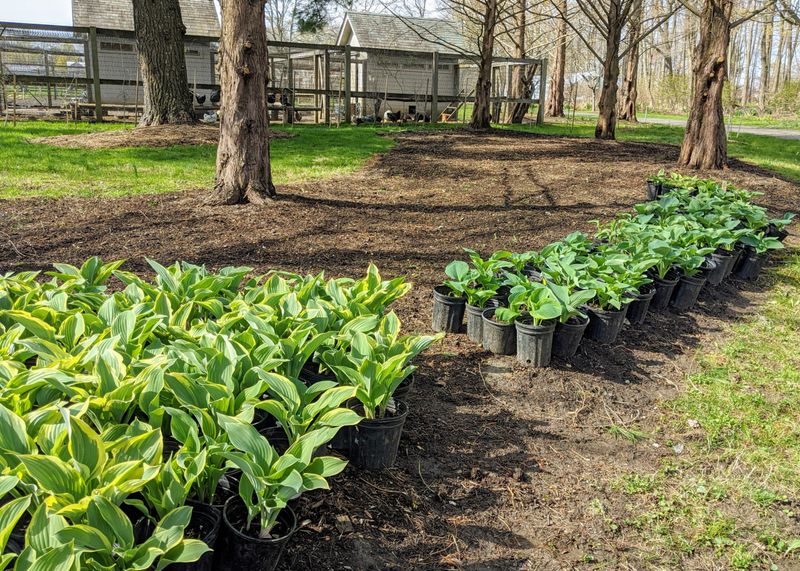
Fresh garden beds can look like a blank canvas, but disturbed soil often hides a weed problem waiting to explode. Newly turned ground wakes up buried seeds fast.
Weeds grow quickly and aggressively. They race ahead of your young hostas, grabbing water, nutrients, and sunlight before the slower plants can settle in.
Your hostas end up crowded and starved. While weeds shoot up tall, the hostas stay small and weak, struggling to compete for every resource.
Tough spreaders like quack grass and bindweed cause the biggest headaches. Their roots tangle around hosta roots and make later cleanup a real chore.
Taking time to prep the area first pays off big. Clearing weeds, removing roots, and letting the soil rest gives your hostas a fair start.
A layer of mulch after planting keeps new weeds from sprouting. It blocks sunlight from the soil surface, so fewer seeds wake up and grow.
Some gardeners cover the bed with cardboard or fabric for a few weeks before planting. This smothers existing weeds and makes the ground much cleaner.
Pulling weeds while they are small also protects your hostas. The sooner you remove them, the less they steal from your growing plants.
Rich, clean soil lets hostas spread their roots freely and fill in nicely. Without weedy competition, they grow fuller and stronger each season.
A little effort upfront saves you months of frustration later. Prepare the bed well, and your hostas will thank you with lush, healthy leaves.
7. Near Black Walnut Trees
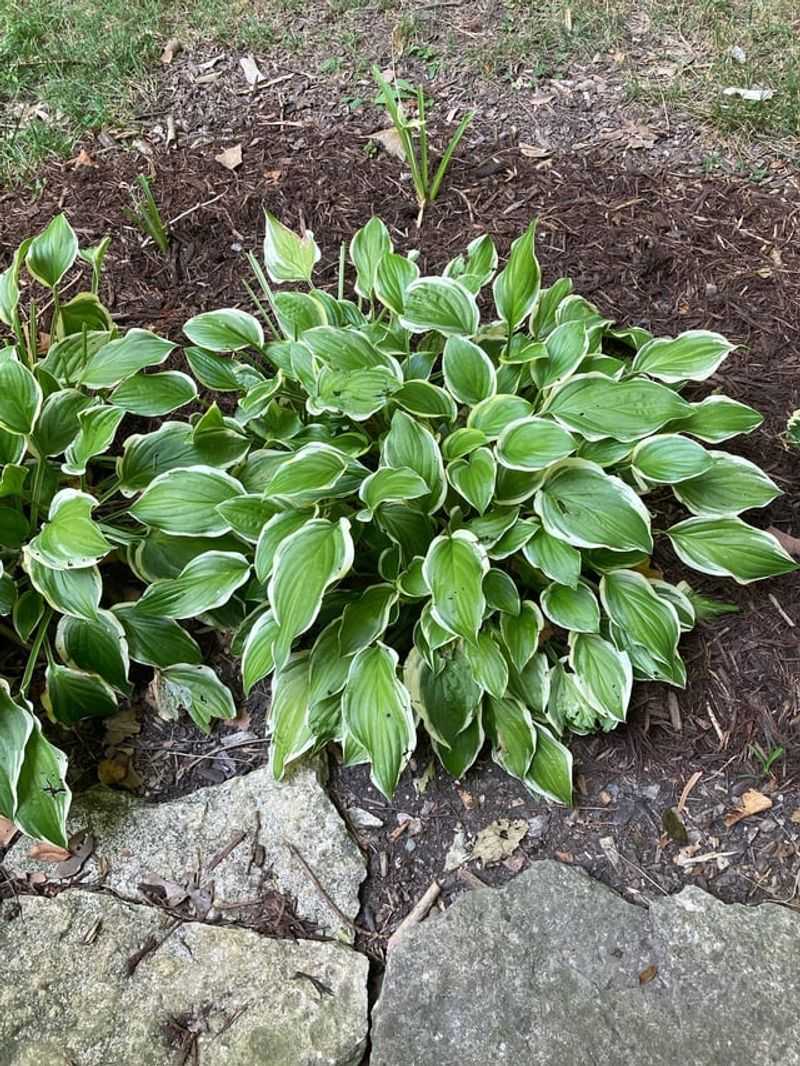
Black walnut trees look grand and shady, yet they hide a secret that surprises many gardeners. Their roots and leaves release a natural chemical called juglone.
Juglone affects certain plants growing nearby. Some flowers and vegetables struggle badly around walnuts, showing stunted growth or wilting even with good care.
Hostas generally handle juglone better than many plants, but sensitive varieties can still react. It pays to watch how yours behave if a walnut stands close.
The chemical spreads through the soil where roots reach. Fallen leaves, twigs, and nut husks add more juglone as they break down on the ground.
You might notice hostas near a walnut looking smaller or paler than ones planted elsewhere. That difference often points to juglone in the soil.
Raking up walnut leaves and husks helps lower the buildup. Cleaning the area regularly keeps less of the chemical soaking into the ground.
Planting in raised beds gives another layer of safety. By keeping fresh soil separated from walnut roots, you protect your hostas from direct contact.
Distance matters too. The farther you plant from the trunk, the fewer roots reach your hostas and the less juglone they encounter.
If you love that shady spot but worry about walnut effects, test with a few hostas first. Watch them for a season before adding a whole bed.
A little caution around black walnuts keeps your garden thriving. With smart placement and cleanup, your hostas can still grow happily nearby without trouble.
8. Hot Areas Near Reflective Surfaces
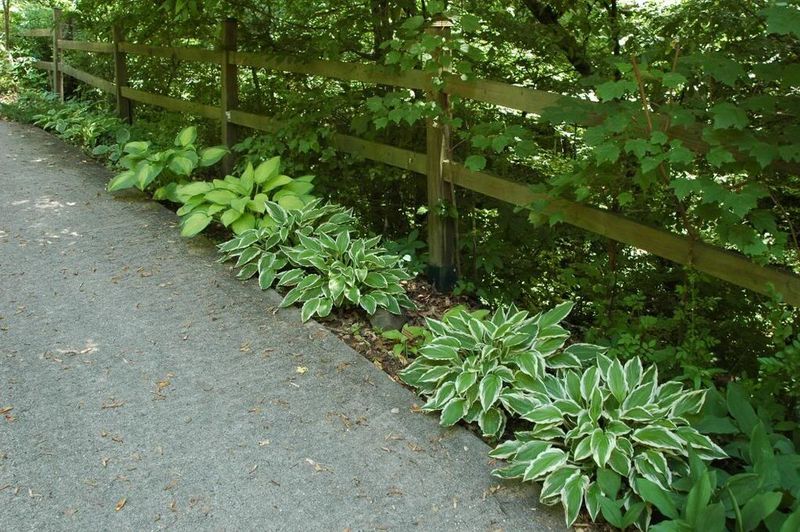
Some garden spots trap heat like an oven, and hostas really dislike that kind of warmth. Areas beside walls, driveways, and sidewalks can turn brutally hot.
Hard surfaces bounce sunlight and warmth back onto nearby plants. A south-facing brick wall or a wide concrete path acts like a mirror, doubling the heat.
This reflected warmth dries out the soil fast. Your hostas wilt sooner, need more frequent watering, and often show stress even when you keep up with care.
Pavement and stone also hold heat long after the sun moves on. That lingering warmth keeps roots hot into the evening, giving them little chance to cool down.
Leaves near these spots may look faded, curled, or crispy along the edges. The extra heat stresses the plant and steals moisture from every part.
Choosing a cooler location solves most of the problem. A shady corner away from reflective walls or paving keeps your hostas comfortable through hot spells.
If you must plant near a wall, pick the north or east side. Those spots stay cooler and skip the harsh afternoon glare that heats the ground.
Adding mulch helps hold moisture and keeps roots cooler in warm areas. A thick layer works like a blanket, protecting the soil from drying out quickly.
Grouping hostas together also creates shade for their own roots. Their overlapping leaves keep the ground below cooler and damper.
Keep them clear of hot, reflective surfaces, and your hostas will stay lush, green, and refreshed even through Michigan’s warmest summer days.