These Black And Red Bugs Are Blanketing Sunny Walls Across Colorado As Temperatures Drop
Sunlight hits your stucco wall, and it starts to shimmer. Colorado mornings arrive cold, but afternoons flip your switch fast. Warmth pools on your south-facing wall and refuses to leave.
Look closer and that shimmer breaks into swarms of tiny bodies. Black shells flash red stripes across your window screens. Porch chairs now host uninvited sunbathers, shoulder to shoulder.
Neighbors across Colorado are texting the same strange photos. Entomologists call them boxelder bugs, pulled toward warmth and southern light. Boxelder seeds fuel their appetite, not your prized tomatoes or roses.
Cracks around your siding become open invitations for shelter. Your screens overflow, your window frames fill, your patience wears thin. These visitors will not bite you or chew your siding.
They crave a warm gap inside your walls instead. Winter is their real target, and your home is the prize worth defending. What you do next decides how this ends.
The Striped Sunbathers Taking Over Your Siding
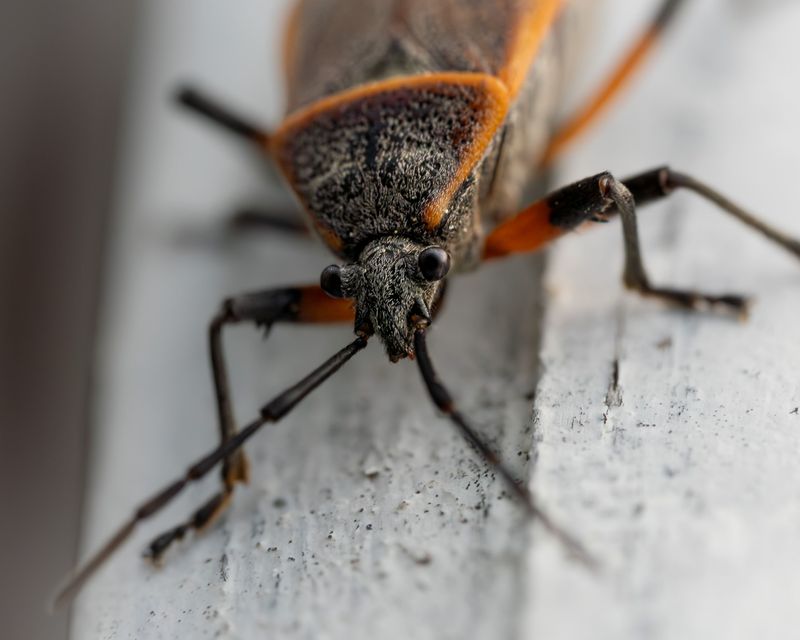
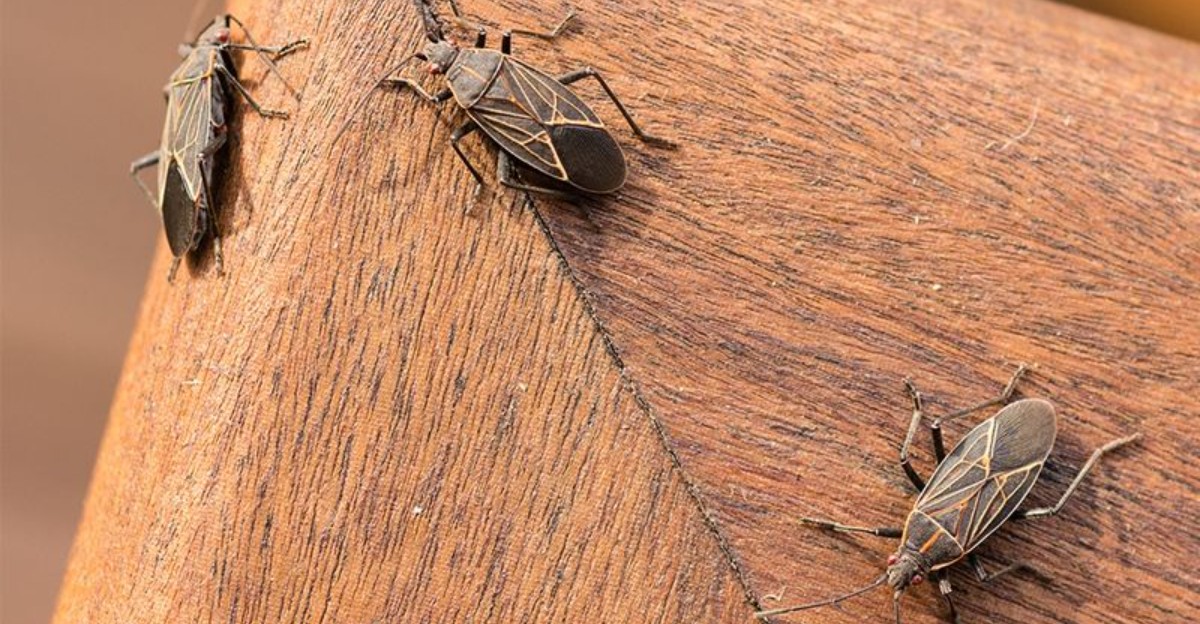
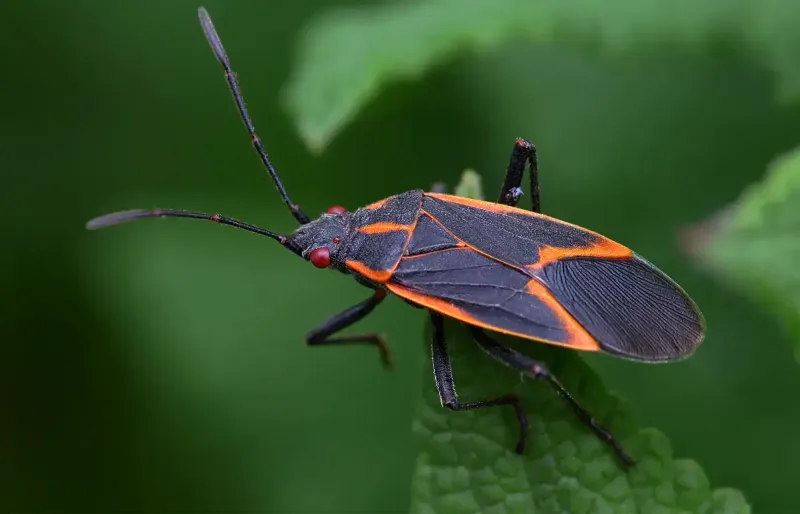
Half an inch long, flat-backed, black with three bright red-orange lines across the shoulders and red edges tracing the wings. That is your visitor, the boxelder bug, one of Colorado’s most familiar fall sights.
Younger ones look different enough to confuse people. Nymphs are rounder, bright red with dark legs, and they lack full wings, so folks often assume they have two separate insect problems on one wall.
They belong to the true bug family, which means they feed with a slender straw-like mouthpart rather than chewing jaws. That mouth is built for piercing seeds and soft plant tissue, not skin, fabric, or wood.
Colorado gives them an ideal setup. Warm afternoons, cool nights, and plenty of boxelder, maple, and ash trees along the Front Range create a reliable food supply and a long, sunny basking season.
Fun bit of history: this wall-clustering habit has been observed for generations, and it’s the kind of seasonal sight Colorado homeowners have long noticed and talked about.
Adults can live several months to about a year, which is unusually long for a small insect. That long life span is exactly why they need a sheltered winter hideout instead of simply riding out the cold outdoors.
Recognizing them matters because the response is different from what you would do for a beetle or a biting pest. Once you know these are harmless seed feeders, you can skip the panic and focus on sealing gaps, which is the most effective long-term step.
Why Sunny South-Facing Walls Attract So Many Bugs
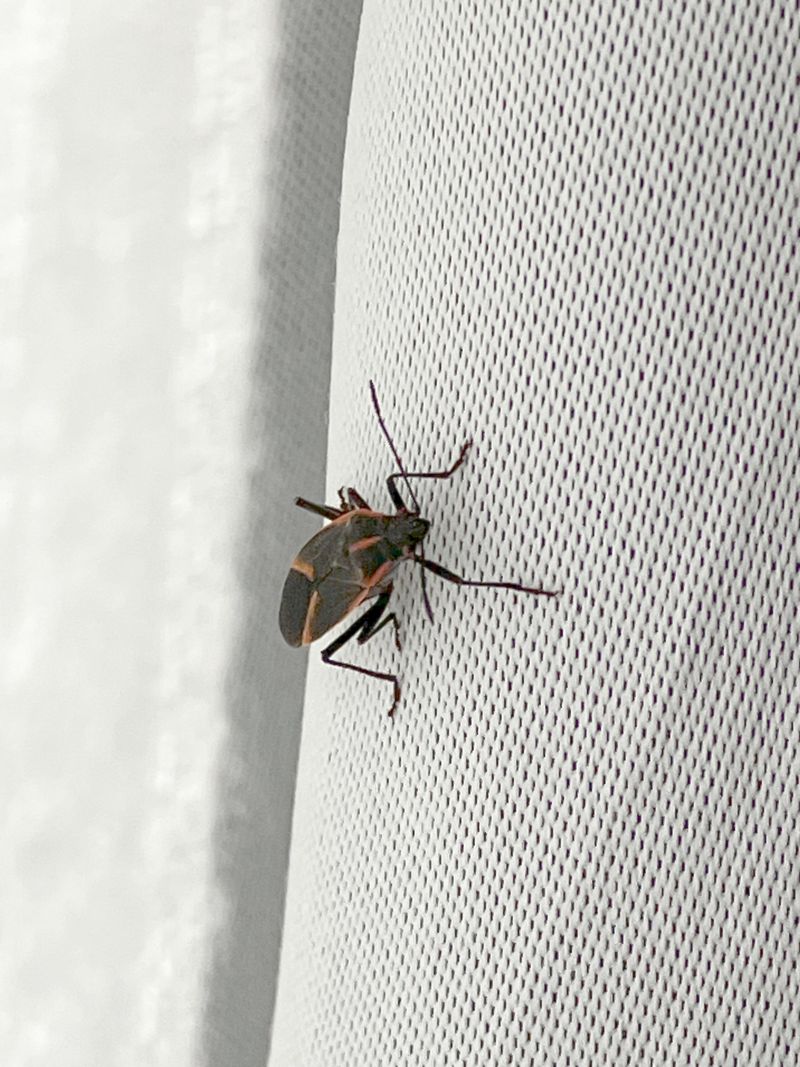
Think of a lizard stretched out on a hot rock. Boxelder bugs run on the same logic, because their body temperature rises and falls with whatever surface they are sitting on.
South and west walls collect the strongest afternoon sun and hold that heat long after the air cools. Light-colored stucco, brick, and metal siding radiate warmth like a stovetop set to low.
In early September, Colorado nights turn crisp while afternoons still climb into comfortable warmth. That swing pushes the bugs to gather wherever heat lingers longest, which happens to be the side of your house facing the sun.
Your Colorado Garden Changes Every Week. Your Plan Should Too.
Gardening in Colorado changes quickly throughout the season. Every Friday you’ll receive a simple weekly plan showing exactly what to plant, prune, fertilize, harvest, and protect so you never miss the right timing.
Warmth also speeds up their movement and helps them digest the seeds they have been feeding on all summer. A crowded wall is basically a solar-powered dining room and lounge combined.
They release a mild chemical signal that draws others in, so a few early arrivals quickly become a crowd. That is why one house on a block gets swarmed while the neighbor two doors down stays fairly clear.
Tall trees nearby, especially female boxelder trees loaded with winged seeds, raise the odds considerably. Shade patterns matter too, since a wall shaded by a big spruce rarely attracts the same numbers.
Understanding the heat connection gives you a practical edge. Shade cloth, strategic plantings, and lighter window treatments can lower surface temperatures slightly, and small changes in warmth can shift where the crowds decide to settle.
Boxelder Trees, Maples, And The Seed Buffet Behind The Boom
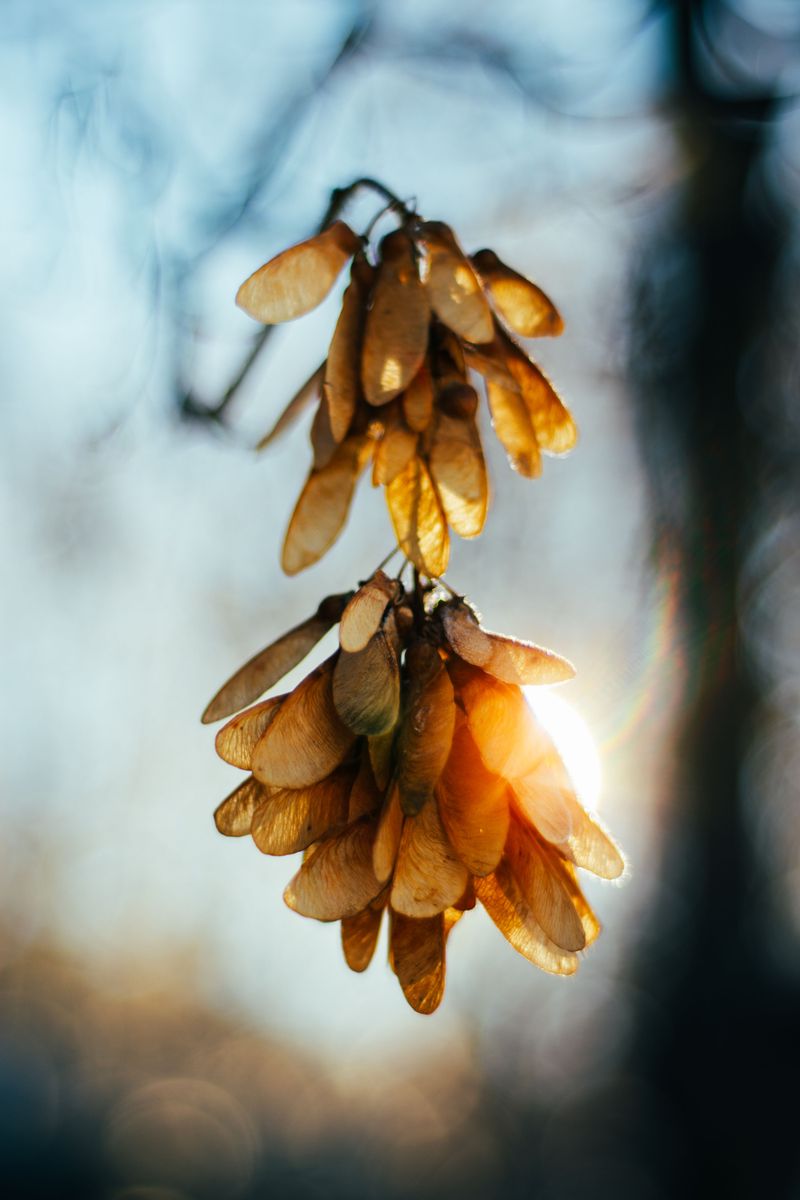
Follow the bugs backward through the season and you land at a tree. Female boxelder trees, a scrappy member of the maple family, produce heavy clusters of papery winged seeds that these insects rely on.
Their straw mouthparts pierce the seed and draw out the contents. Silver maple, ash, and other maples fill in as backup menu items when boxelder seeds run short.
Colorado has plenty of these trees, partly because boxelders sprout easily along ditches, alleys, and fence lines with almost no help from anyone. Free-range trees mean free-range food.
Population size tracks weather closely. A mild spring followed by a hot, dry summer lets more eggs hatch and more nymphs reach adulthood, so autumn numbers surge.
Feeding does very little harm to the trees themselves. Leaves may show small pale spots or slight puckering, and the tree keeps growing without any real setback.
Gardeners sometimes ask whether removing a boxelder tree solves the problem. Sometimes it helps, though these insects can travel a fair distance, so a neighbor’s tree may still supply your wall.
If you are planting new shade trees this fall, choosing male cultivars or different species reduces the seed supply near your home. Honeylocust, hackberry, and Kentucky coffeetree all handle Colorado conditions well which may help reduce next year’s numbers.
The Truth Behind The Front Porch Rumors
Rumor at the mailbox says they bite. Reality is far duller, and that is a relief for anyone with kids, dogs, or a serious dislike of insects.
Boxelder bugs do not sting, do not carry disease, and do not chew wood or fabric. Their mouthpart is built for plant seeds, and on rare occasions a curious one may poke at skin, producing a brief pinprick sensation and nothing more.
Your pantry is safe too. Unlike beetles or moths, they show no interest in flour, cereal, or pet food sitting in the garage.
The genuine annoyances are smaller but real. Squashed bugs leave a reddish-orange stain that can mark curtains, light carpet, painted trim, and window sills, so scooping beats swatting.
They also give off a sharp, slightly sour odor when disturbed or crushed. A handful is barely noticeable, while a large cluster inside a wall cavity can make a room smell musty.
Dogs and cats sometimes chomp one out of boredom. The bitter taste usually stops them fast, and occasional mild drooling is the typical outcome rather than anything serious.
Houseplants get left alone almost entirely, since indoor greenery rarely offers the seeds they want. Bugs that wander inside during winter tend to look confused, thirsty, and slow rather than destructive.
In summary for Colorado homeowners: this is best treated as a tidiness issue and a sealing project, not an emergency.
The Home Repairs That Actually Keep Them Out
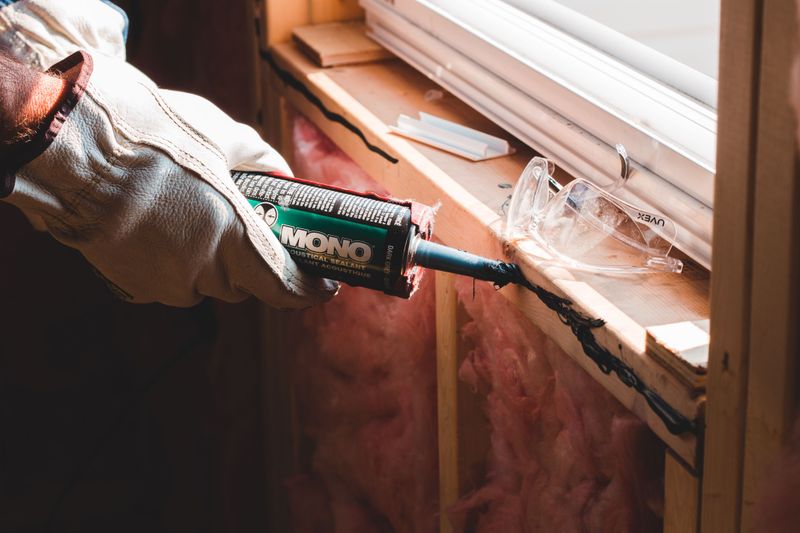
One effective but often overlooked step: caulk beats spray, and an hour with a ladder can outperform a whole shelf of products.
These insects squeeze through openings about the width of a pencil lead. Gaps around window frames, door casings, dryer vents, hose bibs, and utility line entries are their front doors.
Start on the sunny sides of the house, since that is where they gather and probe for cracks. Run exterior-grade caulk along siding seams, trim joints, and any spot where two materials meet unevenly.
Weatherstripping deserves attention as well. Replace worn door sweeps, especially on garage service doors, and check that screens sit tight in their frames with no torn corners.
Attic and soffit vents need fine mesh screening, roughly twenty mesh or finer, stapled neatly from behind. Crawlspace vents and foundation gaps count too, because warm air escaping there makes those openings easier for insects to find.
Timing matters in Colorado. Early September, before the first hard frost pushes them to seek shelter in earnest, is the sweet spot for this work.
A quick sweep-and-vacuum routine handles the ones already clinging to walls. Use a shop vacuum with a bag you can toss, or knock them down with a stiff spray from the garden hose.
Sealing pays off far beyond bug control, trimming heating bills through a Front Range winter while keeping mice and spiders out too.
Soap, Vacuums, And Other Low-Fuss Ways To Clear A Wall

A simple household method still works well: a squirt of dish soap in a spray bottle of water. A few tablespoons per gallon handles a crowded wall without a trip to the hardware store.
The soap breaks down their protective outer coating, and direct contact is what counts, so mist thoroughly rather than lightly. Rinse the siding afterward to avoid soap streaks on stucco or painted surfaces.
A strong hose blast works nicely on brick and vinyl. Bugs get scattered, walls get cleaned, and nothing chemical enters your yard or storm drains.
Indoors, a vacuum is your best friend. Use a nozzle attachment, empty the canister outside right away, and skip the broom entirely since sweeping smears those orange stains into carpet fibers.
Sticky traps placed along basement window wells and garage baseboards quietly catch wanderers. Check them weekly and swap them out when they fill.
Skip the indoor foggers and heavy pesticides. Insects already inside wall cavities remain there, and the residue you leave behind serves no purpose once cold weather sets in.
Perimeter treatments from a licensed applicator can help in truly overwhelming situations, though they work best in late summer before the big gathering starts. Ask about products safe around pollinators, since fall gardens still buzz along the Front Range.
Patience is often the most effective approach. Numbers typically drop once temperatures stay low, and walls tend to look normal again within a few weeks.