Those Small Holes Appearing In Your New York Lawn Are Trying To Tell You Something
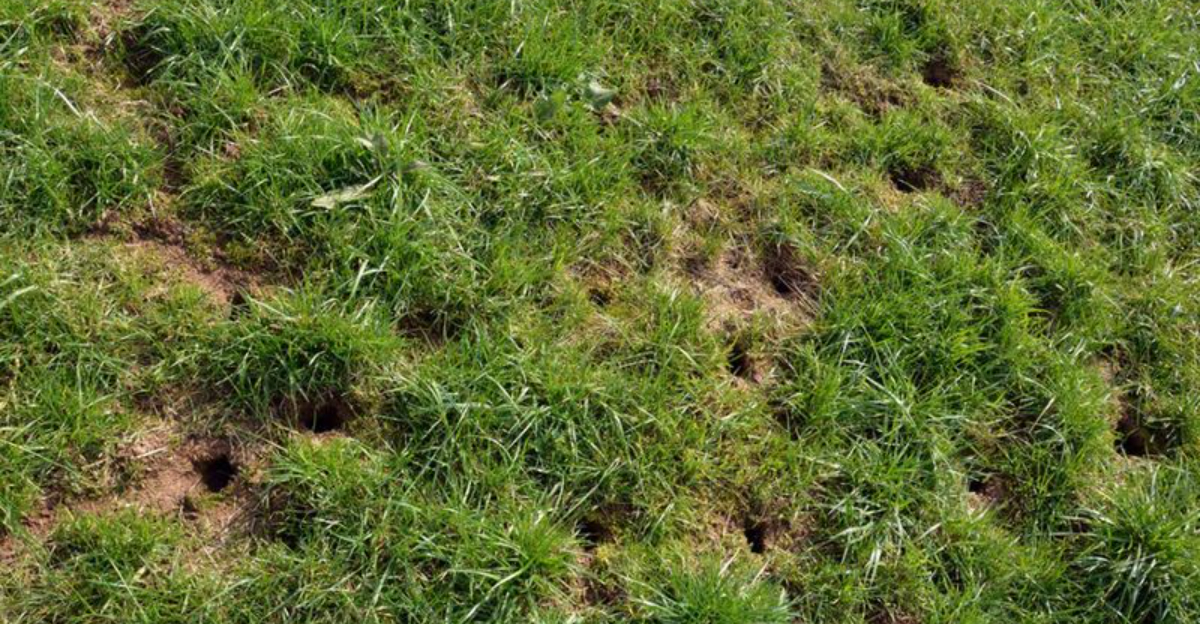
Your lawn may be hiding a whole world you never knew was there. Those small holes popping up across the grass can seem harmless, but each one may tell a different story.
Some are made by tiny creatures moving through the soil, while others can be signs that birds or larger wildlife have been searching for a meal. The shape, size, and location of a hole can offer a useful clue.
In New York, lawns can become surprisingly busy beneath the surface, especially when insects and other wildlife are active. That means a few scattered openings do not automatically point to a serious lawn problem.
Before reaching for a treatment or filling every hole you see, take a closer look at what surrounds it. Raised soil, loose dirt, damaged grass, nearby digging, and even birds pecking at the lawn can help reveal what is really happening.
Once you learn to read those clues, those mysterious little holes start making a lot more sense.
1. Hole Size Can Reveal Who Has Been Digging Your Lawn
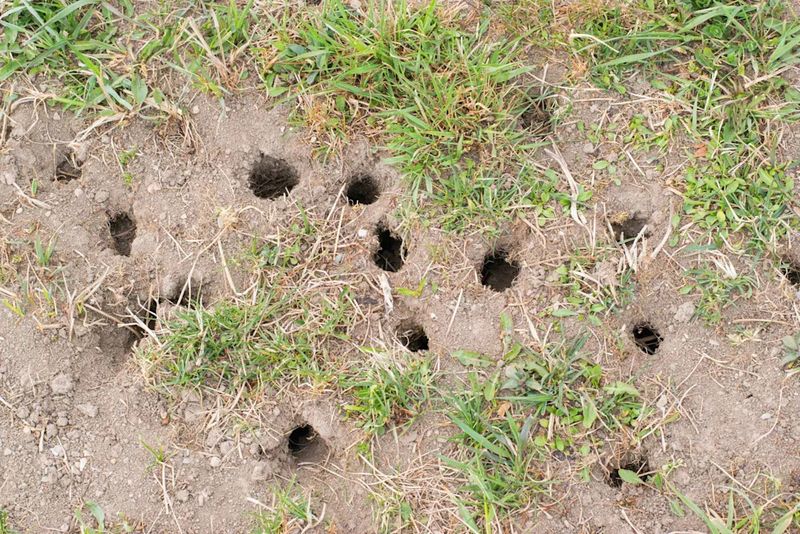
Solving the puzzle of lawn holes starts with looking closely at their features. The size and shape of an opening are usually the first big clues about who has been digging.
Very small holes, less than an inch wide, often point to insects or tiny burrowing animals.
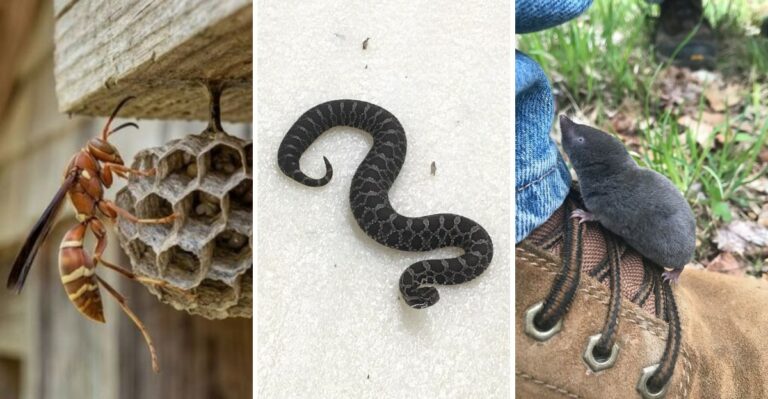
Earthworms make small openings while helping your soil breathe, and ground-nesting bees or Cicada hawks may create holes under one inch.
Cicada hawks dig relatively large burrows in bare or sandy soil, often leaving a noticeable pile of soil beside the entrance.
Holes between one and three inches wide might belong to small rodents like voles or chipmunks.
Chipmunks dig clean, circular holes roughly two inches across, and they often carry dirt away to hide their tunnels. Voles make slightly smaller openings, usually one to one and a half inches wide, sometimes linked by visible paths in the grass.
Medium holes, three to six inches across, can be associated with skunks or raccoons searching around your yard.
Those larger animals can leave shallow, irregular diggings as they search for food just under the surface. Larger openings may point to other wildlife activity, but the size of a hole alone is not enough to identify the animal responsible.
Paying attention to these details gives every homeowner a smart starting point for understanding their lawn’s story.
Grab a ruler and take a few notes when you spot new holes. Write down the width, the depth, and whether soil is piled nearby or missing.
These simple measurements turn you into a lawn detective and make the next steps much easier to figure out.
2. Small Diggers May Be More Helpful Than Harmful
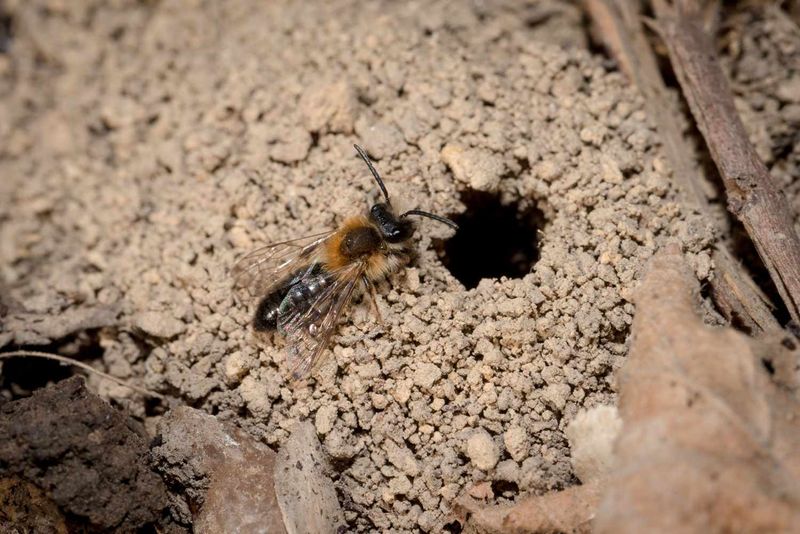
Lots of homeowners are surprised that some of the tiniest holes in their lawns come from hardworking insects.
Ground-nesting bees are among the busiest diggers, and despite the name, they are usually solitary creatures and helpful pollinators rather than pests.
They make small, pencil-sized holes between one-eighth and one-half inch wide, often in dry, sandy spots with thin grass. Their low flying can look alarming, but they rarely bother your lawn or your family unless they feel truly threatened.
Your New York Garden Changes Every Week. Your Plan Should Too.
Gardening in New York changes quickly throughout the season. Every Friday you’ll receive a simple weekly plan showing exactly what to plant, prune, fertilize, harvest, and protect so you never miss the right timing.
Another common digger in this state is the cicada hawk, one of the largest wasps in North America.
These impressive insects grow up to two inches long and prefer soft, sandy, well-drained soil for their burrows, which are about half an inch wide with a little soil mound at the door.
Cicada hawks show up as adults in late June or July across New York, catching cicadas to stock their underground nests for their young.
Male wasps act territorial and may buzz toward people, but they have no stinger, and females sting only when handled roughly. In big numbers, their digging can loosen roots or wobble walkways a bit.
Beyond obvious holes, insects like sod webworms and bluegrass billbugs cause quieter trouble. They may leave small brown patches, ragged grass tips, or stems that snap easily, even without clear entry holes.
Chinch bugs add to the confusion by sucking plant juices, leaving yellow, straw-colored patches that look a lot like drought.
Watching for these signs helps you tell the difference between a helpful insect visitor and a real problem in your yard.
When the diggers are gentle pollinators, the kindest move is often to leave them be.
3. Bird Activity Can Reveal Hidden Grubs Beneath Your Lawn
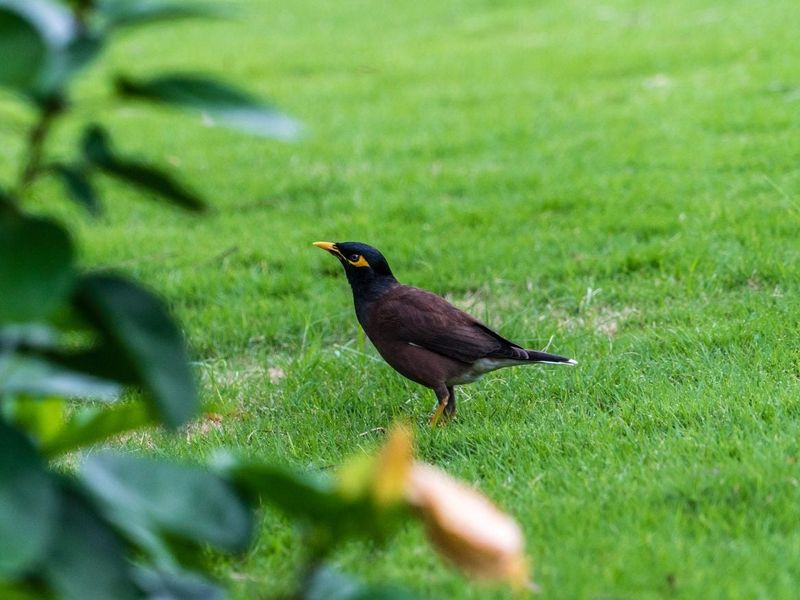
Seeing birds poke at your lawn again and again is often a sign that something interesting is happening below the surface.
Birds rarely dig big holes themselves, but their pecking leaves small, pencil-sized dents as they hunt for a tasty underground snack.
More bird traffic, especially from large birds like crows, is a classic warning that white grubs may be active in your turf. These clever visitors have a sharp knack for finding grubs and other soil creatures, turning your yard into an all-you-can-eat spot.
Steady pecking and shallow scratching show they are focused on a food source hidden in your grass roots.
When flocks spend a lot of time prodding one part of your lawn, it usually means they have located a buffet down below. That behavior often tells you the grubs have grown large enough to make a filling meal.
So instead of feeling annoyed by the mess, try seeing the birds as helpful little alarm systems. They are pointing straight at a possible grub problem worth checking out in your landscape.
You can use their activity as a cue to inspect the soil in the busiest spots.
Peel back a small patch of turf where the birds gather most and look for white, curled larvae. If you find several, the birds were right, and it may be time to plan your next move.
Keep in mind that a little bird foraging is normal and healthy. Only when their digging becomes heavy and constant should you worry about a bigger issue lurking beneath your grass.
4. Hidden Grubs Can Leave Bigger Signs Above Ground
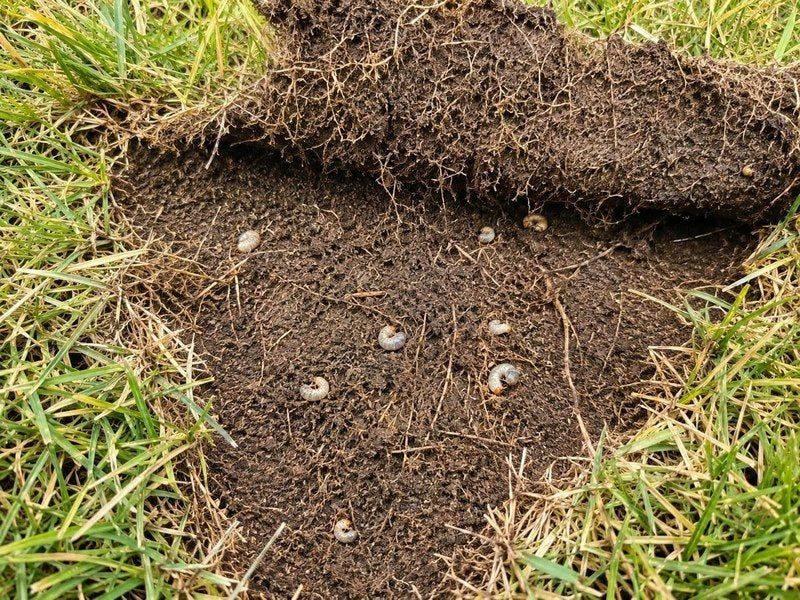
Hiding just under the green surface of many New York lawns, white grubs are the young, larval stage of scarab beetles like Japanese beetles, European chafers, and May or June beetles.
These hungry pests munch on tender grass roots, cutting off the vital link between your turf and its water and food.
The damage can appear as odd patches of yellow or brown grass that refuse to green up even with steady watering.
One strong clue is turf that lifts easily from the soil because grubs have damaged the grass roots. In more serious cases, sections of turf can peel back like a loose mat, revealing the root zone underneath.
To check, homeowners can cut three sides of a one-square-foot patch about two to three inches deep and gently fold back the sod.
Look for C-shaped, milky white larvae with brown heads and six legs. Cornell notes that the number of grubs a lawn can tolerate depends on the species and the health of the turf, with treatment thresholds varying by species.
Grub feeding can damage grass roots, while the resulting lawn damage and wildlife activity may become more noticeable later in the season.
Their presence also draws in raccoons and skunks, whose messy digging can wreck a lawn even more than the grubs do.
Catching the problem early gives you time to act before larger visitors arrive. Inspecting a few spots each season is a simple habit that keeps your turf strong and healthy
5. Those Strange Lawn Ridges May Point To Moles
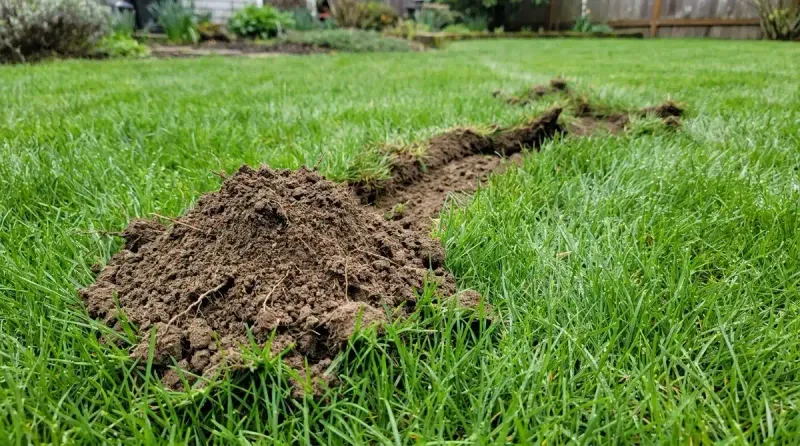
Moles, those hidden underground travelers, create a unique kind of trouble for lawns that stands apart from other pests.
These insect-eating mammals dig tirelessly, building tunnel networks as they hunt for earthworms, grubs, and other small creatures.
Instead of neat open holes, moles usually leave raised ridges snaking across the grass or volcano-shaped mounds of soil. The ridges form as moles burrow just beneath the surface, pushing up the soil into linear feeding paths.
To check whether a surface tunnel is active, flatten a short section of the ridge and check it again the following day. If the tunnel has been repaired, it is likely still in use.
Cornell University notes that star-nosed moles can dig deep tunnels and push up soil hills as large as six by twelve inches. Other kinds, like hairy-tailed and eastern moles, tunnel closer to the top, leaving more obvious ridges.
Moles seldom break the surface with wide holes, but some burrow entrances have horseshoe-shaped dirt around them or small, deep openings about two inches across.
All that tunneling makes the lawn bumpy and uneven, which can even become a tripping hazard.
The digging also loosens plant roots, stressing your grass and leaving thin, weak spots behind.
Moles are mainly searching for food, not trying to harm your lawn on purpose. Most of their activity in the state happens in spring and fall when the soil holds more moisture and is easier to dig.
Knowing these signs helps you tell mole damage apart from insect holes right away.
Instead of chasing a bug that is not there, you can focus on the real underground visitor shaping your lawn.
6. Wildlife Digging Can Create Bigger Problems Than The Pest Below
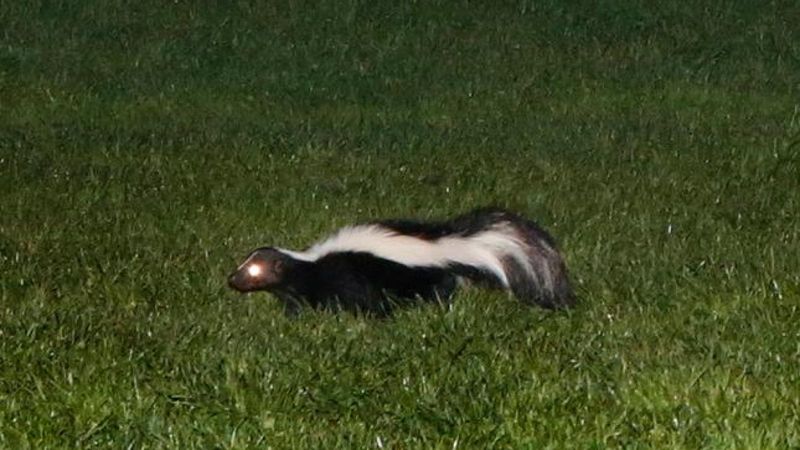
Waking up to find lots of medium-sized, cone-shaped holes across your lawn often means skunks or raccoons treated your yard like a dining room.
These smart, opportunistic animals have an amazing sense of smell that helps them find grubs, earthworms, and beetle larvae hiding under the turf.
Unlike insects that burrow for shelter, skunks and raccoons dig mainly for food, flipping over sections of lawn as they search. Their methods leave telltale marks.
Skunks tend to dig separate, specific holes as they hunt for grubs, sometimes moving to a new part of the lawn each night. Those holes usually fall in the three-to-six-inch range, giving room for their paws and noses to poke around.
Raccoons, with their clever paws, can cause even bigger messes.
They not only dig shallow holes but also peel up whole patches of turf while chasing their underground snacks.
Heavier activity from either animal is often one of the strongest hints that grubs are present in your lawn. In fact, the damage these larger visitors cause while foraging can look far worse than the root munching done by the grubs themselves.
So if you spot big, torn-up excavations, take it as a clear signal. Your lawn has become a popular buffet for these nighttime guests, and a deeper grub issue likely needs attention.
Handling the grub problem underneath is usually the best long-term fix. Once the food source shrinks, the animals lose their reason to keep digging.
A little patience and smart lawn care can bring peace back to your yard.
7. Dry Conditions Can Make Lawn Clues Easier To Spot
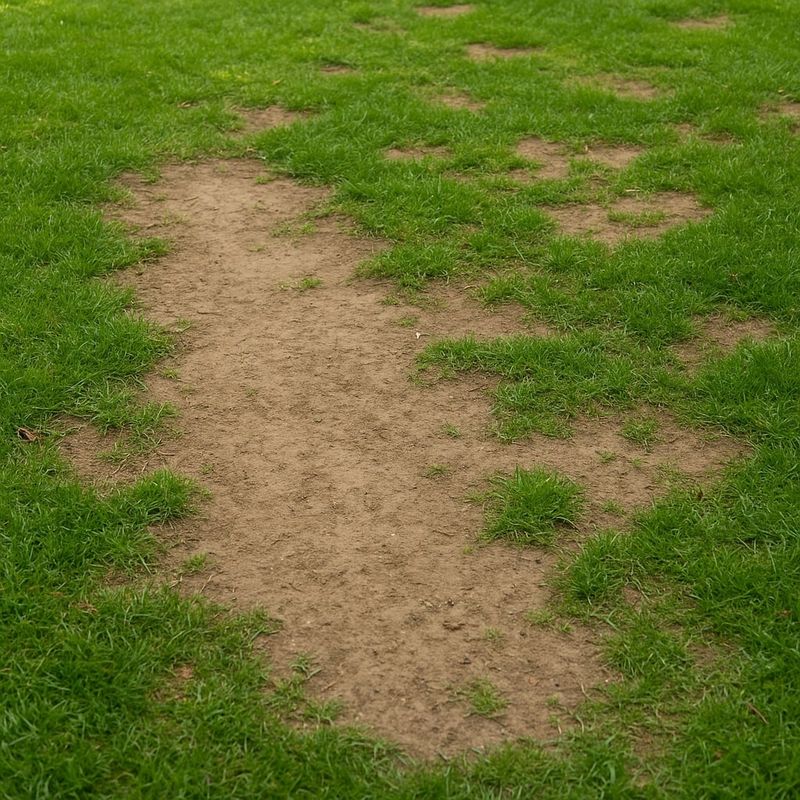
Weather and soil conditions play a big part in the holes that show up in your lawn.
As it turns out, dry soil can make certain visitors and their activity much easier to notice.
Take cicada hawks, which specifically seek out dry, sandy, well-drained soil for their nesting tunnels. If your property has bare, dry, sandy patches, these wasps may be drawn there, making their half-inch burrows and soil piles stand out.
Chinch bugs, known for sucking juices from grass, also thrive in hot, dry, sunny conditions. Their feeding creates uneven yellow or straw-colored patches that look a lot like simple drought stress.
Under dry conditions, a weakened lawn shows its trouble more clearly, since the grass cannot bounce back without enough water.
Even common ants prefer to build their pinhole entrances in sunny, dry parts of the yard.
Compacted soil, a frequent issue in New York landscapes, makes matters worse by blocking roots from soaking up water and nutrients. That leaves the grass open to drought, disease, and pest damage all at once.
In these situations, any existing grub damage becomes far more visible because the dry ground gives the grass no chance to recover.
So while dry soil does not create holes on its own, it sets the stage for insects and highlights problems already there.
Watering deeply and easing soil compaction can help your lawn stay resilient. Healthy, well-hydrated grass hides minor activity better and recovers faster from small setbacks.
Understanding this connection keeps you from blaming every hole on pests across your lawn.
8. Small Holes Do Not Always Mean A Lawn Problem
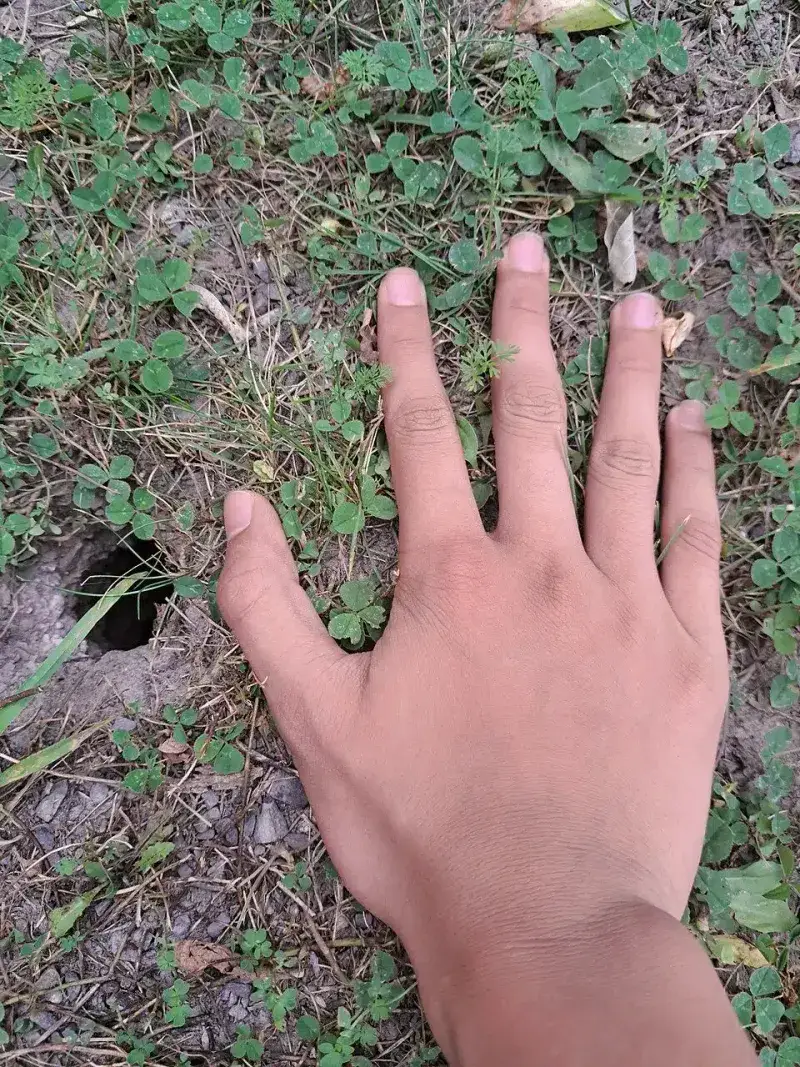
Spotting small holes in your lawn can be worrying, but not every one means a pest invasion.
Many times these little openings come from harmless or even helpful activity that supports your lawn’s ecosystem.
Ground-nesting bees can make tiny pencil-sized holes, especially in areas of bare or thin soil. Many are solitary and relatively harmless, so their presence does not automatically mean your lawn has a pest problem.
Earthworms can also leave small openings and castings as they move through the soil, although these signs are quite different from the digging caused by larger animals.
These creatures deserve to be left alone, since they do wonders for the vitality of your lawn.
Some animals dig small holes simply for shelter or breeding, not because they are eating your grass.
Many common lawn troubles, like discolored patches or thinning turf, also have causes unrelated to pests. Drought, soggy conditions, or compacted soil can all stress your lawn and weaken its roots.
Poor habits such as wrong watering, over-fertilizing, or mowing too short can copy the look of pest damage too.
Nutrient imbalances, plant diseases that love humid New York summers, thick thatch, or spots from herbicides or pet visits can all leave ugly patches.
Finding a few grubs does not automatically mean your lawn needs treatment. Cornell notes that healthy turf can tolerate some grub activity, with damaging levels varying by grub species and lawn condition.
Before you panic or reach for chemicals, take a calm look at all the possible reasons. A thoughtful check saves time, money, and unnecessary worry.
Sometimes the smartest response is simply to observe and let nature do its work.
9. Look Closer And Your Lawn May Reveal The Answer
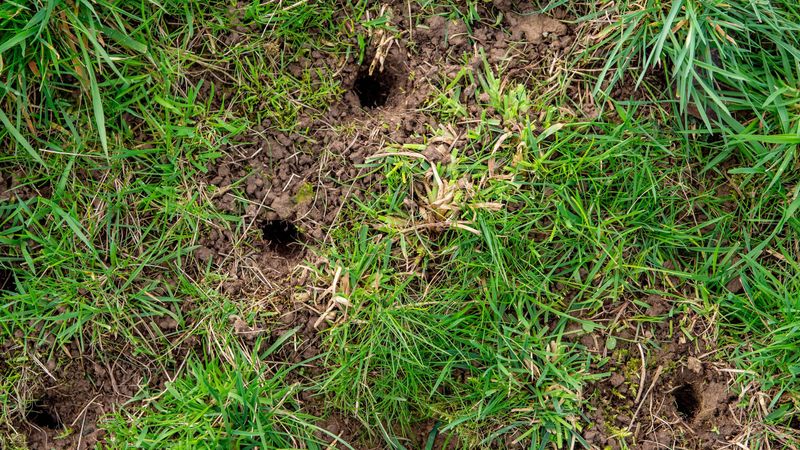
Becoming a careful observer of your lawn is the best first step toward understanding those mysterious holes.
A real inspection takes more than a quick glance; it means checking several features to gather solid evidence.
Start by noting the width and depth of each hole, along with its shape, whether round, cone-shaped, or irregular.
Then look at the soil right around the opening. Do you see loose mounds, tidy soil collars, or grainy castings that point to earthworms?
Notice the pattern too, since scattered holes, clustered holes, and holes lined up in a row all tell different stories.
To confirm grubs, do a small dig. Cut a one-square-foot section of turf about two to three inches deep, ideally near the edge of a damaged area rather than the fully brown center where grubs may have moved on.
Roll back the sod and search the soil and roots for those C-shaped white larvae; ten or more per square foot usually confirms an infestation in New York.
If you suspect moles, press firmly on a raised ridge. If the mole repairs the flattened section by the following day, that is a useful sign that the tunnel is active.
For stubborn or widespread problems you cannot identify, or when pest numbers pass damaging levels, calling in professional help is a smart choice.
Local resources like your Cornell Cooperative Extension office or the Cornell University Insect Diagnostic Laboratory can offer expert identification and advice.
Early detection and accurate answers are your strongest tools for a thriving lawn. With a little detective work, you can act on real evidence before small holes grow into bigger headaches.