When To Plant Sunflowers In Colorado For A Full Summer Of Blooms
Colorado summers are short, bright, and not very forgiving.
If you plant sunflowers at the wrong time, you will spend August staring at green stalks. Meanwhile, your neighbors’ yards will look like a Van Gogh painting.
Knowing when to plant sunflowers in Colorado is what separates a season full of golden blooms from a garden that never gets its moment.
The good news is that sunflowers are fast-growing and wildly rewarding when you get the timing right. They are also more adaptable than most people think.
Colorado’s climate varies a lot depending on where you live, and understanding that difference can save you a lot of guesswork. A little local knowledge goes a long way when it comes to getting your timing right.
With a little planning, you can have them blooming from July all the way into early fall. Read on to find out exactly how to make that happen.
The Best Time To Plant Sunflowers In Colorado
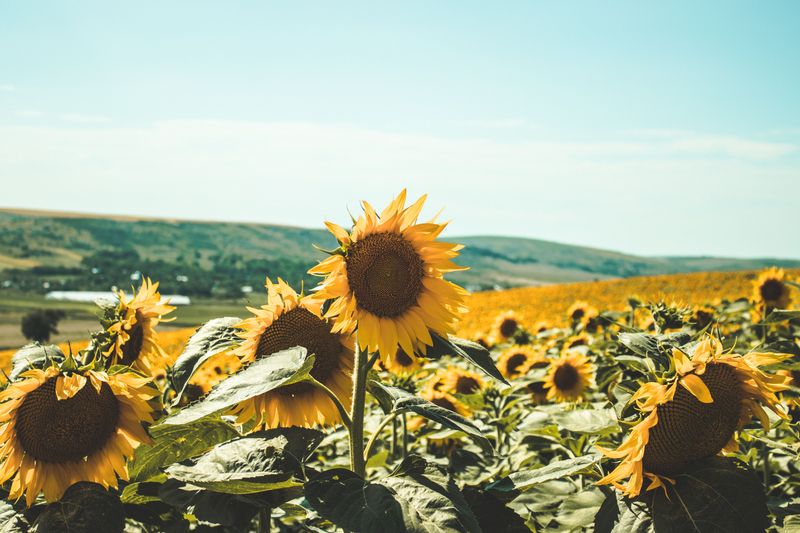
For most of the Front Range, mid-May to early June is your golden window for planting sunflowers.
By that point, soil temperatures have climbed above 55 degrees Fahrenheit and the risk of a late frost has dropped significantly.
Seeds planted during this window typically germinate within seven to ten days and hit peak bloom in late July or August. Succession planting is one of the smartest tricks any Colorado gardener can use.
Instead of planting all your seeds at once, stagger them every two to three weeks from mid-May through late June. This approach stretches your blooming season from midsummer all the way into early fall, keeping the color going far longer.
Gardeners at higher elevations should aim to plant after Memorial Day weekend at the earliest. If you are above 7,000 feet, waiting until early June or even mid-June is a safer bet.
The soil takes longer to warm up at altitude, and rushing the process usually leads to disappointing results. Starting seeds indoors is possible but generally not recommended for sunflowers, since they grow so quickly once conditions are right.
Direct sowing in prepared ground almost always produces stronger, more resilient plants than transplanted seedlings.
When the timing aligns with warm soil and reliable sunshine, sunflowers germinate quickly and grow with impressive speed.
You Need To Understand Colorado’s Climate And Growing Zones
Colorado is not a one-size-fits-all state. It spans six different USDA hardiness zones, from the frigid 3b in the high mountains to the milder 7a along the southern plains.
That range means a gardener in Denver is working with a completely different set of conditions than someone planting in Telluride.
Knowing your zone is not optional; it is the foundation of every smart gardening decision you make. The Front Range, which includes cities like Denver, Boulder, and Fort Collins, sits mostly in zones 5b and 6a.
Gardeners here typically see the last frost somewhere between late April and mid-May. That window gives sunflowers a solid growing season of roughly 155 to 160 frost-free days.
Your Colorado Garden Changes Every Week. Your Plan Should Too.
Gardening in Colorado changes quickly throughout the season. Every Friday you’ll receive a simple weekly plan showing exactly what to plant, prune, fertilize, harvest, and protect so you never miss the right timing.
Higher elevation towns like Breckenridge or Steamboat Springs operate in zones 3 and 4, where the last frost can stretch into June.
In those areas, starting seeds indoors a few weeks early can give plants the head start they desperately need.
Moving seedlings outside too soon in mountain towns is one of the fastest ways to lose an entire crop. The Eastern Plains offer a longer, warmer season but come with dry winds and intense sun that can stress young plants.
Western Slope communities near Grand Junction enjoy some of the warmest and longest growing seasons in the entire state.
Checking the USDA zone map for your exact zip code takes about two minutes and saves you from costly guessing games all season.
Timing Matters, And Here’s Why
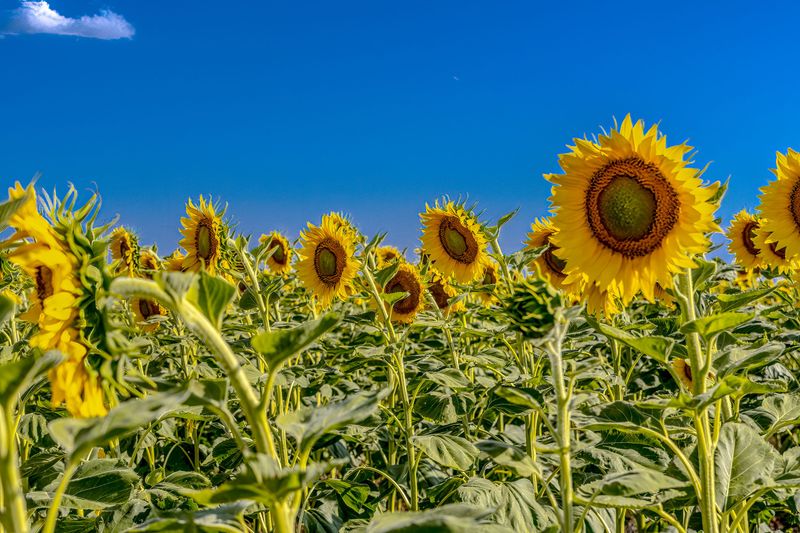
Miss the planting window by even two weeks, and your sunflowers might peak just as the first frost sneaks in.
Colorado’s growing season is shorter than most gardeners expect, which makes timing feel less like a suggestion and more like a rule. Get it right, and you are rewarded with rows of bold, cheerful blooms that last for months.
Sunflowers are warm-season plants that need soil temperatures of at least 50 degrees Fahrenheit to sprout properly.
Plant too early, and cold soil will slow germination to a crawl or rot the seeds entirely. Plant too late, and the plants won’t have enough warm days to reach full bloom before autumn arrives.
Colorado’s unpredictable weather adds another layer to the puzzle. A late spring snowstorm in May or an early September cold snap can catch new gardeners completely off guard.
Understanding your specific elevation and region is the first step toward a successful planting plan. Sunflowers also need time to develop strong root systems before the heat of July arrives.
A plant started at the right moment will anchor itself deeply, making it more resistant to Colorado’s afternoon thunderstorms.
Timing is not just about blooms; it is about building a plant tough enough to thrive in this state’s wild conditions.
How To Prepare Your Soil Before Planting
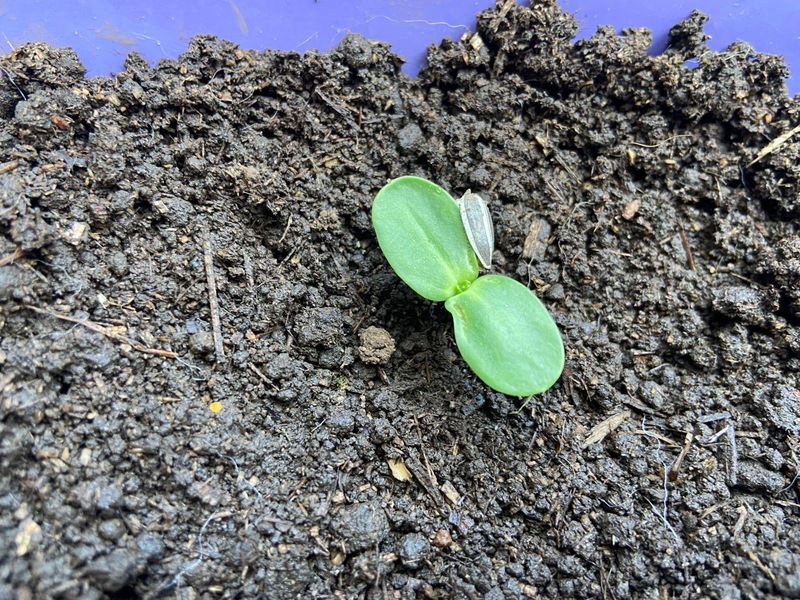
Sunflowers are tougher than they look, but even tough plants perform better when they start in healthy ground.
Loose, well-draining soil is the most important factor for strong root development. Compacted clay soil, common across the Front Range, can suffocate roots before they even get started.
Breaking up the top twelve inches of soil with a garden fork makes a noticeable difference in how quickly seeds sprout. Mixing in two to three inches of compost improves drainage and nutrients without heavy fertilizers.
Sunflowers are not heavy feeders, but they do appreciate a soil that holds just enough moisture without staying soggy. Colorado’s native soil tends to be alkaline, often sitting between a pH of 7 and 8.
Sunflowers prefer a slightly acidic to neutral range, ideally between 6.0 and 7.5. Adding a small amount of sulfur or peat moss can nudge the pH in the right direction if a soil test reveals it is too high.
Raised beds are a great option for rocky or poor ground. They warm up faster, drain better after Colorado’s afternoon storms, and give you full control over soil quality.
That jaw-dropping sunflower display over your neighbor’s fence? It started with good soil prep.
How Much Sun And Water Do Sunflowers Need In Colorado
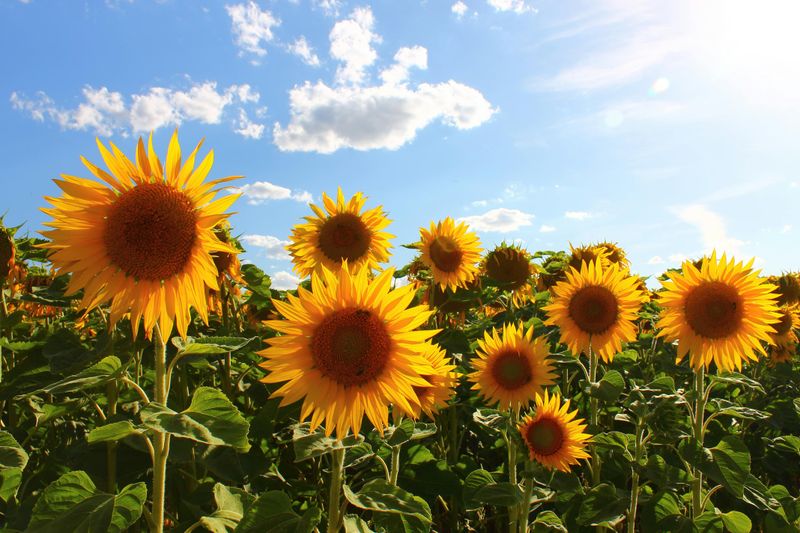
Sunflowers are sun-chasers by nature, and in Colorado, they have access to over 300 days of sunshine per year.
Sunflowers need at least six to eight hours of direct sunlight daily. Pick the sunniest spot in your yard, ideally facing south, or west if that is your best option.
Watering sunflowers in Colorado requires a slightly different approach than in more humid states. The dry, high-altitude air pulls moisture from the soil faster than most gardeners expect, especially on windy days.
Deep, infrequent watering encourages roots to grow downward rather than staying shallow and vulnerable near the surface. During the germination phase, keep the soil consistently moist but never waterlogged.
Once plants reach a foot tall, water deeply once or twice a week depending on rainfall. Drip irrigation or soaker hoses work best as they deliver moisture straight to the roots.
Avoid overhead watering and evening sessions. Morning watering gives leaves time to dry before cool nights set in.
Get the sun and water balance right, and you will have blooms that speak for themselves.
Common Mistakes Colorado Gardeners Make With Sunflowers
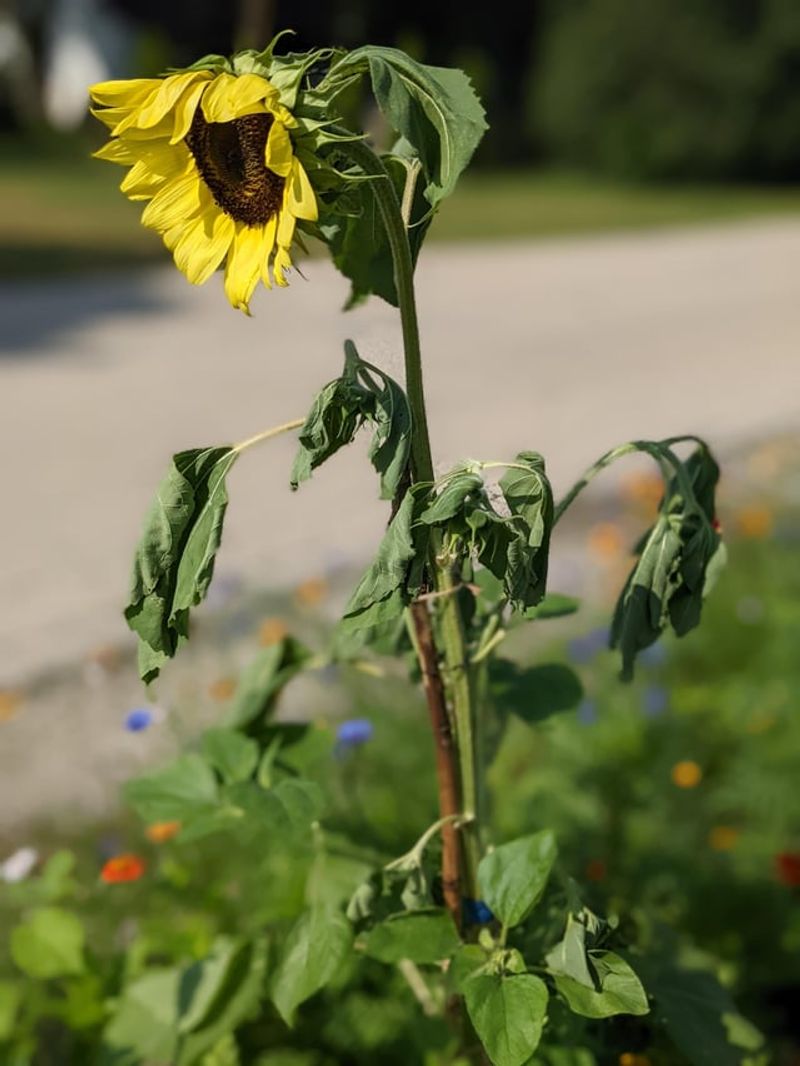
Planting too early is the mistake that trips up more Colorado gardeners than almost anything else.
Eager to get the season started after a long winter, many people push seeds into the ground in late April, only to watch them struggle in cold soil. Patience in May leads to far better results than optimism in April.
Overcrowding is another classic error that quietly ruins an entire planting. Sunflowers need room to breathe, and spacing seeds too closely together forces plants to compete for nutrients, water, and light.
Standard varieties need twelve to eighteen inches between plants; giants need even more. Skipping a soil test is a shortcut that often backfires.
Colorado’s alkaline soil can lock up key nutrients, leading to yellowing leaves and stunted growth. A simple test from a local extension office removes all the guesswork.
Forgetting to account for wind is a mistake unique to this region. Colorado’s afternoon gusts can snap tall sunflower stalks right at the base, especially during summer thunderstorm season.
Stake at two feet or go with a sturdier variety. Peak bloom is too close to risk it.
How To Keep Your Sunflowers Blooming All Summer Long
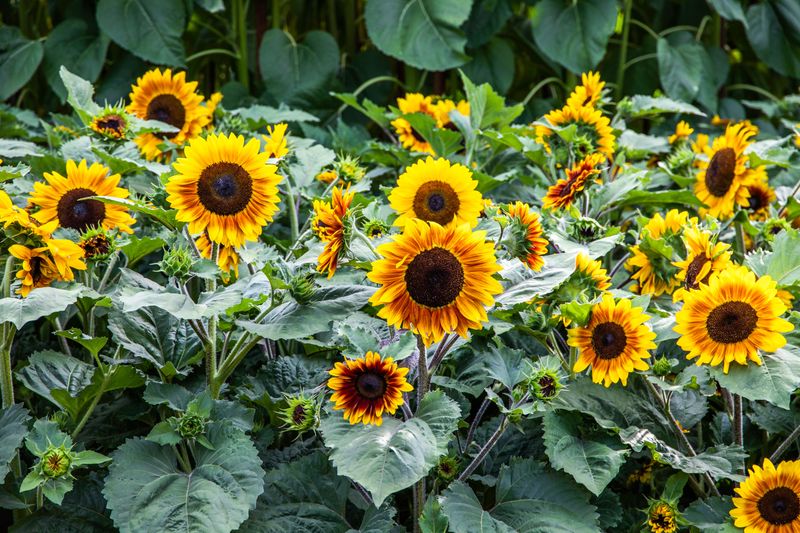
One sunflower variety alone will not carry your garden from June through September, but a smart mix absolutely can.
Branching varieties like Autumn Beauty or Italian White produce multiple blooms per stem and outlast any single-headed giant. Mix early, mid-season, and late-blooming types to keep color rolling all summer.
Removing spent blooms encourages branching varieties to push out new flowers instead of going to seed. Single-stem giants like Mammoth do not branch, so succession planting is the only way to extend their season.
A light feed with low-nitrogen fertilizer once buds appear supports stronger, longer-lasting blooms. Too much nitrogen pushes leafy growth at the expense of flowers, so less is more when it comes to feeding sunflowers.
A balanced slow-release fertilizer worked into the soil at planting time is often all these resilient plants need. Protecting plants from hungry wildlife is one final piece of the puzzle for Colorado gardeners.
Deer, squirrels, and birds have excellent taste. Protect your seedlings with a wire cage early on, and keep watch as the heads fill out.
The blooms are worth defending.