Do This To Oregon Tomatoes Before The First Frost To Ripen Every Last Green One
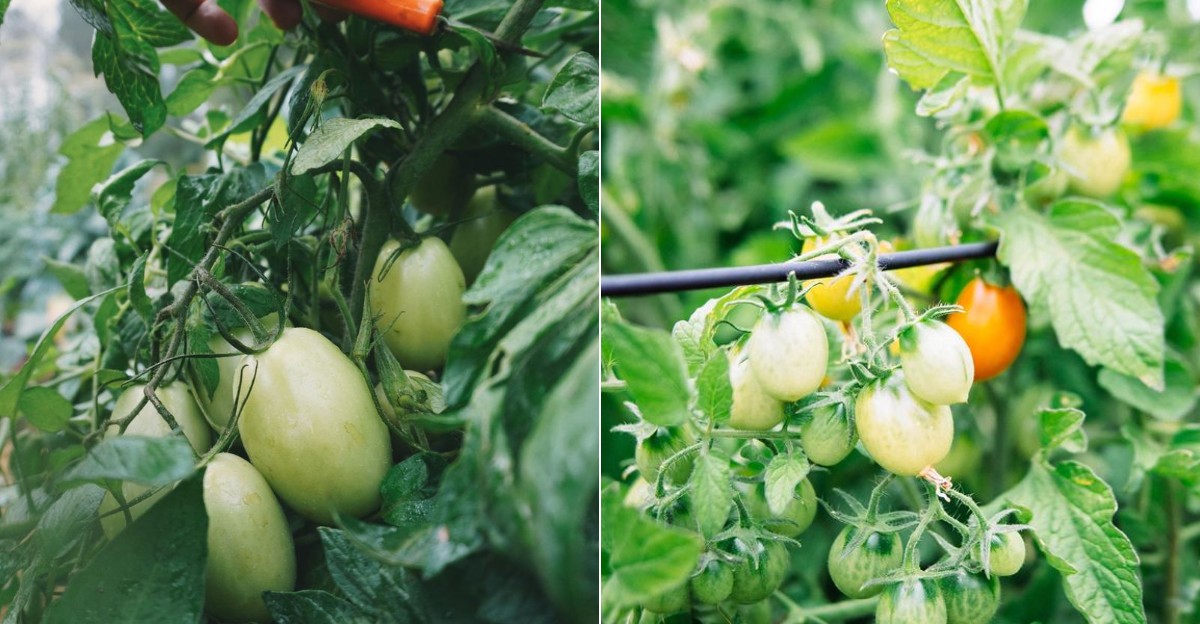
Those last green tomatoes can be surprisingly stubborn. You have spent the whole season waiting for that perfect harvest, only to find the vines still holding onto fruit that refuses to turn color before colder weather arrives.
The first frost creates a due date that every tomato grower knows too well. Suddenly, those green fruits are not just part of the plant anymore; they are a race against the weather.
The good news is that you are not always stuck waiting for nature to decide. A few timely changes can help encourage tomatoes to finish ripening before frost threatens to end the season.
The tricky part is knowing what actually helps and what simply wastes the final days of growing conditions. Tomatoes respond to changes in temperature, energy, and plant growth, so timing matters.
With the right approach, those stubborn green tomatoes may still have a chance to reach your kitchen. The final harvest is often decided by what you do before the first freeze arrives.
1. Remove New Flowers That Cannot Finish
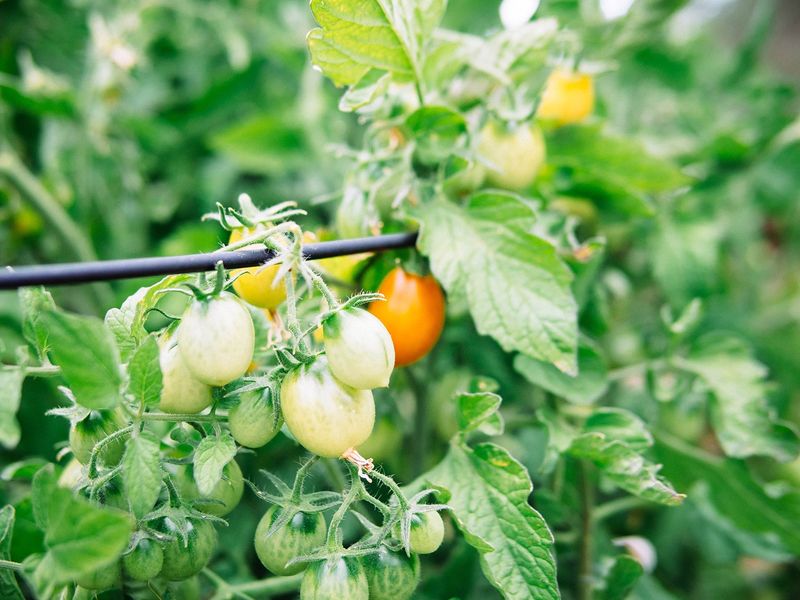
Late-season tomato flowers are a trap many gardeners fall into. They look hopeful, but the truth is that any flower blooming in Oregon after mid-September has almost no chance of turning into a ripe tomato before frost arrives.
Leaving them on the plant is a waste of the plant’s energy.
When you remove those late blooms, you are telling the plant to stop starting new projects. Instead, it puts that energy toward the fruit that is already growing.
That shift can make a real difference in how fast your existing tomatoes ripen up.
Pinching off flowers is easy. Just use your fingers or a small pair of scissors.
Go through the plant carefully and snip off any flower clusters you see. Do this once a week as new buds appear.
It takes only a few minutes per plant.
Some gardeners feel bad removing flowers because it feels like giving up. But you are not giving up.
You are being smart about the time and energy your plant has left. A plant can only do so much before cold weather shuts it down.
Focus on what is already there. Green tomatoes that are close to full size have a great chance of ripening if the plant stops wasting resources on new growth.
Removing flowers is one of the simplest and most effective things you can do right now.
2. Focus The Plant On Existing Fruit
A tomato plant in full swing is always trying to grow more. It sends out suckers, new branches, and side shoots constantly.
In summer, that is fine. In fall, it becomes a problem because all that new growth pulls energy away from the fruit you already have.
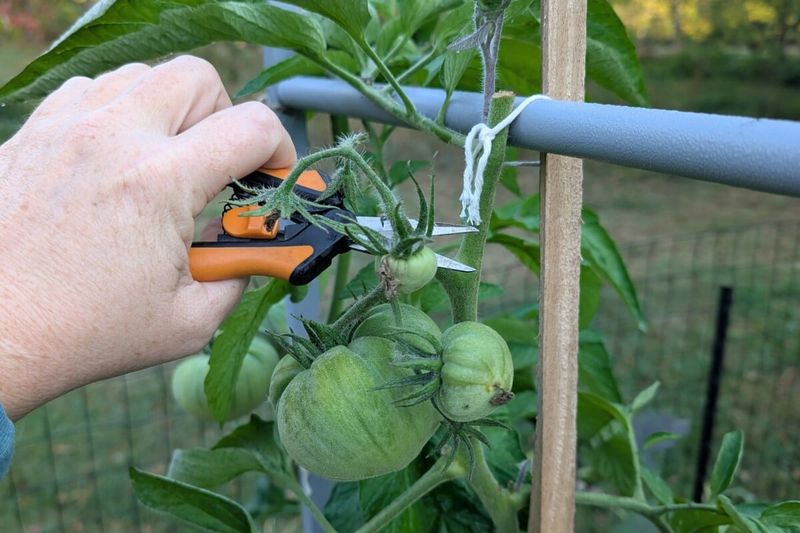
Topping the plant is a great way to stop this. Simply cut off the very top of the main stem.
This signals the plant to stop growing taller and start focusing on what is already attached. It sounds drastic, but it works really well.
Your Oregon Garden Changes Every Week. Your Plan Should Too.
Gardening in Oregon changes quickly throughout the season. Every Friday you’ll receive a simple weekly plan showing exactly what to plant, prune, fertilize, harvest, and protect so you never miss the right timing.
Also remove any suckers that have sprouted recently. These are the small shoots that grow in the V-shaped space between the main stem and a branch.
They will not produce ripe fruit before frost, so there is no reason to let them stay.
Think of it like this: your plant has a limited amount of fuel left for the season. Every bit of new growth you allow is fuel being spent in the wrong place.
By trimming back aggressively, you redirect that fuel straight to your green tomatoes.
Gardeners who do this often notice their tomatoes start to color up faster within just a week or two. It is a simple pruning job that pays off quickly.
Grab your pruning shears, take a few minutes per plant, and let the existing fruit get everything it needs to finish strong before frost.
3. Reduce Watering As Temperatures Drop
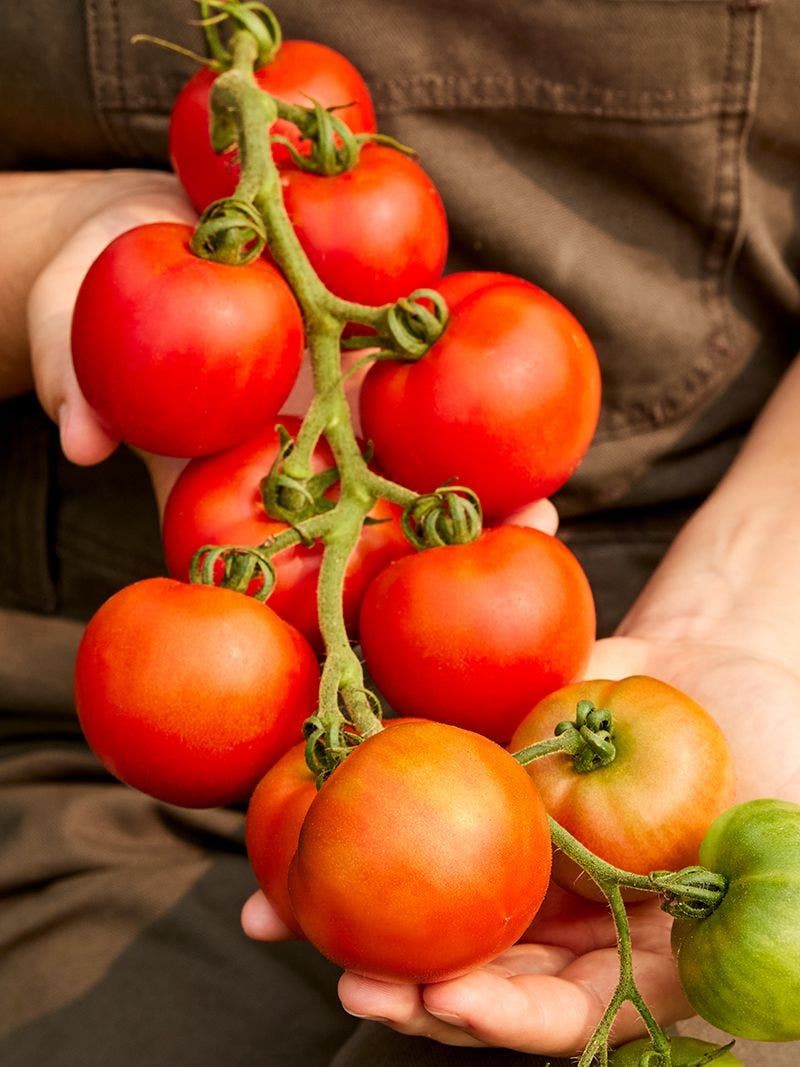
Most gardeners water their tomatoes heavily all summer long, and that makes perfect sense during hot weather. But as fall arrives and temperatures cool down, the rules change.
Watering too much at this stage can actually slow down ripening and cause problems with the fruit.
When the soil stays too wet in cool weather, tomato plants struggle. Roots can rot, and the fruit is more likely to crack or develop soft spots.
Cutting back on water tells the plant that the season is ending, which triggers it to put more effort into ripening the fruit it already has.
Reduce watering to once every five to seven days in early fall. Check the soil before you water.
If it still feels damp a few inches down, skip that watering day. The plant does not need as much moisture when it is not actively growing in the heat.
Dry conditions also concentrate the sugars inside the tomato, which means better flavor when you finally bite into one. Overwatered late-season tomatoes often taste watery and bland.
Backing off the hose is one of the easiest ways to improve both ripening speed and taste.
Keep an eye on your plants during this time. Wilting in the afternoon is normal, but if leaves look dry and curled in the morning, give the plant a small drink.
Balance is key here, and less is usually more as Oregon heads into fall.
4. Pick Large Green Tomatoes Before Frost
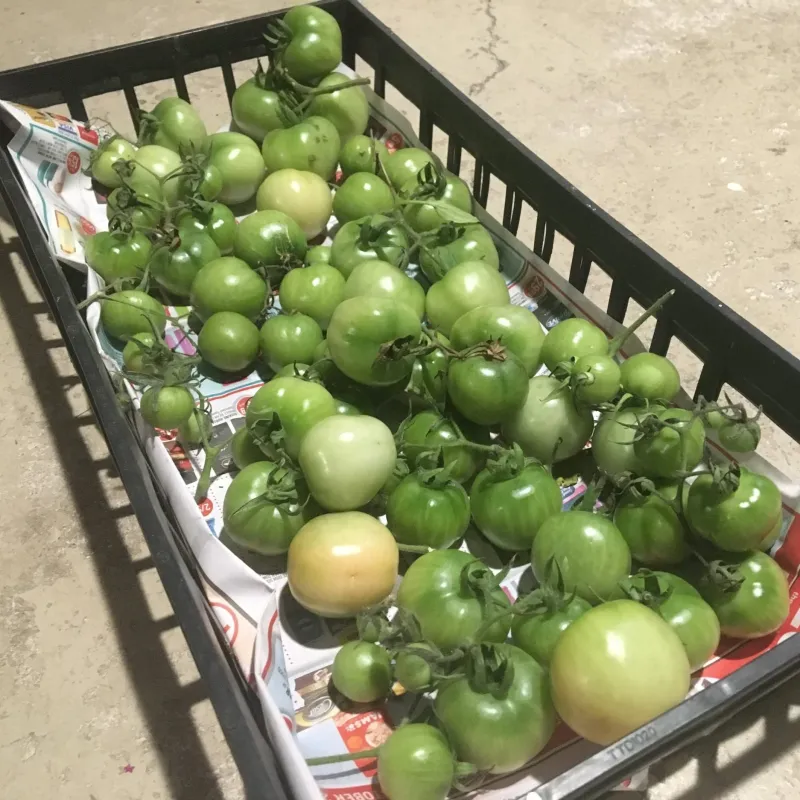
Not every tomato has to ripen on the vine. In fact, waiting too long can mean losing your entire crop to frost overnight.
Large green tomatoes that have reached their full size are perfect candidates for off-vine ripening. They will continue to ripen indoors just fine.
The key is size. A tomato that is still small and hard is not ready to pick yet.
But one that feels firm and heavy, with a slightly lighter green color, is ready to come off the vine. These tomatoes have already developed all the starch they need to convert into sugar and ripen fully.
When you pick them, handle each tomato gently. Do not toss them in a bucket or stack them on top of each other.
Bruising a tomato at this stage will cause it to rot before it ripens. Use a shallow tray or a single layer in a cardboard box.
Picking large green tomatoes before frost gives you a head start. You are not waiting and hoping the weather holds.
You are taking control of your harvest and making sure nothing goes to waste.
Many gardeners are surprised at how well green tomatoes ripen indoors. Given a little time and the right conditions, they turn out just as good as vine-ripened ones.
Picking early is not giving up on your tomatoes. It is saving them from the cold that is coming fast.
5. Bring Blushing Fruit Indoors To Finish
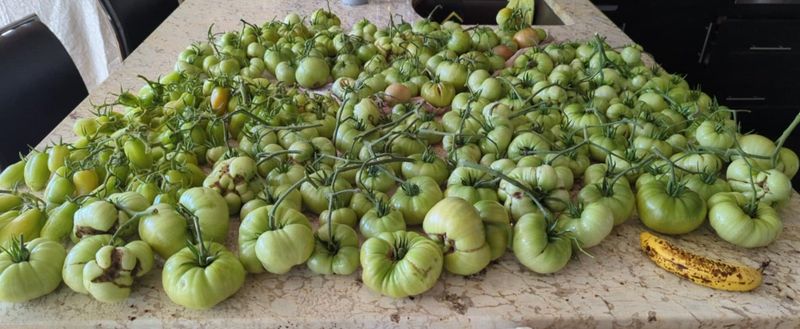
Any tomato that has already started to show a hint of color is ready to come inside. These blushing tomatoes are already in the ripening process.
All they need is a warm, dry place to finish what they started on the vine.
Room temperature is the sweet spot for ripening tomatoes indoors. Somewhere between 65 and 70 degrees Fahrenheit works best.
Avoid putting them in the refrigerator. Cold temperatures stop the ripening process completely and ruin the texture of the fruit.
Place them stem-side down on a countertop or a tray lined with a paper towel. Keep them out of direct sunlight.
Despite what many people think, sunlight does not help tomatoes ripen. It is actually the ethylene gas the tomatoes release naturally that does the work.
Check them every day. As each one reaches its full color, move it to the refrigerator or eat it right away.
Leaving a ripe tomato sitting out too long will cause it to soften and spoil. Staying on top of the process means you waste nothing.
You can also place a ripe banana or apple near your tomatoes to speed things up. These fruits release extra ethylene gas, which helps neighboring tomatoes ripen faster.
It is a simple trick that really works. Bringing blushing tomatoes inside before frost is one of the smartest moves an Oregon gardener can make in fall.
6. Protect Plants During Cold Nights
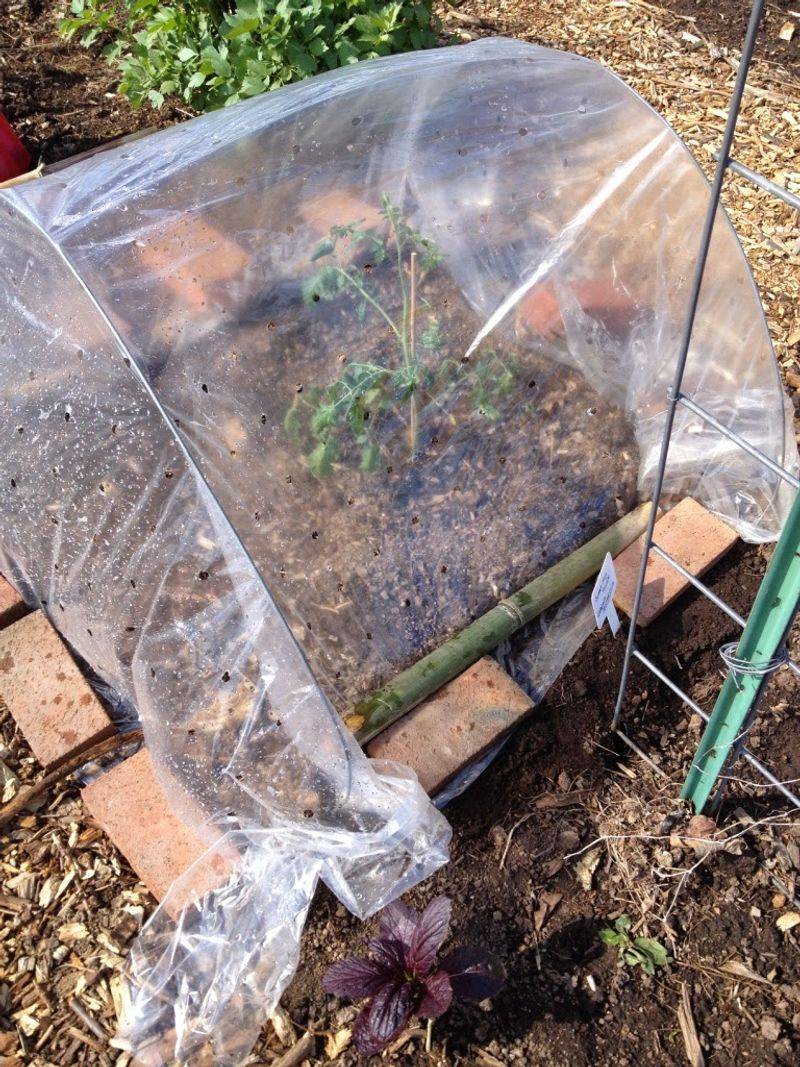
Oregon fall nights can get cold fast, and a single freezing night can end your tomato season in an instant. But covering your plants on cold nights buys you more time.
Even a few extra days of protection can mean the difference between ripe tomatoes and a lost crop.
Frost cloth is the best option for covering plants. It is lightweight, breathable, and designed to trap warmth without smothering the plant.
You can find it at most garden centers in Oregon. Old bedsheets or lightweight blankets work well too in a pinch.
Cover the plants before the sun goes down. This traps the heat that built up in the soil during the day and keeps the temperature around the plant above freezing through the night.
Remove the cover in the morning once temperatures rise above 40 degrees.
For plants in containers, simply move them into a garage, shed, or covered porch on cold nights. Container plants are much easier to protect because you can bring them inside completely.
Even a few nights of warmth can push more tomatoes to ripen.
Watch the weather forecast closely during September and October in Oregon. When temperatures are expected to drop below 35 degrees, it is time to cover up.
Being prepared ahead of time means you are not scrambling in the dark with a sheet and a flashlight. A little planning goes a long way when frost is in the forecast.
7. Remove Extra Foliage Around Ripening Fruit
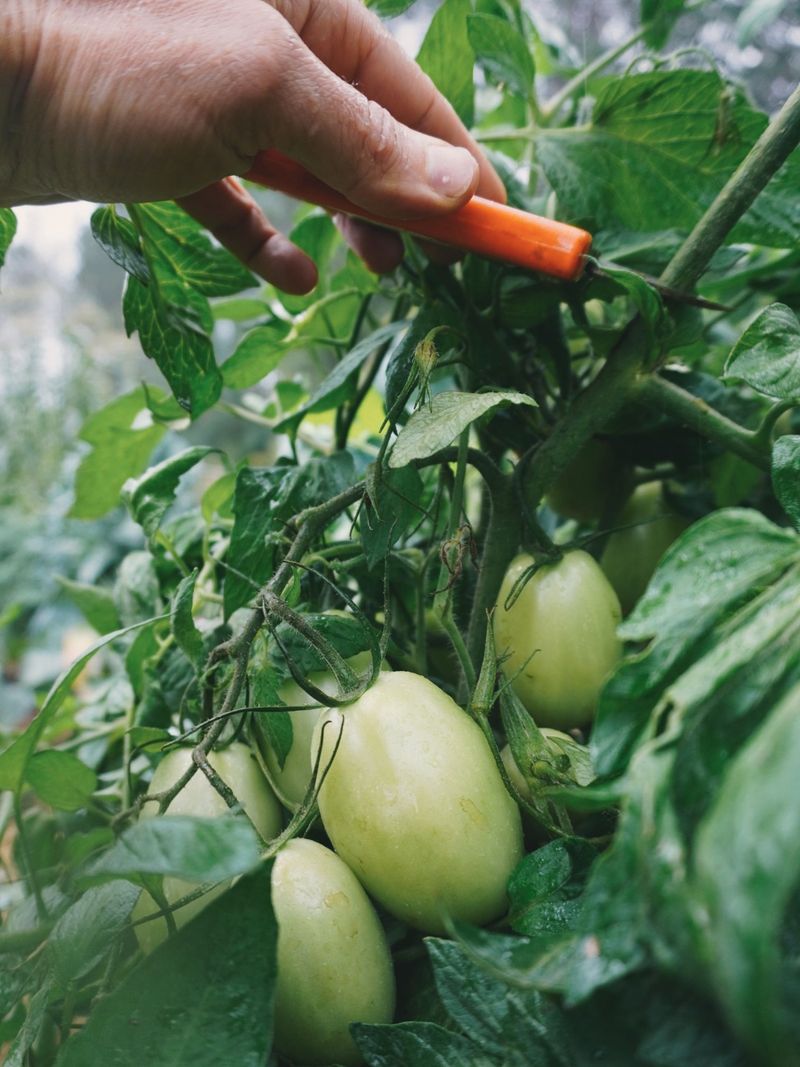
By late summer, tomato plants in Oregon can look like a jungle. Thick leaves block sunlight and air circulation, which slows down ripening.
Thinning out the foliage around your developing tomatoes is a quick and effective way to speed things along before frost arrives.
Start by removing any yellow, brown, or damaged leaves. These are not helping the plant at all.
They are just taking up space and can harbor disease. Removing them right away improves air flow and reduces the risk of mold or mildew spreading to your fruit.
Next, look for healthy leaves that are shading clusters of tomatoes. Carefully remove a few of the largest ones to let more light reach the fruit.
You do not need to strip the plant bare. Just open it up enough so the tomatoes can catch some direct sun each day.
More sunlight on the fruit warms it up, which speeds up the ripening process. It also helps the skin dry out faster after rain, which reduces the chance of cracking or splitting.
Both of these things matter a lot in Oregon’s wet fall weather.
Do not go overboard with the pruning. Leaves still help the plant make energy through photosynthesis.
Remove the ones that are clearly blocking fruit, and leave the rest alone. A well-thinned tomato plant in early fall can push out ripe tomatoes faster than one buried under dense growth.
A little pruning now saves a lot of heartbreak later.
8. Harvest Before Frost Damages The Crop
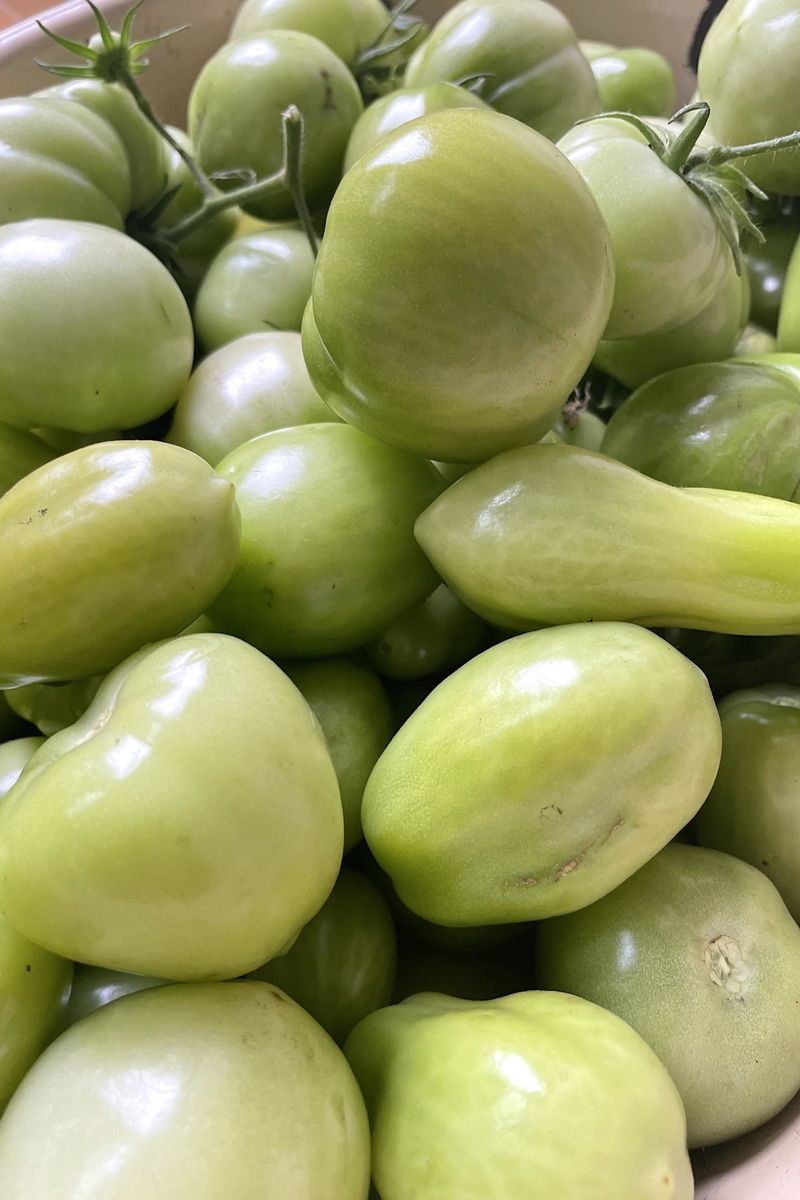
When the forecast shows a hard frost coming, it is time to act fast. Do not wait to see what happens.
A true frost will damage or ruin any tomatoes left on the vine overnight. Getting them off the plant before that happens is the most important thing you can do.
Go through the garden and pick every tomato that is at least golf ball size or larger. Even the ones that are still fully green can ripen off the vine if they have reached their mature size.
Do not leave anything behind that has a chance of making it.
Sort your harvest as you bring it in. Separate the blushing ones from the fully green ones.
The ones showing color will ripen fastest and should be used first. The green ones will take longer but will still ripen nicely if stored in a warm spot indoors.
Store tomatoes in a single layer, never in a pile. Stack them and the ones on the bottom will bruise and rot before they ripen.
A cardboard box or a shallow tray works great. Keep them at room temperature and check them every day.
Harvesting your entire crop before a hard frost is not a defeat. It is smart gardening.
Oregon’s first frost often comes without much warning, and being ready means you get to enjoy every tomato you worked all season to grow. Do not let one cold night take it all away from you.