The Fall Vegetables California Gardeners Should Plant This Weekend
Your summer garden may still be producing, but the next season is already waiting for its turn. Empty spots are opening up, heat-loving crops are slowing down, and cooler weather creates a new opportunity to grow something different.
Fall planting in California has a unique advantage. The soil is still warm, daylight is still useful, and many vegetables prefer the calmer conditions that arrive after the hottest part of the year.
The challenge is choosing crops that actually match the timing. Plant too early, and young seedlings may struggle through lingering heat.
Wait too long, and you may miss the window for strong growth before shorter days arrive.
A successful fall garden is not about starting over completely. It is about using the space you already have and giving it a new purpose as the seasons change.
If your beds have room opening up, this weekend could be the perfect moment to get the next harvest started.
1. Lettuce Gets A Strong Start In Cooler Weather
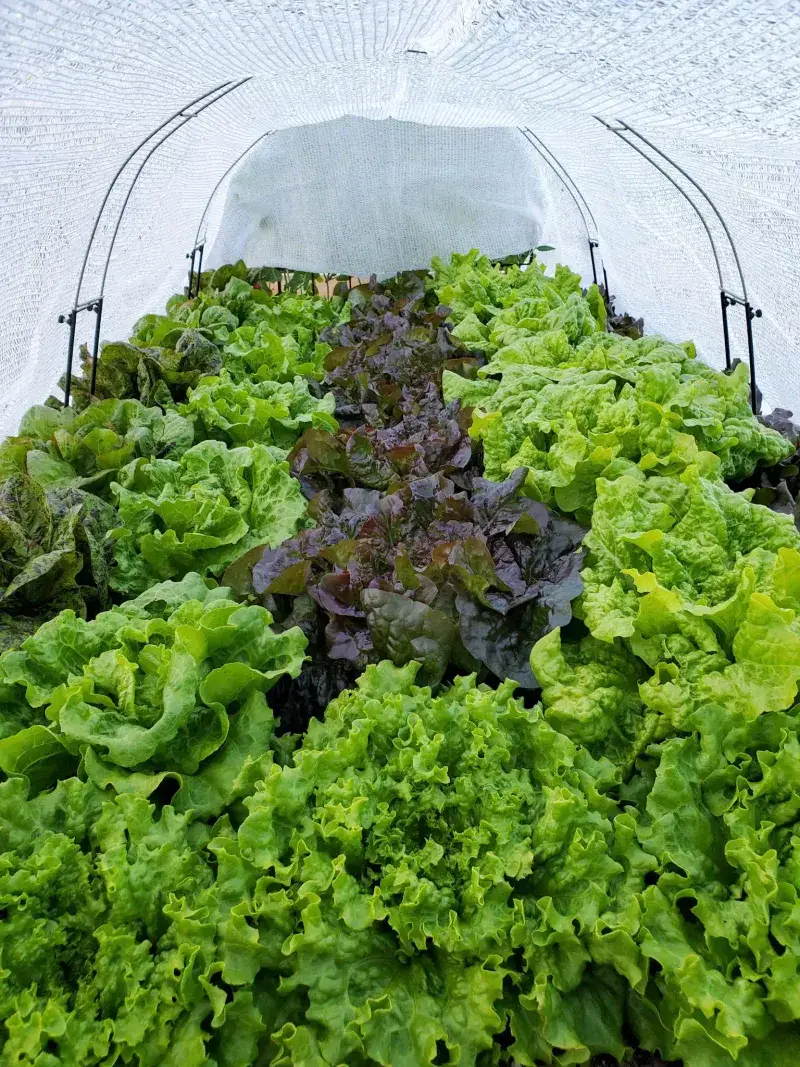
Few vegetables reward fall California gardeners as quickly as lettuce. It sprouts fast, takes up little space, and keeps producing leaves for weeks when the weather stays mild.
Planting it now means you could be harvesting fresh salad greens in as little as three weeks.
Lettuce prefers soil temperatures between 45 and 65 degrees Fahrenheit. Fall mornings hit that sweet spot almost perfectly.
The cooler air slows down the bolting process, which is what makes lettuce turn bitter and go to seed. You get more time to enjoy a harvest that actually tastes good.
Loose-leaf varieties like Black Seeded Simpson or Red Sails are great choices for fall planting. They grow fast and you can snip outer leaves while the center keeps growing.
That means one plant can feed you multiple times over several weeks.
Plant seeds about a quarter inch deep and keep the soil lightly moist until they sprout. Thin seedlings to about six inches apart once they are an inch tall.
Crowded lettuce tends to bolt faster and is more likely to develop mold at the base.
A light layer of mulch around your plants helps hold moisture and keeps roots cool during warm afternoon spells. If a cold snap hits, a simple row cover or old bedsheet draped over the bed overnight will protect your crop just fine.
2. Carrots Grow Better As Summer Heat Fades
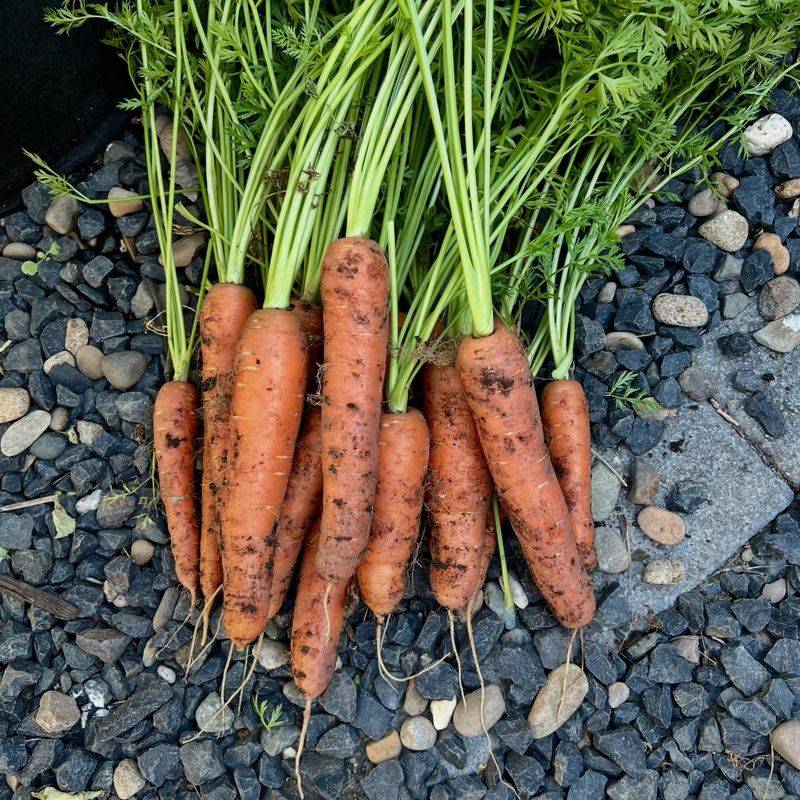
Carrots are one of those vegetables that most California gardeners grow in spring and forget about in fall. That is a missed opportunity.
Cooler soil actually makes carrots taste sweeter because the plant converts starches into sugars when temperatures drop. A fall-grown carrot often tastes better than anything you will find at a grocery store.
The key to success with carrots is loose, well-draining soil. Rocky or compacted ground causes roots to fork or stay short.
If your garden beds are dense, mix in some sand or compost before you plant. A raised bed works especially well for getting long, straight roots.
Sow seeds directly into the ground about a quarter inch deep. Carrot seeds are tiny and can be tricky to space out evenly.
Your California Garden Changes Every Week. Your Plan Should Too.
Gardening in California changes quickly throughout the season. Every Friday you’ll receive a simple weekly plan showing exactly what to plant, prune, fertilize, harvest, and protect so you never miss the right timing.
One helpful trick is to mix the seeds with a little sand before scattering them. That spreads them out more naturally and saves you thinning time later.
Keep the soil consistently moist during germination, which can take one to three weeks. Once seedlings are two inches tall, thin them to about two to three inches apart.
Crowded carrots compete for nutrients and end up small and misshapen.
Most carrot varieties take 70 to 80 days to mature. Planting now means you could be pulling sweet, crisp roots from the ground right around the holidays.
That is a pretty satisfying reward for a weekend of work.
3. Radishes Fill Empty Beds Quickly
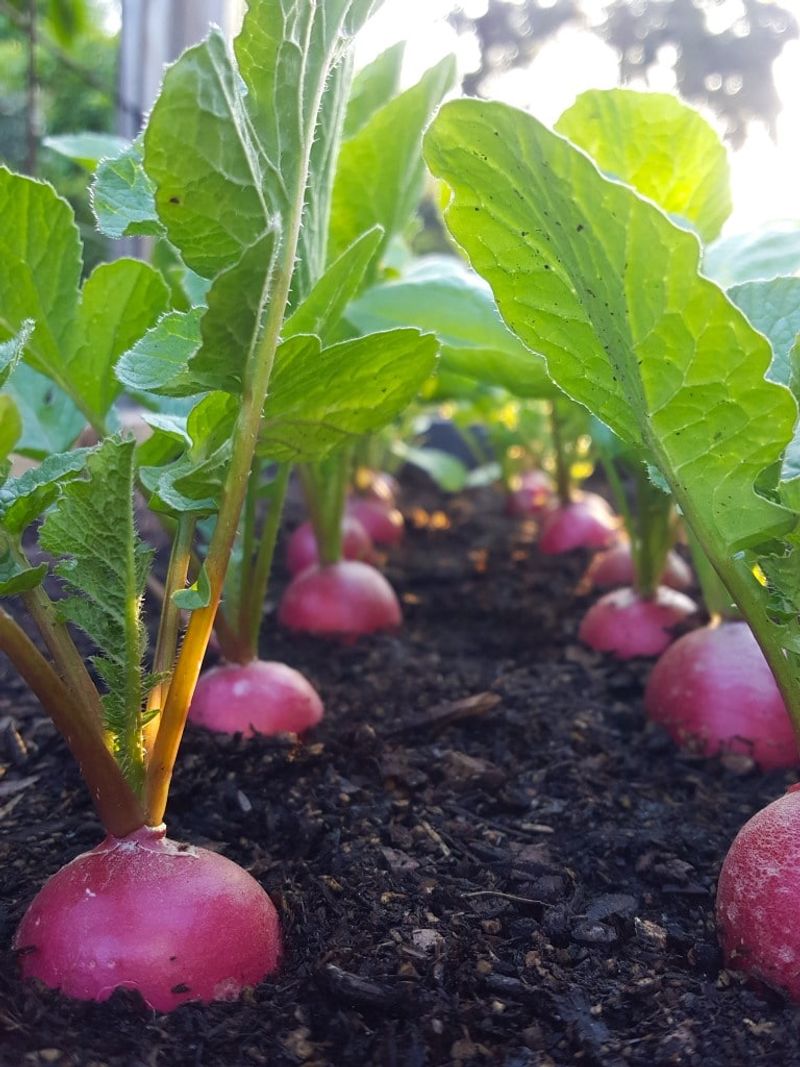
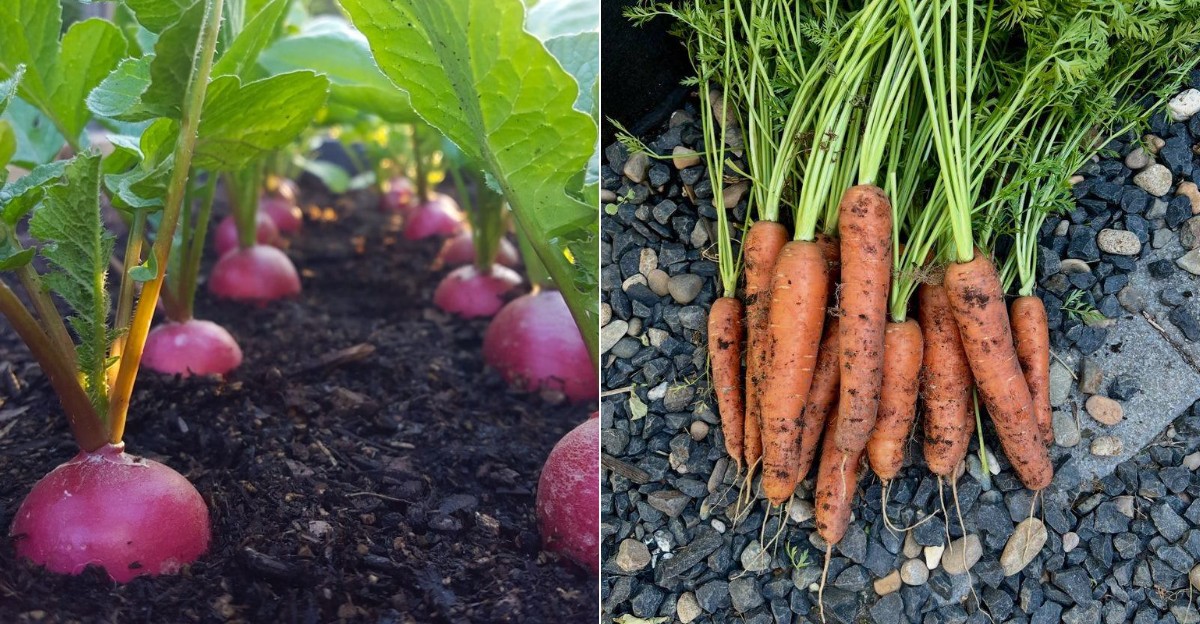
If patience is not your strong suit, radishes are your best friend in the fall garden. Some varieties go from seed to harvest in as little as 25 days.
That speed makes them one of the most satisfying vegetables you can grow, especially for new gardeners who want quick results.
Radishes also do a great job filling in gaps between slower-growing crops. Tuck them between carrot rows or along the edges of your broccoli bed.
They will be ready to pull before the bigger plants need that extra space. Nothing in the garden goes to waste that way.
Cherry Belle and French Breakfast are two popular fall varieties that hold up well in cooler conditions. Both produce crisp, mild roots that work great in salads, slaws, or eaten fresh with a little salt.
The greens are edible too, which is something many gardeners do not know.
Sow seeds about half an inch deep and one inch apart. Thin them to two inches once they sprout.
Radishes that are too crowded tend to produce more leaf than root, which is not what most gardeners are after.
Water consistently but avoid soaking the soil. Radishes that sit in wet ground can crack or develop a pithy texture.
A good rule of thumb is to water when the top inch of soil feels dry. Fall rains often take care of most of the work for you.
4. Spinach Handles Chilly Fall Nights
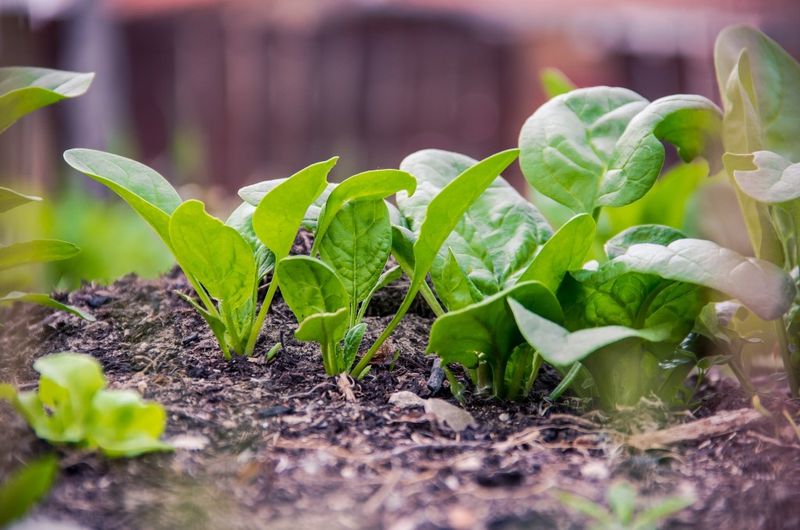
Spinach is one of the toughest cool-season greens you can grow. It can handle frost down to about 20 degrees Fahrenheit once it is established.
That kind of cold hardiness makes it a reliable choice when fall nights start getting chilly and other crops begin to struggle.
What makes spinach especially useful in the fall garden is how fast it produces usable leaves. You can start harvesting outer leaves in as little as four to six weeks after planting.
The plant keeps growing new leaves from the center, so one round of planting can carry you through many weeks of fresh greens.
Bloomsdale Long Standing and Tyee are two varieties that do particularly well in cooler temperatures. Both have thick, crinkled leaves that hold up well in the kitchen whether you are using them raw or cooked.
They also resist bolting better than many other types, which means a longer harvest window.
Plant seeds about half an inch deep and two to three inches apart. Spinach prefers slightly alkaline soil, so if your garden tends to be acidic, a light dusting of garden lime can help.
Water regularly but do not let the bed stay soggy.
One thing to watch for is downy mildew, a fungal issue that shows up when nights are damp and cool. Good air circulation between plants goes a long way toward keeping that problem in check.
Thin your seedlings early and avoid overhead watering late in the day.
5. Peas Can Get Established Before Winter
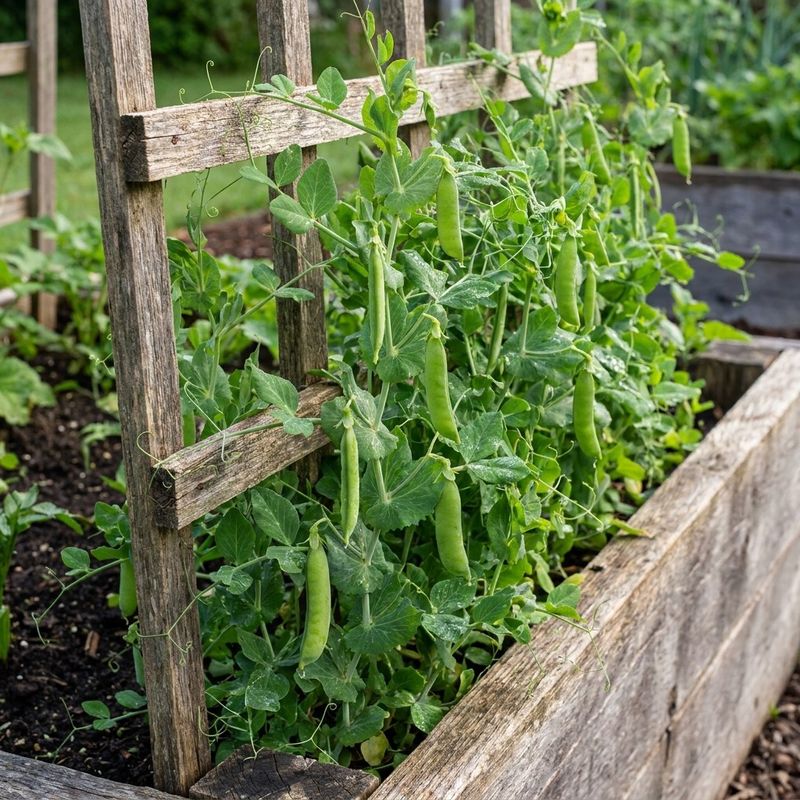
There is something almost nostalgic about growing peas in the fall. They climb, they flower, and they produce pods that taste best eaten straight off the vine while still standing in the garden.
Getting them in the ground now gives them enough time to establish strong roots before cold weather settles in for good.
Peas are a cool-season crop that actually benefits from a light frost. Cold nights bring out more sweetness in the pods, much like what happens with carrots.
The trick is to get plants established while the soil is still warm enough to support fast germination, which is usually above 45 degrees Fahrenheit.
Sugar snap varieties like Sugar Ann or Super Sugar Snap are great for fall growing. They produce full pods you can eat whole, shell and all.
Snow peas are another solid option if you prefer thinner, flat pods that work well in stir-fries and salads.
Plant seeds about an inch deep and two inches apart along a trellis, fence, or simple stake system. Peas are natural climbers and will grab onto almost anything you give them.
Without support, vines tangle and become hard to manage as they grow.
Water well after planting and keep the soil moist until seedlings appear. Once plants are a few inches tall, they become fairly self-sufficient.
Cut back on watering slightly as fall rains begin to arrive, and watch your vines take off with very little extra effort from you.
6. Broccoli Loves The Shift To Cooler Days
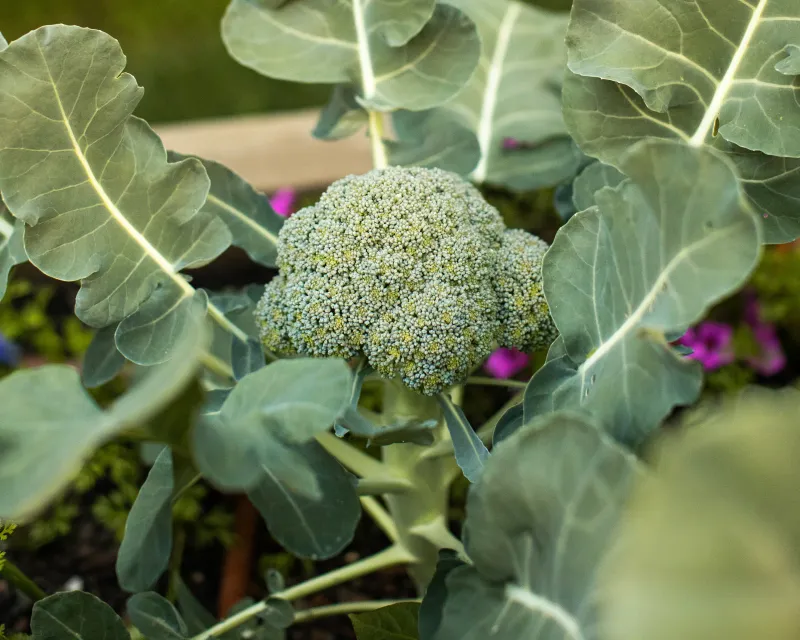
This popular veggie has a reputation for being finicky, but fall is actually when it performs at its best. The shift from California summer heat to mild, cool days is exactly what this vegetable needs to form tight, flavorful heads.
Plant it now and you will likely get a better result than most spring attempts.
One thing most gardeners do not realize is that broccoli needs space. Each plant should have about 18 inches of room on all sides.
Crowding them causes smaller heads and increases the chance of pest problems. Give them room to stretch and they will reward you with bigger, denser crowns.
Calabrese and Waltham 29 are two dependable varieties for fall planting. Both produce solid central heads followed by smaller side shoots that keep coming after the main harvest.
That second wave of growth can extend your harvest by several weeks if you keep cutting regularly.
Set transplants or seeds into well-amended soil with good drainage. Broccoli is a heavy feeder, so work some compost or a balanced vegetable fertilizer into the bed before planting.
Side-dress with a nitrogen-rich fertilizer about three weeks after transplanting to keep growth moving.
Watch for cabbage worms and aphids, which are the most common broccoli pests in fall gardens. A row cover placed over young plants provides solid protection without any chemicals.
Check under leaves every few days and remove any caterpillars you find by hand before they do serious damage to your crop.
7. Kale Keeps Producing Through Cold Weather
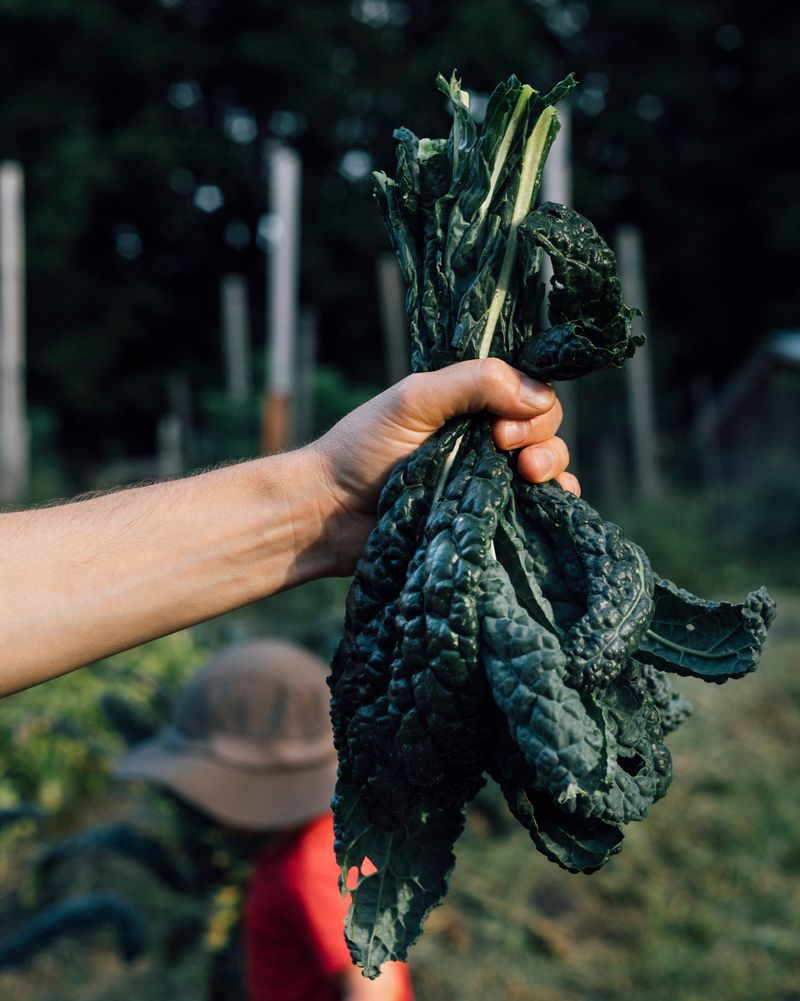
Once it is established, it shrugs off cold snaps, light frosts, and even brief freezes without missing a beat. In fact, a touch of frost actually improves the flavor by triggering the plant to produce more natural sugars in its leaves.
Lacinato kale, also called dinosaur kale, is a top choice for fall growing. Its long, dark blue-green leaves hold up beautifully in soups, sautees, and salads.
Red Russian kale is another excellent option, with tender, slightly frilly leaves that have a milder taste and work well raw in grain bowls or slaws.
Plant seedlings or seeds in a sunny spot with well-draining soil. Space plants about 12 to 18 inches apart to allow good airflow.
Kale grows upright and bushy, so it does not need a trellis or much support. It is one of the low-maintenance champions of the cool-season garden.
Water deeply once or twice a week after planting. Kale is fairly drought-tolerant once established, but consistent moisture during the first few weeks helps roots anchor quickly.
A layer of straw mulch around the base keeps soil temperature stable and reduces water loss between waterings.
Harvest outer leaves regularly to encourage the plant to keep pushing out new growth from the center. The more you pick, the more it produces.
A single plant can feed a household for months, which makes kale one of the best values in fall gardening.
8. Planting Now Gives Roots Time To Develop
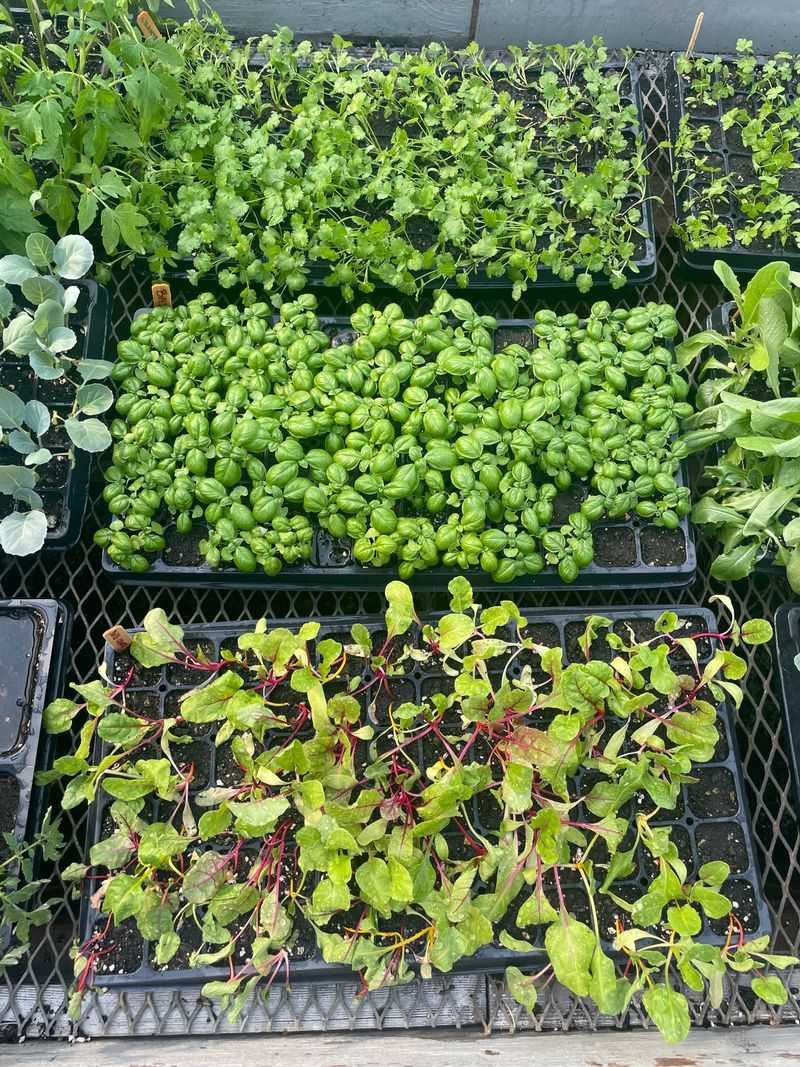
Timing is one of the most underrated parts of vegetable gardening. Planting this weekend rather than waiting another few weeks can make a real difference in how well your crops perform.
Soil that is still warm from summer speeds up germination and helps roots spread quickly before cold weather arrives.
Root development is the foundation of a productive garden. A plant with a deep, well-established root system handles cold snaps, dry spells, and nutrient competition far better than one that was planted late.
Getting seeds or transplants in the ground now gives every vegetable on this list a head start that pays off at harvest time.
Think of fall planting as an investment. The work you do this weekend sets up a harvest that unfolds over the next two to three months.
Many cool-season crops mature slowly and taste better for it. Rushing the process by planting too late often means smaller yields and weaker plants.
Before you plant anything, take a few minutes to prep your beds. Pull out any leftover summer plants, loosen the top few inches of soil, and mix in a generous amount of compost.
Healthy soil is the single biggest factor in a successful fall garden.
California gardeners have a real advantage this time of year. Mild winters across most of the state mean a longer growing window than most of the country gets.
Use that advantage wisely by planting now and staying consistent with watering and care throughout the season.