Should California Gardeners Remove Crape Myrtle Seed Pods In September Or Leave Them Alone?
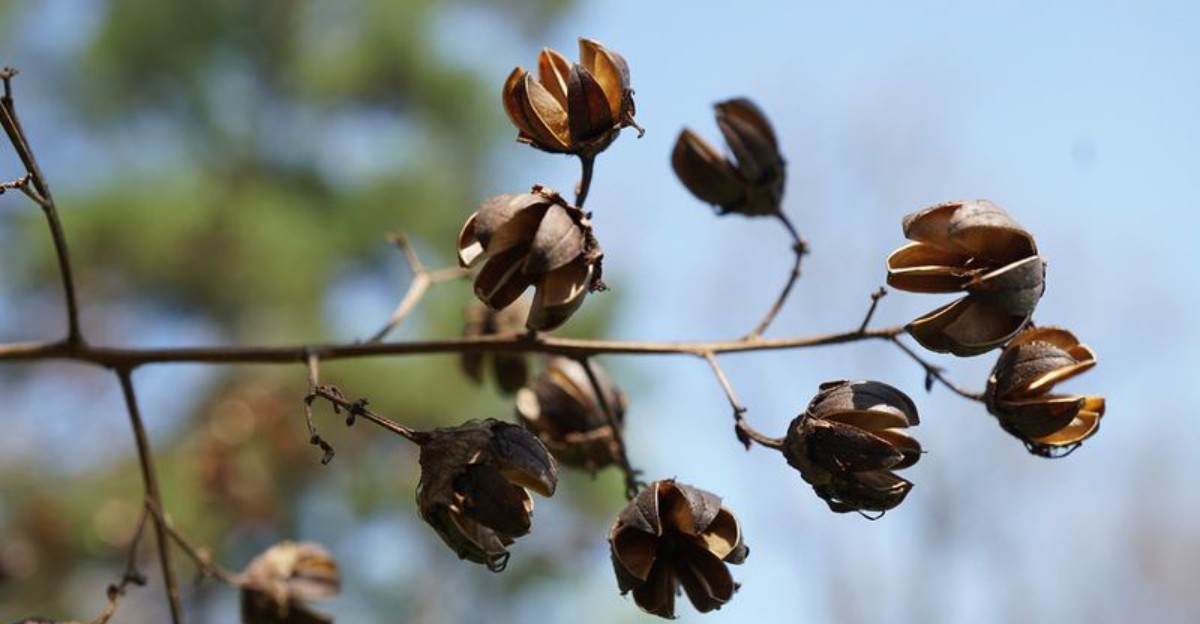
Those little seed pods on your crape myrtle can be easy to ignore until they start changing the look of the tree. One day the blooms are the main attraction, and the next those round pods are hanging everywhere, making you wonder if they need to be cleaned up.
It is tempting to grab the pruners and remove them for a tidier appearance. After all, a quick trim can seem like a simple way to keep the tree looking fresh as the season winds down.
But those pods are not automatically a problem. If you leave them alone or remove them depends on what you want from the tree, how it is growing, and what matters most in your landscape.
The timing also plays a role in California. September sits between summer flowering and the next phase of the tree’s seasonal cycle, so rushing in with heavy pruning may not always be the best move.
Before cutting away every seed pod you see, take a closer look at what your crape myrtle is doing. Sometimes the best choice is not the cleanest-looking one right away.
1. Seed Pods Are A Normal Part Of The Season
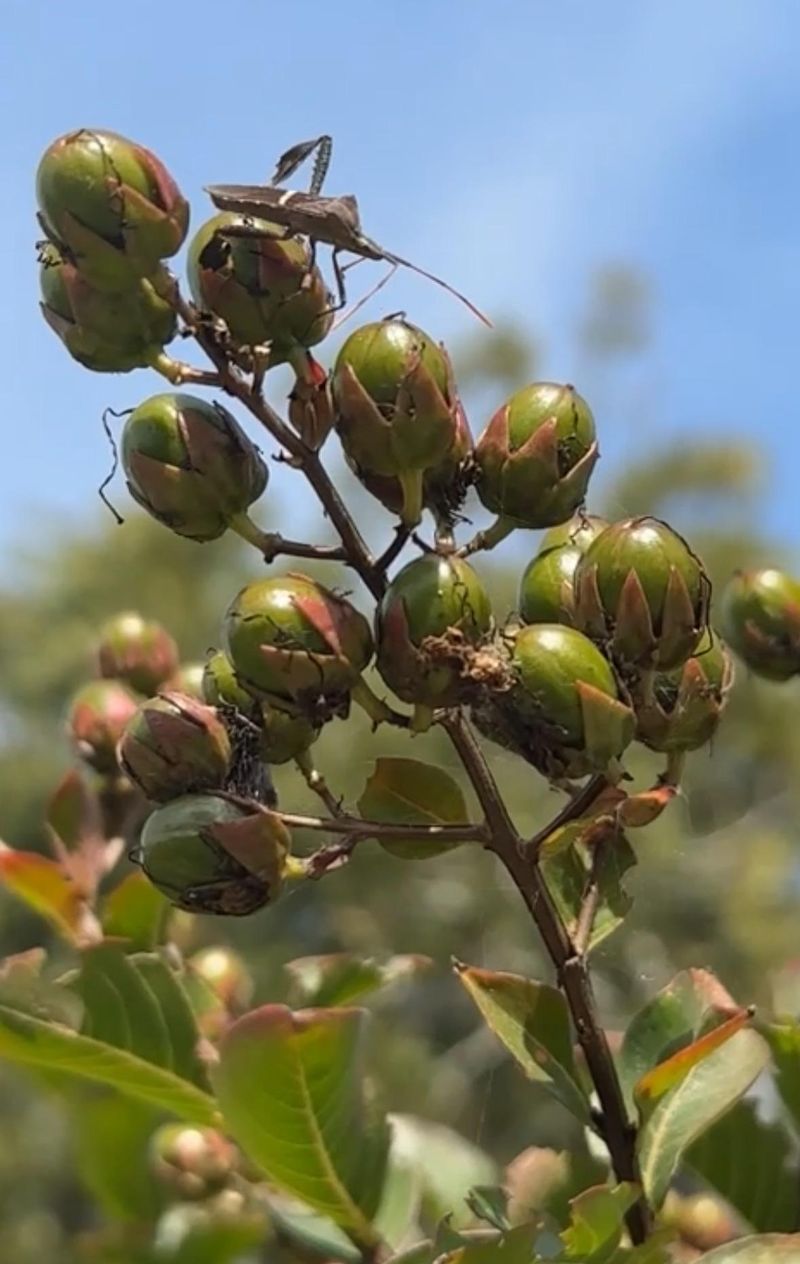
Those small, rounded brown clusters at the tips of crape myrtle branches are not a sign that something went wrong. They are a completely natural part of the plant’s life cycle.
After the flowers fade in late summer, seed pods form in their place. This is just what crape myrtles do.
Many California gardeners panic when they see them for the first time. But these pods are proof that the tree had a healthy and productive blooming season.
Each pod holds tiny seeds that the tree has worked hard to produce. So before reaching for the pruning shears, take a moment to appreciate what you are looking at.
In September, the pods are often still green or just beginning to turn brown. The tree is still finishing its seasonal work at this point.
Cutting them off now does not hurt the tree, but it also does not help it in any significant way. The pods will dry out and fall on their own over the coming weeks.
Understanding that this is a normal seasonal event helps gardeners feel less stressed and more confident about their choices.
2. Removing Them Can Affect Next Year’s Flowers
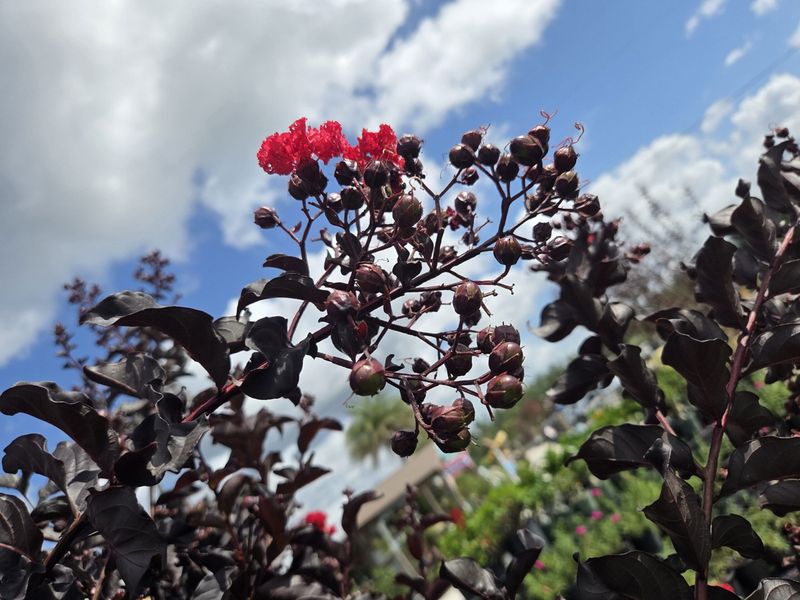
Here is something many people do not realize: removing seed pods the right way can actually encourage more blooms the following year. When a tree puts energy into ripening seeds, it has less energy left over for growing new flower buds.
By removing the pods before they fully mature, you can redirect that energy.
However, there is a catch. Cutting off just the seed pods is very different from cutting back the entire branch.
Removing only the pods is a light, careful task. Cutting back large branches in September can stress the tree and reduce flowering next spring.
The key is to be precise. Use clean, sharp pruning shears and snip off only the seed pod clusters at the very tips of the branches.
Your California Garden Changes Every Week. Your Plan Should Too.
Gardening in California changes quickly throughout the season. Every Friday you’ll receive a simple weekly plan showing exactly what to plant, prune, fertilize, harvest, and protect so you never miss the right timing.
Do not cut into the woody parts of the branch. California gardeners in warm climates find that this small effort makes a noticeable difference in how many flowers they see the next season.
The results are not always dramatic, but over time, consistent light deadheading can lead to a fuller, more colorful display. Think of it as a small investment in next summer’s garden show.
3. Late Summer Is Not Always The Best Time To Cut
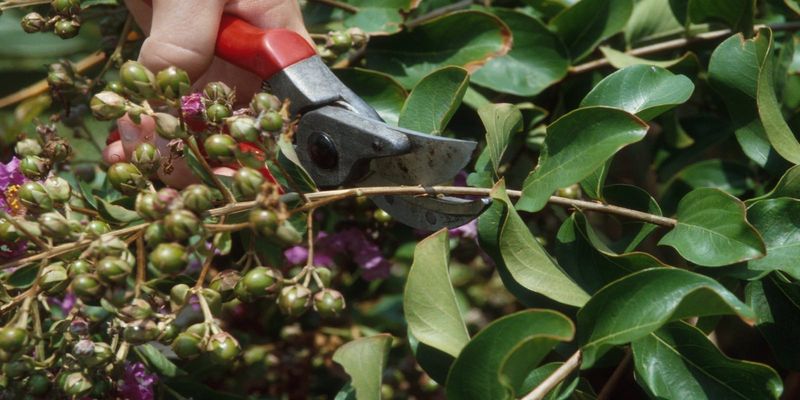
Timing matters a lot when it comes to pruning or trimming any tree. September sits right at the tail end of the growing season in most parts of the country.
Cutting branches at this time can send mixed signals to the tree. It may try to push out new growth, which can then be damaged by cooler fall temperatures.
Soft, new growth that sprouts in September or October does not have enough time to harden off before cold weather arrives. Even in warmer California regions, unexpected cold snaps can cause damage to tender new shoots.
This is why many experts recommend holding off on any serious pruning until late winter or very early spring.
Removing just the seed pods is generally considered safe because you are not cutting into live wood. But if you are thinking about shaping the tree or cutting back branches, September is usually not the right time.
The best approach in late summer is to observe, do light cleanup if needed, and save the bigger work for later. Patience really does pay off with crape myrtles.
Letting the tree rest and prepare for cooler weather on its own terms keeps it stronger in the long run.
4. Seed Pods Can Add Winter Interest
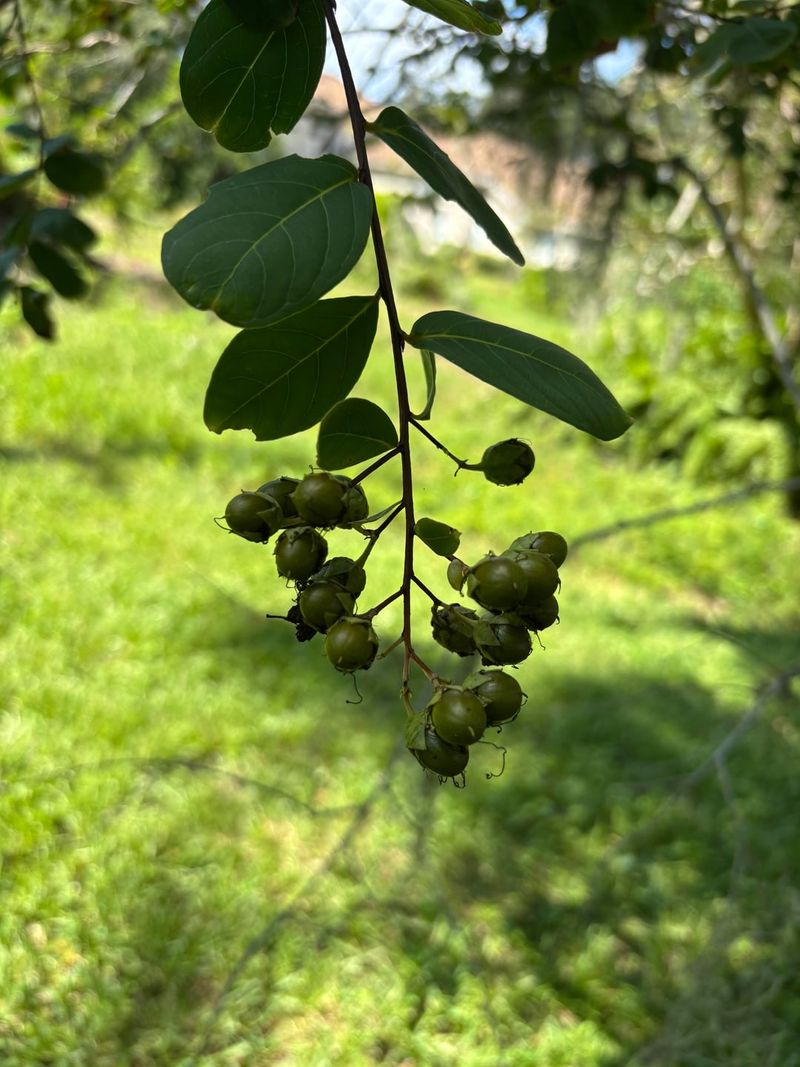
Not everything in a garden needs to be removed the moment it stops blooming. Dried crape myrtle seed pods have a quiet, understated beauty that many gardeners overlook.
When left on the tree through fall and winter, they create interesting texture against bare branches and gray skies.
Garden designers in California often talk about the importance of winter structure. Plants that offer interesting shapes, textures, or forms during the colder months help a garden feel alive even when little is growing.
Crape myrtle seed pods do exactly that. Their small, round clusters catch morning frost and create delicate silhouettes in low winter light.
Birds also benefit from seed pods left on the tree. Finches and other small birds may pick at the seeds during colder months when food sources are limited.
Leaving the pods in place gives local wildlife a small but helpful boost. For gardeners who value a naturalistic or wildlife-friendly yard, this is a compelling reason to skip the cleanup.
You get visual interest and ecological value all at once, without doing any extra work. Sometimes the most rewarding garden decision is simply choosing to leave things alone and let nature handle the rest of the season.
5. Some Gardeners Remove Them For A Cleaner Look
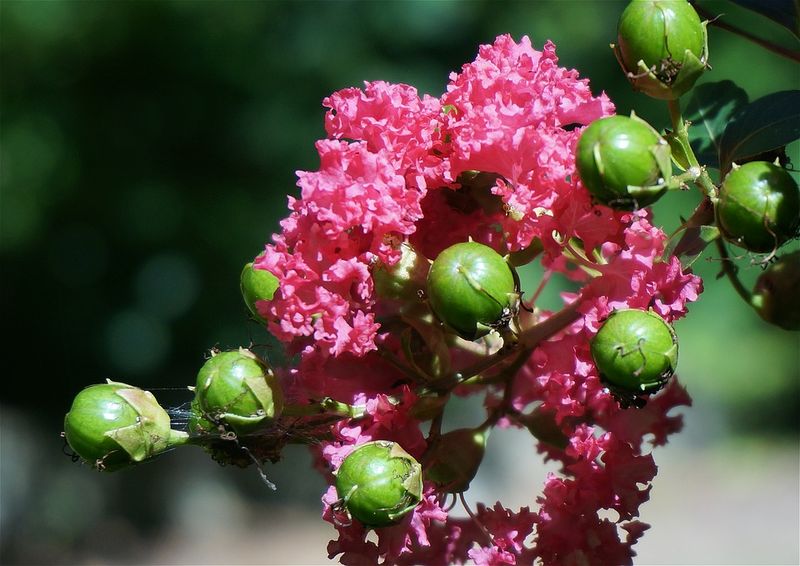
Personal preference plays a big role in gardening decisions, and there is absolutely nothing wrong with removing seed pods simply because you prefer a tidier appearance. Many homeowners like their yards to look neat and well-maintained year-round.
Crape myrtle seed pods, once they dry and drop, can create a bit of mess on patios, driveways, and garden beds.
Removing the pods before they fully dry out can reduce the amount of debris that falls onto hard surfaces. This is especially helpful if your crape myrtle is planted near a pool, a walkway, or a seating area.
Less mess means less time spent sweeping and cleaning up.
From a purely visual standpoint, a crape myrtle without seed pods looks cleaner and more intentional. Some people find the dried pods a little distracting, especially in a formal garden setting.
If that is how you feel, go ahead and remove them. There is no rule that says you have to leave them.
Just make sure you are only removing the pods and not pruning back the branches. A clean cut at the base of each pod cluster is all it takes.
Your tree will not mind, and your yard will look exactly the way you want it to.
6. Light Cleanup Is Different From Heavy Pruning
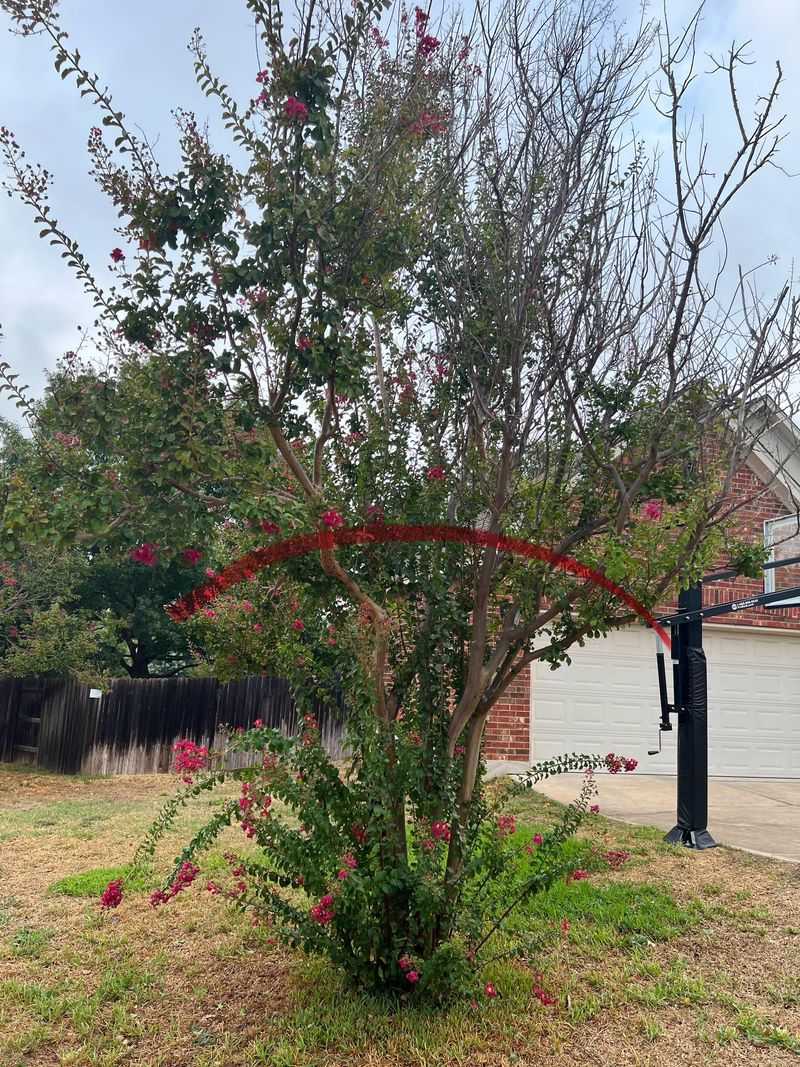
One of the most common mistakes California gardeners make is confusing light cleanup with heavy pruning. These are two very different actions with very different outcomes.
Light cleanup means removing spent flowers, seed pods, or small bits of debris from a plant. Heavy pruning means cutting back large sections of branches to reshape or reduce the size of a tree.
Crape myrtles are often over-pruned, a practice sometimes called “crape topping.” This involves cutting the main branches back to thick stubs every year. This is harmful and completely unnecessary.
It weakens the tree over time and causes ugly, knobby growths at the cut points. Removing seed pods is nothing like this.
Think of light cleanup as a gentle tidy-up. You are just snipping off the small clusters at the very tips of branches.
No major cutting is involved. This kind of maintenance is low-risk and easy to do.
All you need is a pair of clean, sharp hand pruners. If you can reach the pods without a ladder, even better.
Keep it simple and focused. The goal is to tidy up the tips, not to reshape the whole tree.
Knowing the difference between these two tasks will help you care for your crape myrtle more confidently and effectively.
7. The Tree’s Health Usually Matters More Than The Pods
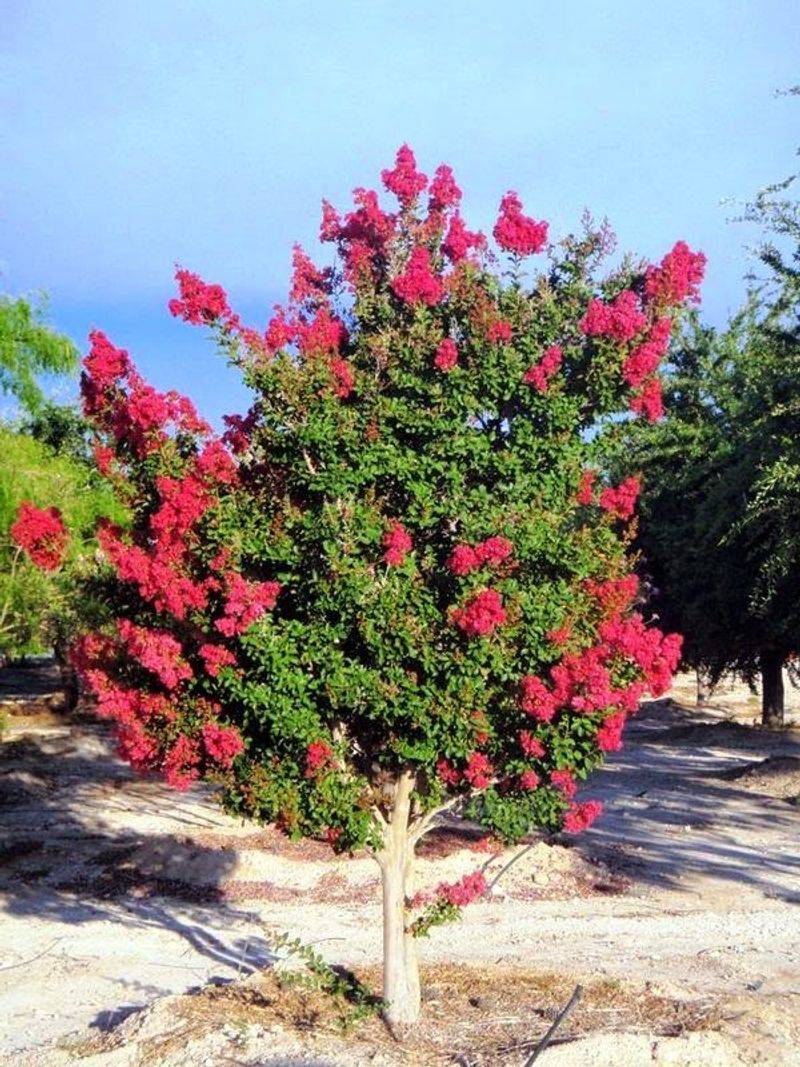
Before worrying too much about seed pods, take a step back and look at the overall health of your tree. A crape myrtle that is growing well, has good leaf color, and shows no signs of disease or pest problems is doing just fine.
The seed pods are a minor detail compared to the bigger picture of tree health.
Watch for signs of powdery mildew, which shows up as a white, dusty coating on leaves. Also look for aphids, which are tiny insects that cluster on new growth and leave behind a sticky residue.
These issues are far more important to address than the presence of seed pods.
Good tree health starts with the basics: proper watering, well-draining soil, and enough sunlight. Crape myrtles love full sun and do best with at least six hours of direct light each day.
In California, the warm climate is usually ideal for these trees. Make sure the soil around the base is not waterlogged, and add a layer of mulch to help retain moisture and regulate soil temperature.
A healthy, well-cared-for tree will handle its seed pods just fine on its own. Focus on the fundamentals first, and the rest will follow naturally through the season.
8. Knowing When To Prune Makes The Biggest Difference
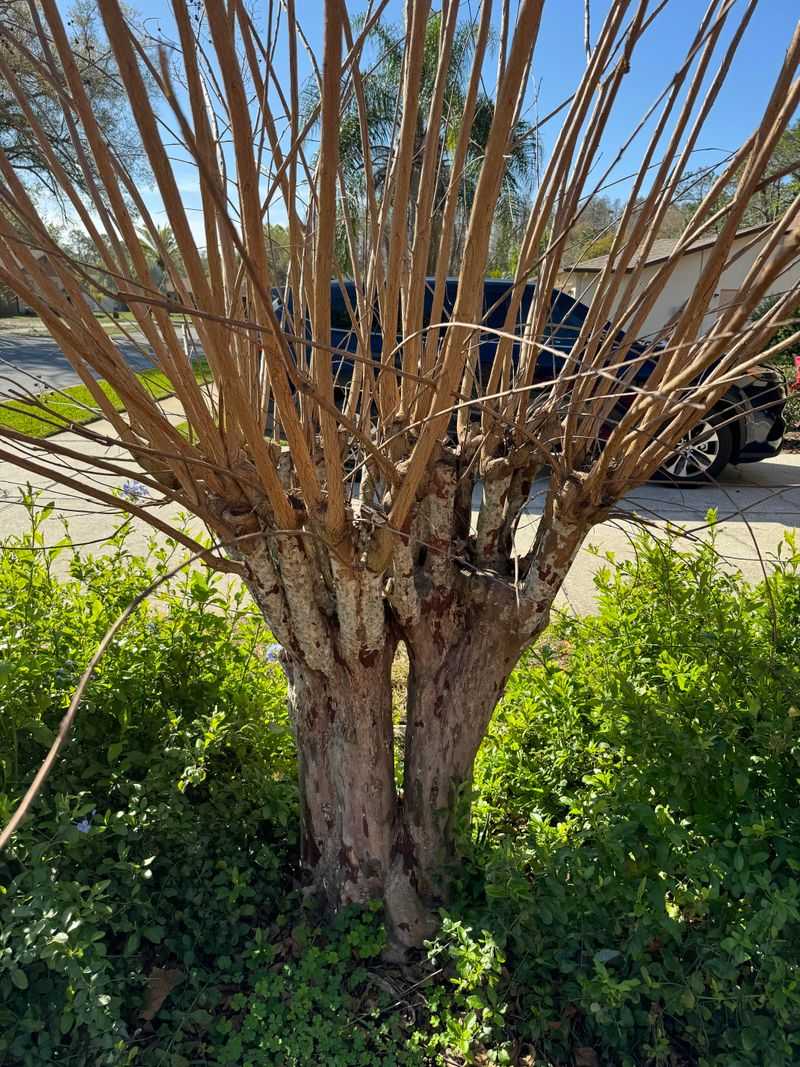
Timing is everything in gardening, and crape myrtles are a perfect example of why that matters. The best time to prune these trees is in late winter or very early spring, just before new growth begins.
At that point, the tree is still dormant and cutting does not interfere with its natural cycle.
Pruning in September, on the other hand, can push the tree to produce tender new shoots right before cooler weather sets in. Those new shoots are vulnerable and may not survive a cold snap.
This is why most garden experts recommend keeping your hands off the branches in late summer and fall.
If you want to do something productive in September, stick to removing only the seed pods. This is safe, simple, and will not cause any harm to the tree.
Save the shaping and branch work for late February or early March. By then, you can see exactly where new buds are forming and make smarter cuts.
Pruning at the right time leads to a stronger tree, better branching structure, and more flowers. It really does make the biggest difference in how your crape myrtle looks and performs year after year.
A little patience now leads to a much better garden later in the season.