California Gardeners Can Pick Up Free Native Seeds At These Seed Libraries This Fall
Your California garden does not have to rely only on store-bought seed packets this fall. Seed libraries and community seed exchanges across the state offer gardeners a chance to discover free seeds, try new plants, and grow varieties that fit local conditions.
Many of these programs share flowers, herbs, vegetables, and sometimes California native plants that can support pollinators and create more resilient gardens.
Availability changes throughout the year, so checking with your local library or community program is the best way to find what is currently offered.
These seed-sharing programs are about more than saving money. They help neighbors connect, encourage gardening, and keep locally adapted seeds moving through communities.
Some programs also welcome seed donations from gardeners who want to share their own successful plants.
Fall is a great time to explore these resources, especially if you want to add native plants, support wildlife, or experiment with new crops without spending extra money.
1. San Mateo Public Library Seed Library

Seed libraries at public libraries give gardeners an easy way to discover new plants while connecting with their community.
The San Mateo Public Library has offered seed-sharing opportunities where local residents can explore available seeds and find options for their gardens.
Selections may include vegetables, herbs, flowers, and other garden plants depending on the season and current supplies. Gardeners interested in native plants should check the current collection, as seed availability can change throughout the year.
Programs like this help introduce more people to gardening while encouraging residents to grow plants suited to their local environment.
Many seed libraries also encourage responsible seed sharing. Gardeners may be able to contribute seeds according to the program’s guidelines, helping keep these community collections growing over time.
A fall visit can be a great opportunity to find something new for your garden. Planting at the right time gives many California plants a chance to establish before the next growing season arrives.
2. LA County Library Seed Library
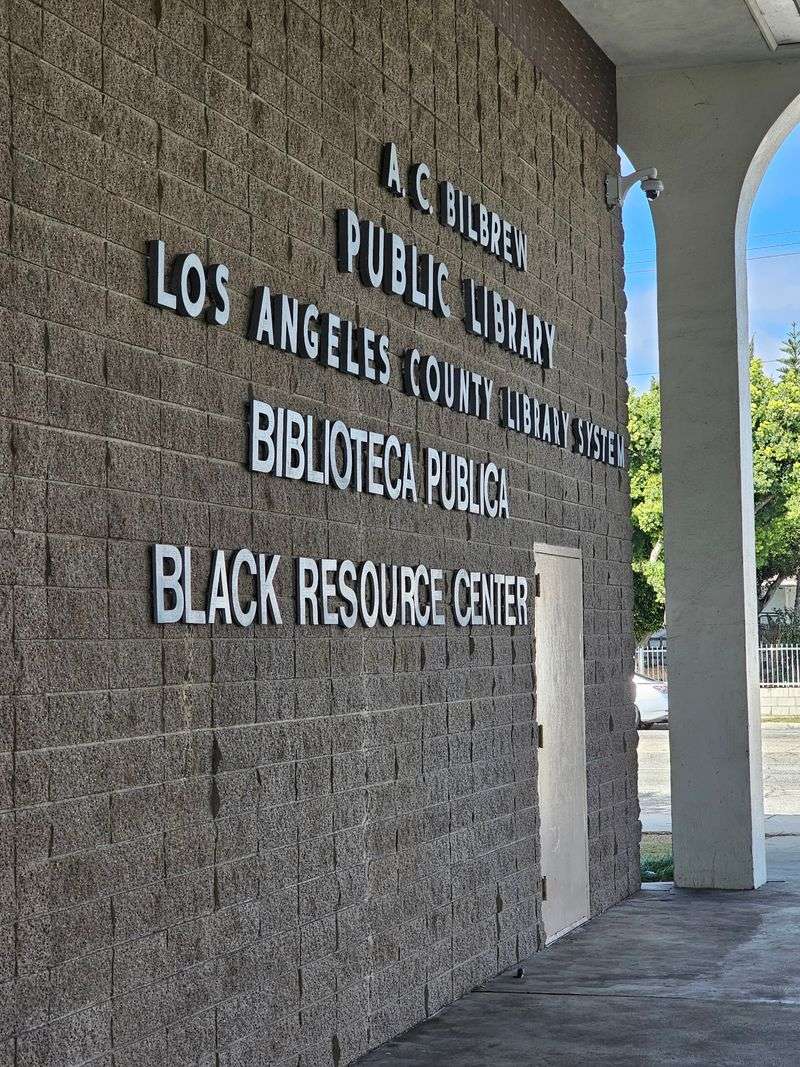
Large library systems can make seed sharing available to many communities across a wide area. The LA County Library system has supported gardening programs that help residents access seeds and learn more about growing plants at home.
Available seeds often change with the seasons and may include vegetables, herbs, flowers, and other garden favorites. Some locations may also highlight drought-tolerant or pollinator-friendly plants that work well in Southern California gardens.
Gardeners should check with individual branches for current availability, participation rules, and seed selections.
Seed libraries are especially useful for gardeners who want to experiment with plants that match their climate. In a region where water conservation matters, choosing the right plants can help create beautiful spaces while using resources wisely.
Whether you are growing food, flowers, or habitat for pollinators, a local seed program can be a simple way to start something new in your yard.
3. San Diego Central Library Seed Libraries
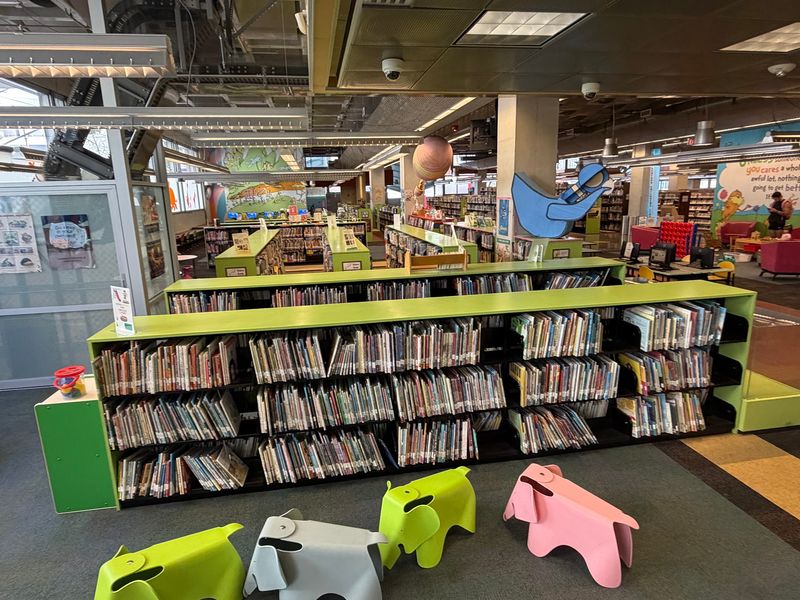
San Diego gardeners have several ways to discover free seeds through local library programs and community seed-sharing projects.
Your California Garden Changes Every Week. Your Plan Should Too.
Gardening in California changes quickly throughout the season. Every Friday you’ll receive a simple weekly plan showing exactly what to plant, prune, fertilize, harvest, and protect so you never miss the right timing.
These programs make it easier for residents to grow flowers, herbs, vegetables, and other plants while connecting with people who enjoy gardening.
Seed availability changes throughout the year, so checking with individual locations is the best way to see what is currently offered.
Some programs focus on food-producing plants, while others may include flowers or regionally suitable varieties that work well in local gardens.
The idea behind a seed library is similar to sharing books with neighbors. Gardeners can take seeds home, grow them, and in some programs return saved seeds afterward to help continue the cycle.
Other programs simply provide seeds as a free gardening resource without requiring returns.
Because every seed library has its own guidelines, it is always helpful to check the rules before donating or collecting seeds.
Native and drought-friendly plants are especially valuable in Southern California gardens. Choosing plants suited to the local climate can help support pollinators, create wildlife habitat, and reduce water needs once plants become established.
Even a small collection of native flowers can provide benefits for bees, butterflies, and other garden visitors.
Beyond the seeds themselves, these programs often encourage learning. Gardeners can discover planting tips, attend workshops, and exchange ideas with others who are interested in sustainable gardening.
Whether you have a large yard or a small patio, a seed library can be an easy way to try something new.
Fall is a great time to explore these resources. With thoughtful plant choices and proper timing, a few free seeds can become the beginning of a healthier, more connected garden.
4. Moraga Seed Library
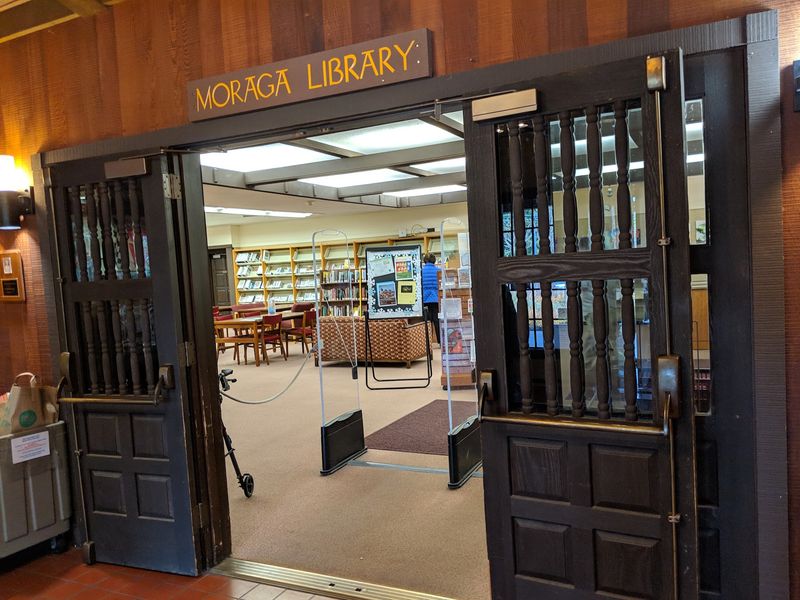
Community seed libraries show how gardening can bring people together. Programs like the Moraga Seed Library give residents a chance to discover new plants, experiment with gardening, and learn from others who share an interest in growing.
These local resources help make gardening more approachable by giving people access to seeds they may not otherwise try.
Seed collections can change throughout the year depending on availability, donations, and seasonal interest.
Gardeners may find a mix of vegetables, herbs, flowers, and other plants that are suitable for home gardens. Because collections are community-supported, the variety can be different every time someone visits.
Many seed libraries offer more than just seeds. They can become places where gardeners find helpful information, exchange ideas, and learn better growing practices.
Beginners can discover how to start their first garden, while experienced growers may find new varieties to add to their landscape.
Native plants are an especially exciting option for gardeners. When chosen for the right location, native species can support pollinators and wildlife while often requiring less maintenance after they become established.
Adding even a few native plants can make a yard more welcoming to local species. The true value of a seed library comes from the community behind it.
Gardeners sharing knowledge and resources create a stronger local gardening culture where more people feel confident growing their own plants.
Fall is an ideal season to explore these opportunities. Cooler weather and seasonal planting can give many California plants a strong start before spring arrives.
A simple visit to a seed library may inspire your next garden project and introduce you to plants that fit your own outdoor space.
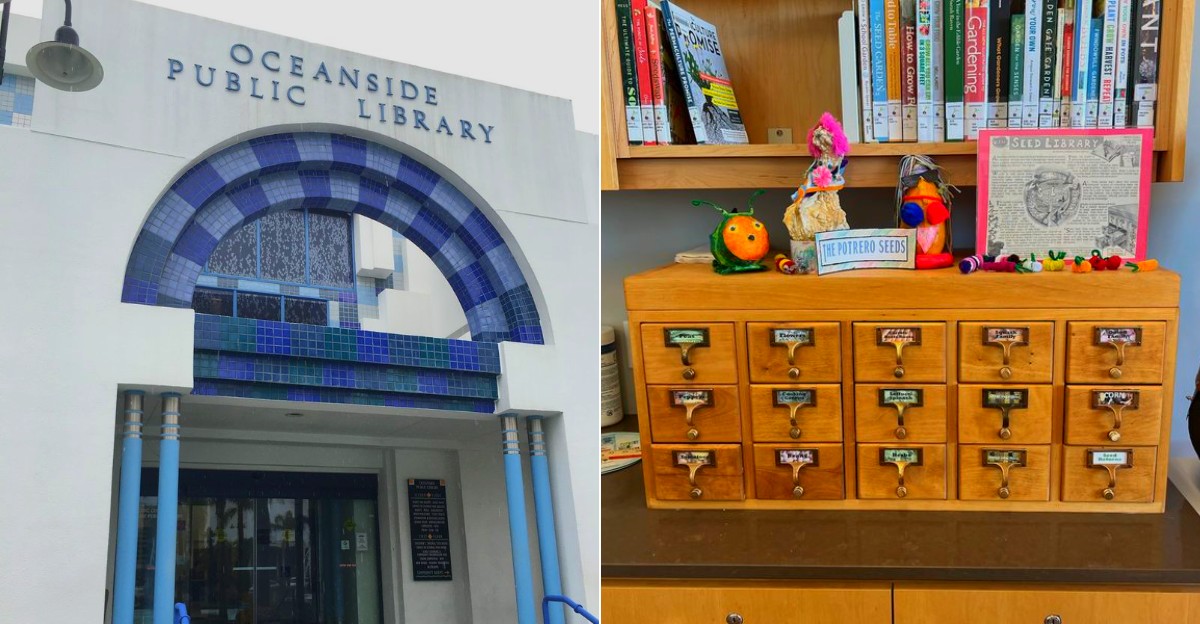
5. Oceanside Seed Library
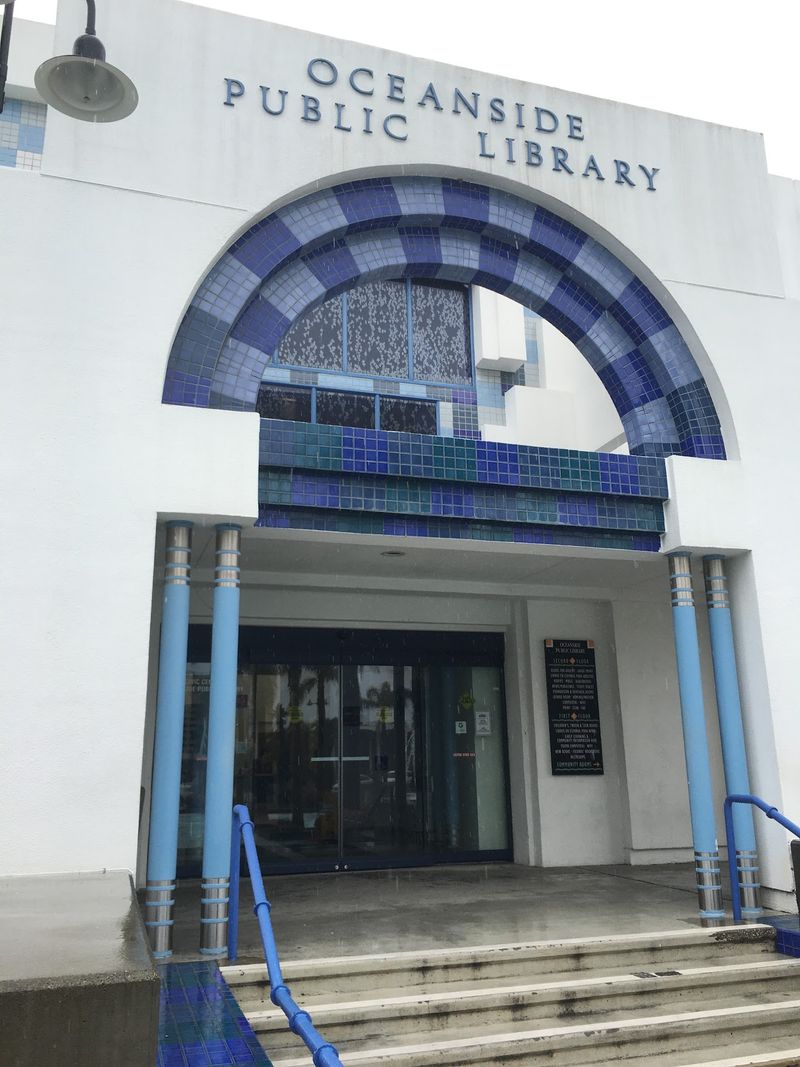
Gardeners in Oceanside have a helpful community resource for discovering new plants through the local seed exchange program.
Seed libraries make gardening more accessible by allowing residents to find free seeds and try growing varieties they may not have chosen otherwise.
Collections can include vegetables, herbs, flowers, and other garden plants, with availability changing depending on the season, donations, and current supplies.
The idea behind a seed exchange is simple. Gardeners can take seeds home, grow them in their own gardens, and in many programs contribute seeds back if they are able.
This sharing system helps keep the collection active while encouraging more people to participate in gardening.
Community seed programs are especially valuable in Southern California, where choosing the right plants can make a big difference. Plants suited to local conditions often perform better and can help create gardens that support pollinators and wildlife.
Native flowers and drought-friendly plants are popular choices because they can provide habitat while reducing water needs once established.
Seed libraries also help people learn. New gardeners can discover planting tips, while experienced growers can share knowledge about saving seeds and caring for different varieties.
These programs turn gardening into a community activity rather than something done alone.
Before visiting, gardeners should check current information from the specific program because available seeds and participation guidelines can change.
Fall is an excellent time to explore seed-sharing resources. Cooler weather gives many plants a better chance to establish before the heat of the following growing season arrives.
6. Sacramento Valley CNPS Seed Swap

Gardeners interested in native plants can find valuable resources through organizations and community events focused on sharing seeds, knowledge, and gardening experiences.
The Sacramento Valley chapter of the California Native Plant Society supports native plant education and hosts opportunities for gardeners interested in growing plants suited to the region.
Native plant seed exchanges offer more than free seeds. They create a place where gardeners can learn how to collect, store, and grow plants responsibly.
These events often bring together beginners and experienced growers who share advice about propagation and creating landscapes that support local ecosystems.
Growing native plants has many benefits. These plants have evolved alongside California’s climate and can provide valuable resources for local wildlife, including pollinators such as bees and butterflies.
When planted in the right conditions, many native species require less water and maintenance compared with plants that are poorly matched to the environment.
Gardeners should always collect and share seeds responsibly. Taking seeds from protected wild areas may harm natural populations, so many organizations encourage using seeds from gardens, approved sources, or responsible exchanges.
Fall is a great season to explore native plant gardening. Many gardeners use this time to plan new landscapes, prepare planting areas, and learn which species will thrive in their location.
A visit to a native plant event can provide inspiration, practical advice, and the opportunity to bring more biodiversity into your own backyard.
7. San Francisco Seed Library
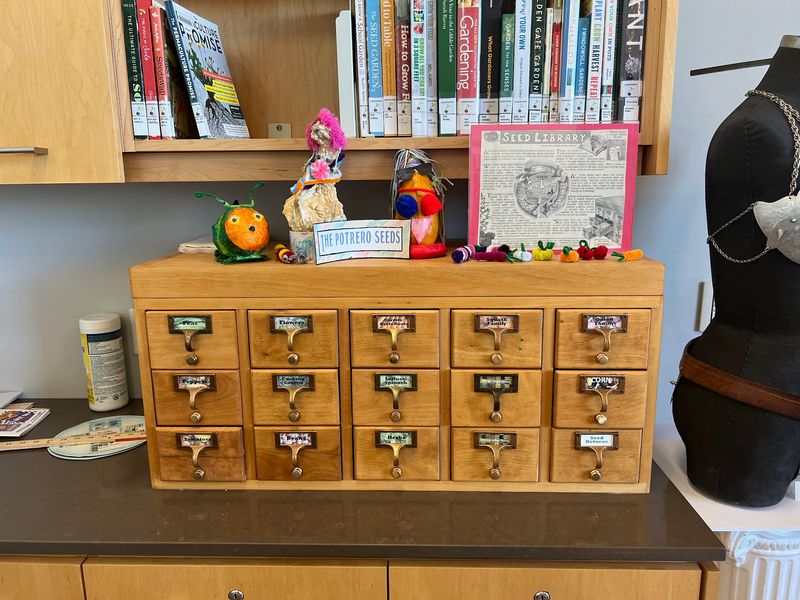
Urban gardeners in San Francisco can discover new plants through community seed-sharing programs that make gardening easier and more accessible.
Seed libraries allow residents to explore different varieties while connecting with a wider community of people who enjoy growing plants.
The concept is similar to sharing a community resource. Gardeners can choose seeds, grow them at home, and some programs encourage participants to return saved seeds from successful plants.
Over time, this helps create a stronger collection that reflects the interests and experiences of local gardeners.
Seed libraries are especially useful in cities because they give people more opportunities to garden even when space is limited.
A small patio, balcony, or backyard can become a place for herbs, vegetables, flowers, and plants that support pollinators. San Francisco’s many microclimates make plant selection important.
A variety that grows well in one neighborhood may perform differently somewhere else because of changes in sunlight, temperature, wind, and soil conditions. Choosing seeds that match your growing environment can improve success.
Native plants are also a valuable addition to urban landscapes. They can provide food and shelter for local wildlife while helping gardeners create spaces that feel connected to the surrounding environment.
Because seed collections change over time, gardeners should check current availability before visiting.
Starting with a few free seeds can lead to a rewarding gardening journey. Whether you want fresh herbs, colorful flowers, or a more wildlife-friendly yard, a seed library offers an easy way to begin.