This Underrated Texas Native Fills Shady Beds And Supports More Pollinators Than Hostas
Hostas are the default answer to shady Texas garden beds, and they earn that status. They’re reliable, they fill in beautifully, and they handle low light conditions that defeat most other plants.
But hostas offer almost nothing to pollinators. They look good, they do their ground covering job, and they stop there.
There’s a native Texas plant that fills shady beds just as effectively and does considerably more while it’s at it.
This underrated native thrives in the kind of low light, sheltered conditions that define the most challenging spots in a Texas garden.
It spreads with the dependability of a good ground cover, brings real seasonal interest with its own distinct character, and actively supports native pollinators at a level that hostas simply cannot match.
Most Texas gardeners growing hostas in their shady spots have never considered this plant as an alternative. That’s the gap this article is here to close.
Plant Turk’s Cap For A Shade-Loving Texas Native
Picture a shady corner where nothing seems to bloom. Turk’s cap changes that story fast. This native perennial brings bold color to spots where most flowering plants throw in the towel.
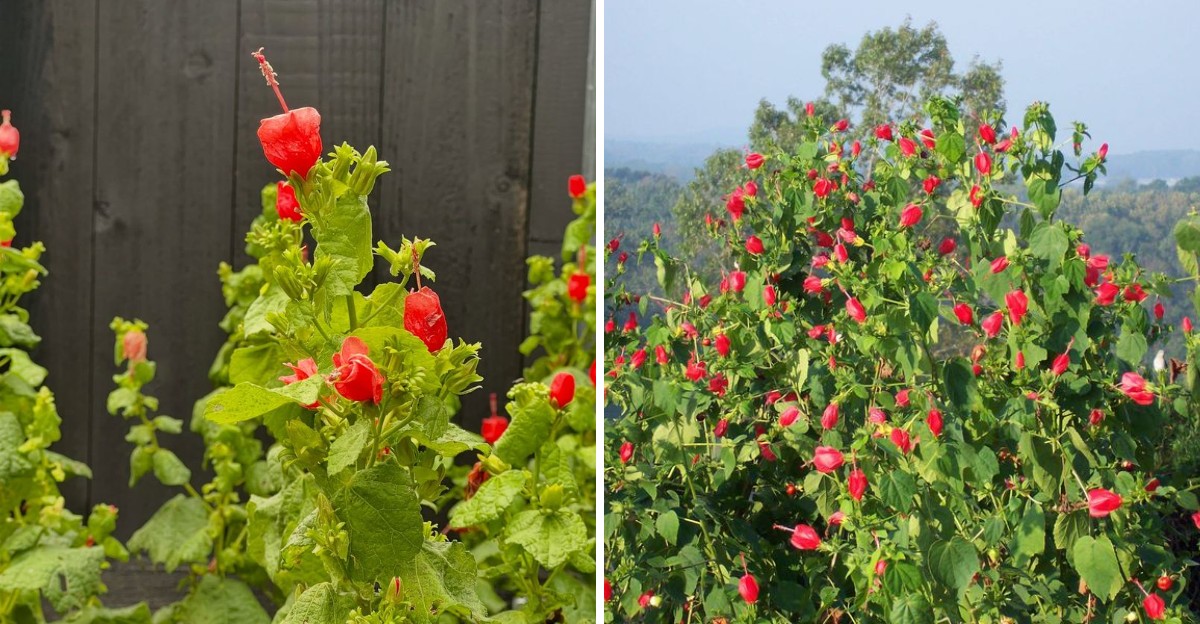
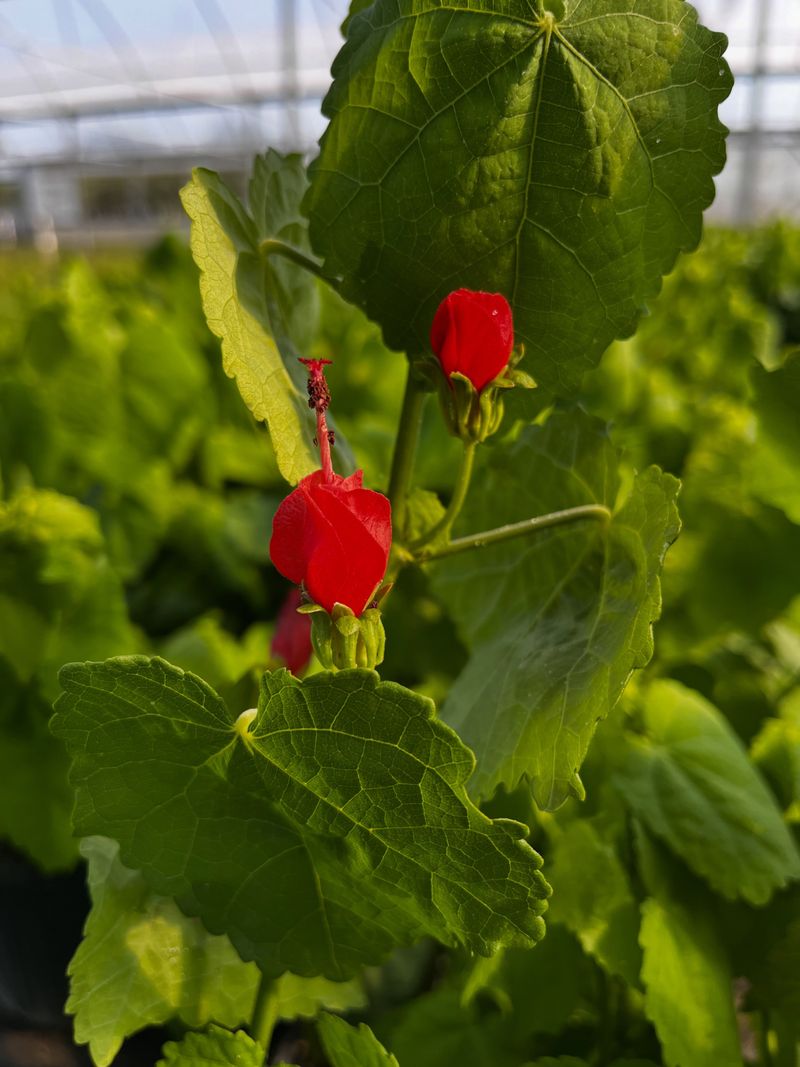
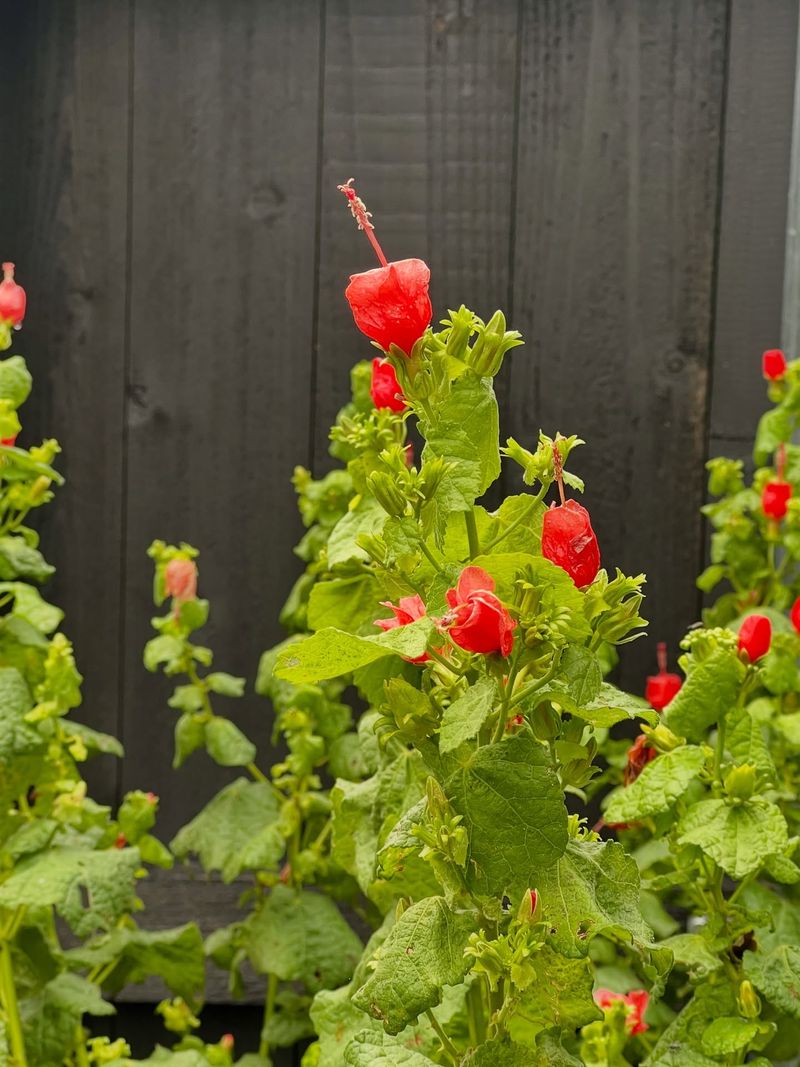
Its flowers look like tiny red turbans that never fully open. That twisted shape gives the plant its fun name.
The soft green leaves are large and slightly fuzzy, adding nice texture even before the blooms appear.
Gardeners across Texas love it because it fills gaps under trees and along fences. These are the exact places where sun-loving flowers struggle. Turk’s cap steps right into that challenge without complaint.
You will find it growing wild in woodlands, along streams, and in thickets throughout the state. That wild background tells you a lot. It already knows how to handle Texas soil and Texas shade.
The plant grows into a rounded, bushy shape that can reach two to four feet tall. In richer soil with more room, it may stretch even bigger. That makes it a great choice for filling out empty beds quickly.
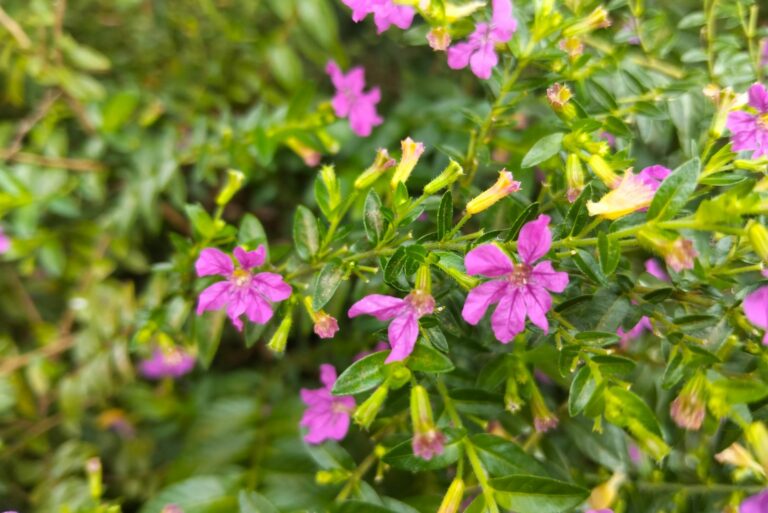
Red is the most common flower color, but you can sometimes find pink versions too. Both bloom from late spring all the way into fall. Few shade plants give you that long a show.
Adding Turk’s cap means less bare dirt and more life in the quiet parts of your yard. It softens hard edges and blends beautifully with ferns and other natives. For a plant that asks so little, it delivers plenty of charm and color where you need it most.
Why Turk’s Cap Is A Better Wildlife Choice Than Hostas
Hostas are pretty, but they do little for hungry pollinators. Their flowers are small and short-lived.
Turk’s cap, on the other hand, sets a full table for wildlife all season long. Those bright red blooms act like tiny cups of nectar. Hummingbirds cannot resist them.
The tube-shaped flowers fit a hummingbird’s long beak perfectly, so these little birds visit again and again.
Your Texas Garden Changes Every Week. Your Plan Should Too.
Gardening in Texas changes quickly throughout the season. Every Friday you’ll receive a simple weekly plan showing exactly what to plant, prune, fertilize, harvest, and protect so you never miss the right timing.
Bees and butterflies join the feast too. Native pollinators evolved alongside plants like this one. That shared history means Turk’s cap gives them food they can actually use.
Later in the season, small red fruits form after the flowers fade. Birds and other creatures enjoy these little snacks. So the plant feeds wildlife twice, first with nectar and then with fruit.
Native plants matter more than many people realize. They support the insects that feed baby birds and keep local food webs strong. A single Turk’s cap can become a busy hub of activity in your yard.
Hostas simply cannot compete in this area. They come from other parts of the world, so local insects often ignore them. Choosing a native means your garden does real work for nature.
Watching the visitors is part of the fun. On a warm afternoon, you might spot several hummingbirds darting around the blooms. Butterflies drift by, and bees hum through the leaves.
By planting Turk’s cap instead of another hosta, you turn a plain shady bed into a living, moving scene. It looks lovely and helps creatures that truly need a helping hand. That is a win for you and the wildlife around you.
Give Turk’s Cap The Right Growing Conditions
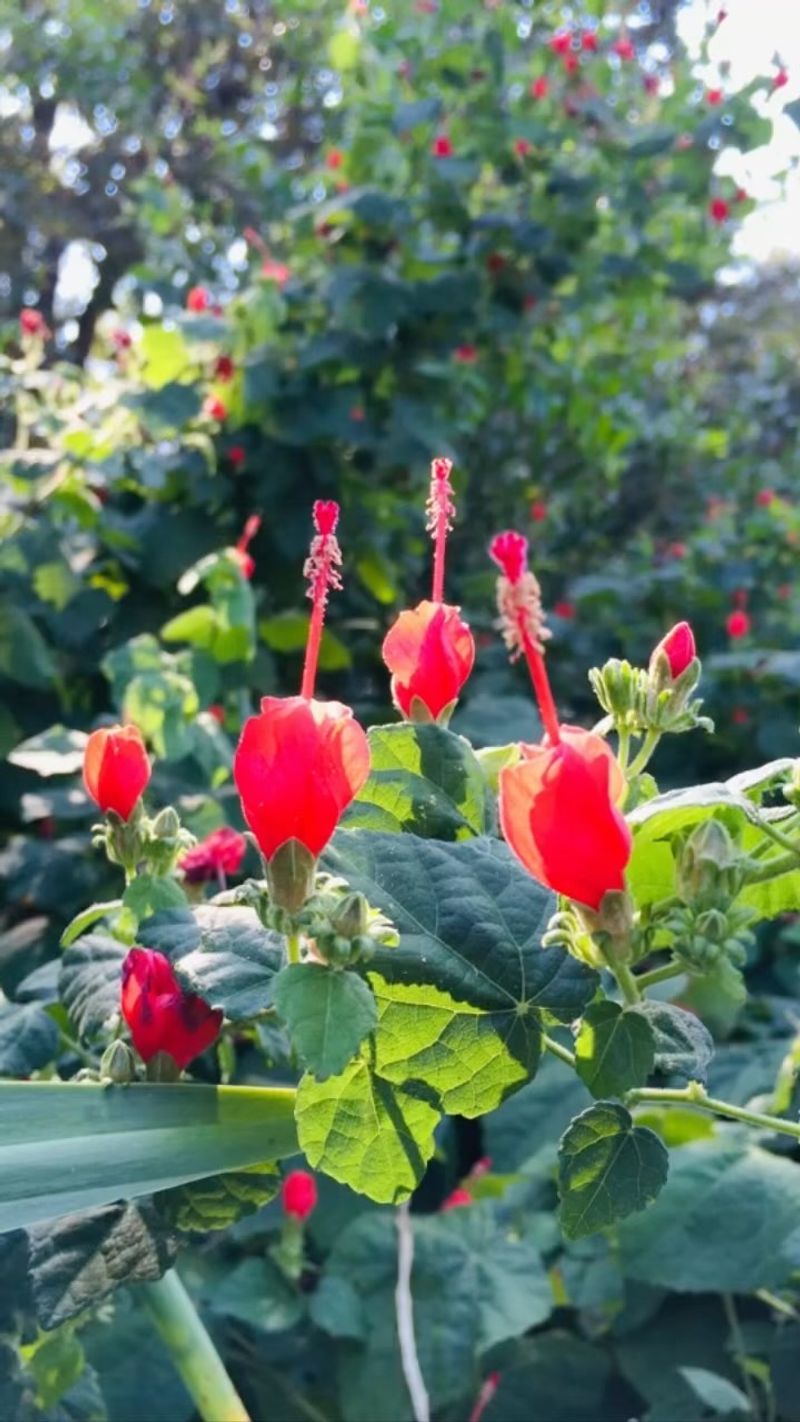
Getting Turk’s cap off to a strong start is easy once you know what it likes. This plant is not fussy, but a little care early on pays off. Give it the right home and it rewards you for years.
Shade to partial sun suits it best. It happily grows under trees or on the north side of a house. A few hours of morning light are fine, but harsh afternoon sun in an open spot can stress it.
Soil should drain well so water does not sit around the roots. If your dirt is heavy clay, mix in some compost before planting. That loosens things up and adds nutrients the roots love.
Water is most important during the first season. New plants need regular moisture while their roots settle in. Aim to keep the soil damp but never soggy for those early weeks.
Spring or early fall are great times to plant. Cooler weather lets the roots grow before summer heat arrives. Dig a hole about as deep as the pot and twice as wide.
A layer of mulch around the base helps a lot. It holds moisture, keeps roots cool, and blocks weeds. Just keep the mulch a couple inches away from the stems.
Space plants a few feet apart if you want a full look. They spread over time and fill in the gaps. Crowding them too tightly can slow their growth.
Once established, Turk’s cap needs very little from you. But those first months of steady water and good soil set the stage for a healthy, blooming plant that thrives season after season.
How Turk’s Cap Handles Texas Heat And Drought
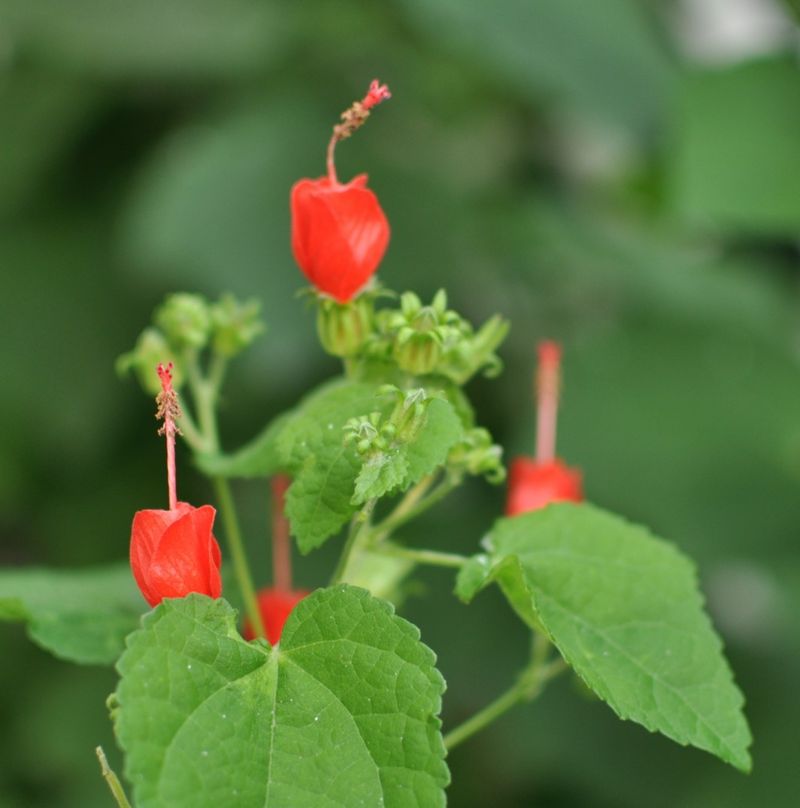
Texas summers can be brutal on a garden. Many plants wilt, brown out, and quit by July. Turk’s cap keeps right on going, proving just how tough a true native can be.
Years of growing wild across the state shaped this plant into a survivor. It learned to handle blazing heat and long dry stretches. That built-in toughness is a gift for busy gardeners.
Once its roots are settled, Turk’s cap needs far less water than you might expect. It taps into deeper soil moisture and pushes through hot spells. You will not be running out with the hose every single day.
The plant even seems to shrug off the worst afternoons. While neighbors’ flowers droop, its blooms stay cheerful. That reliability makes it a favorite for low-water and native plant gardens.
During an extreme dry stretch, it may drop a few leaves to save energy. This is normal and smart. Give it a good soak and it bounces right back looking fresh.
Heat does not stop the flowers either. In fact, Turk’s cap blooms through the hottest months when pollinators still need food. That steady supply of nectar matters a great deal in summer.
You still want to help new plants along with water their first year. After that, they mostly fend for themselves. A deep watering now and then during severe drought keeps them at their best.
For anyone tired of babying delicate plants, this native feels like a breath of fresh air. It fits the real Texas climate instead of fighting it.
Plant it once and enjoy a tough, blooming friend that handles whatever summer throws its way.
Use Turk’s Cap To Fill Difficult Garden Spaces
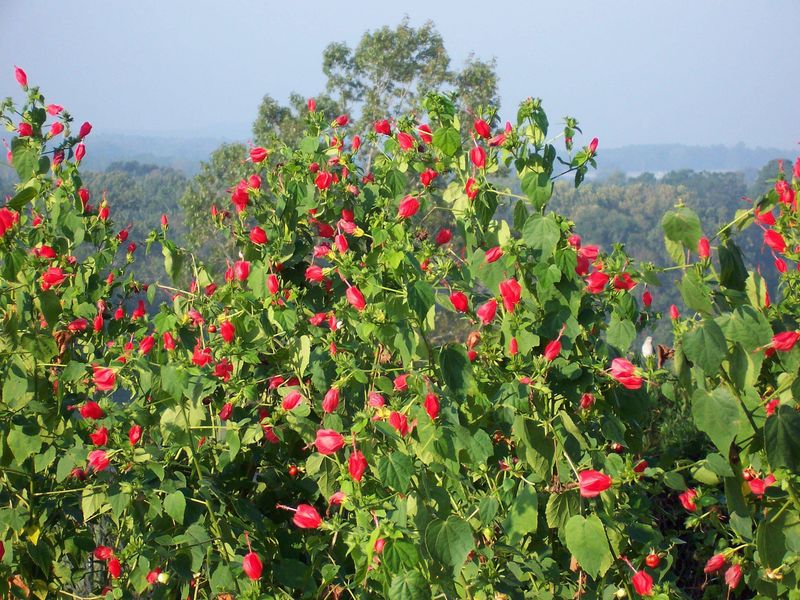
Every yard has that one stubborn spot. Maybe it is dark, dry, or tucked under a big tree. Turk’s cap turns these problem areas into pockets of color and life.
Under the shade of tall trees, grass often refuses to grow. Instead of staring at bare dirt, tuck a few Turk’s cap plants there. They spread out and cover the ground beautifully.
Woodland gardens are a natural fit. The plant blends with ferns, native grasses, and other shade lovers. Together they create a soft, layered look that feels like a slice of the wild.
Along a shady fence or wall, it works as a living border. The bushy shape hides the base of the structure and adds a splash of red. This softens hard lines and makes the space feel alive.
Naturalized landscapes love this plant too. If you want an area that looks wild and cares for itself, Turk’s cap fits right in. It fills space, feeds wildlife, and needs little help from you.
You can also use it as a backdrop in a mixed bed. Place shorter plants in front and let the taller Turk’s cap rise behind them. This layering adds depth and keeps the view interesting.
Because it spreads over time, one plant can slowly fill a wide area. That saves money and effort in large beds. Just give it room to grow and let nature do the work.
Anywhere shade and empty space team up to frustrate you, this native offers an answer. It transforms forgotten corners into welcoming spots full of blooms, buzzing bees, and darting hummingbirds all season long.
Keep Turk’s Cap Healthy Year After Year
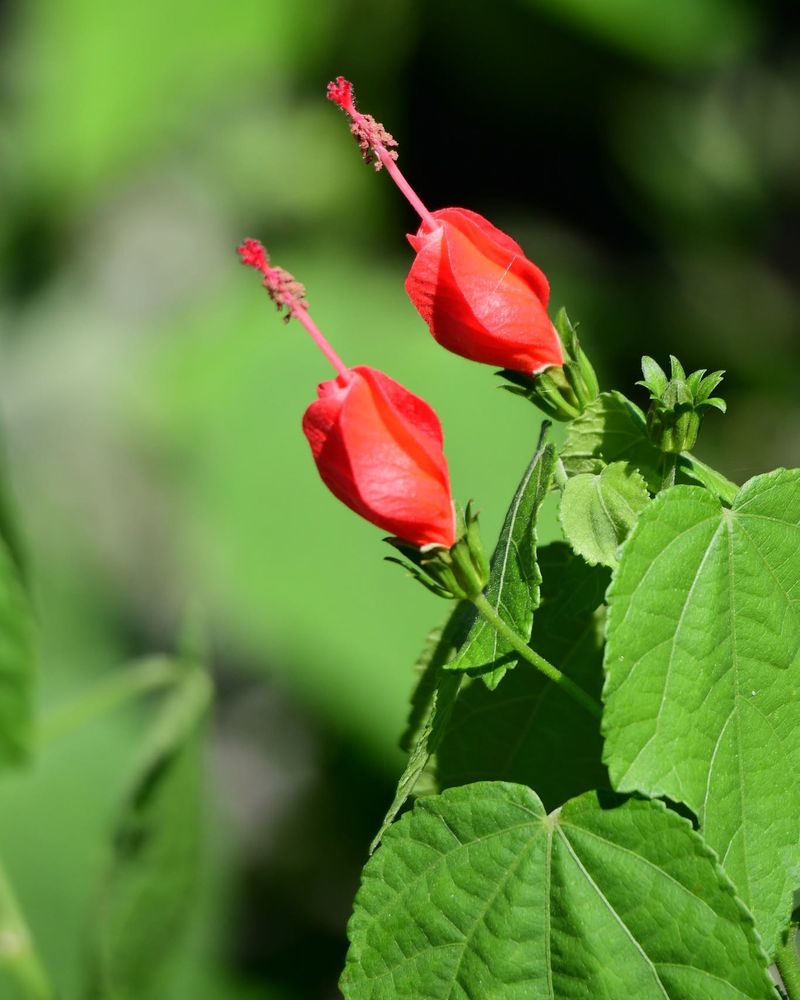
Long-term care for Turk’s cap could not be simpler. This plant practically raises itself once it settles in. A few small habits keep it looking its best each season.
In colder areas, the plant may drop its leaves and rest through winter. Do not worry when that happens. The roots stay alive underground and send up fresh growth in spring.
Late winter is a good time to prune. Cut the stems back to a foot or so above the ground. This tidy trim encourages bushy new growth and more flowers later on.
Through the growing season, little effort is needed. Pull a few weeds nearby and refresh the mulch now and then. That is honestly most of the work involved.
Watering can slow way down after the first year. During normal weather, rain often does the job. Offer a deep drink only during long, harsh dry spells.
Turk’s cap loves to spread and reseed on its own. New little plants may pop up around the parent. You can leave them to fill in or move them to new spots.
If it starts to wander farther than you want, simply pull the extra seedlings. Sharing them with friends is another fun option. Either way, you stay in control without much fuss.
Feeding is rarely needed in decent soil. A yearly layer of compost keeps the plant strong and happy. Skip heavy fertilizers, since natives prefer a natural setup.
Give it these basic bits of attention and Turk’s cap returns faithfully every year. It grows fuller, blooms longer, and welcomes more pollinators each season. Few plants offer so much beauty for so little work.