These Perennials Keep California Gardens Colorful After Spring Flowers Fade
Spring in California puts on a show, takes a bow, and then just leaves. One week, the garden looks like a magazine cover. Three weeks later, it looks like it has completely lost the will to perform.
Many gardeners eventually just accept that summer means a sad, faded yard until October rolls back around. But that is not actually how it has to go.
There is a specific group of perennials that treats the end of spring as an opening act rather than a finale. They do not need constant water.
They do not need special soil. They just need the right conditions, and California summers happen to provide exactly that.
The pollinators already know about these plants. Walk past a garden that has figured this out, and you will hear it before you see it.
Bees, butterflies, hummingbirds, all of them working through blooms that have no business looking that good in August.
The plants responsible, however, might not be the ones you expect. Ready to find out?
1. Plant California Fuchsia For Late Summer Sparks
When the rest of your garden starts phoning it in, California fuchsia is just getting warmed up.
This native plant has a very specific superpower. It waits until summer heat peaks, and then it blooms like it has something to prove.
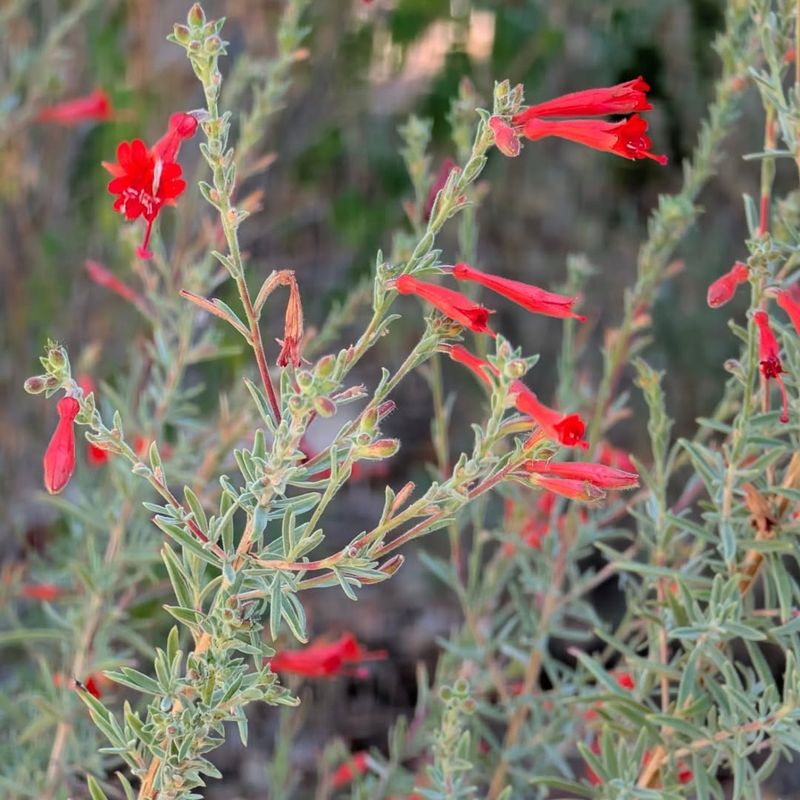
The tubular red-orange flowers are relentless from late July through October. Hummingbirds treat the plant like a drive-through, showing up daily once the blooms open.
This plant is built for the conditions that usually stress everything else in your garden. Poor soil, dry spells, relentless sun. It handles all of it without drama.
Once established, it needs very little supplemental water. That makes it a smart pick for California gardeners navigating dry summers and water restrictions.
It spreads by underground runners, so give it space to roam. On a slope, it works beautifully as a low-growing ground cover that holds soil and delivers color at the same time.
Full sun and excellent drainage are the two things it asks for. Avoid overwatering, especially in summer, because too much moisture causes root problems that are hard to reverse.
Cut it back hard in late winter, and it comes back fresh and tidy each spring. Compact varieties like Catalina and Select Mattole work well in smaller spaces without sacrificing any of the visual impact.
Late summer can look stunning in your garden. California fuchsia is a big part of how that happens.
2. Grow Cleveland Sage For Fragrant Purple Color
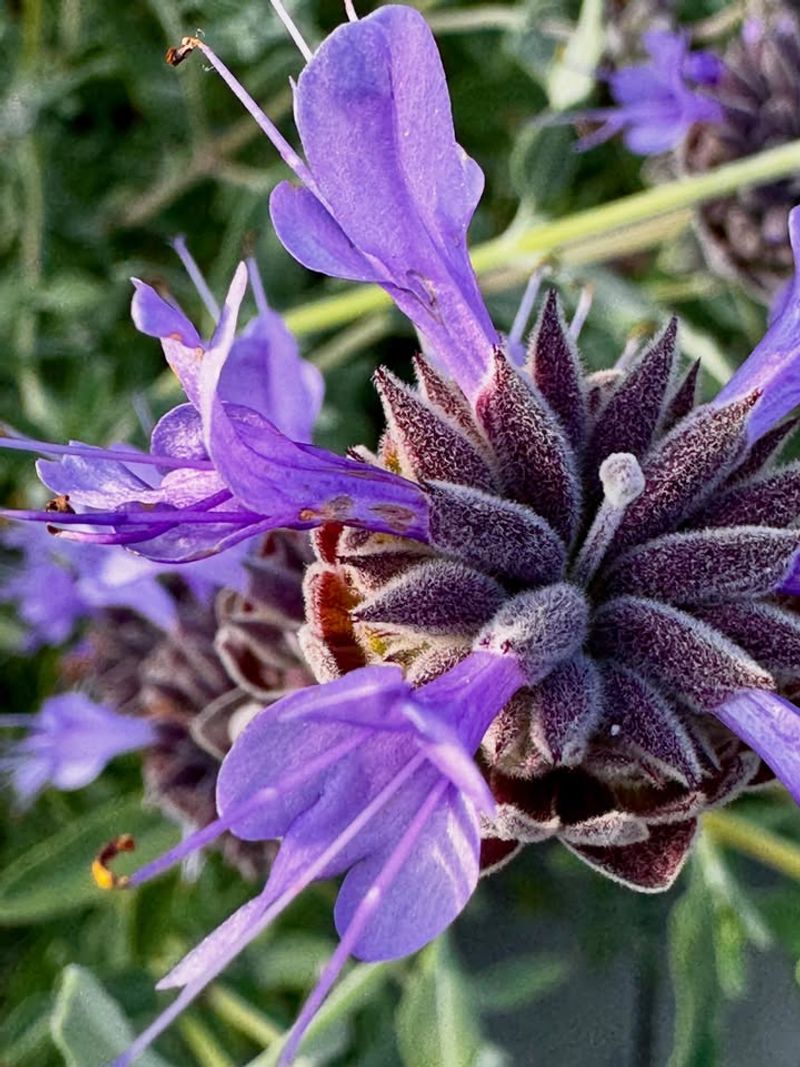
Salvia clevelandii is a California native shrub that earns serious loyalty from gardeners who try it once. Walk past one on a warm afternoon, and the scent stops you mid-step.
It is one of those plants that makes a garden feel genuinely alive rather than just decorative. Its deep purple flower spikes rise above silvery-green aromatic foliage and bloom from late spring well into summer.
Depending on your microclimate, that bloom period can stretch even longer.
Bees treat it like a destination. Once it starts flowering, the activity around it is almost constant on a warm afternoon.
Your California Garden Changes Every Week. Your Plan Should Too.
Gardening in California changes quickly throughout the season. Every Friday you’ll receive a simple weekly plan showing exactly what to plant, prune, fertilize, harvest, and protect so you never miss the right timing.
It thrives in full sun with fast-draining soil and, once established, rarely needs supplemental irrigation during dry summers. That combination of beauty, fragrance, and toughness is genuinely hard to beat.
The foliage stays attractive even between bloom cycles, which means the plant earns its garden space year-round rather than just during its peak weeks.
Light pruning after flowering keeps it tidy and can push a second flush of blooms in some years. Avoid heavy clay or poorly drained spots, because wet roots cause problems over time.
Varieties like Winifred Gilman and Allen Chickering are widely available at California native nurseries. Pair Cleveland sage with buckwheat or yarrow, and you have a planting palette that practically takes care of itself.
3. Add Yarrow For Soft Blooms With Grit
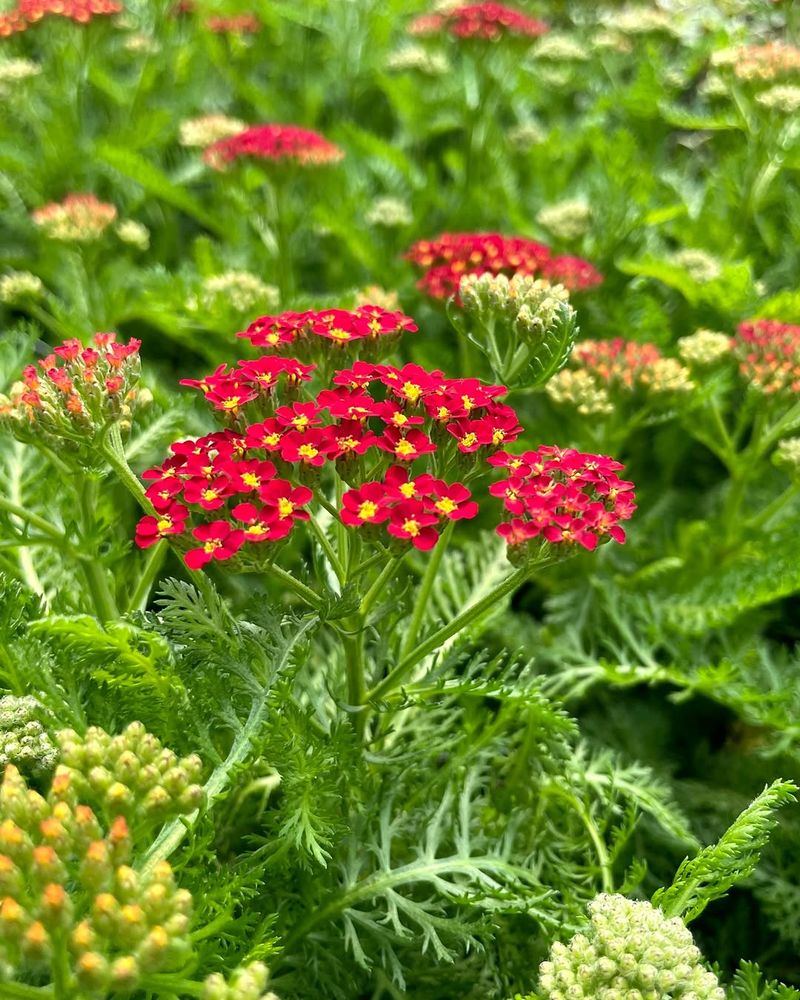
Yarrow looks like it belongs in a cottage garden. But it performs as it belongs in the desert. That contrast is exactly what makes it so useful.
Those soft, lacy flower clusters give the impression of something delicate and high-maintenance. The reality is the complete opposite.
Achillea millefolium handles heat, drought, and poor soil without much complaint, blooming steadily from late spring through summer. Keep up with trimming, and it can stretch into fall.
The flat-topped clusters come in white, yellow, pink, and red, depending on the variety you choose. There is a version that suits almost any color palette, which makes it an easy fit in most garden beds.
Full sun and well-drained soil are the two non-negotiables. Clay or consistently wet spots cause root problems, so plant it somewhere with good drainage and let it do its thing.
Snip off faded clusters just above a healthy leaf node, and fresh buds follow quickly. That simple habit keeps yarrow flowering for months longer than it would otherwise.
Divide the plant every two to three years to keep it vigorous and prevent it from spreading further than you intended.
Butterflies, native bees, and beneficial insects all visit the flowers regularly. The ferny foliage adds texture between bloom cycles, too, so the plant contributes to the garden even when it is not at peak color.
Pair it with California buckwheat and coyote mint for a combination that buzzes with life from June through October.
4. Use Coyote Mint For Fragrant Summer Flowers
There is a moment on a summer hike through California chaparral when a cool, minty breeze comes out of nowhere. That is coyote mint doing its thing, and it can do the same thing in your garden.
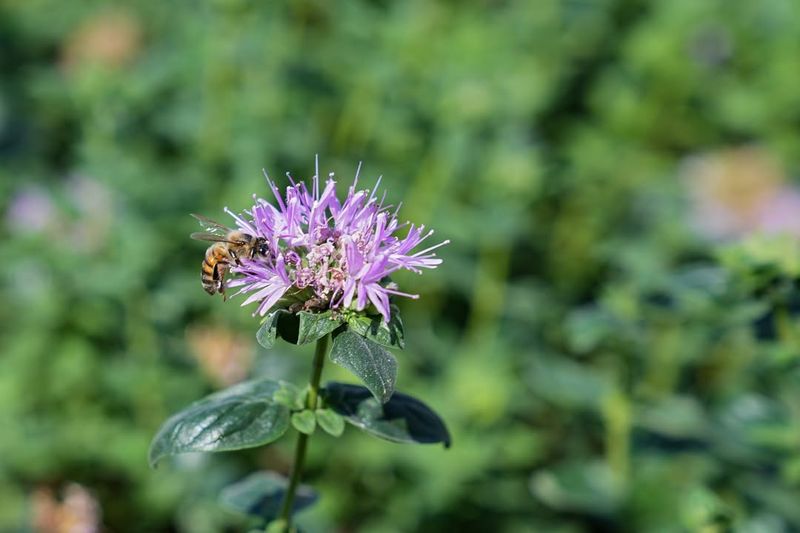
Monardella villosa is a low-growing California native that blooms right in the thick of summer when most plants are taking a break. The rounded flower heads in lavender to purple carry a genuine fragrance that drifts on warm afternoon air.
Pollinators respond to it immediately. Bees, butterflies, and beneficial insects treat it like a favorite stop on their summer circuit.
It thrives in full sun with lean, fast-draining soil. Rich, amended soil actually works against it, causing floppy, overgrown growth that loses the plant’s naturally tidy character.
Resist the urge to over-fertilize. Coyote mint genuinely performs better when you leave it alone.
Water needs stay low once it is established, which makes it a practical choice for parkway strips and water-wise beds. It typically reaches about one foot tall and spreads two to three feet wide.
That compact, spreading habit makes it useful along the front of a border or as a small-scale ground cover between larger plants.
A light trim after the first bloom flush can push a second round of flowers later in the season. Pair it with yarrow and California buckwheat and you end up with a fragrant, pollinator-friendly combination that hums with activity from early summer through fall.
5. Let California Buckwheat Keep Pollinators Busy
This plant gets more interesting as the season goes on rather than less.
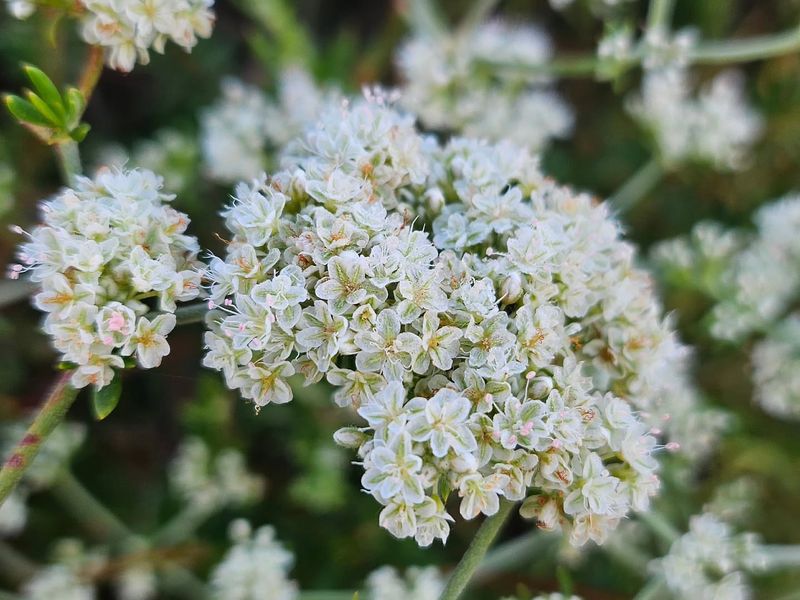
It starts in late spring with clusters of tiny white to pinkish flowers that pull in an impressive number of bees and butterflies. Then, as summer progresses, those flower heads shift to a warm rusty-red.
That color change adds something completely different to the garden right when everything else is looking sun-baked and tired.
Eriogonum fasciculatum is a deep-rooted, drought-tolerant native that thrives in sandy or rocky, well-drained soil in full sun. Once established, it does not need or want much supplemental water. Dry summers actually suit it well.
The texture is one of its best qualities. The airy, billowy flower clusters contrast beautifully with the more structured forms of sage or fuchsia planted nearby. It adds visual softness without losing any of its structural presence.
It also serves as a host plant for several butterfly species, which means it contributes to your garden’s ecology well beyond just looking good.
Pruning needs are minimal. A light trim after the main bloom period helps keep it tidy, but it is not something the plant demands.
Few plants deliver this much color, this much pollinator value, and this little maintenance. Once it is in the ground and settled, buckwheat largely takes care of the rest.
6. Grow Russian Sage For Lavender Heat Spikes
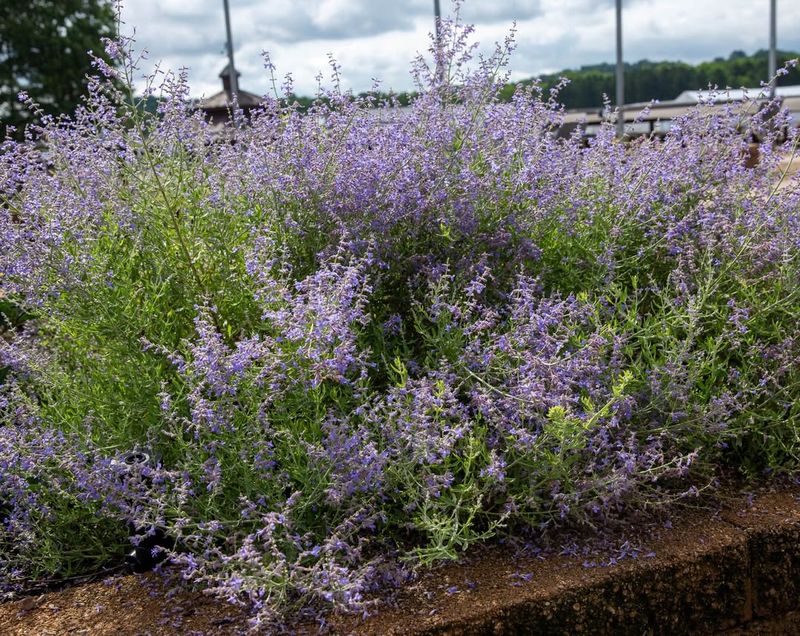
Russian sage has a presence in the summer garden that is hard to describe until you see it in person. Tall, branching spikes covered in tiny lavender-purple flowers rise above silvery-white stems that catch afternoon light in a way that makes the whole plant seem to glow.
It is one of those combinations that looks almost too good for how little effort it requires.
Worth being upfront about: Russian sage is not a California native. It comes from Central Asia and Afghanistan.
But it performs beautifully in California’s hot, dry inland valleys and sun-baked spots that would exhaust less-adapted plants.
Full sun and excellent drainage are the two things it genuinely needs. Heavy clay or poor air circulation can lead to stem problems over time, so placement matters.
Once established, it rarely needs supplemental water during dry summers. Bees and butterflies visit the flowers regularly throughout the blooming season.
Cut it back hard in early spring before new growth begins. That keeps it from getting woody and encourages fresh, upright stems that look far better than old, sprawling growth.
The cool purple tones pair naturally with the warm reds and oranges of California fuchsia. That contrast is one of the more striking color combinations available in a late summer California garden.
Add yarrow and ornamental grasses nearby, and the whole planting takes on a layered quality that looks considered without requiring much planning.
7. Plant Hummingbird Mint For Buzzing Summer Color
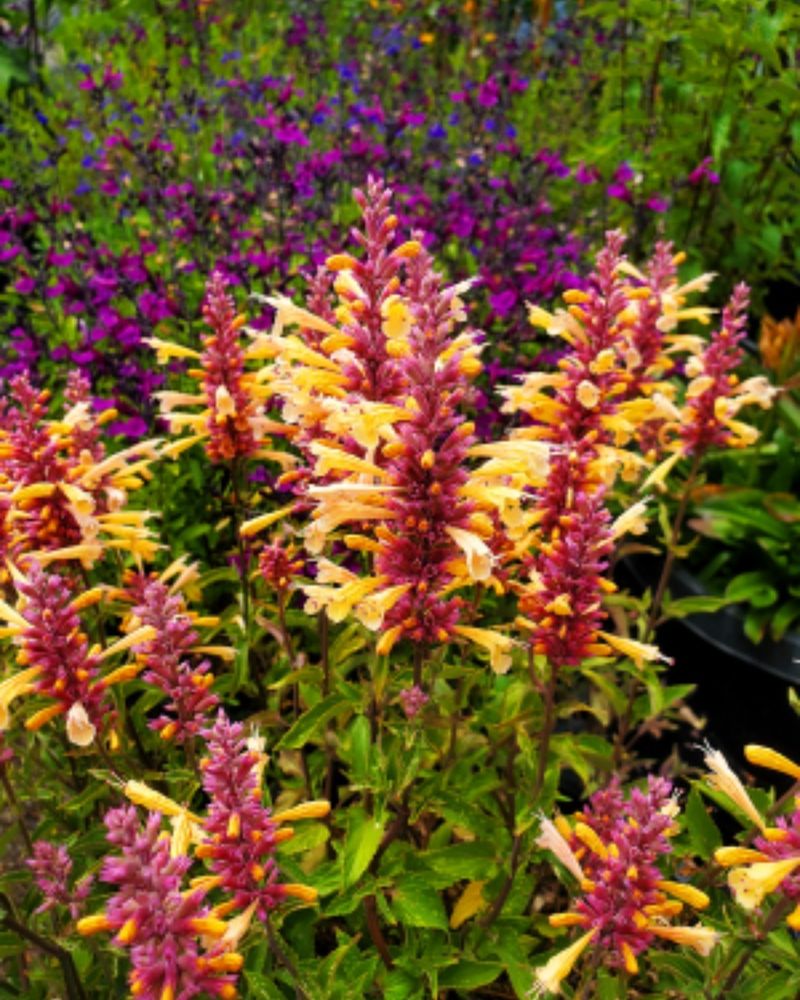
The name hummingbird mint is not just a suggestion. Plant Agastache in your garden, and hummingbirds will find it. The tall, upright flower spikes in orange, pink, purple, and red function like a landing strip for birds and bees.
The foliage adds to the appeal. A light minty or anise-like fragrance comes off the leaves on warm afternoons, which makes the plant enjoyable to brush past.
Several Agastache species perform well in California gardens. Southwestern species tend to handle hot, sunny conditions particularly well.
They thrive in full sun with fast-draining soil and low to moderate water once established.
Lean soil actually suits them better than rich, amended beds. Too much fertility leads to lush but floppy growth that loses the plant’s naturally upright character.
Trim spent spikes to encourage fresh blooms and extend the flowering season significantly. At the end of the season, leaving some seed heads in place can attract seed-eating birds and allow some natural self-seeding.
Most varieties stay fairly compact, reaching two to four feet tall depending on the cultivar. They work well as mid-border plants with lower growers like coyote mint or yarrow planted around the base.
Ava and the Kudos series are popular choices that hold up reliably in California heat season after season.
8. Try Frikart’s Aster For Daisy-Like Heat Color
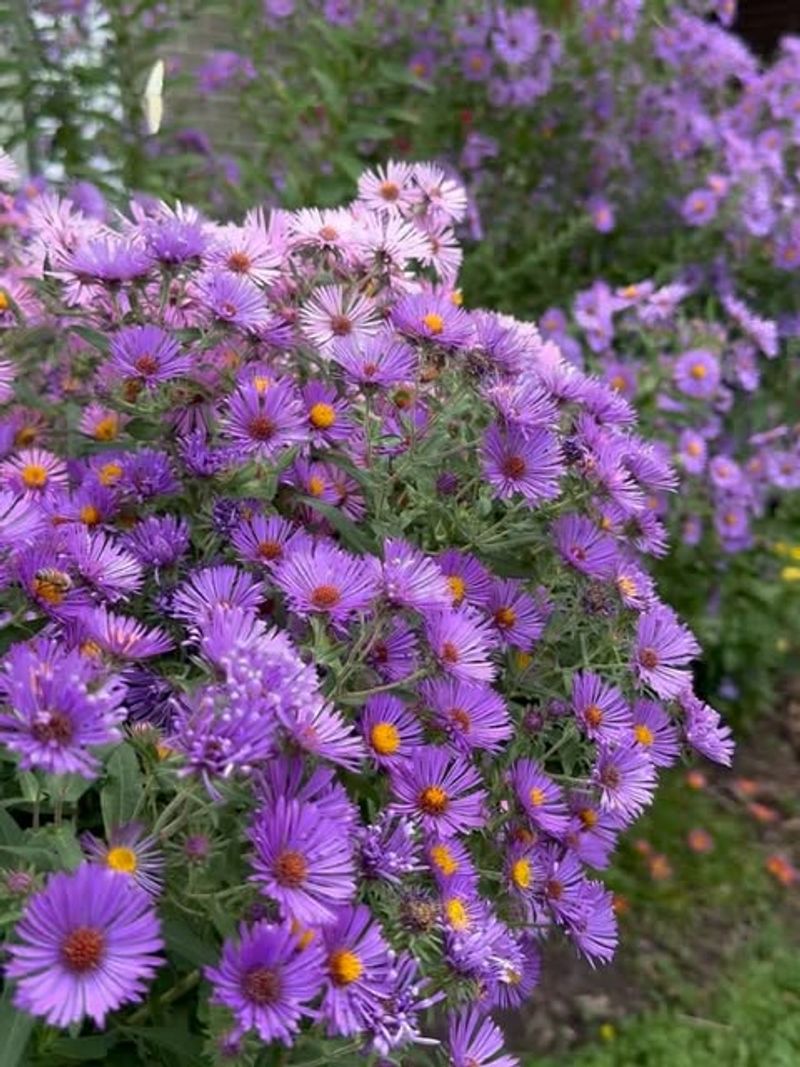
Most daisies usually know when summer is over. Frikart’s aster did not get that memo, and your garden is better for it.
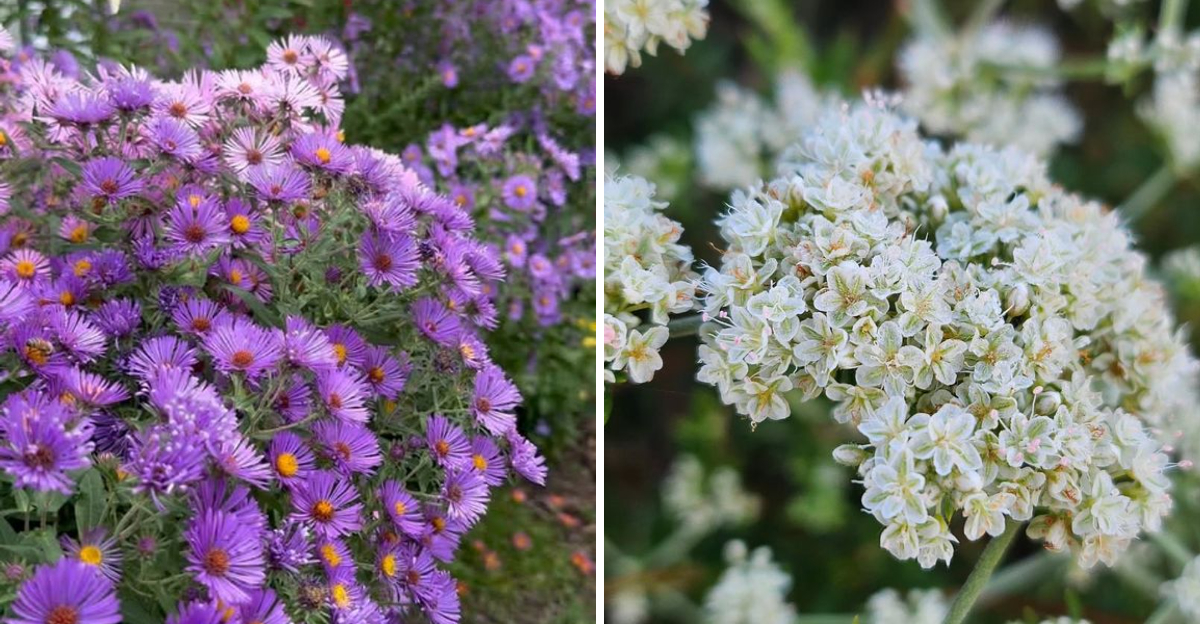
Aster x frikartii starts producing lavender-blue flowers with bright yellow centers in midsummer and keeps going well into fall. That extended bloom window is genuinely rare among perennials, and it fills a gap in the garden calendar that not many plants can cover.
This aster hybrid has been around since the early 20th century. It has stayed popular for a simple reason. It delivers.
It tolerates heat reasonably well with good drainage and full sun. It does appreciate more water than some drought-adapted plants on this list, so a deep, infrequent watering schedule works better than frequent shallow drinks.
Good air circulation around the plant helps reduce powdery mildew, which can occasionally show up in humid coastal microclimates. Deadheading spent flowers keeps it tidy and encourages continuous blooming through the season.
Divide the clumps every two to three years to maintain vigor and prevent the center from thinning out. Monch is widely regarded as one of the best-performing varieties, known for reliability and an impressively long bloom season.
Pair it with Russian sage or hummingbird mint for a cool-toned late summer combination. It will keep your garden feeling fresh and full long after many neighbors have given up on theirs.