Why Texas Homeowners May Want Tarantulas Around When Scorpions Are Active
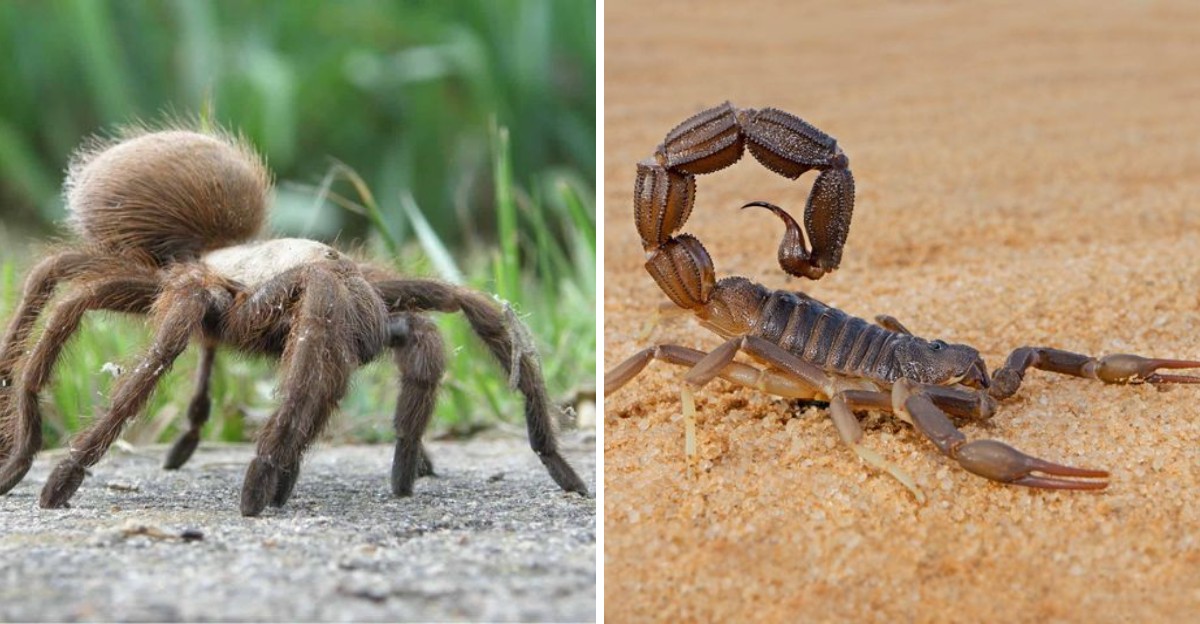
Something creepy is crawling across Texas patios this summer, and for once, it might actually be working in your favor.
Two of the Lone Star State’s most feared backyard visitors have a relationship that genuinely surprises most homeowners.
One of them eats the other, and knowing which one does the hunting could completely change how you feel about finding a fuzzy eight-legged guest near your back door.
Summers bring out a parade of critters that most people would rather not think about too hard. Warm nights, rocky soil, dry brush: basically a five-star resort for some seriously intimidating wildlife.
But not every creature lurking in the shadows is there to cause trouble.
Some of nature’s scariest-looking animals are quietly doing homeowners a genuine favor, and a hairy spider near your patio might just be the best natural pest management your yard has going for it.
1. Texas Tarantulas Are Natural Scorpion Hunters In Your Own Backyard
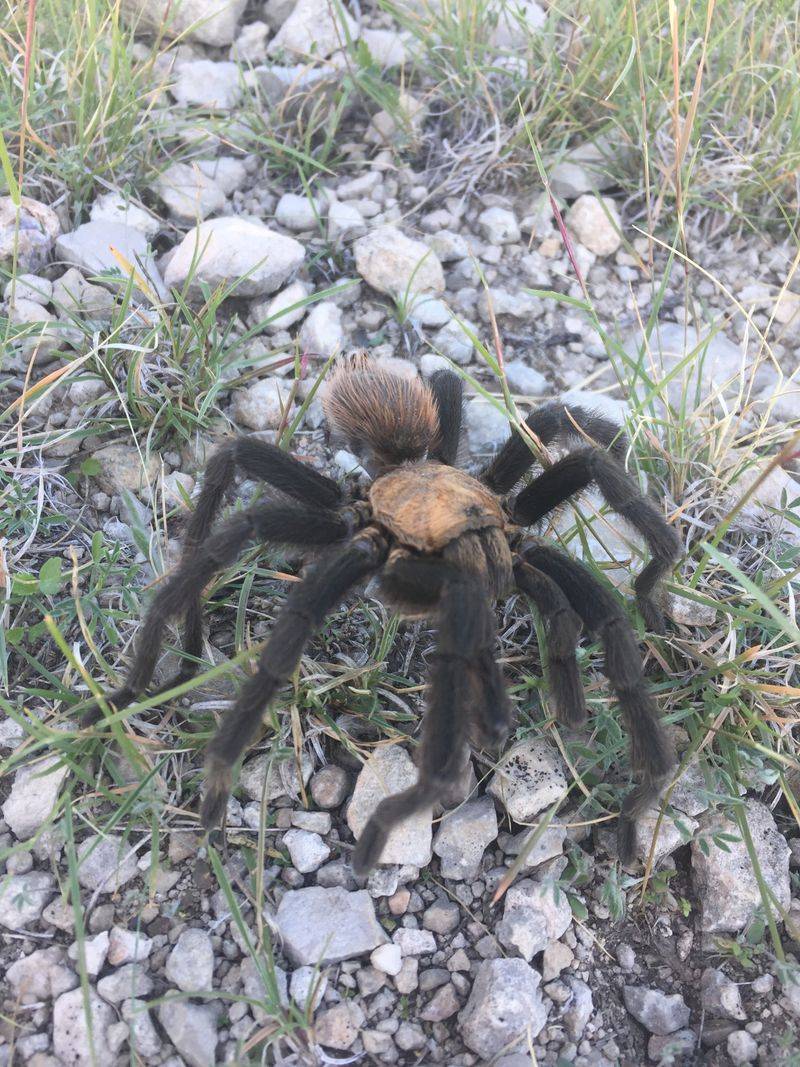
Texas brown tarantulas, known scientifically as Aphonopelma hentzi, are opportunistic predators that may prey on scorpions when the chance presents itself.
Like many large spiders, they feed on a variety of insects and other arthropods, and scorpions can sometimes become part of their natural diet.
Scorpions may look heavily armored and intimidating, but tarantulas have several advantages during a confrontation. Their large size, strong jaws, and venomous bite allow them to capture a range of prey, including some scorpion species found in this state.
These encounters are part of normal predator-prey interactions among Texas arthropods rather than a common backyard event. The outcome can vary depending on the size, species, and condition of both the tarantula and the scorpion involved.
The striped bark scorpion (Centruroides vittatus), one of the most widespread scorpion species in the state, can occur in many of the same general outdoor areas where tarantulas live.
However, seeing a tarantula and scorpion interact is uncommon, and homeowners should not expect tarantulas to eliminate scorpion activity around their property.
A tarantula near your yard is still a sign of a functioning ecosystem with native predators and prey interacting naturally. These spiders also consume many other insects and arthropods, adding to their role within the local food chain.
For homeowners interested in supporting native wildlife, allowing tarantulas to remain undisturbed can help preserve biodiversity. They are generally shy creatures that prefer avoiding people rather than seeking confrontation.
2. How Texas Tarantula Venom Affects Scorpions Differently Than Humans
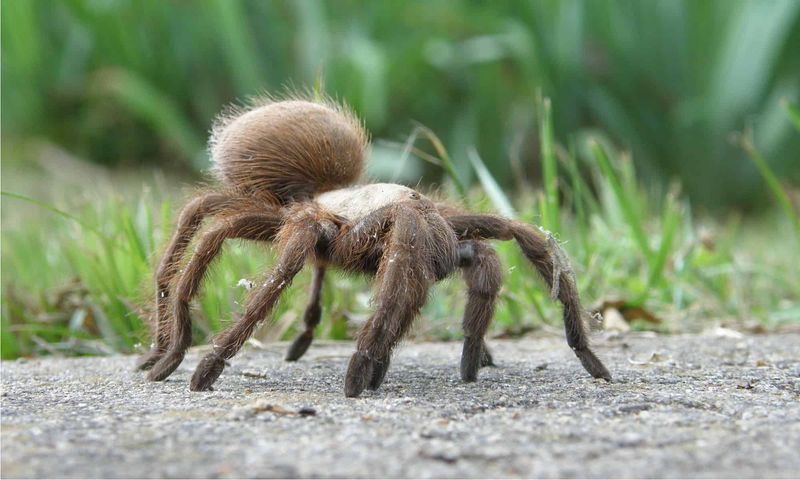
Tarantula venom sounds intimidating, but its effects are very different depending on the animal involved. For humans, a bite from a Texas brown tarantula is generally considered mild compared with the bites or stings of many other venomous creatures.
It may cause pain, irritation, or symptoms similar to a painful insect sting, but these spiders are not considered a major medical concern for most people.
For prey animals such as insects and other arthropods, tarantula venom plays an important role in helping the spider subdue its food.
The venom contains compounds that affect the nervous systems of small animals, allowing the tarantula to immobilize prey after a successful bite.
Your Texas Garden Changes Every Week. Your Plan Should Too.
Gardening in Texas changes quickly throughout the season. Every Friday you’ll receive a simple weekly plan showing exactly what to plant, prune, fertilize, harvest, and protect so you never miss the right timing.
Scorpions are also arthropods, which means they can be affected by the same types of biological weapons used during predator-prey encounters. When a tarantula successfully captures a scorpion, its venom and physical strength can help it overcome the prey.
However, this does not mean tarantula venom is specifically designed to target scorpions or that every encounter ends the same way. The outcome depends on the size, species, and condition of both animals involved.
This difference between how venom affects humans and other arthropods is one reason tarantulas can be important predators in Texas ecosystems.
Their venom allows them to feed efficiently while remaining relatively harmless to people who observe them from a respectful distance.
3. Texas Scorpion Season Overlaps With Peak Tarantula Activity Periods
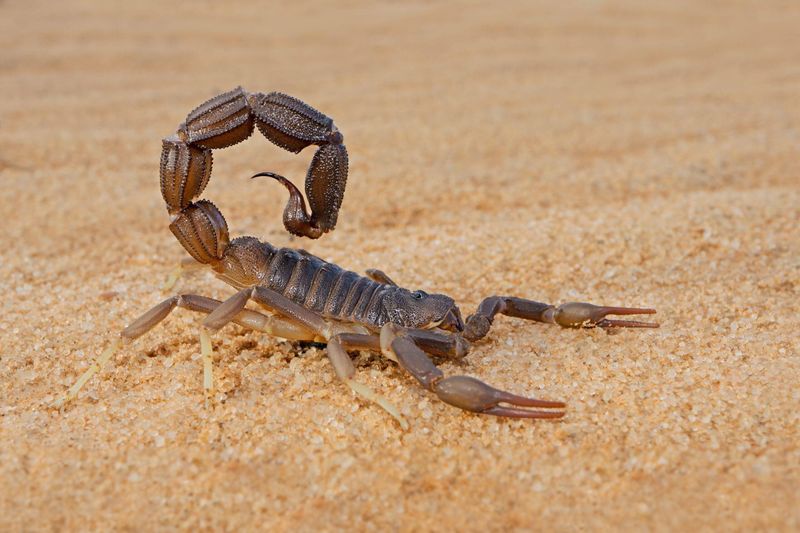
Scorpions and tarantulas are both more noticeable during the warmer months, creating some seasonal overlap that homeowners may observe.
Scorpions become more active from spring through early fall as temperatures rise, and they are often encountered at night when they leave hiding places to search for food.
Texas tarantulas also become more visible during summer, especially when male tarantulas begin wandering in search of mates.
Late summer and early fall are often the times when homeowners are most likely to notice large tarantulas crossing roads, patios, gardens, and other outdoor spaces.
This overlap does not mean tarantulas actively patrol yards looking for scorpions, but it does mean the two animals may occasionally encounter each other in similar habitats.
Rocky areas, dry landscapes, and sheltered outdoor spaces can provide suitable conditions for both species.
Homeowners who see tarantulas during this period do not need to assume there is a problem. In many cases, these spiders are simply moving through the landscape as part of their natural life cycle.
Reducing unnecessary pesticide use can help preserve many beneficial arthropods, including native spiders.
Keeping outdoor areas tidy and sealing gaps around buildings remains a more reliable way to reduce unwanted scorpion encounters near homes.
4. Rock Piles And Brush Create Shared Hunting Grounds Worth Knowing About
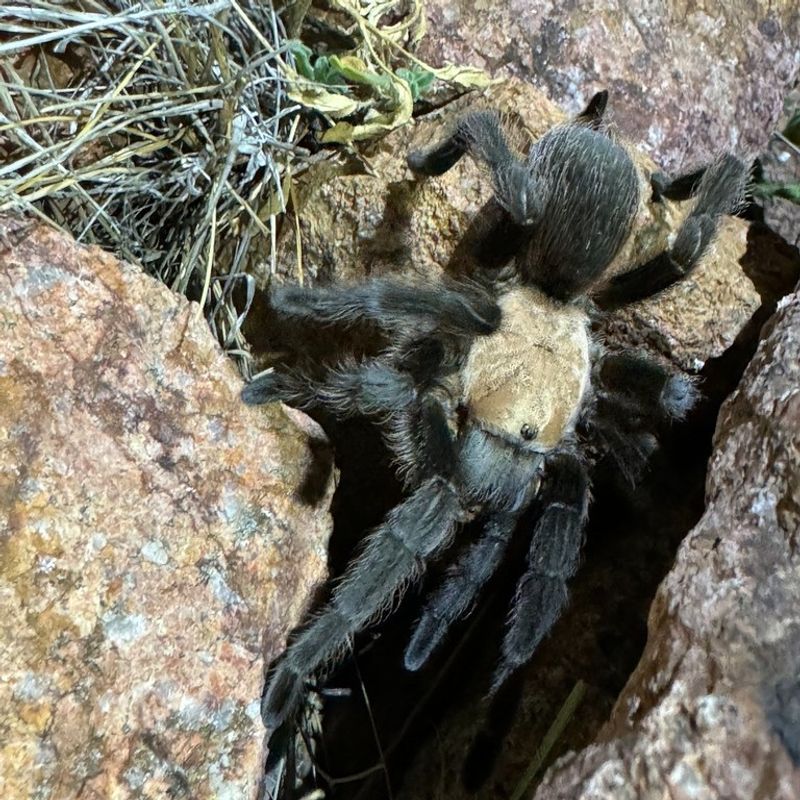
Both tarantulas and scorpions use sheltered outdoor spaces where they can avoid harsh weather and find prey. In Texas landscapes, areas with rocks, fallen branches, wood piles, and dense vegetation can provide hiding places for many different arthropods.
Scorpions often spend the day tucked beneath rocks, boards, or other objects before becoming active at night. Tarantulas may create burrows in soil or use natural shelters where conditions are suitable.
These habitats can bring different species into the same general area, even though direct encounters between them are not common.
Understanding this shared habitat can help homeowners make better choices around outdoor storage and landscaping.
Keeping firewood, stacked materials, and heavy debris away from doors, patios, and frequently used areas can reduce the chance of unexpected encounters with many types of wildlife.
A yard that supports native wildlife does not need to be completely cleared of natural features. Instead, homeowners can create a balance by placing habitat features away from high-traffic areas and maintaining safe spaces for both people and wildlife.
Natural areas around a property can support many predators and prey species. These interactions are part of the broader Texas ecosystem and are not necessarily signs that a yard has a pest problem.
5. Texas Tarantulas Help Control Some Insect Populations That Support Scorpions
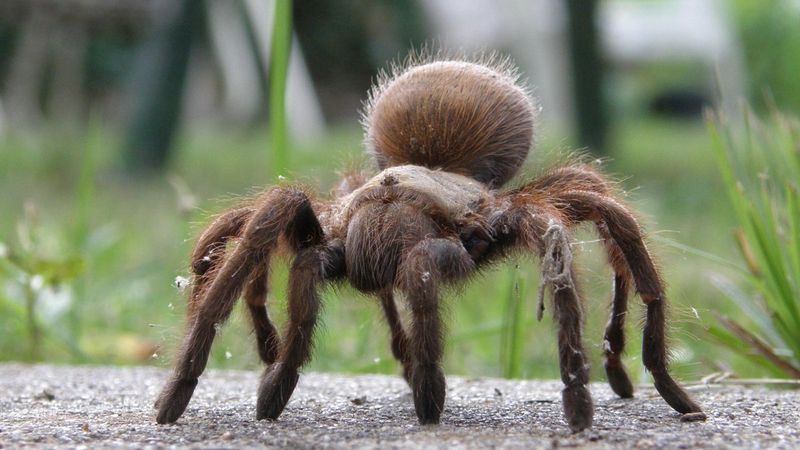
Scorpions depend on a steady supply of prey, including insects such as crickets, roaches, and other small arthropods. Tarantulas also feed on many of the same types of animals, making them part of the same food network found throughout Texas landscapes.
A tarantula may consume insects and other small creatures that share its habitat.
This natural predatory behavior contributes to the overall balance of outdoor ecosystems, although researchers have not shown that having tarantulas around a home will significantly reduce scorpion numbers.
Because tarantulas and scorpions often hunt in similar environments, their interactions are one small part of a much larger network of predator and prey relationships.
The number of each species found in a yard depends on many local factors, including temperature, rainfall, vegetation, and available hiding places.
The relationship between predators and prey is more complicated than a simple one-to-one control system. Weather, habitat conditions, available shelter, and surrounding landscapes all influence how many insects and scorpions are present in a particular area.
For homeowners interested in reducing unwanted pests naturally, supporting a diverse ecosystem can be one part of a broader approach.
Avoiding unnecessary pesticide use, reducing excessive outdoor clutter, and managing conditions that attract insects can also influence what wildlife visits a property.
Tarantulas are valuable predators because they contribute to biodiversity and help regulate some arthropod populations. Their presence is best viewed as a sign of natural activity rather than a guaranteed pest-control solution.
6. Homeowners Can Coexist With Tarantulas Using Simple Safety Habits
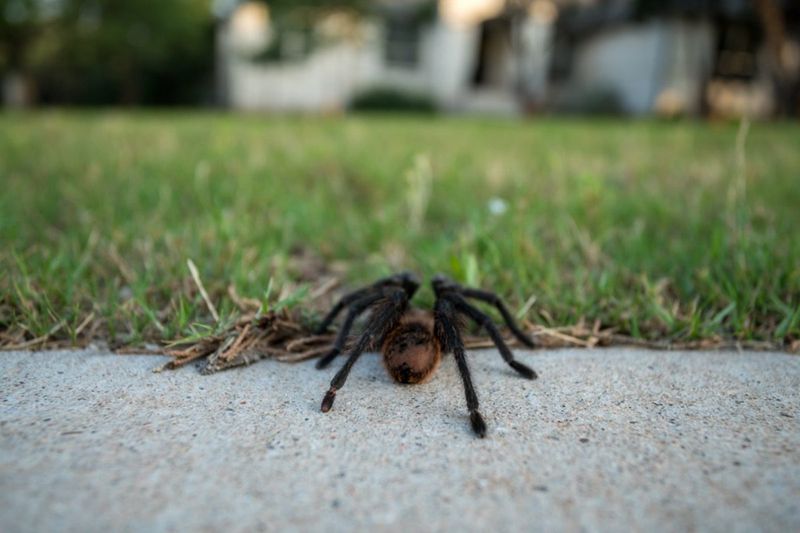
Sharing a yard with a tarantula can seem unsettling at first, but these spiders are generally much less threatening than their appearance suggests.
Texas brown tarantulas are considered relatively docile and usually prefer to retreat or hide rather than interact with people.
The best response when encountering one is simple: give it space. Tarantulas are not aggressive hunters of humans, and most defensive behavior occurs when they feel trapped, handled, or repeatedly disturbed.
Most Texas tarantulas are more focused on finding shelter, mates, or prey than approaching people. Their large size can make them appear intimidating, but their behavior is usually defensive rather than aggressive.
A few basic habits can make outdoor spaces more comfortable for both people and wildlife.
Teach children to observe tarantulas without touching them, wear gloves when moving rocks or wood piles, and check shoes or outdoor items before use if they have been left outside overnight.
These same precautions can also help reduce encounters with other outdoor creatures, including scorpions. Keeping storage areas organized and reducing unnecessary hiding places near entrances can make patios and walkways easier to manage.
Tarantulas are an interesting part of Texas wildlife and can be appreciated from a distance. Allowing them to continue their natural behavior helps preserve native species while avoiding unnecessary conflicts.
7. Texas Arachnids Show How Predators And Prey Coexist
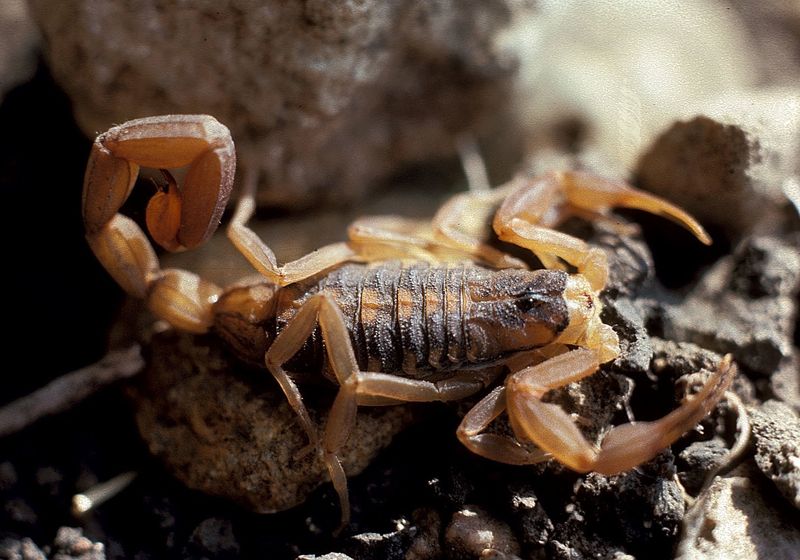
The relationship between tarantulas and scorpions highlights how complex Texas ecosystems can be. Predators and prey often overlap in the same environments, with each species playing a role in the larger food web.
Tarantulas are known to prey on various arthropods, including some scorpions, but their effect on scorpion populations around homes has not been measured well enough to consider them a reliable control method.
Their presence does not automatically mean a property will have fewer scorpions.
What research does support is that native predators contribute to ecological diversity. Spiders, scorpions, insects, birds, reptiles, and other wildlife all interact in ways that shape local environments.
For homeowners, this means that a yard with native wildlife is not necessarily a problem yard. Seeing a tarantula or other predator can simply mean the landscape supports a variety of organisms.
Their presence can also reflect a landscape with natural shelter, available prey, and conditions that support a wider range of native species.
Understanding these relationships can help people make more informed decisions about outdoor spaces.
Instead of removing every unfamiliar creature, homeowners can learn which animals pose little risk and which management steps actually address concerns.
Tarantulas may not replace traditional scorpion prevention, but they remain fascinating and important members of Texas ecosystems.
8. Texas Tarantulas Are A Natural Part Of A Balanced Yard Ecosystem
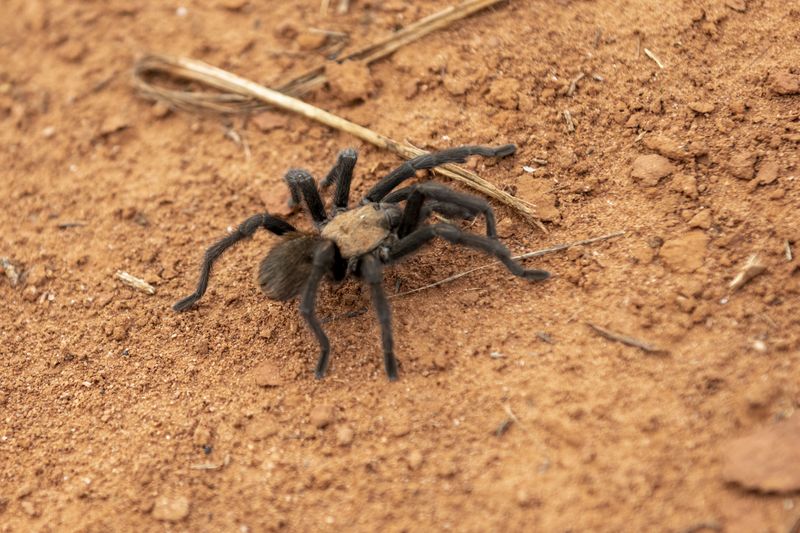
Tarantulas offer a different perspective on backyard wildlife in Texas. Although many homeowners initially react with fear, these large spiders are generally quiet predators that spend most of their time avoiding people and searching for food or shelter.
Their presence can be a reminder that outdoor spaces support a wide range of native species, including predators that help maintain natural interactions.
Learning more about these animals can make it easier for homeowners to decide when to leave wildlife alone and when to take practical steps around the home.
Unlike chemical pest treatments, tarantulas do not require applications, equipment, or maintenance from homeowners. They simply participate in the natural ecosystem by feeding on insects and other arthropods that share their environment.
However, tarantulas should not be considered a replacement for proven scorpion prevention methods.
Sealing cracks around buildings, reducing clutter near structures, managing outdoor lighting that attracts insects, and taking basic precautions remain more dependable ways to reduce unwanted encounters.
Reducing unnecessary pesticide use can help protect beneficial predators, including spiders, that contribute to outdoor biodiversity. A healthier ecosystem may include many different organisms rather than focusing only on removing every insect or arachnid.
For homeowners, the best approach is often learning which creatures share the landscape and how they behave.
A tarantula near your home is usually not something to fear, but rather an opportunity to observe one of the state’ most recognizable native predators.
These spiders may not solve every pest issue, but they are still valuable members of the natural community around homes.