What Finding Spotted Lanternflies In Your Michigan Yard Means For Your Trees
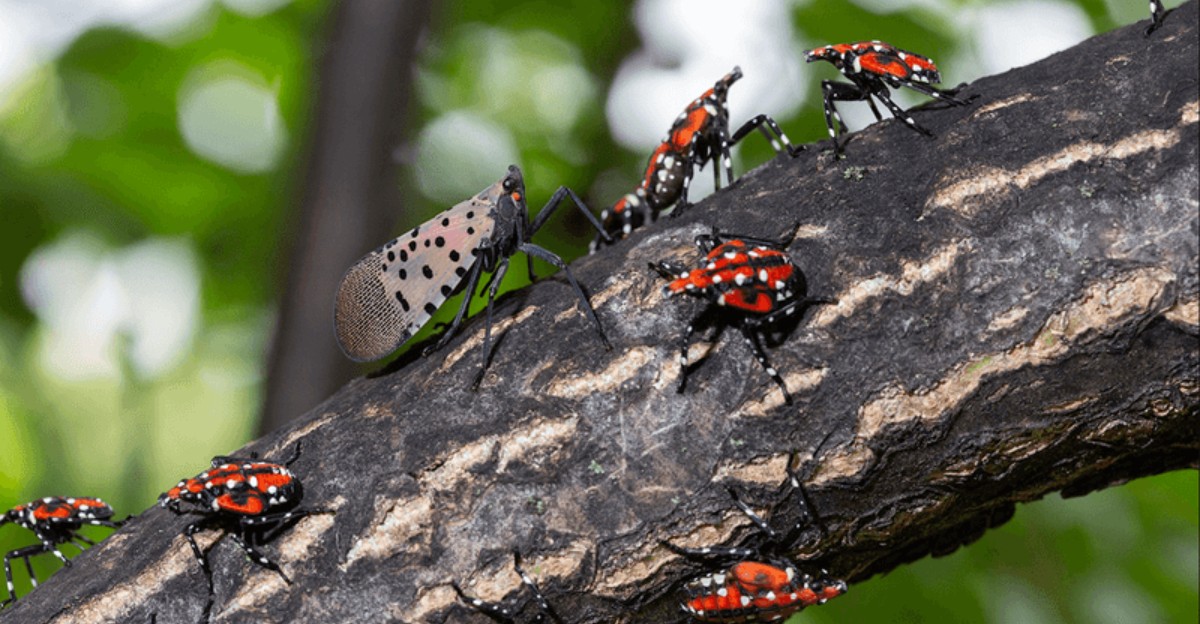
Spotted lanternfly has been detected in Michigan, and officials continue to monitor for possible populations and spread.
This insect prefers feeding on the invasive tree-of-heaven, but it also targets a wide range of common yard trees, including black walnut, river birch, willow, and red maple.
As it feeds, it excretes a sticky substance called honeydew, which often leads to sooty mold forming on leaves and branches, discoloring plants and attracting other pests like flies and yellowjackets.
Spotted lanternflies can stress plants through heavy feeding, but they are not usually considered a direct tree-destroying pest.
1. A Spotted Lanternfly Sighting Is A Warning Sign
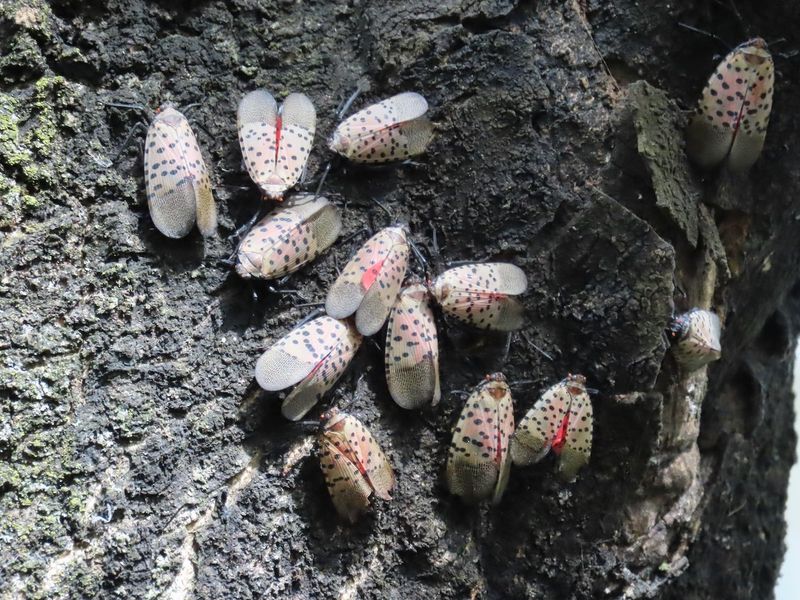
Finding one of these bugs on your property is a signal worth paying attention to. Spotted lanternflies are not native to Michigan, and they belong to a group of insects called invasive pests.
When a species like this appears in a new area, monitoring helps experts understand whether populations are becoming established.
These insects came from Asia and were first noticed in Pennsylvania back in 2014. Since then, they have slowly spread to nearby states, hitching rides on cars, trucks, and outdoor items.
Michigan sits close enough that experts keep a careful eye out for early sightings. The reason a single bug matters so much is simple. If lanternflies settle in and start growing their numbers, they can weaken many kinds of plants at once.
Catching them early gives everyone a better chance to slow that spread before it becomes a bigger problem.
Think of your sighting as an important clue rather than a reason to worry. You are helping scientists and gardeners understand where these insects are showing up. That information is valuable and can protect trees in your whole neighborhood.
So if you spot one, take a good look and remember what you saw. Note the location, the plant it was resting on, and the date.
Small details like these help experts track the insect and respond quickly. Your quick eye could make a real difference for local greenery.
2. Your Trees Are Not Automatically Declining
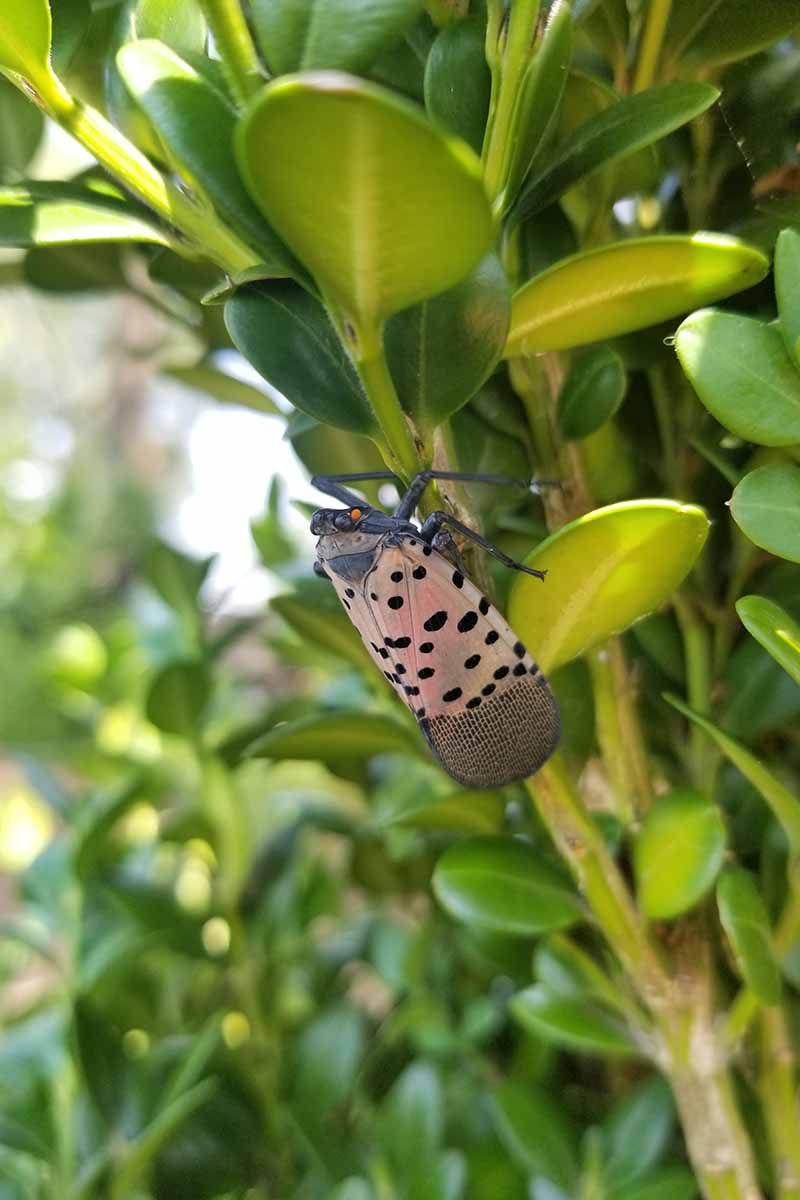
Take a deep breath, because one bug on your bark does not mean your tree is in serious trouble. Many gardeners panic the moment they see a lanternfly, but a single sighting rarely means major harm has already happened.
Trees are tougher than we often give them credit for. These insects feed on plant sap, and a small number of them usually causes little lasting damage.
Problems tend to appear only when large groups feed on the same plant over and over throughout a season. A tree with just a few visitors often keeps growing just fine.
What matters most is spotting the insect early and letting the right people know. Quick identification helps experts figure out whether a small group or a growing population is nearby.
Acting calmly and reporting your find is far more useful than rushing to worry. You can also keep watch on your tree over the following weeks. Look for signs of heavy feeding, sticky spots, or many insects gathering in one place.
Your Michigan Garden Changes Every Week. Your Plan Should Too.
Gardening in Michigan changes quickly throughout the season. Every Friday you’ll receive a simple weekly plan showing exactly what to plant, prune, fertilize, harvest, and protect so you never miss the right timing.
If things stay quiet, your tree is likely doing okay. Healthy trees have natural ways of handling stress, especially when the pressure is light. Giving your plants good care, like proper watering and mulch, helps them stay strong.
A well-cared-for tree can bounce back from minor feeding without much trouble. So instead of assuming the worst, treat your sighting as a chance to observe and report. Calm attention beats fear every time when it comes to protecting your yard.
3. They Are Especially Associated With Tree Of Heaven
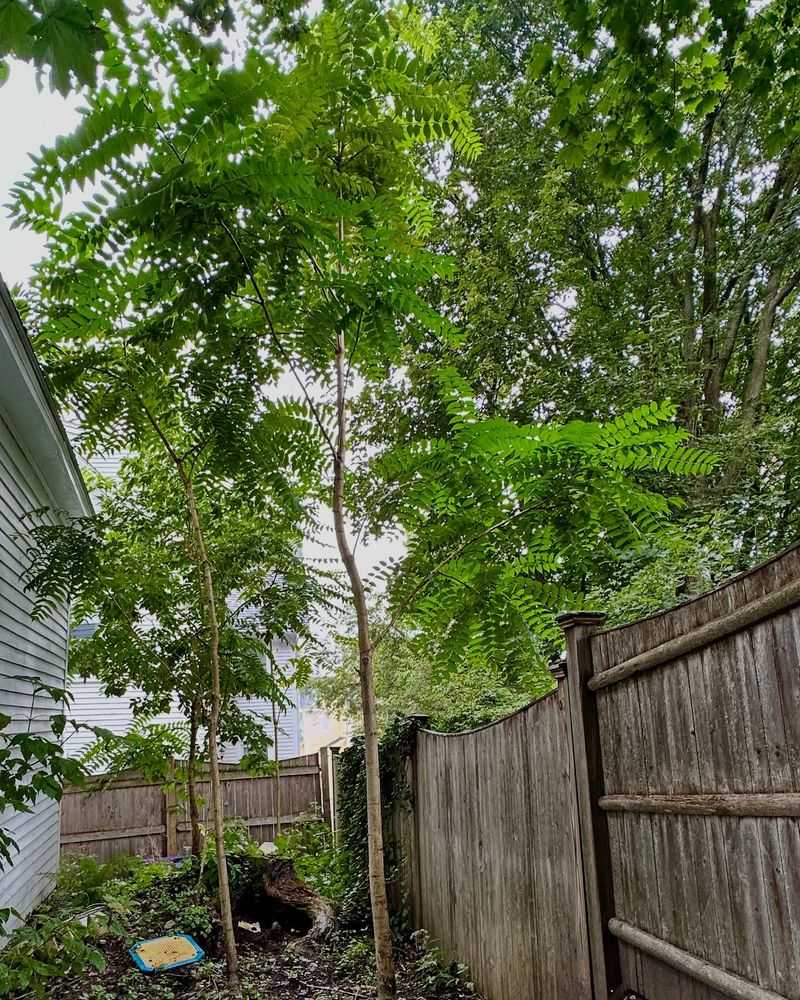
One plant seems to draw these insects like a magnet, and it is called tree of heaven. Its scientific name is Ailanthus altissima, and it happens to be an invasive plant itself.
Spotted lanternflies love feeding on it, so where this tree grows, the bugs often follow.
Tree of heaven came from Asia, the same region as the lanternfly, which may explain their strong connection. The tree grows fast and pops up in disturbed areas like roadsides, fence lines, and vacant lots.
Its quick spread makes it a common sight in many places. If you have this tree nearby, your yard may be more appealing to lanternflies. That does not mean you are doomed, but it does mean you should stay a bit more alert.
Knowing what this plant looks like gives you a real advantage. You can spot tree of heaven by its long, feather-shaped leaves made of many small leaflets. Crushed leaves give off a strong, unpleasant smell that some people compare to old peanuts.
Learning to recognize it helps you understand your yard better. Some gardeners choose to remove tree of heaven to make their property less inviting to the bugs. Getting rid of it can be tricky, so many people ask a professional for help.
Careful removal is often the smartest route. Keeping an eye on any tree of heaven around you is a smart habit. It acts almost like a warning post for where lanternflies might gather. Watching it closely can help you catch trouble early.
4. They Can Feed On Many Plants
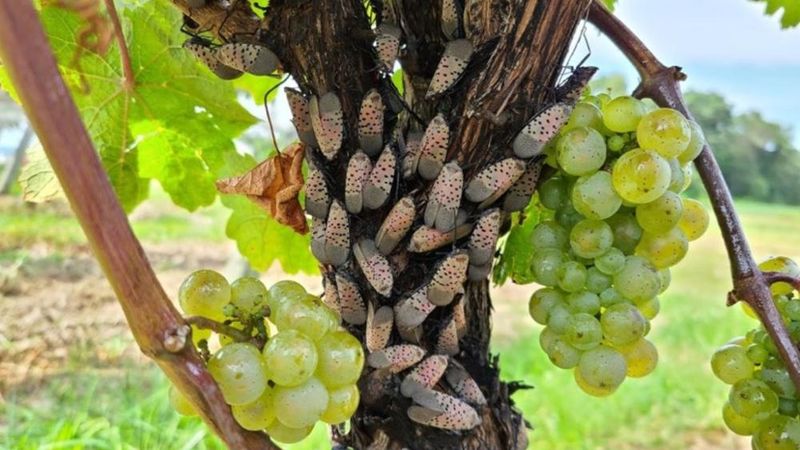
Here is something that surprises many people: spotted lanternflies are not picky eaters. They can feed on more than seventy kinds of plants, which is a huge range for one insect.
That wide menu is part of what makes them such a concern for gardeners.
These bugs have special mouthparts built for piercing and sucking. They poke into stems, trunks, and branches, then drink the sugary sap inside.
Because they draw out nutrients the plant needs, heavy feeding can leave trees and vines weaker over time.
Grapevines are among their favorite targets, which worries fruit growers and vineyards a great deal. They also feed on maples, walnuts, willows, and many ornamental plants people grow for beauty.
Almost any leafy plant in your yard could catch their attention. The good news is that damage usually depends on how many insects gather in one spot. A light visit here and there is not a big deal for most healthy plants.
Trouble builds when large crowds feed on the same plant again and again.
Knowing they enjoy so many plants helps you watch your whole yard, not just one tree. Check your grapevines, young trees, and favorite shrubs during the warmer months. A quick walk around your garden can reveal a lot.
Staying curious about which plants they prefer makes you a smarter gardener. The more you understand their habits, the easier it is to protect what you grow. A little knowledge goes a long way here.
5. Watch For Sticky Honeydew And Sooty Mold
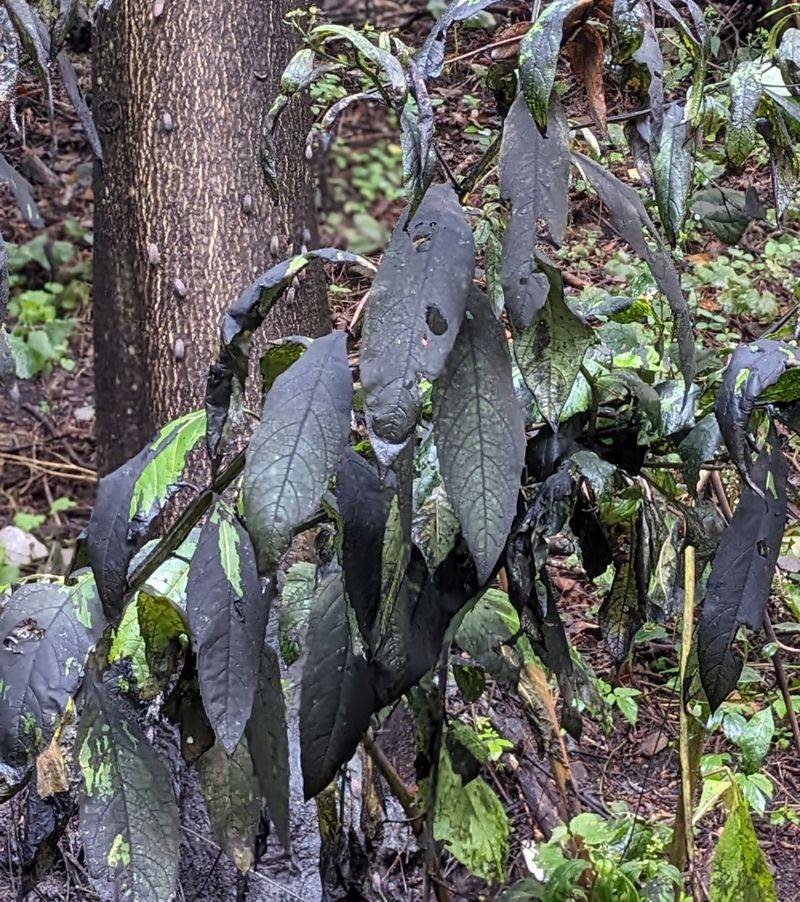
Sometimes the bugs leave clues even when you cannot see them. As spotted lanternflies feed on sap, they produce a sweet, sticky liquid called honeydew.
This shiny substance drips onto leaves, branches, and anything sitting below the plant.
You might first notice honeydew because things start feeling sticky to the touch. Patio furniture, decks, and lower leaves can all get coated with it.
If you spot this stickiness, insects may be feeding somewhere above. The honeydew does not stop at being sticky, though. It creates the perfect spot for a black fungus known as sooty mold to grow.
This mold spreads across surfaces and turns leaves and bark a dark, dusty color.
Sooty mold usually does not harm the tree directly, but it can block sunlight from reaching the leaves. When leaves cannot soak up enough light, the plant has a harder time making food. Over time, that added stress can slow growth.
The sweet honeydew also attracts other insects like ants, bees, and wasps. Seeing lots of these visitors buzzing around a plant can be another hint that feeding is happening nearby. Nature often gives us signals if we pay attention.
Checking for shiny, sticky spots and dark mold is an easy way to detect a problem early. A quick glance at your leaves and furniture tells you plenty. Spotting these clues helps you act before a small issue grows into a bigger one.
6. September Is A Key Time To Look
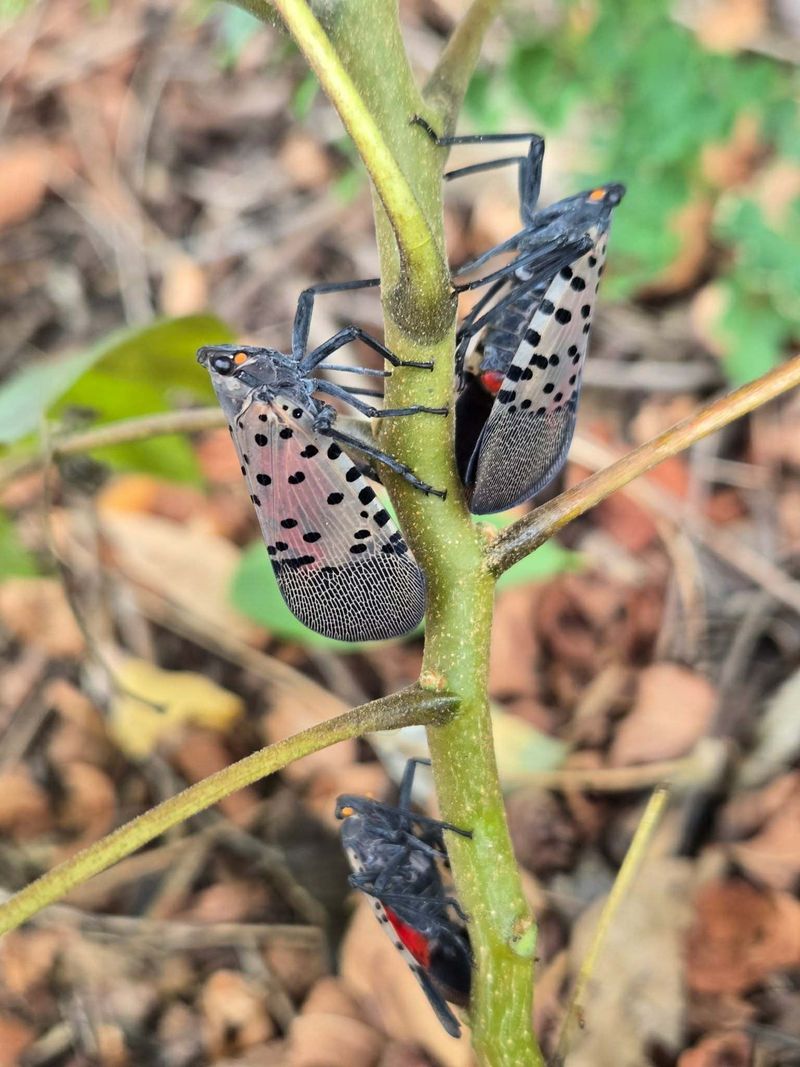
Timing makes a big difference when hunting for these insects. Late summer and early fall, especially September, are prime months to spot spotted lanternflies. During this stretch, the adults are fully grown and out in the open.
Adult lanternflies are much easier to recognize than their younger stages. They have gray front wings dotted with black spots and flashy red patches on their back wings. When they hop or flutter, those bright colors really stand out.
Earlier in the year, the young insects look quite different and can be harder to identify. They start out black with white spots, then later turn red with white and black markings. By September, the familiar adult form is what you will usually see.
This is also the time when adults are searching for places to lay their eggs. That means they move around more and become easier to notice. A walk through your yard now could reveal one resting on a trunk.
Fall is when many gardeners are already outside cleaning up and enjoying the cooler weather. That makes it a natural time to keep your eyes open. Pairing your usual yard work with a quick bug check is simple and smart.
Marking September on your calendar as a watch month is a great habit. Being alert during this peak period boosts your chances of catching an early sighting. Your careful timing helps protect trees across your community.
7. Do Not Transport The Insect Or Egg Masses
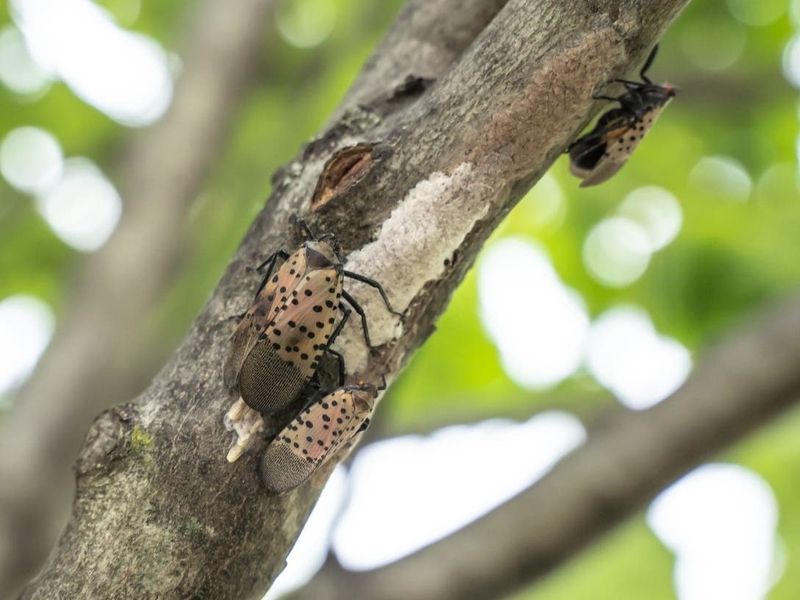
One of the biggest ways these bugs spread is by catching a ride from people. Spotted lanternflies and their eggs can cling to firewood, outdoor furniture, vehicles, and plants.
When those items travel, the insects travel right along with them. The egg masses are especially sneaky because they are easy to miss. They look like smears of grayish mud or putty stuck to flat surfaces.
People often move them without even realizing what they are carrying. Firewood is a common culprit, so it pays to be careful with it. Buying wood close to where you plan to burn it helps stop the spread.
Moving wood long distances can accidentally carry hidden hitchhikers. Before you head out on a trip, take a moment to check your car and trailer. Look at bumpers, wheel wells, and any gear you packed outside.
A quick scan can catch an insect before it goes for a long ride. The same care applies to outdoor items like grills, chairs, and plant pots. Scrape off any egg masses you find and dispose of them properly.
Simple steps like these keep the bugs from reaching new areas. Being mindful about what you move is one of the most helpful things a gardener can do.
You may not stop every insect, but you can slow their journey. That small effort protects trees far beyond your own yard.
8. Report Suspected Sightings
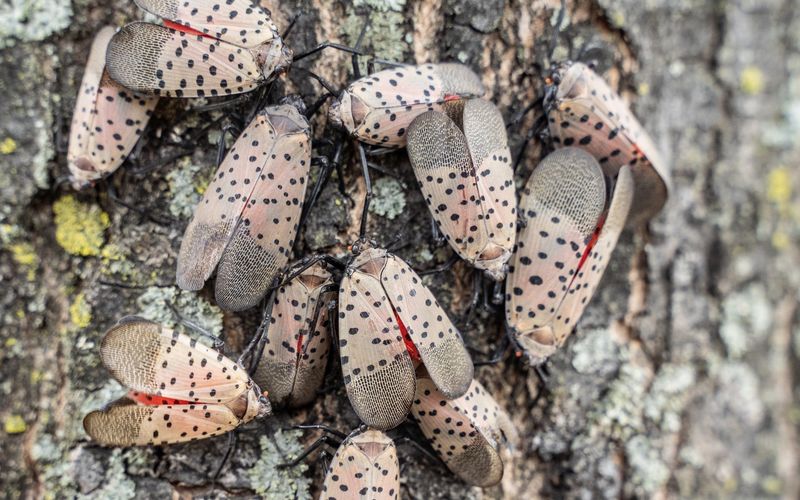
Your sighting becomes truly powerful when you share it with the right people. Michigan has official channels set up to track spotted lanternfly reports.
Letting experts know helps them understand where these insects are showing up. The first step is snapping a clear photo of the insect. A good picture lets specialists confirm whether it really is a lanternfly or a look-alike.
Try to capture the wings and any bright markings if you can. Once you have your photo, you can report it through the Michigan Department of Agriculture and Rural Development. Their website offers a simple way to send in what you found.
Reporting online only takes a few minutes. If you can safely collect the insect, that can be helpful too. Placing it in a sealed bag or container gives experts a sample to examine.
Just be sure to note exactly where you found it. Every report adds to a bigger picture that scientists rely on. Your details help them spot new introductions early and respond fast.
That quick response can protect trees across the whole state. Think of yourself as an important helper in this effort. Gardeners who report sightings become part of a statewide team watching out for trouble.
Your careful eye and quick message truly matter. So the next time you spot something odd on your bark, do not stay silent. Take the photo, send the report, and share what you saw. Small actions like these make a lasting difference.