Why Georgia Gardeners Should Check Trees For Spotted Lanternflies This September
September is a smart time to look more closely at the trees around your yard. One unfamiliar insect could deserve a second glance.
Spotted lanternflies can gather on trees, making early recognition especially useful as their range continues to expand into new areas.
Their unusual markings become easier to recognize once you know what belongs on your watch list. Georgia gardeners can then inspect trees without guessing.
This does not mean turning every tree check into a long or complicated project. Knowing the right signs makes the job simpler.
Focus on what looks unusual around trunks, branches, and nearby plants while you are already outside. Small details can tell you when closer attention is worthwhile.
Check carefully this September, and you may notice an important visitor that would have been easy to overlook before.
1. September Brings A New Reason To Watch Your Trees
Fall chores usually pull your attention down toward the soil, not up toward the bark. September is a good month to flip that habit.
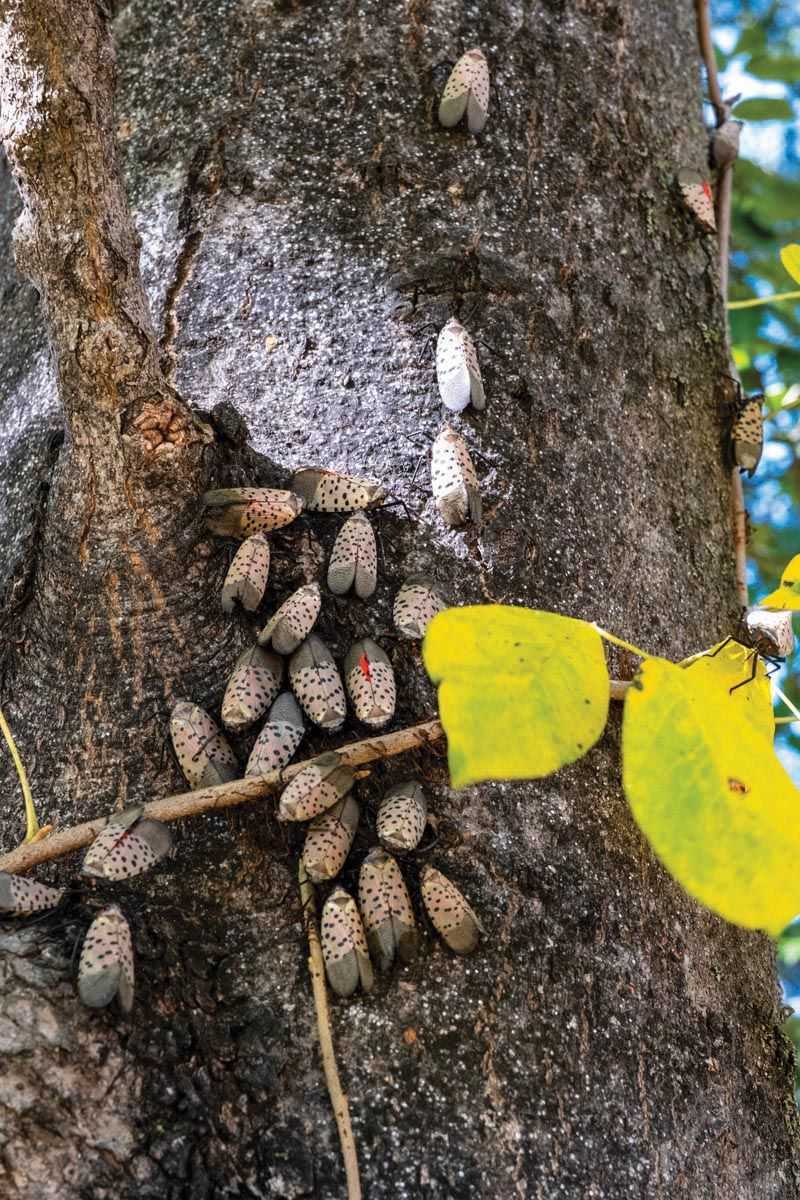
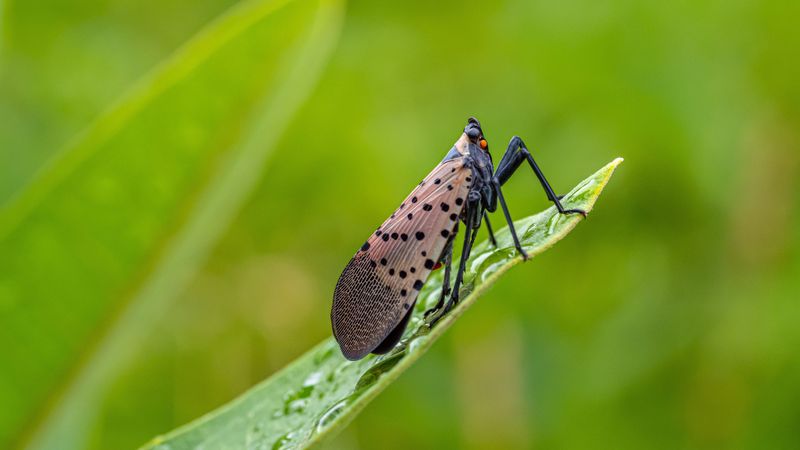
Adult spotted lanternflies reach full size in late summer, which makes them far easier to see than the tiny early stages. They are roughly an inch long, with gray outer wings marked by black spots.
When those wings open, bright red patches show underneath.
Officials in Georgia have asked residents to report suspected sightings, since early detection matters more than anything else with a spreading pest. Reports from everyday gardeners often lead the way.
Walking your yard once a week costs you almost nothing.
Start with the trees closest to your driveway, mailbox, or parking pad. Insects like these often arrive on vehicles, firewood, nursery stock, or outdoor furniture.
Look at the trunk from about knee height up to eye level, then step back and scan the lower limbs.
Keep expectations realistic, though. Confirmed finds have been limited in some southeastern areas, so most yards will turn up nothing unusual.
A quiet result is still useful information.
Snap a photo of anything you cannot identify instead of guessing from memory. Clear pictures help extension agents tell a real lanternfly from lookalike moths and native planthoppers.
2. These Insects Are Still Active As Fall Gets Closer
Cooler nights do not shut these insects down right away. Adults stay active well into fall across much of their range.
Activity tends to peak once mating begins, and that is when you may see the heaviest clustering on trunks. Groups can sit shoulder to shoulder on a single stretch of bark.
Movement is another giveaway.
Spotted lanternflies are weak fliers but strong jumpers, so a startled group scatters sideways in short hops. Tapping a trunk gently often triggers that reaction.
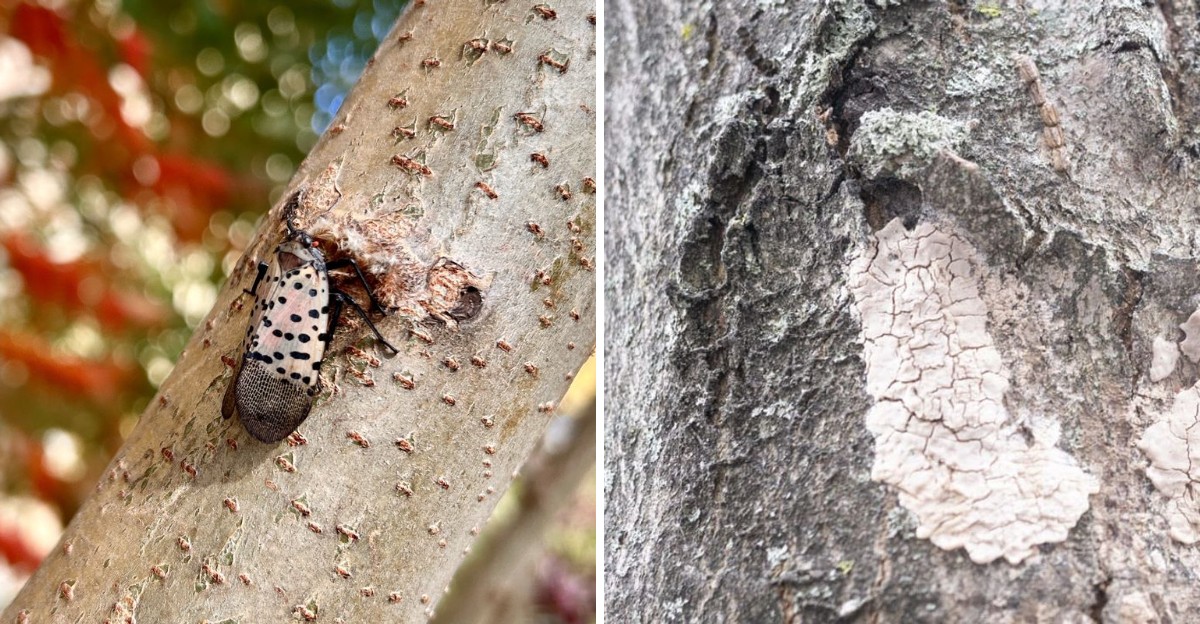
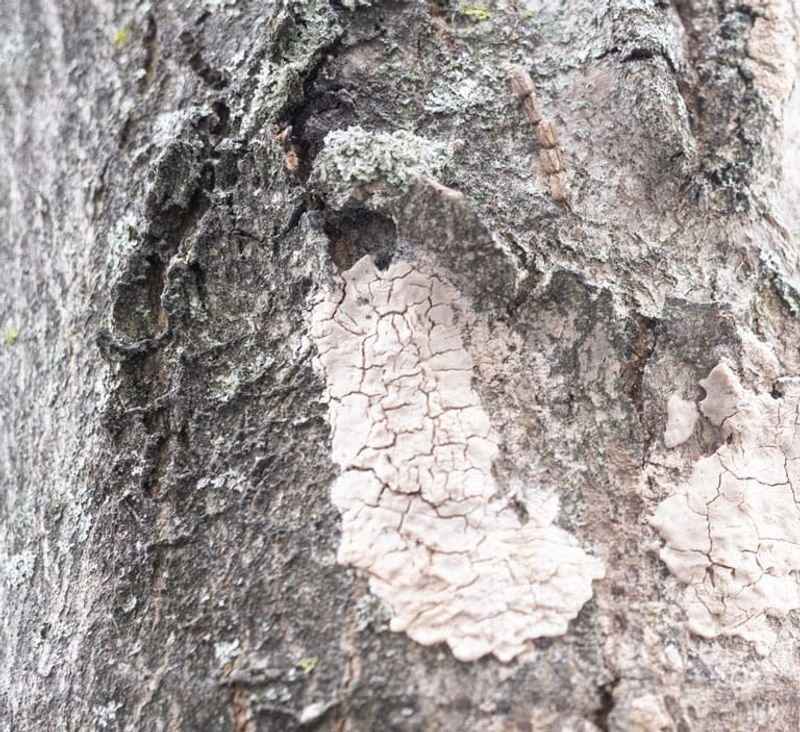
Egg laying generally follows in fall, and the masses can end up on bark, stone, metal, or almost any flat surface nearby. Fresh masses look like a smear of gray mud.
Older masses dry out and crack, sometimes showing rows of seed-like eggs underneath.
Warm autumn weather in Georgia can stretch insect activity later than gardeners farther north would expect, though timing shifts from year to year with temperature and rainfall.
Your Georgia Garden Changes Every Week. Your Plan Should Too.
Gardening in Georgia changes quickly throughout the season. Every Friday you’ll receive a simple weekly plan showing exactly what to plant, prune, fertilize, harvest, and protect so you never miss the right timing.
Because of that, one check in early September is not enough.
Plan a second look in late September and another in October. Repeat visits catch changes that a single glance would miss.
If you travel to states where lanternflies are established, inspect your car and gear before heading home. Hitchhiking is one of the main ways these insects reach new places.
3. They Often Gather Where Sap Is Easy To Reach
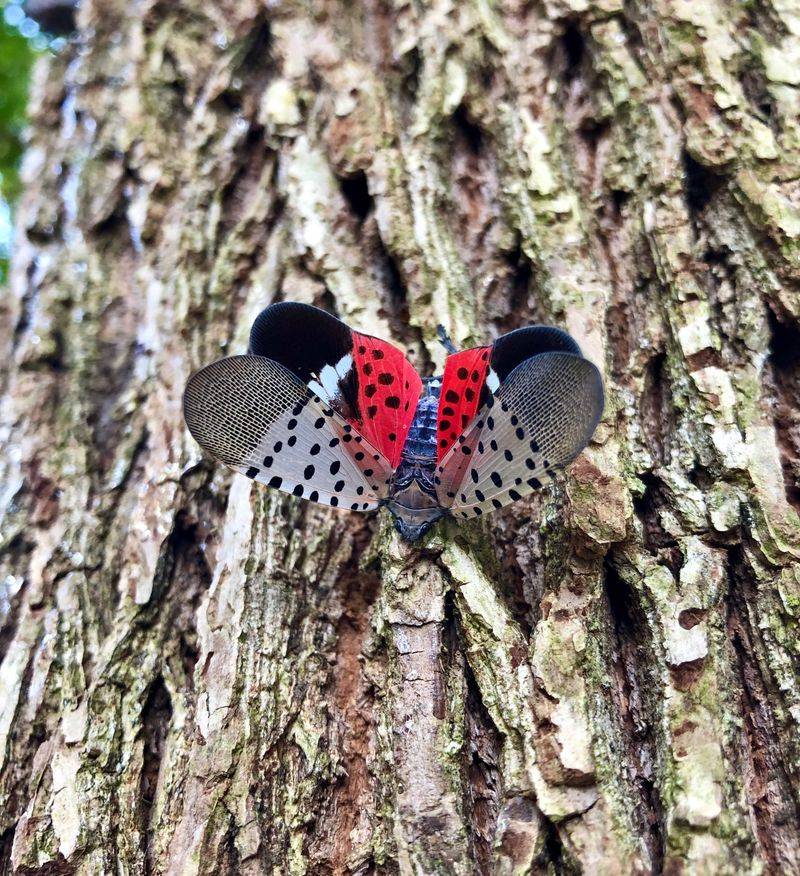
Sap is the whole reason these insects show up in numbers. Their mouthparts work like a straw pushed into soft plant tissue.
Because of that, they favor young stems, thin bark, and trunks that are easy to pierce. Rough, thick bark is harder work for them.
Tree of heaven ranks as their strongest preference.
That invasive tree grows along roadsides, fence rows, and neglected lots in plenty of Georgia neighborhoods, and it often shows up as fast-growing sprouts with long compound leaves. Learning to recognize it helps you know where to look first.
Grapevines, maples, black walnut, willow, and river birch also appear on host lists.
Backyard grape arbors deserve a careful look, since vines have thin, tender stems and growers in affected states have reported real problems.
Scan the underside of leaves too, not just the trunk. Feeding groups sometimes tuck themselves out of direct sun.
Removing tree of heaven is worth considering, but cutting alone usually triggers heavy sprouting from the roots. Ask your county extension office about proper methods before you start.
Do not assume a favorite host means guaranteed infestation.
Presence of the right tree simply raises the odds enough to make regular checking sensible.
4. Sticky Areas Below A Tree Can Be An Early Clue
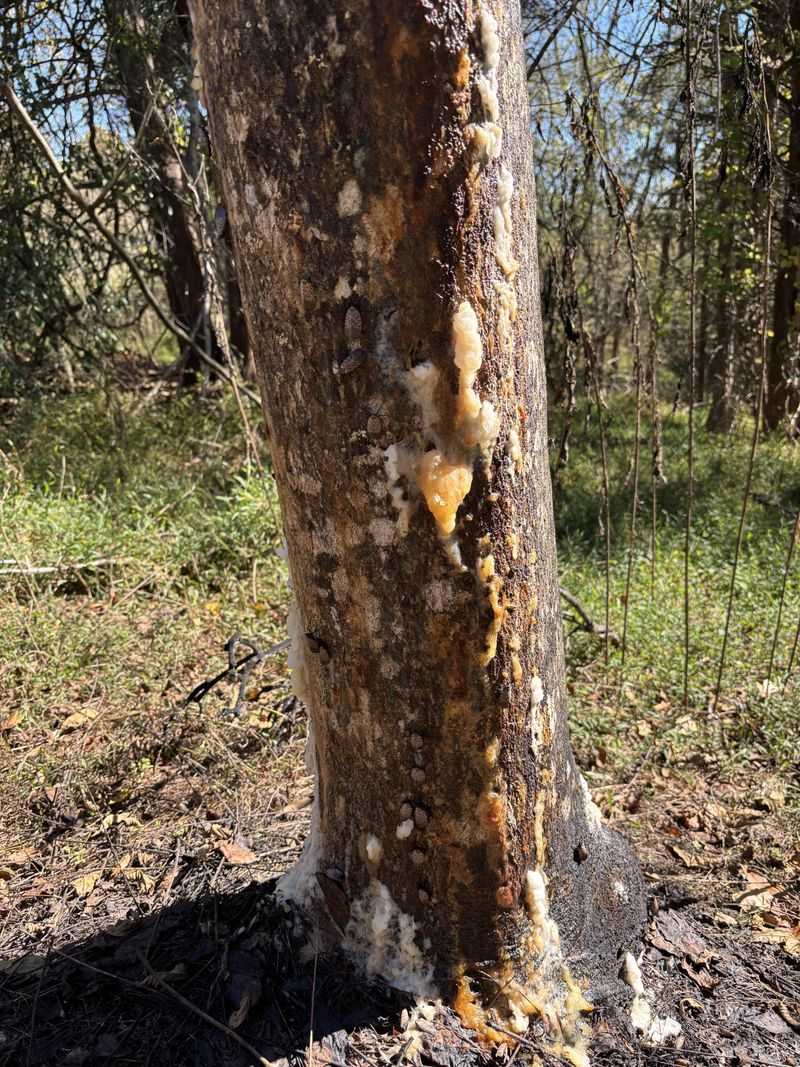
Sometimes the clearest sign is under your shoes, not on the bark. Sap-feeding insects excrete a sugary liquid called honeydew.
It falls straight down, coating whatever sits below. Patio furniture, mulch, car hoods, and low shrubs all end up shiny and tacky.
Rain washes some away, but the stickiness usually returns while feeding continues.
Wasps, hornets, ants, and flies show up quickly for that free sugar, so unusual insect traffic around one tree deserves a second look. Heavy wasp activity near a picnic table often starts overhead.
You may even hear a faint patter on dry leaves during quiet mornings.
Keep in mind that aphids, scale insects, and other sap feeders produce honeydew too, and those are far more common in Georgia yards than lanternflies. Sticky ground alone does not confirm anything.
Follow the clue upward instead of jumping to conclusions.
Look for the insects themselves, then match what you see against photos from a university extension page. Identification beats assumption every time.
Wipe down furniture and grills with warm soapy water before the residue hardens. Waiting makes cleanup harder and attracts more stinging insects.
Parking somewhere else for a few weeks can spare your paint.
5. Dark Patches On Bark And Leaves Can Point To Trouble
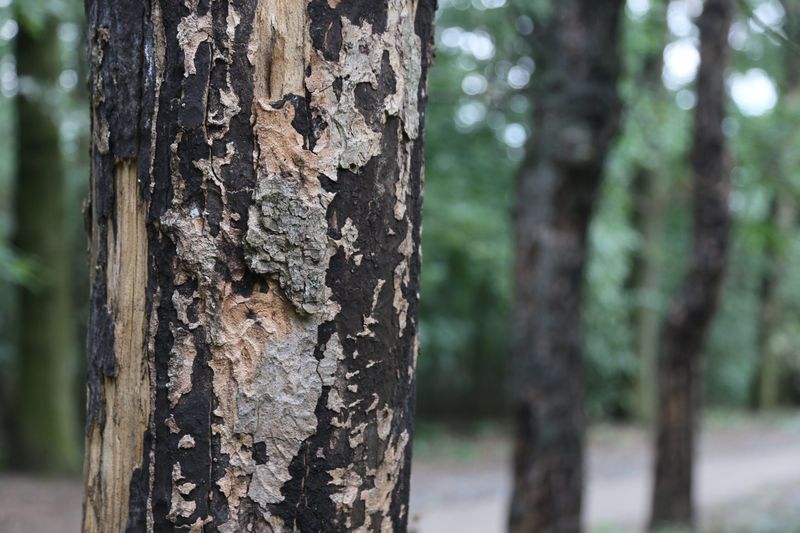
Black, grimy patches on a trunk look alarming, and they usually mean something is feeding above. Sooty mold grows on honeydew.
The fungus itself does not feed on the tree. It simply colonizes the sugary film left behind.
Leaves turn dull and dark where the coating settles.
Heavy sooty mold can block enough light to reduce photosynthesis, which adds stress on top of the feeding damage. Shrubs and groundcover beneath the tree often look worse than the tree itself.
Weeping wounds are another thing to note.
Some trees ooze sap where insects have fed repeatedly, leaving wet streaks that darken as they dry. Those streaks may smell slightly fermented.
Ants marching in a line up the trunk frequently point toward the source, so follow their path with a flashlight if the trunk is shaded.
Not every dark patch signals lanternflies, of course.
Georgia trees deal with plenty of native sap feeders, plus normal lichen growth that can look like discoloration to an untrained eye. Lichen is flat, crusty, and often gray or green rather than sticky black.
Rub a small spot with a damp cloth to test.
Sooty mold smudges and lifts, while lichen stays put.
6. Checking More Than One Tree Gives You A Better Picture
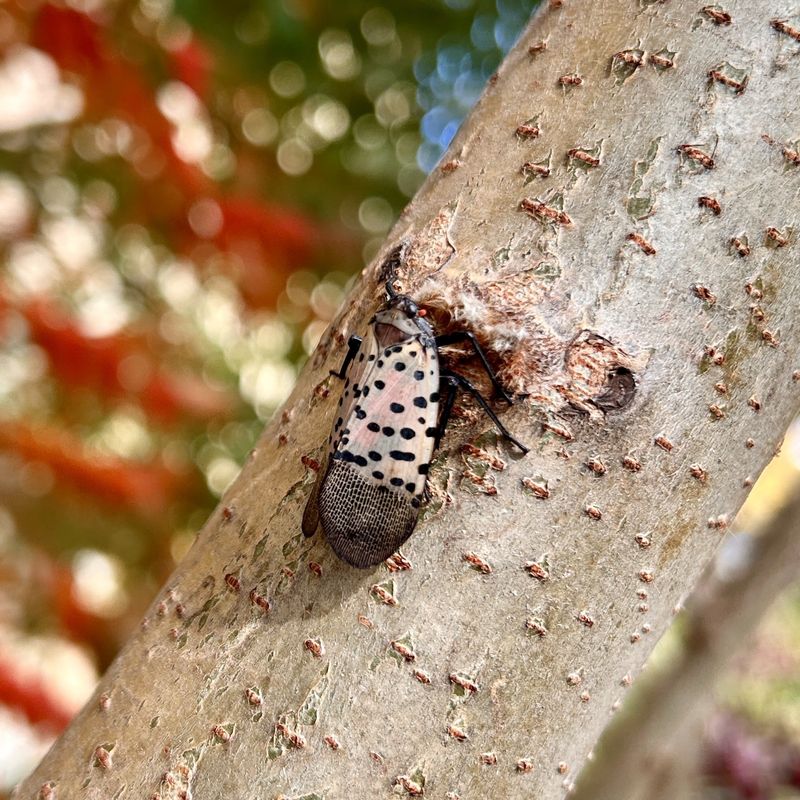
One clean trunk proves very little. Insects rarely spread evenly across a yard.
Sun exposure, tree species, age, and even wind patterns push them toward certain spots. A maple near the street might hold dozens while an identical tree out back holds none.
Walk a loop instead of stopping at your favorite shade tree.
Include property edges, fence lines, wood piles, and any scrubby corner you normally ignore. Neglected areas often shelter the host plants these insects prefer.
Bring a flashlight even in daylight.
Side lighting reveals texture on bark, which makes flat egg masses and resting adults stand out. Phone flashlights work fine for this.
Comparing several trees also helps you separate real problems from normal variation, since a single stressed tree usually has a different cause. Drought, root damage, and construction stress look nothing like insect feeding once you compare.
Talk to neighbors while you are out there.
Pest reports across parts of Georgia have often come from clusters of nearby homeowners noticing the same thing in the same week. Shared observations build a clearer map than one yard ever could.
Write down which trees you checked and the date.
Notes make your next walk faster and far more useful.
7. Regular Checks Can Make New Activity Easier To Catch
Habit beats intensity here. Five minutes a week tells you more than one long inspection in November.
Baseline knowledge is the real benefit. Once you know how your bark normally looks, anything new jumps out.
Pick a regular time, like Saturday morning before the heat builds.
Bring your phone and photograph anything odd from two distances, one close and one wide. Scale and context both help identifiers.
Report suspected sightings to the Georgia Department of Agriculture or your local extension office rather than acting on your own. Trained staff can confirm identity and advise on next steps.
Scraping egg masses into a sealed bag is commonly recommended in affected states, though guidance varies by region.
Ask before you scrape, because officials sometimes want the specimen intact for confirmation.
Avoid homemade sprays and internet remedies. Several have damaged plants, harmed pets, or injured beneficial insects without helping much.
Sticky bands on trunks can trap birds and squirrels unless properly caged, so skip them unless you follow current instructions closely.
Consistency also pays off for problems that have nothing to do with lanternflies.
Borer holes, girdling roots, storm cracks, and scale insects all show up during routine walks. Catching those early usually means simpler fixes and healthier trees next spring.