Want More Butterflies This Fall? These Florida Natives Start Paying Off In September
Most gardens hit a lull right about now. Spring’s burst of activity is long gone, summer flowers are fading fast, and the butterflies that used to be everywhere seem to have thinned out along with them.
It’s easy to chalk this up as just how fall goes. It doesn’t have to.
Certain plants are only now hitting their stride, timed almost perfectly to Florida’s fall bloom cycle and the migration patterns moving through the state this time of year.
Get the right ones in the ground, or already established from earlier in the season, and September turns into one of the busiest stretches of butterfly activity all year instead of the slow fade most yards experience.
The trick is knowing which plants actually deliver during this window, because not every butterfly favorite blooms on the same schedule. Here’s what’s worth having in the ground right now.
1. Firebush Lights Up Fall With Butterfly-Attracting Blooms
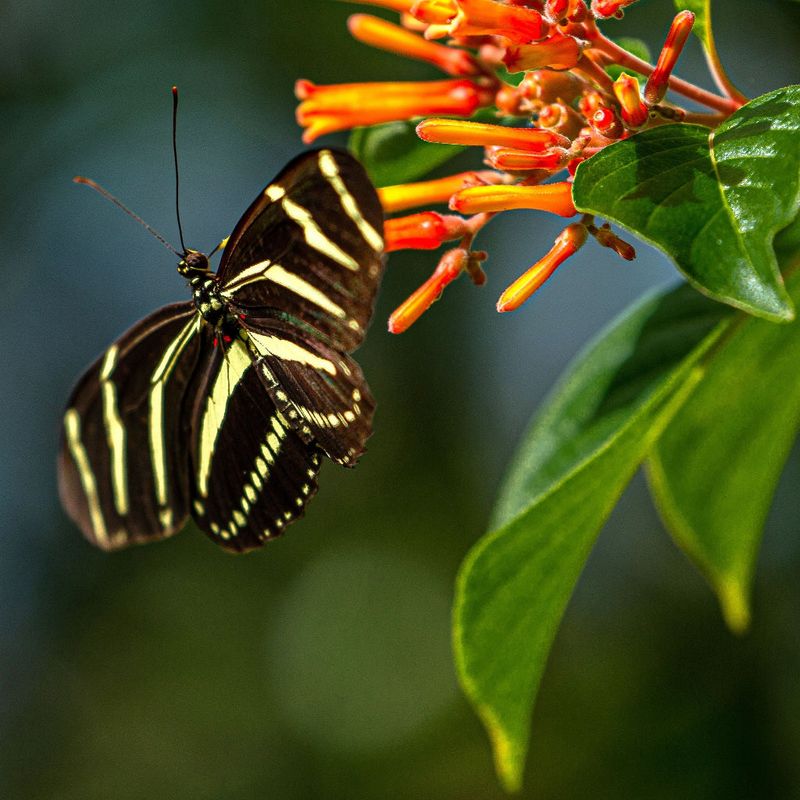
Zebra longwings treat a mature firebush like a favorite diner. The tubular red-orange flowers hold nectar deep inside, which suits long tongues and hovering hummingbirds perfectly.
Hamelia patens goes by scarletbush and firecracker shrub, and both nicknames fit. Blooms start in late spring and keep coming through fall, with September often looking like the peak of the whole run.
Give it a sunny spot with room to stretch. Left alone, it can become a large shrub, often reaching several feet tall and wide in warm Florida conditions.
Soil is rarely a dealbreaker here. Sand, clay, or amended beds all work, and once the roots settle in, the shrub shrugs off heat and long dry stretches without much fuss.
Gulf fritillaries, sulphurs, and long-tongued bees join the crowd, so a single plant can feel like a whole habitat. Small dark berries follow the flowers, and mockingbirds and cardinals happily clean them up.
Try it as a loose hedge along a fence or as the tall anchor in a mixed border. Avoid heavy nitrogen feeding, which can encourage leafy growth at the expense of flowers.
Look for the true native form with smaller leaves and slimmer flowers, not the compact dwarf sold at big-box stores.
2. Coral Honeysuckle Brings Vertical Color And Pollinator Activity
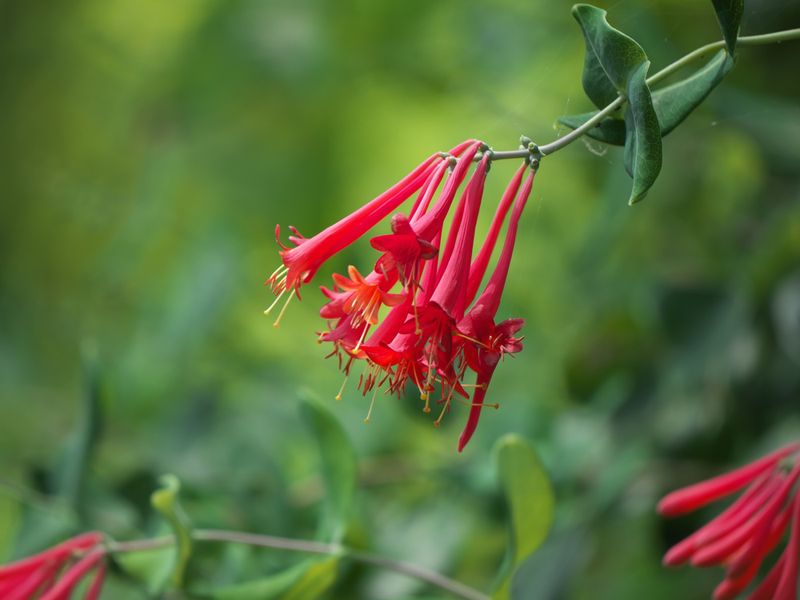
Fences and blank walls are wasted space, and coral honeysuckle fixes that fast. Slender coral-red trumpets dangle in clusters along twining stems, catching the eye from across the yard.
Lonicera sempervirens is the well-behaved cousin of that invasive Japanese honeysuckle everyone complains about. It climbs politely, stays where you put it, and does not swallow neighboring shrubs.
Flowering runs through the warm months and carries into fall, so September visitors find plenty waiting. Butterflies sip at the openings, bees crawl in headfirst, and hummingbirds patrol the vine like tiny guards.
Bright red berries form from late summer onward. Songbirds strip them quickly, which means one plant feeds two very different crowds in the same season.
In warmer parts of the state it may remain evergreen, while colder areas can see seasonal leaf drop. Up in the Panhandle, a cold snap may drop them, but new growth returns by spring without any help from you.
Your Florida Garden Changes Every Week. Your Plan Should Too.
Gardening in Florida changes quickly throughout the season. Every Friday you’ll receive a simple weekly plan showing exactly what to plant, prune, fertilize, harvest, and protect so you never miss the right timing.
Full sun brings the heaviest bloom, though light shade still produces flowers. Slightly acidic, reasonably drained soil suits it best, and most Florida yards already qualify.
Train it up an arbor, let it scramble over a mailbox post, or use it as a sprawling groundcover on a slope where erosion is a problem. Snip stray stems anytime to keep things tidy.
3. Tropical Sage Keeps Butterflies Returning Through Warm Weather
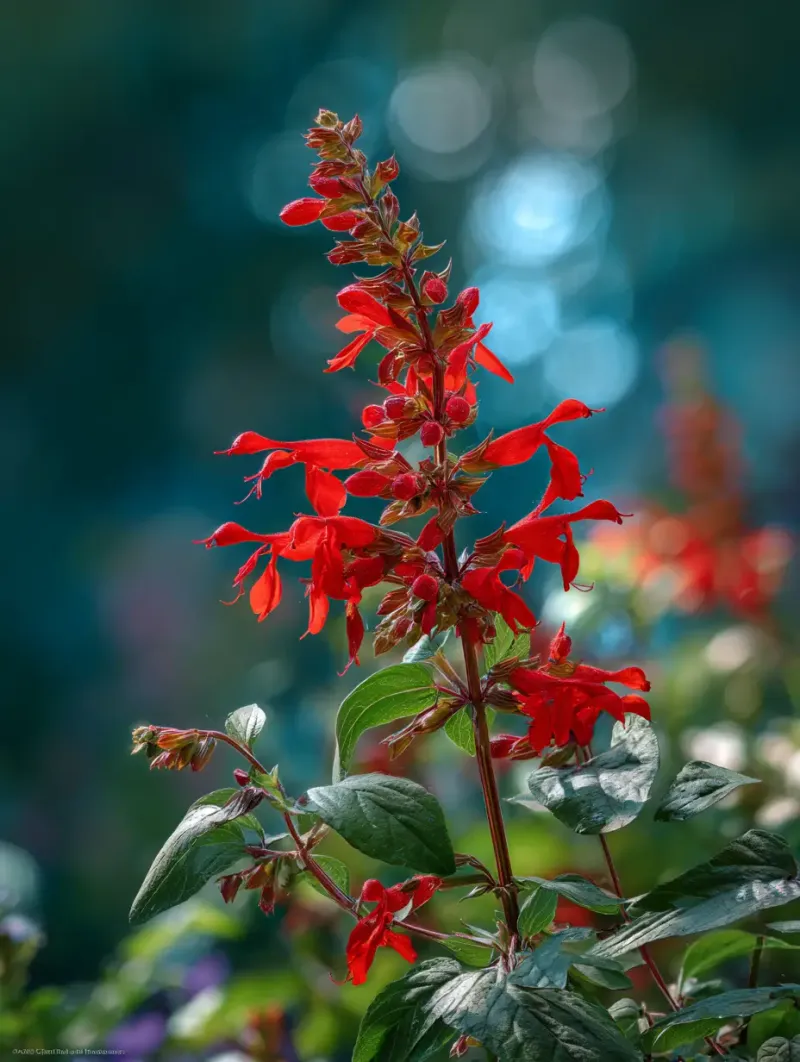
Some plants earn their keep quietly, and tropical sage is one of them. Slim scarlet flowers ride along upright spikes, opening a few at a time so the buffet lasts for weeks.
Salvia coccinea answers to scarlet sage and blood sage. In warm parts of Florida it can bloom for much of the year, especially when moisture is consistent.
Big butterflies like swallowtails and monarchs stop by, along with native bees and ruby-throated hummingbirds during migration. Because the plant stays around 2 to 4 feet tall, the action happens right at eye level.
Here is the part gardeners love: it reseeds itself. Seedlings pop up nearby all year, so one small plant often becomes a cheerful patch by the following season.
Full sun to light shade works, and soil can range from moderately dry to moist as long as water drains away. Once established, it handles dry spells with little complaint.
Pinch spent flower stalks to encourage another flush, or leave a few to ripen seed for volunteers. A quick shear in midsummer keeps stems from getting leggy.
Tuck it between milkweed and coreopsis, and you have a low-cost nectar layer that fills gaps whenever something else finishes blooming.
4. Native Milkweed Gives Monarchs A Place To Thrive
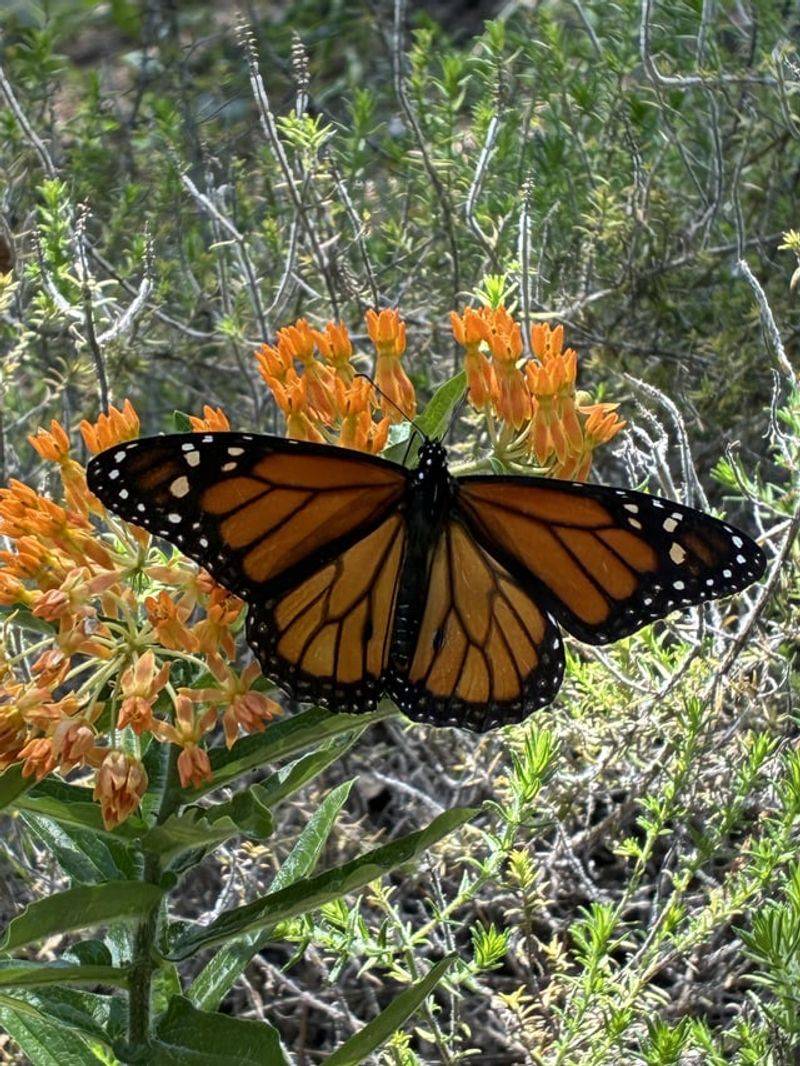
Without milkweed, monarch caterpillars have nowhere to develop, making these plants essential for monarch breeding habitat.
Caterpillars of that famous orange traveler eat nothing else, which makes this group the single most important plant family in a butterfly garden.
Two Florida natives are worth hunting down. Butterflyweed (Asclepias tuberosa) opens bright orange and yellow clusters from late summer into early fall, while swamp milkweed (Asclepias perennis) handles damp ground and soggy corners.
Queen and soldier butterflies use the same leaves for their young, so a small patch can support three species at once. Adults of many kinds visit for nectar too.
Expect chewed foliage, and celebrate it. Ragged plants mean caterpillars found your garden, and the leaves regrow once the crowd moves on.
Plant at least six to nine stems if you can. A lone plant gets stripped in days, while a group keeps hungry caterpillars fed through their whole growth stage.
Full sun suits them best. Heavy, waterlogged clay is the main trouble spot for butterflyweed, which prefers sandy or well-drained ground and shrugs off dry weeks.
Skip the tropical milkweed with red and yellow flowers if you can find natives instead, since natives follow Florida’s natural rhythm. And leave the pesticides on the shelf, because caterpillars cannot tell the difference between pests and themselves.
5. Florida Native Porterweed Keeps Butterflies Coming Back
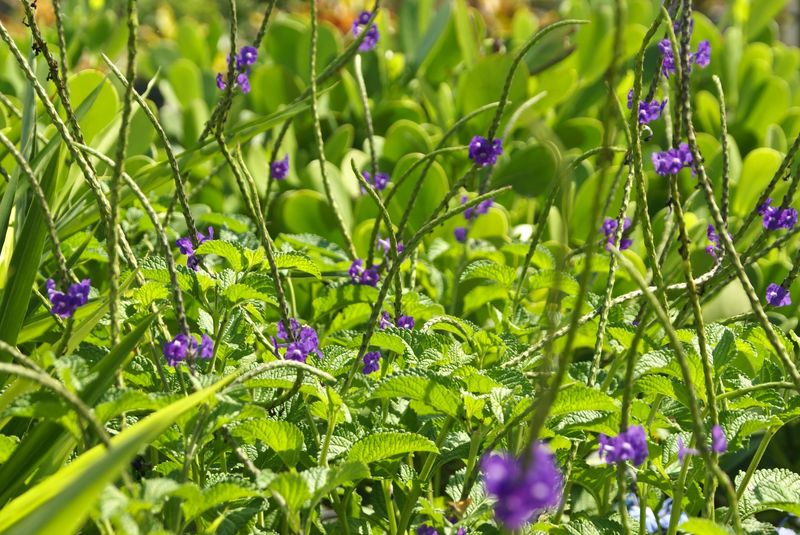
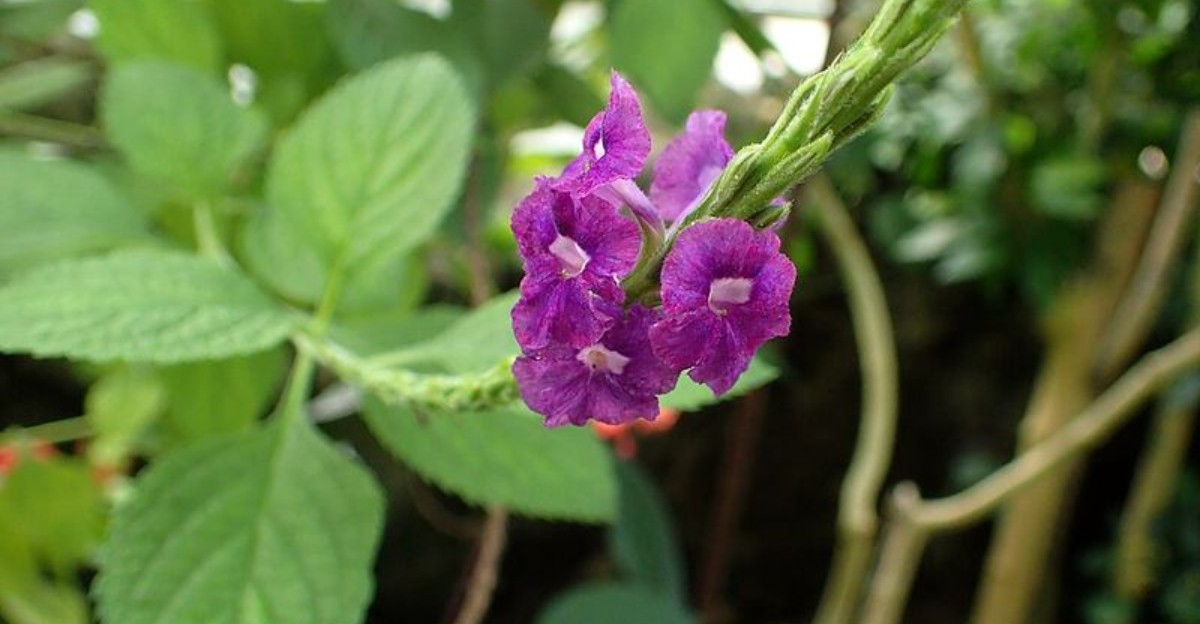
Florida native porterweed (Stachytarpheta jamaicensis) is the kind of plant that quietly becomes a butterfly garden favorite. It does not need flashy blooms to get attention.
Small purple-blue flowers line its slender spikes, creating a steady nectar source that keeps pollinators stopping by.
Unlike many plants that put on one big show and fade away, porterweed can flower for long stretches in Florida’s warm climate. That makes it especially valuable when other garden favorites slow down and butterflies still need reliable feeding spots.
Swallowtails, skippers, and other nectar-loving butterflies visit the tiny flowers, while native bees join the crowd. The blooms open gradually along each spike, giving insects fresh places to feed instead of everything appearing at once.
This low-growing native works beautifully along borders, pathways, and mixed pollinator beds. Give it full sun for the heaviest flowering, along with well-drained soil and regular water while it settles in.
Once established, it handles heat well and can recover quickly after trimming or occasional stress.
Porterweed also responds well to pruning. A light cutback keeps the plant bushy, encourages fresh growth, and creates even more flowering stems for butterflies to find.
Pair it with milkweed, firebush, and tickseed, and you build a layered garden where pollinators can find food throughout the season instead of only during spring’s biggest bloom.
6. Florida Tickseed Adds Bright Color When Seasons Begin To Shift
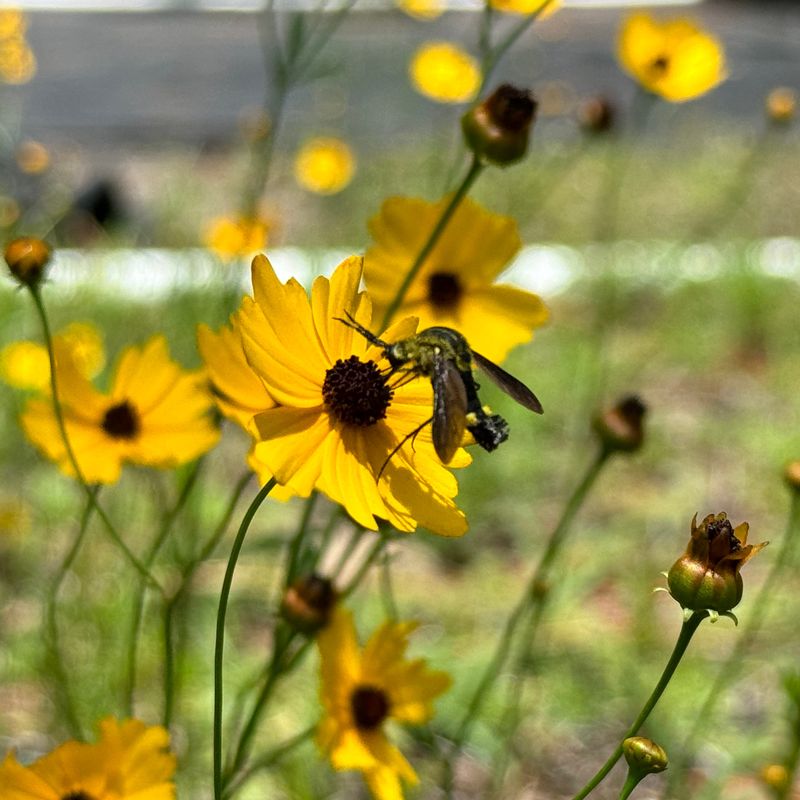
Fun fact for your next trivia night: coreopsis is Florida’s official state wildflower, and the state honors the whole group rather than a single species. Twelve natives grow here, which gives gardeners plenty of options.
Most people know it as tickseed, thanks to seeds that look like little insects. The flowers themselves are pure cheer, usually golden yellow with dark centers, though red, orange, pink, and white forms exist.
Spring and summer bring the heaviest bloom, but several species carry into fall, and in warmer parts of the state some keep going nearly year-round. That overlap matters when September arrives and other flowers fade.
Skippers, buckeyes, painted ladies, and monarchs all land on those flat golden faces. Honeybees and native bees work the centers for pollen at the same time.
Care is close to effortless. Full sun to partial shade, well-drained soil, and occasional water during the first few months are about all it asks.
Trimming keeps new buds coming, but leave the last round to ripen. Seeds drop, seedlings appear, and the patch quietly renews itself each year.
Scatter it along a walkway or mix it into a meadow-style strip. The bright yellow makes purple and blue neighbors look even better.
7. Swamp Sunflower Delivers Golden Blooms Late Into The Year
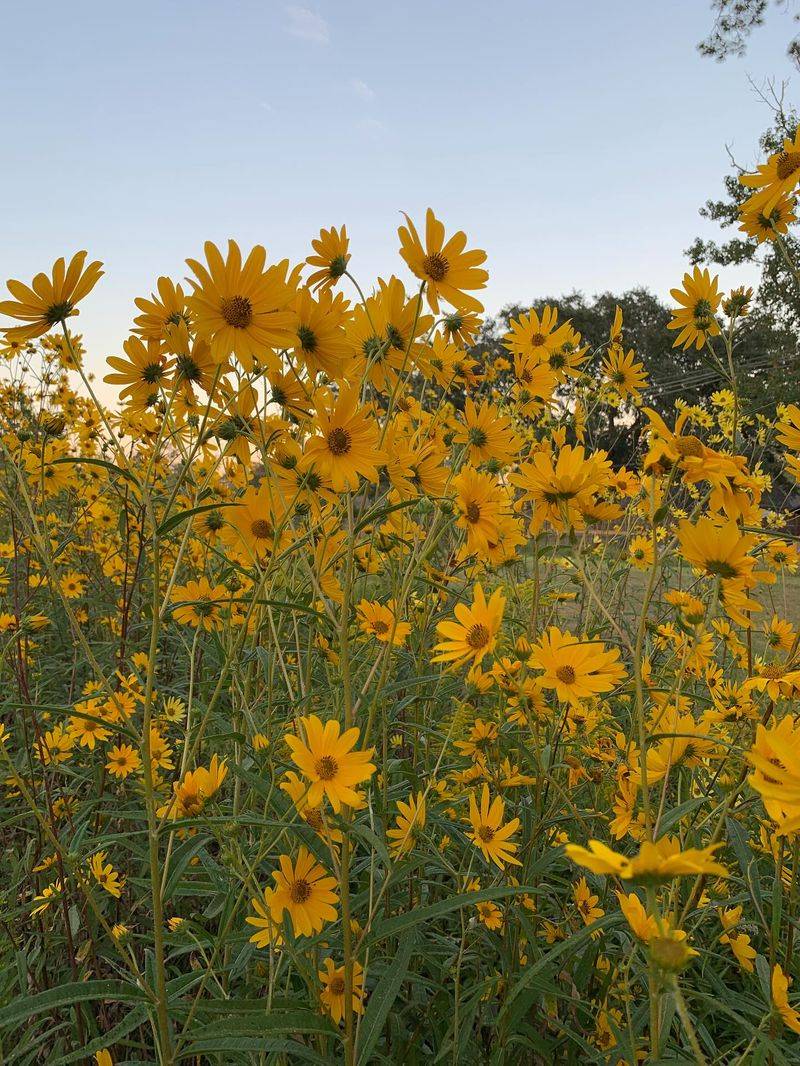
Come October, swamp sunflower turns into a wall of gold that stops traffic. Helianthus angustifolius naturally reaches its peak flowering period in late summer and fall.
Narrow, willowy leaves line stems that can climb 5 to 8 feet, sometimes taller in rich soil. Then hundreds of small yellow daisies open at once across the top.
Butterflies, bees, and beetles pile onto the flat flower faces because landing is easy and pollen is plentiful. Later, goldfinches and other seed eaters pick the spent heads clean.
Despite the name, it does not need a swamp. Moist ditches and pond edges suit it beautifully, yet it also grows in ordinary garden beds with regular watering.
Height is the main thing to manage. Cutting the stems back by about a third in June or July keeps plants sturdier and less likely to lean after storms.
Place it toward the back of a border or along a fence where the tall stems have support. It spreads slowly by underground shoots, forming a wider clump each year.
Full sun brings the best flower count. Pair it with blazing star and goldenrod for a fall color combination that looks planned even when nature does most of the work.
8. Goldenrod Creates A Late-Season Buffet For Pollinators
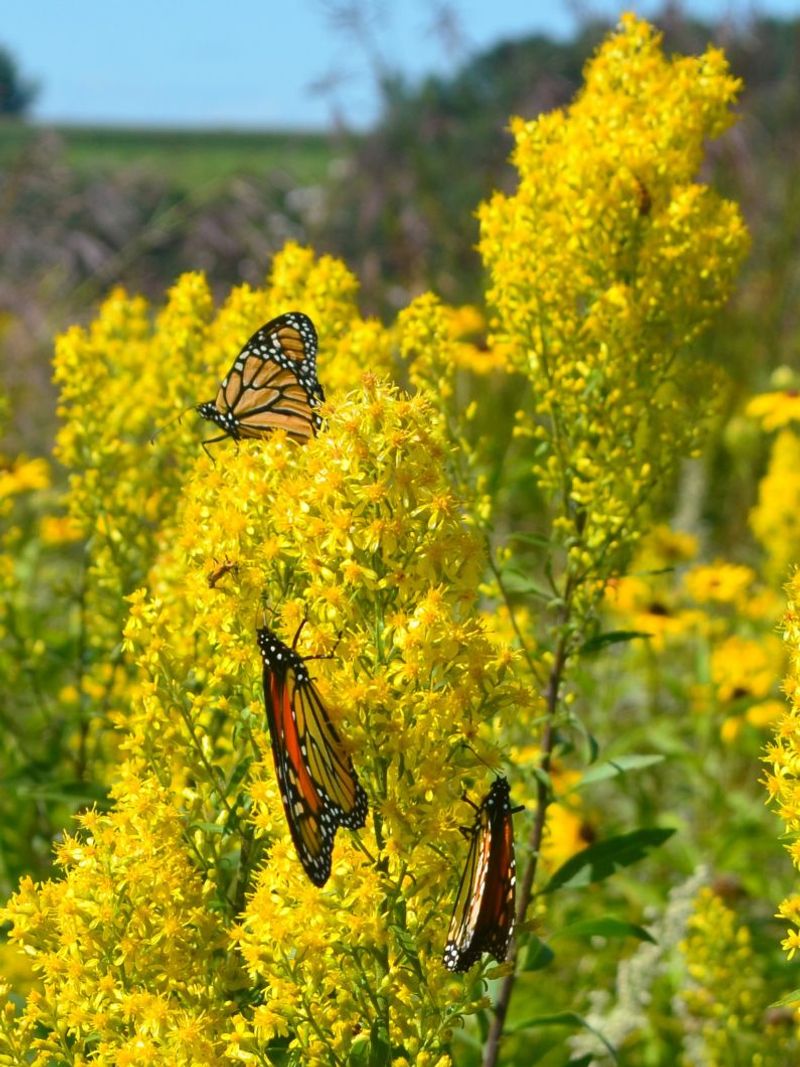
Time to clear goldenrod’s name. Hay fever gets blamed on it every autumn, yet its pollen is heavy and sticky, carried by insects rather than wind.
Ragweed is the main culprit behind many fall pollen allergies, while goldenrod pollen is usually too heavy to travel far through the air.
Florida hosts dozens of native Solidago species. Their arching plumes of tiny golden flowers open from late summer through fall, and in warm regions some keep going into winter.
Insects treat these plumes as a last big meal before cooler weather. Butterflies, bees, wasps, beetles, and a parade of tiny beneficial insects all crowd the blooms.
Seaside goldenrod (Solidago sempervirens) is the showiest for coastal gardens, with thick leaves that handle salt spray and sandy soil. Tall goldenrod (Solidago altissima) reaches up to 8 feet inland and pulls in enormous pollinator numbers.
Both spread, so give them elbow room or plant them in a naturalized strip. Dividing clumps every couple of years keeps the patch manageable and gives you free plants.
Full sun, lean soil, and minimal water are all they need. Fertilizer just encourages floppy stems.
Leave the stalks standing through winter if you can. Hollow stems shelter small native bees, and the seed heads feed birds long after the gold has faded.
9. Blazing Star Adds A Purple Burst Butterflies Can’t Ignore
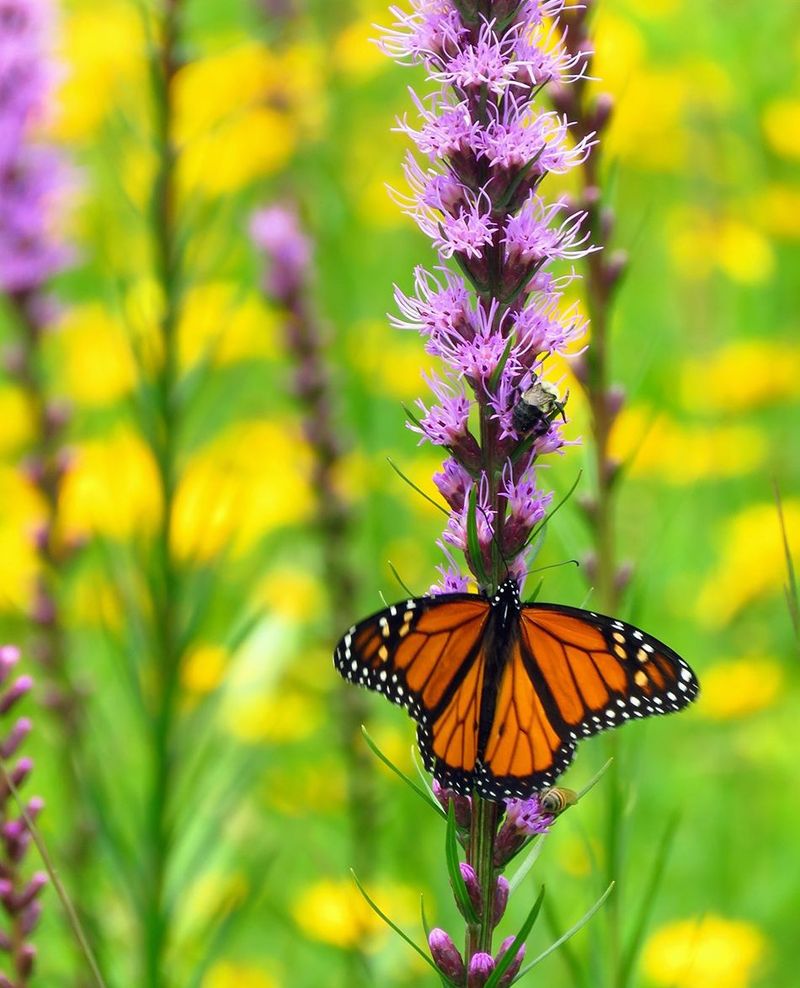
Few Florida wildflowers command attention like a stand of blazing star in September. Tall spikes covered in fuzzy purple florets rise straight up, and butterflies find them from a surprising distance.
Liatris species, sometimes called gayfeather, grow wild in pine flatwoods, prairies, and sandhills across the state. Depending on the species, plants reach anywhere from 1 to 6 feet.
The visitor list reads like a butterfly guidebook: monarchs, tiger swallowtails, silver-spotted skippers, red admirals, painted ladies, and several sulphurs. Bees and hummingbirds add to the crowd.
Timing is what makes it valuable. Many Liatris species bloom from summer into fall, providing nectar during a valuable part of the butterfly season.
Growing it is refreshingly simple. Full sun, decent drainage, and patience during the first season are enough, and mature plants tolerate heat, humidity, occasional wet roots, and poor soil.
Spikes bloom from the top down, which is unusual and fun to watch. Staking may help the tallest types in windy spots, though a group planting lets stems lean on one another.
Deer generally leave it alone. Plant it in clusters of five or more, and the purple columns will read as a bold statement rather than a few stray sticks.