The One Thing Michigan Gardeners Must Do To Peonies Before September Ends
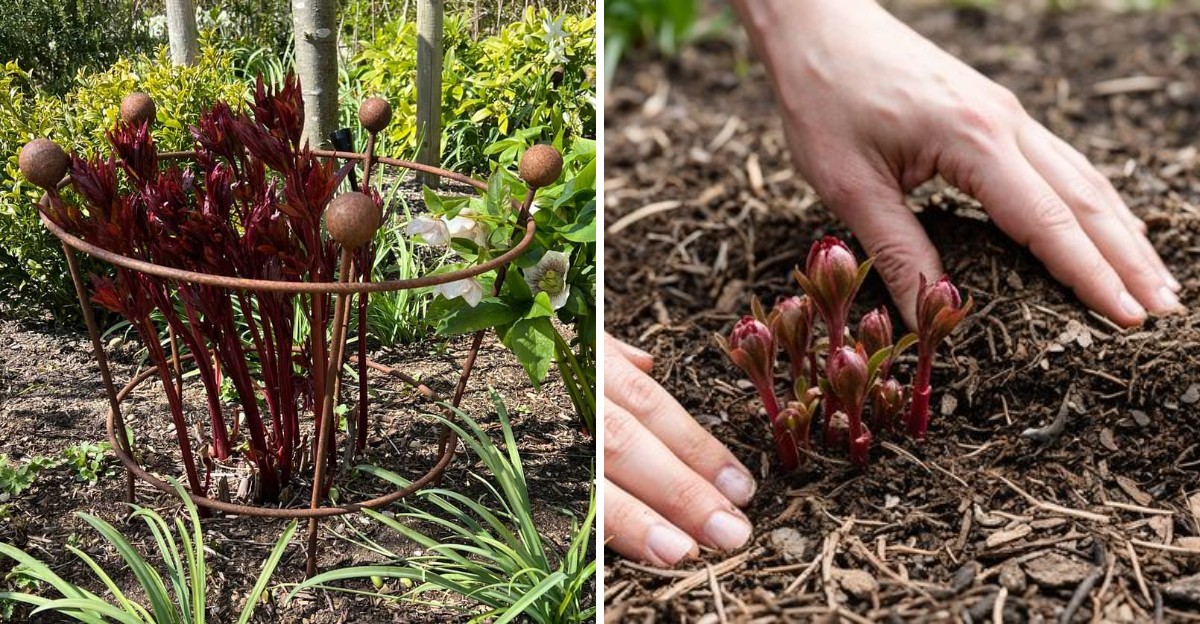
Peonies are famously low-maintenance perennials in Michigan gardens, but one fall task plays a big role in keeping them healthy and disease-free for years to come.
As peony foliage begins to wilt back, it can harbor fungal spores responsible for botrytis blight, a common disease that affects peonies the following spring if the old foliage is left in place over winter.
Cutting the foliage down to the ground and properly disposing of it, rather than composting it, helps prevent those spores from surviving and reinfecting new growth next season.
Skipping this step is one of the most common reasons peonies struggle with recurring disease year after year.
Here’s the one thing Michigan gardeners should do to their peonies before September comes to a close.
1. Remove Peony Foliage At The Right Time
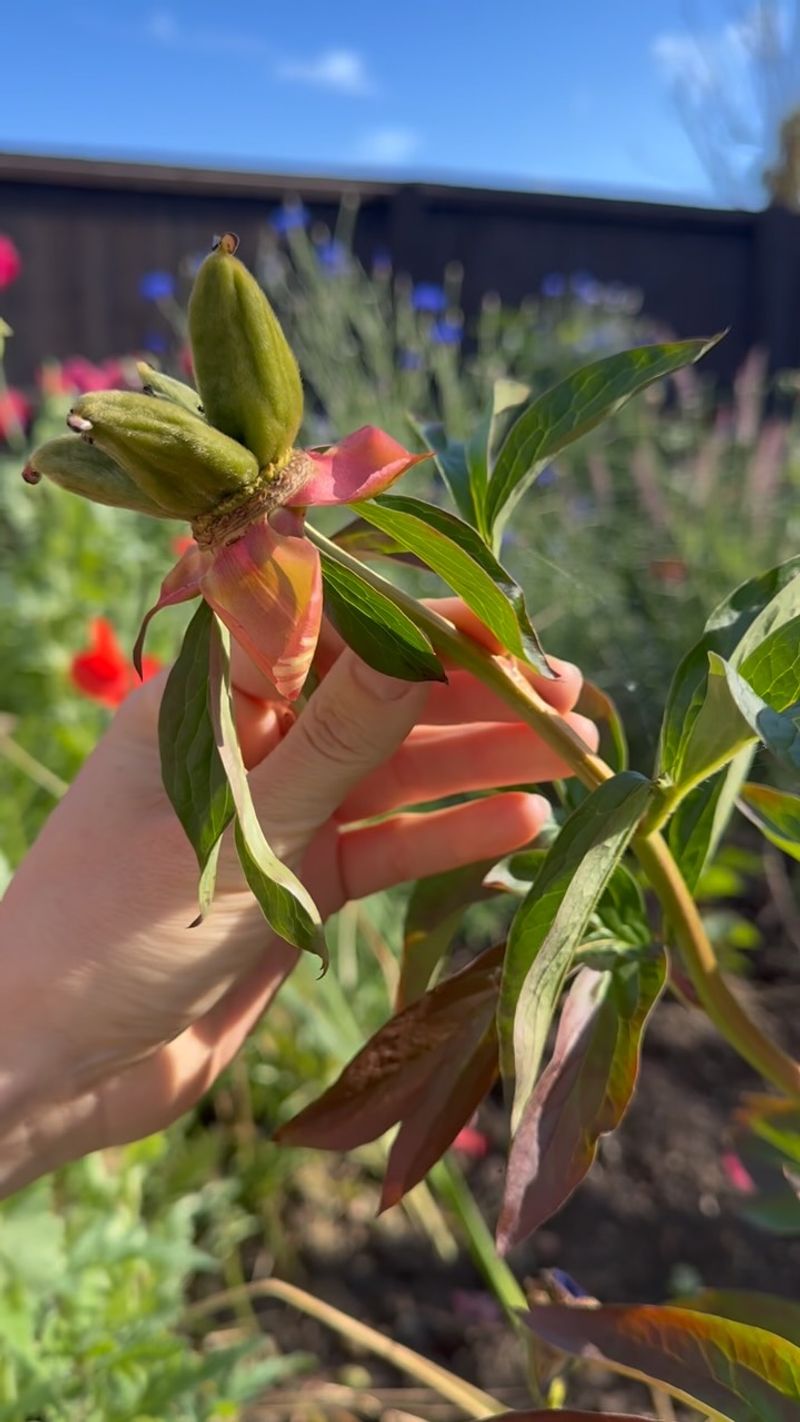
Timing matters more than most gardeners realize when it comes to cutting back peonies. Those big green leaves are still hard at work in late summer, soaking up sunlight and sending energy down into the roots.
If you rush in and snip everything back while the leaves are still green, you rob the plant of its chance to build strength. That stored energy is exactly what fuels those giant, colorful blooms next spring.
Michigan gardeners should wait until the foliage naturally fades to yellow or brown before reaching for the shears.
By late September, most peony leaves start to slump and lose their color on their own. That is the plant telling you it has finished its work for the season.
Once the foliage looks tired and washed out, you can safely trim it back without any worry.
Patience really pays off here. Gardeners who wait often notice bigger, healthier flowers the following year compared to those who cut early.
Think of the leaves as tiny solar panels that keep charging the roots until the very end.
Keep an eye on the weather too. A light frost usually speeds up the natural fading, giving you a clear signal that the time is right.
Watching your plant instead of following a strict calendar date leads to the best results.
Give your peonies the full growing season they deserve. When you let the leaves finish their job, you set the stage for a stunning spring display that rewards your patience beautifully.
2. Cut Foliage Down To Ground Level
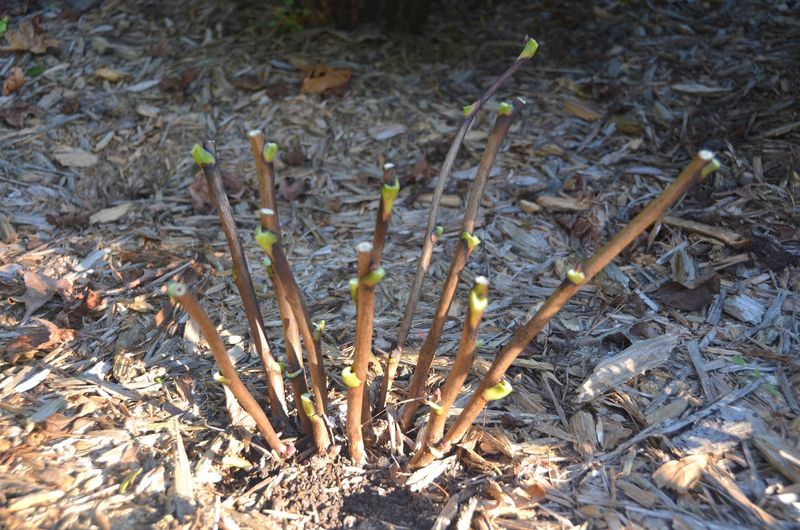
Once the leaves have faded and lost their color, it is time to give your peonies a proper trim. Cutting the stems and leaves down close to the soil line does more than tidy up your flower bed.
This low cut helps get rid of old plant material that can harbor problems over winter. Damp, decaying foliage left standing tends to trap moisture and invite trouble when spring returns.
Aim to snip each stem about an inch or two above the ground. Use clean, sharp pruners so you make smooth cuts instead of ragged tears. Ragged edges can create openings where problems sneak in.
A clean cut also makes your spring garden much easier to manage. When the new red shoots push up next year, they will have plenty of open space without last year’s tangled stems blocking the way.
Your Michigan Garden Changes Every Week. Your Plan Should Too.
Gardening in Michigan changes quickly throughout the season. Every Friday you’ll receive a simple weekly plan showing exactly what to plant, prune, fertilize, harvest, and protect so you never miss the right timing.
Bag up or haul away all the trimmed material rather than letting it pile around the base. Clearing the area keeps the crown open to fresh air and sunlight as the season changes.
Many Michigan gardeners find this fall chore surprisingly satisfying. There is something rewarding about seeing a neat, cleared bed ready to rest for the winter months ahead.
Doing this before September ends means you finish the task while the weather is still pleasant. Nobody wants to be crouching in cold, wet soil later on.
A quick trim now sets your peonies up for a smooth, healthy start when warmer days arrive again.
3. Remove Diseased Leaves From The Garden

Not every peony leaf looks perfect by the end of summer, and that is worth paying attention to. Spots, blotches, or fuzzy patches on the foliage often point to a fungal problem creeping in.
Leaving those troubled leaves around the crown gives the problem a cozy place to spend the winter. When spring arrives, the same issue can wake up and spread to fresh new growth.
Look closely as you clean up your plants. Brown or purple spots, wilted patches, and grayish mold are all signs that a leaf should be pulled and taken away from the bed.
Gather every affected leaf you can find, including any that have fallen onto the soil. Even a single leftover leaf can carry enough trouble to cause a fresh outbreak later on.
Wash your pruners between cuts if you notice heavy spotting. A quick wipe with a cleaning solution stops you from carrying the problem from one plant to the next.
Clearing away sick foliage is one of the smartest fall habits a Michigan gardener can build. It breaks the cycle that lets these problems return year after year.
Healthy peonies start with a clean growing space. When you remove the troubled leaves before September ends, you give your plants a much better shot at coming back strong and spotless.
Think of it as a fresh reset for your flower bed. A little effort with cleanup now saves you plenty of frustration when the growing season kicks off again.
4. Do Not Add Diseased Peony Leaves To Compost
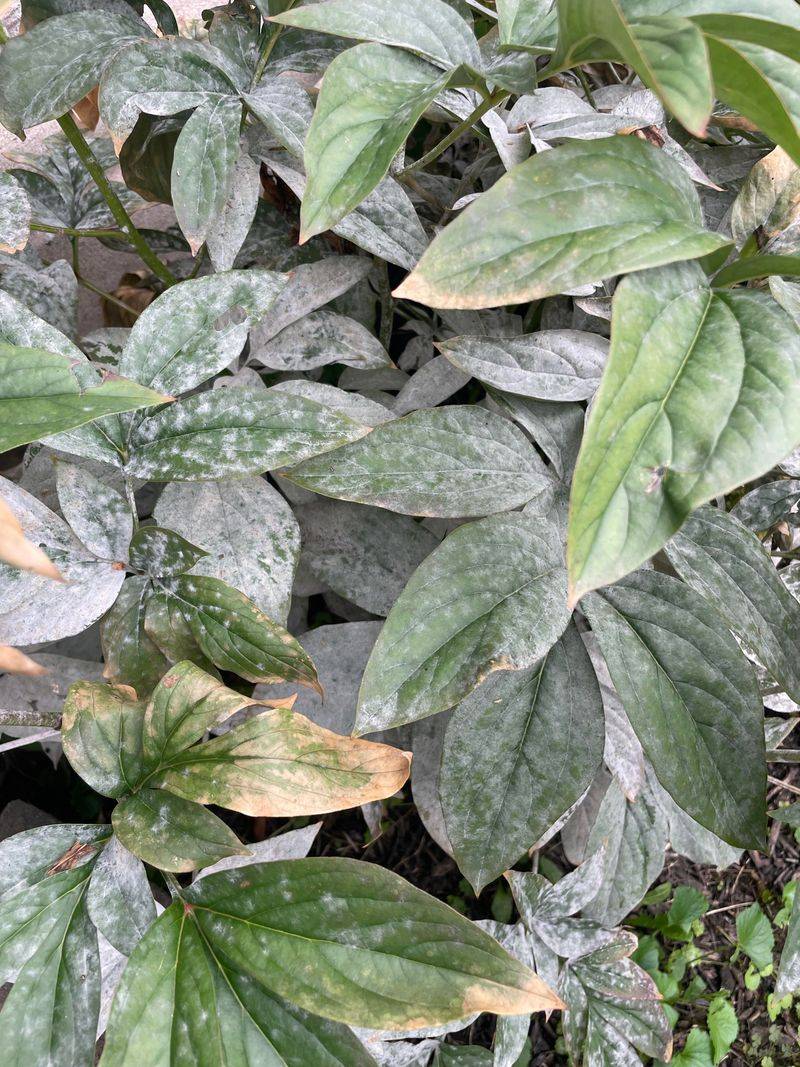
Composting feels like the natural thing to do with garden trimmings, but sick peony leaves are a different story. The problems hiding on those leaves can survive far longer than you might expect.
Most backyard compost piles never get hot enough to break down these stubborn fungal spores. A proper hot pile needs to reach high temperatures deep inside, and home setups rarely hit that mark.
When the pile stays cool, the trouble simply waits. Later, when you spread that finished compost around your garden, you could be scattering the very problem you worked so hard to remove.
Toss diseased peony foliage in the trash or your yard waste pickup instead. Municipal facilities often reach much higher temperatures than a small home pile ever could.
Healthy trimmings are a different matter entirely. Leaves and stems with no spots or mold can safely join your compost and turn into rich material for next year.
The key is sorting as you clean. Keep a separate bag for anything that looks troubled and another for the clean green material you want to save.
This simple habit protects not just your peonies but everything growing nearby. Some fungal problems spread to other plants once they take hold in your soil.
Being picky about what goes in the compost pays off big. A few seconds of sorting now keeps your garden free of recurring headaches and lets your peonies thrive season after season without carrying old troubles forward.
5. Avoid Heavy Fall Fertilizer
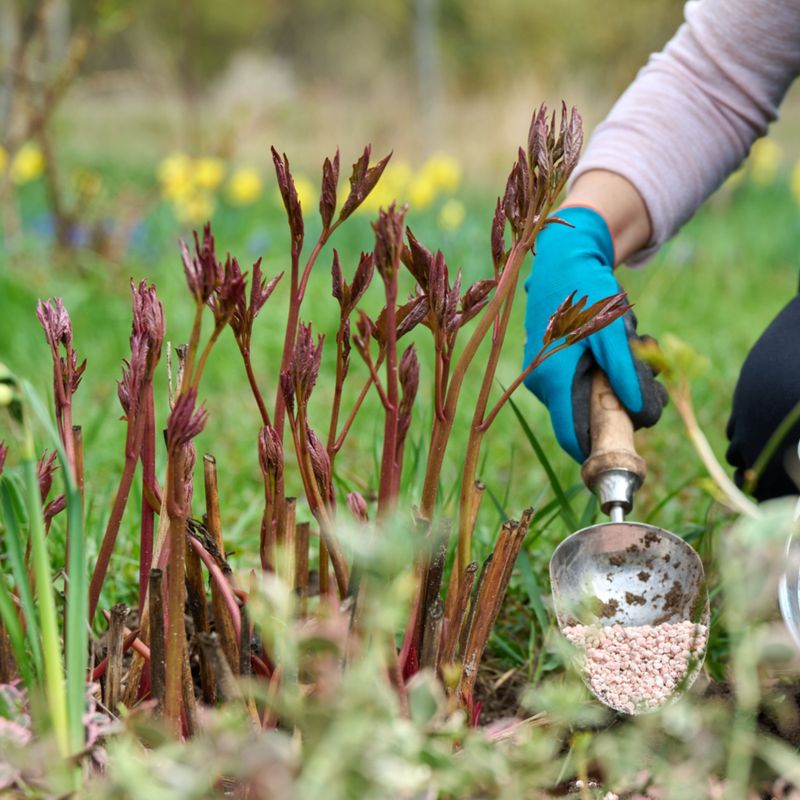
It might seem helpful to feed your peonies a big meal before winter, but heavy fertilizer in fall usually backfires. These plants are getting ready to rest, not to grow.
Nitrogen-rich fertilizer pushes plants to sprout soft, tender new growth. That fresh growth has no time to toughen up before the cold Michigan weather rolls in.
Weak, soft tissue struggles once frost arrives. Instead of helping, a late feeding can leave your peonies more fragile heading into the toughest months of the year.
Peonies are pretty low-maintenance when it comes to feeding. They do best with a light nourishment in early spring rather than a heavy dose as the season winds down.
If your soil is already rich, your peonies may not need extra feeding at all. Adding too much can encourage lots of leaves but fewer of those showstopping blooms you love.
Hold off on the fertilizer bag this fall and focus on cleanup instead. Your plants will benefit more from a tidy, open crown than from an unwanted growth spurt.
When spring returns, that is your window to feed. A balanced, gentle boost as new shoots appear gives your peonies exactly what they crave at the right moment.
Trusting the plant’s natural rhythm makes all the difference. By skipping the heavy fall feeding, you let your peonies settle in for a peaceful rest and store their energy for a spectacular return next year.
6. Check The Crown Before Winter
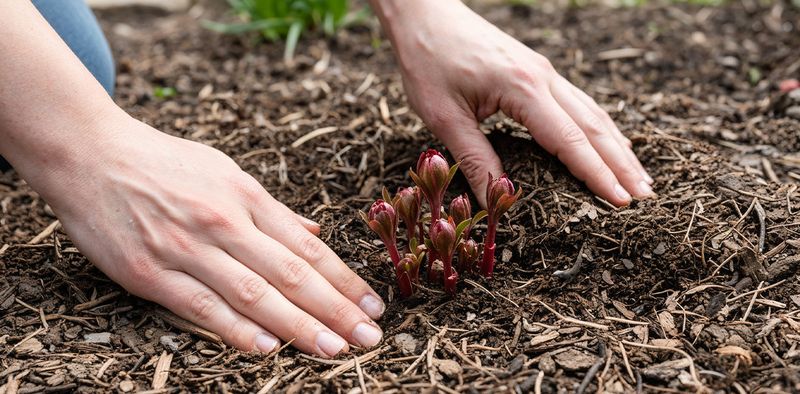
The crown is the heart of your peony, sitting right where the stems meet the roots. Fall cleanup gives you a great chance to check on this important spot before the cold settles in.
Gently clear away any weeds that have crept in around the base. Weeds compete for water and nutrients, and they can crowd the crown just when your plant needs open space.
Take a close look at how deeply the crown sits. Peonies planted too far down often produce lots of leaves but very few flowers, which frustrates many gardeners.
The growth buds, sometimes called eyes, should rest just an inch or two below the soil surface. If soil or old mulch has buried them deeper, gently scrape some away.
Watch for any soft or mushy spots on the crown too. A healthy crown feels firm, and catching problems early lets you deal with them before winter arrives.
September is a comfortable time for this checkup since the weather is still mild. Poking around in warm soil beats fussing over your plants in freezing conditions later.
While you are down there, make sure water is not pooling around the base. Good drainage keeps the crown from sitting in soggy soil through the wet months.
A quick inspection now brings real peace of mind. When you know the crown is healthy, sitting at the right depth, and free of crowding weeds, you can trust your peonies to rest well and bloom big.
7. Do Not Cover Peony Crowns With Deep Mulch
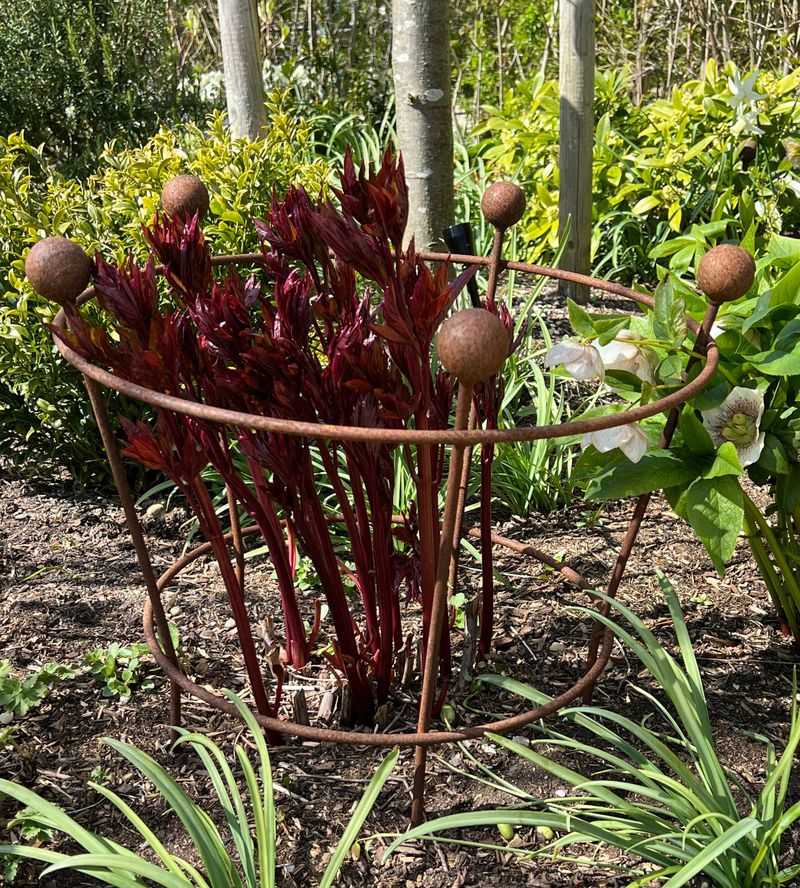
Mulch is a wonderful helper in most gardens, but peonies have their own set of rules. Piling too much mulch over the crown can cause more harm than good.
These plants like their eyes, the little growth buds, sitting close to the surface. Deep mulch buries those buds and can stop them from pushing up properly in spring.
Peonies that get smothered often skip blooming altogether. All that leafy growth with no flowers usually traces back to buds planted or covered too deeply.
Keep any winter mulch light and airy around your peonies. A thin layer over the surrounding soil is fine, but leave the crown itself mostly open.
In Michigan, established peonies are surprisingly tough and handle cold weather well. They rarely need a heavy blanket of mulch to make it through the winter.
If you do add mulch for a newly planted peony, pull it back once spring approaches. That way the emerging shoots find clear, open ground to grow through.
Straw, leaves, or bark all work fine in moderation. The trouble only starts when the pile gets thick and packs down over the growth buds.
Think light and breathable rather than deep and heavy. A gentle touch with mulch keeps the crown at just the right depth for strong spring growth.
Giving your peonies breathing room now leads to a healthier plant and far more flowers. When those eyes stay near the surface, your reward is a bed full of gorgeous blooms.
8. Divide Only When Necessary
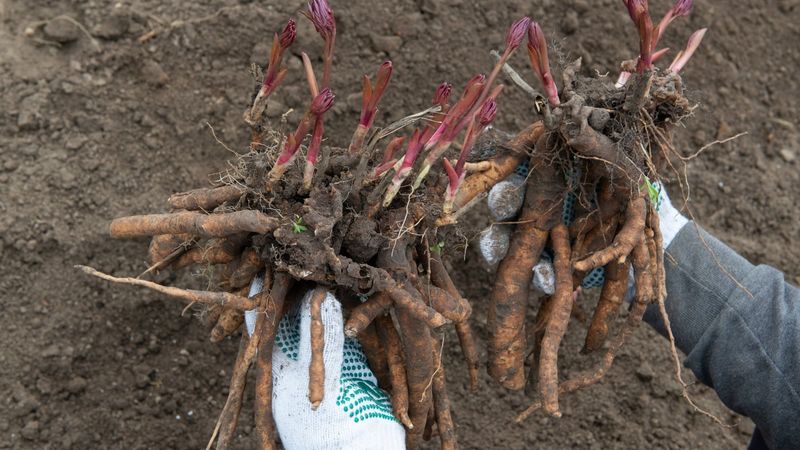
Dividing peonies sounds like a good way to make more plants, and fall is indeed the season to do it. Still, this is one job best saved for when it is truly needed.
Peonies love to stay put. An established clump left alone for years often rewards you with more and more blooms as it settles into its spot.
The right time to divide comes when a plant grows overcrowded or stops flowering well. If your peony has spread into a huge clump with fewer blooms, dividing can give it new life.
Early fall in Michigan is ideal for this task. The soil is still warm enough for roots to settle before winter, giving the new sections time to get comfortable.
When you do divide, lift the clump gently and look for the eyes on the roots. Each new piece should carry at least three to five of those pink buds to grow well.
Replant the divisions right away at the proper depth, keeping those eyes just below the surface. Water them in and let them rest for the season.
Do not expect big flowers the very next spring. Freshly divided peonies often take a year or two to build strength before they bloom their best again.
If your plant is happy and flowering nicely, simply leave it be. Sometimes the kindest thing you can do for a peony is to let it grow undisturbed and enjoy the show it puts on year after year.