What Soggy Garden Soil After Days Of Rain Is Really Telling Michigan Gardeners
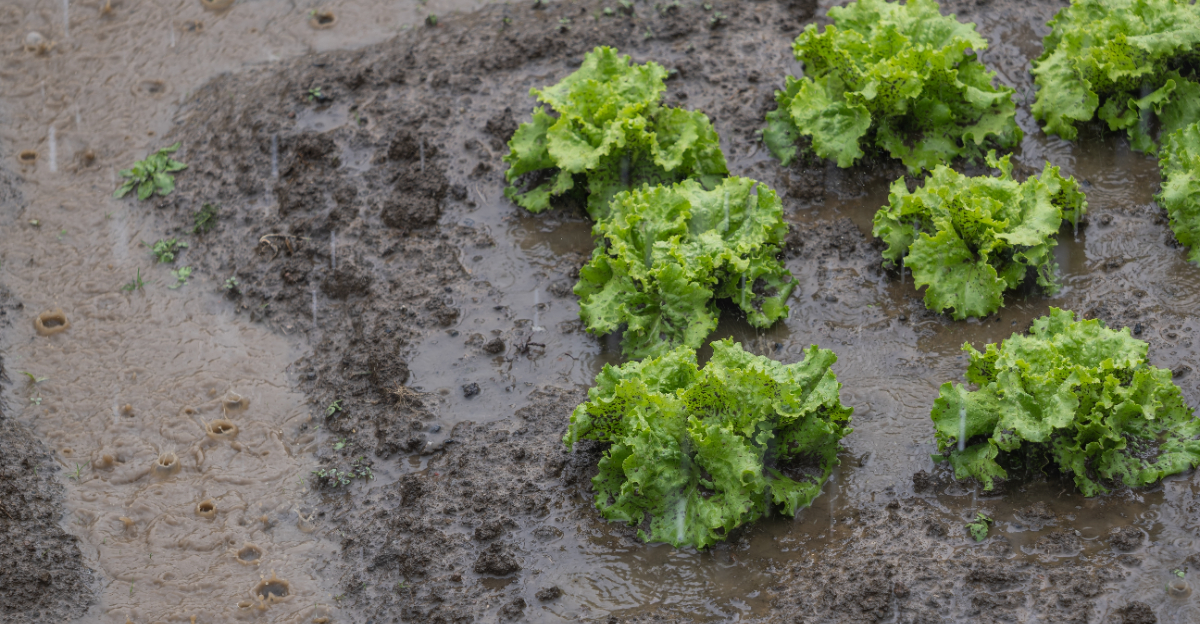
Soggy soil lingering for days after rain often points to underlying drainage issues rather than simply reflecting an unusually wet stretch of weather.
Heavy clay soil, common throughout many Michigan yards, holds water far longer than sandy or loamy soil types typically allow.
Compacted areas from foot traffic or heavy equipment also struggle to let water pass through efficiently, creating pooling that lasts well beyond the rain itself.
Checking how quickly water drains in different parts of the yard helps identify which areas need long term improvement.
Adding organic matter like compost gradually improves soil structure, allowing water to move through more effectively over time.
Aerating compacted areas creates channels that help excess water reach deeper soil layers instead of sitting on the surface.
Raised beds offer a more immediate solution for vegetable gardens struggling with persistent drainage problems.
Addressing this soggy pattern now protects plant roots from the oxygen deprivation that prolonged saturation eventually causes.
1. Your Roots Need More Air
Most people forget that roots need to breathe just like leaves need sunlight. Healthy soil holds tiny pockets of air between its particles, and those spaces give roots the oxygen they depend on.
When rain soaks the ground for days, water pushes into every one of those little air pockets. Instead of oxygen, roots end up surrounded by water.
That may sound harmless, but roots cannot pull in the oxygen they need to stay strong and keep feeding the plant.
Think of it like holding your breath underwater. A short dip is fine, but staying under too long becomes a problem. Roots react the same way when soil stays flooded for a long stretch.
You might notice plants looking droopy even though the ground is clearly wet. That confuses a lot of gardeners, since we usually connect wilting with dry soil. In this case, the roots simply cannot function because they are starved of air.
The good news is that most gardens recover once the water drains and air returns to the soil. Your job is to be patient and avoid making things worse while everything dries out.
Raised beds and loose, crumbly soil naturally hold more air, so they bounce back faster after heavy storms. Adding compost over time also builds better structure with more breathing room for roots.
Keep an eye on how long puddles stick around after a storm. If water disappears within a day, your soil is doing a decent job.
If it lingers for days, your roots are gasping, and that is a signal worth paying attention to.
2. Your Soil May Drain Too Slowly
Not all soil handles rain the same way, and Michigan gardeners know this better than most. Much of the state sits on heavy clay, which behaves very differently from light, sandy ground.
Clay is made of extremely small, flat particles that pack together tightly. Water has a hard time squeezing through those narrow gaps, so it sits on top or lingers deep down for a long time.
Your Michigan Garden Changes Every Week. Your Plan Should Too.
Gardening in Michigan changes quickly throughout the season. Every Friday you’ll receive a simple weekly plan showing exactly what to plant, prune, fertilize, harvest, and protect so you never miss the right timing.
Sandy soil is the opposite. Its bigger particles leave wide spaces, letting water rush through quickly.
That is why a sandy garden can look dry again just hours after a storm while a clay garden stays swampy for days.
If your yard stays soggy long after neighbors’ gardens dry out, clay is probably the reason. It is not a flaw you did anything to cause, just the nature of the ground beneath you.
You can improve clay over time by mixing in organic material like compost, shredded leaves, or aged manure. These add-ins create tiny channels that help water move through instead of getting trapped.
Working this material in year after year slowly changes the whole texture of your soil. It becomes softer, darker, and far friendlier to both water and roots.
Raised beds offer another smart fix, since you can fill them with a well-blended mix that drains the way you want. Many Michigan gardeners swear by them for exactly this reason.
Understanding your soil type helps you plan everything from watering to plant choices. Once you know you are working with clay, soggy conditions after rain make perfect sense.
3. Compaction May Be Making It Worse
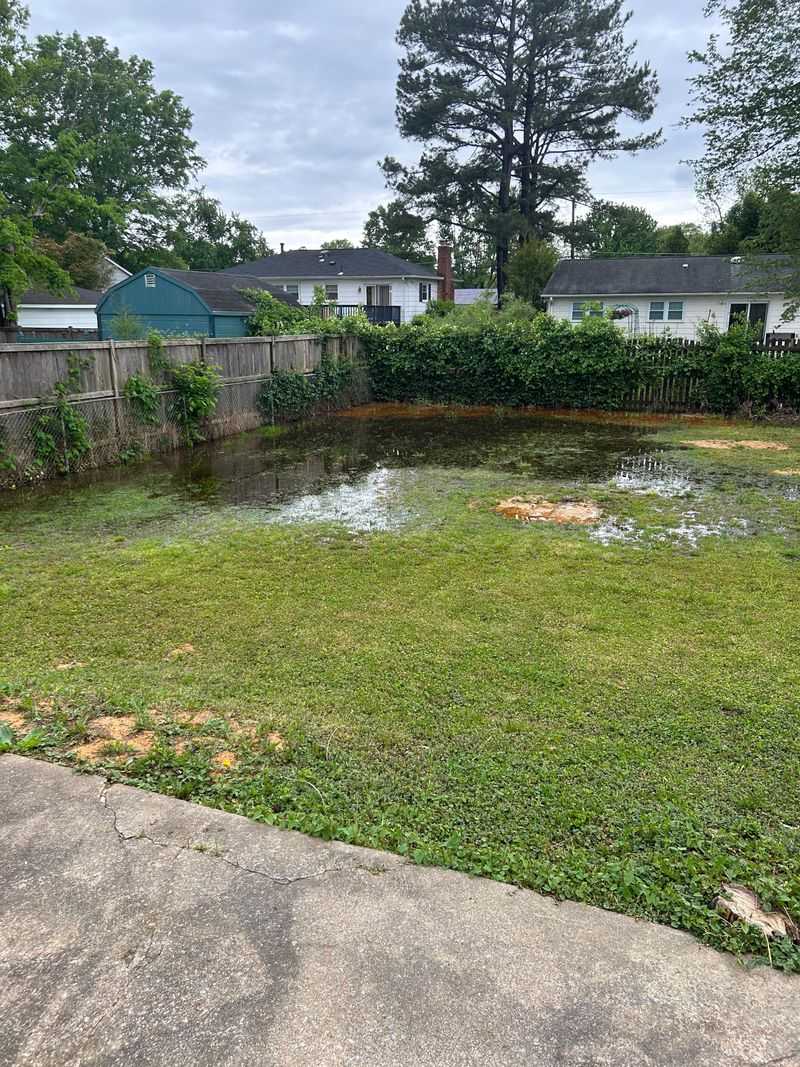
Ever notice how a well-worn path stays hard and bare no matter what you plant there? That hardness comes from compaction, and it plays a big role in soggy soil.
Compacted soil has been pressed together so tightly that its particles have almost no space between them. Water arrives with nowhere to go, so it pools on top or drains at a crawl.
Foot traffic is a common cause. Every step you take across a garden bed pushes the soil down a little more, especially when the ground is already wet.
Heavy equipment, wheelbarrows, and even large machines used during construction can squash soil for years. Once packed down, it does not loosen on its own very easily.
You can spot compaction by pushing a garden fork into the ground. If it barely sinks in, your soil is likely packed too tight for water to flow freely.
Loosening compacted areas takes a bit of effort, but the payoff is worth it. Gently working a fork through the soil and adding organic matter helps rebuild those missing air and water channels.
Some gardeners plant cover crops with deep roots that naturally break up hard ground. Those roots act like living tools, drilling tiny passages through the soil.
Setting up permanent walking paths keeps foot traffic off your growing areas. That simple habit protects your beds from getting pressed flat season after season.
When compaction and heavy rain team up, soggy soil becomes almost guaranteed. Fixing the packing problem gives water a real chance to drain and keeps your garden healthier through wet spells.
4. Stay Out Of The Garden For Now
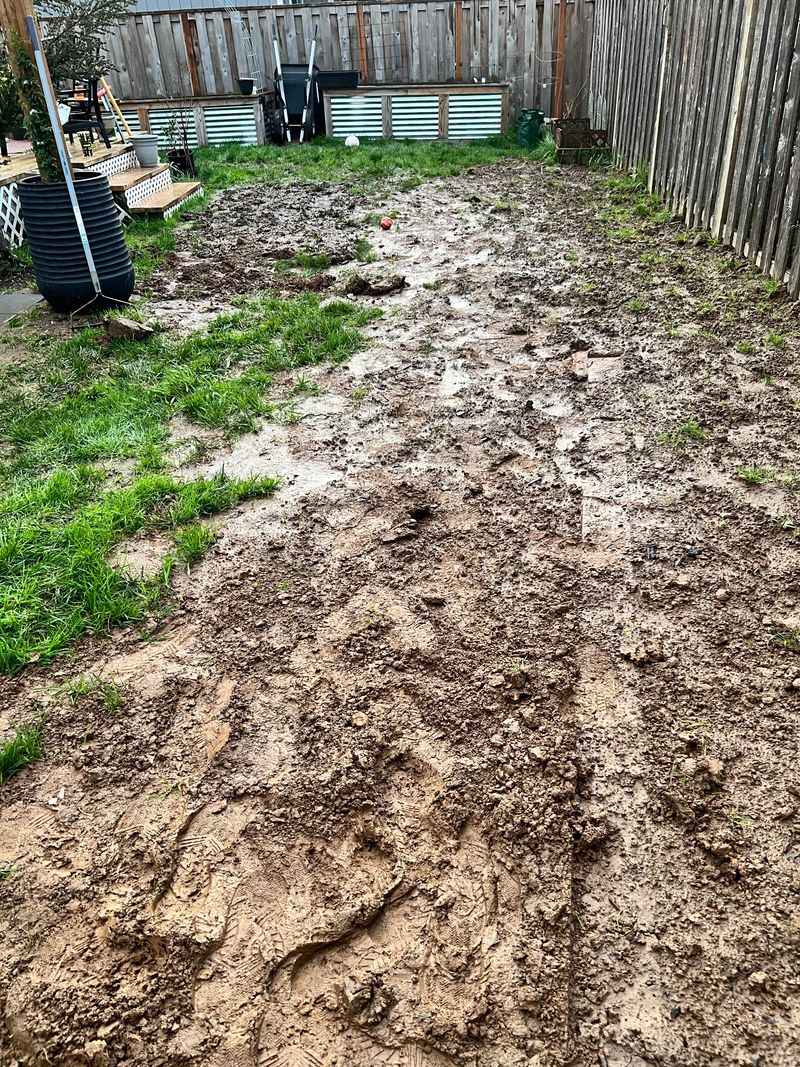
The urge to hop into the garden after a storm is strong, especially when weeds seem to be having a party. But stepping onto soaked soil is one of the fastest ways to cause damage.
Wet soil acts almost like clay in a pottery class. Every footstep, dig, or turn of the tiller presses those soft particles together into a dense, packed mess.
That fresh compaction squeezes out the air pockets your roots depend on. You end up trading a short-term chore for a long-term problem that is tough to undo.
Tilling wet ground is especially rough. Instead of loosening the soil, the blades smear and clump it, leaving behind hard chunks once everything dries.
A simple test helps you know when to wait. Grab a handful of soil and squeeze it, then poke the ball with your finger.
If it crumbles apart easily, the soil is ready for you to work. If it stays in a sticky, muddy lump, give it more time to dry.
Patience here really pays off. Waiting a few extra days protects the structure you have worked so hard to build.
Use the downtime to plan instead. Sketch out where new plants will go, sharpen your tools, or start seeds indoors while the ground recovers.
Michigan weather can swing from soaked to sunny fast, so those muddy days rarely last long. Once the soil passes the squeeze test, you can get back to work without harming your garden.
Treating your soil gently during wet stretches keeps it loose, airy, and ready to grow strong plants all season.
5. Yellow Plants May Have Stressed Roots
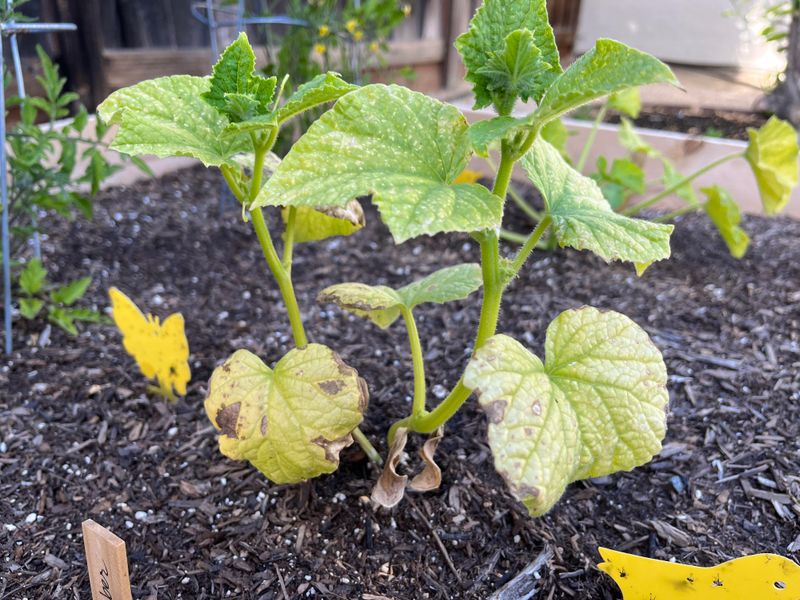
Yellow leaves after a rainy stretch surprise a lot of gardeners who assume plants love water. The truth is that too much water can leave plants just as troubled as too little.
When soil stays flooded for days, roots cannot take in oxygen or move nutrients up to the leaves. The plant starts to struggle even though it is surrounded by moisture.
One of the first warning signs is leaves turning pale or yellow, often starting near the bottom. Stems may also droop, and growth can slow to a crawl.
Waterlogged roots also become an easy target for harmful fungus that thrives in soggy conditions. That can lead to mushy, discolored roots that struggle to support the plant.
Spotting these signs early gives you a chance to help. Once the soil drains, most plants slowly regain their color and strength if their roots were not harmed too badly.
Resist the urge to add more water when you see yellow leaves in wet soil. Piling on extra moisture only deepens the problem your plant is already facing.
Instead, focus on helping the area dry out. Gently loosening the surface soil and clearing away any standing water speeds up recovery.
Container plants sitting in soggy pots need drainage holes that actually work. Tipping out trapped water gives their roots a fighting chance.
Keep a close watch over the following days. New green growth is a happy sign that your plant is recovering and pulling itself back together.
Reading yellow leaves as a stress signal, not a thirst signal, helps you respond the right way and guide your garden back to health.
6. Heavy Rain Can Wash Nutrients Away
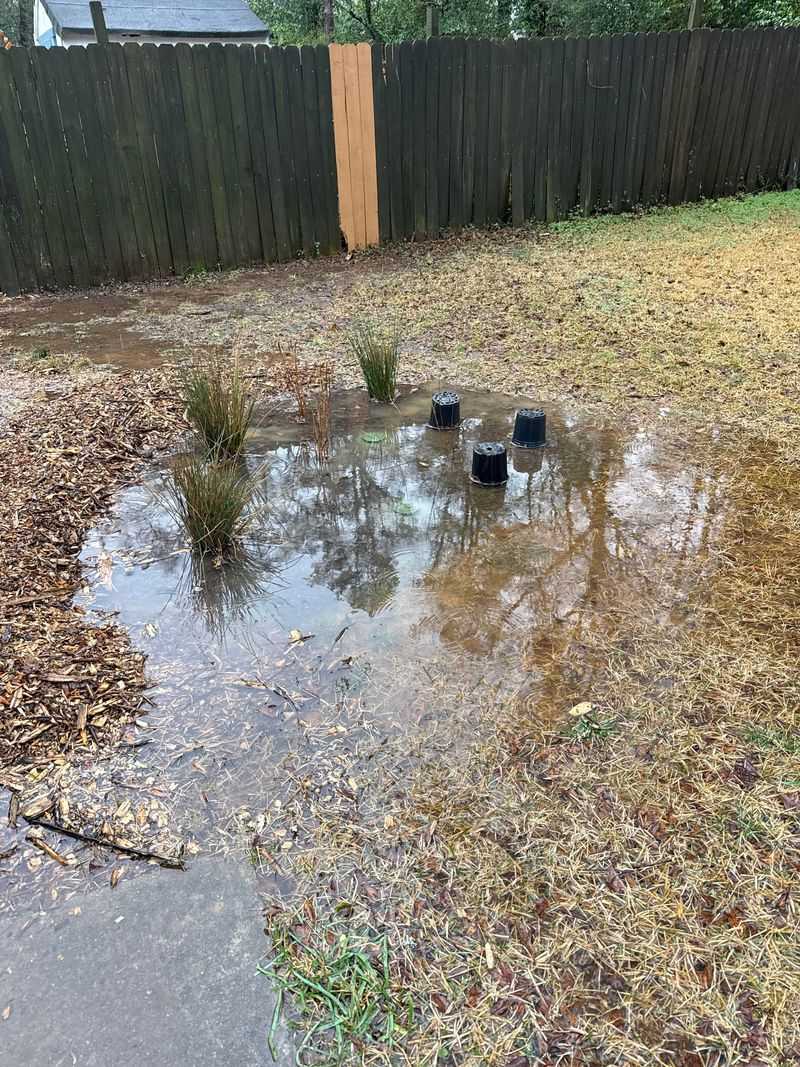
Rain feels like a free gift for the garden, and often it is. But long, heavy downpours can quietly carry away some of the goodness your plants rely on.
Soil holds important nutrients like nitrogen that feed strong, leafy growth. When water pours through the ground for days, it can drag those nutrients down past the roots or wash them off with runoff.
Nitrogen is especially easy to lose because it dissolves quickly in water. That is why plants sometimes look pale and hungry after a very wet spell.
Think of it like rinsing sugar out of a sponge. The more water flows through, the less sweetness stays behind for your plants to use.
Sandy soil loses nutrients faster than clay because water zips through it so quickly. Either way, a long soaking storm can leave your garden a little short on food.
You can help by feeding plants once the soil dries and drains properly. A balanced, gentle fertilizer or a fresh layer of compost replaces what the rain carried off.
Compost is a favorite fix because it holds nutrients in place and releases them slowly. Over time it also improves how well your soil grips onto food between storms.
Mulch offers extra protection by softening the pounding of heavy rain on bare soil. It slows runoff and keeps more nutrients where roots can reach them.
Watching for pale new growth after big storms tells you it may be feeding time. A quick nutrient boost helps your garden green up and grow strong again.
7. Repeated Soggy Spots Need A Long Term Fix
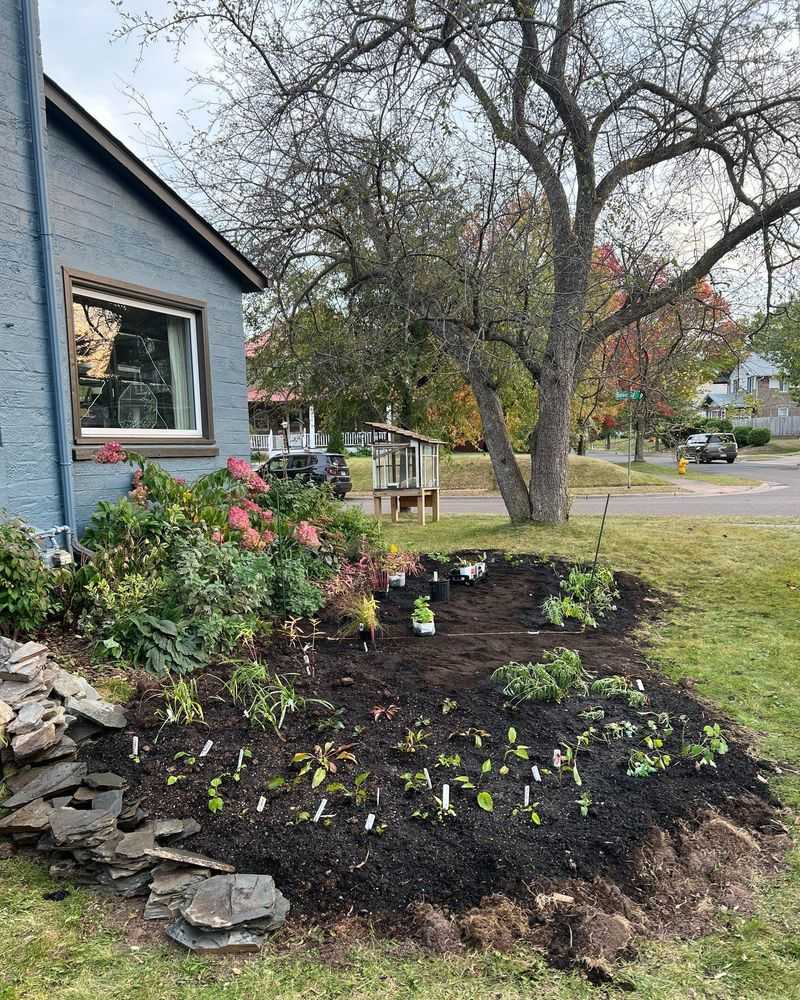
One soggy patch after a big storm is normal, but the same spot flooding every single time is a different story. That repeat pattern is your garden waving a flag for help.
Areas that stay wet after every rain usually point to a deeper issue. It might be poor drainage, packed-down soil, or simply a low spot where water collects.
Start by watching where the water gathers and how long it stays. Those clues help you figure out whether the trouble is the soil, the slope, or the location itself.
Low spots naturally pull in water from higher ground around them. Sometimes gently reshaping the area or adding soil helps water spread out instead of pooling.
If compaction is the culprit, loosening the ground and mixing in organic matter opens up better paths for water. This takes a few seasons but makes a lasting difference.
For stubborn wet zones, a rain garden turns a problem into a feature. Planting moisture-loving flowers there soaks up extra water and looks beautiful too.
Some gardeners install simple drainage solutions like a gravel-filled trench or a French drain. These guide water away from beds and toward a better spot.
Raised beds also lift your plants above trouble areas, giving roots dry, airy space no matter how wet the ground below gets.
Michigan’s mix of clay soil and heavy storms makes these fixes especially handy. A little planning now saves you from soggy headaches every rainy season.
Treating a repeat wet spot as a solvable puzzle helps you build a garden that stays healthy through whatever the sky sends.