Why Cooler Fall Temperatures Don’t Slow Ticks Down The Way You’d Expect
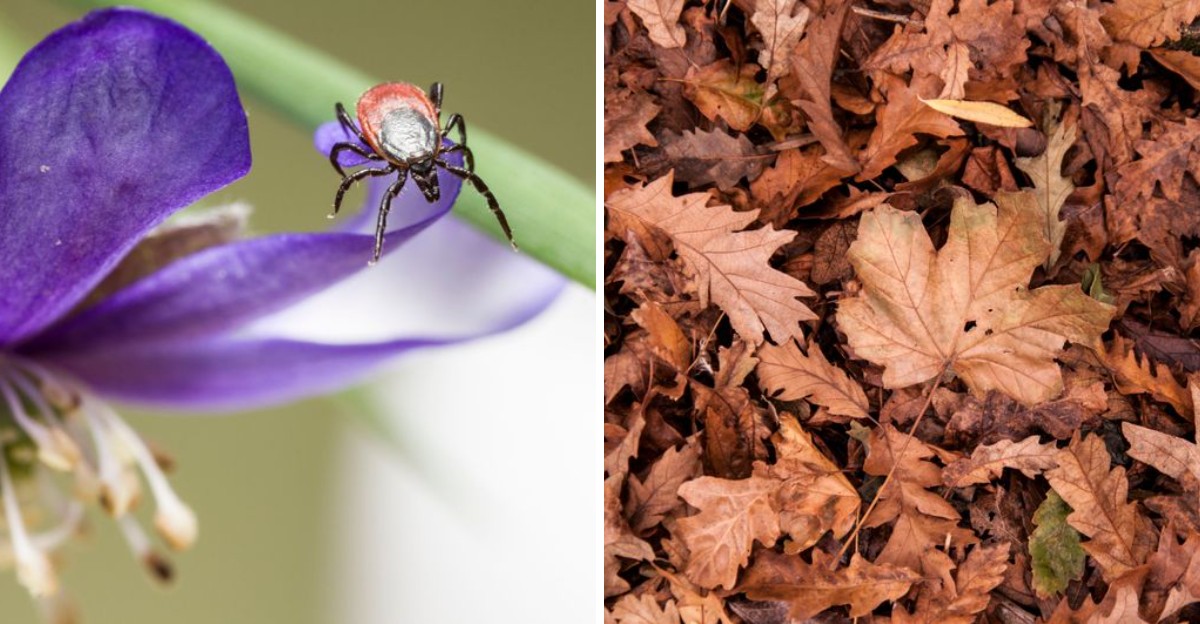
You feel safer once summer heat fades away. Cooler weather convinces you danger has passed. Local trails still hide ticks eager for your ankles. Dampness gives them exactly what you stripped away.
Shorter days push you outside before dusk grows dangerous. Your dog carries more than mud through that fence line. Bare ankles invite bites you won’t feel land. Nymphs are small enough to outsmart your eyes.
Those quiet woods stay warmer than you expect this late. Porches offer you false comfort once boots come off. Tall grass hides what your relaxed eyes miss. Symptoms surprise you weeks after you forget the bite.
December arrives faster than you think it will. Awkward moments wait for you if you stay careless. Attention now spares you discomfort later.
Understanding this pattern keeps you well ahead of trouble. Autumn hunting season targets you far more than summer ever did. Skip this, regret later.
1. Chilly Air Isn’t The Same As Frozen Ground
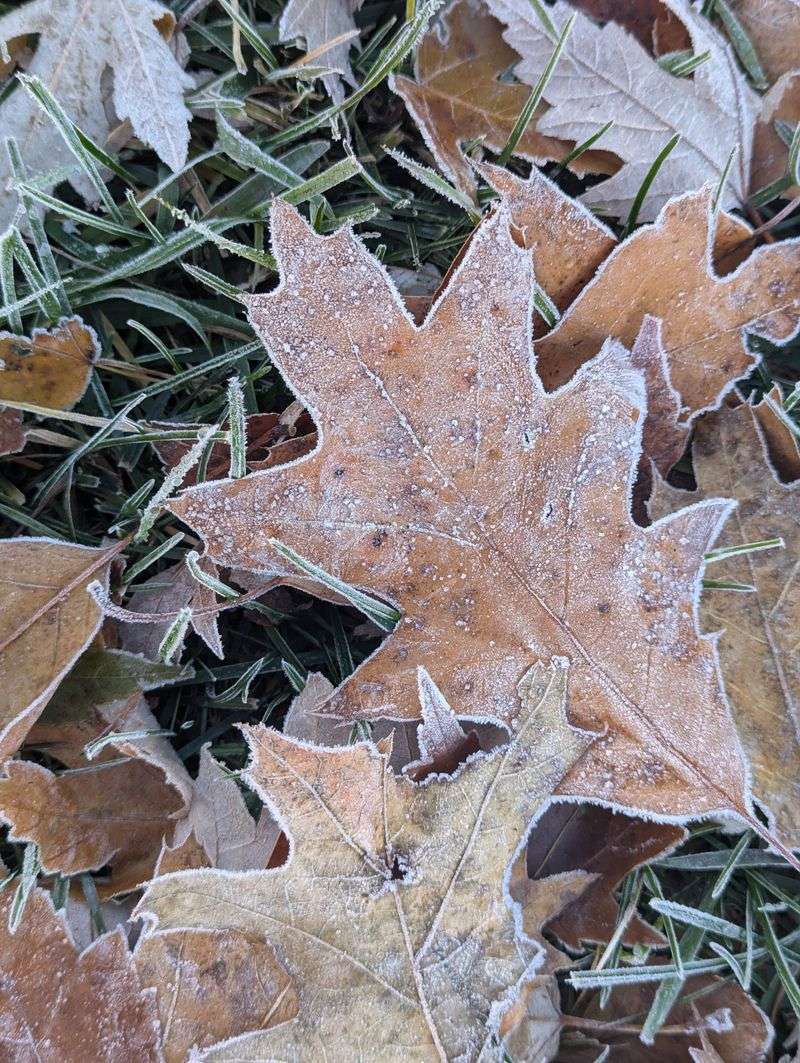
Frost on the windshield can feel like the end of tick season, but the ground below the leaves tells a different story. Air temperature swings fast, and soil holds heat far longer.
Ticks spend the bulk of their lives in that bottom layer, tucked under leaves, sticks, and matted grass. Even when the thermometer on your porch reads 38 degrees at dawn, the space under a few inches of leaf litter can sit noticeably warmer and stay humid.
Researchers estimate that blacklegged ticks tend to begin questing again once temperatures rise to roughly 40 degrees Fahrenheit, meaning they climb up and wait for a host, though exact thresholds vary by region and study.
Fall days routinely climb past that mark by lunchtime, even in October and November. So the pattern looks less like a shutdown and more like a schedule change. Instead of hiding from midday heat, ticks shift their activity into the warmest hours of the afternoon.
Practical takeaway: judge risk by the ground, not the sky. If you can walk on unfrozen soil and see green grass or brown leaves rather than crusted snow, treat the area as tick habitat.
That means keeping repellent in the car through Thanksgiving and doing a quick body check after yard work.
A quirky detail worth knowing is that some ticks tolerate brief freezes by sheltering in these insulated pockets, then resume activity when a warm spell arrives. Fall weather rarely commits to one temperature, and ticks take advantage of the swing.
2. Adult Deer Ticks Actually Prefer This Season
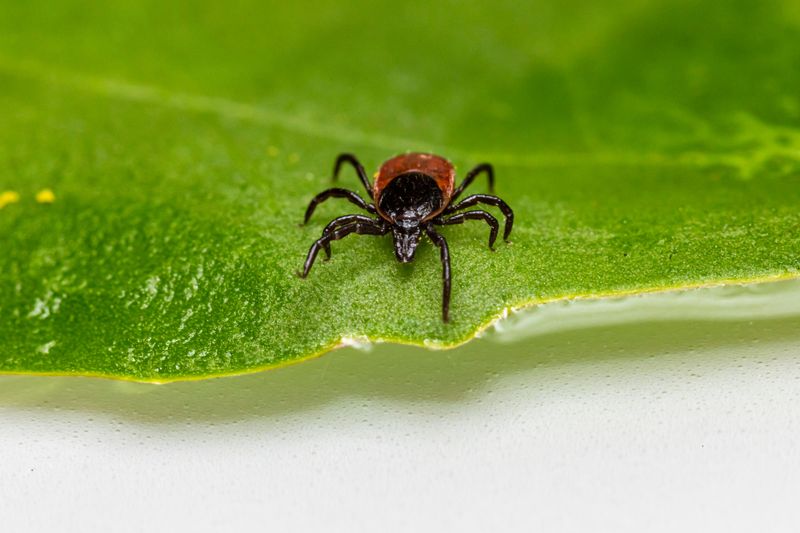
Tick biologists note that fall is prime time for adult blacklegged ticks. The lifecycle simply lines up that way.
Nymphs, the poppy-seed-sized stage that causes the spring and summer scare, feed in early summer and then molt.
What emerges in autumn is the adult stage, roughly the size of a sesame seed with a reddish-brown body, and it needs one final blood meal before laying eggs.
That creates a second peak in activity that starts around September, builds through October, and can stretch into November or later depending on your region. Some parts of the Northeast and upper Midwest see adult activity resume on mild days all winter long.
Cooler air also suits them physically. Adult blacklegged ticks lose moisture quickly in hot, dry conditions, so damp fall weather with heavy dew lets them stay perched on grass tips far longer without retreating to the leaf layer.
The upside for you is size. Adults are easier to spot than nymphs, which gives careful checks a real advantage.
The downside is the calendar. Fewer people expect a bite in sweater weather, so ticks stay attached longer before anyone notices, and attachment time matters for pathogen transmission.
Build a habit instead of relying on the season. A shower within two hours of coming inside, plus a mirror check behind knees, along the waistband, and at the hairline, closes most of that gap.
3. Leaf Litter Turns Into A Cozy Hideout
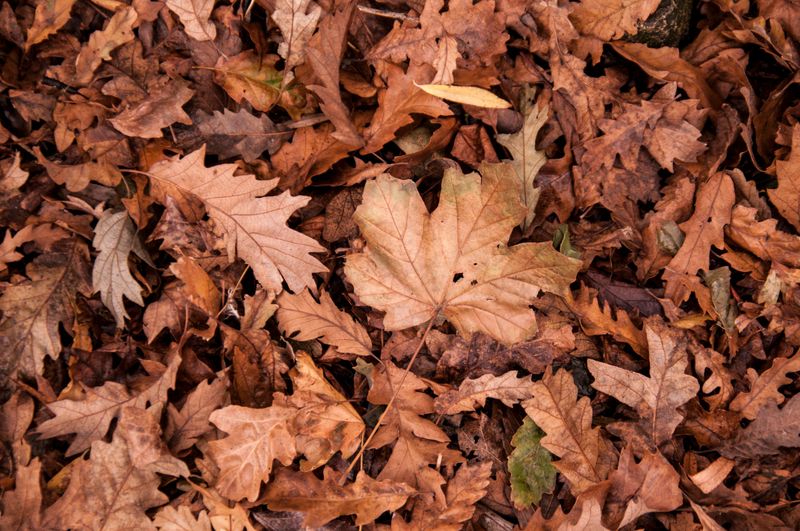
All those leaves you rake into a corner do something you might not expect. They build a warm, damp apartment complex.
Leaf litter traps moisture and blocks wind, creating a microclimate that can run several degrees warmer than the open air above it.
Humidity inside that layer often stays near saturation, which is exactly what ticks need since they absorb water vapor through their bodies rather than drinking.
Studies of yard risk keep landing on the same conclusion: the leafy border between lawn and woods holds a disproportionate share of ticks. Wood piles, stone walls, and ground-cover plants like pachysandra and English ivy add to the effect.
Fall gives you a genuine chance to shrink that habitat before winter. Clear leaves from lawn edges rather than pushing them into the tree line, and keep a mulch or gravel strip about three feet wide where turf meets woods.
Move firewood away from the house and stack it off the ground where sun and wind can reach it. Trim shrubs so light hits the soil beneath them, since drier ground is far less hospitable.
Wear gloves and long sleeves while you do it, and toss clothes straight into a hot dryer for ten minutes afterward. Heat handles ticks better than washing does.
One small habit helps a lot: bag or compost leaves well away from patios, swing sets, and dog runs. Distance between the litter layer and your family reduces casual encounters.
4. Deer Movement Peaks Right Alongside Them
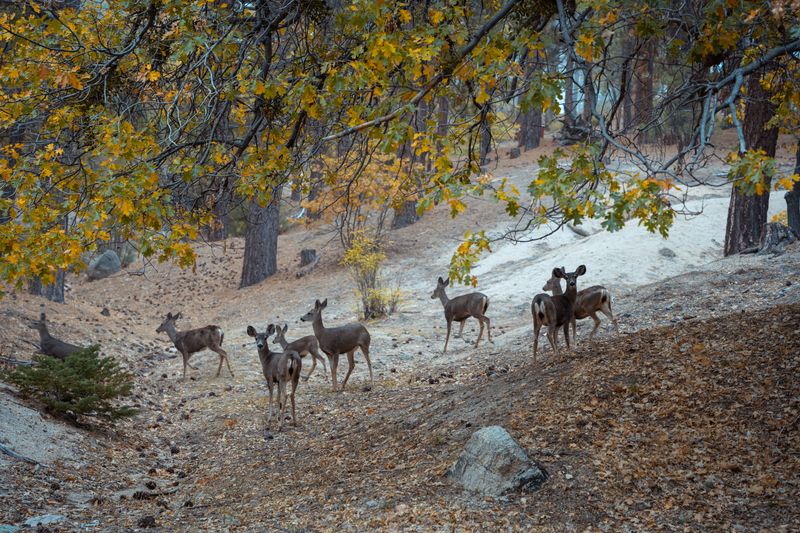
Autumn is when white-tailed deer become significantly more active. Bucks roam, groups shuffle, and rutting season pushes animals across yards they usually skip.
Adult blacklegged ticks depend heavily on deer for that final meal, which is why the species got its common name. More deer traffic in fall means ticks get dropped along fence lines, garden beds, and the shortcut between your shed and the neighbor’s hedge.
A single well-fed female can lay a couple thousand eggs the following spring, and detachment sites are one of several factors that can influence local tick populations the next year.
Fall deer paths can influence where nymphs are concentrated the following summer. You can read your property like a map. Look for hoofprints in soft soil, chewed hosta leaves, flattened trails through tall grass, and rubbed bark on young trees.
Those spots deserve extra caution and are worth targeting if you use any yard treatment. Fencing, deer-resistant plantings, and removing fallen fruit under apple or crabapple trees all reduce the invitation.
Skip the corn pile or salt block, tempting as it is to watch wildlife up close. Concentrating deer near the house concentrates ticks with them.
Hunters have their own version of this. Field dressing puts your hands and forearms right where ticks congregate, so long sleeves, tucked cuffs, and a permethrin-treated outer layer earn their keep.
Check gear, not just skin, since ticks hitchhike on packs and boot laces into the truck and then the mudroom.
5. Warm Spells Wake Everything Back Up
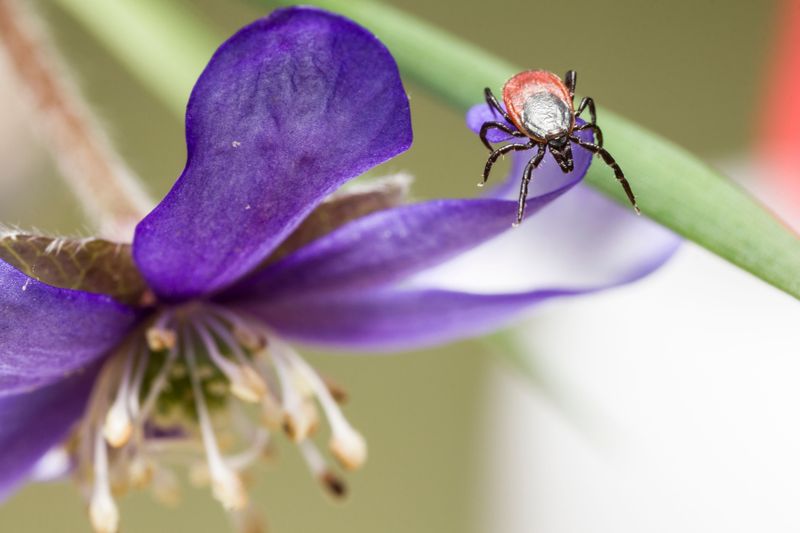
Ever get one of those bizarre 65-degree days in mid-November? Ticks notice it too. Activity responds to conditions more than to the calendar.
A stretch of mild afternoons after a cold snap can bring adult ticks right back up onto grass and low brush, sometimes within hours.
Because of that, the pattern through fall looks like a series of on-and-off pulses rather than a steady decline. Two frosty mornings do not reset the season, they just pause it.
Some climate studies suggest that certain regions have seen later first frosts and more mild winter days in recent decades, which may extend the window when questing is possible.
Some researchers have also observed a possible northward shift in tick ranges in parts of the country, though findings vary by study.
What this means for you is simple: let the forecast guide your precautions. If the afternoon is heading above 45 or 50 degrees and the ground is bare, dress and check as you would in June.
Keep a bottle of repellent by the door through the whole fall rather than packing it away after Labor Day. Same for the tweezers in the medicine cabinet.
Pet owners should hold the line on monthly preventatives instead of stopping in September.
Vets see plenty of cold-weather bites from owners who assumed the season had wrapped. Treat each warm day as a small return to summer, and the surprises get much rarer.
6. Fall Chores Put You Face To Face With Them
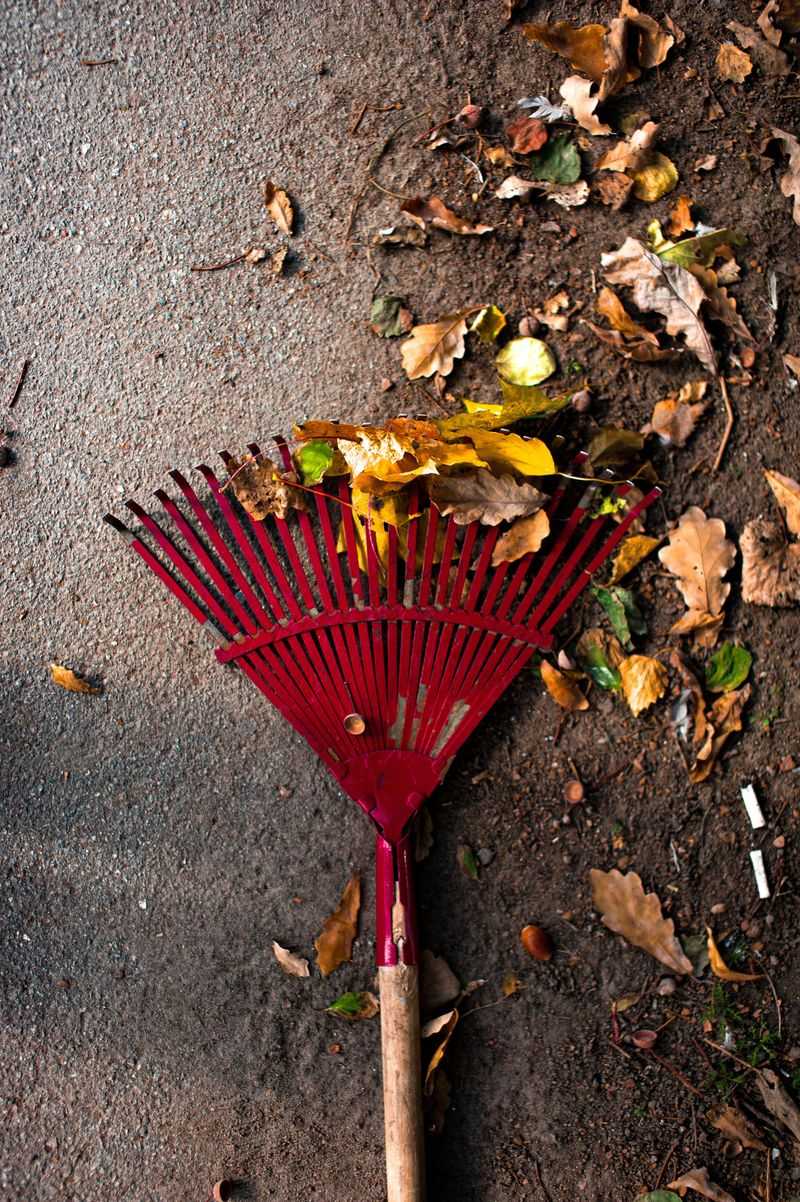
Raking, gutter cleaning, mulching, garden cleanup. Autumn hands you a to-do list that drops you straight into the exact places ticks prefer.
Summer exposure tends to be brief and obvious, like a hike or a swim at the lake. Fall exposure is long and sneaky, because you spend two hours kneeling in a flower bed and never once think about bugs.
Bare ankles above garden clogs, sleeves pushed up while hauling brush, a collar open at the neck. Every gap becomes an easy on-ramp.
Fixing it costs almost nothing. Tuck pants into socks even though it looks goofy, wear light-colored clothing so dark specks show up, and treat work boots and pant legs with permethrin, which keeps working through several washes.
Set up a routine at the door. Clothes go into the dryer on high heat for ten minutes, then you head for the shower and run hands over the scalp, behind the ears, and along the belt line.
Kids helping with leaf piles deserve a quick once-over too, especially around the hairline and inside the elbows. Jumping into leaves is a rite of passage, so make the check part of the fun rather than a chore.
Hunters, mushroom foragers, and photographers chasing color all fall into the same category. Sitting or kneeling in vegetation raises contact time far more than walking does, so plan gear around the position your body will actually be in.
7. Pets Bring Uninvited Passengers Indoors

Dogs tend to be more active in cool weather. Longer walks, deeper brush, more enthusiastic rolling in whatever smells interesting.
This increased activity raises the chance of ticks being carried indoors. Ticks latch onto fur, ride inside, and sometimes relocate to a couch cushion or a person before feeding.
Common landing spots on a dog include between the toes, inside the ears, under the collar, in the armpits, and around the tail base. Running your fingers over those areas after each outing takes about a minute and catches a lot.
Cats that go outdoors need attention too, especially around the neck and face where they push through vegetation. A fine-toothed comb works well on both species.
Vets stress keeping preventatives going year-round in many regions, since a September stop leaves a wide-open window through the exact months adults are questing.
Talk to yours about oral options, topicals, or a treated collar based on your area and your pet’s habits. Yard adjustments help as well. Keeping grass short in play zones and fencing dogs away from the leafy tree line cuts contact considerably.
If you do find one attached, use fine-tipped tweezers close to the skin and pull straight up with steady pressure. Skip the folk remedies involving matches or petroleum jelly, since they raise the odds of a messy removal.
Note the date and watch for limping, fatigue, or appetite changes over the following weeks, then loop in your vet with that timeline.
8. Late-Season Bites Get Overlooked Too Often
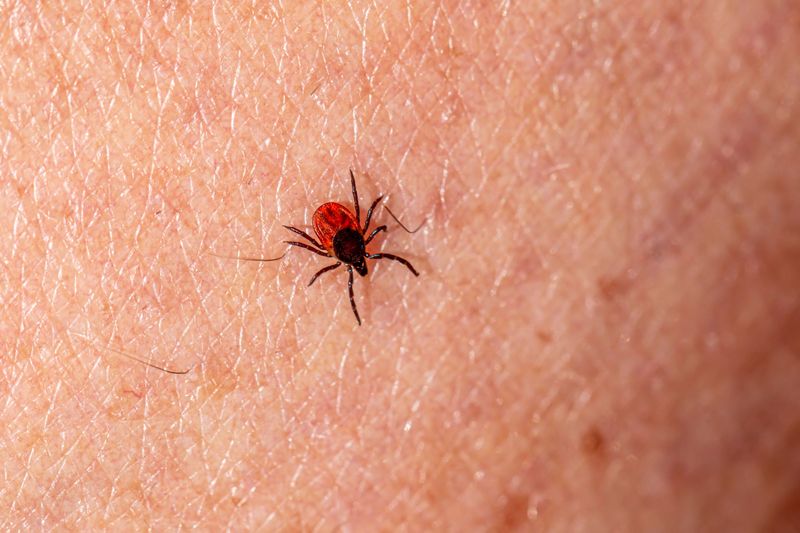
One key risk in fall is that bites often go unrecognized, because people assume a late-season bump couldn’t possibly be a tick.
People notice a small bump in October and blame a spider, a scrape, or dry skin. Weeks later, a fever and achy joints get chalked up to the flu going around school.
Timing works against recognition. Lyme disease, anaplasmosis, and babesiosis all produce symptoms that overlap with seasonal illnesses, and the classic expanding rash shows up in only a portion of cases.
Attachment time matters, which is why noticing quickly is such a big deal. Prompt removal within the first day or so substantially lowers transmission odds for several pathogens.
Keep a plain habit through fall: after any outdoor stretch, do a hands-on check of the scalp, ears, neck, armpits, waist, groin, and behind the knees. A shower helps rinse off unattached ones before they settle in.
If you find one attached, save it in a sealed bag or snap a clear photo. Species and size give a doctor useful information later.
Write down the date of removal and where on your body it was. That single note turns a vague conversation into a specific one if symptoms appear.
Call a clinician about fever, chills, headache, fatigue, or an expanding rash in the weeks after a bite, and mention the tick even if the calendar says November. Early treatment often leads to better outcomes, and mentioning the exposure helps guide appropriate care.