Kentucky Copperheads Go Back To Daytime Movement In Fall
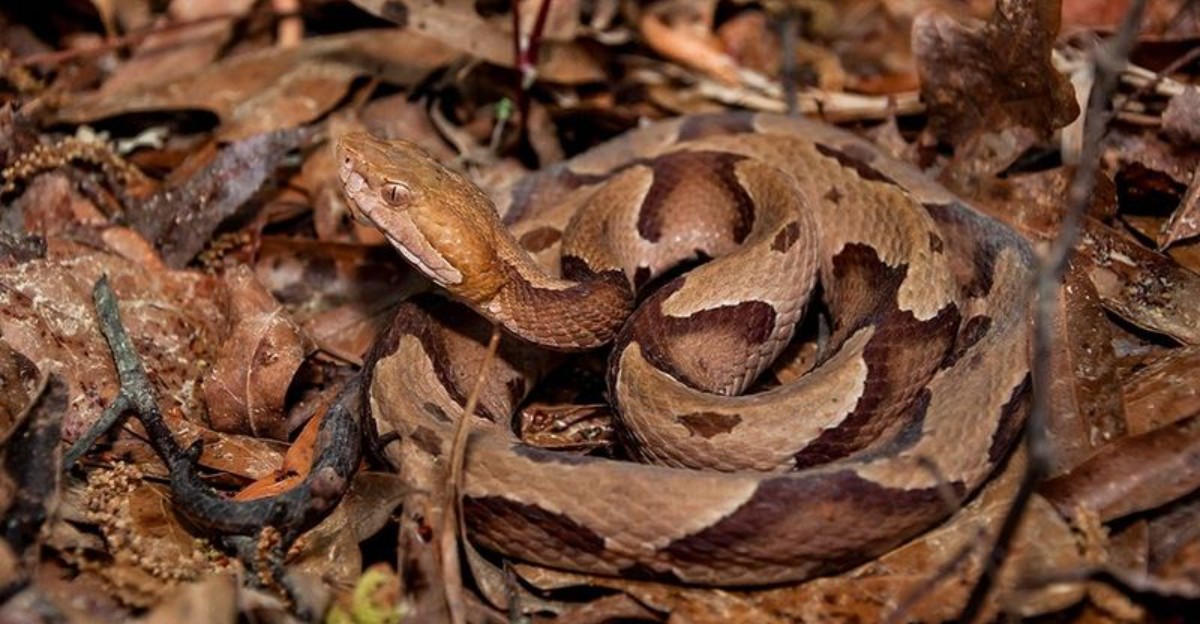
Something changes on Kentucky hillsides as the nights turn cool. The afternoon sun starts pulling quiet visitors back onto warm rock and gravel.
All summer they kept to the dark, traveling while porch lights buzzed and the air stayed sticky. Now the schedule flips, and their busy hours line up with ours.
You feel it during yard chores: leaves to rake, firewood to stack, one more trail walk before the cold sets in. The ground turns into a patchwork of brown and rust-colored leaf litter.
That patchwork is exactly the point, because camouflage works best when nobody is looking closely. A little awareness of when these afternoon travelers are out turns a startling moment into a manageable one.
Cooler Fall Air Resets The Daily Clock
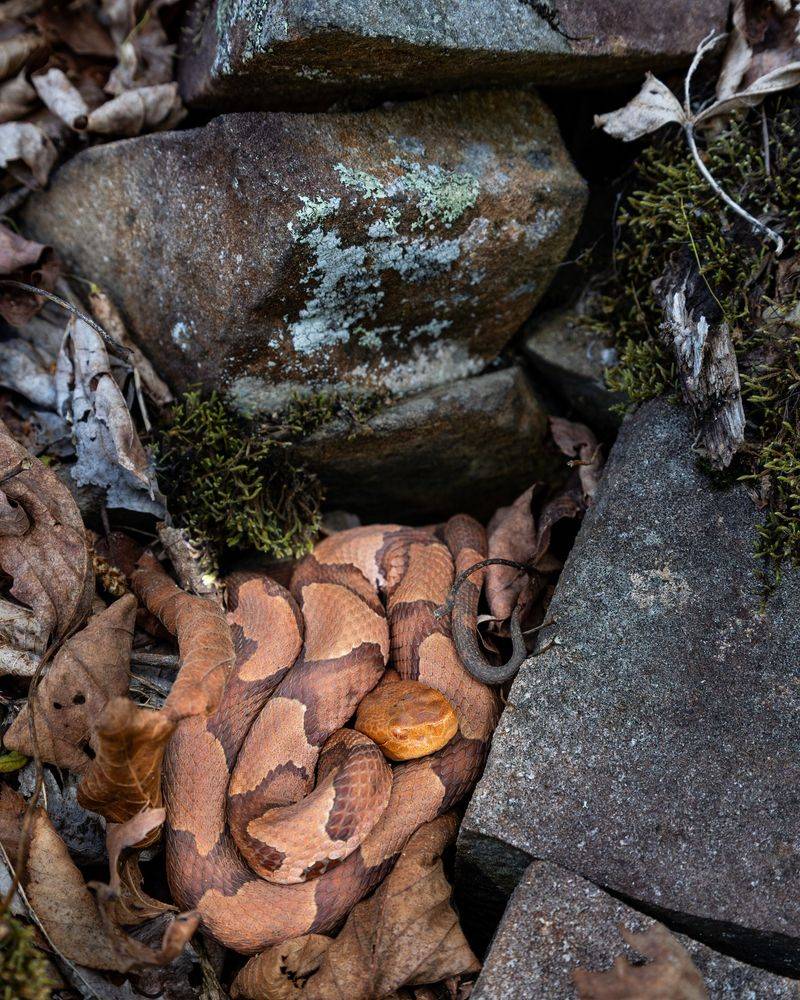
Snakes read temperature better than most of us read a weather app. As Kentucky’s September nights cool off, the math that governs a copperhead’s day changes.
Through midsummer, midday sun bakes rocks and roads too hot for comfort, so these snakes travel mostly after sunset. Once autumn arrives, afternoons settle into the mild seventies, close to a copperhead’s preferred body temperature.
Being cold-blooded, they borrow warmth from their surroundings rather than making their own. A sunny October afternoon offers exactly the heat they need to digest a meal, move toward winter shelter, and stay alert.
Biology plays a part too. Fall is when young are born and when males wander in search of mates, so there is simply more traffic along trails and stone walls.
Add shrinking daylight, and the window for comfortable movement narrows into the middle of the day. That pushes activity right into the hours when people are raking, hiking, and hauling firewood.
Understanding the shift takes some mystery out of surprise encounters. Copperheads are not turning bolder in fall. They are following warmth, and warmth has moved to the afternoon.
Kentucky’s mix of wooded hillsides, limestone ledges, and old barn foundations gives them plenty of sunbathing spots close to human activity. That overlap explains why reports climb steadily from early September into the last week of October.
The Weeks And Hours When Sightings Climb
Ask longtime Kentucky hikers when they last stepped near a copperhead, and many point to the stretch between the first cool snap and Halloween. That window is no coincidence.
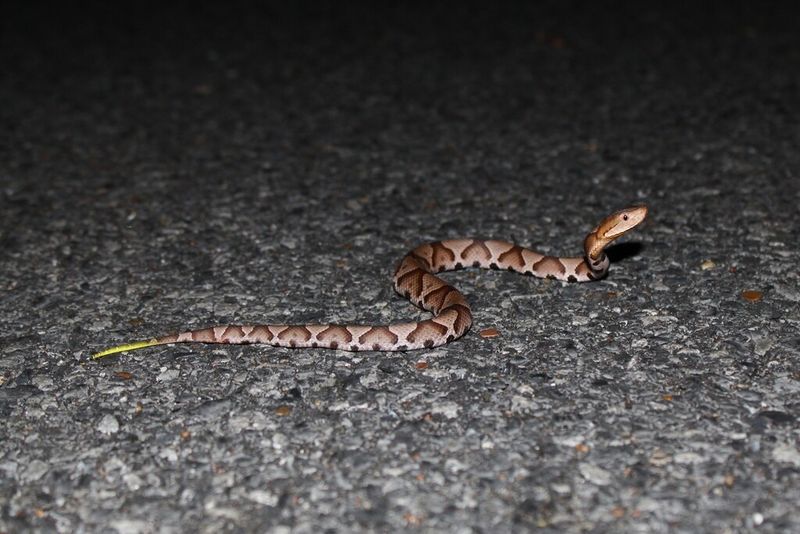
Late August through mid-October is the busiest period. Females give birth during that span, and newborns, about the length of a pencil with a bright yellow tail tip, begin exploring on their own.
Males travel farther than usual looking for mates, sometimes crossing lawns, driveways, and greenway paths in plain daylight. Everyone is also fattening up on mice, cicadas, and frogs before cooler weather slows their appetite.
The daily clock matters as much as the calendar. In September, activity often peaks in late afternoon and early evening, roughly four to eight o’clock.
By late October, the warmest part of the day slides earlier, so late morning through midafternoon becomes the busy stretch. A rainy front followed by bright sunshine tends to bring a noticeable bump in sightings.
Your Kentucky Garden Changes Every Week. Your Plan Should Too.
Gardening in Kentucky changes quickly throughout the season. Every Friday you’ll receive a simple weekly plan showing exactly what to plant, prune, fertilize, harvest, and protect so you never miss the right timing.
Terrain shapes the pattern too. South-facing rocky slopes in eastern Kentucky hold heat longer, drawing snakes onto the very ledges where hikers like to rest.
In central Kentucky, sun-warmed limestone walls and roadside riprap do the same job. Once nights drop into the forties for several days running, movement tapers and snakes settle near winter dens.
Marking those weeks on your own calendar keeps you a step ahead during yard chores and weekend trail time, especially with kids or curious dogs along.
Where Kentucky’s Terrain Concentrates Sightings
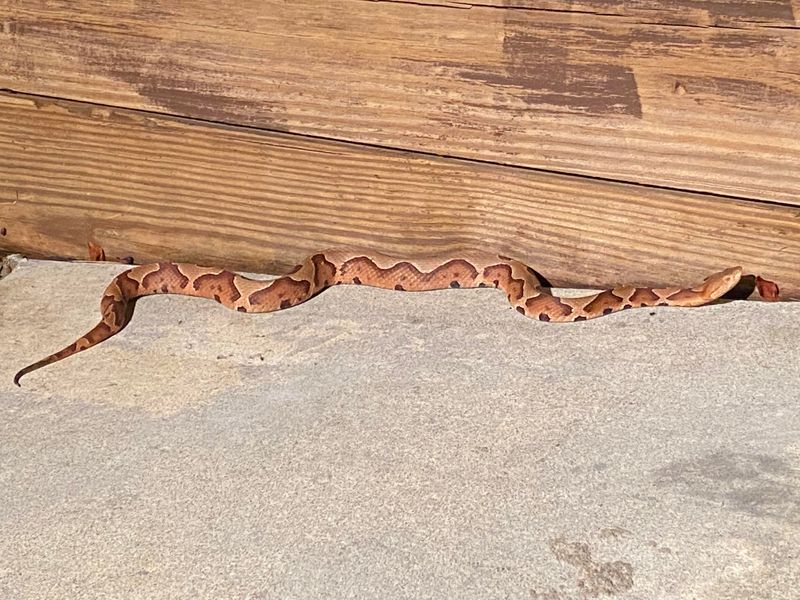
Certain landscapes across Kentucky draw far more attention than others once autumn settles in. Rocky, sun-exposed terrain holds daytime heat longer than open fields or shaded woods.
Eastern Kentucky’s steep, south-facing slopes are prime examples. Exposed sandstone and limestone ledges soak up afternoon sun and release that warmth slowly into evening.
Hikers on these ridges often spot copperheads resting on flat rock surfaces near trail edges. The same ledges that offer a scenic overlook double as a favorite basking spot.
Central Kentucky presents a different version of the same pattern. Old stone fences, roadside riprap, and gravel shoulders absorb heat throughout the day and stay warm long after sunset.
Farm properties add another layer to this picture. Barn foundations, collapsed outbuildings, and rock piles left from old fence lines create pockets of warmth close to daily foot traffic.
Suburban yards bordering wooded lots see their own version of this overlap. A stacked retaining wall or a sunny gravel driveway can function exactly like a hillside ledge.
Most of these hot spots aren’t limited to remote areas. Even small residential lots can hold a mini version of the same setup.
Understanding which features hold heat helps explain why some yards see repeated encounters while neighboring properties rarely do. It comes down to surface, sun exposure, and proximity to shelter, not luck.
Paying attention to these spots on your own property means fewer surprises during routine tasks like mowing, trimming, or walking along a stone wall in the late afternoon.
The Blind Reach That Invites Trouble
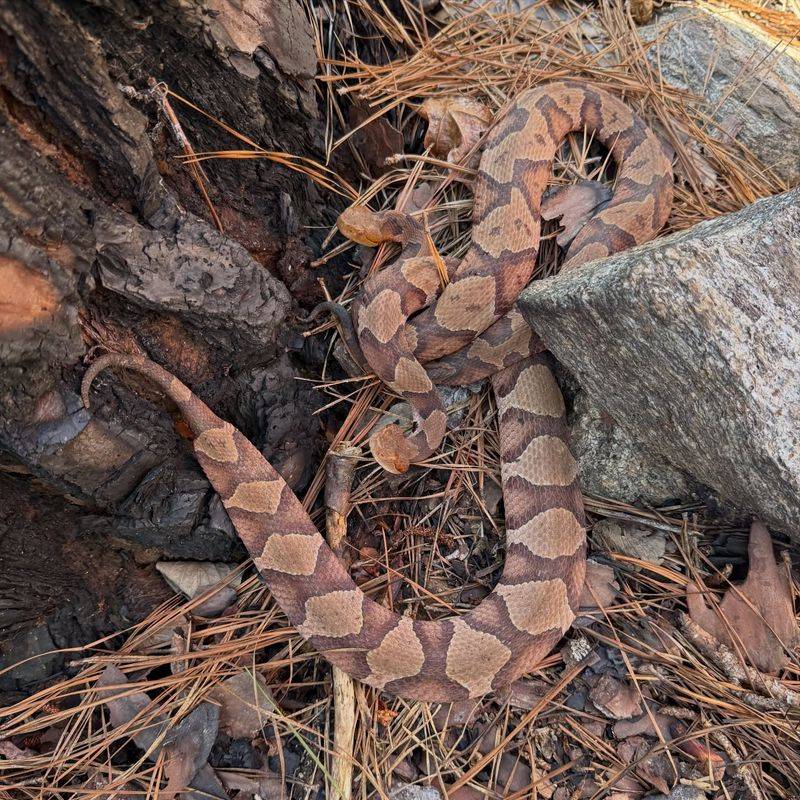
Here is the habit that trips up more Kentuckians than any snake ever could: reaching into a spot you cannot see. Autumn yard work is full of blind grabs.
Hands slide under tarps, into leaf piles, and behind stacked firewood while eyes look elsewhere. A copperhead’s camouflage, coppery hourglass bands over tan, reads as scattered leaves to human eyes.
Holding still is its first defense, so one may stay put while you work inches away. That stillness is why so many people insist a snake appeared out of nowhere.
The second common misstep is treating flip-flops or bare feet as fine for a quick trip to the mailbox or the woodpile. Most bites in Kentucky land on hands and feet, and plenty happen at dusk or in a dim garage.
Then there is the urge to handle a snake yourself. Poking, grabbing, or trying to relocate one with a shovel raises risk sharply, and it explains a fair share of emergency room visits.
Clutter piles up in autumn, which plays a role as well. Loose boards, unstacked wood, shaggy grass along fence lines, and spilled bird seed that draws rodents build a welcome mat nobody intended.
Even lighting habits slip. Porch bulbs attract insects, insects attract frogs and mice, and those visitors attract hungry snakes to the same steps children use every evening.
Simple Habits That Keep Autumn Easy
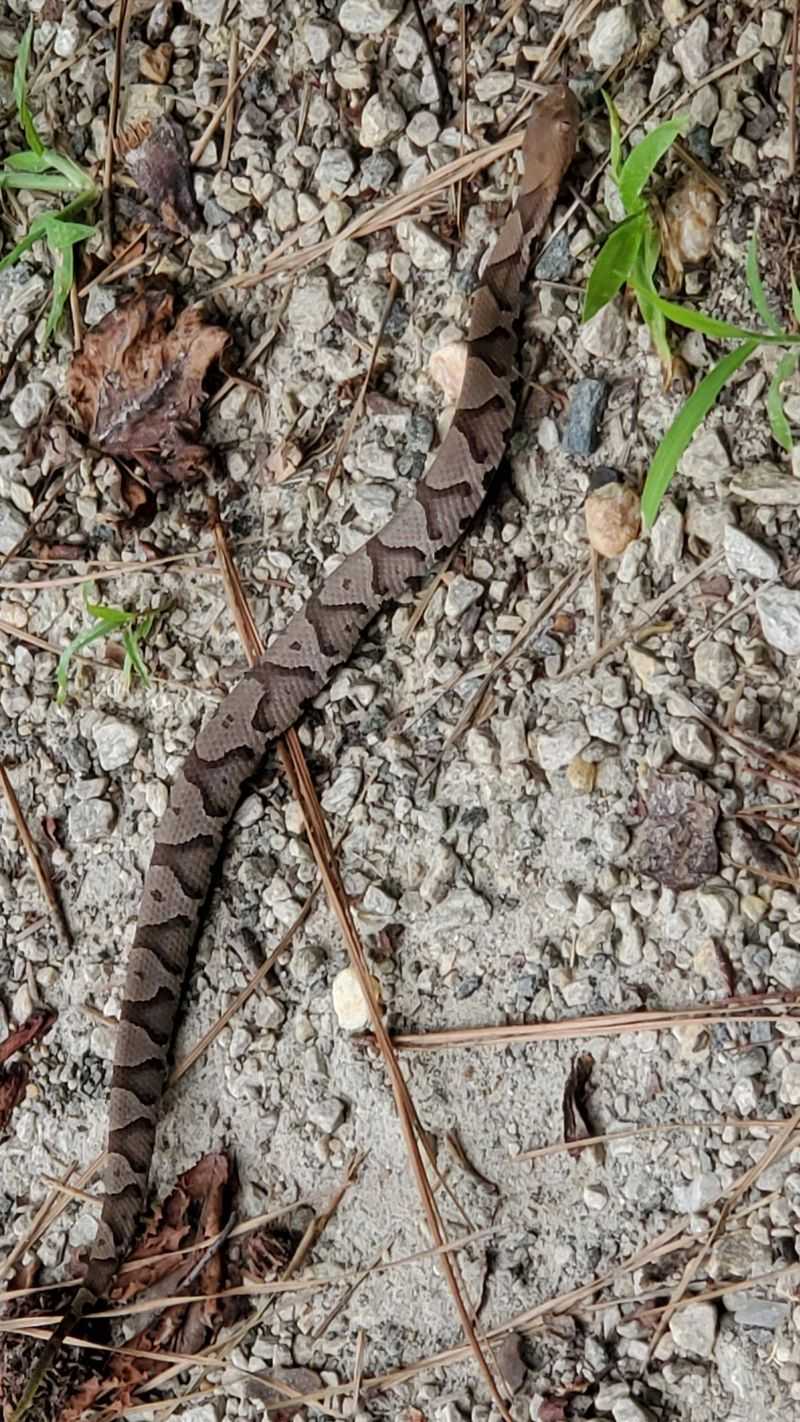
The reassuring part is that autumn safety costs little beyond attention and a sturdy pair of shoes. Start with light.
Carry a flashlight or headlamp for evening trips to the woodpile or barn. Closed-toe boots, long pants, and leather gloves handle most yard work well.
Use a rake or long-handled tool to shift leaf piles before your hands get anywhere near them. Give the landscape a tidy edge too.
Keep grass trimmed along fences and store firewood off the ground, away from the house. Sealing gaps under sheds and porch steps also removes hiding spots.
On trails, keep dogs on a short leash and step onto logs rather than blindly over them. Teach kids the look-before-you-reach rule and the freeze-then-back-away response, which beats any sudden movement.
If you do meet one, give it six feet of room and let it leave on its own terms. Copperheads are not chasing anyone. They want the encounter finished as much as you do.
Should a bite happen, stay calm, slip off rings and tight shoes, keep the limb still, and go to an emergency room. Skip tourniquets, ice, and cutting, and call Poison Control at 1-800-222-1222 on the way.
The Payoff Of A Well-Handled Fall
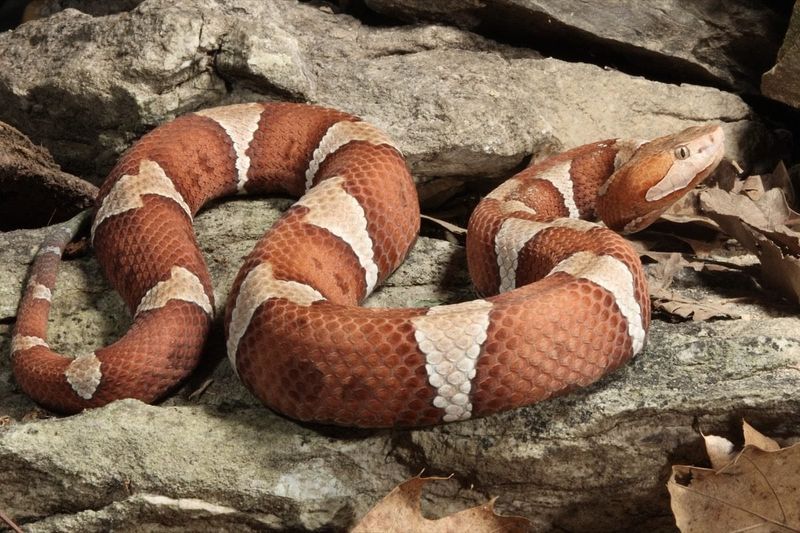
Picture a November morning in Kentucky: frost on the windshield, woodsmoke drifting, leaves crunching underfoot with nothing tucked beneath them. That calm arrives once nighttime temperatures settle into the thirties and forties for a stretch.
Copperheads move toward rock crevices and old foundations for the cold months. They do not truly hibernate but enter a slowed state called brumation.
Households that handled September and October thoughtfully tend to notice the payoff now. Wood is stacked neatly, leaves are cleared, and gloves live by the back door instead of lost somewhere in the garage.
Kids who learned to look before reaching carry that habit into spring, when the same afternoon-warmth pattern plays out in reverse. Perspective helps as well.
Copperhead bites are painful but rarely life-threatening, and Kentucky hospitals stock antivenom. These snakes also earn their keep by eating barn and garden rodents, so quiet coexistence beats picking a fight.
By the time the first hard freeze settles over the bluegrass, the afternoon parade has wrapped up for the year. What remains is a smarter routine, a tidier yard, and stories to trade around the fire about the copper-colored neighbor everyone learned to respect.
Come April, when the sun climbs and those ledges warm again, you will already know where to look and when. That head start is the real reward of paying attention this fall.