Do This For Pennsylvania Gardenias In September, Or Next Spring Suffers
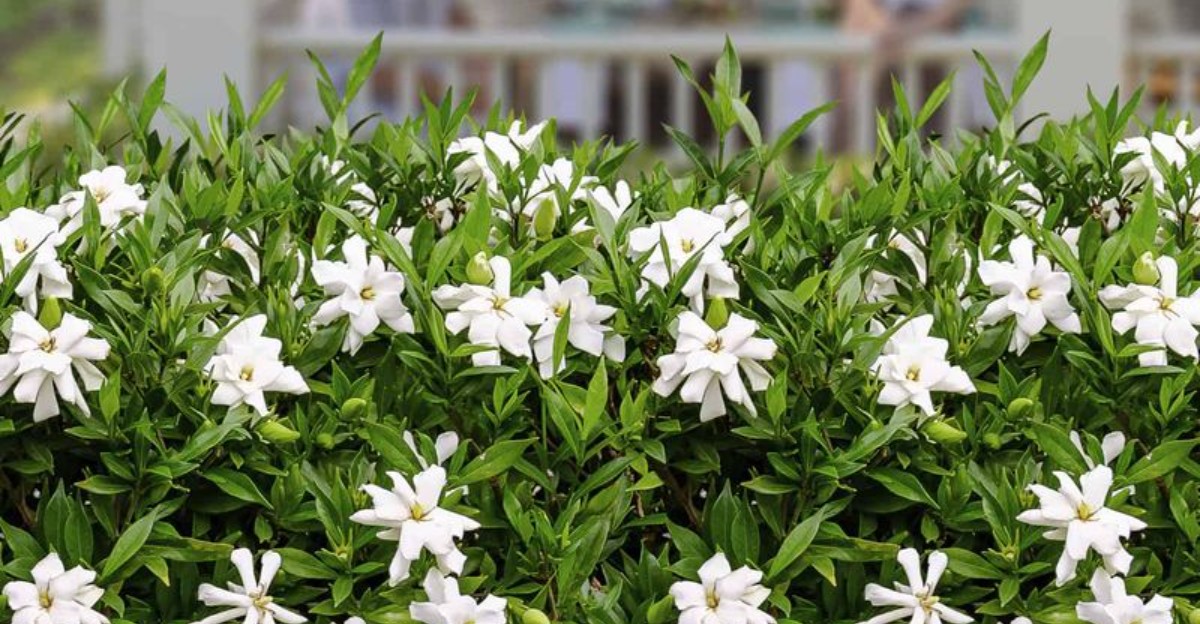
September in Pennsylvania has a particular smell to it, part damp leaf, part woodsmoke drifting from somebody’s fire pit. The light goes gold around four in the afternoon and everything in the yard seems to exhale.
Gardeners tend to relax right along with it. Hoses get coiled, tools go back on the hook, and the whole growing season feels finished.
That comfortable pause is exactly where trouble likes to hide. What happens in your beds over the next four weeks quietly decides how things look in May, long after you have stopped paying attention.
That hose curled up by the shed looks like a job finished for the year. Most yards on the block have already made the same call, weeks before it actually matters.
Water Deeply Before The Soil Cools Down
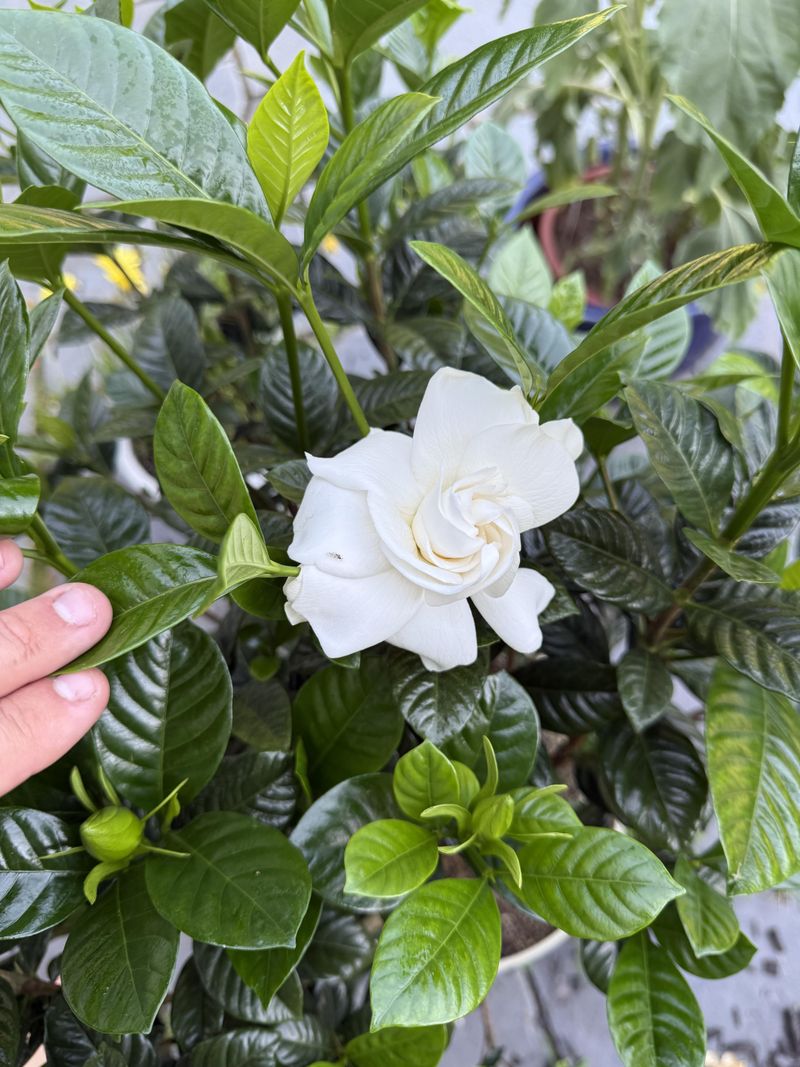
Late summer soil across Pennsylvania holds heat far longer than most folks expect. That warmth pulls moisture out of shallow roots quickly, even when mornings feel crisp and damp.
A slow soak beats a quick sprinkle every single time. Let a hose trickle at the base for twenty minutes so water reaches eight inches down.
Roots follow moisture, and deep moisture draws them downward where winter cold has less bite. Shallow sips train roots to linger near the surface, which spells trouble in January.
Aim for roughly an inch of water each week through September, counting rainfall. A cheap rain gauge on a fence post settles all the guessing.
Sandy ground in the southeast dries faster than the heavy clay common around Pittsburgh. Adjust your schedule to what your soil actually does, not the calendar.
Morning watering gives foliage hours to dry before evening arrives. Damp leaves overnight invite fungal spots that linger into the next growing season.
Stick a finger two inches into the soil before reaching for the hose. If it feels cool and moist down there, wait another day.
Buds for next spring are forming right now inside those glossy stems. Drought stress in September shows up as bud drop in May, long after you forgot the dry spell.
Keep watering until the ground firms with frost, usually mid to late November in most counties. Shrubs entering winter with hydrated roots handle wind and cold far better.
Soil Type And Watering Frequency Across Pennsylvania
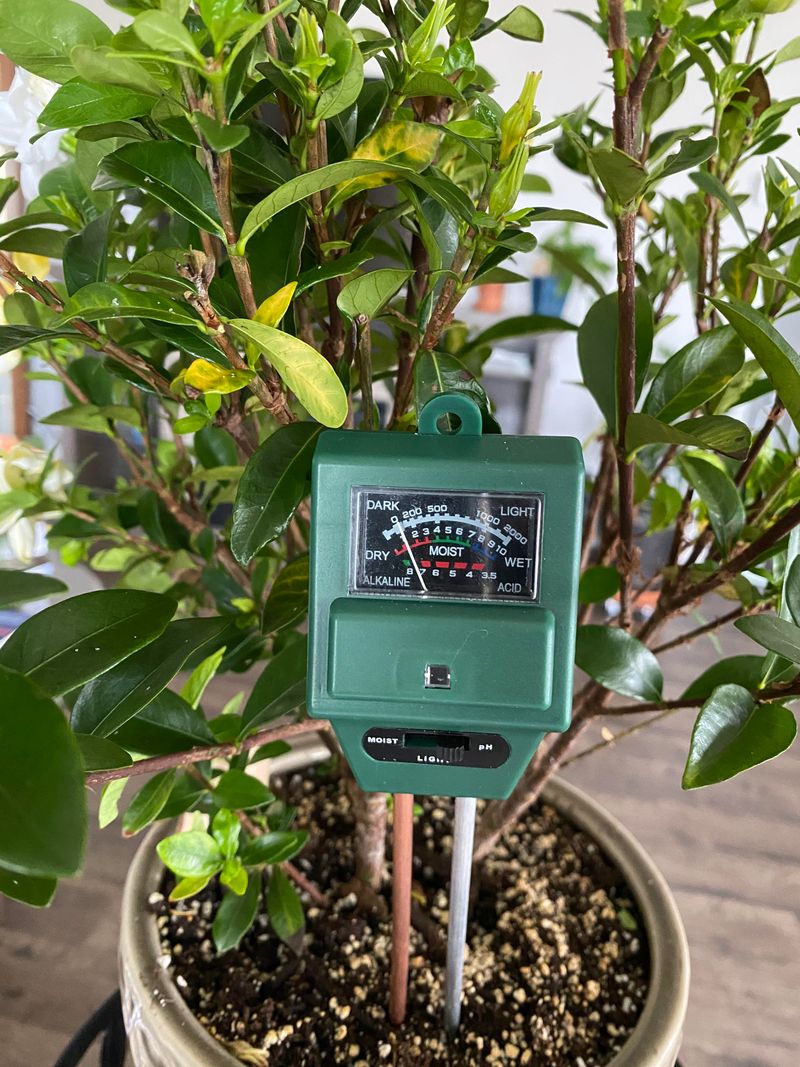
Pennsylvania soil shifts character from one county to the next, and that difference decides how often a gardenia needs water this month. Clay ground around Pittsburgh holds moisture far longer than the sandy soil common in the southeast.
Clay can go close to a week between waterings without any stress showing on the leaves. Sandy soil dries out in half that time, especially during a warm, breezy stretch.
A finger test settles the question better than any fixed schedule. Push a finger two inches into the soil near the root zone and check for coolness before reaching for the hose.
Soil type also changes how fast water reaches those developing flower buds underground. Clay tends to pool near the surface at first, then release slowly over several days.
Your Pennsylvania Garden Changes Every Week. Your Plan Should Too.
Gardening in Pennsylvania changes quickly throughout the season. Every Friday you’ll receive a simple weekly plan showing exactly what to plant, prune, fertilize, harvest, and protect so you never miss the right timing.
Sandy ground drains almost right away, so a slow trickle works better than a quick blast from the hose. Fast watering on sandy soil often pushes past the root zone before roots get a chance to use it.
Raised beds and container mixes behave more like sandy soil, drying quickly no matter which county they sit in. Those spots deserve extra attention through the rest of September.
Figuring out which category a yard falls into removes a lot of guesswork through fall. A short walk around the property with a trowel answers the question within minutes.
Mulch As A Moisture Barrier For Root Zones
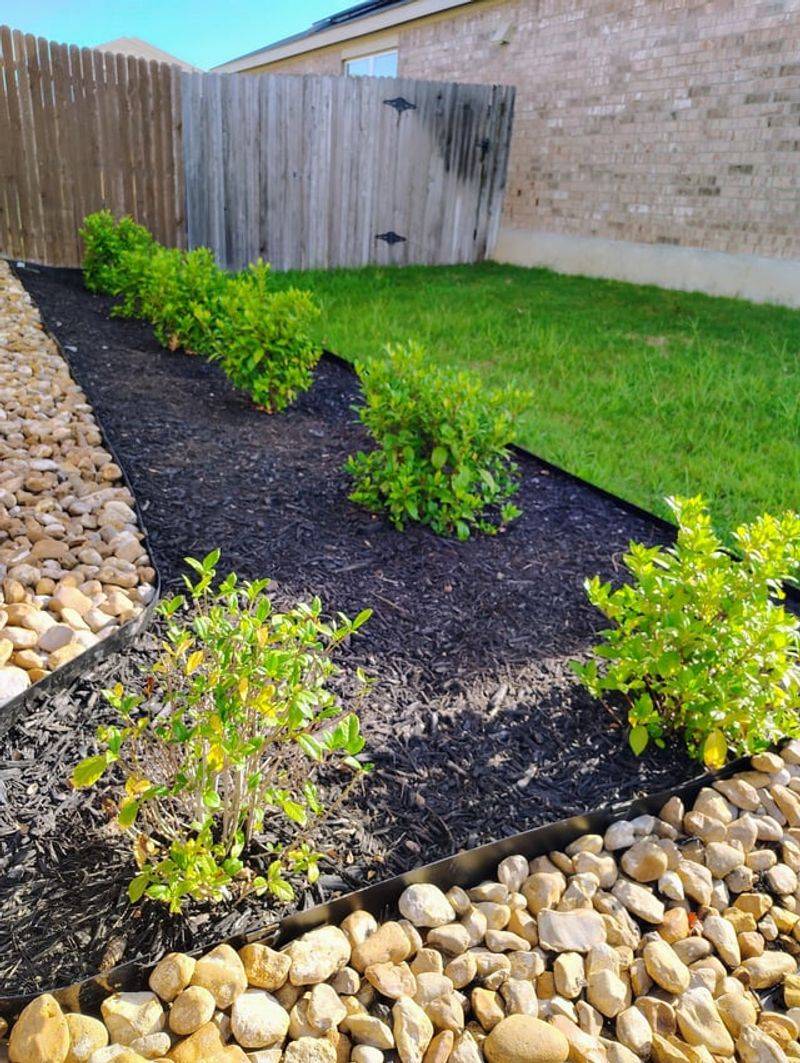
Mulch plays a direct role in keeping soil moisture even through unpredictable September weather. A two to three inch layer slows evaporation and buys extra days between waterings.
Pine bark, pine needles, and shredded oak leaves suit gardenias particularly well. They break down slowly and nudge soil pH in the acidic direction these shrubs prefer.
Spread mulch out to the drip line rather than stopping at the visible edge of the shrub. Roots often stretch well past where the branches appear to end.
Leave a gap of a couple inches around the main stem itself. Mulch piled against bark traps dampness and invites soft rot right at the base.
A layer of mulch also keeps soil temperature steadier as nights turn cooler. Roots respond better to gradual cooling than to sharp swings between warm days and cold nights.
Apply mulch only after a thorough watering, not on top of bone-dry ground. Mulching over dry soil seals in the dryness instead of preserving any moisture underneath.
Fewer weeds also mean less competition for the water already going into the ground. That matters most right now, while roots are storing up energy for the buds forming inside stems.
A refreshed mulch layer in September pays off through the coldest months ahead. Roots that stay evenly moist handle the freeze and thaw cycles common across the state far better.
Warning Signs Of Drought Stress On Buds
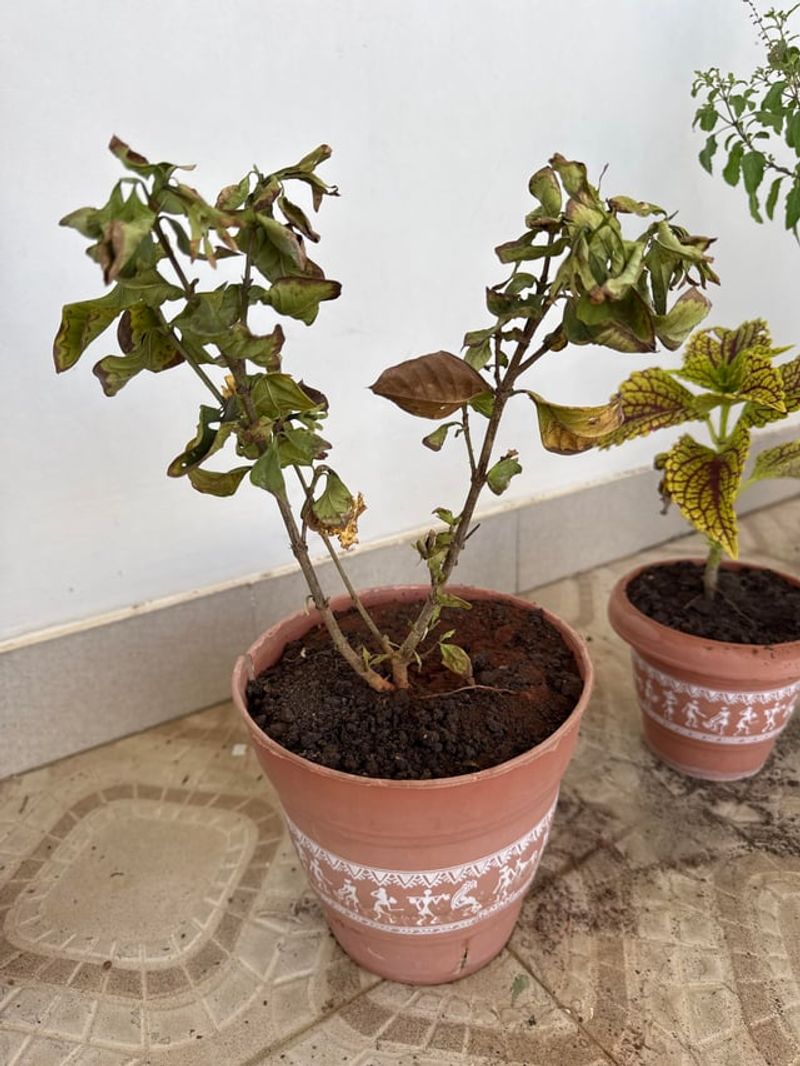
Flower buds for next spring are already forming inside gardenia stems right now, well before anyone notices them. Dry conditions in September can quietly damage that hidden growth without any obvious signal at first.
Leaves that curl slightly or lose their glossy shine often signal the earliest stage of moisture stress. That subtle change is worth checking before it develops into anything more visible.
A shrub pulling water away from buds to protect its main stems shows up later as bud drop. That loss typically appears in spring, long after the dry stretch that caused it.
Soil pulling away from the edges of a pot is a clear signal for container gardenias specifically. That gap lets water run straight down the sides instead of soaking into the root ball.
Yellowing at leaf tips, rather than across the whole leaf, points toward drought rather than a nutrient problem. That distinction helps avoid an unnecessary trip to buy fertilizer.
Wilting during the hottest part of the afternoon that bounces back by evening is usually normal. Wilting that persists into the next morning signals a deeper moisture shortage.
Catching these signs early in September still leaves time to correct course before buds are permanently affected. Waiting until October narrows that window considerably.
A five minute check of the yard every few days catches trouble long before it becomes visible from a distance. That habit costs nothing and protects months of bud development.
Drainage Problems From Heavy Fall Rain
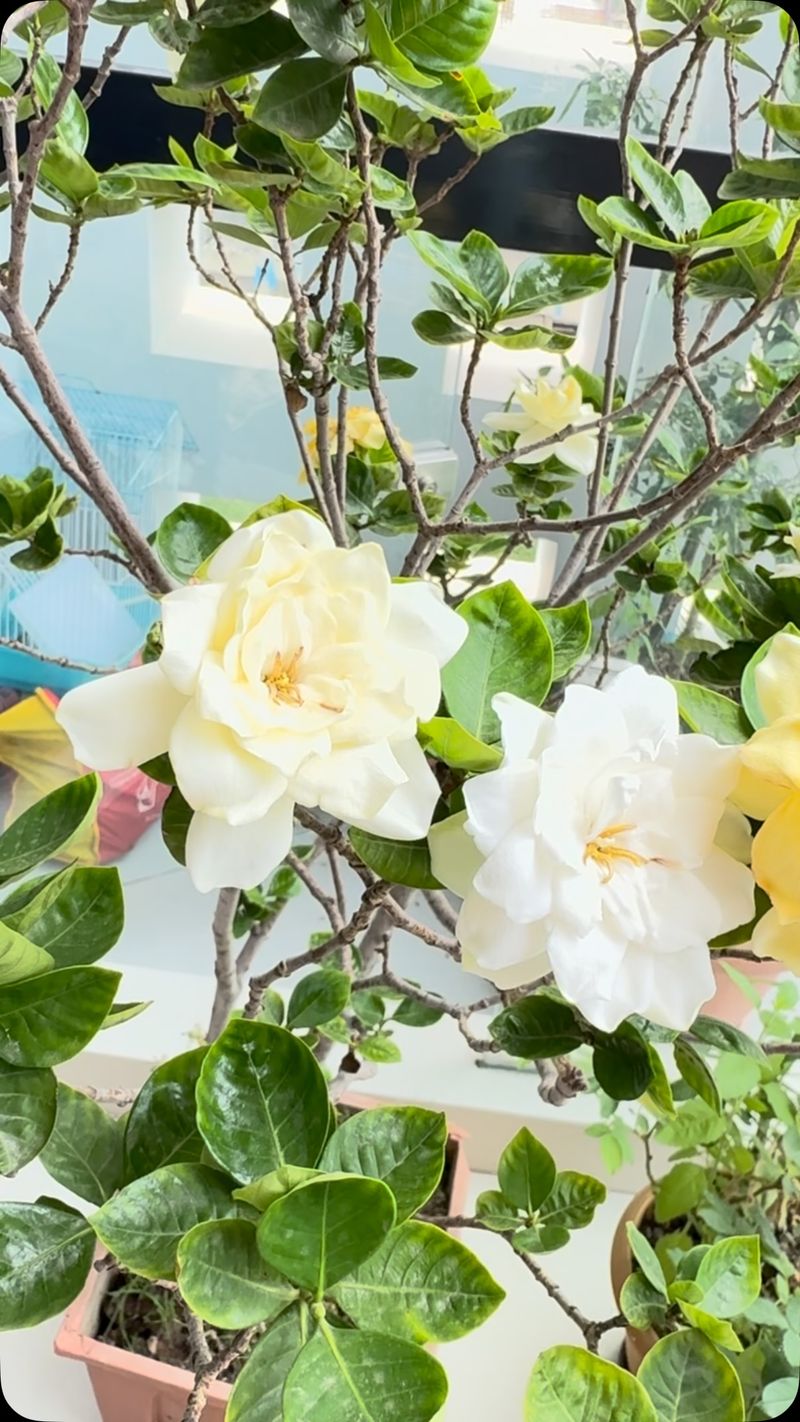
September in Pennsylvania often swings between dry stretches and sudden heavy downpours, sometimes carrying leftover moisture from tropical storms. Soil that drained well all summer can behave differently once those heavier rains arrive.
Roots sitting in standing water lose access to oxygen within a short period. Fine feeder roots can weaken quickly once that happens, undoing weeks of careful watering.
Checking a bed after the next real downpour reveals a lot. Water pooling around the base for more than a few hours points to a drainage issue worth addressing.
Heavy clay soil, common in older Pennsylvania neighborhoods, holds onto rainwater longer than looser ground. Working compost into that clay over several seasons gradually opens up pore space.
Raising the planting area by four to six inches solves most drainage trouble for good. A gentle mound sheds excess water away from the base instead of letting it collect there.
Downspouts deserve a second look during this kind of weather pattern. A single roof drain aimed toward a bed can send an enormous amount of water into one small area during a single storm.
A musty smell near the soil line paired with yellowing leaves points toward soggy roots rather than dry ones. Both problems deserve attention before winter settles in for good.
Well drained ground also freezes more evenly once temperatures drop for the season. Fewer pockets of trapped water around roots mean fewer split stems later in winter.
Potted Gardenias And Their Special Watering Needs
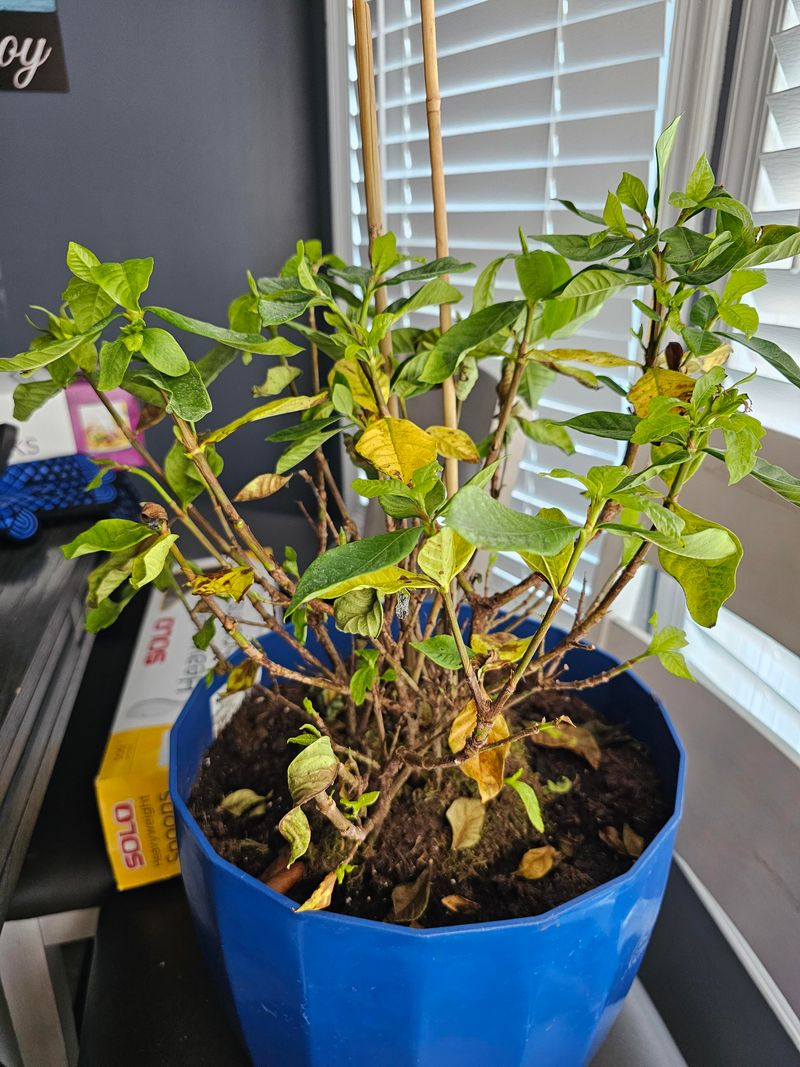
Container gardenias face a different set of pressures than shrubs planted directly in the ground. A pot exposes roots to temperature swings from every side, with only a thin wall of material for protection.
Soil inside containers also dries out considerably faster than garden soil, sometimes within a single day during a warm stretch. Checking pots more frequently through September becomes worthwhile because of that.
A finger test still works well here, though pots often need it checked daily rather than every few days. The top inch drying out does not necessarily mean the root ball below is dry as well.
Drainage holes deserve a check before any of this season’s heavier watering begins. A blocked hole turns every watering session into a slow soak that roots cannot tolerate for long.
Watering thoroughly until it runs from the bottom encourages roots to grow throughout the entire pot rather than staying near the surface. A light sprinkle across the top only wets the uppermost layer.
Grouping several pots together near a sheltered wall helps moisture levels stay steadier between waterings. Shared humidity among the containers reduces how quickly each one dries out.
As nights grow cooler later in the month, watering frequency should ease back gradually rather than stopping all at once. Slightly moist soil remains the target through that transition period.
These small differences add up to a container gardenia that heads into the cooler months with healthier roots. That preparation now shapes how strong the shrub looks when it wakes up again in spring.