Pennsylvania Cabin Yards Need This Prep Before August Heat Rolls Back
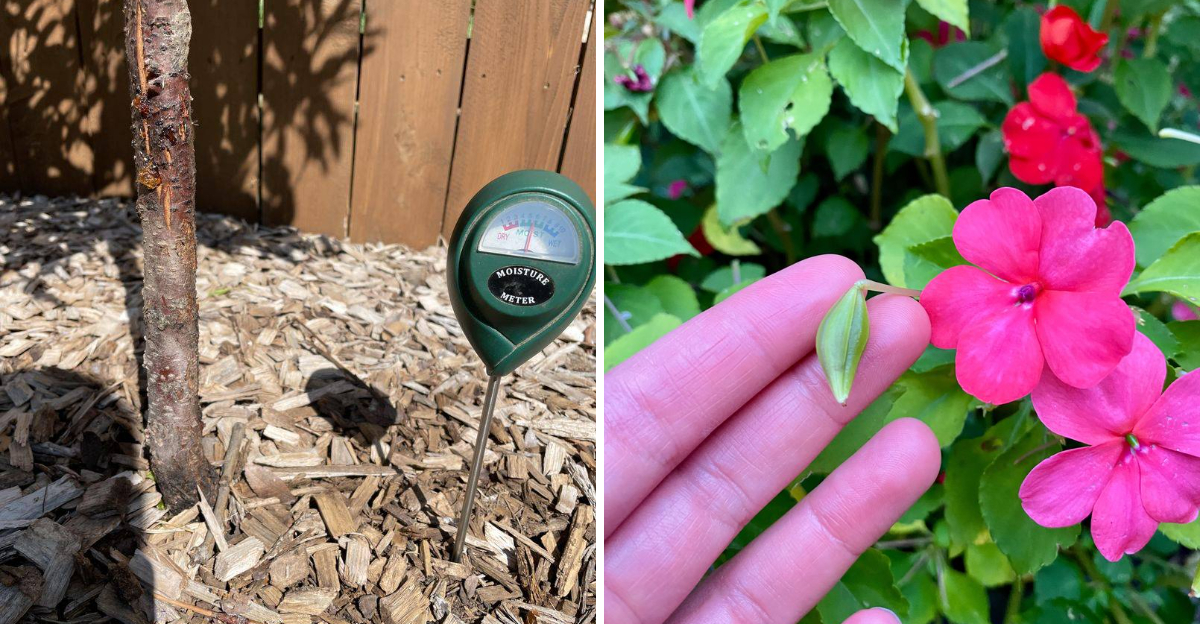
August heat in Pennsylvania does not ease in gently.
After a few cool mountain mornings, it slams back hard, and cabin yards that were not ready take the hit fast.
Dry slopes lose moisture overnight, young trees planted last spring get stressed before noon, and containers on the deck can bake before you even pack the car to head home.
The problem is that most cabin yards spend Monday through Friday completely on their own, and five days of August heat without any intervention is more than most plants can handle without some preparation before you leave.
If your cabin sits empty most of the week, you need a plan that works without you standing there holding a hose.
These eight prep steps are built for Pennsylvania mountain properties, weekend owners, and yards that have to survive on their own for days at a stretch.
None of them require expensive equipment or a full day of work, but all of them make a measurable difference when the heat returns and you are not there to respond to it.
1. Check Soil Before The Heat
A dry slope in the Pennsylvania mountains can fool you.
The top inch of soil might look damp from a recent rain, but go two or three inches deeper and it is bone dry.
That is the zone where roots actually drink, and that is the zone that matters most before August heat returns.
Penn State Extension recommends checking soil moisture before you water, not after.
Stick your finger two to three inches into the ground near the base of a plant. If it feels dry at that depth, water is needed. If it still feels cool and slightly moist, hold off and check again the next day.
Cabin yards are tricky because you cannot check daily.
Before you leave for the week, do a full soil check across every planted area. Note which spots dry out fastest.
South-facing slopes and sandy soils near ridge lines lose moisture much faster than shaded, low-lying spots near the cabin foundation.
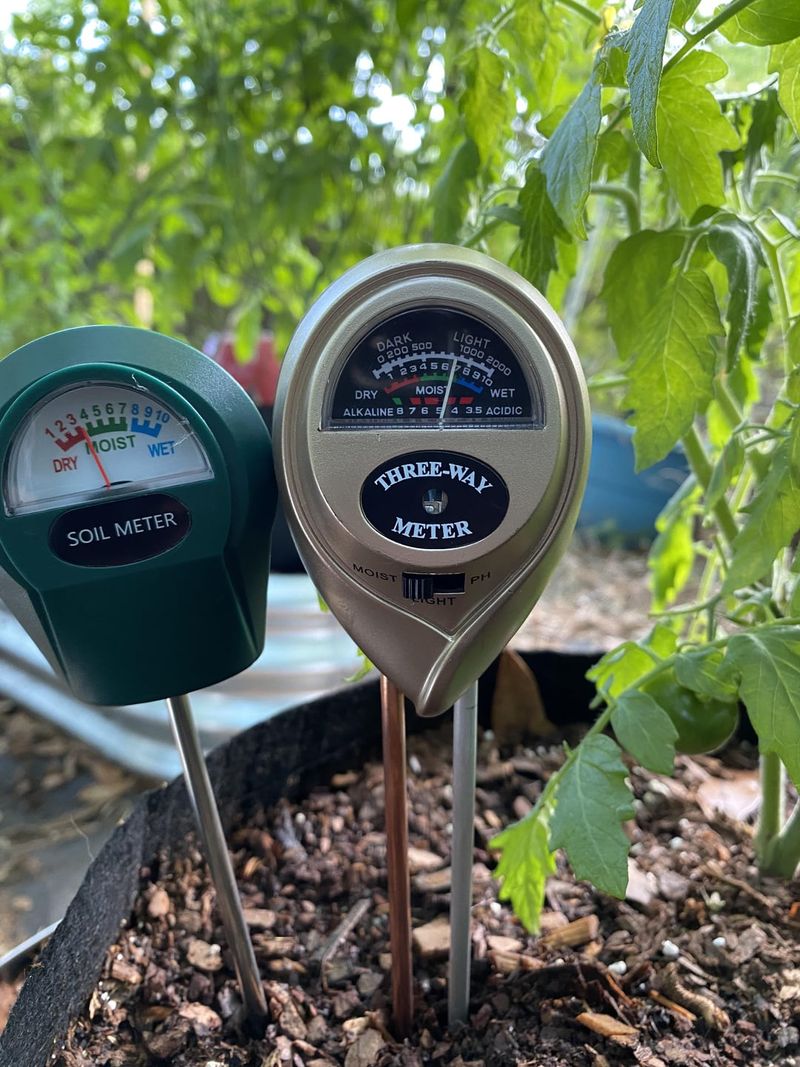
A simple soil moisture meter takes the guesswork out of the whole process. You push it in, read the dial, and know exactly what you are dealing with.
For a cabin yard where every visit counts, that small tool earns its keep fast. Getting the soil read right before the heat hits means everything you plant this summer actually has a fighting chance.
2. Refresh Mulch Around Beds
Mulch is one of the hardest-working tools in a cabin yard, and most people do not use enough of it.
A thin layer that looked fine in May has probably broken down, blown around, or dried out by July. Before August heat returns, refreshing mulch is one of the highest-value tasks you can do in a single Saturday morning.
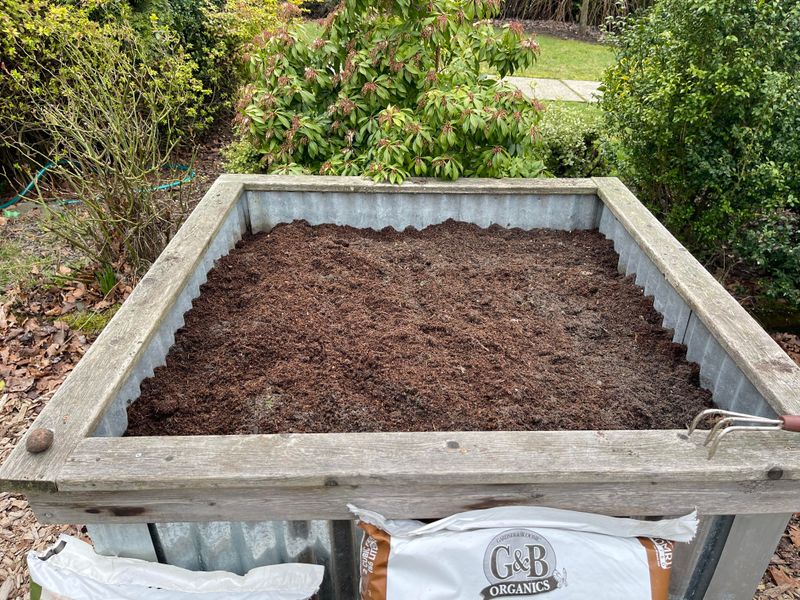
Penn State Extension recommends two to four inches of mulch in landscape beds.
That depth holds soil moisture, moderates soil temperature, and slows weed germination all at once. For a cabin yard that goes days without attention, that moisture-holding ability is worth its weight in gold during a hot stretch.
Your Pennsylvania Garden Changes Every Week. Your Plan Should Too.
Gardening in Pennsylvania changes quickly throughout the season. Every Friday you’ll receive a simple weekly plan showing exactly what to plant, prune, fertilize, harvest, and protect so you never miss the right timing.
Wood chips, shredded hardwood, and pine bark all work well in Pennsylvania mountain settings.
Avoid piling mulch directly against plant stems or tree trunks. Pull mulch back two to three inches from every trunk and stem, creating a small donut-shaped gap around each plant.
Pay extra attention to new plantings and any beds on south-facing slopes that catch full afternoon sun.
Those spots lose moisture the fastest and benefit the most from a fresh mulch layer.
Buy a few extra bags and keep them at the cabin for quick top-ups throughout the summer. Your plants will thank you every single week you are not there.
3. Clear Weeds Before They Steal Moisture
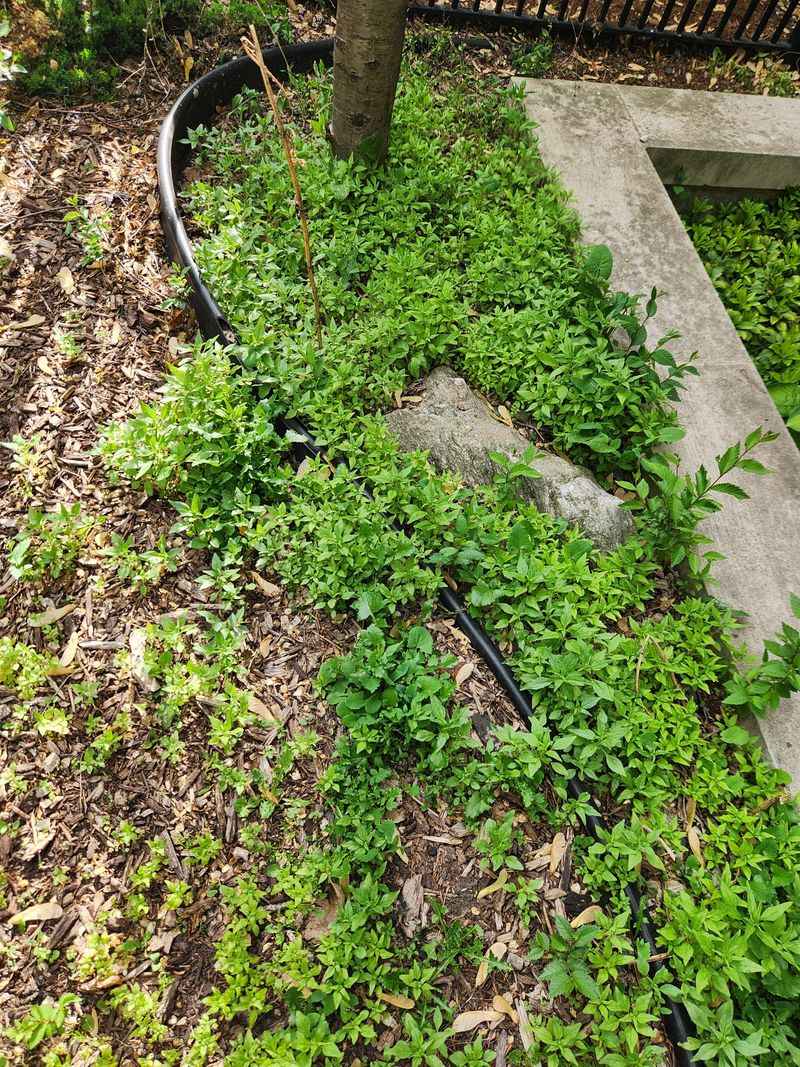
Weeds are not just ugly. Every weed growing in your cabin yard is pulling water and nutrients away from the plants you actually want there.
Before August heat returns and the soil dries out, clearing weeds gives your trees, shrubs, and flowers a clear competitive advantage during the toughest weeks of summer.
Common summer weeds in Pennsylvania mountain yards include crabgrass, purslane, bindweed, and lamb’s quarters.
Penn State Extension notes that weeds compete directly with landscape plants for soil moisture, which becomes critical during drought stress periods in July and August.
The best time to pull weeds is right after a rain when the soil is loose and roots come out cleanly.
If the soil is dry and hard, you will snap the tops off and leave the roots behind, which means the weed grows right back within a week.
For a cabin yard that sits unattended most of the week, focus on clearing weeds in the most critical zones first: around young trees, in container soil, and along the edges of beds where weeds tend to creep in fastest.
After clearing, lay fresh mulch immediately to block new weed seeds from sprouting.
That one-two punch of pulling and mulching is the most efficient use of a short Saturday morning before the heat rolls back in.
4. Water Young Trees Deeply
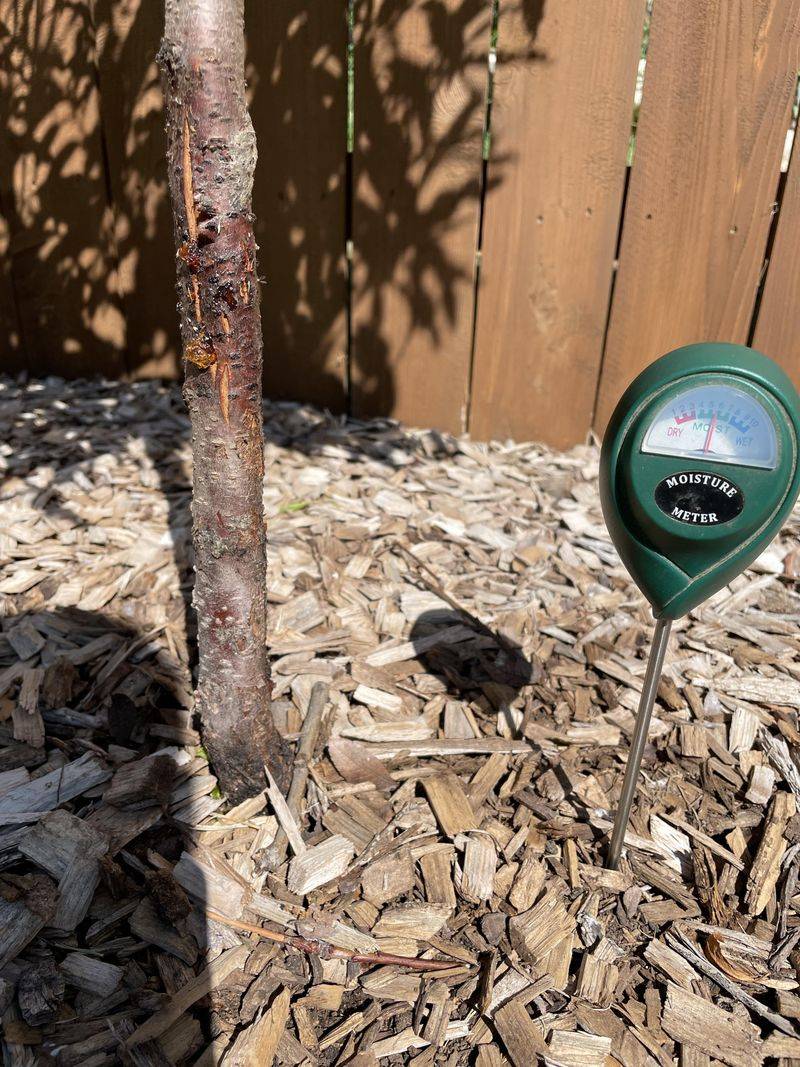
A thirsty young tree is one of the saddest sights in a cabin yard after a hot August week.
Trees planted within the last two to three years have not built the deep root systems that let older trees ride out dry spells. They need help, especially when temperatures climb into the upper eighties and stay there.
Penn State Extension is clear on this: young trees need slow, deep watering rather than quick surface sprays.
A fast sprinkler wets the top inch of soil and then evaporates. A soaker hose or slow drip left running for thirty to forty-five minutes gets water down to the root zone where it actually does something useful.
For cabin owners who cannot water every day, the goal is to water deeply before you leave and then again as soon as you return.
One long, slow session beats three short ones every time. Aim for about ten gallons per inch of trunk diameter per watering session.
Newly planted shrubs need the same treatment. Do not skip them just because they look smaller.
Group young trees and shrubs in the same watering zone if you can. It saves time on short weekend visits and makes sure nothing gets accidentally skipped during a busy Saturday morning at the cabin.
5. Move Containers Into Light Shade
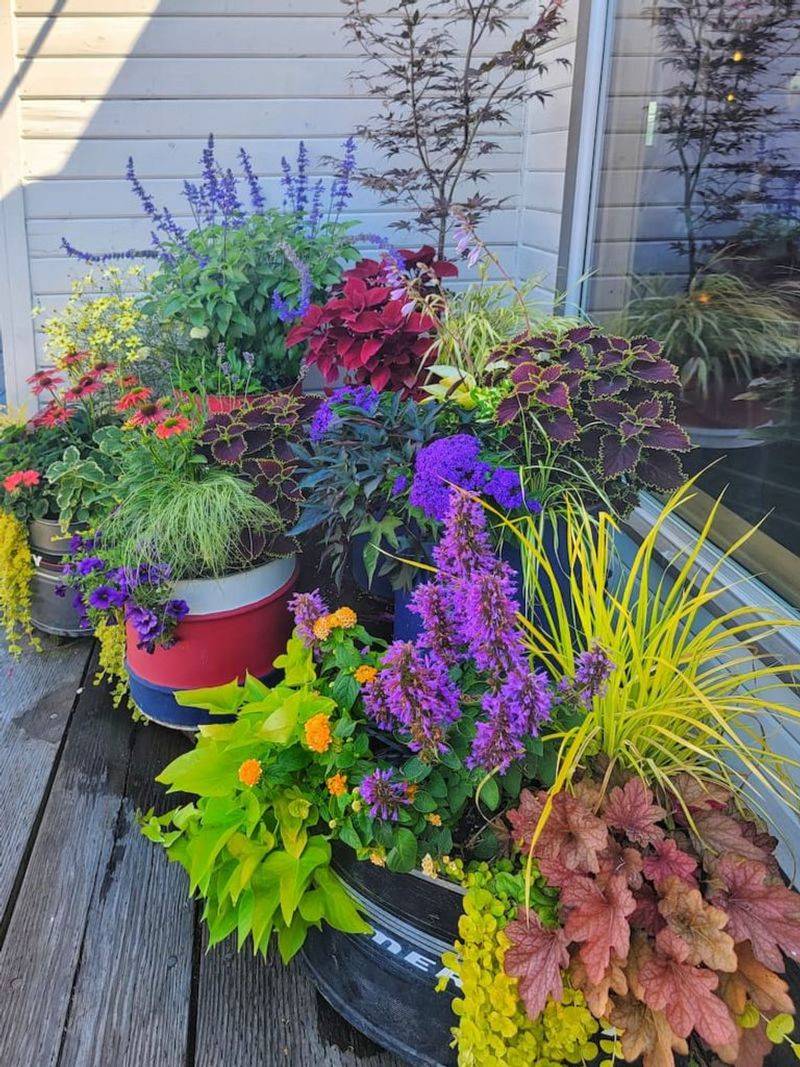
A container on a sunny deck can go from perfectly watered to bone dry in less than twenty-four hours during an August heat wave.
Terra cotta pots are especially fast to dry out because they are porous and release moisture through their walls as well as through the soil surface.
If your cabin sits empty Monday through Friday, that is five days of no one checking the pots.
Moving containers into light shade before you leave for the week is one of the simplest things you can do to keep plants alive without being there.
Morning sun and afternoon shade is the sweet spot for most flowering annuals and herbs. Full shade slows growth, but light dappled shade under a tree or on the north side of the cabin keeps soil temperatures dramatically lower.
Penn State Extension points out that container plants need more frequent watering than in-ground plants because their root zones are limited and soil volumes are small.
Larger containers hold moisture longer than small ones. If you have a choice, consolidate plants into the biggest containers you have before a long absence.
Self-watering containers are a genuine game-changer for cabin owners.
They have a reservoir at the bottom that wicks water up to the roots slowly over several days. A good-sized self-watering planter can keep herbs and annuals going for five to seven days without any intervention, which is exactly the gap most cabin weekenders need to bridge.
6. Group Thirsty Plants Together

Scattered plants across a big cabin yard are a watering nightmare.
You spend half your Saturday morning walking back and forth with a hose, and you still miss something.
Grouping plants with similar water needs into one or two zones is one of those landscape moves that pays off every single weekend for the rest of the season.
Put your thirstiest plants together: impatiens, hostas, astilbe, and any newly planted shrubs or trees.
Run a single soaker hose through the group and connect it to a timer. One zone, one timer, one setup, and every plant in that group gets watered on schedule whether you are there or not.
Penn State Extension describes this approach as hydrozoning, and it is one of the core principles of water-efficient landscaping.
It is especially practical for mountain cabin properties where water pressure from a well or gravity-fed system may be lower than in suburban settings.
Drought-tolerant plants like coneflowers, black-eyed Susans, and native ornamental grasses can be grouped in a separate zone that gets far less water.
Pennsylvania natives are naturally adapted to summer dry spells in the ridge-and-valley region.
Separating them from thirsty plants means you are not overwatering one group while trying to keep another alive. Smart grouping is lazy gardening in the best possible way.
7. Inspect Downspouts And Runoff
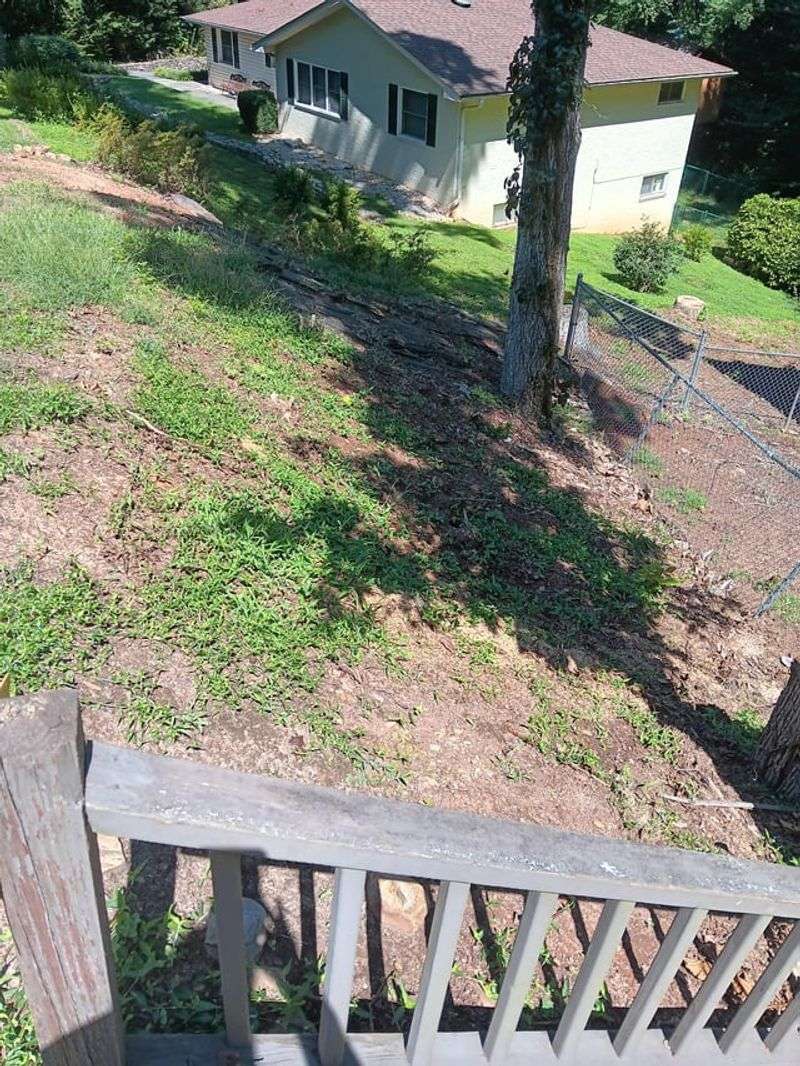
After a summer thunderstorm rolls through the Pennsylvania mountains, a downspout that dumps water right against the cabin foundation can send a sheet of water straight down a slope, taking topsoil with it.
August storms in the Appalachians can be intense and fast, and a yard that is not set up for proper drainage loses soil, mulch, and plant stability every single time it rains hard.
Start by walking every downspout on your cabin and checking where the water actually goes.
It should move water at least six feet away from the foundation and direct it toward a flat or gently sloping area, not toward a steep drop or a neighboring property. Downspout extensions are inexpensive and easy to attach without tools.
Penn State Extension highlights that slope erosion is one of the most common and costly problems for mountain properties.
Bare soil on a slope loses moisture fast and erodes under heavy rain.
Check your gravel paths and any drainage swales too.
After a few summer storms, gravel migrates and swales fill with debris. A quick cleanup with a rake before August heat sets in keeps water moving where you want it to go.
Redirecting just one problematic downspout can protect a slope, reduce erosion, and keep your cabin foundation dry through the rest of the season.
8. Set A Cabin Watering Plan
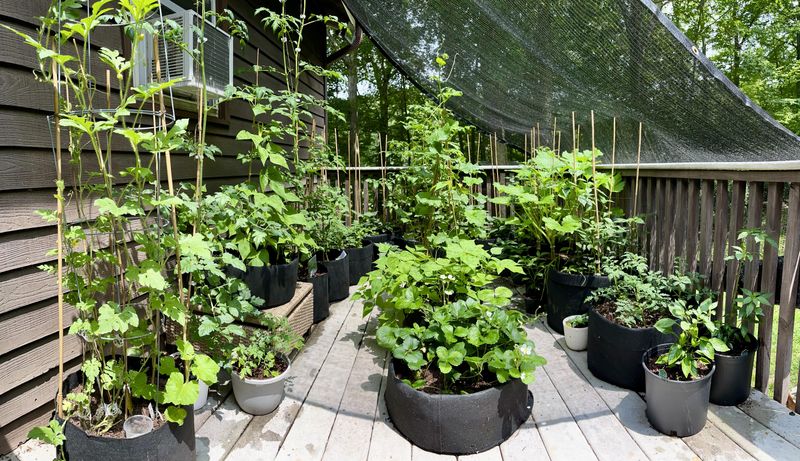
No watering plan survives a five-day cabin absence without some kind of system behind it.
Hoping for rain is not a plan. Asking a neighbor to stop by once is not quite enough either, especially during a dry August stretch when container soil can go from moist to dust in forty-eight hours.
A battery-powered hose timer is the single best investment a cabin owner can make for summer yard care.
They cost between twenty and sixty dollars, require no electrical wiring, and can be programmed to run a soaker hose or drip line once or twice a day on a set schedule.
Penn State Extension recommends early morning watering to reduce evaporation loss and minimize fungal issues on leaves and stems.
Pair the timer with a soaker hose routed through your most critical plant zones, and you have a system that runs without you.
Test it before you leave on Sunday so you know it is actually working. A dead battery or a kinked hose discovered on Friday evening is a frustrating way to start a weekend.
Self-watering containers, moisture-retaining soil amendments like coconut coir, and a quick call to a trusted neighbor to check in mid-week round out a realistic cabin watering plan.
Write the plan down. Leave a copy at the cabin. Note which zones run on which days and where the shutoff is located.
A written plan means anyone helping out can step in confidently, and your yard survives August on autopilot like a true mountain pro.