The Native Pennsylvania Meadow Plant Some Neighborhoods Are Quietly Letting Spread Along Fence Lines For Wildlife
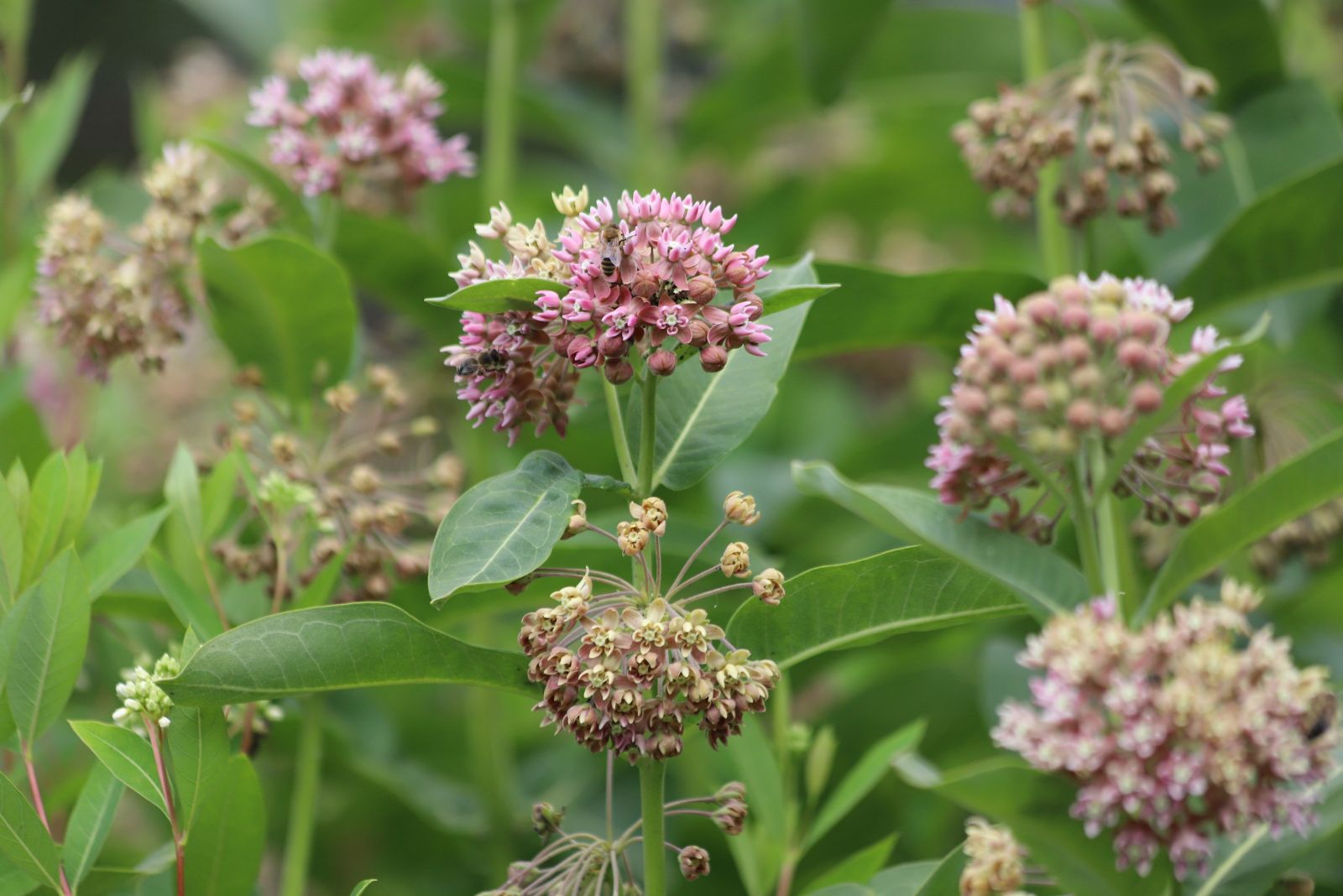
Something is changing along fence lines in certain Pennsylvania neighborhoods. Instead of the usual trimmed edges and bare soil, some homeowners are letting a particular native meadow plant spread and do its thing.
To a passerby it might look like someone simply stopped maintaining that stretch. But the homeowners who know this plant understand exactly what’s happening and why they’re encouraging it. This plant is a wildlife magnet.
Birds, pollinators, and beneficial insects respond to it with an enthusiasm that’s hard to replicate with anything from a typical garden center.
It provides food, shelter, and nesting material across multiple seasons, creating a living corridor along the fence line that supports local wildlife in ways that a trimmed edge never could.
It’s also native to Pennsylvania, meaning it belongs here, fits naturally into the local ecosystem, and establishes without the invasive concerns that come with non-native spreaders.
Here’s the native meadow plant worth letting spread along your fence line and what it does for the wildlife in your neighborhood.
The Native Pennsylvania Meadow Plant Neighborhoods Are Letting Spread Along Fence Lines
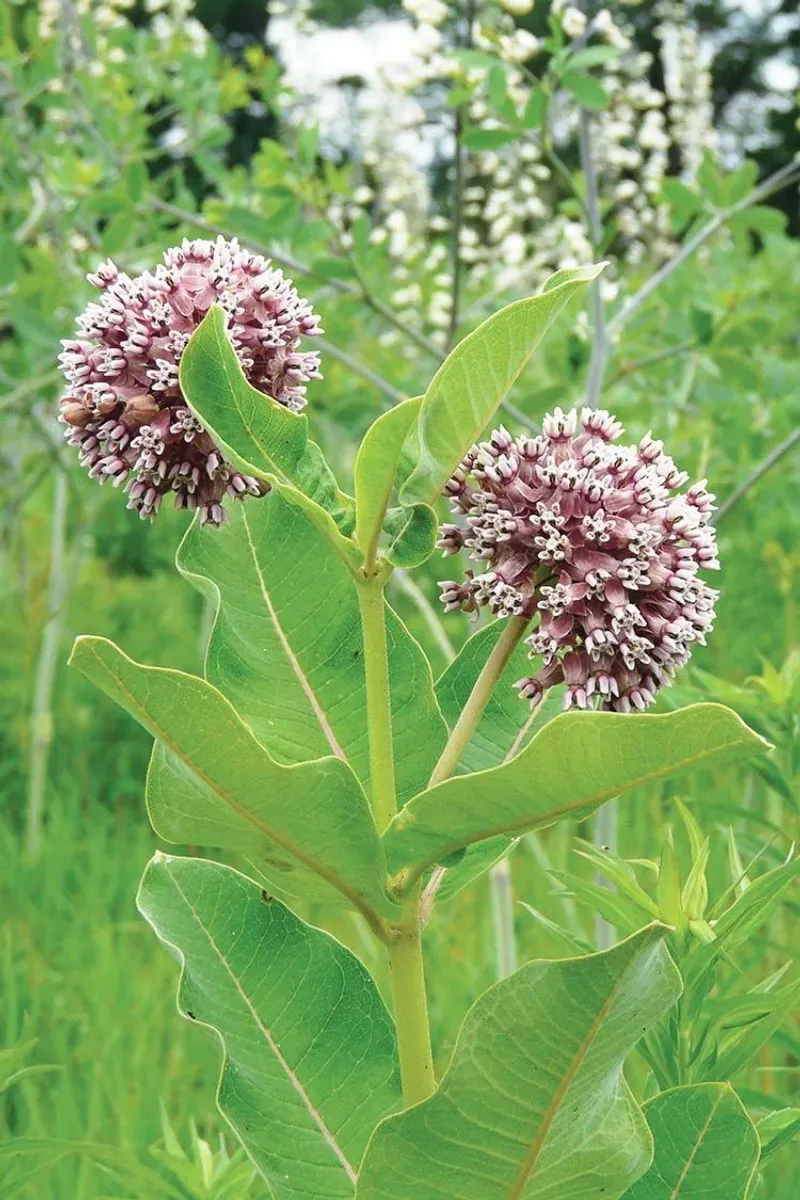
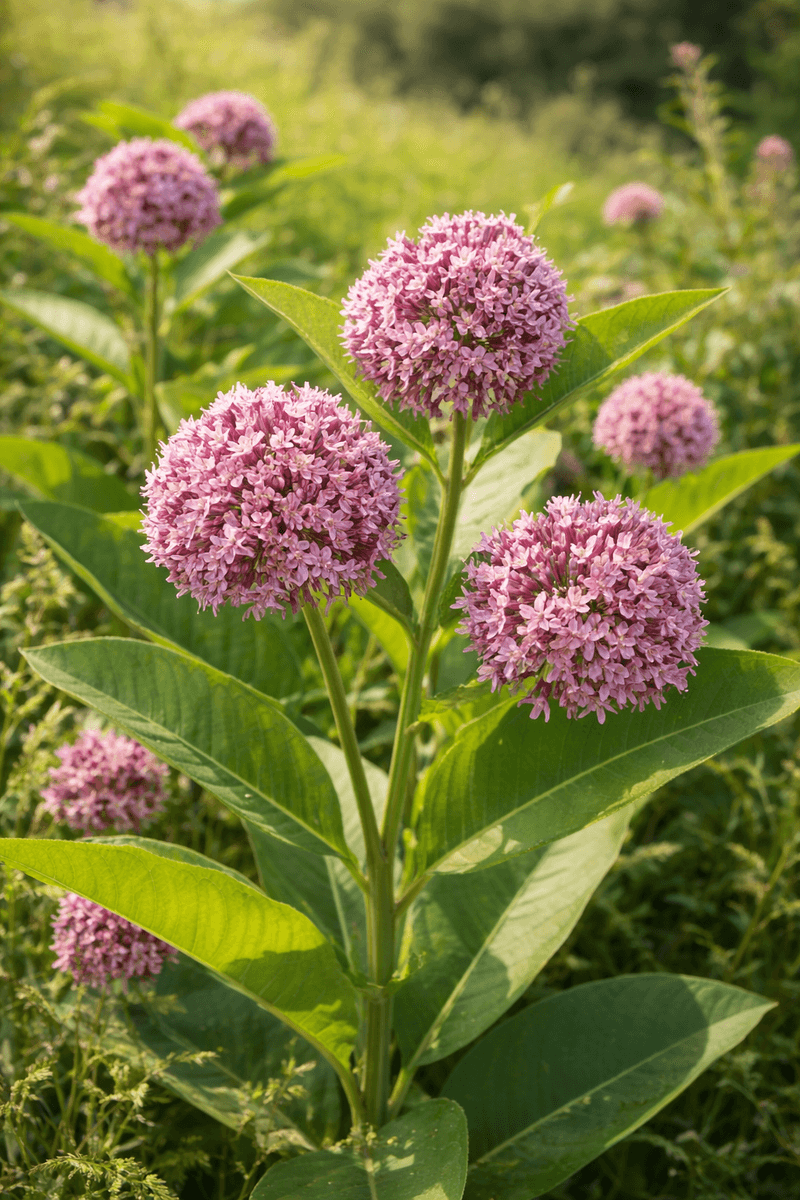
Bold, tall, and impossible to ignore when it blooms, common milkweed is one of Pennsylvania’s most recognized native perennials. Known scientifically as Asclepias syriaca, it grows naturally in sunny meadows, roadsides, and open fields across the state.
The plant can reach four to five feet tall and produces large, oval-shaped leaves with a thick, milky sap inside, which is exactly where its name comes from.
What makes common milkweed stand out from most garden plants is its habit of spreading. It sends out underground roots called rhizomes, which gradually push new shoots up through the soil nearby.
Over time, a single plant can grow into a colony. In a formal flower bed, that kind of behavior can feel like too much.
But along a fence line where there is open, sunny ground and no strict design rules, it fits in perfectly.
Many Pennsylvania homeowners have started to see the value in letting this plant do its thing along the edges of their yards. Instead of mowing it down or removing it, they leave it alone.
The result is a natural meadow strip that hums with life from late spring through early fall. The flowers smell faintly sweet, the leaves feed caterpillars, and the seed pods burst open in autumn to release silky white fibers that drift through the air.
It is a plant with real personality, and neighborhoods that give it room are discovering just how much wildlife value a single native species can bring to an ordinary fence line.
Why Fence Lines Are A Good Place For Common Milkweed
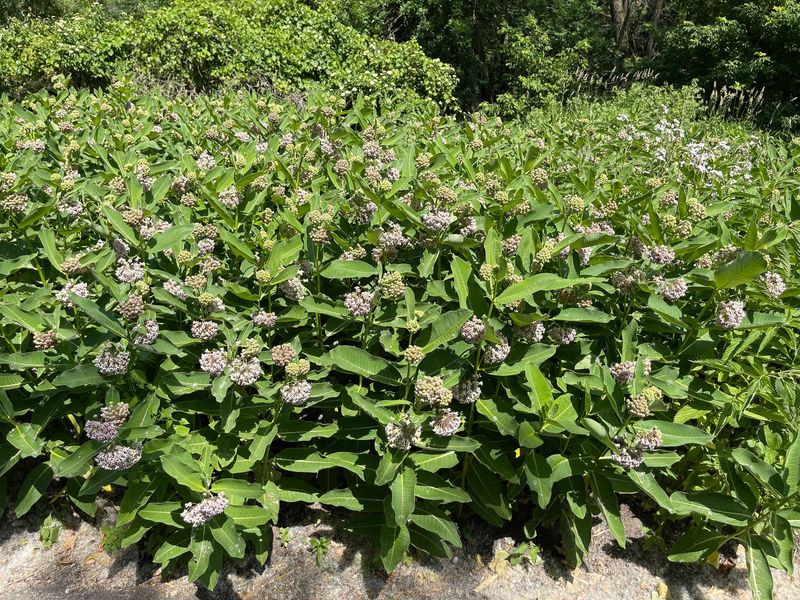
Fence lines in most yards are an afterthought. That narrow strip of ground between the fence and the lawn often gets mowed down, left bare, or ignored entirely.
But that overlooked space is actually one of the best spots in a yard to let a spreading native plant like common milkweed grow freely without causing problems anywhere else.
Your Pennsylvania Garden Changes Every Week. Your Plan Should Too.
Gardening in Pennsylvania changes quickly throughout the season. Every Friday you’ll receive a simple weekly plan showing exactly what to plant, prune, fertilize, harvest, and protect so you never miss the right timing.
Because common milkweed spreads through underground roots, it needs room to move. When it is planted in a tight foundation bed or a small formal border, it can quickly crowd out neighboring plants and become difficult to manage.
A fence line changes that equation completely. The fence itself acts as a natural boundary on one side, and regular mowing along the lawn edge keeps the colony from creeping into the grass.
The plant gets the space it wants, and the gardener keeps control of the rest of the yard. Sunny fence lines are also a great habitat match for common milkweed. This plant loves full sun and does best in well-drained or even slightly poor soil.
Many fence line strips fit that description perfectly, especially in neighborhoods where the soil along the fence has never been amended or heavily watered. The plant does not need fertilizer or special care.
It just needs sunlight and a little space. Homeowners who have made that trade-off report that the fence line transforms from a boring maintenance strip into a lively, seasonal wildlife corridor that requires almost no effort to maintain once the colony is established.
That is a pretty good deal for a plant that basically takes care of itself.
How Common Milkweed Supports Monarch Butterflies
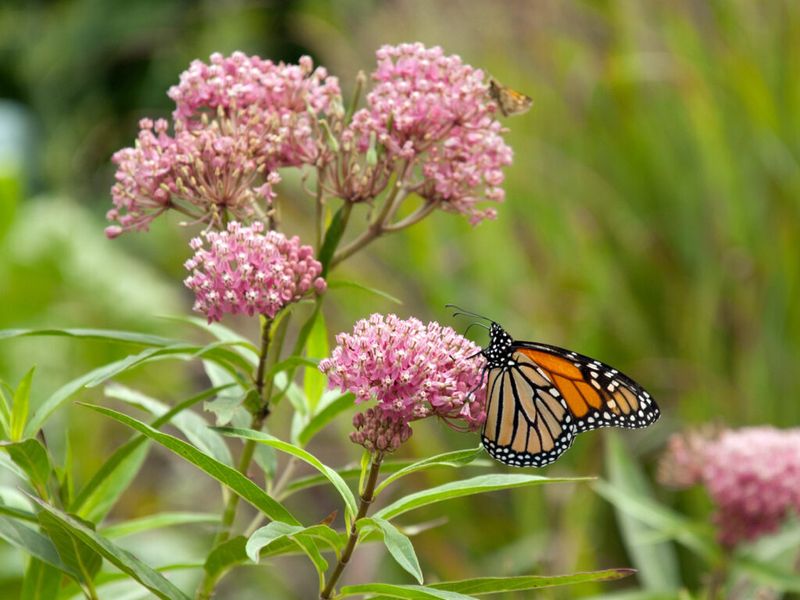
Few relationships in the natural world are as well-known as the one between monarch butterflies and milkweed. Monarchs do not just prefer milkweed.
They absolutely depend on it. Female monarchs lay their eggs exclusively on milkweed plants, and the caterpillars that hatch from those eggs eat only milkweed leaves.
Without milkweed, monarch caterpillars simply cannot survive. That is why common milkweed growing along a Pennsylvania fence line is so much more than a pretty plant.
When a monarch caterpillar eats milkweed leaves, it absorbs compounds from the plant called cardenolides. These compounds make the caterpillar, and later the adult butterfly, taste terrible to most predators.
The bright orange and black colors of the adult monarch actually serve as a warning signal. Predators that have tried eating a monarch before learn quickly to leave them alone. So milkweed does not just feed monarchs. It protects them too.
Adult monarch butterflies also visit milkweed flowers for nectar, especially during their summer breeding season in Pennsylvania. Watching a monarch nectaring on those dusty-pink flower clusters is one of the most satisfying sights a backyard naturalist can enjoy.
Monarch populations have declined significantly in recent decades, largely because milkweed has disappeared from so many of the places it once grew. Roadsides get mowed, meadows get developed, and farm fields get treated with herbicides.
Every patch of common milkweed that a homeowner lets grow along a fence line becomes a small but meaningful piece of the habitat network that monarchs need to complete their famous annual migration from Mexico through the eastern United States and back.
Why Pollinators Love The Flowers
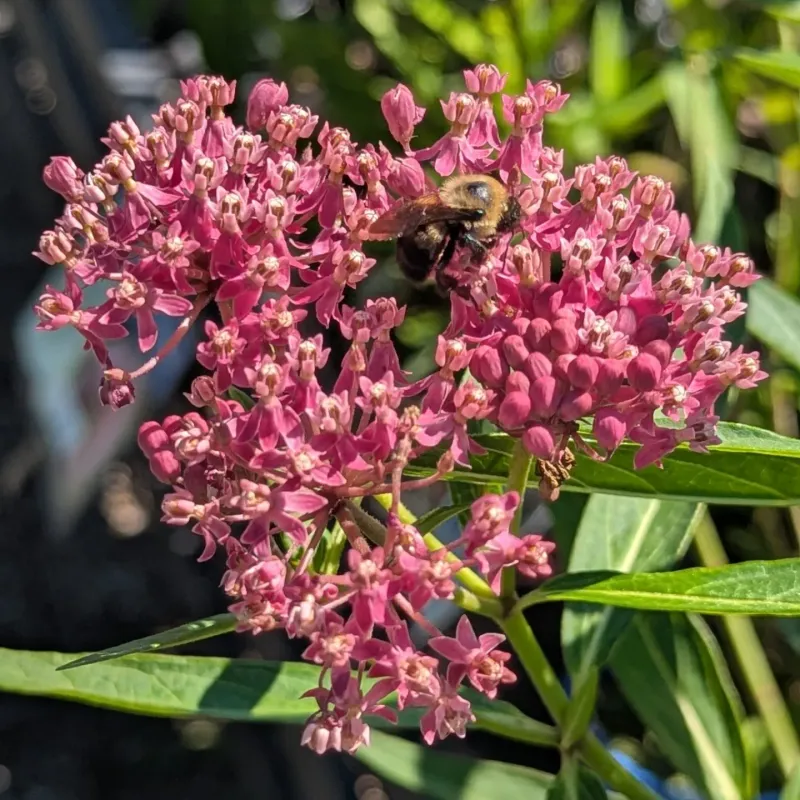
Walk past a patch of common milkweed in full bloom on a warm July afternoon, and you will hear it before you see it. The hum of insects working the flowers is genuinely loud.
The pinkish-purple flower clusters, called umbels, are loaded with nectar and produce a faint sweet fragrance that carries on the breeze. Pollinators find them from a surprising distance away.
Bumblebees are among the most enthusiastic visitors. They crawl right into the flower clusters and emerge dusted in pollen, often carrying small yellow pollen masses called pollinia on their legs.
Honeybees, sweat bees, and several species of native bees also visit regularly. Butterflies beyond monarchs show up too, including swallowtails, fritillaries, and skippers, all drawn in by the reliable nectar supply.
Even certain beetles and wasps are common visitors during peak bloom. What makes milkweed especially valuable is the timing of its bloom.
It flowers in late June and July in most parts of Pennsylvania, a period when some of the earlier spring wildflowers have already finished and certain late-summer bloomers have not yet started.
That mid-summer window is important for pollinators that need consistent food sources throughout the warm season. A colony of common milkweed along a fence line can essentially act as a summer diner for the local insect community.
Gardeners who add milkweed to their fence lines often notice a broader range of insects showing up in other parts of the yard as well.
One plant pulls in the crowd, and the whole yard benefits from that increased pollinator activity throughout the rest of the growing season.
How To Keep Common Milkweed From Taking Over
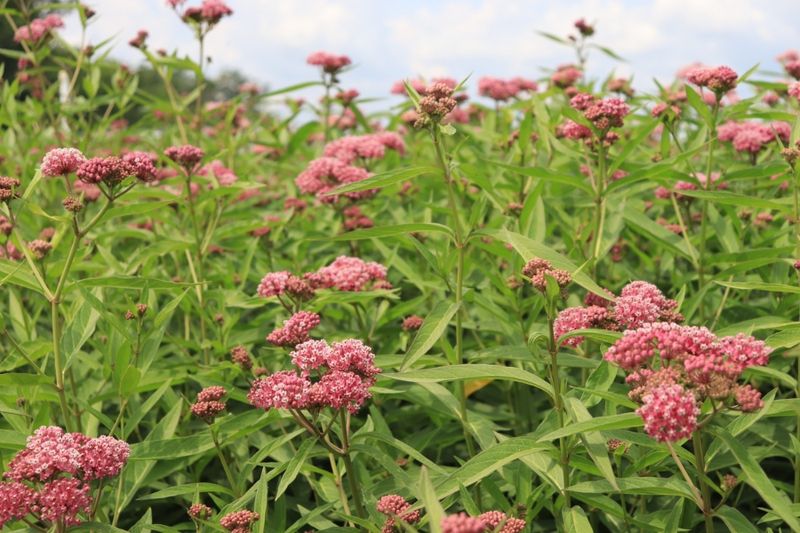
Common milkweed has a reputation for being pushy, and honestly, that reputation is earned. Left completely alone in the wrong spot, it will spread steadily year after year until it has claimed more ground than you planned for.
The good news is that keeping it in check is not complicated. It just requires a little attention at the right times of year.
The most effective strategy is to plant it only where spreading is actually welcome. A long, sunny fence line with open ground is ideal.
Once the colony is established, mow or use a string trimmer along the outer edges every few weeks during the growing season to stop new shoots from advancing into the lawn.
Pull any shoots that pop up on the wrong side of the fence early in spring before they get established.
Young shoots are easy to remove by hand when the soil is soft. Older plants with deeper roots take much more effort.
Avoid planting common milkweed near small foundation beds, raised gardens, or tightly designed borders where it will compete with other plants and become a nuisance to manage.
It is also worth knowing that the plant will send up new shoots even after you cut it back, so persistence matters more than brute force.
Check the edges of the colony a couple of times each season and pull what you do not want. Some gardeners also use a buried edging barrier along one side of the colony to slow underground spread.
With just a modest amount of seasonal management, common milkweed stays exactly where you want it and rewards that effort with a genuinely productive wildlife habitat strip all summer long.
Why It Belongs In A Wildlife-Friendly Pennsylvania Yard
Some plants earn their place in a yard by looking neat and staying put. Common milkweed earns its place by doing the opposite.
It spreads, it towers, it buzzes with insects, and it feeds one of the most beloved butterflies in North America. For homeowners who care about wildlife, that kind of productive messiness is exactly the point.
Pennsylvania sits right in the middle of the monarch butterfly migration corridor. That means every patch of milkweed in the state has real ecological value, not just symbolic value.
When a neighborhood collectively allows milkweed to grow along fence lines, those individual patches connect into a larger habitat network.
Monarchs moving through in late summer can find food and breeding habitat across a wide area instead of searching for isolated plants scattered across a developed landscape.
Beyond monarchs, common milkweed supports dozens of other species throughout the season. Bees, beetles, wasps, and butterflies use the flowers.
Certain aphids and milkweed bugs live on the plant and feed other wildlife in turn. Even the dried seed pods in winter provide texture and shelter for small insects riding out the cold months.
Planting or allowing native plants like common milkweed is one of the most direct ways a homeowner can contribute to local biodiversity without building anything complicated or spending a lot of money.
A sunny fence line, a little tolerance for a wilder look, and one native plant is genuinely all it takes to bring more life into a Pennsylvania yard.
The spreading habit that might seem like a flaw in a tidy garden becomes a genuine strength when it is put in exactly the right place.