What Happens If You Prune Oregon Fruit Trees Too Late This Fall?
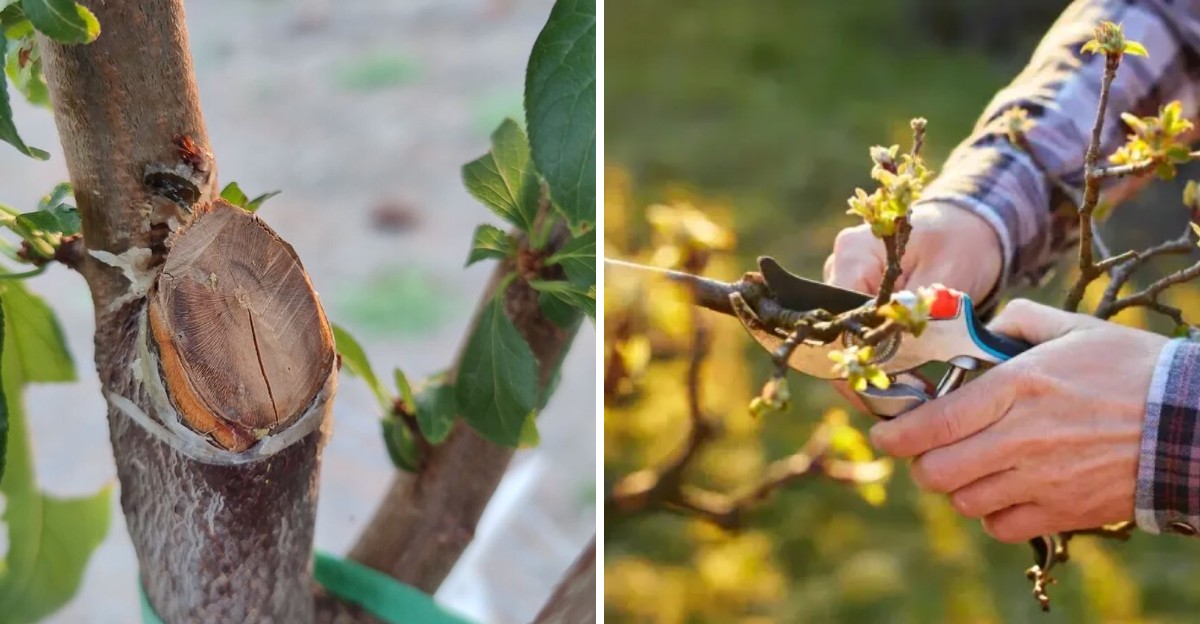
The rain stopped. The apple tree looks messy. The shears are right there in the garage.
It feels like exactly the right moment. The tree needs work, the weather is cooperating for once, and doing something productive with a November afternoon sounds genuinely appealing.
The problem is that your fruit tree disagrees about the timing, and it has several specific ways of making that disagreement known over the following months.
Oregon’s wet falls create conditions that turn a routine pruning session into a disease invitation. The tree’s biology has its own schedule that does not align with mild weather and available weekends.
And next summer’s harvest is already sitting on those branches in bud form, quietly waiting to be protected or accidentally removed.
Some cuts are fine right now. Others will cost you fruit, open wounds to infection, or push growth that the first hard freeze handles badly.
Knowing the difference is the whole game. What exactly goes wrong when the shears come out too early in Oregon?
1. Fresh Cuts Invite Disease In Wet Weather
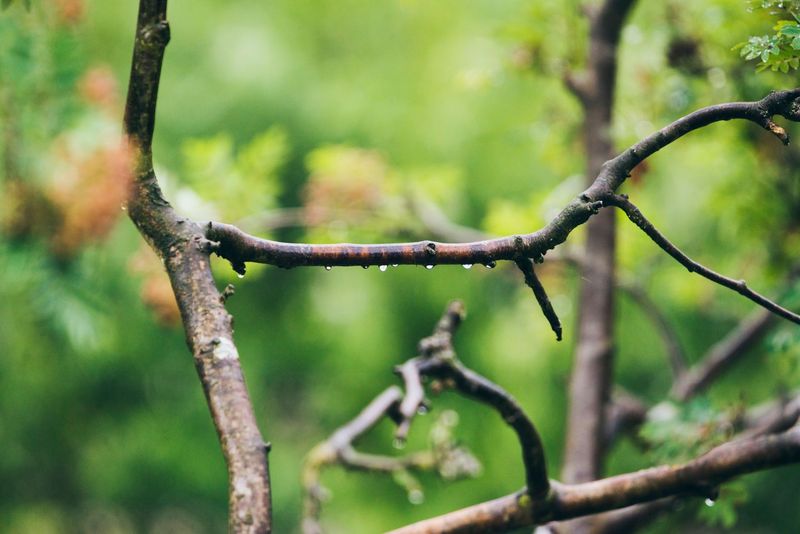
Rain is the whole story here, and Oregon falls have plenty of it. A pruning cut is an open wound with no bark protecting the tissue underneath.
When that wound stays wet for days or weeks, which is completely normal west of the Cascades from October onward, pathogens have an easy entry point that intact bark would have denied them entirely.
Cankers, bacterial infections, and wood-rot fungi all take advantage of soft, freshly exposed tissue in ways they simply cannot when cuts are made in drier conditions.
Cherries and other stone fruits are especially sensitive to wet-season cuts, which is why many Pacific Northwest growers prune them during dry summer weather rather than fall or early winter.
The logic is straightforward: fewer spores moving through dry air, fewer opportunities for infection to establish.
If a cut truly must happen now, wait for a genuinely dry stretch of at least two days and keep the cuts small. Clean your blades between trees with rubbing alcohol or a disinfectant wipe.
Skip wound paint or sealers. Research consistently shows they trap moisture rather than helping the tree heal, which is the opposite of the intended effect.
Removing a clearly broken or dead limb is a different situation than reshaping the whole canopy. Emergency cleanup is reasonable at any time of year.
Big structural work can wait until the tree is fully dormant and the weather finally turns in your favor.
February pruning in dry conditions closes faster and with far less disease risk than the same cuts made in November rain. The tree remembers the difference even if you do not.
2. New Growth Faces Early Frost Risk
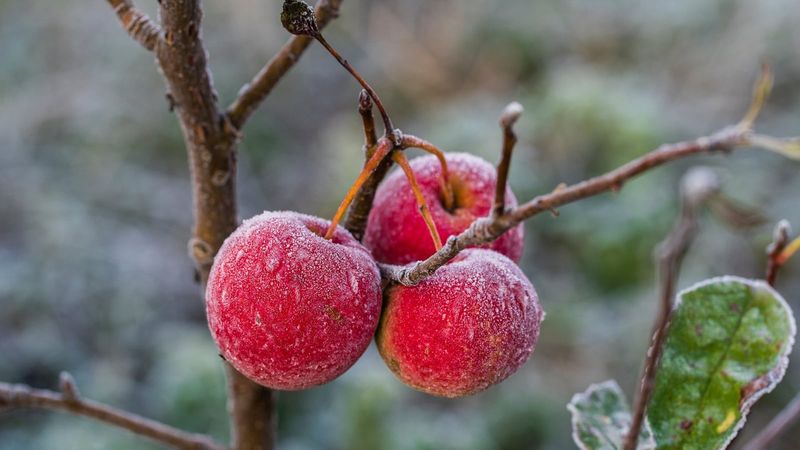
Trees respond to pruning like they have been given a nudge.
Cutting removes growth-limiting buds, and the tree often answers by pushing fresh shoots from nearby buds that were waiting for exactly that signal. In spring, this response is welcome and productive. In late fall, it creates a timing problem.
Your Oregon Garden Changes Every Week. Your Plan Should Too.
Gardening in Oregon changes quickly throughout the season. Every Friday you’ll receive a simple weekly plan showing exactly what to plant, prune, fertilize, harvest, and protect so you never miss the right timing.
Tender new tissue has no time to harden off before Oregon’s first real freeze arrives.
Hardening off is the process where shoots slow their water content, toughen their cells, and build the cold tolerance that lets them survive winter. Growth that begins in November simply never finishes that process before cold arrives to interrupt it.
The first hard freeze handles that soft new growth predictably and badly. The tree loses the energy it spent producing those shoots, and the resulting dead tips can become entry points for rot.
Younger trees react most strongly to fall pruning. A three-year-old apple may flush new shoots quickly after a fall haircut, while a mature tree often shrugs off a small cut without responding at all.
Age and overall vigor determine how aggressively the tree answers the nudge.
Heavy nitrogen fertilizer in fall compounds the effect, so avoid pairing the two habits in the same season.
The safer plan is patience in both directions.
Let the tree drop its leaves. Let cold weather settle in. Save real pruning for late winter when any regrowth that follows arrives right on schedule with spring warmth rather than dying at the first frost a few weeks after the cuts were made.
3. Wounds Heal Slower In Cold Weather
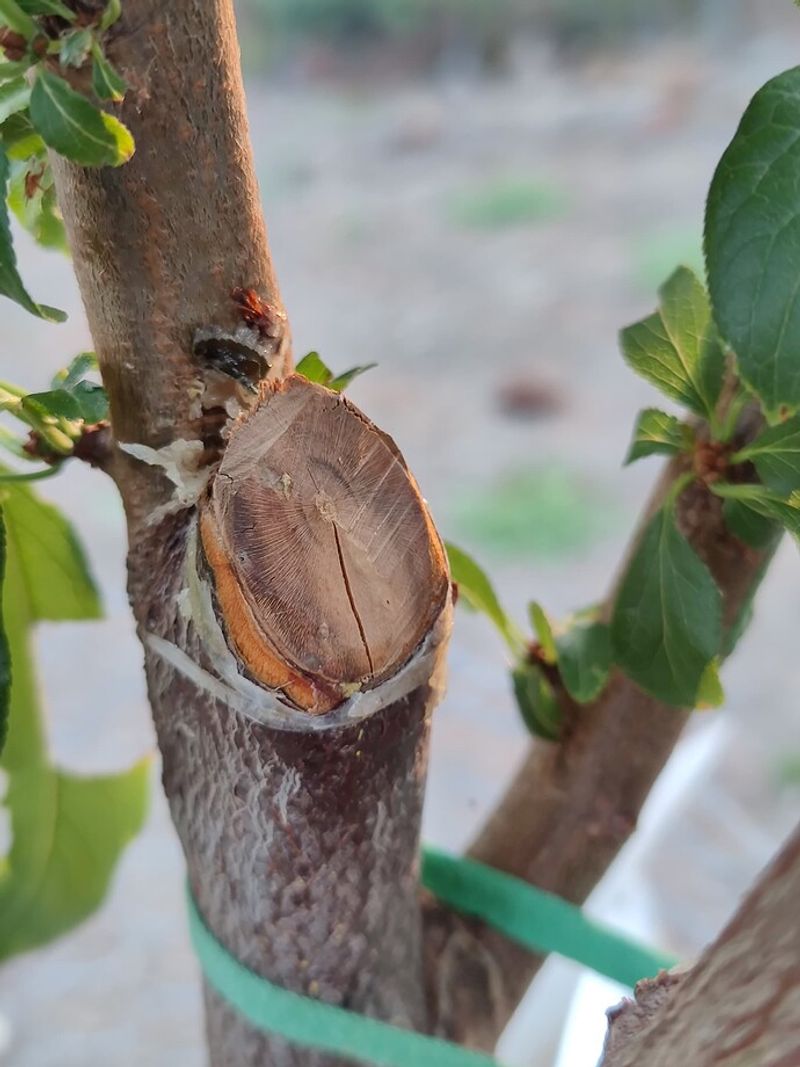
Trees do not heal the way skin does.
Instead of patching a wound shut, a tree seals it off by growing callus tissue around the edges and walling off the damaged wood inside. That process requires active growth, and active growth requires warmth.
As soil and air temperatures drop through November and December in Oregon, the sealing process slows to a near standstill.
A cut made in late fall can sit wide open for months. Spores drift through damp air. Rain washes over exposed wood repeatedly.
The wound stays vulnerable for the entire period between cutting and the return of spring growth, which in western Oregon can be a very long stretch of wet, cold weather.
Compare that to a late-winter cut made in February. The wound stays open for only a few weeks before spring growth kicks in and callus tissue starts closing the gap efficiently.
That difference in exposure time is one of the strongest practical arguments for timing major cuts near the end of dormancy rather than the beginning of it.
Cut size matters considerably. A thumb-sized twig closes fast regardless of when you cut it.
A four-inch limb may take years to seal over completely, and a poorly timed cut on a large wound extends the vulnerability window in ways that compound with every rainy week.
Make cuts just outside the branch collar, that slightly swollen ring where a limb meets the trunk. The collar contains the tissue responsible for sealing work, and removing it takes away the tree’s primary defense against the wound staying open indefinitely.
4. Fire Blight Spreads Easier Through Cuts
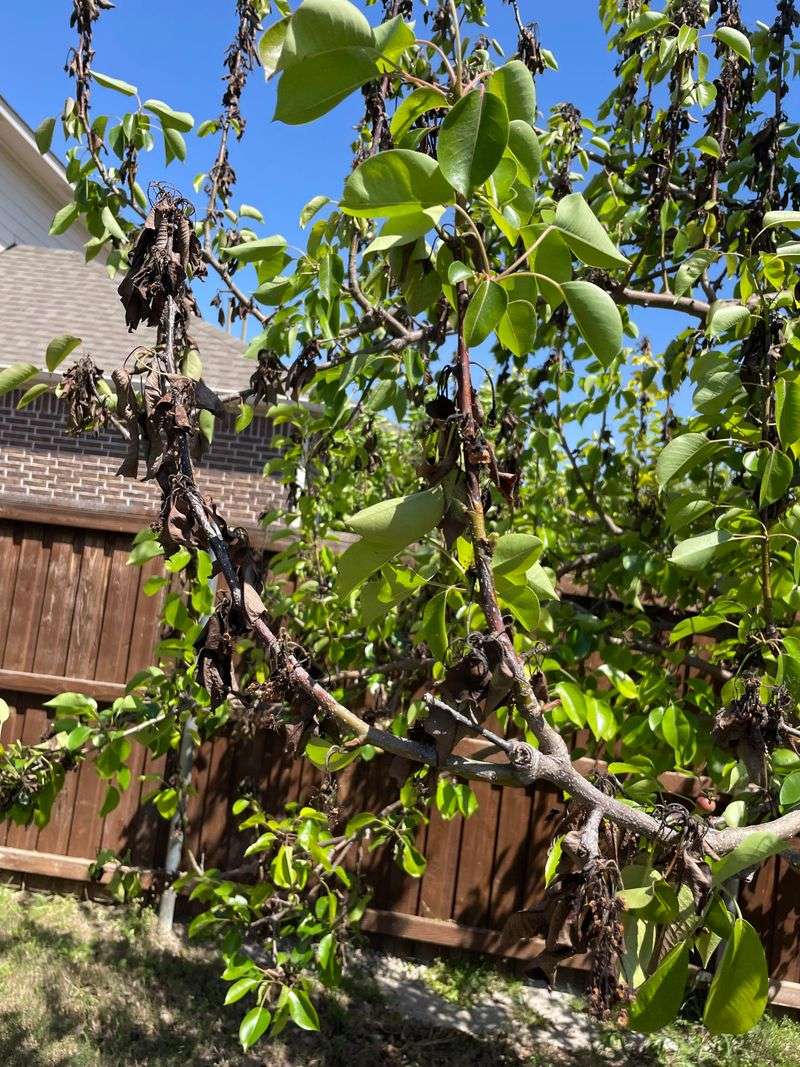
Ask any Oregon apple or pear grower about their least favorite disease and fire blight comes up immediately.
Caused by a bacterium, it turns new shoots black, curls the tips into a distinctive shepherd’s crook shape, and can run down into major limbs before a gardener realizes how far the infection has traveled.
Apples, pears, quince, and ornamental relatives like hawthorn and pyracantha are the vulnerable group. Cherries, peaches, and plums are not hosts, which matters when choosing where to be especially careful about fall cuts.
Bacteria overwinter in existing cankers on the tree, and moisture helps them move. Pruning tools that pass through infected wood can carry the bacteria directly into a fresh, clean cut on a healthy part of the same tree or the next one over.
The usual approach for managing fire blight is to cut well below visible damage, often eight to twelve inches into healthy wood, and to disinfect blades between every single cut without exception.
One contaminated pass through a canker undoes a careful approach entirely.
There is a useful distinction worth keeping in mind. Targeted removal of visibly diseased limbs, done with sanitized tools during dry weather, is defensible and often necessary.
Opening dozens of random wounds across a susceptible apple or pear during rainy November is a different situation entirely and creates significantly more risk than it resolves.
Burn or bag removed wood rather than leaving it in a pile near the orchard. Cankers on cut branches can still harbor bacteria and continue spreading long after the wood is no longer attached to the tree.
5. Trees Delay Entering Full Dormancy
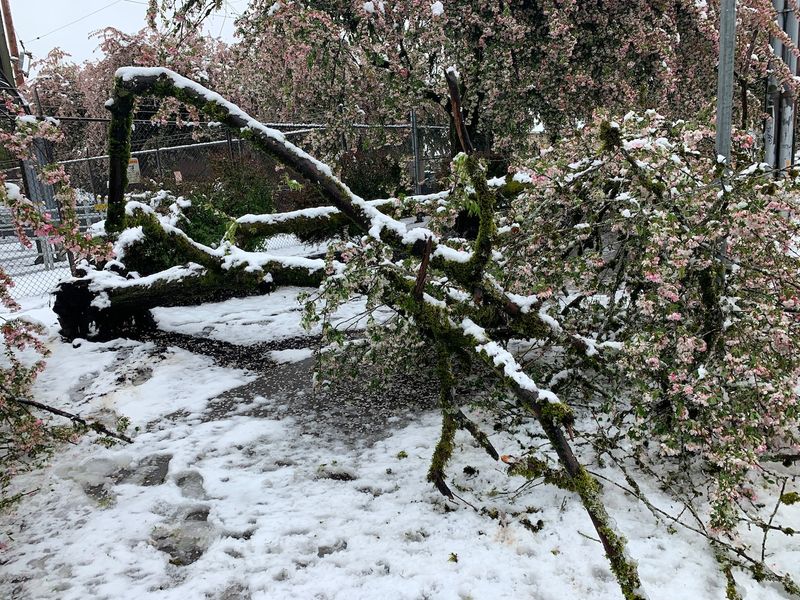
Dormancy is not a switch that flips on a specific date.
It is a gradual shutdown where a tree pulls nutrients back from its leaves, moves sugars into roots and woody tissue, and progressively slows its growth for the season.
Leaves play an active role in that transfer process, and branches that are cut away take some of those stored resources with them before the transfer finishes.
Pruning also sends a growth signal at exactly the wrong moment. The tree reads the loss of buds as a reason to produce new ones, which works directly against the hormonal changes that are supposed to be putting it to sleep for winter.
Oregon’s mild coastal and valley winters already make dormancy a blurrier transition than what happens in colder climates.
Trees here can sit in a half-awake state through stretches of warm rain, and additional stimulation from pruning does not help them complete the shutdown on any reasonable schedule.
A useful practical rule: wait until leaves have fully dropped and the tree has been through a few real frosts. Those are the visible signals that dormancy is genuinely underway rather than just approaching.
For most of western Oregon, that puts the safe pruning window somewhere between January and early March, before buds begin to swell and the new season starts picking up momentum.
Higher elevation and eastern Oregon sites get colder earlier, so dormancy arrives sooner there, but the same principle applies regardless of the specific dates involved.
Watching the tree is more reliable than watching the calendar. Leaves down, weather cold, buds tight and firm. Those three signs together are the actual green light, and the calendar is just an approximation of when they tend to coincide.
6. Next Year’s Fruit Buds Can Suffer
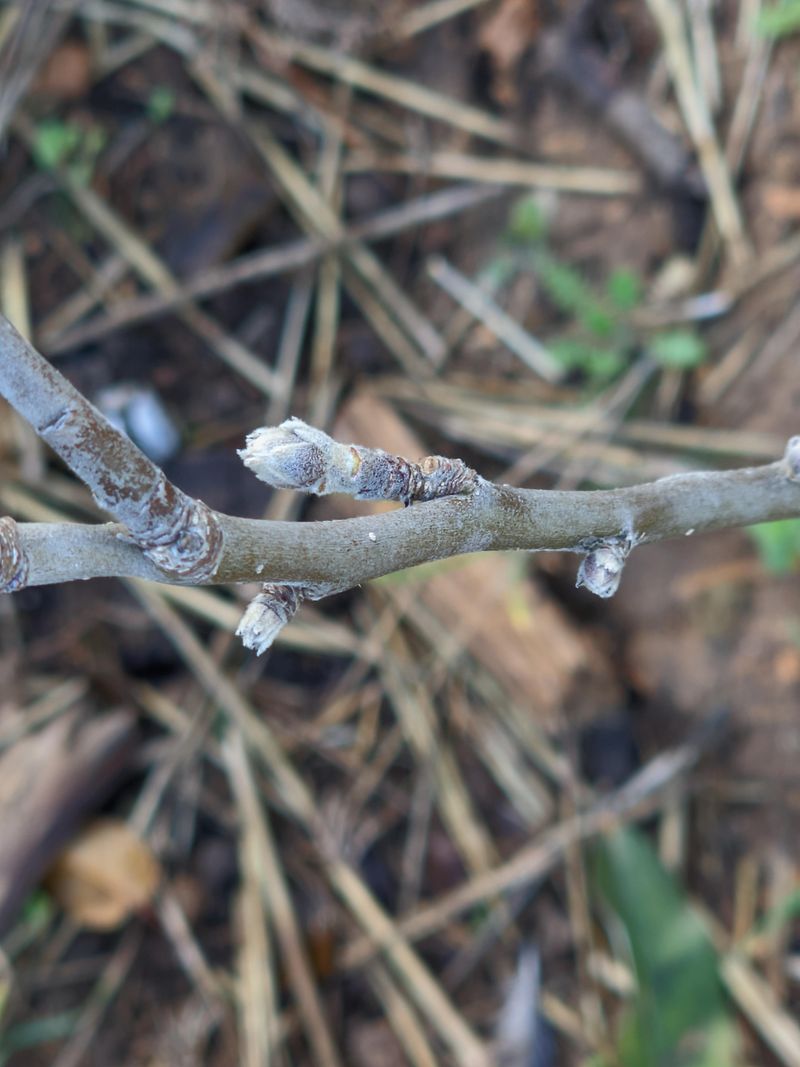
Here is the detail that surprises many backyard growers: next summer’s apples are already decided.
Fruit buds form during the previous growing season, which means the buds sitting on those branches right now hold next year’s harvest.
They have been developing since July. They are ready to wait out winter and open into blossoms in spring.
Those fat, rounded fruit buds look different from the slim, pointed leaf buds beside them. On apples and pears, many sit on short stubby spurs that produce fruit year after year from the same location on the same branch.
Cutting carelessly removes fruit that was already committed. Removing a spur system that took four years to develop sets the harvest back in ways that show up clearly at picking time and persist for several seasons after.
Late fall pruning makes this mistake easier to commit because leaves may still be hanging on, obscuring bud structure and making it genuinely difficult to see what is being removed versus what is being kept.
Bare branches in late winter give a completely clear view. The plump fruit buds are visible, countable, and distinguishable from everything else.
Pruning becomes a deliberate crop-planning exercise rather than an educated guess made with partial information.
Different fruits carry buds differently.
Peaches fruit on last year’s new wood. Sweet cherries rely on long-lived spurs. Figs operate by their own set of rules. Learning the specific fruiting habit of each tree in the yard pays off every pruning season in avoided mistakes.
Slow down, wait for bare wood, and the same tool in the same hands produces consistently better results than the same cuts made in November with leaves still blocking the view.
7. Timing Matters More Than The Tool
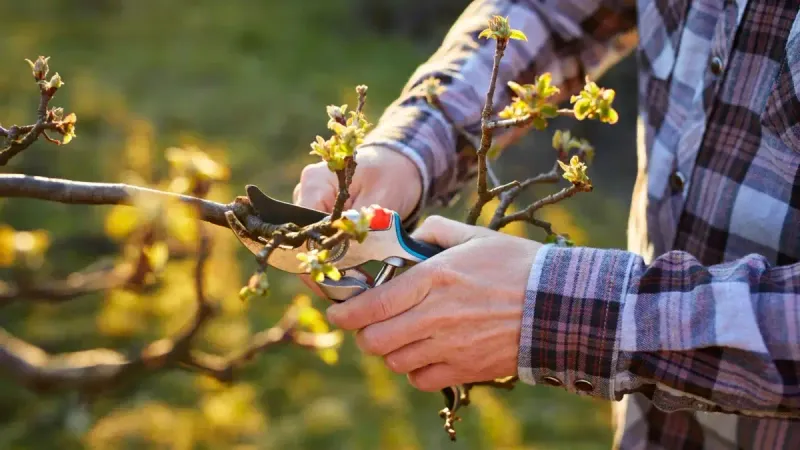
The gear debates in gardening are genuinely fun. Bypass versus anvil pruners, which saw brand holds an edge longest, whether the sanitizing solution matters.
All of it is worth knowing, and none of it outranks the calendar when it comes to fruit tree pruning in Oregon.
A perfectly clean cut made in soggy November carries more disease risk than a slightly rough cut made in dry February.
The weather and the tree’s growth stage set the stakes. The tool handles the execution, but it cannot change the conditions around the wound after the cut is made.
Oregon fruit trees benefit most from major structural pruning during the dormant season, generally late winter for apples, pears, and most other species.
Stone fruits like cherries often get pruned in dry summer weather specifically to avoid wet-season infection, which is a different schedule entirely based on the same underlying logic.
Small exceptions remain reasonable at any time of year. A broken limb after a windstorm, clearly dead wood, a branch rubbing a fence, something genuinely urgent: those do not need to wait until February.
If the shears are already in hand on a mild autumn afternoon, aim them at obviously dead or damaged material and put them back.
Use the waiting months productively.
Sharpen blades, sketch which branches need to go, and observe the tree through the dormant period so the late-winter session starts with a clear plan rather than improvised decisions made at the base of a ladder.
Come February, the cuts close fast, the tree is fully dormant, and every bud is visible and countable. That combination is worth the patience it took to get there.