A bird feeder is only half the story – these Oregon native berries feed songbirds all winter
A full bird feeder feels like a good deed, but it is only part of what songbirds need to make it through an Oregon winter. Native berry shrubs keep feeding birds long after the seed runs out, and they double as cozy shelter from wind, rain, and hungry hawks.
If you have ever felt that soft tug of wanting to do more for the wildlife in your backyard, planting these natives is a heartfelt way to help. Here are seven Oregon natives that turn your yard into a winter buffet.
1. Oregon Grape (Mahonia aquifolium)
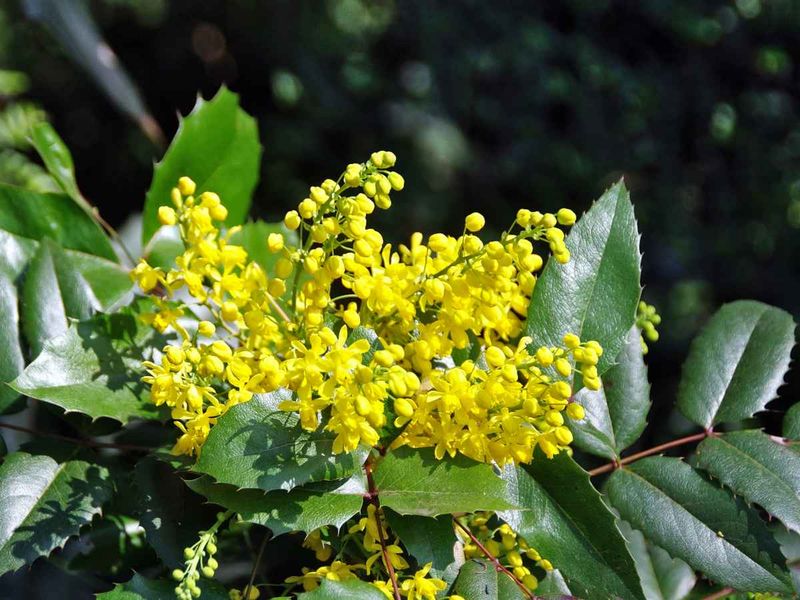
Meet Oregon’s own state flower, a plant so hometown-proud it practically wears a badge. Oregon Grape keeps its glossy, holly-like leaves all year, so your garden never goes fully bare even in the grayest Willamette Valley January.
What makes it a standout is the timing. Bright yellow flowers show up in mid-winter when almost nothing else dares to bloom, and those blooms turn into bunches of blue-black berries that hang on through the cold.
Bushtits and other winter regulars treat them like a reliable snack bar.
For gardeners west of the Cascades, this evergreen shrub is a low-fuss workhorse. It handles our wet winters, tolerates shade, and gives structure and color when the rest of the yard has thrown in the towel.
Plant one near a window and you will have front-row seats to the winter bird show.
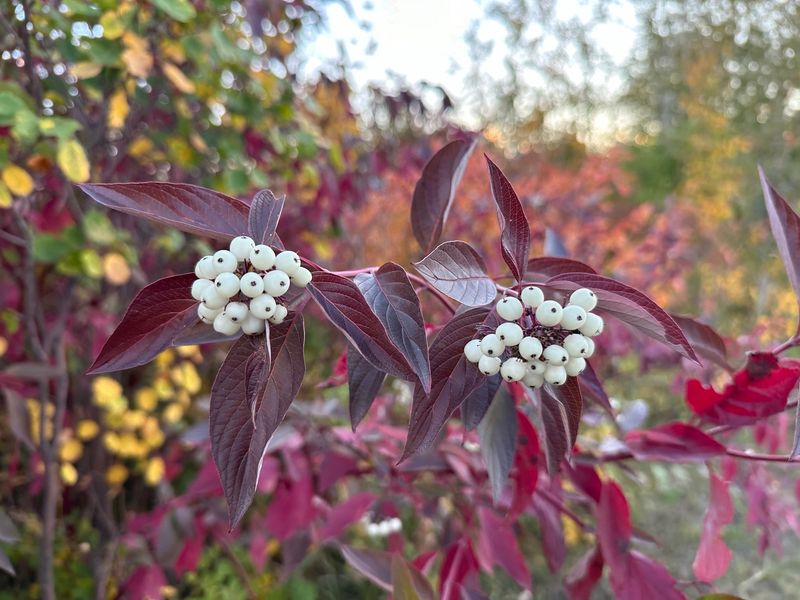
2. Snowberry (Symphoricarpos albus)
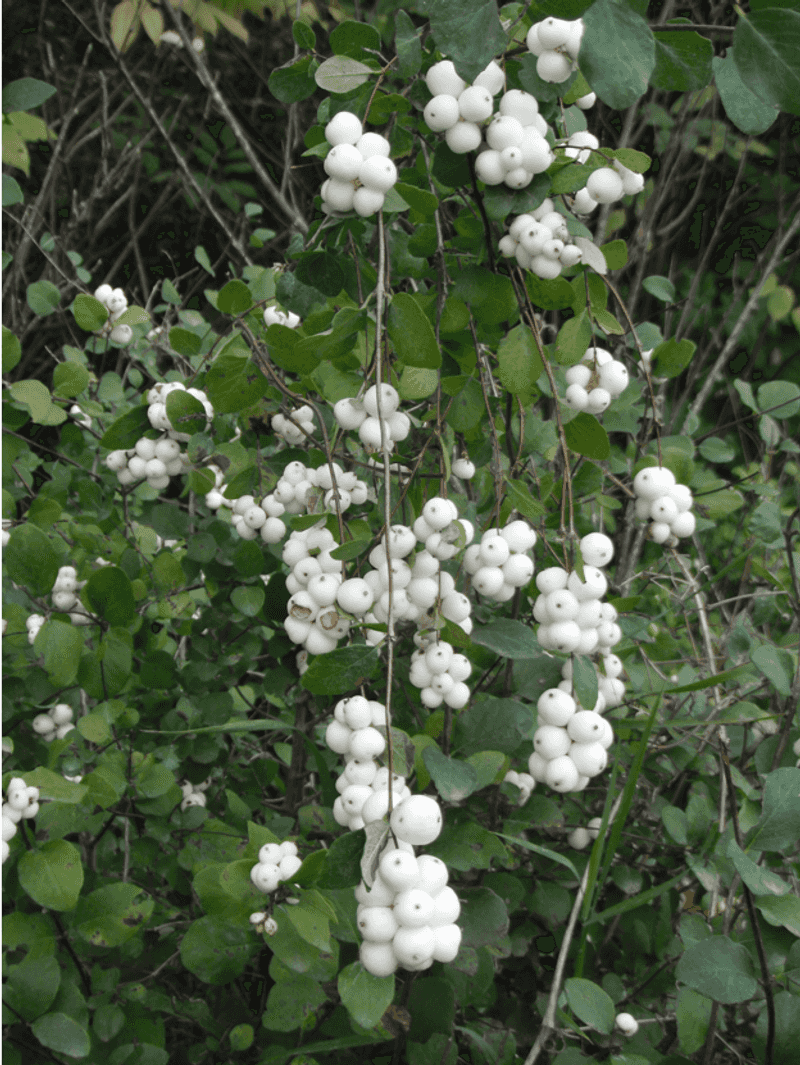
Picture little white berries dotting bare branches like tiny snowballs that forgot to melt. Snowberry is impossible to mistake for anything else once those clusters show up, and they cling on stubbornly deep into winter.
Here is the honest part: birds do not always rush to snowberries first. But that is exactly why they matter.
When the tastier berries have all been gobbled up in late winter, these persistent fruits become a valuable backup meal during the leanest stretch.
Adaptable is an understatement with this one. Snowberry grows happily on both sides of the Cascades, shrugging off different soils and conditions.
Beyond feeding birds, its tangle of stems offers good cover, giving small songbirds a safe place to duck away from wind and watchful predators.
3. Pacific Wax Myrtle (Myrica californica)
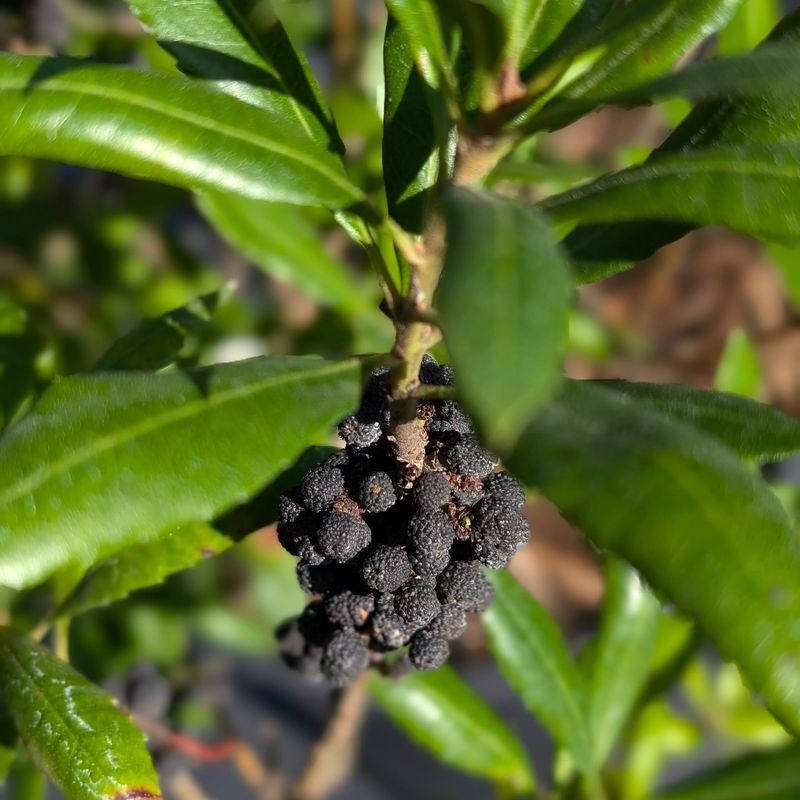
If you want a plant that pulls double duty, Pacific Wax Myrtle happily takes the job. This evergreen native can climb up to 30 feet, so it works as a living privacy screen or even a small tree while still doing right by the birds.
The purplish berries arrive in fall and settle in for the long haul, staying put through the winter months. That steady supply gives songbirds something dependable to return to when foraging gets hard.
Because it holds its leaves and its height, this shrub also provides serious shelter. Birds tuck into the dense evergreen growth to escape our soggy PNW storms, making it one of those plants that feeds and protects in the same breath.
4. Red-Osier Dogwood (Cornus sericea)
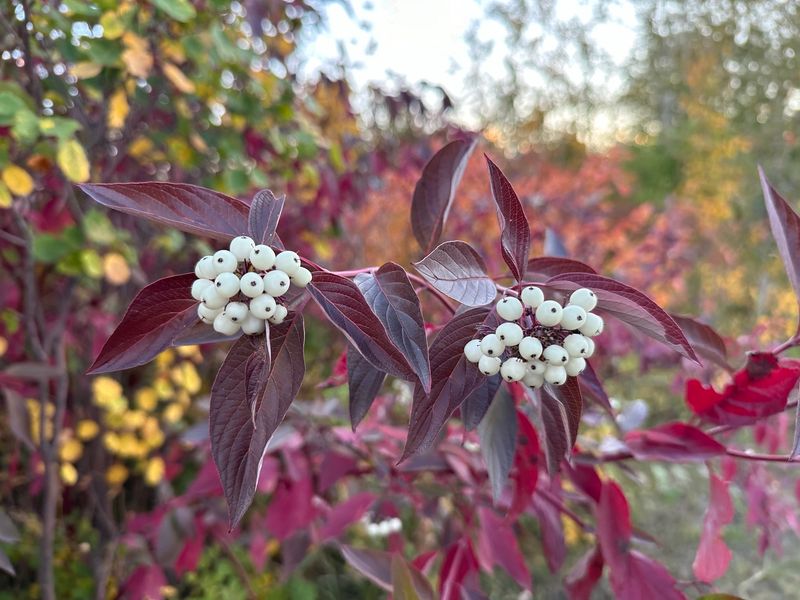
Some plants save their best trick for winter, and Red-Osier Dogwood is one of them. Once the leaves drop, its stems glow a striking red that lights up an otherwise drab landscape, giving your garden a jolt of color when you need it most.
Your Oregon Garden Changes Every Week. Your Plan Should Too.
Gardening in Oregon changes quickly throughout the season. Every Friday you’ll receive a simple weekly plan showing exactly what to plant, prune, fertilize, harvest, and protect so you never miss the right timing.
The bluish-white berries show up in late summer or early fall and often stay on the branches into the colder months, even when they get a little shriveled. They are lower in sugar than some flashier fruits, which is exactly why birds save them for when the sweet stuff is long gone.
Native to our region and fond of damp spots, this deciduous shrub fits naturally into rain-soaked corners of a Willamette Valley yard. You get winter drama above ground and a persistent food source for songbirds, all from one easygoing plant.
5. Hawthorn (Crataegus species)
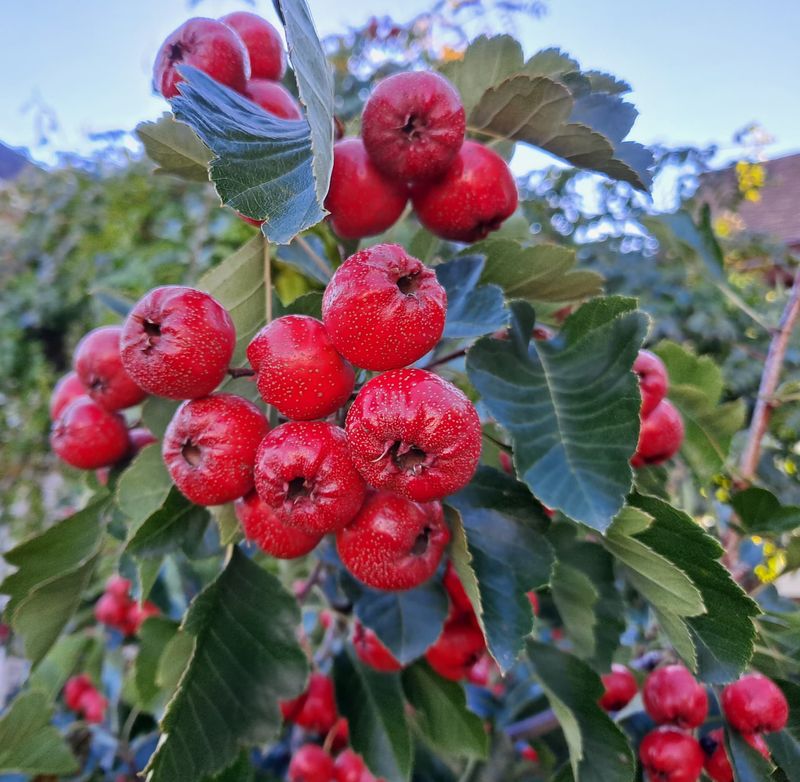
Few sights beat a flock of Cedar Waxwings descending on a berry-loaded tree, and Hawthorn is the plant that pulls off that spectacle. The bright red fruits, called haws, ripen in late summer or fall and often hang on well into winter.
Birds notice. Pine Grosbeaks, American Robins, and especially those elegant Cedar Waxwings are known to flock to these berries, sometimes stripping a tree in a noisy, delightful rush.
Oregon has its own native hawthorn varieties, so you can plant one that truly belongs here rather than a stranger to our climate. The thorny branches add a bonus of extra protection, giving nesting and roosting birds a prickly fortress against predators.
It is the kind of tree that earns its keep several times over.
6. Mountain Ash (Sorbus species)
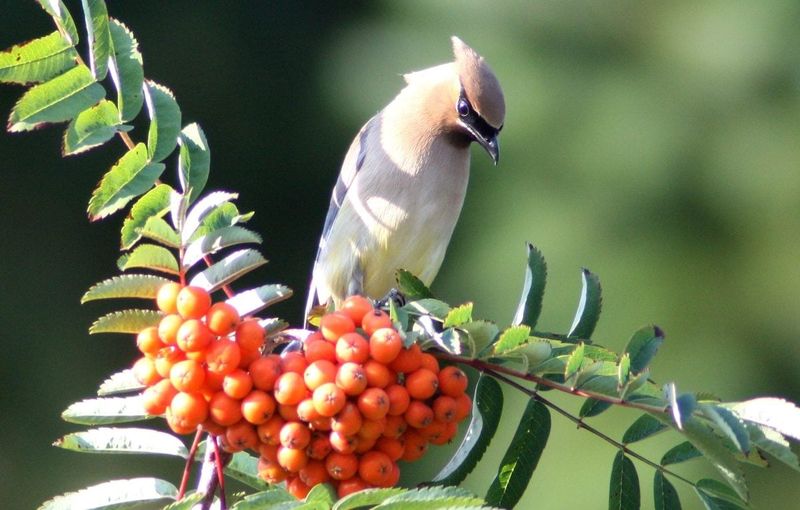
Talk about a calorie jackpot. Mountain Ash loads its branches with clusters of brilliant red or orange berries that can cling on for much of the year, offering birds a rich, fatty meal exactly when they need the fuel most.
Those berries draw in some real winter showstoppers. Bohemian Waxwings and Pine Grosbeaks are known to visit for the high-energy snack that helps them power through freezing nights.
The color alone is worth the planting. When so much of the winter garden fades to brown and gray, a Mountain Ash draped in fiery fruit is a cheerful sight for you and a lifeline for the birds.
Give it room to reach for the sky and it will pay you back with bird traffic all season.
7. Evergreen Huckleberry (Vaccinium ovatum)
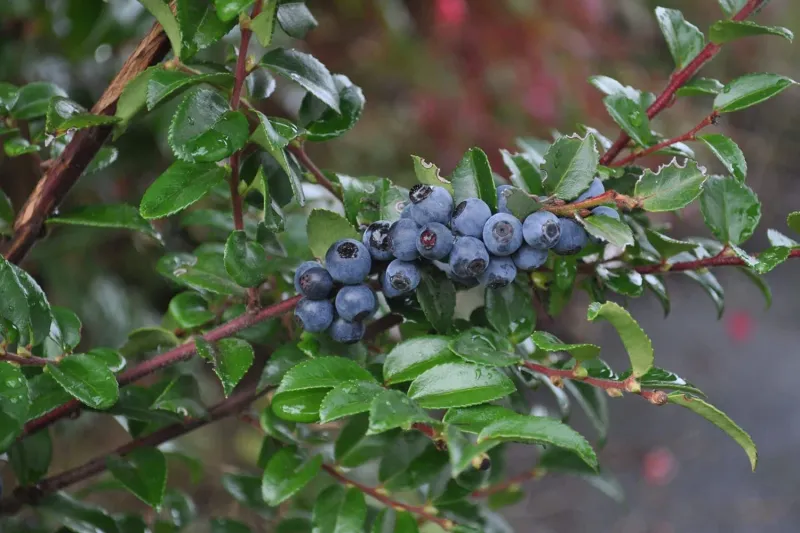
Saving one of the best for last, Evergreen Huckleberry is a quiet overachiever. Its small, glossy leaves stay green and tidy all winter, keeping your garden looking alive even when neighboring plants have gone dormant.
The berries earn their reputation. Many gardeners consider them among the finest native fruits for wildlife, and their tendency to persist means birds can rely on them well into the colder stretch.
There is a lot to love about the way this shrub carries itself. It thrives in the shady, moist conditions so common west of the Cascades, holding its shape and color while feeding songbirds through the leanest weeks.
Tuck one into a woodland corner and it becomes a dependable green anchor that birds will thank you for.
Together, these seven natives do what a feeder never can: they offer food and shelter as a single, living gift. Plant a few and you are not just handing out snacks, you are building a real winter home for the birds you love watching.