Oregon Native Shrubs To Plant Instead Of Privet For A Better Privacy Hedge
Privet may be a familiar choice for privacy, but familiar does not always mean it is the most interesting option for an Oregon yard.
A wall of identical green shrubs gets the job done, sure, yet homeowners looking for something with more character may find plenty of inspiration closer to home.
Native shrubs can bring a very different feel to a property boundary. Instead of creating a hedge that looks stiff or overly formal, they can add changing textures, seasonal interest, and a softer connection to the surrounding landscape.
Privacy does not have to look like a giant green rectangle, after all. Of course, replacing privet is not simply a matter of grabbing the first native shrub with a nice tag at the nursery.
Mature size, density, growth habit, site conditions, and the amount of screening you actually need all deserve some thought.
A well-chosen hedge can do more than block an unwanted view. It can become part of the garden itself, adding structure and personality while making the property feel comfortably tucked away.
1. Douglas Spirea Handles Damp Ground Better Than Many Hedge Shrubs
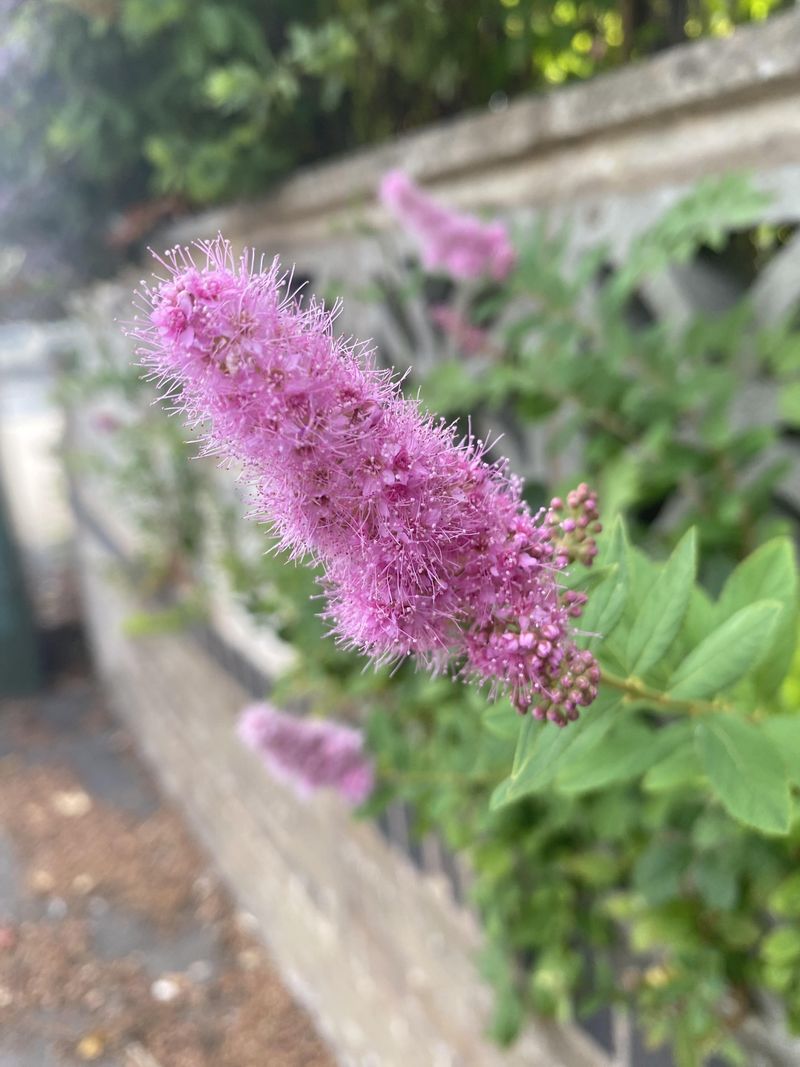
Few shrubs can handle soggy soil the way Douglas spirea can. If you have a low spot in your yard that stays wet for much of the year, this plant will not just survive there, it will thrive.
Most hedge shrubs struggle in poorly drained areas, but Douglas spirea is right at home near streams, ponds, and wet meadow edges.
This native shrub grows to about three to six feet tall and spreads into a dense, multi-stemmed clump over time. The foliage is fine-textured and attractive all season long.
In summer, it produces clusters of small pink to rosy-purple flowers that pollinators absolutely love. Bees and butterflies visit the blooms regularly, making this plant a real bonus for your garden’s ecosystem.
Planting several Douglas spirea shrubs in a row creates a soft, natural-looking hedge that fills in well over a few seasons. It spreads slowly by suckering, which helps it form a thicker screen without much help from you.
Pruning is easy and straightforward. A light trim after flowering keeps it tidy and encourages fresh growth.
It works especially well along fence lines near drainage areas or at the edge of a rain garden. For wet Pacific Northwest yards, this shrub is a practical and beautiful choice that outperforms privet in challenging conditions.
2. Mock Orange Gives A Taller Screen With Fragrant Summer Flowers
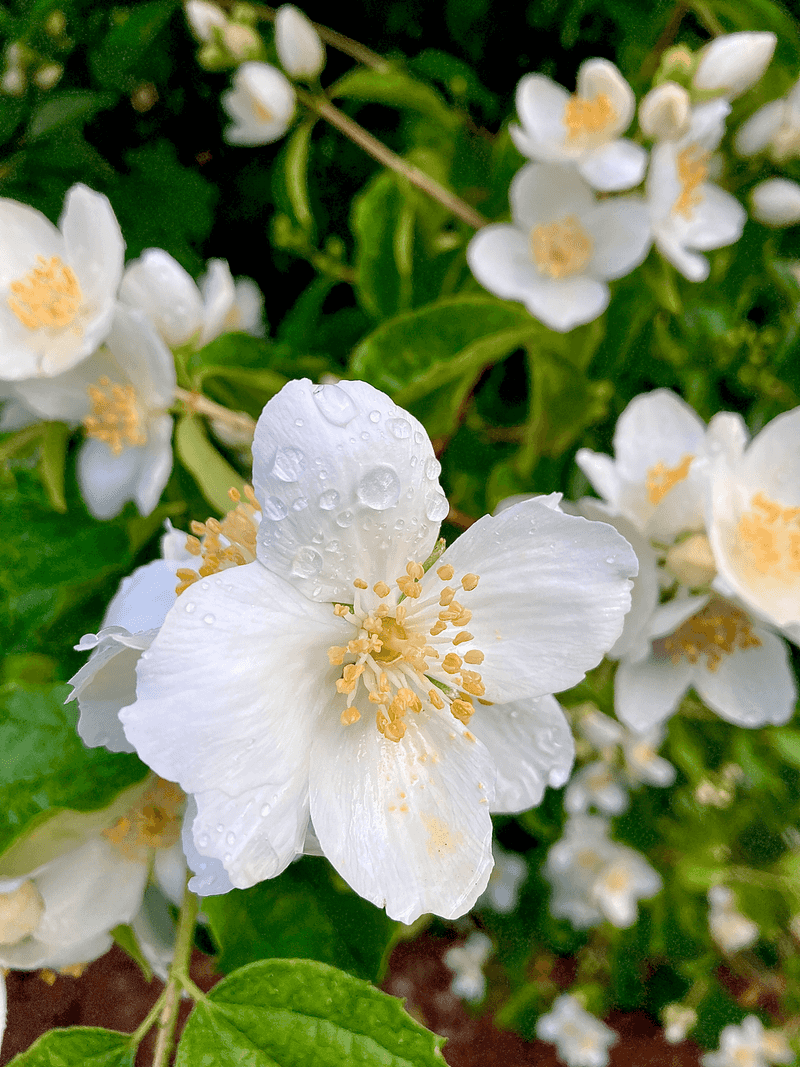
There is something truly special about a hedge that smells amazing in June. Mock orange is a tall, vigorous native shrub that blooms with clusters of white, four-petaled flowers that carry a sweet, citrusy fragrance.
Neighbors will stop and ask what that wonderful smell is coming from your yard. This shrub can reach six to twelve feet tall, making it one of the best options for a full-height privacy screen.
It grows quickly and fills in well, especially when planted in a row about four to five feet apart.
The arching branches create a natural, layered look that feels more like a living wall than a planted hedge.
Your Oregon Garden Changes Every Week. Your Plan Should Too.
Gardening in Oregon changes quickly throughout the season. Every Friday you’ll receive a simple weekly plan showing exactly what to plant, prune, fertilize, harvest, and protect so you never miss the right timing.
Mock orange prefers well-drained soil and does best in full sun to light shade. It is drought-tolerant once established, which makes it a low-maintenance choice for yards that do not get much summer rain.
The flowers appear in late spring to early summer and attract native bees and other beneficial insects.
After the blooms fade, the dense foliage continues to provide solid screening through the rest of the growing season.
Pruning is best done right after flowering to avoid cutting off next year’s buds. Cut older stems back to the base every few years to keep the plant full and productive. For a tall, fragrant, and wildlife-friendly hedge, mock orange is a standout option.
3. Western Hazelnut Makes A Broad, Natural-Looking Privacy Hedge
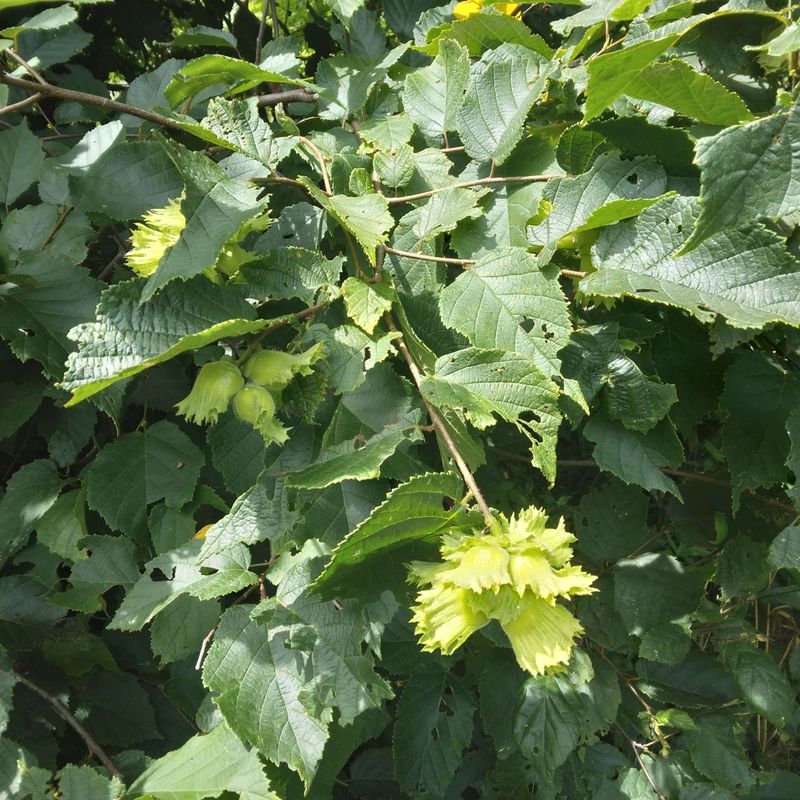
Bold, broad, and unmistakably wild-looking, western hazelnut brings a real sense of woodland character to any yard.
This native shrub can grow eight to fifteen feet tall and just as wide, creating a generous screen that feels more like a forest edge than a formal hedge.
Birds love it, squirrels love it, and once it settles in, you will love it too. The plant produces edible hazelnuts in late summer and early fall, which are a favorite food source for many local wildlife species.
In early spring, long yellow catkins appear before the leaves, adding a cheerful seasonal display.
The large, rounded leaves turn golden yellow in autumn, giving you a beautiful color show before winter sets in.
Western hazelnut is adaptable to many soil types and grows well in sun or partial shade. It spreads by suckering, so a row of plants will fill in and thicken over time without much effort.
This spreading habit is exactly what makes it so effective as a privacy hedge. Space plants about six to eight feet apart and let them grow together naturally.
Trimming is optional, but you can shape the hedge lightly each year if you prefer a cleaner look.
It is a tough, reliable, and wildlife-rich alternative to privet that suits many different yard sizes and styles across the Pacific Northwest.
4. Common Snowberry Forms A Thick, Suckering Hedge
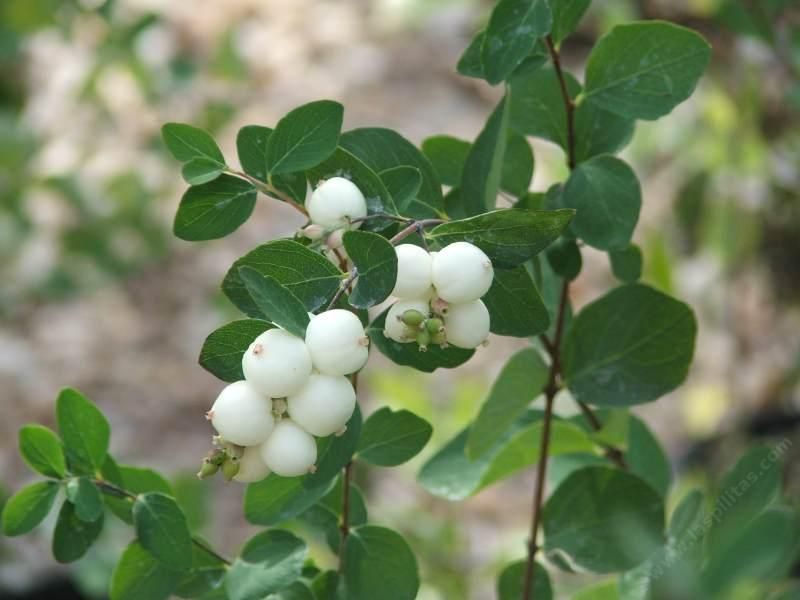
Not every great hedge plant announces itself with flashy flowers or dramatic foliage. Sometimes the most reliable performers are the quiet workhorses, and common snowberry is exactly that.
This native shrub spreads steadily by underground runners, forming a thick, tangled mass of stems that creates excellent privacy without much fuss.
Snowberry grows three to six feet tall and produces small pink flowers in late spring that attract hummingbirds and native bees.
By late summer and into fall, the branches are loaded with bright white berries that give the plant its name.
The berries persist well into winter, providing a food source for birds during the colder months. Robins, thrushes, and waxwings are especially fond of them.
Because it spreads aggressively by suckering, snowberry works best along boundaries where you want a wide, dense barrier rather than a narrow, tidy hedge. It is extremely tolerant of shade, poor soils, and dry summer conditions once established.
This adaptability makes it useful in spots where other shrubs struggle. Plant individual starts about three feet apart and give them a season or two to connect and thicken.
You can mow or cut back any runners that stray beyond your intended boundary. For a low-maintenance, wildlife-supporting hedge that fills in on its own, snowberry delivers consistent results year after year with very little input from the gardener.
5. Red-Osier Dogwood Creates A Dense Screen In Wetter Ground
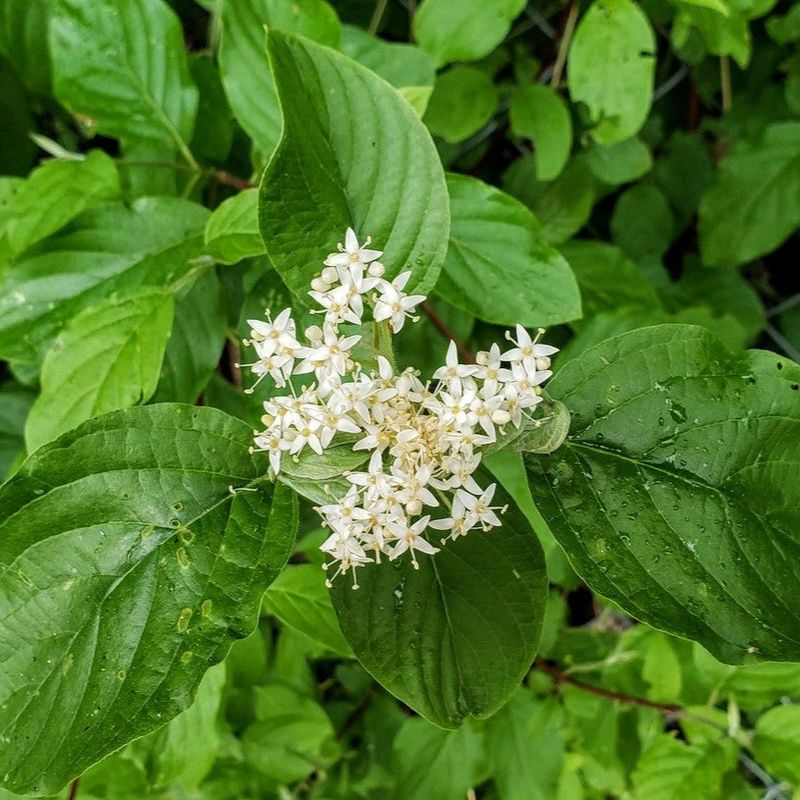
Bright red stems in winter make red-osier dogwood one of the most visually striking native shrubs you can plant.
Even after the leaves drop, this shrub earns its place in the yard by turning the hedge line into a bold splash of color during the dreariest months of the year.
Growing six to fifteen feet tall, red-osier dogwood forms a dense, multi-stemmed screen that works beautifully along wet or moist property lines. It thrives in areas with standing water or heavy clay soil that would stress most other shrubs.
In spring, clusters of small white flowers attract pollinators. By late summer, white to bluish berries ripen and draw in a wide variety of birds.
The large, oval leaves turn reddish-purple in fall before dropping, adding another layer of seasonal interest.
Planting red-osier dogwood four to six feet apart in a row allows the plants to grow together into a continuous screen within a few seasons.
Pruning one-third of the oldest stems down to the ground each year keeps the plant healthy and encourages the brightest red stem color on new growth. Without some annual pruning, the stems gradually lose their vivid color as they age.
This shrub is an outstanding choice for rain gardens, streamside plantings, and any low spot in the yard where standing water is a seasonal challenge. Its combination of beauty and function makes it a top-tier hedge option.
6. Pacific Rhododendron Adds Evergreen Bulk In Part Shade
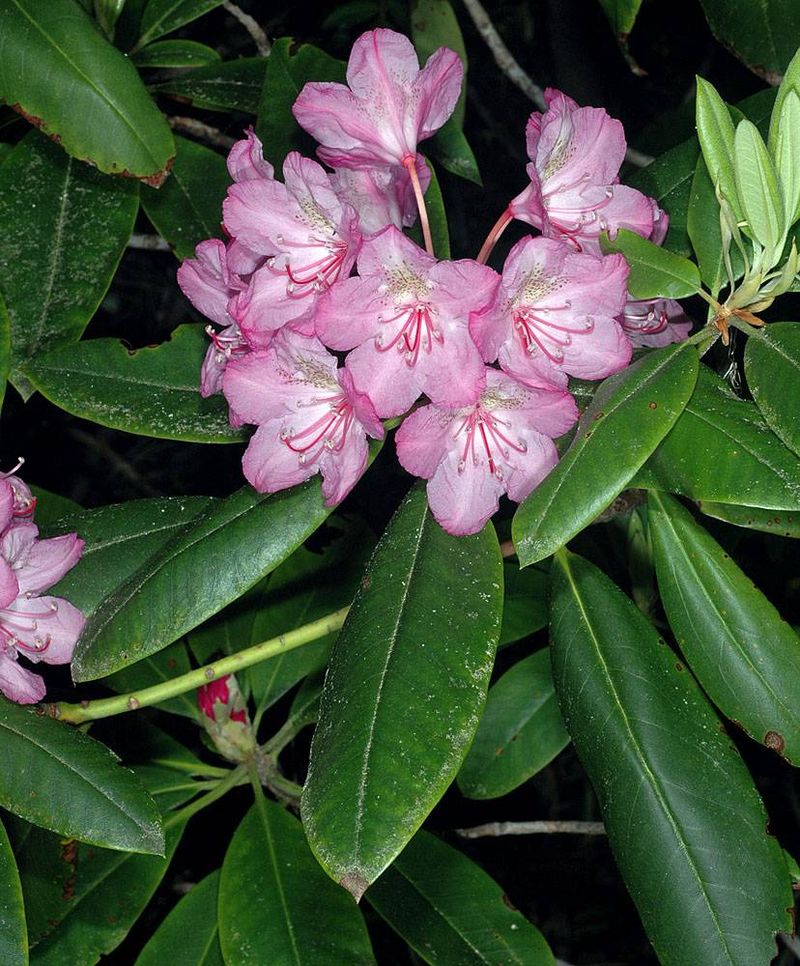
When shade is the challenge, Pacific rhododendron steps up in a way that few other native shrubs can.
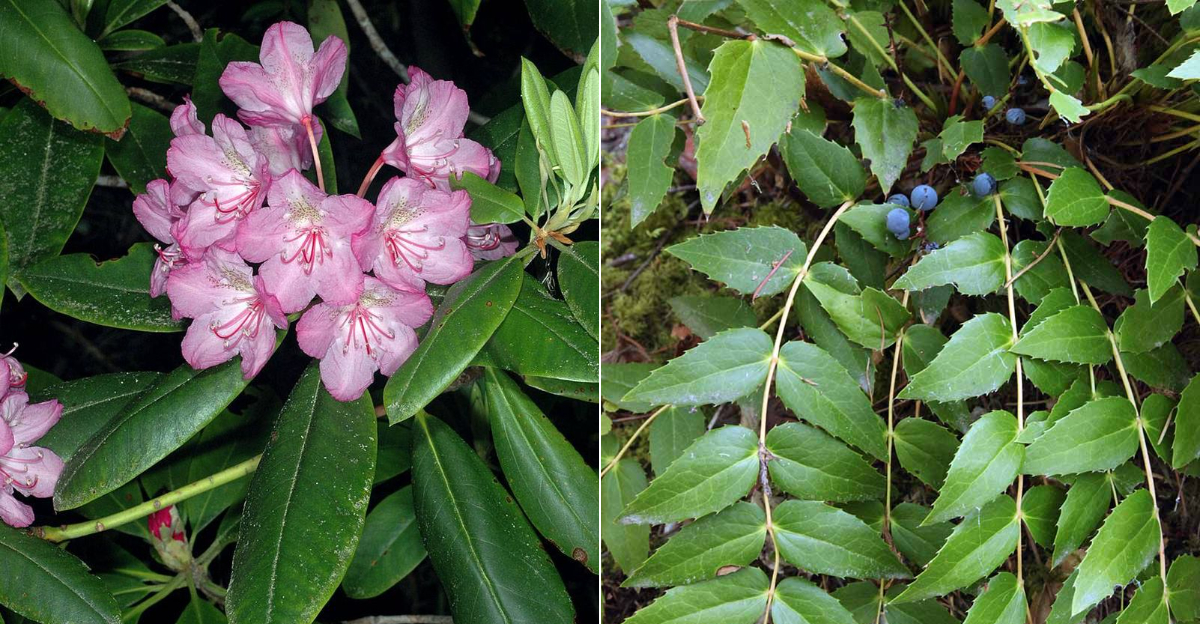
This is the only rhododendron native to the Pacific Northwest, and it brings genuine evergreen bulk to shady spots where privacy hedges are often hard to establish and maintain.
Growing anywhere from six to twenty feet tall over time, Pacific rhododendron develops into a broad, leafy screen with large, glossy dark green leaves that stay on the plant year-round.
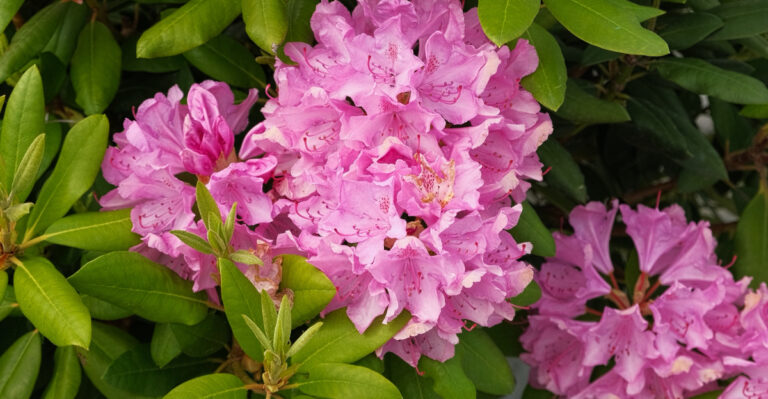
In spring, it produces stunning clusters of pink to rose-purple flowers that are among the showiest blooms of any native shrub in the region.
The flowers attract bumblebees and other early-season pollinators that are looking for food after winter.
This shrub prefers acidic, well-drained soil with good organic content, and it grows best in partial to full shade. It does not do well in hot, dry, or alkaline conditions, so matching it to the right spot is important.
Under a canopy of conifers or large deciduous trees is where it truly excels. Plant rhododendrons six to eight feet apart for a hedge that will eventually form a solid, year-round screen.
Growth is slow at first but steadily picks up after the first couple of years. For shaded yards that need evergreen privacy without losing the wild, natural character of the Pacific Northwest landscape, this plant is a genuinely special choice.
7. Cascade Barberry Works For Lower, Dense Screening
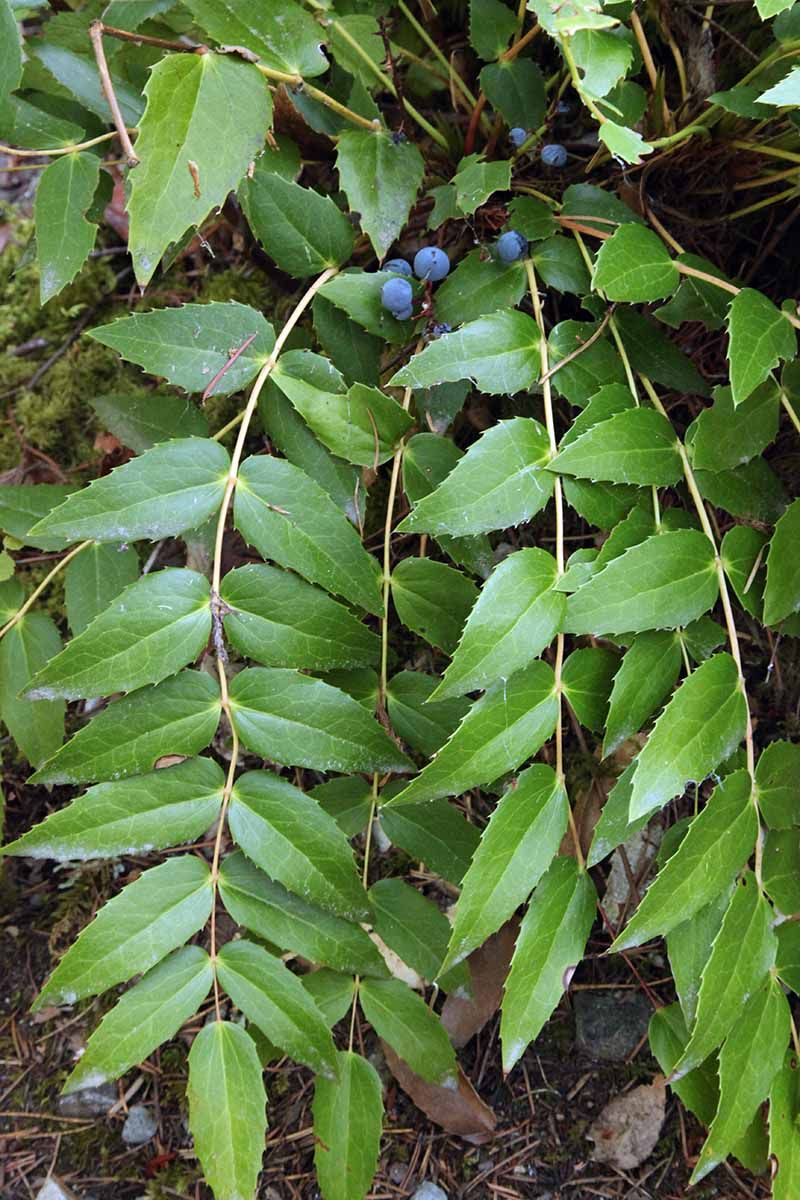
Sharp, sturdy, and surprisingly beautiful, Cascade barberry is the kind of shrub that does double duty in the landscape.
It creates a dense, low-to-medium screen while also acting as a natural deterrent to foot traffic and unwanted visitors, thanks to its spiny leaves.
Cascade barberry typically grows three to six feet tall and spreads into a compact, dense mound. In spring, bright yellow flower clusters cover the plant and attract native bees and other pollinators.
By late Oregon summer, clusters of deep blue-black berries ripen and become a popular food source for birds. The berries are also edible for people and have a tart, slightly sweet flavor.
The foliage is semi-evergreen in mild climates, holding its leaves through most winters and providing some year-round screening value.
This shrub grows well in full sun to partial shade and tolerates dry, rocky, or poor soils once established. It is a particularly good fit for slopes, rocky areas, or spots along driveways where a lower, more contained hedge is needed.
Space plants three to four feet apart for a dense row that fills in well within two to three seasons. Pruning is rarely needed, but you can trim lightly after flowering if you want to tidy the edges.
Wear thick gloves when working near this plant because the spines are sharp. For a tough, low-maintenance hedge with real wildlife value, Cascade barberry is a reliable and rewarding choice.
8. Shrubby Cinquefoil Fits Sunny, Drier Oregon Yards
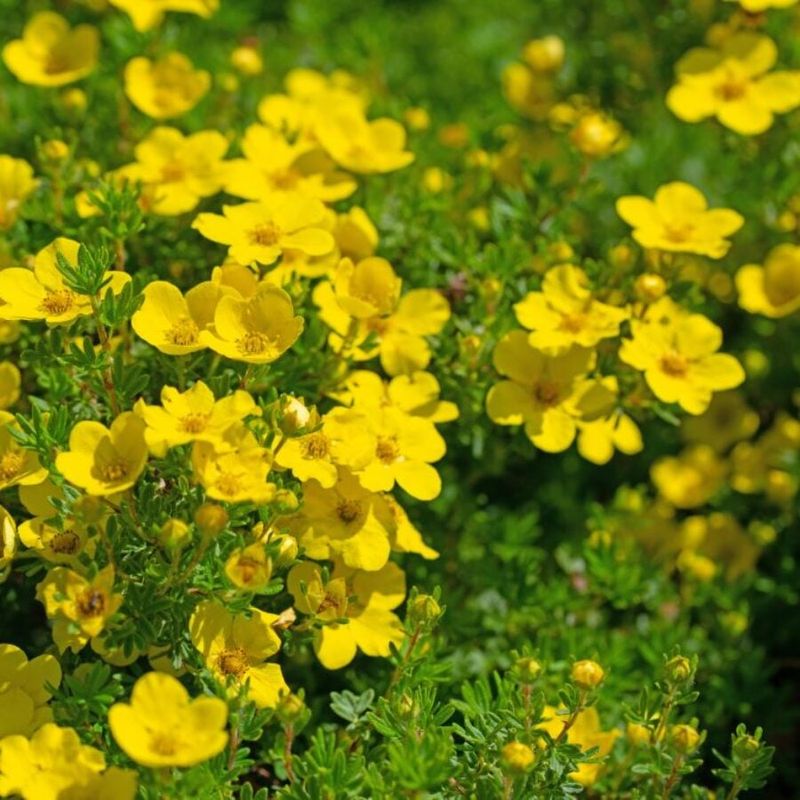
Sunny, dry yards can be the hardest spots to fill with a privacy hedge, especially when you want something that looks good without constant watering.
Shrubby cinquefoil is a cheerful, compact native shrub that handles heat and low moisture with remarkable ease and rewards you with months of bright yellow flowers.
Growing two to four feet tall, this shrub is on the shorter side for a privacy screen, but a row of them planted close together creates a tidy, dense barrier that works well for low hedges along walkways, driveways, or open fences.
The small, buttercup-like flowers bloom from late spring all the way through early fall, making it one of the longest-blooming native shrubs available.
Pollinators visit the flowers constantly throughout the season, and the fine-textured foliage stays fresh and attractive all summer long.
Shrubby cinquefoil thrives in full sun and prefers well-drained, even sandy or gravelly soil. It handles drought well once the roots are established and does not need fertilizing in most situations.
Pruning once a year in late winter keeps the plant compact and encourages fresh, floriferous new growth each season. It is also deer-resistant, which is a real advantage in yards near open spaces or rural edges.
Plant them about two to three feet apart for a solid hedge effect. For a low-water, high-flower-power native hedge option in sunny spots, this little shrub punches well above its size.